REVIEW · KATHMANDU
Kathmandu Food Crawl & Market Tour
Book on GetYourGuide →Operated by Santosh Pandey · Bookable on GetYourGuide
Your first bite on this walk tells you Kathmandu means business. This Kathmandu Food Crawl & Market Tour turns the city’s markets into a real taste lesson, with the focus on local food, local chatter, and the famous Ason Bazar.
I especially love how you get a lot of food for a 2-hour outing. The samples don’t feel like tiny bites meant to be polite. They feel like a proper tasting with enough variety to notice the different styles of Kathmandu cooking.
One heads-up: it’s a walking market route, so if you dislike crowds or spicy food, you’ll want to pace yourself and speak up early.
In This Review
- Key highlights worth showing up for
- Kathmandu Food Crawl with Santosh: why it’s more than a snack stop
- Starting at Chhaya Devi Complex: the smart way to meet and go
- Ason Bazar: Kathmandu’s oldest local market and what to watch for
- Newari cuisine you’ll actually recognize: Yomari and Samay Baji
- Street food in Kathmandu: momo, chatamari, and laphing
- Crafts, traditions, and conversations that make the market feel human
- Price and value: $28 for food, drinks, and a real local guide
- Timing, comfort, and who this Kathmandu food walk suits best
- Should you book the Kathmandu Food Crawl & Market Tour?
- FAQ
- How long is the Kathmandu Food Crawl & Market Tour?
- What is the price per person?
- Where is the meeting point?
- Is the tour guided in English?
- What’s included in the tour price?
- How many food items are included?
- Which market is the tour known for?
- Are personal expenses included?
- Is there free cancellation?
Key highlights worth showing up for
- Ason Bazar as the anchor: Kathmandu’s oldest local market stop, with strong local energy
- At least 5 food-and-drink items: you eat more than you’d expect for a short tour
- Newari focus: dishes like Yomari and Samay Baji connect food to tradition
- Street-food variety: Momo, Chatamari, and Laphing reflect Nepal and its neighbors
- Santosh Pandey as your guide: friendly English explanations, plus stories about daily life
- More than food: you also pick up crafts and traditions tied to Newar culture and other groups
Kathmandu Food Crawl with Santosh: why it’s more than a snack stop
Kathmandu has no shortage of places to eat. The trick is knowing what’s local, what’s worth your time, and what you might miss if you just wander. This tour is built for that problem. In about 2 hours, you move through markets at a food pace, with a guide who helps you understand what you’re actually tasting.
I like that it doesn’t try to turn lunch into a museum lecture. Instead, Santosh Pandey keeps it practical. He points out ingredients and explains why certain dishes show up in certain contexts. That makes the flavors stick in your mind, not just your stomach.
You also get the best kind of learning: the kind that happens while you’re walking, eating, and looking. You’re not stuck in one spot. You’re seeing how food connects to market life—where people buy it, what it looks like, and who’s eating it.
You can also read our reviews of more food & drink experiences in Kathmandu
Starting at Chhaya Devi Complex: the smart way to meet and go
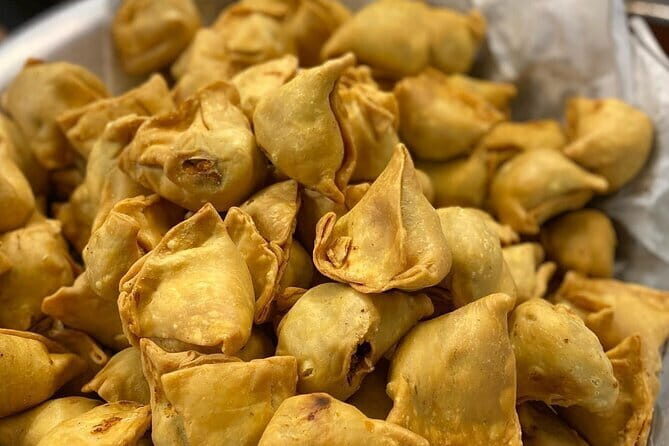
You meet at the main gate of Chhaya Devi Complex (also called Chhaya Center). That’s a solid setup because it makes the start easy and keeps the whole experience in one familiar neighborhood loop. Then you return to the same meeting point after the market walk.
From your perspective, the value here is timing. A lot of Kathmandu activities eat up half a day with travel logistics. This one keeps it tight: a short, focused walk that’s built around eating well, not transporting you across town.
In my view, meeting at a clear, well-known complex gate is also less stressful. You can arrive, check in, and get moving without a puzzle hunt. And once you’re on the street, you’ll notice the real point of this tour: the market sounds, the small talk, and the flow of daily buying and cooking.
Ason Bazar: Kathmandu’s oldest local market and what to watch for
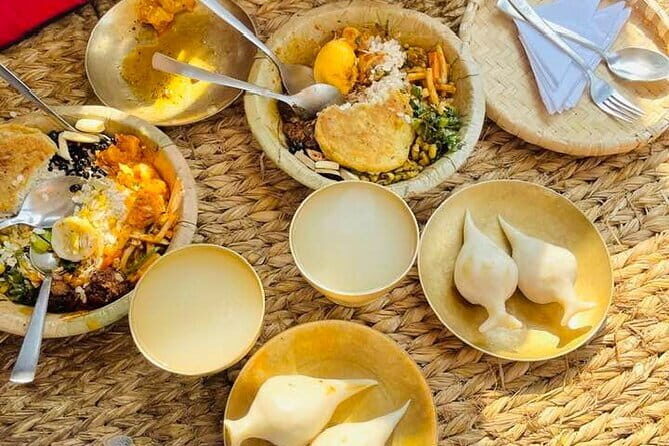
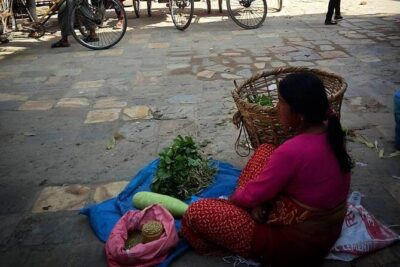
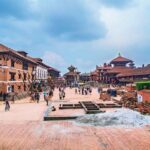
The tour’s headline stop is Ason Bazar, described as Kathmandu’s oldest local market. Even if you’ve never been to the city before, you can feel the weight of a market like this. It’s not designed for tourists. It’s designed for locals who need food, ingredients, and supplies.
What makes this stop special isn’t only the age. It’s the mix of activity you can observe without trying too hard: people moving with purpose, stall owners working at their own speed, and shoppers choosing items based on everyday preference rather than “what’s famous.” When you’re with a guide, you notice more than you’d notice alone.
There’s also a cultural layer. The tour includes time to explore crafts and traditions, especially those linked to the Newar community and other groups you’ll see represented in the market spaces. That means you’re not just grabbing food off a counter. You’re seeing the surrounding ecosystem—where food and culture meet in the same lanes.
Practical note: market walking means uneven pavement and crowd density. Wear shoes you can move in, and don’t plan on photographing everything. Half the fun is letting your senses do the exploring.
Newari cuisine you’ll actually recognize: Yomari and Samay Baji
This tour leans hard into Newari cuisine, and that’s a smart choice if you want Kathmandu beyond the generic street-food label. Newari food has a distinct identity. It’s tied to local customs, not just flavor.
Two dishes you should have on your radar:
- Yomari: a sweet steamed dumpling filled with molasses and sesame seeds. It’s not just dessert. It feels like a specific kind of comfort food tied to tradition. You’ll likely appreciate it more than you expect because the sweetness is balanced, and the sesame flavor gives it depth.
- Samay Baji: a ceremonial platter that features beaten rice, spiced buffalo meat, and several pickles. This is where you taste Kathmandu through the lens of ritual and community meals. The battered rice gives a dry texture contrast, the meat brings savory depth, and the pickles add sharp, punchy flavor.
The value of these dishes on a short tour is that they act like anchors. After Yomari and Samay Baji, the rest of the meal makes more sense. You start noticing how Kathmandu balances sweet and savory, how it uses acidity from pickles to keep flavors lively, and how different textures matter.
Street food in Kathmandu: momo, chatamari, and laphing
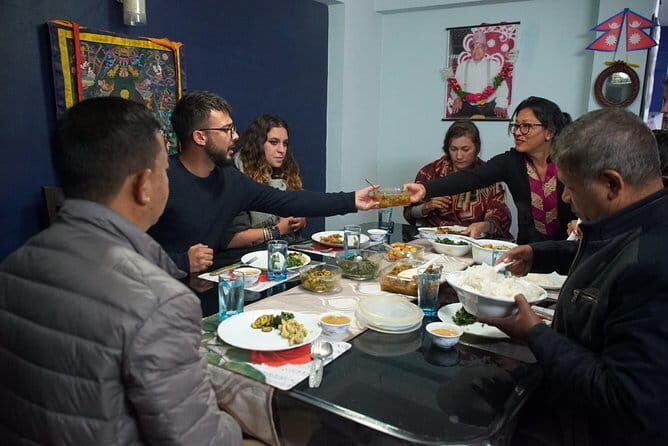
If Newari cuisine is the backbone, street food is the variety pack. Kathmandu’s street stalls bring influences from multiple neighboring cuisines, and this tour highlights that through recognizable favorites.
Here are three key tastes that fit the classic Kathmandu street-food pattern:
- Momo: spicy dumplings with countless variations. Expect that each stall does it their own way—different spice levels, different fillings, and different sauce styles.
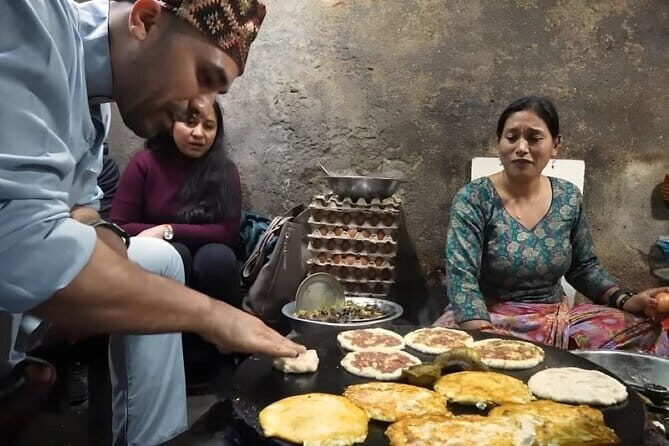
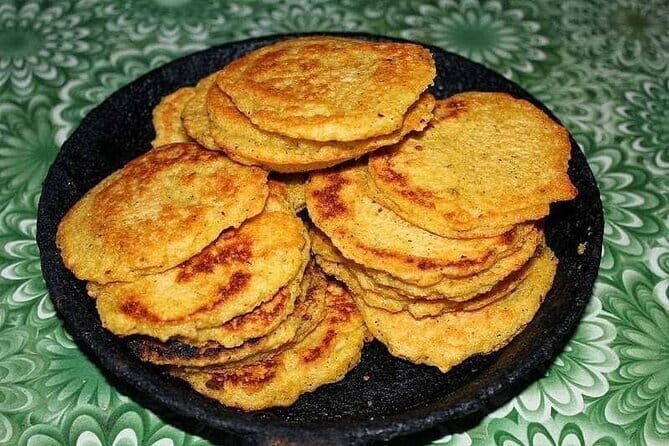
- Chatamari: often called Newari pizza. Think of it as a savory, pan-cooked base topped in a way that makes it feel both familiar and new. If you’re a person who likes street snacks but hates bland food, this is a good bet.
- Laphing: a cold, spicy mung bean noodle dish that locals like. The cold temperature makes it feel refreshing even when the spice hits. It’s also one of those dishes that helps you understand Kathmandu street food isn’t always about hot comfort.
One of the best parts is that you’re not just eating randomly. Santosh explains what you’re tasting and why certain combinations work. That turns a snack line into a flavor lesson. It also helps if you’re navigating spice tolerance. You can ask what’s mild, what’s spicy, and what to try next.
A few more Kathmandu tours and experiences worth a look


Crafts, traditions, and conversations that make the market feel human
This tour doesn’t treat culture like wallpaper. It treats it like something you can see and ask about. The walk includes exploration of crafts and traditions, with a special emphasis on Newar culture and other groups you’ll encounter in the market lanes.
Santosh Pandey is the big reason this lands. People remember guides who can do two things at once: be friendly and explain what they’re showing. He does that. He’s attentive, and he’ll talk through history, religion, and how Nepalis think about food preferences.
One thing I appreciate is how the conversation feels like daily-life talk rather than a scripted performance. You’re not just hearing facts; you’re getting context for why certain foods show up in certain places and why market life looks the way it does.
If you’re the kind of traveler who likes asking questions, this kind of tour is a real win. If you’re more quiet, that’s fine too. You’ll still get enough guidance to make the experience feel guided without feeling forced.
Price and value: $28 for food, drinks, and a real local guide
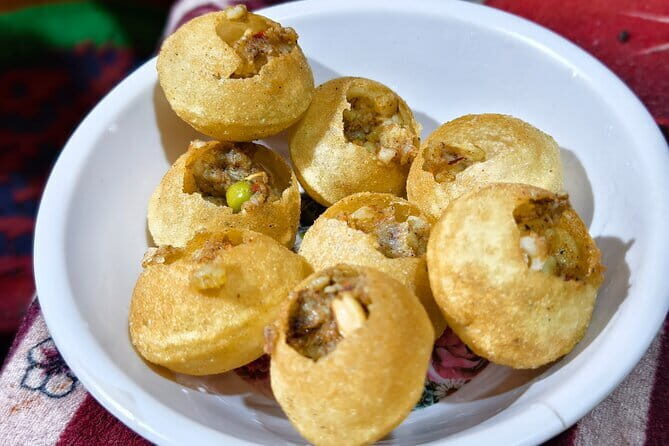
At $28 per person for 2 hours, the headline value is that food is included—plus drinks. The tour includes an experienced English-speaking guide, government taxes, and all foods and beverages with a minimum of 5 items.
Now, the important part: you’re not only paying for the right to eat. You’re paying for the selection. If you tried to replicate this on your own, you’d likely spend time figuring out what’s local, what’s Newari-specific, and where to go for reliable street-food quality. You might also miss dishes like Samay Baji, which isn’t the kind of thing most random snack stops serve.
The tastings here are also substantial. The samples can add up to almost two full meals in feeling, not just a few bites. That matters because it turns a short walk into a satisfying food strategy, especially if your Kathmandu schedule is tight.
The main cost warning is simple: personal expenses aren’t included. If you want extra drinks, souvenirs, or additional snacks beyond the tasting, budget for that yourself.
Timing, comfort, and who this Kathmandu food walk suits best
This is a good option if you want:
- A short, food-focused experience without planning every stop
- A way to learn Newari cuisine without guessing your way through markets
- A friendly English guide who will explain ingredients and context
- A walking tour that helps you see the market rhythm while eating
It’s also a smart pick for first-time visitors. You get a concentrated taste of Kathmandu culture in a way that feels grounded in local routines. And because the route returns to the meeting point, you don’t have to worry about ending far from where you started.
The only type of person I’d caution is someone who hates spicy food or crowds. Kathmandu markets can be busy. Also, dishes like Laphing and Momo can be spicy. You can manage that by telling Santosh your preference early and asking for guidance on what to try first.
Basic comfort advice: wear shoes you trust, bring a phone for quick photos (not for constant scrolling), and keep your appetite flexible. The tour is structured around tastings that come in sequence, so arriving hungry helps.
Should you book the Kathmandu Food Crawl & Market Tour?
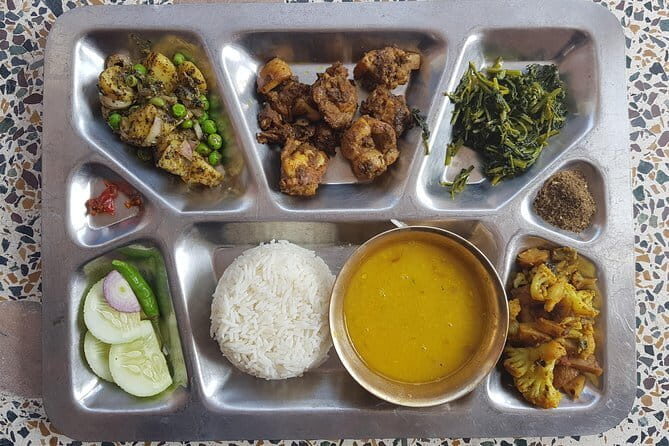
I’d book this if you want a real Kathmandu food and market experience in a tight time window. The combination of Ason Bazar market energy, Newari dishes like Yomari and Samay Baji, and street-food staples like Momo, Chatamari, and Laphing makes it more than a random street snack crawl. Add in a guide like Santosh Pandey, who talks about daily life, religion, and ingredients, and you get a tour that teaches while you eat.
Skip it only if you strongly prefer full sit-down meals over tastings, or if you don’t like walking through active market areas. Otherwise, this is one of the more practical ways to understand Kathmandu through food without guessing.
FAQ
How long is the Kathmandu Food Crawl & Market Tour?
The tour lasts 2 hours.
What is the price per person?
The price is $28 per person.
Where is the meeting point?
The tour meets at the main gate of Chhaya Devi Complex (Chhaya Center).
Is the tour guided in English?
Yes. It includes a live English-speaking tour guide.
What’s included in the tour price?
The tour includes an English-speaking guide, all government taxes and official expenses, and all foods and beverages.
How many food items are included?
Food and beverages include a minimum of 5 items with drinks.
Which market is the tour known for?
The tour includes a visit to Ason Bazar, described as the oldest local market in Kathmandu.
Are personal expenses included?
No. Personal expenses are not included.
Is there free cancellation?
Yes. You can cancel up to 24 hours in advance for a full refund.