REVIEW · POKHARA
10 Days Annapurna Base Camp Trek From Pokhara
Book on Viator →Operated by Couch Adventure Nepal (CAN) · Bookable on Viator
10 days, and Annapurna keeps rewarding you. This trek stands out for how it blends Gurung village culture with big-time mountain moments, especially the early climb to Poon Hill for sunrise. I also love how the route is practical and scenic day by day, mixing forest walks, suspension-bridge vibes, and classic viewpoint days without feeling rushed.
The main consideration is altitude and weather on the ABC night. The plan is to stay at Annapurna Base Camp only with good conditions and you feeling well; if not, you’ll descend to Machchhapuchchhre Base Camp (3700 meters) for the overnight instead.
In This Review
- Key things I’d bookmark before you go
- Starting in Pokhara: the easy launch point
- Ulleri to Ghorepani: rhododendron paths and early mountain power
- Poon Hill morning: sunrise views without chaos
- Chhomrong and the mid-trek grind: where the trail turns serious
- Deurali to Annapurna Base Camp: the day altitude is real
- Coming back down: Bamboo, then Jhinu hot springs recovery
- Getting your permits, guide, and poles handled for you
- Meals, drinks, and what you should budget for
- Price and value: what $493.58 likely means for you
- Day-by-day rhythm: how the 10 days really feel
- Who should book this trek (and who should think twice)
- Final verdict: should you book Couch Adventure Nepal for ABC from Pokhara?
- FAQ
- How long is the Annapurna Base Camp trek from Pokhara?
- Where does the trek start and how do you get back to Pokhara?
- What’s included in the price?
- Are meals and drinks included?
- Do I need to bring a trekking pole?
- What happens if weather or altitude conditions aren’t good at Annapurna Base Camp?
- Is this tour private or shared?
- Can I cancel and get a full refund?
Key things I’d bookmark before you go
- Poon Hill sunrise is built right into the schedule, so you’re not gambling on timing.
- Culture shows up alongside trail scenery, including time around Gurung village life.
- An altitude contingency plan exists for the night at Annapurna Base Camp.
- Your permit and TIMS are included, which saves you hassle and paperwork time.
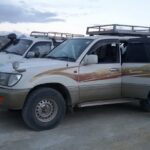
- Hotel pickup, private transfers, and tourist-standard guesthouses keep the logistics simple.
- Jhinu Danda hot springs give you a real recovery day after the harder hiking.
Starting in Pokhara: the easy launch point
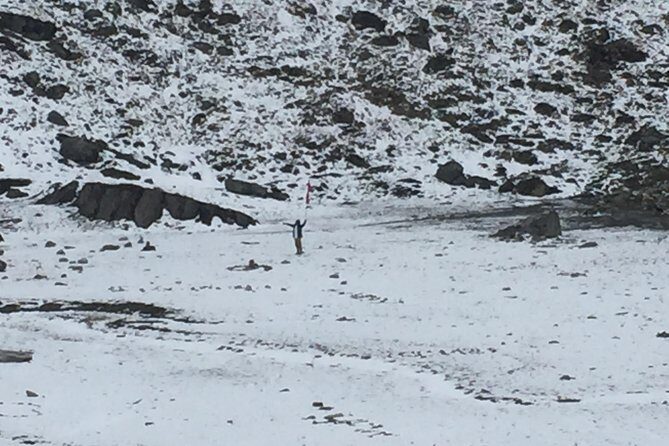
Pokhara is a smart base for the Annapurna region trek. You’re not dealing with a huge travel scramble on day one; you get hotel pickup and a drive to the trail access area, then you’re already walking into the mountains. That matters because ABC treks go best when you start calm. If you begin with stress, your legs pay for it.
Another quiet win: the trip is structured as a private experience for your group, with round-trip private transfer. That usually means fewer waiting games and more straightforward timing around meals, packing, and departures. It also helps if your group moves at your own rhythm.
You can also read our reviews of more hiking tours in Pokhara
Ulleri to Ghorepani: rhododendron paths and early mountain power
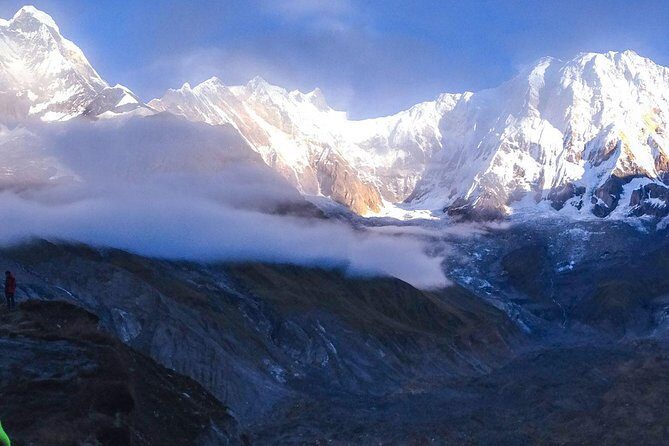
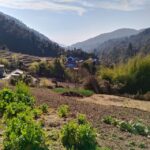
Day 1 is all about easing into the rhythm. You drive to Nayapul, then trek up to Ulleri. Ulleri is one of those places that feels like Nepal at walking speed—hills, terraces, and village life right alongside the trail. It’s not an “Instagram-only” stop. It’s useful because it gets your breathing working before you hit the bigger trekking days.
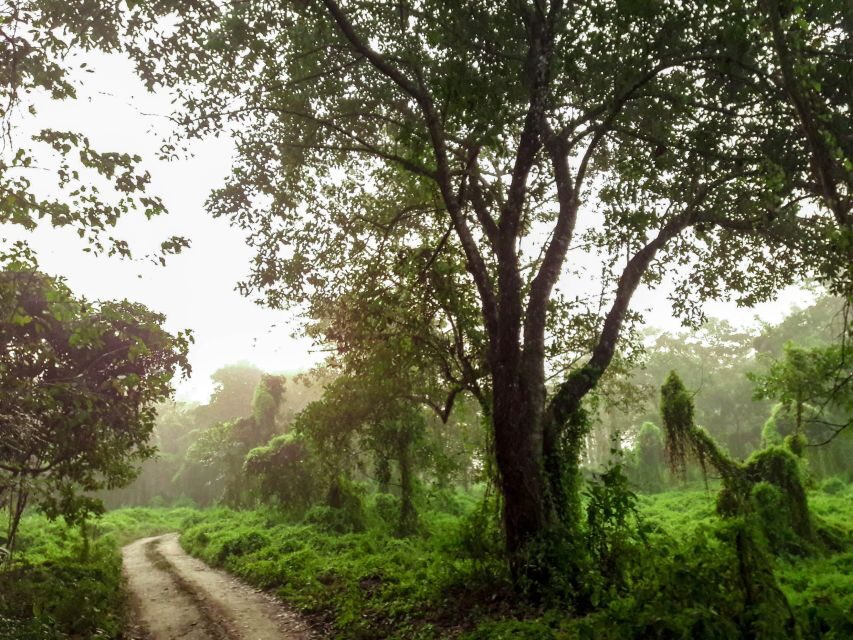
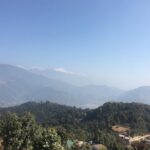
Day 2 shifts into forest scenery. The route to Ghorepani takes you through rhododendron forests, and you also get views of Mt. Annapurna along the way. Even if the weather changes, rhododendron trails tend to keep things interesting: the path feels alive, and the forest gives you shade on warmer hours. If you’re the type who likes small moments—birds, bark textures, mist sitting in tree branches—this day delivers.
Practical note: rhododendron routes can mean damp footing in places. Bring footwear with grip and expect mud at certain stretches, especially after rain.
Poon Hill morning: sunrise views without chaos
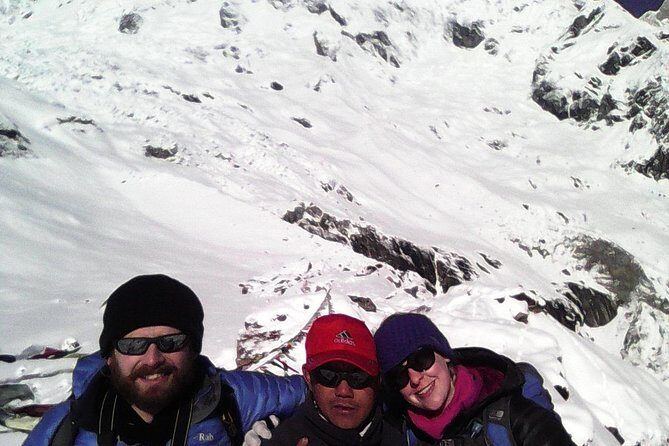
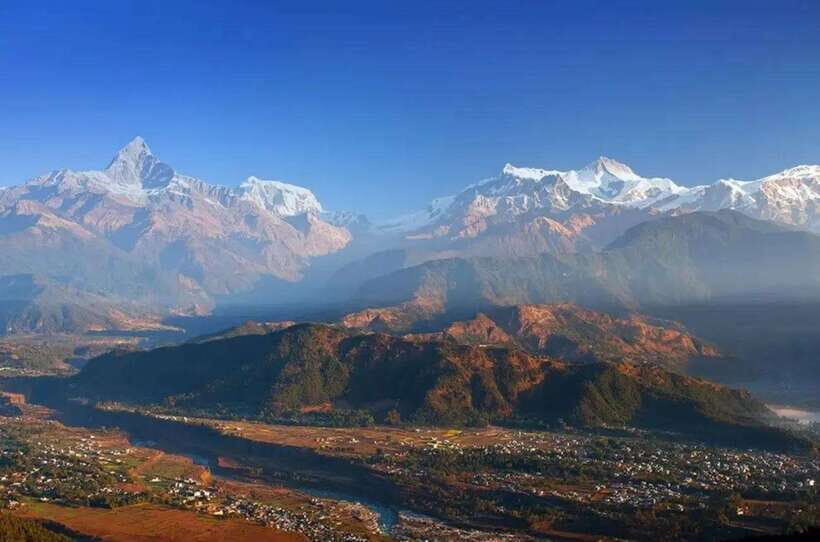
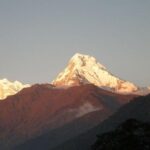
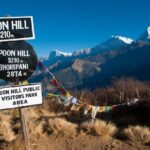
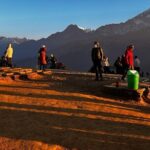
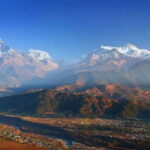
Poon Hill is the day you’ll remember when you think back on the trek. You start early, hike up for sunrise over Annapurna, then continue trekking onward to Tadapani. Sunrise hikes are always a little physical—no sugarcoating that early start—but the value is that the viewpoint is planned into the itinerary rather than left to chance.
What I like about this approach is that it turns a “maybe it’s clear” morning into a real schedule. You’ll know when you’re leaving, when you’ll be at the viewpoint, and how you’ll transition into the next hiking block. That reduces the common ABC problem: people burning energy on uncertain timing.
Also, from a comfort perspective, doing Poon Hill before the deeper climb means your body is still in “learning mode.” You’re testing altitude response, sleep timing, and pacing while the trip is still manageable.
Chhomrong and the mid-trek grind: where the trail turns serious
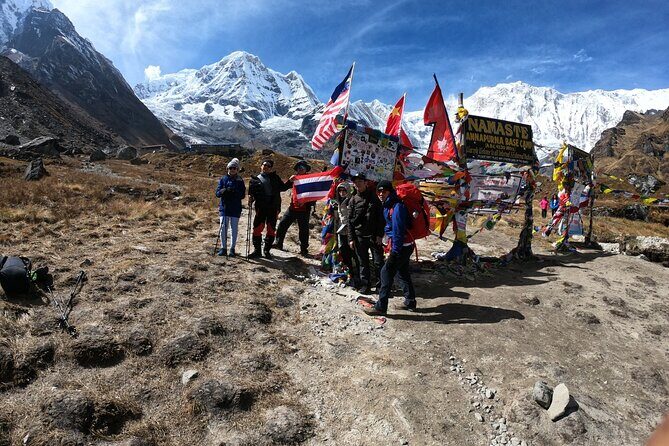
From Poon Hill to Chhomrong, the trek builds momentum. Day 4 treks to Chhomrong, which is a classic junction area for feeling the Annapurna region’s scale. It’s where the walk starts to feel more mountainous and less like a gentle hillside stroll.
Day 5 continues the climb-and-descend pattern toward Bamboo (Dovan). This part of the trek is where the days start stacking: you’ll hike, eat, sleep in guesthouses, then wake up and repeat. That repetition is normal on multi-day treks, but it’s also where many people either adapt well or get frustrated.
Here’s how to make it work:
- Keep your effort steady, not heroic. Many people go too fast at first daylight.
- Drink consistently, even when you don’t feel thirsty.
- Treat the guesthouse stops as recovery time, not hangout time.
If you’re sensitive to cold, this is also where layers matter more. The schedule has you moving through different elevations over consecutive days.
Deurali to Annapurna Base Camp: the day altitude is real
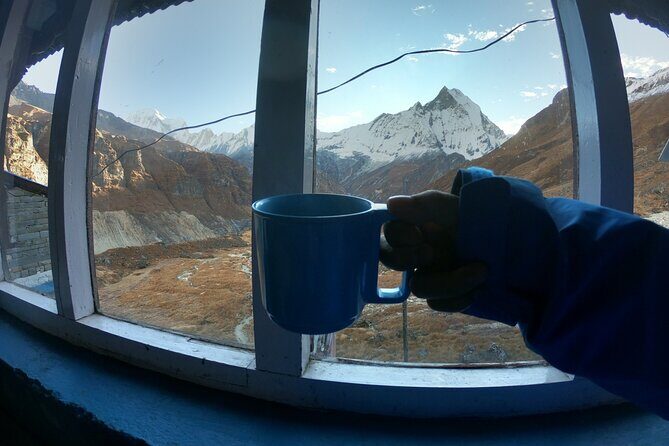
Day 6 takes you to Deurali for an overnight. At this stage, the trail feels more “high country.” The air can feel sharper, and the walking can feel slower even when your legs are strong. Deurali is a useful step because it acts like a buffer day between the lower village trekking and the destination push.
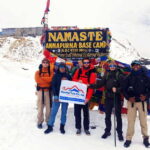
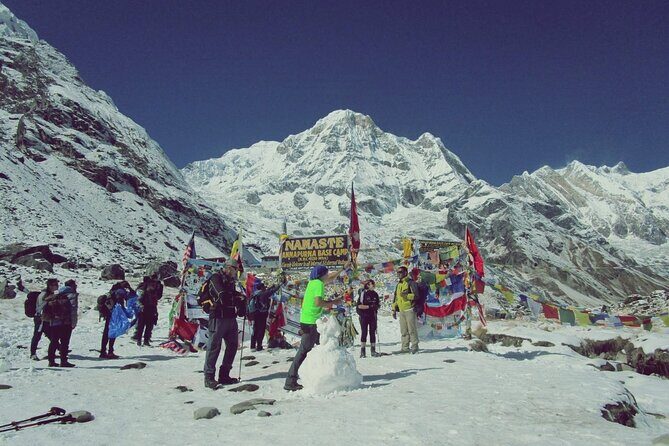
Day 7 is the big one: reaching Annapurna Base Camp. The plan is to stay overnight at ABC if weather is good and you’re in sound health for altitude. If those conditions don’t line up, you’ll descend to Machchhapuchchhre Base Camp (3700 meters) for the overnight instead.
That contingency plan is a big deal for your peace of mind. It signals that the trek isn’t pretending weather and altitude are optional. It gives the group a safer “if/then” approach rather than a hard push no matter what.
What to expect around ABC itself: you’ll feel that end-of-the-line energy. Even when clouds roll in, the sense of being deep in the range is strong. But also remember: the base camp experience isn’t just one moment. It’s how you manage the hours leading up to it—pace, hydration, and how you treat your body when the air gets thinner.

Coming back down: Bamboo, then Jhinu hot springs recovery
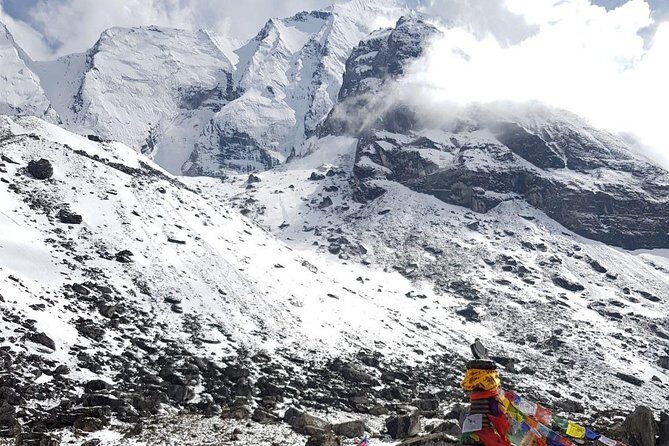
The descent is not a vacation, but it is often easier mentally. Day 8 treks down to Bamboo. Going down can stress knees if you use poor footing habits, so focus on short steps and controlled speed. If you brought trekking poles, this is where they earn their keep.
Day 9 is one of the most satisfying days on this route: Jhinu Danda and a natural hot spring bath. After days of hiking, the hot springs hit like a reset button. Your legs will still feel tired, but the soreness often loosens up fast when you soak responsibly and keep water temperature in mind.
This is also why I like treks that include a recovery “reward day.” It keeps you from feeling like you only pay for the trek with effort. Hot springs add a cultural and physical payoff rather than just another night in a guesthouse.
Getting your permits, guide, and poles handled for you
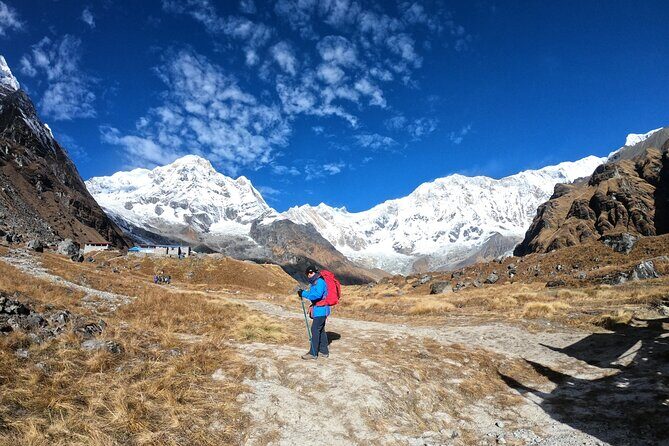
One of the less glamorous parts of trekking is paperwork and gear. This package includes trekking permit and TIMS, so you’re not trying to solve that once you’re already in the mountains. It also includes a friendly English-speaking local trekking guide, plus an emergency first aid kit with the guide and a trekking pole.
For value, those inclusions matter because they reduce risk in two ways:
- Your guide can help with practical trail decisions and pacing.
- Your permit setup is less likely to derail your trip at the last minute.
On the guide side, the names floating around in people’s experiences suggest a real focus on organization and safety. For example, you might run into guides described as kind and careful—people like Krishna Adhikari and Biru come up in the information you provided. Another name you’ll see associated with strong local handling is Milán, and arrangements tied to Sunil, Shambu, and Ravi are also noted. The takeaway for you: prioritize a guide who explains the route clearly and keeps the group moving safely.
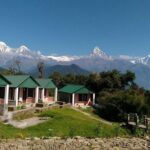
Guesthouse lodging is listed as tourist standard. That usually means simple rooms and basic comfort. Don’t expect hotel-level amenities, but you should expect a warm enough place to sleep, with the key goal of helping you recharge for the next day.
Meals, drinks, and what you should budget for
Meals and drinks are not included. You’ll purchase them along the trek. This is common, but it’s worth planning your daily budget because it can add up over 10 days.
My practical advice:
- Carry a few snacks you like. It helps on mornings when you want something familiar before breakfast.
- Expect food choices to be practical rather than fancy. Convenience wins at altitude.
- If you’re sensitive to caffeine or spicy food, choose carefully. The trek messes with digestion when your routine changes.
Also, the guide’s included first aid kit is for emergencies, not for fixing stomach issues caused by poor choices. Protect your trip by eating sensibly.
Price and value: what $493.58 likely means for you
At $493.58 per person, this trek isn’t priced as a bargain, but it also doesn’t look inflated for what’s included. Here’s why.
Included in your cost:
- Hotel pickup and drop off
- Round trip private transfer
- Trekking permit and TIMS
- English-speaking local guide
- Guesthouse accommodation (tourist standard)
- Emergency first aid kit
- Trekking pole
- The trip is private for your group
Not included:
- All meals and drinks
- Rescue cost in case of an emergency
- Gratitude (optional)
So the value story is: you’re paying for the human planning, permits, and simplified logistics. Meals are on you, and so is emergency rescue insurance planning. If you already eat simply and budget well, the “extra costs” portion stays predictable.
One more value angle: the schedule includes time-consuming trail segments, including sunrise timing at Poon Hill and the hot springs stop at Jhinu Danda. When an itinerary includes these, you often lose money if you try to DIY and then spend extra on missed coordination. Paying for coordination can be the smart financial move, not the expensive one.
Day-by-day rhythm: how the 10 days really feel
Even without staring at a map, you can sense the shape of the trek:
- Days 1–2: transition into altitude and trail life (Ulleri → Ghorepani).
- Day 3: sunrise peak day (Poon Hill) plus movement to Tadapani.
- Days 4–6: the trek thickens (Chhomrong → Bamboo → Dovan → Deurali).
- Day 7: destination pressure day (ABC or contingency at Machchhapuchchhre Base Camp).
- Days 8–9: descent and recovery (Bamboo → Jhinu hot springs).
- Day 10: final walk to Nayapul and drive back to Pokhara.
That pacing is a good sign for most people with moderate fitness. The itinerary isn’t “one long march every day.” It’s more like a ladder: each segment prepares you for the next.
Who should book this trek (and who should think twice)
This trek is built for people with moderate physical fitness. It’s ideal if you want:
- A full Annapurna region experience starting from Pokhara
- Village culture time, including Gurung culture
- Big views without completely ignoring the practical side of trekking
- A route that includes forest walking, suspension bridge-style terrain, and a classic base camp target
You should think twice if:
- You’re unable to hike for 5–7 hours on consecutive days.
- You get overly anxious about altitude. The trek tries to manage it with pacing and a contingency overnight, but the mountains still come first.
On the group style: it’s listed as private, so this can suit couples, small families, or friends who prefer less crowd energy. That said, private also means you still need everyone in your group to follow the same safety rhythm.
Final verdict: should you book Couch Adventure Nepal for ABC from Pokhara?
If you want an organized Annapurna Base Camp trek that handles permits, guide support, and transportation from Pokhara, I think this is a solid choice. The strongest selling point is the combination of clear route pacing plus an altitude/weather contingency for the night at ABC. Add in hot springs at Jhinu Danda and the cultural presence of Gurung villages, and you get more than just a destination photo.
The one thing to plan around is money and recovery outside the trek basics: meals are not included, and you’ll need to budget your own spending on the trail. Also, don’t treat the altitude as a checkbox. Bring patience and listen to your body on day 7.
If that matches your style—prepared, steady, and curious about real mountain life—then you’ll likely find this 10-day ABC trek from Pokhara a very worthwhile use of your time.
FAQ
How long is the Annapurna Base Camp trek from Pokhara?
The trek is listed as 10 days (approx.).
Where does the trek start and how do you get back to Pokhara?
You start in the Pokhara area and drive to Nayapul, then trek to Ulleri on day 1. On the last day, you trek to Nayapul and then drive back to Pokhara, where you’re dropped at your hotel.
What’s included in the price?
Included are hotel pickup and drop off, trekking permit and TIMS, a local English-speaking trekking guide, tourist standard guesthouse accommodation, round trip private transfer, private trip, an emergency first aid kit with the guide, and a trekking pole.
Are meals and drinks included?
No. All meals and drinks are not included and can be purchased during the trek.
Do I need to bring a trekking pole?
A trekking pole is included.
What happens if weather or altitude conditions aren’t good at Annapurna Base Camp?
The plan is to spend the night at Annapurna Base Camp if conditions are good and you’re in sound health for altitude. If not, you’ll descend to Machchhapuchchhre Base Camp (3700 meters) for the overnight.
Is this tour private or shared?
It’s listed as a private tour/activity, meaning only your group participates.
Can I cancel and get a full refund?
You can cancel up to 3 days in advance for a full refund. If you cancel less than 3 full days before the experience’s start time, the amount paid is not refunded.