REVIEW · KATHMANDU
Everest Base Camp trek 14 days
Book on Viator →Operated by Sunrise Adventure Trek P. Ltd · Bookable on Viator
Altitude has a way of focusing you. This Everest Base Camp trek is interesting because it removes the guesswork: transport and permits are handled, and you’re also set up with big comfort items like a sleeping bag and down jacket. You’ll follow a classic route from Kathmandu to Lukla, then walk through Namche and Dingboche on your way toward Everest Base Camp.
Still, there’s one consideration: this is high-altitude trekking, and the itinerary includes days where you hike while your body is adjusting. If you prefer steady, low-elevation walks, the altitude pace may feel slow even with an acclimatization plan.
In This Review
- Key things I’d spotlight before you go
- Why this Everest Base Camp plan feels easier to manage than DIY
- Price and logistics: what $1,380 buys you (and what it doesn’t)
- Day 1 in Kathmandu: arrival day that sets your tone
- Day 2: Kathmandu to Lukla, then Phakding—your first taste of the region
- Day 3: Phakding to Namche Bazaar—your first big altitude milestone
- Day 4: Namche acclimatization—why rest days matter more than you think
- Day 5: Namche to Tengboche—where culture and mountain drama meet
- Day 6: Dingboche acclimatization—your next oxygen adjustment
- Day 7: Dingboche to Dingboche (trek day and re-visit) — staying in control
- Day 8: Dingboche to Lobuche—toward the high, rockier world
- Day 9: Everest Base Camp day—go up, then return to Gorakshep
- Day 10: Kalapatthar hike and the long descent to Periche
- Day 11: Periche to Namche Bazaar—settling back into altitude life
- Day 12: Namche to Lukla—last hiking day before flight day
- Day 13: Fly back to Kathmandu—reset and breathe easier
- Day 14: cultural show and farewell dinner—closing the loop
- The support team: the difference between stress and smooth trekking
- What’s included in meals, and why that affects your energy
- Who this Everest Base Camp trek suits best
- Should you book this Everest Base Camp trek?
- FAQ
- How long is the Everest Base Camp trek?
- What’s included in the trek package?
- Are meals included during the trek?
- What gear is provided?
- How many travelers are in the group?
- What is the cancellation policy?
Key things I’d spotlight before you go
- Logistics handled for you: airport transfers, Lukla flights, and in-between transport are included
- Provided cold-weather essentials: a sleeping bag and down jacket can be provided if you need them
- Real acclimatization built into the days: Namche and Dingboche include extra time to adjust
- Guided, permit-ready trek: TIMS card and trekking permit are included
- A proper finish: you end with a cultural show and farewell dinner in the mix
Why this Everest Base Camp plan feels easier to manage than DIY
The best part of this trek, for most people, is that it doesn’t ask you to be an expert planner. Kathmandu has its own pace and rhythm, and then Lukla adds a layer of logistics you definitely don’t want to improvise. Here, the core moving pieces are bundled: flights, transfers, lodge stays, and the permits that let you actually trek.
I also like that the trip thinks about cold comfort early. Everest region nights can bite hard, and having a sleeping bag and down jacket (if you need them) cuts down both stress and luggage weight. That matters because on treks like this, you want your energy going to the trail, not to solving gear problems.
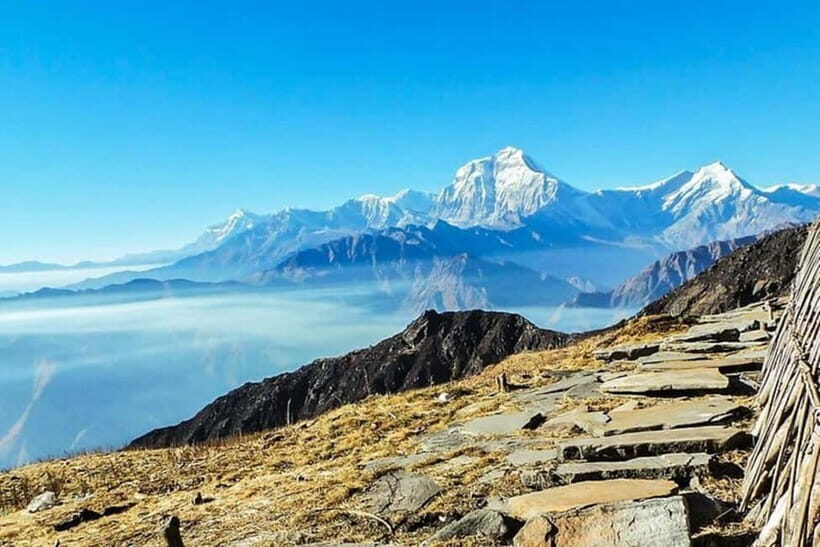
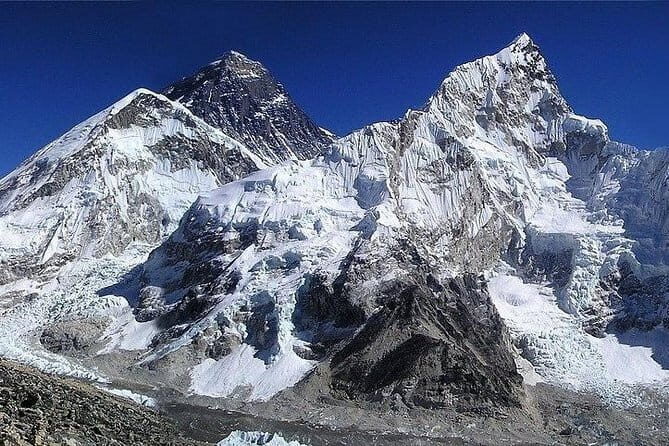
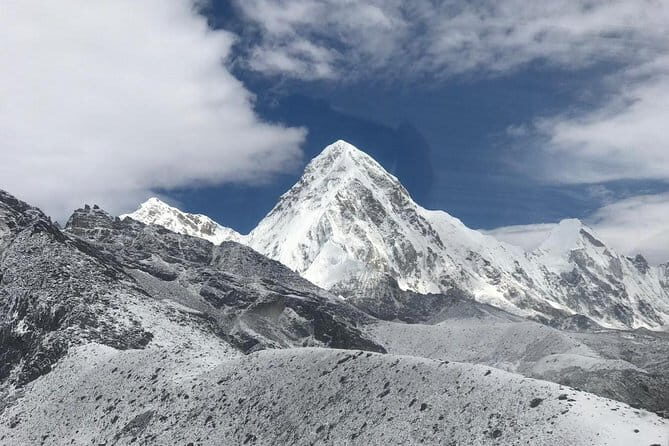
The route itself is also straightforward in a good way. You pass through familiar, meaningful stops: Namche Bazaar for acclimatization and views, Tengboche for the cultural-monastery atmosphere, and onward toward the high country where Everest dominates the horizon. You’re not bouncing around; you’re being taken along a logical path.
You can also read our reviews of more hiking tours in Kathmandu
Price and logistics: what $1,380 buys you (and what it doesn’t)
At $1,380 per person, the value is tied to what’s included—not just the price number. You’re getting:
- Kathmandu hotel nights (twin sharing) and trekking lodge accommodations
- Kathmandu ↔ Lukla flight tickets (round-trip)
- Airport pick-ups and departures
- In-between transport by A/C car and tourist deluxe bus
- TIMS card and trekking permit coverage
- Guide costs (salary, accommodation, meals, and insurance)
- Most meals during the trek: breakfast, lunch, and dinner on the walking days listed
That package matters because EBC is expensive mostly because of logistics. Flights to Lukla, permits, and guided support are where DIY plans often run into trouble or hidden costs.
What’s not included is also clear, and you should plan for it:
- International airfare to Nepal and travel insurance
- Tips for the trekking crew
- Extra meals in Kathmandu and personal expenses
- Tour entrance fees
- Anything you eat or drink that’s not part of the included meal plan
If you want a trek that feels like a “hands-on itinerary with structure,” this pricing makes sense. If you’re the type who enjoys booking every bus and lodge yourself, you might find cheaper options—but you’ll be doing more work and taking on more risk around flights and permits.
Day 1 in Kathmandu: arrival day that sets your tone
Your trek begins in Kathmandu (meeting point in the Kathmandu Valley area). Day 1 is simply arrival and getting ready. That sounds basic, but it’s smart: Kathmandu altitude is manageable for most people, so you can focus on sleep, food, and staying hydrated before the Lukla flight.
In practical terms, you’ll want to use this day to confirm details with your guide and settle your daypack system. EBC trekking is about consistency. If you arrive chaotic, you’ll pay for it later.
Day 2: Kathmandu to Lukla, then Phakding—your first taste of the region
Day 2 has a short flight from Kathmandu to Lukla (about 40–45 minutes), then a trek from Lukla to Phakding (around 3–4 hours, roughly 2,640m). This is a classic opening: you’re gaining altitude, but in a manageable way.
The main thing I like about this setup is the pacing. You’re not thrown into hours of steep climbing immediately after landing. You also get used to the walking rhythm and the way trails feel in the Everest region—dusty steps, small ups and downs, and a steady need to keep breathing calm.
Expect a long day. Even though the flight is short, travel days take more out of you than you think.
Day 3: Phakding to Namche Bazaar—your first big altitude milestone
Day 3 treks from Phakding to Namche Bazaar (about 5–6 hours, around 3,440m). Namche is the heartbeat of the Khumbu region: thicker communities, more guesthouses, shops, and a strong sense of “you’re really here now.”
This is also where the views start to sharpen. You’re close enough to the Himalayan giants to feel their presence without yet needing heroics. It’s a good stage for settling into highland conditions and learning how to judge effort.
Day 4: Namche acclimatization—why rest days matter more than you think
Day 4 is an acclimatization day in Namche Bazaar. You’re not just resting for comfort; you’re resting for survival. Your body needs time to adjust to lower oxygen at elevation, and these pauses reduce the odds of feeling wrecked later.
This is also where Kathmandu-style habits can trip you up. If you binge on snacks or go too hard because you feel good, you can still pay for it. A better approach is easy movement, good hydration, and keeping your day calm.
Day 5: Namche to Tengboche—where culture and mountain drama meet
Day 5 treks to Tengboche (about 6–7 hours, around 3,860m). Tengboche is well known in the Everest region for its monastery atmosphere. Even if you’re not a culture-first traveler, the combination of prayer flags, stone buildings, and the way the valley opens can feel surprisingly grounding after days of altitude focus.
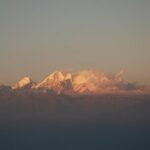
Tengboche is also a view hub. You can look for the bigger peaks that make the Everest region so famous, including Ama Dablam and Lhotse on clearer days. The point isn’t to “name every mountain” perfectly. It’s to enjoy how the scenery builds as the trek climbs.
Day 6: Dingboche acclimatization—your next oxygen adjustment
Day 6 is acclimatization in Dingboche. This stop (around higher elevations) is part of the plan’s logic: after Tengboche, the trail continues upward, and Dingboche gives you a buffer day to help your body adapt.
I like that your schedule doesn’t treat altitude as a one-way climb. Instead, it builds recovery into the rhythm. That’s one of the reasons guided EBC treks can feel manageable compared with frantic DIY attempts.
Day 7: Dingboche to Dingboche (trek day and re-visit) — staying in control
Day 7 is listed as a trek to Dingboche again (around 5–6 hours, to about 4,410m). This kind of repeated-zone timing can feel odd if you expect every day to add a big push.
But repeated elevations often reflect a more cautious acclimatization approach. The real win here is that you keep moving without adding unnecessary risk, which is exactly what you want at this stage.
Day 8: Dingboche to Lobuche—toward the high, rockier world
Day 8 treks to Lobuche (about 5 hours, around 4,910m). The terrain tends to feel harsher here, and the air gets thinner. You’ll likely feel it first in energy levels: not just breath, but also how your body handles pace.
Lobuche is also a psychological shift. You’re now truly in the high-altitude zone where the trek’s endgame starts to feel real.
Day 9: Everest Base Camp day—go up, then return to Gorakshep
Day 9 is the big one: trek to Everest Base Camp, then back to Gorakshep (about 5,200m) with breakfast, lunch, and dinner included. That “go to the goal, then return” format is common for good reason: it gives you time at the destination but still protects you from spending too long at the highest-stress elevations.
This is a day you’ll want to move steadily and save your legs. The idea is not to win a sprint; it’s to arrive with enough energy to actually take in what you’ve traveled for.
One more practical note: at this stage, you’ll notice how quickly you get tired once you start rushing. Slow and consistent wins.
Day 10: Kalapatthar hike and the long descent to Periche
Day 10 starts with a hike to Kalapatthar (about 2 hours 30 minutes, around 5,550m), then trekking down to Periche (around 7 hours, about 4,200m). Kalapatthar is famous because the height gives strong perspective on Everest and the surrounding massif views.
But the tradeoff is that the hike is physically demanding. Going high for a view is never “just a walk.” You’ll feel the altitude in your lungs and legs.
After Kalapatthar, you’re rewarded with a descent to Periche, which helps your body reset. If you treat the downhill as a victory lap, your legs may disagree. A controlled pace here is the smart move.
Day 11: Periche to Namche Bazaar—settling back into altitude life
Day 11 treks back to Namche Bazaar (about 6 hours, roughly 3,441m). This leg can feel like both relief and effort. Yes, the air gets easier as you go down, but you’re still trekking every day and your body is still learning how to recover between climbs.
Namche is a familiar anchor now. You’ll likely appreciate the return because it’s easier mentally when the town comforts you again—good food, warm rooms, and a place that feels like base camp for the home stretch.
Day 12: Namche to Lukla—last hiking day before flight day
Day 12 treks to Lukla (about 7 hours) with meals included per the itinerary structure. This is where you need grit more than glamour. At this point, you’ve done the hard work already, but it’s easy to start coasting mentally.
Don’t. Keep your steps steady and your hydration consistent. You want to arrive at Lukla feeling like you still have enough reserve for the final flight logistics.
Day 13: Fly back to Kathmandu—reset and breathe easier
Day 13 is your return flight to Kathmandu (breakfast included). After days of altitude effort, Kathmandu feels almost too comfortable. That shift can make it tempting to celebrate hard with big meals and late nights.
You’ll feel better if you keep it simple: hydrate, get good sleep, and let your body adjust after long exposure to thin air.
Day 14: cultural show and farewell dinner—closing the loop
Day 14 includes a farewell dinner plus a special cultural show. This is a nice finishing touch because EBC treks can feel purely “physical” while you’re on the trail. A cultural program brings the trip back to people, not just peaks.
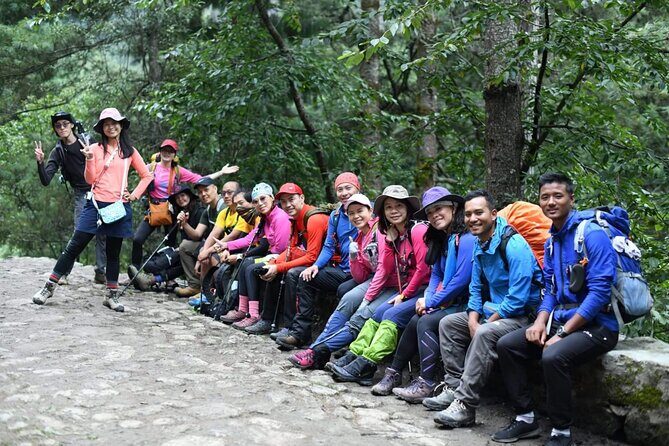
It also gives your group a chance to compare notes: how everyone handled acclimatization, what moments stood out most, and what surprises the mountains threw at them.
The support team: the difference between stress and smooth trekking
This trek includes a guide on the trip, with guide accommodations, meals, and insurance covered. That matters because a good guide reduces uncertainty. You also travel with trekking lodge logistics and permit coverage handled, which lowers the number of decisions you have to make while tired.
From past participants’ stories, guides you might encounter include people like Suresh and Sobit, and others such as Ram in Kathmandu-related touring. There are also sherpa team members with serious mountaineering credentials mentioned in the trek context, including a sherpa named Pasang. The practical takeaway: you’re not just following a route; you’re getting support from people who know the region and the rhythm of high-altitude trekking.
What’s included in meals, and why that affects your energy
During the trek days, you have daily three meals (breakfast, lunch, and dinner) included as listed. For EBC, that’s valuable because consistency helps your energy. When you’re walking at higher altitude, your body burns through resources differently, and hunger can hit faster than you expect.
In Kathmandu, extra meals are not included, so you’ll decide what you want to eat there. That’s fine; Kathmandu gives variety, and you can choose based on what sounds good on arrival.
Who this Everest Base Camp trek suits best
This trek is designed for people with moderate physical fitness. That doesn’t mean it’s easy. It means the plan is built for travelers who can hike day after day without needing a technical climbing setup.
It tends to fit best if you:
- Want guided logistics rather than planning every detail yourself
- Like a classic route with acclimatization days built in
- Appreciate provided gear to reduce packing and hassle
- Prefer a structured itinerary with meals and lodging arranged
It might not suit you as well if you:
- Hate slower-paced walking caused by altitude
- Need total flexibility to change the plan day-by-day
- Are highly sensitive to cold and want to control every gear choice yourself
Should you book this Everest Base Camp trek?
I’d say book it if you want EBC without running your own logistics department. The included flights, permits, guide support, lodge accommodations, and most meals reduce the biggest risks—especially around timing and readiness.
You should think twice if you’re expecting a casual vacation hike. This is a serious trekking route with high elevations and long days. If you’re willing to prepare calmly, take acclimatization seriously, and keep a steady pace, this plan is a strong match.
If you want a clean decision rule: if you’d rather spend your energy on the trail than on planning, this trek looks like good value for the money. If you enjoy DIY complexity and already have a system for permits, flights, lodging, and gear, you might look elsewhere—but for many people, the structure here is the point.
FAQ
How long is the Everest Base Camp trek?
The trek runs for 14 days, starting with arrival in Kathmandu and ending with a farewell and departure on Day 14.
What’s included in the trek package?
The package includes airport pick up and departures, Kathmandu and Lukla flight tickets, transportation in between, city hotel and trekking lodge accommodations, trekking permits (TIMS and trekking permit), a guide, daily three meals during the trek as per the itinerary, and a sleeping bag and down jacket if you need them. It also includes a cultural show and farewell dinner.
Are meals included during the trek?
Yes. The itinerary specifies breakfast, lunch, and dinner (marked as B.L.D) for the trekking days listed.
What gear is provided?
The tour provides a sleeping bag and a down jacket if you need them.
How many travelers are in the group?
This trek has a maximum group size of 18 travelers.
What is the cancellation policy?
Free cancellation is offered. You can cancel up to 24 hours in advance for a full refund. If you cancel less than 24 hours before the experience start time, the amount paid is not refunded.