REVIEW · KATHMANDU
Kathmandu Street Food Walking Tour – Eat Like a Local
Book on Viator →Operated by Himalayan Recreation Treks & Expedition Pvt.Ltd · Bookable on Viator
Street-food walks can be chaotic. This one is organized, focused, and easy to follow. You’ll taste your way through central Kathmandu’s older lanes with a private guide, plus food samples, water, and hot drinks built into the plan. I especially like that the tour is customizable to your interests and that you get more than just snacks, with tastings designed to show the culture through what people actually eat.
One thing to plan for: the big sightseeing stop is Kathmandu Durbar Square, and entry fees are not included if you go inside. If you’re budget-tight, you’ll want to decide in advance how much you want to pay to enter.
In This Review
- Key moments that make this tour worth your time
- Why Kathmandu street food is best done with a guide on foot
- What you’ll actually taste: more than random bites
- Thamel kickoff: start where it’s easiest to get your bearings
- Asan market streets: where you learn to navigate and taste smarter
- Kathmandu Durbar Square: seeing the landmark without forcing entry
- Price and value: is $60 fair for a private street food plan?
- Pace, comfort, and what to bring for a smooth half-day
- Should you book the Kathmandu Street Food Walking Tour?
- FAQ
- How long is the Kathmandu Street Food Walking Tour?
- Where does the tour start?
- What food and drinks are included?
- Is admission to Kathmandu Durbar Square included?
- Is pickup available?
- Is this a private tour?
- What if plans change and I need to cancel?
Key moments that make this tour worth your time
- Private guide focus: you’re not stuck with a large crowd drifting from stall to stall
- At least five typical dishes and drinks: enough variety to feel like a true food crawl
- Thamel to Asan flow: you start where most visitors land, then head into older market streets
- Newari specialties are part of the tastings: a great way to go beyond generic street food
- Durbar Square stop without the pressure to enter: you can see the area and choose if you want inside access
- Walking format that fits mobile travelers: it’s built for people who can comfortably walk for a half day
Why Kathmandu street food is best done with a guide on foot
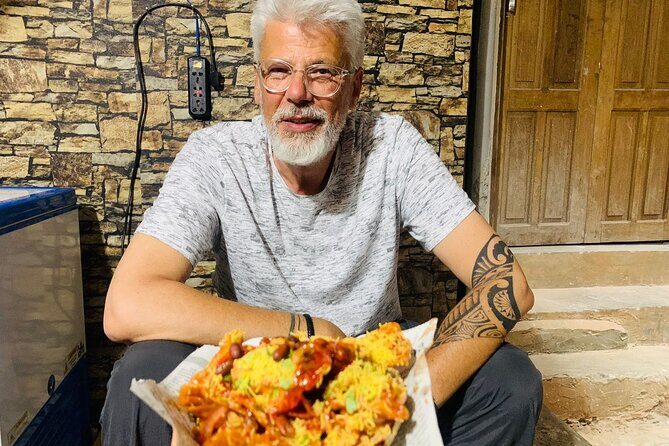
Kathmandu street food can be fun, but it’s also easy to overthink. You’ll see rows of stalls, different cooking setups, and menus that don’t always match what you expect. A walking tour with a guide takes the guesswork out of the most important part: where to go, what to try, and how to do it without turning your morning into a scavenger hunt.
I like that this is designed as a 3 to 4 hour half-day plan. That timing matters in Kathmandu, where heat, traffic, and crowds can eat up your energy fast. You also get a sensible route through central areas: starting in Thamel, moving toward Asan, and ending at Kathmandu Durbar Square. The idea is simple: eat first, then add context as you go.
Since it’s private, you can also better match the pace to your day. If you’re hungry and curious, you’ll likely move with confidence. If you’re taking it slower, you can still keep the experience moving smoothly. The one caveat is physical comfort: it’s a walking tour, so come ready for streets that can be uneven and busy.
You can also read our reviews of more walking tours in Kathmandu

What you’ll actually taste: more than random bites
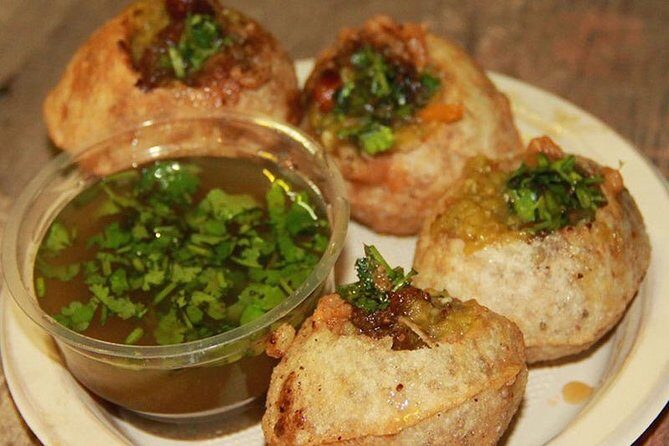
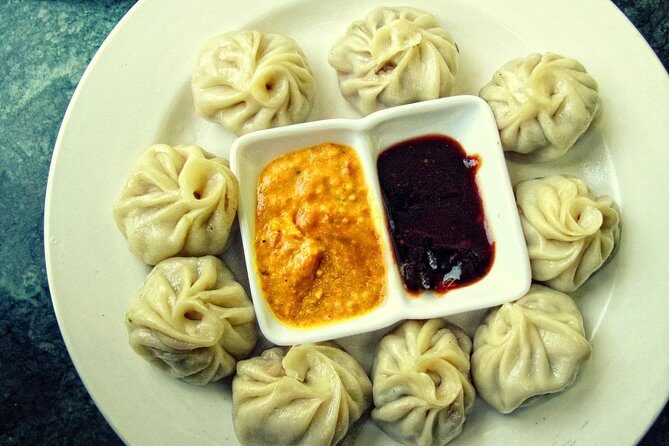
This tour is built around food samples and drinks, not just watching other people eat. You get coffee and/or tea, a bottle of water, and hot drinks included. You’re also set up to eat a minimum of five typical dishes plus drinks during the tastings.
What makes that valuable is not the number alone. It’s the way the tastings are framed: the tour is meant to teach you Nepali culture through cuisine, including Newari specialties you may have trouble finding on your own. Newari food tends to be more distinctive than the most common international-style street snacks, so it’s a smart route if you want to expand beyond familiar flavors.
Also, the guide can tailor the experience to your preferences. If you know you want more savory, or you prefer lighter bites, that flexibility helps. If you’re the type who wants to learn, you’ll likely get explanations for what you’re eating and why it matters locally—something guides like Krishna and Jamuna have been praised for in their guest experiences.
One practical note: the tour includes food and drinks inside the scope of the experience. If you fall in love with a dish and want more outside the planned tastings, you should expect to pay separately.
Thamel kickoff: start where it’s easiest to get your bearings
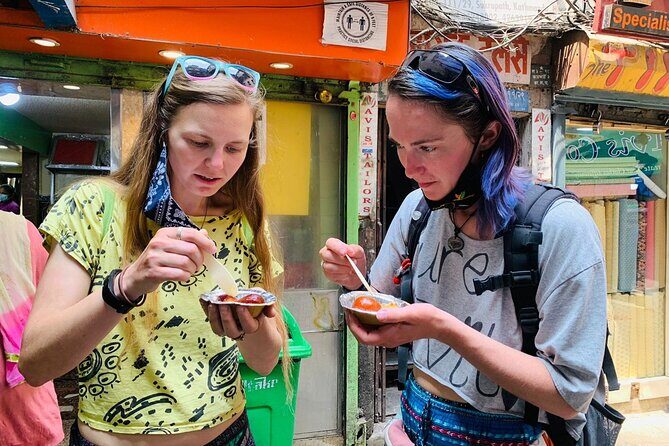
The walk begins in Thamel, the Kathmandu area most visitors recognize right away. That first step is more than convenient—it helps you start the tour with fewer stress points. You’re in an area where you can find your footing before you head toward more atmospheric lanes.
The Thamel stop is short, about 15 minutes, and there’s no admission ticket involved. Think of it as orientation plus an early taste. You’ll likely use this moment to get familiar with how the guide handles street eating—where to line up, how to order, and what to expect from the first plate.
Why I like this setup: it reduces the “first hour jitters.” In cities like Kathmandu, the first part of any walking plan can feel overwhelming. Starting in Thamel means you can settle in, then gradually shift gears as the route heads toward markets and the older city core.
If you’re coming from elsewhere, this is also a handy meeting point because you can typically reach Thamel easily using public transport.
Asan market streets: where you learn to navigate and taste smarter
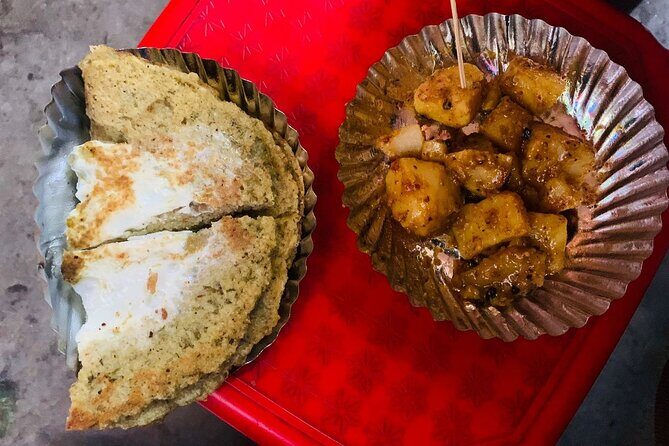
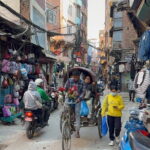
After Thamel, the tour moves to Asan, between Durbar Square and Thamel. This section is where the food walking tour starts to feel like a real Kathmandu day rather than a tourist route.
The Asan stop runs about 30 minutes and is focused on the market area. Admission is free here because the value comes from what you see and eat, not from entering a paid site.
This is the stop I’d call the most educational. A good guide doesn’t just tell you what to eat; they help you navigate the streets and understand the local mix of religion, daily life, and food culture. One guest highlighted that their guide, Jamuna, was great at teaching how to move through the area, and that she tied food to cultural context like religion and city life.
If you want your food tour to change how you read a city, Asan is the place. Markets are crowded and fast-moving, so having someone who knows the rhythm is a real advantage. You’ll get more than a meal—you’ll come away with a better sense of how people live around these stalls.
Potential drawback: market walking can be visually intense. If you’re sensitive to noise or crowds, consider taking it slow and using the guide to keep your pace steady.
Kathmandu Durbar Square: seeing the landmark without forcing entry
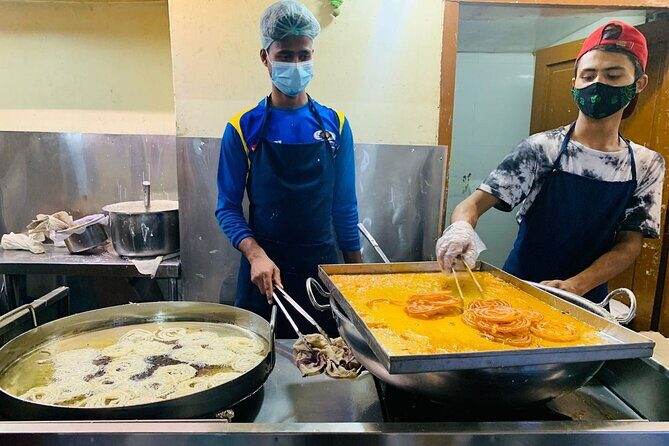
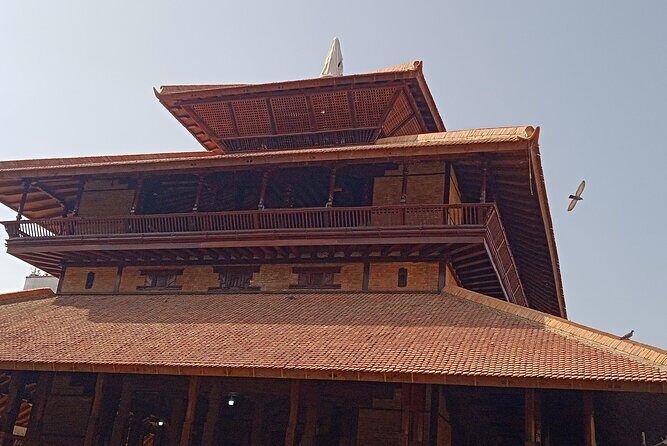
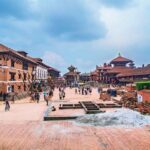
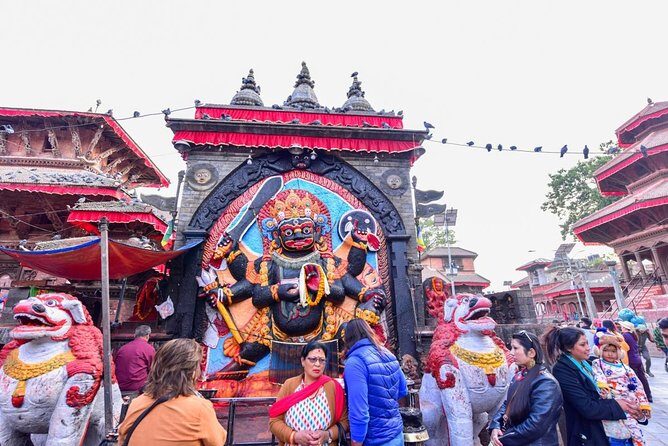
The final major stop is Kathmandu Durbar Square, with about 2 hours set aside there. This is the most “sightseeing” part of the itinerary, but the key detail is that entrance fees are not included if you go inside.
That matters for value. If you plan to spend time viewing the square from the outside and around the entry areas, you can keep costs down. If you decide you want to enter paid sections, expect that to add to the total.
Even without the inside access, Durbar Square gives you a strong sense of Kathmandu’s historic center. The tour’s overall format supports this well: you’ve been eating and learning through street culture, so when you reach the landmark area, it feels like part of the same story instead of a separate sightseeing chore.
Here’s how I’d think about it before you book: if you care most about food, you can use Durbar Square as a finish line and choose lighter entry options. If you care about heritage sites too, you can budget for Durbar Square admission and treat it as both a tasting wrap-up and a culture anchor.
You can also read our reviews of more food & drink experiences in Kathmandu


Price and value: is $60 fair for a private street food plan?
At $60 per person for a private food walking tour, the value depends on what you want from the experience.
You’re paying for:
- a private guide
- multiple included food tastings
- coffee/tea, hot drinks, and bottled water
- a structured route through Thamel → Asan → Durbar Square
- a walking-friendly half-day plan (about 3 to 4 hours)
In other words, you’re not just buying snacks. You’re buying time saved and uncertainty removed. In Kathmandu, trying to plan your own route for the best street foods can turn into an expensive mix of wrong turns and repeat purchases. Here, the guide handles the sequence and the tasting program.
Also, the tour can be customized to your interests. That’s a subtle value driver. If you hate spicy food, or you have dietary preferences you want to steer toward, personalization can matter just as much as the number of dishes.
One more angle: the tour is walkable and includes drinks. If you were doing the same day independently, you’d still be spending on beverages, plus paying for trial-and-error meals.
So yes, the price feels fair if you’ll actually eat the included tastings and use the guide for navigation and culture context. If you’re only mildly interested in food and want strict sightseeing, you might feel like you’re paying for more eating than you need.
Pace, comfort, and what to bring for a smooth half-day
Because it’s a walking tour, your comfort will shape your enjoyment more than in a bus-style tour.
Bring:
- comfortable shoes you can walk in on uneven streets
- water in case you need extra between stops (the tour includes a bottle, but you might want more)
- sun protection if you go in warmer parts of the day
- a light layer if temperatures shift in the afternoon
You should also know that the tour is described as best suited to mobile travelers, with a format that keeps you moving between nearby areas rather than sitting around. That fits many visitors, especially if your Kathmandu itinerary is already packed.
Good news for most people: the tour is designed so most travelers can participate, and service animals are allowed. It’s also near public transportation, which helps if you’re not using the pickup option.
If you’re traveling with friends, check whether the group discounts apply to your situation. Even though it’s private for your group, group pricing can matter depending on how many people you’re booking.
Should you book the Kathmandu Street Food Walking Tour?
Book it if you want a food-focused Kathmandu day that doesn’t require you to be a local street-food planner. You’ll likely enjoy it most if:
- you like discovering Newari specialties and learning through food
- you prefer structure over wandering
- you want a guide who can help you move confidently through market streets
- you’re happy to spend a half day walking and tasting, not doing long museum-style sightseeing
Skip it (or think twice) if:
- you don’t want to spend much time eating beyond a few bites
- you strongly dislike walking through crowded market areas
- you’re mainly chasing Durbar Square and don’t care about the food culture route (because Durbar Square entry can cost extra if you go inside)
The best way to think of this tour: it’s a practical way to experience central Kathmandu through meals and street life, with just enough history at the end to tie it together.
FAQ
How long is the Kathmandu Street Food Walking Tour?
It runs about 3 to 4 hours.
Where does the tour start?
The tour starts in Thamel, Kathmandu.
What food and drinks are included?
Coffee and/or tea are included, along with a bottle of water and hot drinks. The tasting includes at least five typical dishes and drinks.
Is admission to Kathmandu Durbar Square included?
No. Entrance fees to Kathmandu Durbar Square cost extra if you go inside.
Is pickup available?
Pickup is offered.
Is this a private tour?
Yes, it’s a private tour/activity, and only your group participates.
What if plans change and I need to cancel?
You can cancel for a full refund if you cancel at least 24 hours before the experience’s start time.