REVIEW · KATHMANDU
Annapurna base camp trek
Book on Viator →Operated by Nepal Trekking Routes Pvt. Ltd · Bookable on Viator
Altitude climbs fast, but the views are worth it. I love how this trek strings together Poon Hill sunrise with the real badge of honor: Annapurna Base Camp. I also like the cultural slow-down through Gurung and Magar villages, where you see how people live (and eat) on the mountain routes. One possible drawback: you’ll hit big altitude near 4,130m, so if you don’t manage your pace, it can feel tougher than it sounds on paper.
You start in Kathmandu, then transfer to Pokhara before the walking really begins at Nayapul. This is also a smaller group trek (max 15 travelers), and one review called out typical days of about 5–6 hours of walking—very doable if you keep expectations realistic.
In This Review
- Key things I’d circle before you go
- From Kathmandu to Pokhara: getting your trek rhythm right
- Nayapul to the first village days: where the trek starts to feel real
- The Poon Hill sunrise plan: the easiest big payoff
- Himalayan belt trekking: constant mountain walls, plus cultural encounters
- Machhapuchhre Base Camp: the bonus stop that changes the story
- Jhinu hot springs: recovery that actually helps
- Reaching Annapurna Base Camp (4,130m): what to do with the big moment
- Fitness level, daily walking, and how to pace yourself
- Value for $999: what you’re really buying
- Logistics that can trip you up: dress, permits, and comfort
- Who should book this Annapurna Base Camp trek?
- Should you book Annapurna Base Camp with Nepal Trekking Routes Pvt. Ltd?
- FAQ
- How long is the Annapurna Base Camp trek?
- Where does the tour start and end?
- What is included in the $999 price?
- What is not included?
- What fitness level do I need?
- Is there a dress code?
- Is free cancellation available?
Key things I’d circle before you go
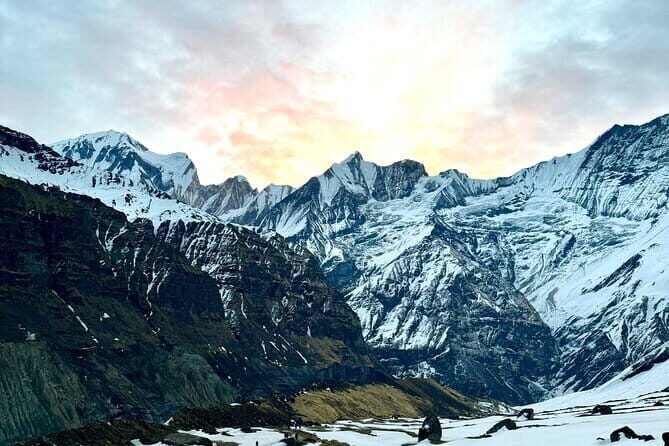
- Two big-view targets: sunrise over Poon Hill, then the signature walls and ice peaks around Annapurna Base Camp
- Culture that isn’t just a photo stop: Gurung and Magar village life, including typical home styles and local hospitality
- Machhapuchhre Base Camp as a bonus: expect another “wow” moment beyond the main goal
- Jhinu hot springs stop: a practical recovery moment after hiking days
- Annapurna Conservation Area wildlife potential: you might spot rare species as you move through the region
- Smaller group size (max 15): easier logistics and less crowding on the trail than huge tours
From Kathmandu to Pokhara: getting your trek rhythm right
Most ABC treks feel like two trips in one: first you build energy in the lowlands, then you earn your altitude in the mountains. Here, the plan starts in Kathmandu (meeting point at the TIA Domestic Terminal parking lot) and moves you to Pokhara first, because Pokhara is the best place to get your bearings before the trail.
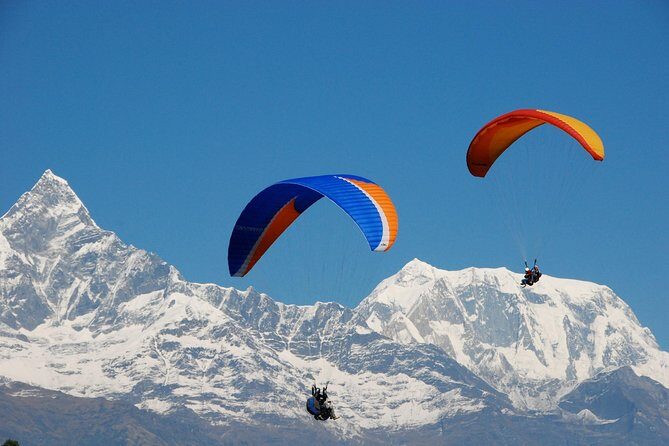
Pokhara is known for lakes and a laid-back tourist scene, but you’re not there just to hang out. You’ll have time for the kind of wandering that helps you prep mentally—caves, lakes, local eateries, museums, and paragliding spots are all part of the “warm-up” atmosphere. And if you want to add an adrenaline layer without saving it for the mountains, the route notes include optional activities in Pokhara like hot air ballooning, paragliding, and zip flyer.
This matters because altitude treks aren’t just physical. They’re about learning how your body reacts over consecutive days. By the time you reach Nayapul, you’re usually ready to hike instead of just surviving transfers.
You can also read our reviews of more hiking tours in Kathmandu


Nayapul to the first village days: where the trek starts to feel real
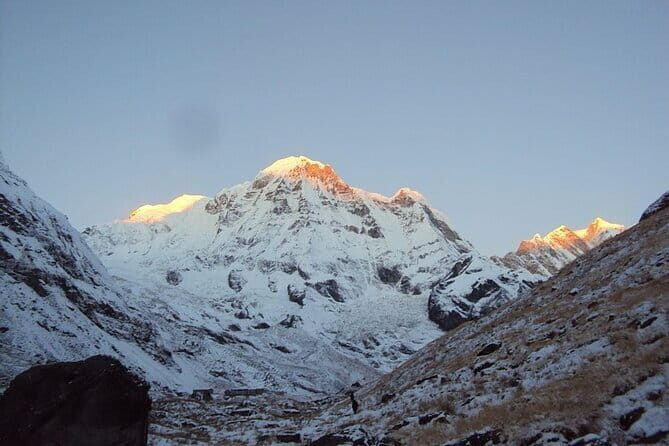
The formal walking begins from Nayapul, reached by about a 2-hour drive from Pokhara. That’s a good setup day: long enough to get you there, short enough that you don’t waste the first energy cycle.
From here, your days start turning into a pattern: trek, arrive, eat, rest, repeat. The route is known for passing through cultural villages tied to Hindu and Buddhist lifestyle—especially Gurung and Magar communities. These aren’t random stops. They’re living settlements where you’ll see distinctive housing styles and get a sense of local hospitality.
If you enjoy food, this is one of the strongest parts of the experience. The route highlights local cuisines, and in practice that usually means simple but comforting meals after a hiking day—something warm, something filling, and often served with genuine friendliness because you’re one of the small number of hikers coming through.
Practical note: your dress matters early on. The trip includes a specific warning about cover-ups for places of worship and selected museums—knees and shoulders covered for both men and women. I’d pack a lightweight layer that can handle that without becoming a “hiking burden.”
The Poon Hill sunrise plan: the easiest big payoff
Poon Hill (3,210m) is your first major performance test—and your biggest early reward. The trek’s initial phase is designed around a sunrise experience, which is a smart choice if you want payoff without waiting weeks for your first real “peak moment.”
Expect a climb through colorful forest terrain as you gain altitude. The route description calls out rhododendron, fig, bamboo, juniper, and other vegetation. That mix can make mornings feel more interesting than just hiking up a straight line. It also means you’re not only chasing views—you’re moving through layers of scenery.
Why I like this structure: sunrise hikes reward disciplined effort. You wake up early, you walk with purpose, and you get a view that’s hard to replicate later in the day. It’s not about speed. It’s about steadiness, warm layers, and being ready for chilly morning air.
And it’s also a good acclimatization step. You’re going higher, but not straight to base-camp height. It’s a gradual “teach your lungs” phase before you move deeper into the Himalayan belt.
Himalayan belt trekking: constant mountain walls, plus cultural encounters
After Poon Hill, you continue onward toward the Himalayan belt. This is where you start to feel the region’s rhythm shift from forested trekking to more open, mountain-facing travel.
You’ll encounter people of Tibetan-origin communities as part of the cultural fabric of the trek. This is one of those “you can’t fake it” parts: even when you don’t speak the language, daily life becomes visible through conversation, small routines, and how villages manage guests.
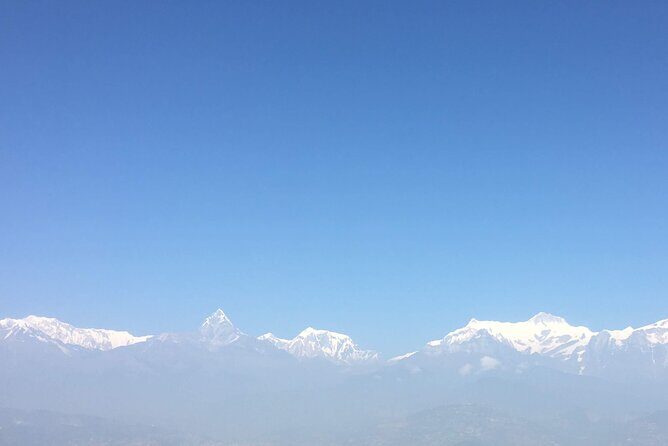
The views here are described as ever-present, and the names alone hint at the drama: Machhapuchhre, Dhaulagiri, the Annapurna series, Neelgiri, Himchuli, and others. For most trekkers, that’s the turning point where photos stop being the goal. You start looking more often just to keep your head clear.
This phase also connects to the Annapurna Conservation Area angle. The trek is associated with rare species of animals in the region. You might spot wildlife depending on season and luck, but even if you don’t, knowing you’re moving through a protected ecosystem adds meaning to the hike. It turns a hike into a place you’re passing through responsibly.
Machhapuchhre Base Camp: the bonus stop that changes the story
Not every ABC trek includes a Machhapuchhre Base Camp experience as a meaningful bonus. Here, it’s called out specifically as an extra highlight. That matters because your “main mission” is Annapurna Base Camp—but the best treks often have a second peak moment that makes the whole journey feel thicker and less repetitive.
Machhapuchhre (the fishtail peak) has a special reputation in Nepalese culture, and even if you’re not hunting for folklore, the visual impact of that mountain shape tends to stay with you. The bonus camp gives you another reason to keep going when you start feeling the routine of trekking days.
Also, it helps you spread your big-view energy. Instead of one single climax, you get more than one moment where your brain goes quiet and you just take it in.






Jhinu hot springs: recovery that actually helps
After your trek days rise and build, recovery becomes part of the itinerary. The route highlights hot water natural springs near Jhinu, described as revitalizing for both soul and muscles. That wording is a bit poetic, but the practical idea is real: after long downhill stretches and altitude fatigue, a soak can reduce the “everything feels sore” feeling.
In other words, this stop isn’t only relaxing. It’s also functional. It gives you a chance to reset before the descent continues and before your legs start wondering why you ever took up trekking.
If you’re the kind of person who tends to skip stretching and just power through, plan for Jhinu as a forced time-out. Your body will thank you later.
Reaching Annapurna Base Camp (4,130m): what to do with the big moment
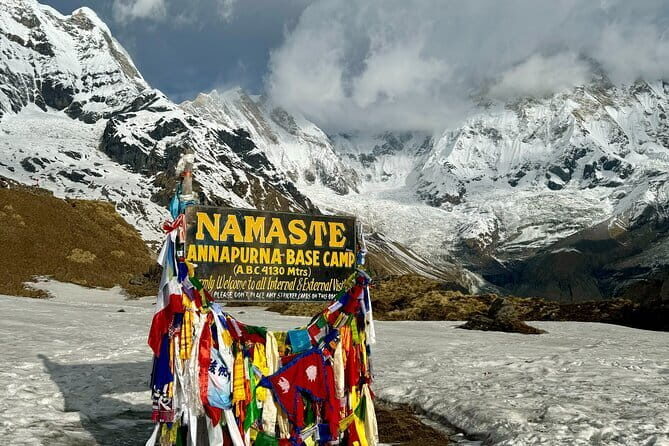
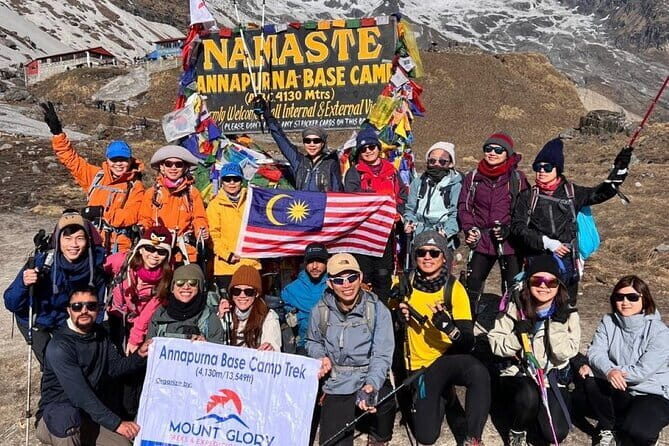
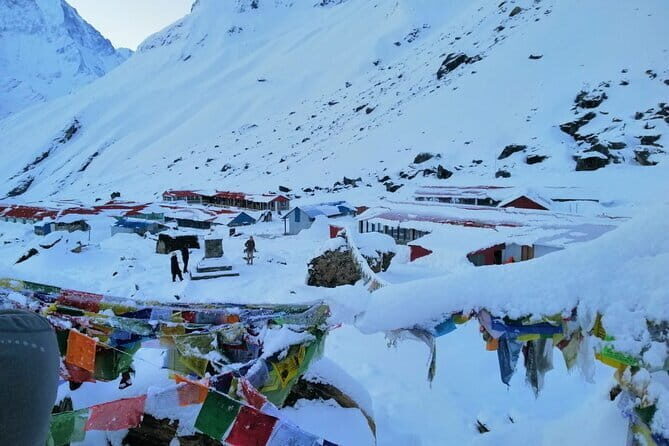
Annapurna Base Camp is the headline. The route description notes reaching an elevation of 4,130m, and that’s where the trek earns its name.
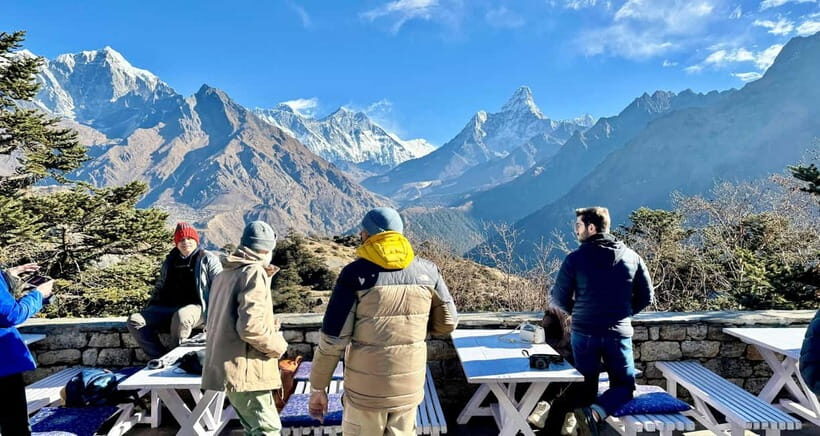
At this point, you’ll be surrounded by views linked to the Annapurna massif and nearby ranges like Dhaulagiri. The route encourages you to take as many pictures as possible once you’re there, but I’d also add a mental trick: take fewer pictures too. Watch the light change. Watch how weather shifts the sharpness of the peaks. Write down how your body feels, because that’s often the most useful “memory” when you get back home.
Also, don’t treat base camp as a place where you finish and instantly feel fine. In most altitude treks, the body still needs time to calm down after the climb. If you feel breathless, that’s normal. If you feel unwell, speak up and don’t try to “win” by pushing through.
Fitness level, daily walking, and how to pace yourself
The trip is described as requiring moderate physical fitness. It also notes a moderate amount of walking, and one review stated typical walking durations of about 5–6 hours per day. That’s a helpful benchmark: you’re not doing 10-hour slogs each day, but you’re also not strolling.
Altitude is the hidden variable. You can be fit and still feel altitude effects, especially when you’re climbing into the 3,000m-plus range and then aiming for base camp. That’s why pacing is everything: take breaks before you feel desperate, keep your effort smooth, and don’t get pulled into going faster than your body wants.
Season matters too. One review warned that in October you need flexibility and you may share the trek with many other hikers. Another comment noted that trekking in winter can be uncomfortable for people who like warmth. That doesn’t mean you should avoid those months, but it does mean you need realistic expectations about cold and crowds.
If you’re traveling with teens, you’ll be pleased to hear the trek has been done by a 14-year-old and a 12-year-old in early April, with families finding it enjoyable. Still, bring maturity: the mountains don’t care how old your passport says you are.
Value for $999: what you’re really buying
At $999 per person, this trek isn’t a “budget bargain,” but it also isn’t just paying for a logo. Here’s what you get that affects real value:
Included:
- Accommodation as per itinerary
- Entrance fees
- Breakfast
- Driver/guide
- Hotel pickup and drop-off
- Plus a mobile ticket
Not included:
- Alcoholic drinks (with a minimum drinking age of 18)
- Food and drinks
The biggest value lever is that you’re not managing transport and basic support yourself. You’re spending money on someone else handling the moving parts between Kathmandu and the hiking start, and on guide support while you’re trekking. That reduces stress, which is not a small thing when you’re tired and altitude is involved.
The biggest cost surprise for many people is meals. Since food and drinks aren’t included, you should plan your budget around daily lunches and dinners and any extra drinks. I’d also budget for small on-the-trail purchases, because trekking life tends to create little expenses even when you try not to.
If you want a trek that feels structured—without going full luxury—this price level is often reasonable for Nepal’s Annapurna routes, especially with the small group size (max 15).
Logistics that can trip you up: dress, permits, and comfort
Two things can make or break your experience even when the hiking is great.
1) Dress code rules
The trip notes a required dress code for places of worship and selected museums: no shorts or sleeveless tops, and knees and shoulders must be covered for both men and women. You might be refused entry if you don’t comply. This is easy to fix with one packable layer.
2) Paperwork and trekking permit timing
One review highlighted the need to buy trekking permits in Kathmandu or Pokhara. The tour includes entrance fees, but permits are still a key item in ABC prep. Before you count on it being handled, confirm what’s covered in your package and what you still need to arrange yourself.
3) Comfort planning for cold
Because winter can be uncomfortable for warmth-loving trekkers and October can bring crowds and variable conditions, think layers first. You’ll be outside early for sunrise, and you’ll want to stay warm without getting soaked.
Who should book this Annapurna Base Camp trek?
I’d point this trek toward you if:
- You want Poon Hill sunrise plus the full ABC payoff, without needing extreme technical experience.
- You like cultural stops where village life is part of the journey, not an afterthought.
- You prefer smaller-group pacing (max 15 travelers).
- You can commit to moderate walking days around 5–6 hours, with good rest.
I’d reconsider if:
- You’re looking for a fully relaxing vacation with minimal physical demand.
- You’re unwilling to handle altitude realistically.
- Your goal is strict luxury or food inclusion without extra spending.
Should you book Annapurna Base Camp with Nepal Trekking Routes Pvt. Ltd?
If you want a classic Annapurna story with a thoughtful structure—Pokhara warm-up, Nayapul start, sunrise at Poon Hill, culture through Gurung and Magar villages, the mountain-hum moments around the Annapurna region, and recovery at Jhinu hot springs—this package looks like a strong fit. The high rating (4.9 across 7 reviews) lines up with what matters most on a trek: guide support, patience, and getting the details right.
I’d book it if you’re honest about your fitness, plan for meals not being included, and pack for weather plus the dress code. If those things match you, you’ll likely end up with a trek that feels like more than scenery. It’s a whole rhythm of mountains, villages, effort, and payoff.
FAQ
How long is the Annapurna Base Camp trek?
The duration is listed as about 15 days.
Where does the tour start and end?
It starts at the TIA Domestic Terminal parking lot in Kathmandu and ends back at the same meeting point.
What is included in the $999 price?
Included items are accommodation as per itinerary, entrance fees, breakfast, a driver/guide, hotel drop-off, and hotel pickup (plus a mobile ticket).
What is not included?
Alcoholic drinks are not included (minimum age 18), and food and drinks are also not included.
What fitness level do I need?
You should have moderate physical fitness. The trip involves a moderate amount of walking, and one review mentioned typical walking days of around 5–6 hours.
Is there a dress code?
Yes. For places of worship and selected museums, knees and shoulders must be covered for both men and women. Shorts and sleeveless tops are not allowed.
Is free cancellation available?
Yes. You can cancel up to 24 hours in advance for a full refund. If you cancel less than 24 hours before the start time, the amount paid is not refunded.