REVIEW · KATHMANDU
Kathmandu: Pharping, Dakshinkali and Chobhar Tour with Lunch
Book on GetYourGuide →Operated by Liberty Holidays · Bookable on GetYourGuide
Stairs, chants, and dark cave air in one loop. This Kathmandu valley spiritual circuit is a practical way to mix Buddhist and Hindu sites south of town, then cap it with water and gorge scenery around Taudaha and Chobhar. I especially liked the quiet drama of the Asura Cave, and I also appreciate how a good guide can turn each stop into a clear story instead of random sightseeing.
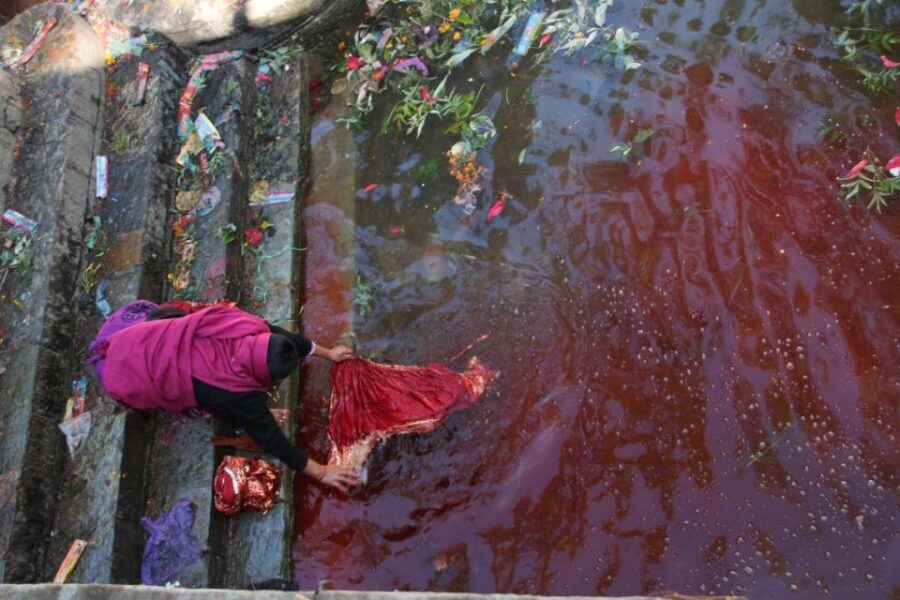
One thing to consider: this is a packed half-day, so if a cave or temple area is closed that day, your route and time can shift. Also, the Dakshinkali visit can be emotionally intense for some people because the temple area is linked with a bloody river ritual, which the tour provider warns may distress visitors.
In This Review
- Quick hits before you go
- Why Pharping and Chobhar work as a half-day loop
- Getting picked up in Kathmandu: private vehicle and timing reality
- Asura Cave: the sacred stop above Pharping
- Shesnarayan Temple and the Gorakhnath connection
- Dakshinkali Temple: major Kali shrine, big emotions, strong views
- Taudaha Lake: your calm break in the middle of the day
- Chobhar Gorge and its caves: the valley’s old water story in stone
- Lunch included: value comes from what’s paid, not just what’s served
- Who this tour suits best (and who should think twice)
- Price and logistics: what you’re really buying
- Should you book the Kathmandu Pharping, Dakshinkali and Chobhar Tour?
- FAQ
- How long is the tour?
- What’s included in the price?
- What languages does the live guide speak?
- Where does pickup happen?
- Can I cancel for a full refund?
- What should I bring and wear?
Quick hits before you go
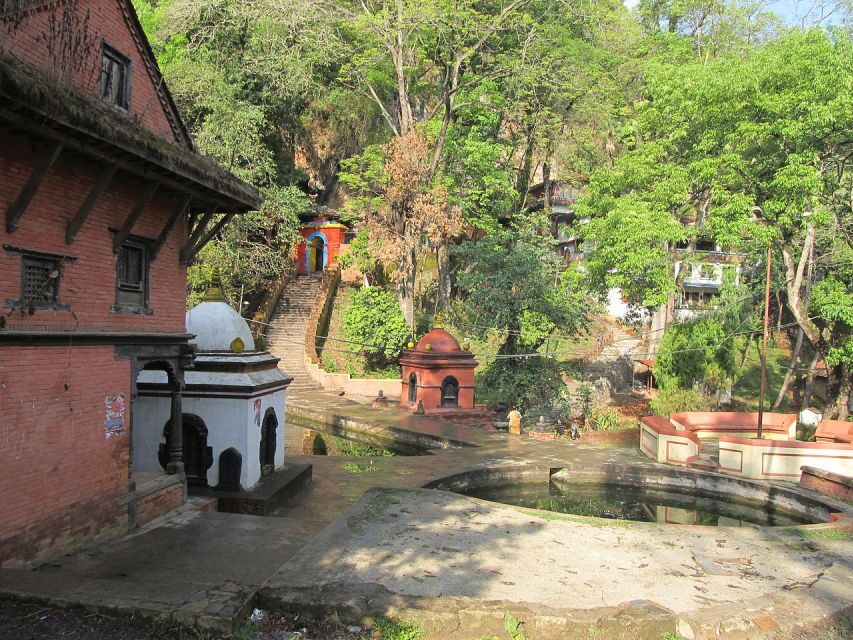
- Asura Cave: a sacred cave tied to Guru Rinpoche’s meditation stories, plus a real sense of cool air and hush
- Shesnarayan Temple: one of the four Narayana temples of the Kathmandu Valley, linked to the Licchavi king Vishnugupta
- Dakshinkali Temple: a major Kali shrine outside Kathmandu where the setting can feel intense
- Taudaha Lake: the Kathmandu Valley’s largest natural lake, known as a bird sanctuary and a calm break spot
- Chobhar Gorge: tied to the Manjushri legend of a drained ancient lake, with gorge views and possible cave access issues
Why Pharping and Chobhar work as a half-day loop
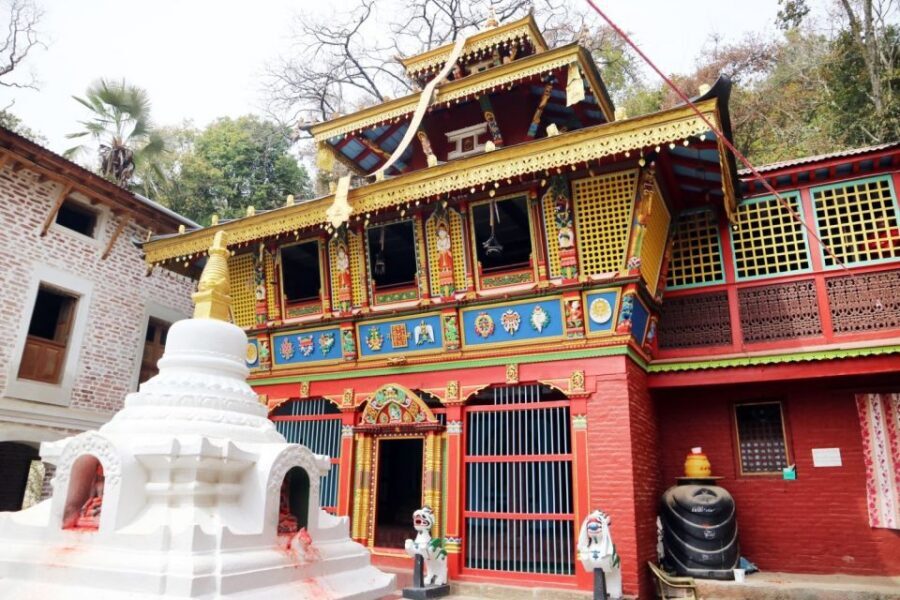
If you want more than the standard Kathmandu highlights, this route is a smart use of time. You start in Pharping, a pilgrimage zone about an hour from the city, and you spend the day moving between temples, caves, and viewpoints that feel connected by theme: devotion, sacred geography, and the valley’s older water story.
What makes it appealing is the balance. You get at least three major spiritual stops (Asura Cave, temple complexes around Pharping, and Dakshinkali), then you shift gears to nature at Taudaha Lake and the dramatic cut of Chobhar Gorge. It’s not “one temple after another forever.” The lake and gorge give you a chance to reset your senses, take photos, and just breathe.
This also suits people who like being guided. The tour includes an expert guide speaking English and Japanese, so you’re not left to guess what you’re looking at from the doorway.
A few more Kathmandu tours and experiences worth a look



Getting picked up in Kathmandu: private vehicle and timing reality
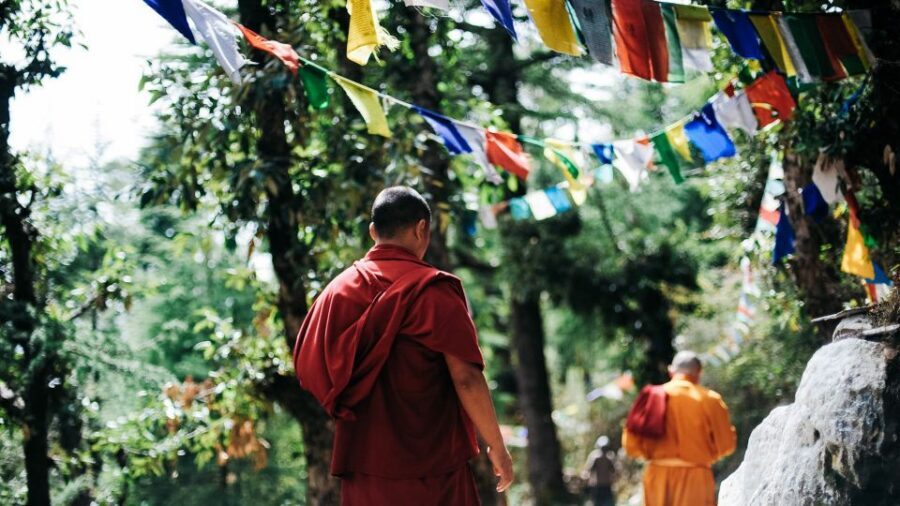
You’ll get hotel pickup and drop-off from hotels inside Kathmandu’s city ring road. If you’re staying outside that ring, the provider notes there’s an extra charge. Plan to be ready in the lobby about 5 minutes early.
The vehicle is described as a luxury vehicle, and the tour is a private group. That matters more than you might think. A private setup helps you keep your pace steady through stairs and short walks, and it gives your guide room to adjust if you hit a closed door, a service interruption, or a mismatch between posted signage and what’s actually open.
Duration is listed as 6 hours. In real life, a half-day like this can feel tight if you linger too long in one place—especially if you’re climbing stairs at temple viewpoints. My advice: keep your “must-see” items in your head, then let your guide help you choose how much time to spend at each stop so the day doesn’t turn into a rush.
Asura Cave: the sacred stop above Pharping
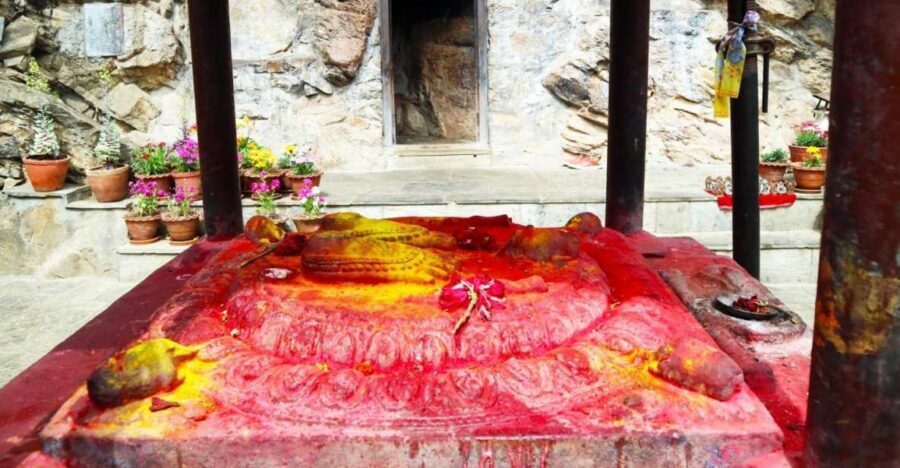
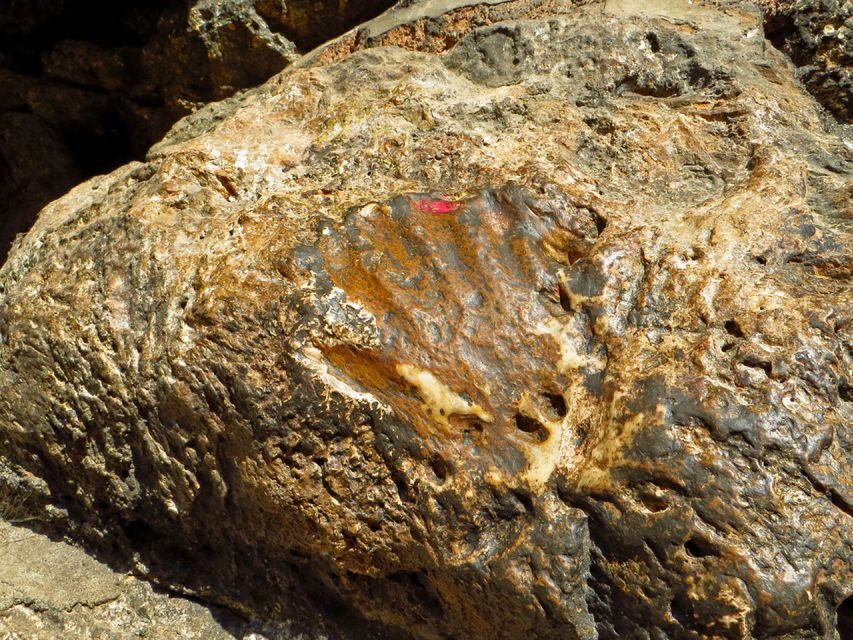
Asura Cave sits above the village of Pharping and is one of the big reasons this trip feels special. The tour frames it as a sacred site where Guru Rinpoche is said to have meditated and attained enlightenment. Whether you approach it as a history lover, a faith traveler, or both, you’ll notice the cave changes the mood fast.
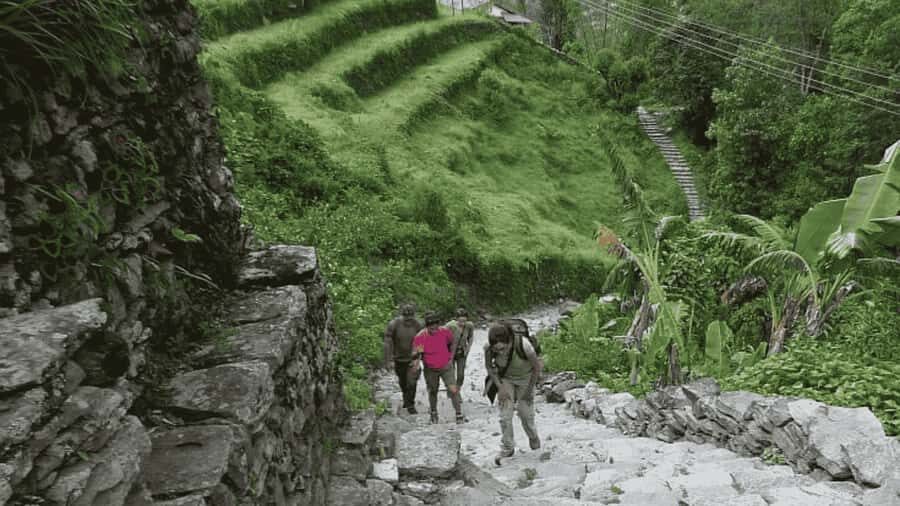
What to expect: a walk and time spent exploring inside the cave area. You’ll want comfortable shoes because caves and temple approaches in this part of Kathmandu tend to involve uneven ground and steps. Bring your patience too—caves slow you down. It’s not a place for speed-clicking.
Here’s a practical tip I’d follow: keep your phone lights off or minimal if the space is dark. It helps you respect the atmosphere and also makes your own photos clearer without glare.
And if your guide is strong, this becomes more than a scenic stop. A good guide connects what you see in front of you with the sacred story that gives Asura Cave its meaning.
Shesnarayan Temple and the Gorakhnath connection
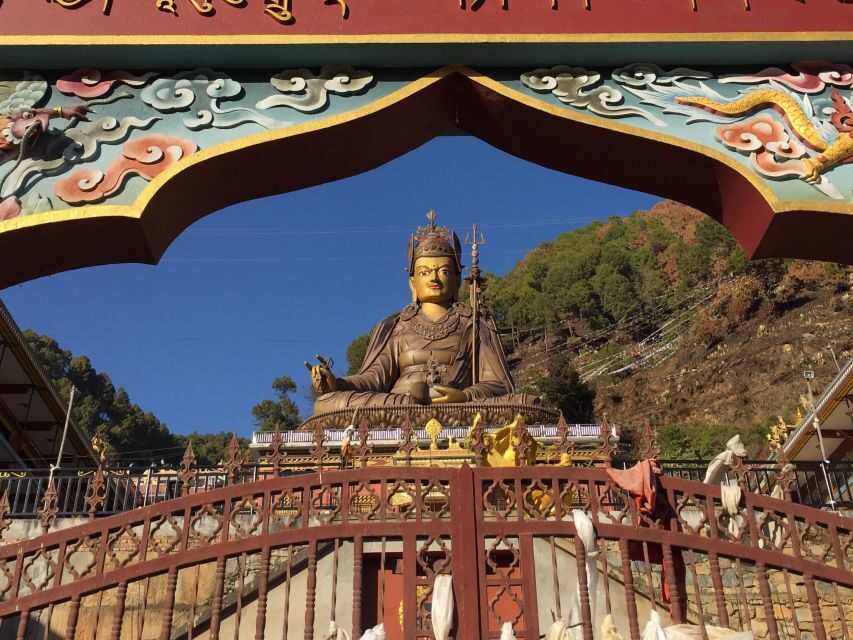
After Asura Cave, the day moves into temple territory again, but with a different flavor.
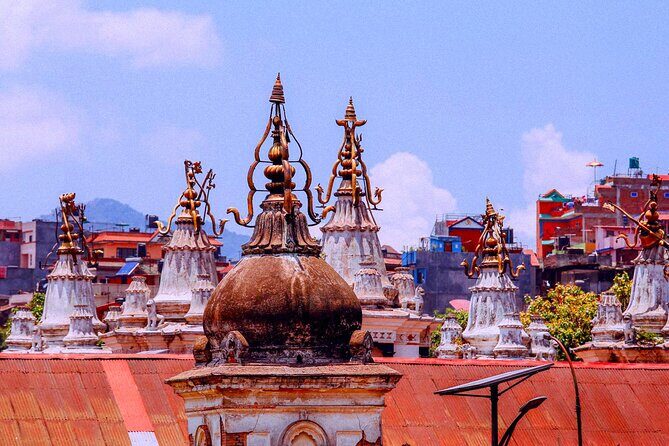
Shesnarayan Temple is described as an ancient Hindu temple complex near Pharping and one of the four Narayana temples of the Kathmandu Valley. It’s believed to have been built during the reign of Licchavi king Vishnugupta. That’s the kind of detail that helps you look past the basics—roof lines, carvings, and the layout start to feel intentional instead of decorative.
Then you continue to Gorakhnath Temple, linked with Guru Gorakhnath within the Nath Sect. Even if you don’t know Nath traditions yet, you can often feel the difference in how the site is used and explained. This stop is another reminder that the Kathmandu Valley has always been a meeting point of ideas, not a single-style museum.
A drawback worth flagging: if you’re hoping for long, quiet time at every temple, a tight schedule may limit how slow you can go. Still, if you’re prepared for short visits with guided interpretation, these stops can feel satisfying rather than rushed.
Dakshinkali Temple: major Kali shrine, big emotions, strong views
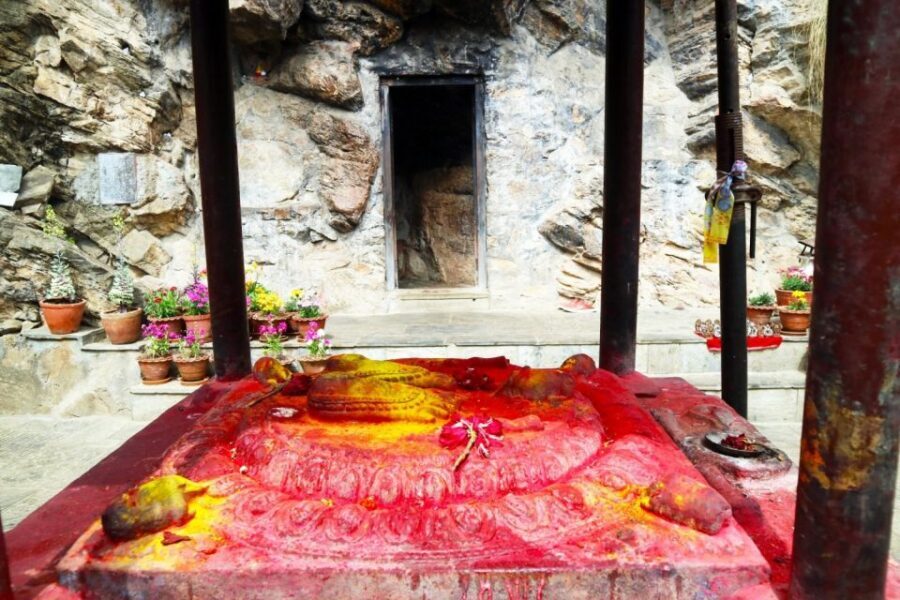
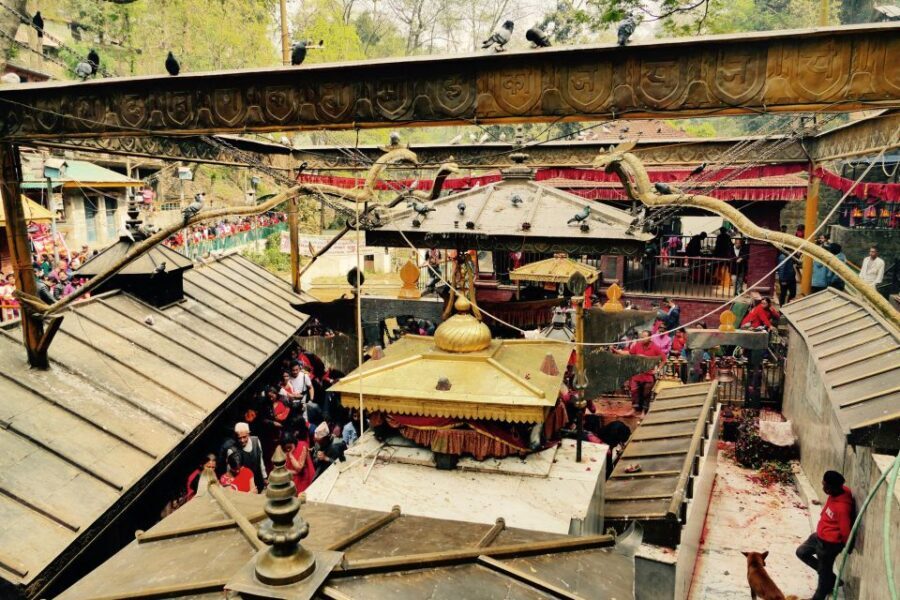
Dakshinkali Temple is one of the major Hindu temples in Nepal dedicated to Goddess Kali. The tour notes it’s about 22 kilometers outside Kathmandu and roughly 1 kilometer outside Pharping. In other words, it’s not just a quick roadside stop—you’re heading into a more intense, worship-centered setting.
There’s also a key note from the tour provider: the bloody river and the Dakshinkali temple may be distressing to some visitors. I strongly suggest you treat that as a real warning, not a footnote. If you know you’re sensitive to ritual imagery or the idea of blood-related offerings, decide in advance whether this stop fits your comfort level.
If you’re okay with intense sacred space, this is also a place where devotion feels raw and present. Plan to dress respectfully and be ready for the sensory weight of a working temple environment.
And here’s one practical tip that can make the stop better: if the area includes stairs up to a hilltop viewpoint with prayer flags, take the climb if your body can handle it. A guide can point out what you’re looking at, and the view can snap the day into focus.




Taudaha Lake: your calm break in the middle of the day
After temple intensity, the route brings you to Taudaha Lake, described as the largest natural lake in the Kathmandu Valley. It’s also a bird sanctuary and a popular recreation point.
This is the mental reset. Even when the weather is hot, lake air and open views can bring the day down a notch. You’ll likely have time to enjoy the area and take photos.
What I like about putting Taudaha in the middle is pacing. The spiritual sites demand attention and respect; the lake is where you can soften your pace and just be a visitor. If you love birdlife, go slow and scan the edges where birds often show up near water and vegetation.
Bring sunscreen and a hat here. A lake break can still mean strong sun, and you don’t want to spend your free time fighting discomfort.
Chobhar Gorge and its caves: the valley’s old water story in stone
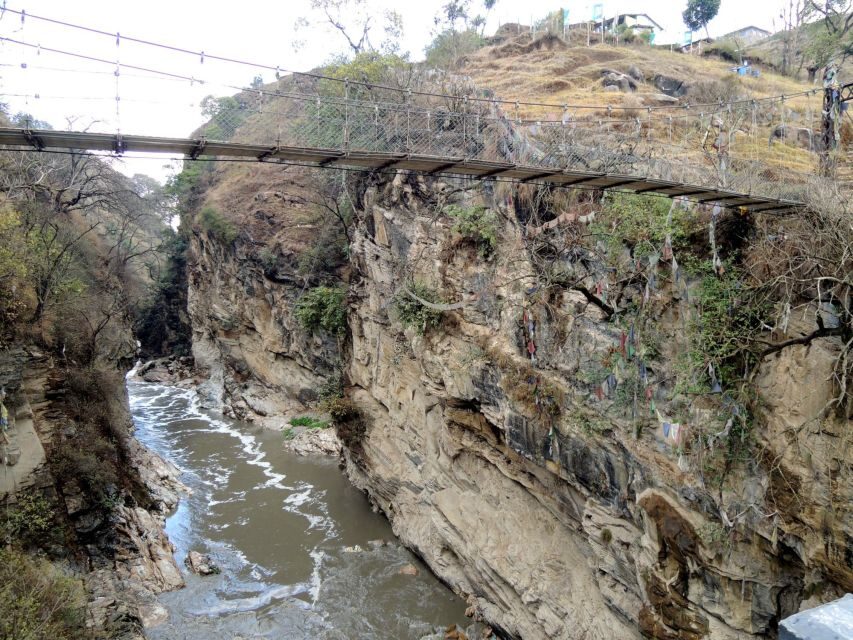
The day ends at Chobhar Gorge, described as the point where water escaped from an ancient lake that once existed where Kathmandu now sits. The story says Manjushri cut the gorge, letting the lake drain and creating land people later occupied.
That legend gives you a way to “read” the geography. You’re not just seeing a scenic ravine; you’re standing in a spot tied to Kathmandu’s origin story through water and drainage.
You’ll spend time exploring the gorge area and possibly caves, but it’s smart to expect that cave access can vary. One day it’s open and walkable, the next day it may be shut or limited. I’d keep your expectations flexible here—viewpoints and gorge scenery still deliver even if cave access is restricted.
Also, treat gorge sides and cave approaches carefully. Uneven surfaces and changes in ground conditions are common anywhere visitors walk into rock areas.
Lunch included: value comes from what’s paid, not just what’s served
Lunch is included, and the provider includes entrance fees and a guide plus a luxury vehicle, with pickup/drop-off from Kathmandu’s ring road.
For $83 per person (for a 6-hour day), the value question really comes down to one thing: will the day run as described, with time at each major stop and a proper meal break? When everything is open and the schedule holds, you’re paying for fewer logistics headaches—transport, admissions, and interpretation—so you can focus on the sites.
When access changes, you still get the structure of the day, but the match between what you hoped to see and what’s physically available can shift. The best outcome is a complete route with enough time to actually enjoy each place, not just pass through.
Tip: when you reach lunch, take the full break. Your afternoon includes gorge time, plus walking and exploring, so you don’t want to eat fast and then feel tired.
Who this tour suits best (and who should think twice)
This tour is a great fit if you:
- like temples and sacred sites with guided context
- want a mix of Buddhism- and Hindu-centered places in one route
- prefer a private setup with a vehicle instead of hopping buses alone
- enjoy natural pauses like Taudaha Lake between heavier stops
Think twice if you:
- feel uneasy about intense ritual imagery, especially around Dakshinkali and the bloody river note
- have mobility limits or need wheelchair access (the tour is not suitable for wheelchair users)
- have back, heart, or kidney problems, or you’re over 220 lbs / 100 kg
- are very sensitive to stairs and cave walking
If you’re generally healthy and comfortable with moderate walking and uneven ground, this route can feel rewarding. It’s the right kind of fast-paced if you go in with flexibility.
Price and logistics: what you’re really buying
At $83 per person, you’re not just buying transportation. You’re buying:
- an expert English/Japanese guide
- entrance fees for the included stops
- lunch
- hotel pickup/drop-off from within the ring road
- a private-group format
That package can feel fair when the sites are open and the guide keeps the flow moving without turning the day into a sprint. It can feel expensive when key sites don’t match what you expected to access or when the route needs to be revised.
My advice is simple: treat this as a guided day of sacred places around Pharping plus water-and-stone scenery at Taudaha and Chobhar. If you go in wanting a smooth checklist, you may get disappointed. If you go in wanting a story-filled circuit with flexible sightseeing, you’ll probably feel the value more clearly.
Should you book the Kathmandu Pharping, Dakshinkali and Chobhar Tour?
I’d book it if you want a meaningful half-day with real substance: cave spirituality at Asura, major worship at Dakshinkali, and a nature reset at Taudaha Lake before the valley’s origin legend comes to life at Chobhar Gorge.
I wouldn’t book it if you’re highly sensitive to intense imagery or if you’re expecting one hundred percent access to every cave or monument spot no matter what. Because sites can be closed or limited, flexibility is part of the bargain on this kind of route.
If you do book, wear shoes made for stairs, bring sun protection, and ask your guide lots of “why does this matter” questions. The day works best when you treat it as a guided walk through meaning, not just a queue of stops.
FAQ
How long is the tour?
The tour duration is listed as 6 hours.
What’s included in the price?
The tour includes an expert guide, a luxury vehicle, hotel pickup and drop-off (from hotels inside Kathmandu city ring road), entrance fees, and lunch.
What languages does the live guide speak?
The live tour guide speaks English and Japanese.
Where does pickup happen?
Pickup is provided from hotels inside Kathmandu city ring road. If your hotel is outside the ring road, there is an additional charge.
Can I cancel for a full refund?
Yes. Free cancellation is available up to 24 hours in advance for a full refund.
What should I bring and wear?
Bring comfortable shoes, sunglasses, sun hat, and sunscreen. Open-toed shoes are not allowed.