REVIEW · KATHMANDU
Trek to Everest Base Camp
Book on Viator →Operated by Happyland Treks · Bookable on Viator
Everest Base Camp starts with a short Lukla flight. What makes this trek worth your time is the mix of real acclimatization and the big-mountain payoff: Namche, Tengboche, Gorakshep, then Everest Base Camp at 5,364m. I like that the plan is structured with rest days and gradual altitude steps, plus you get airport pickup and a guided setup from Happyland Treks. One thing to consider: you’ll be dealing with big altitude and cold, and the itinerary includes trekking days that can feel long even when the scenery is stunning.
My other big plus is the support system built into the trip: an English-speaking guide, a porter ratio of 1 porter for 2 clients, permits handled, and tea house stays lined up for 11 nights. That means less logistics stress and more energy for pacing, breathing, and keeping your footing. The trade-off is that you’ll still need to manage your own day-to-day mountain costs like drinks, hot water, and battery charging, since those are listed as not included.
In This Review
- Key things to know before you go
- Everest Base Camp in a nutshell: what this plan gets right
- Price and logistics: permits, tea houses, guides, porters
- Kathmandu arrival and prep (Day 1) plus the wrap-up (Days 13–14)
- Small planning note
- From Lukla to Namche: days 2–4 acclimatization that feels like progress
- Tengboche, Debuche, and Pangboche: days 5–6 monasteries and rhododendron walking
- Dingboche rest day (Day 7) and the push toward 5,000m
- Base Camp and Kalapathar: days 9–10 for the Everest payoff
- The descent back to Lukla: days 11–12 and why it still matters
- Back in Kathmandu (Days 13–14): last views, last logistics
- Who should book, what to pack, and whether it’s worth $1,597
- What to pack with the included/not-included list in mind
- Should you book this one?
- FAQ
- How long is the Everest Base Camp trek?
- Where do I meet and when does it start?
- Do you include airport pickup and drop-off in Kathmandu?
- Is the trek guided and in what language?
- Are permits and entry fees covered?
- How are porters handled?
- What’s the highest altitude on this itinerary?
- What type of lodging do I get on the trek?
- What’s included for meals and what isn’t?
- What’s not included in the price?
- Is there free cancellation?
Key things to know before you go
- Lukla flights built into the schedule: Kathmandu to Lukla is about 35 minutes, then you start walking almost right away.
- Acclimatization is actually planned: Namche rest day plus an optional hike to the Everest View Hotel area.
- Big altitude moments are timed well: you’ll hit 4,900m on Day 8, then Base Camp and Kalapathar by Days 9–10.
- Tea house nights, not meals included: lodging is included on the trekking trail, but food and drinks in the mountains are not.
- National park permits handled: Sagarmatha National Park entry and registrations are covered.
- Guide support with real-world names: reviews mention guides like Bimal Dahal and Pramish, and also Ngawang (so expect experienced, friendly leadership).
Everest Base Camp in a nutshell: what this plan gets right
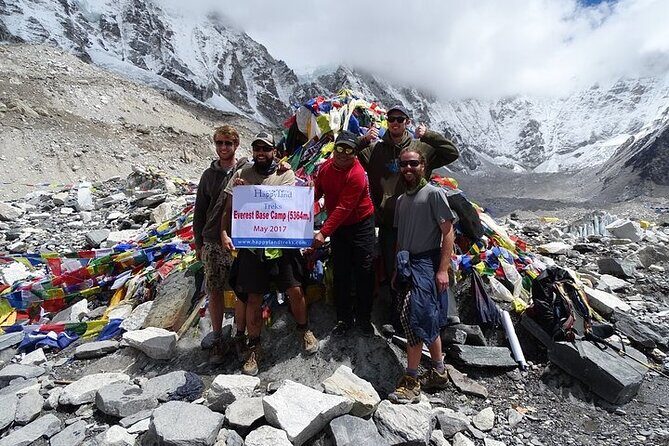
This isn’t a casual hike. It’s a high-altitude trek that passes 5,000m territory and ends at Everest Base Camp, with the classic bonus stop of Kalapathar (5,545m). The reason this itinerary works for many people is pacing. You don’t just sprint upward. You climb, rest, climb again, and use higher days mostly to help your body adjust.
You’ll also notice the plan pays attention to rhythm: walking days typically land in the 3–7 hour range early on, then the stretches lengthen as you approach Everest. The route starts near Lukla (2,800m) and slowly builds to Gorakshep (5,180m), then pushes to Everest Base Camp (5,364m). That step-by-step approach matters because altitude is the real boss here, not distance.
If you like mountains with structure—clear stops, planned overnights, and guidance on where to go—this style will feel comfortable. If you’re hoping for a perfectly smooth, cushy experience, you should recalibrate expectations. Rocky footing, cold mornings, and long days come with the territory.
You can also read our reviews of more hiking tours in Kathmandu


Price and logistics: permits, tea houses, guides, porters
The cost is $1,597 per person for about 14 days. Here’s the value picture: you’re paying for a full guided trek framework that includes permits, English-speaking guiding, airport transfers in Kathmandu, and 11 tea house nights on the trail. You’re also getting a porter setup—1 porter for 2 clients—which can make a meaningful difference once you’re carrying only essentials and your body is working at thinner air.
What’s included is strong, but it’s not a “everything is free” deal. Food and drinks in the mountains are listed as not included, and you should plan for extra costs like hot showers, hot water, battery charging, and cold drinks. Those small charges can add up when you’re tired and trying to keep warm. Your best move is to budget a realistic daily amount for tea house meals and personal items.
On the support side, you’ll likely travel with the kind of helpful team described in past feedback: Bimal Dahal and Pramish show up in reviews as guides who handled route guidance and day-to-day needs well, and Ngawang is also mentioned. You shouldn’t assume you’ll have the exact same people, but the common thread is consistent: organization in Kathmandu, cooperative guiding on the trail, and care around hygienic, manageable food choices.
Finally, this is a private tour/activity. That usually means your group is your group, not a mixed crowd wandering at different speeds. You still need self-discipline for pacing, but the social side is usually calmer.
Kathmandu arrival and prep (Day 1) plus the wrap-up (Days 13–14)
Your trip begins in Kathmandu at about 1,350m. Day 1 is all about getting settled: transfer to your hotel, then a briefing session in the evening. That matters more than it sounds. You’ll want clear expectations about the trek structure, packing priorities, and how the next day’s Lukla flight fits in.
You’ll also benefit from having airport pickup and drop by private transport. In a city like Kathmandu, that’s a simple convenience that can reduce stress. You can focus on sleep, water, and getting your gear ready.
On the back end, Days 13–14 return to Kathmandu. You fly back from Lukla (about 35 minutes) and transfer to your hotel. Day 14 is open for a last stroll and souvenir shopping before you’re driven to Tribhuvan International Airport at the scheduled time. If you like a final day that’s not rushed, this format is nice.
Small planning note
Altitude can make sleep weird. If you’re the type who hates early mornings, you’ll want a plan for getting up quickly for flights and sunrise starts.
From Lukla to Namche: days 2–4 acclimatization that feels like progress
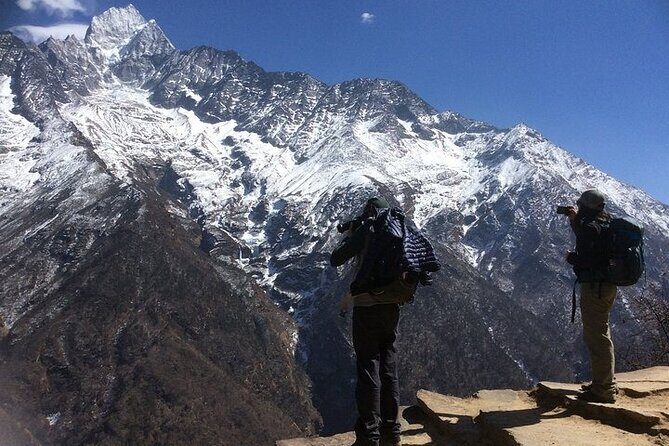
Day 2 jumps you into the Khumbu region fast. You fly from Kathmandu to Lukla, then trek about 8 km (around 3–4 hours) along the Dudh Koshi River. You’ll pass stone villages and snow-topped mountains as you head toward Cheplung and Ghat area before sleeping in Phakding.
This is a great “first legs” day because it’s not just scenic. It sets your baseline for what walking feels like after your first altitude hit. You’re around 2,652m in Phakding, so your body has to start adjusting right away, even if the day doesn’t feel brutally hard.
Day 3 is the first big push toward Namche Bazaar, with a steep ascent after crossing Dudh Koshi on a long suspension bridge. You’ll also reach the entrance of Sagarmatha National Park, where trekking permits get registered. That’s one of those behind-the-scenes moments that can be easy to overlook, but it’s important: permits are included, and handling them smoothly keeps your day from turning into paperwork chaos.
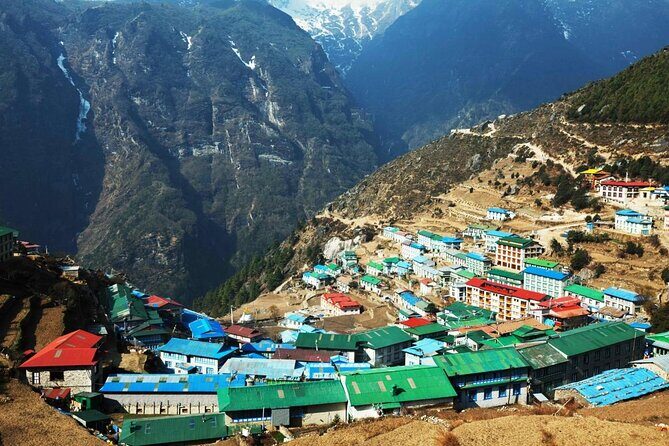
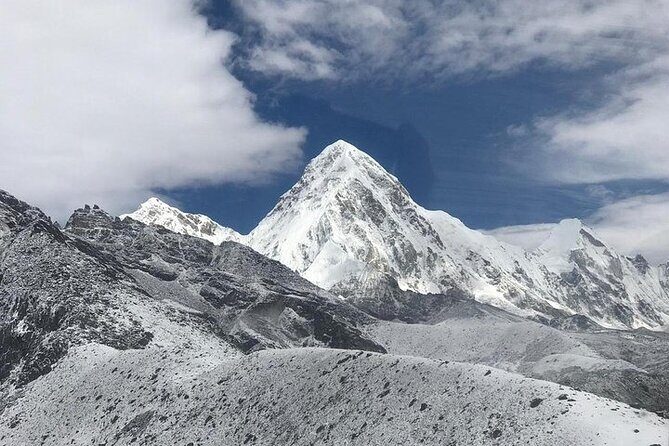
On arrival to Namche Bazaar, you’re up around 3,440m. Then comes Day 4: a full rest day for acclimatization. The itinerary gives you options here. You can relax around Namche, or you can hike 3–4 hours to the Everest viewpoint hotel area. That’s a classic strategy: go higher without going farther in a way that overwhelms your body. You’ll also get sunrise/sunset mountain views, with landmarks like Ama Dablam, Nuptse, Lhotse, and Everest referenced in the plan.
One practical takeaway: on rest days, resist the urge to “use your energy” by pushing too hard. The goal is adaptation, not hero mode.






Tengboche, Debuche, and Pangboche: days 5–6 monasteries and rhododendron walking
Day 5 takes you from around 3,800m up to Tengboche at roughly 3,800m (the plan lists walking about 9.2 km, 5–6 hours). The route goes through villages like Phunki Tenga and ends at Tengboche, home to a major Buddhist monastery in the Khumbu region. For many people, that’s where the trek starts feeling truly Himalayan in a cultural way, not just a physical one.
Expect the monastery stop to be more than a quick photo. It’s often a quiet anchor in the day, and it helps break up the grind of altitude.
Day 6 is around 9 km (5–6 hours) and includes descent into rhododendron forest, crossing the Imja Khola River, and reaching Pangboche. You’ll pass Debuche and see views linked to Ama Dablam and other peaks. The plan also emphasizes how villages and forests break up the walking day, which matters when temperatures drop and the air gets thin.
A real-world comfort note: tea house rooms are basic. You’ll likely rely on layering and the kind of cold tolerance you can build with experience. On these days, my advice is to manage expectations about warmth, and to keep your schedule flexible if you feel slower than planned.
Dingboche rest day (Day 7) and the push toward 5,000m
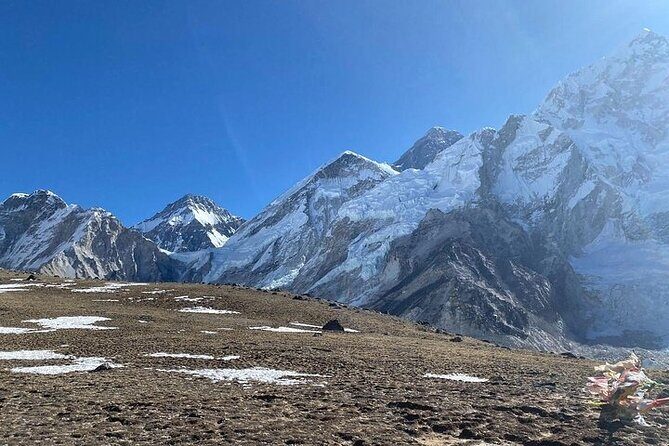
Day 7 gives you another rest window in Dingboche, listed around 4,900m for the next day’s high point, with Dingboche itself as the stop for acclimatization. The plan calls this a free day to rest and relax. If you’re feeling good, there’s an optional climb to Nangkhartshang Peak (5,083m), typically a 3–4 hour hike.
This optional hike is exactly the kind of acclimatization tool you want. You’re stimulating your body and learning how exertion feels at altitude, without committing to a full “stay higher” step that might wipe you out.
Then Day 8 brings the steep, serious altitude push. You’ll climb steeply on the moraine of the Khumbu Glacier (walk about 11–12 km, 6–7 hours) toward Gorakshep area at around 5,180m. This section is described as the highest glacier journey listed in the plan, and it’s the point where you’ll start feeling altitude more than you feel distance.
If you’ve never hiked in snow-adjacent, icy conditions, treat this day as a slow-and-steady technical walk even if conditions look manageable from a distance.
Base Camp and Kalapathar: days 9–10 for the Everest payoff
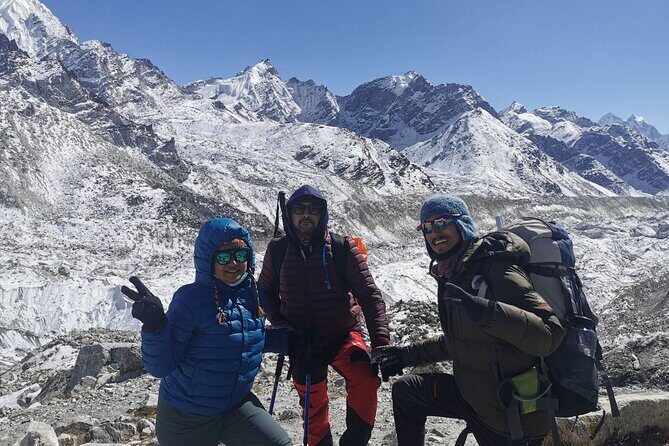
Day 9 is the Everest Base Camp arrival day. You’re going from Gorakshep (5,180m) toward Everest Base Camp (5,364m), with about 15 km total walking time estimated at 6–8 hours. The plan flags that the trail from Gorakshep is more challenging due to rocky terrain and icefalls.
This is where patience pays. You’ll want to keep your breathing controlled and avoid the common mistake of rushing just because the goal is close. Once you arrive, the payoff is visual and emotional: Base Camp views, mountain angles that look different at each step, and that sense of being in the same altitude world as the Khumbu big shots.
Day 10 is the Kalapathar day plus a return descent. You start early and climb 2–3 hours uphill toward Kalapathar, then retrace steps down to Gorakshep and continue descending to Pangboche. Kalapathar is listed at 5,545m, which means it’s higher than Base Camp and often the coldest, hardest part of the trek—also the part many people remember most for dramatic views.
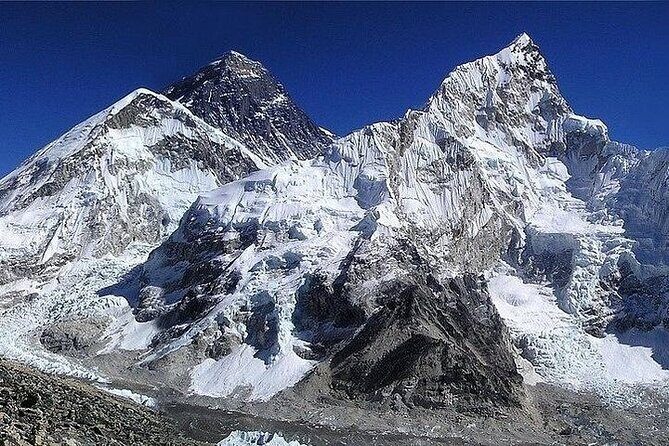
The plan specifically calls out views over the Khumbu glacier below and big peaks above: Everest, Nuptse, Changtse, and Lhotse. Even if you’re not a “peak names” person, you’ll feel the scale.
Practical advice: bring what you need for cold mornings. Even if the day looks fine in Kathmandu, the timing of sunrise starts changes everything at 5,000m+.
The descent back to Lukla: days 11–12 and why it still matters
Day 11 takes you from Pangboche toward Namche Bazaar, with about 13–15 km and 7–8 hours. The trail is described as full of ups and downs via Tengboche, and it passes rhododendron and juniper trees that host animals and birds. That detail matters because it’s not just grinding downhill. It’s a mixed trail day where you still need good balance.
This is also a good time to pay attention to hydration and soreness. The trek is not over until you’re truly back to lower altitude.
Day 12 is your last major trekking day to Lukla. The plan lists about 16 km (6–7 hours) descending down following the Dudh Koshi River, crossing several suspension bridges. Once you reach Lukla at about 2,800m, there’s a celebration with your trekking crew in the evening to mark completion.
That celebration part is more than a nice touch. It’s a morale reset. You’ll have spent days watching breath and foot placement, and now you can finally relax.
Back in Kathmandu (Days 13–14): last views, last logistics
On Day 13, you wake early for the flight back to Kathmandu, then transfer to your hotel. Day 14 wraps things up with a drive to Tribhuvan International Airport at the scheduled time, or time for extra activities if you extend your stay.
This is the stage where I think you should take it slow. If you have energy, great. If not, just treat Kathmandu like a base camp for recovery: warm food, rest, and maybe one easy sightseeing session.
One more value point: because permits and the trekking route are handled, your last two days are about comfort. You’re not scrambling for last-minute transport, and you’re not rebuilding your itinerary after you return from altitude.
Who should book, what to pack, and whether it’s worth $1,597
This trek fits people with at least moderate fitness who are willing to handle altitude and long walking days. The itinerary includes optional hikes (Everest viewpoint hotel area, then Nangkhartshang Peak) for those who want extra acclimatization work. If you’re the type who likes choices built into a plan, that flexibility is a plus.
What to pack with the included/not-included list in mind
Food and drinks in the mountains are not included, and hot water, battery charging, and cold drinks may cost extra. That means you’ll want to plan for:
- layers for cold mornings (especially for Kalapathar timing),
- a water plan (water bottle plus a way to stay hydrated without relying on expensive refills),
- a power plan (charge when you can, and don’t count on constant charging),
- and enough cash for tea house meals and small extras.
Also remember: travel medical insurance and emergency evacuation costs are not included. For high altitude trekking, insurance isn’t optional-thinking; it’s part of being responsible.
Should you book this one?
If you want a guided, private EBC trek with permits handled, tea house lodging included for the trekking nights, porter support, and Kathmandu transfers, this is a solid match. The reviews and descriptions around guides like Bimal Dahal and Pramish suggest a team style that’s organized and friendly, and that matters when you’re tired.
If you’re budget-sensitive on mountain meals, drinks, and charging costs, you’ll need to plan for extra spending. And if altitude scares you or you’re not ready for early mornings and colder conditions, you might be happier with a lower-altitude Himalayan trek.
FAQ
How long is the Everest Base Camp trek?
The duration is listed as 14 days (approx.).
Where do I meet and when does it start?
The start is at Happyland Treks. Nepal Trekking, Everest Trek, South Asia, Paknajol Marg, Kathmandu 44600, Nepal, with a start time of 6:45 am.
Do you include airport pickup and drop-off in Kathmandu?
Yes. Airport pickup and drop by private transport are included.
Is the trek guided and in what language?
Yes. An English-speaking guide is included.
Are permits and entry fees covered?
Yes. All your trekking permits and entry fees are covered, and the plan includes permit registration at Sagarmatha National Park.
How are porters handled?
A porter is included with a ratio of 1 porter for 2 clients.
What’s the highest altitude on this itinerary?
Everest Base Camp is listed at 5,364m, and Kalapathar is listed at 5,545m.
What type of lodging do I get on the trek?
You’ll have mountain stay for 11 nights in tea houses on the trekking trail.
What’s included for meals and what isn’t?
Dinner is listed as included, but any food and drinks in the mountains are listed as not included.
What’s not included in the price?
Not included items include travel medical insurance and emergency evacuation cost, Nepal entry visa fee and international airfare, personal equipment, tips for guide and porter, and personal expenses like alcohol, hot showers, water bottle, cold drinks, hot water, battery charge, and donations.
Is there free cancellation?
Yes. You can cancel up to 24 hours in advance for a full refund.