REVIEW · KATHMANDU
Manaslu Circuit Trek (15 Days)
Book on Viator →Operated by Sole Encounters Adventures · Bookable on Viator
If you want a quieter Himalayan trek, this delivers. The Manaslu Circuit Trek pairs dramatic mountain views with Tibetan-influenced culture, plus fewer crowds than Nepal’s most famous routes. You’ll move along the Budhi Gandaki River, pass big villages and small settlements, and time your big day around the classic high-pass challenge.
I really like how the operator keeps the early days practical in Kathmandu. You get real support for permit timing (including collecting your passport and two passport-sized photos) and you travel with a crew structure that keeps the workload fair, with a 2 trekkers to 1 porter ratio and an assistant guide per 5 trekkers.
One thing to plan for: meals on the trek are not included. That means you’ll pay for most teahouse food yourself, and you should also budget for drinking water care since drinking water isn’t included.
In This Review
- Key Things I’d Care About First
- Why the Manaslu Circuit Feels More Like Nepal and Less Like a Highway
- Price and Logistics: What $1,657.50 Actually Buys You
- Kathmandu Days: Permits, Passport Photos, and Getting Your Bearings Fast
- Trek Day by Day: What You’ll Feel in Each Section
- Day 3 Drive to Machha Khola: Foothills to Trek Mode
- Day 4 Along the Budhi Gandaki: Gorges, Hot Springs (Without the Soak), and Jagat
- Day 5 Jagat to Deng: Big Climb Day and Gurung Village Life
- Day 6 Deng to Namrung: Pine, Rhododendron, and Tibetan-Influenced Homes
- Day 7 Namrung to Lihi: Switchbacks, Terraces, and Yak Pastures
- Day 8 Toward Shyala and Samagaun: High Village Feel and Mani Walls
- Day 9 Pungyen Gompa: The Peace Stop with the Big Views
- Day 10 Samagaun to Samdo: Wooden Bridge Moment and Dry Yak Country
- Day 11 Samdo to Dharamsala: Short but Crucial Acclimatization
- Day 12 Dharamsala to Bimthang: Pre-Dawn Start and the Toughest Big-Day Energy
- Day 13 Bimthang to Dharapani: Descend into Forest and Pass Yak Kharka
- Day 14 Jeep Back Down: Marsyangdi River, Tal Village Waterfalls, and Kathmandu Recovery Mode
- Day 15 Thamel Time: Final Hours and a Clean End Point
- Teahouses, Food, and Water: How to Budget Without Surprises
- Guides, Safety, and the Altitude Plan That Helps You Make Good Choices
- Who This Trek Fits Best (and Who Should Look Elsewhere)
- Should You Book This Manaslu Circuit Trek?
- FAQ
- What permits are included for the Manaslu Circuit Trek?
- What transport is included during the trek and between Kathmandu and the trail?
- Where do you stay in Kathmandu and during the trek?
- Are meals included during the trekking days?
- Do I need travel insurance, and what altitude should it cover?
- Do I need to handle water treatment myself?
- How many trekkers share a porter?
- Where is the meeting point, and what are the hours?
Key Things I’d Care About First
- Permits handled with real paperwork support so you’re not scrambling after arrival
- Small groups (max 15) which usually means a calmer trail and better group logistics
- A sensible acclimatization rhythm built around the Samagaun and Dharamsala stretches
- A demanding pre-dawn pass day that starts early and expects effort
- Teahouses during the trek, Kathmandu hotel in Thamel for a mix of comfort and simplicity
- Named guide/ops support shows up in the feedback, including people like Prashant, Prem, Ishwor Rai, Raj Rai, Tshering, and Pemba Sherpa
Why the Manaslu Circuit Feels More Like Nepal and Less Like a Highway
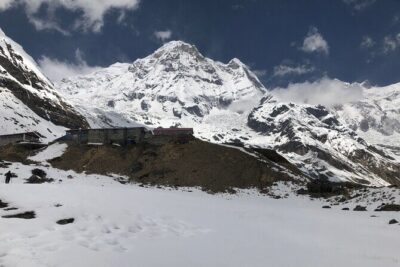
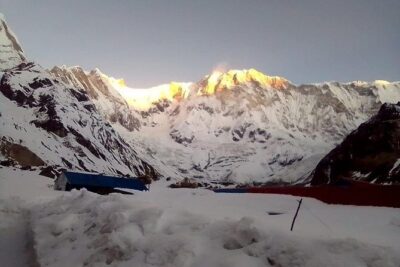
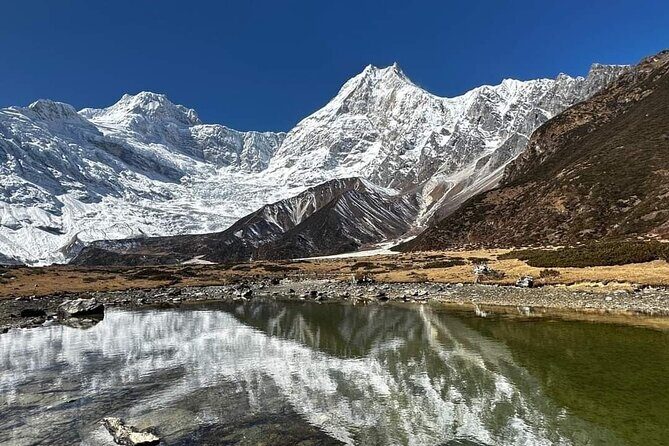
Manaslu has a different vibe than the Everest and Annapurna buzz. The circuit stays remote enough that your days feel more personal: river paths, terraces, stone villages, and high ridges where you can actually hear your own footsteps. You’re also traveling in a region with strong Tibetan influence, so you’ll notice the way people live, build, and mark the trail with mani walls and monastery stops.
And yes, there’s a big-name payoff: Larkya La Pass. The itinerary is built to get you to that moment with a gradual climb and a key acclimatization day before the main effort. That matters, because on a trek like this, the pass isn’t a separate adventure—it’s the day your whole trip is training for.
If you want mountain scenery, you’ll get it. If you want culture and quieter walking days, you’ll get that too.
You can also read our reviews of more hiking tours in Kathmandu


Price and Logistics: What $1,657.50 Actually Buys You
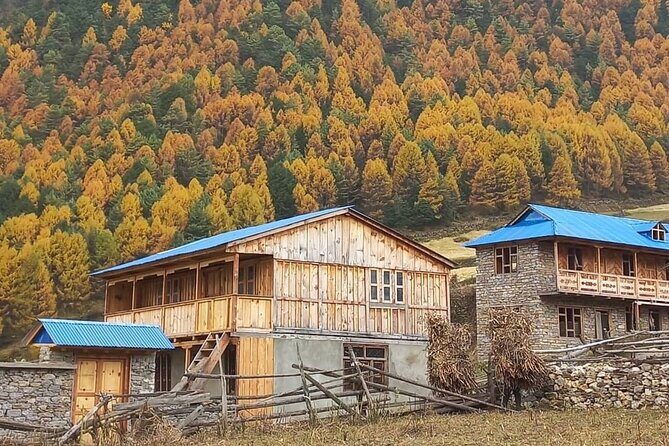
At $1,657.50 per person, the price is fairly value-heavy on the “you don’t want to handle this yourself” stuff. You’re covering government fees (including conservation permits and the special restricted-area permit), Kathmandu accommodation, trekside teahouses, a licensed guide, porters, and core transport between Kathmandu and the trail.
Here’s what’s included that can quietly save you time and stress:
- Kathmandu: 3-star hotel in Thamel with breakfast
- Trek: standard teahouses for nights
- Permits: Manaslu Conservation Area Permit, Annapurna Conservation Area Permit, and the Special Restricted Area Permit
- People power: a government-licensed, first-aid trained trek guide, plus porters (2 trekkers : 1 porter) and an assistant guide per 5 trekkers
- Transport: private transfers for airport arrival/departure and key legs (Kathmandu to Machha Khola; Besisahar back to Kathmandu), plus a shared jeep segment from Dharapani to Besisahar
Now the tradeoffs you should not ignore:
- International airfare isn’t included
- Nepal visa fee is extra (USD 30 per person)
- Your travel insurance is not included, and you need a policy that covers accidental, medical, and helicopter evacuation up to 5200 m
- Meals during the trek aren’t included, and hot showers/battery charging/Wi-Fi cost extra at many teahouses
- Drinking water isn’t included, so plan on bringing purification
If you’re the kind of traveler who likes to show up, walk, and let the logistics run cleanly, this pricing structure matches that style.
Kathmandu Days: Permits, Passport Photos, and Getting Your Bearings Fast
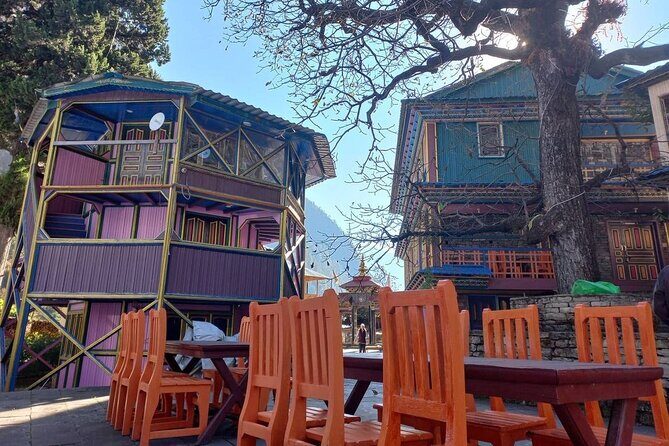
Your trip starts in Kathmandu in Thamel, with pickup offered and a practical meeting point right where most trekkers base themselves. Day 1 is transfer + check-in, and then you’re on your own for the rest of the day.
Day 2 is the important one. You’ll do trek preparation and wait for your Manaslu permits to be officially issued. The team collects your physical passport plus two passport-sized photos, because the original passport has to be presented to Nepal’s immigration department for permit processing. This is one of those behind-the-scenes steps that makes the difference between a smooth start and a stressful one.
I also like that the operator builds in communication and guidance before you go. If your packing is still a work in progress, this is where you want strong gear advice rather than last-minute guesswork.
Trek Day by Day: What You’ll Feel in Each Section
Day 3 Drive to Machha Khola: Foothills to Trek Mode
After Kathmandu, you take a long drive to Machha Khola. It’s a transition day, and it’s not meant to be exciting in the postcard way. It’s about watching the countryside change from capital energy into river-and-valley rhythm, so when your first real hike starts, your body already understands the shift.





Day 4 Along the Budhi Gandaki: Gorges, Hot Springs (Without the Soak), and Jagat
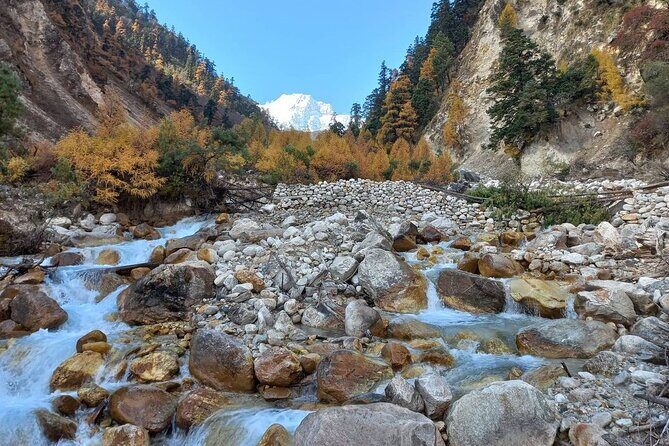
This day turns into a classic river-connector trek. You follow narrow, rocky trails along the Budi Gandaki (spelled Budhi/Budi Gandaki across documents), and you pass Tatopani, a natural hot spring on the riverbank.
The key detail: the plan notes you won’t stop to soak during the trek. So don’t build your day around the idea of hot water. Instead, enjoy the scenery as a rest-of-the-day kind of boost, and save your energy for the climbing.
You also pass Dobhan, where you get dramatic river scenery near the confluence of Shiar Khola and Budhi Gandaki. The day ends in Jagat, after a trek that typically clocks around 15 km and 6–7 hours (with roughly 600 m ascent and 250 m descent). Jagat is a good first “I’m really in this” night.
Day 5 Jagat to Deng: Big Climb Day and Gurung Village Life
Day 5 is longer and tougher on paper: about 18 km and 7–8 hours, with roughly 1,050 m ascent and 400 m descent. After Salleri, the route passes through a large Gurung village (Phili), which helps you understand why this trek isn’t just about peak views.
You’ll likely notice how villages are arranged along paths that make sense for trading and walking, not just sightseeing. That kind of on-trail culture is why circuits like Manaslu feel more authentic.
Day 6 Deng to Namrung: Pine, Rhododendron, and Tibetan-Influenced Homes
This is a steady climb day, about 19 km and 7–8 hours with around 1,100 m ascent. The trail runs through pine and rhododendron forest, then you’ll move through small settlements such as Bihi and Rana.
Here, you start seeing the Tibetan-influenced stone houses and carven-in-stone village details that give this circuit its character. Namrung is where the trail begins to feel more alpine and less “subtropical comfort.”
Day 7 Namrung to Lihi: Switchbacks, Terraces, and Yak Pastures
You’re climbing around 700 m and descending about 100 m. That gives you a day that feels like a continuous effort rather than a stop-start shuffle.
You’ll pass terraced fields, forested switchbacks, and yak pastures—plus the small village life of Lihi as the night destination. It’s a good day for settling into trail rhythm: steady pace, frequent water breaks, and letting the views arrive instead of chasing them.
Day 8 Toward Shyala and Samagaun: High Village Feel and Mani Walls
Day 8 covers two parts. First you reach Shyala, a high-altitude village framed by giants like Manaslu, Himalchuli, Peak 29, and Ngadi Chuli. The trail goes through pine and rhododendron forests, and you’ll pass mani walls along the way.
After Shyala, you continue to Samagaun. Expect around 17 km of walking and about 500 m ascent overall. Samagaun is a key overnight because it sets you up for acclimatization days and monastery time.
Day 9 Pungyen Gompa: The Peace Stop with the Big Views
Day 9 is built around a hike to Pungyen Gompa, perched on a ridgeline with broad views of Mt. Manaslu and neighboring peaks. The hike is short enough to keep it enjoyable: a 3–4 hour roundtrip, with a gradual forest ascent before steeper sections.
You then return to Samagaun for the night. This is a good day because it breaks the pattern of “walk, sleep, repeat.” You get a specific destination with a clear purpose.
Day 10 Samagaun to Samdo: Wooden Bridge Moment and Dry Yak Country
You begin with a gentle descent to a wooden bridge over the Budhi Gandaki River, then head into dry yak pasture terrain with mani walls marking your way. You’re moving toward higher, drier high-country conditions now.
Samdo sits in that zone where everything changes: air feels sharper, the sky looks closer, and the trail seems more exposed.
Day 11 Samdo to Dharamsala: Short but Crucial Acclimatization
This is described as a short but crucial acclimatization hike before you tackle Larkya La Pass. So even if the walking distance feels manageable, treat it like training, not a vacation stroll.
You’ll climb through rocky alpine terrain with sparse vegetation and sweeping views. Your goal here is to arrive feeling better than when you started, not wiped out.
Day 12 Dharamsala to Bimthang: Pre-Dawn Start and the Toughest Big-Day Energy
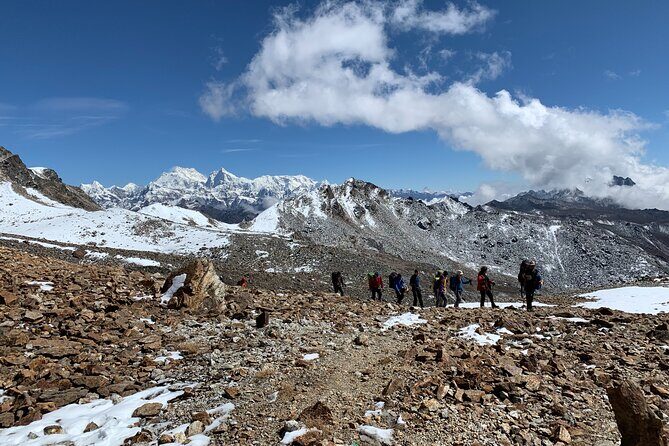
This is the most demanding day. You start before dawn from Dharamsala, and the route moves over rocky moraine and glacier-draped terrain. It’s a steady uphill grind, the kind where patience beats speed.
When you do a day like this, you’ll appreciate why the itinerary gives acclimatization before the pass. A well-timed “tough day” is still tough, but it’s less random.
Day 13 Bimthang to Dharapani: Descend into Forest and Pass Yak Kharka
After the hard day, you drop into varied terrain. You transition from alpine scrub into dense pine, rhododendron, and oak forests.
You also pass Yak Kharka, a seasonal grazing area where herders bring live animals. It’s one of those practical signals that this circuit isn’t only a mountaineering route—it’s part of how local life moves through high country.
Dharapani is your night destination, and it feels like the trip is shifting back toward more livable trekking conditions.
Day 14 Jeep Back Down: Marsyangdi River, Tal Village Waterfalls, and Kathmandu Recovery Mode
You’ll board a shared jeep from Dharapani to Besisahar. It’s described as bumpy but scenic, with narrow cliff-side roads along the Marsyangdi River.
The route passes Tal village, with cascading waterfalls noted along the way. Then you transfer privately onward to Kathmandu (Besisahar back to Kathmandu is included as private transport in the plan).
This day is not for big sightseeing expectations. Think: arrive, shower if available, eat something warm, and let your legs stop complaining.
Day 15 Thamel Time: Final Hours and a Clean End Point
Depending on your flight time, you may have a few final hours in Thamel for last-minute shopping or a café pause. The activity ends back at the meeting point in Thamel.
It’s a good way to close the loop: you don’t end with a chaotic scramble, you end with a familiar base area.
Teahouses, Food, and Water: How to Budget Without Surprises
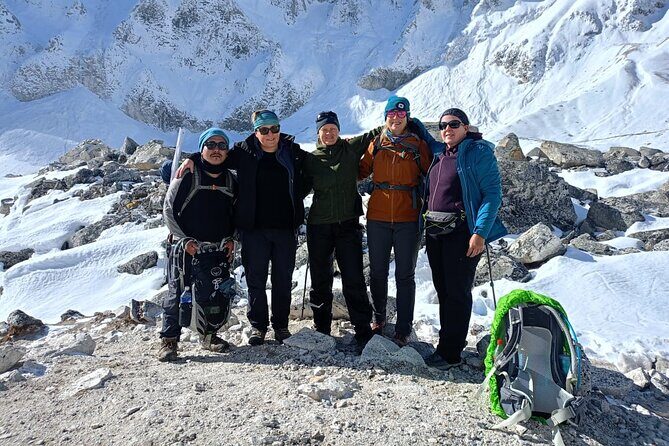
The trek uses standard teahouses for nights. That usually means simple rooms, basic hot water options at extra cost (hot showers aren’t included), and meals you order on your own.
Here’s the important food reality: meals during the trek are not included. The package does include hotel breakfast in Kathmandu and includes two dinners and two breakfasts overall, with Kathmandu covering hotel breakfast plus a welcome dinner and a farewell dinner.
So, for trail days, plan to pay for meals. I like bringing a filter bottle or purification tablets because drinking water isn’t included. It keeps you from relying on whatever water source is closest at the moment.
Charging and Wi-Fi can cost extra at teahouses too, so keep your battery planning practical.
Guides, Safety, and the Altitude Plan That Helps You Make Good Choices

This trip centers safety with a combination of planning and trained crew. You’ll hike with a government-licensed, first-aid trained guide and get altitude briefings, careful trip planning, and emergency protocols in place.
The operator also includes insurance coverage for the trek crew (guides, assistant guides, porters). But your own travel insurance is still on you. The provided guidance is clear that your policy should cover accidental and medical issues and helicopter evacuation up to 5200 m.
That tells me the expectation is: treat altitude seriously, follow pace advice, and don’t try to outsmart the schedule. The itinerary’s acclimatization days (Samagaun and especially Dharamsala) are there for a reason.
One more crew detail I appreciate: your porter carries your overnight bag, with that 2 trekkers to 1 porter ratio. You still carry a daypack, so pack light where you can.
Who This Trek Fits Best (and Who Should Look Elsewhere)
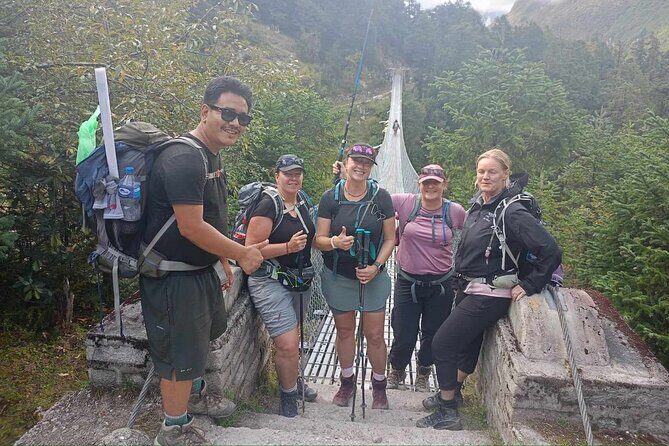
This is best for you if:
- you want a less crowded Himalayan circuit with Tibetan-influenced villages
- you can handle long hike days and a tough, early pre-dawn pass day
- you prefer a small group with strong local logistics
- you like teahouse travel and are willing to budget for trail meals and basic utilities
This may not be the best fit if you want included meals every day, or if you’re not comfortable managing water treatment and teahouse costs.
Fitness note from the provided info: you should have moderate physical fitness level. On this specific circuit, moderate fitness means you take effort seriously. If you haven’t trained for sustained uphill walking, the pass day will feel like a rude teacher.
Should You Book This Manaslu Circuit Trek?
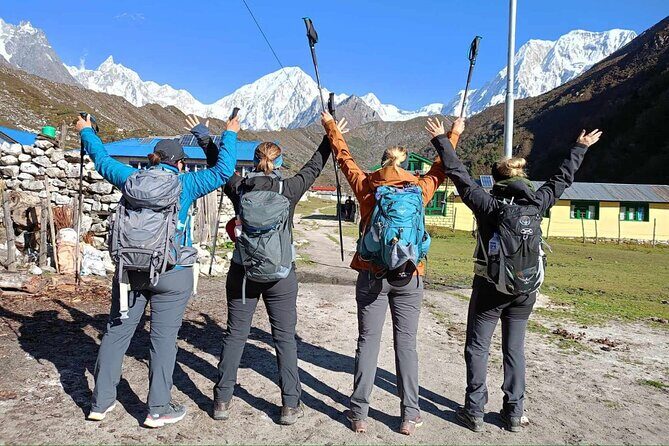
I’d say book it if you want a well-run local operation with permits handled, a small group ceiling, and enough itinerary structure to respect acclimatization. The biggest “value signal” is that the price includes the essentials: permits, guide support, porter staffing, Kathmandu lodging in Thamel, and teahouse stays.
I wouldn’t book it blindly if you’re expecting all meals, free water, or full comfort tech. You’ll pay extra for trail meals and water handling. And you still need your own insurance for medical and helicopter evacuation coverage up to 5200 m.
If that tradeoff works for you, this trek is a strong pick. You’ll come away with quiet mountain days, monastery moments, and the kind of pass accomplishment that feels earned, not borrowed.
FAQ
What permits are included for the Manaslu Circuit Trek?
The package includes the Manaslu Conservation Area Permit, the Annapurna Conservation Area Permit, and the Special Restricted Area Permit.
What transport is included during the trek and between Kathmandu and the trail?
You get private transportation for airport arrival and departure, plus private drop from Kathmandu to Machha Khola and from Besisahar back to Kathmandu. There is also a shared jeep from Dharapani to Besisahar.
Where do you stay in Kathmandu and during the trek?
You stay in Kathmandu at a 3-star hotel in Thamel with breakfast. During the trek, you stay in standard teahouses.
Are meals included during the trekking days?
No. Meals during the trek are not included. The package includes Kathmandu hotel breakfast, plus a welcome dinner and a farewell dinner.
Do I need travel insurance, and what altitude should it cover?
Yes. Travel insurance is not included, and it must cover emergency needs including helicopter evacuation up to 5200 m.
Do I need to handle water treatment myself?
Yes. Drinking water is not included, and the recommendation is to bring a filter bottle or purification tablets.
How many trekkers share a porter?
Porters are provided at a 2 trekkers to 1 porter ratio. Your overnight bag is carried by the porter.
Where is the meeting point, and what are the hours?
The start and end meeting point is Thamel, Kathmandu 44600, Nepal. The listed opening hours are 7:15 AM to 7:15 PM.