REVIEW · KATHMANDU
Kathmandu: 6 Days Langtang Valley Trek
Book on GetYourGuide →Operated by MTA Trekking · Bookable on GetYourGuide
A valley trek that moves at a human pace. In six days you’ll get Himalayan scenery, Tamang culture, and the big cultural stop at Kyanjin Gompa—plus an optional hike to Kyanjin Ri if you want the view to yourself (sort of). I like that the route is short enough to plan, yet still feels like a real journey through villages and forests, not a checklist. I also like the hands-on guide support, including a noted focus on health and pacing from guides like Ghanshyam. One thing to consider: altitude can still hit even on a shorter trek, and the optional Kyanjin Ri hike is no joke.
This is also the kind of trekking package where you’re not stuck doing paperwork. Permits, TIMS paperwork, taxes, and trek logistics for the overnight stays are handled, and you get hotel pickup/drop-off and meals on the full package. The result is more time for the trail and less time asking where to go next.
Weather can play spoiler. The itinerary may shift with seasonal factors or conditions, so build in a flexible mindset. And even if you feel fine on day one, take the acclimatization part seriously—headaches, nausea, fatigue, or loss of appetite are warning signs you should report right away.
In This Review
- Key Highlights You’ll Actually Care About
- Why the Langtang Valley Trek Feels Worth It in 6 Days
- Day 1: From Kathmandu to Syabrubesi, Then Up to Pahiro (1,550m)
- Day 2: Pahiro to Ghoda Tabela (2,900m) Through Forests and Water Moments
- Day 3: Ghoda Tabela to Kyanjin Gompa (3,870m) and the Tamang Cultural Core
- Day 4: Kyanjin Gompa to Thangsyap (3,200m) With the Optional Kyanjin Ri Hike
- Day 5: Thangsyap Back to Syabrubesi (1,550m) Along the Langtang River
- Day 6: Drive Back to Kathmandu and a Slower, Cleaner Kind of Day
- Price, Inclusions, and When $206 Feels Like a Deal
- Guide Quality and Safety: The Hidden Difference on Trek Days
- Optional Kyanjin Ri: How to Decide Without Regretting It
- What to Pack for a 6-Day Trek (So You’re Not Miserable)
- Altitude Reality Check: How to Reduce the Chances of AMS
- Best Time to Go: Mid-March to April, or October to Mid-November
- Should You Book This 6-Day Langtang Valley Trek?
- FAQ
- What altitude does the trek reach?
- How long is the Langtang Valley trek?
- What are the overnight stops?
- Is the Kyanjin Ri hike included?
- Are meals included in the package?
- Do I need trekking permits?
- What languages will the guide speak?
- How do transfers work from Kathmandu?
- What should I bring?
- Is alcohol allowed during the trek?
Key Highlights You’ll Actually Care About
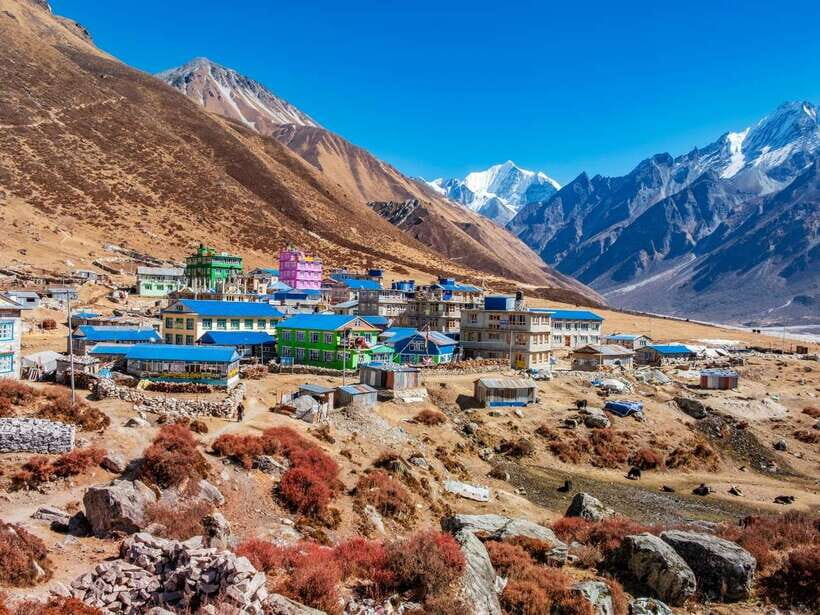
- Kyanjin Gompa visit + monastery time: you’ll reach a high village base and spend time at the monastery site rather than just walking through.
- Tamang culture on the trail: Tamang village life shows up in daily experiences, not just a photo stop.
- Optional Kyanjin Ri (4,770m) for big panoramas: if you’re feeling good that day, this viewpoint hike is the standout extra.
- Meals and accommodations included (full package): fewer moving parts for breakfast, lunch, and dinner after each day’s walking.
- Guide support and pacing (Ghanshyam is specifically praised): considerate care and clear explanations can make first-time trekking feel doable.
- Altitude matters from day one: the trek reaches 3,870m at Kyanjin Gompa and higher on the optional hike.
Why the Langtang Valley Trek Feels Worth It in 6 Days
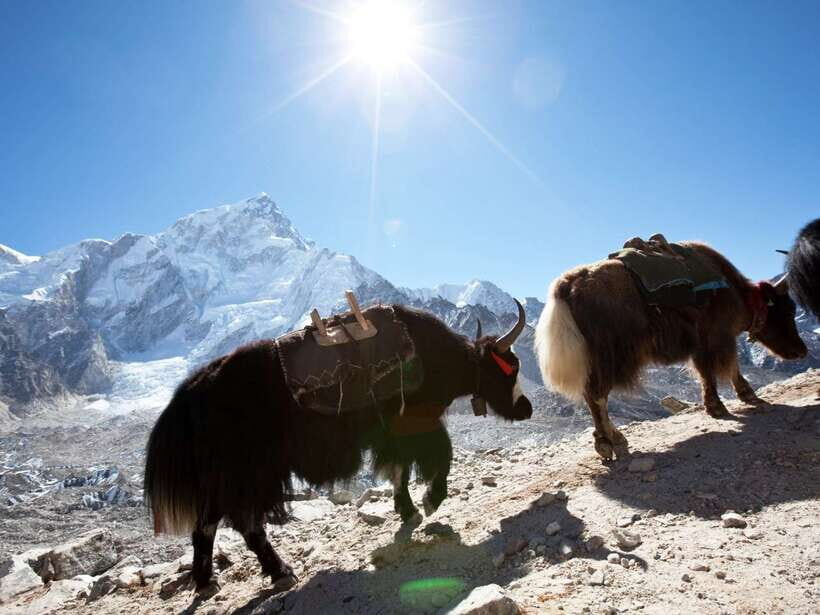
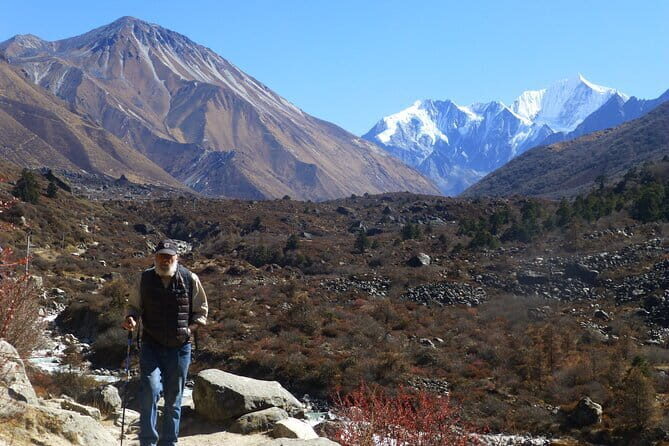
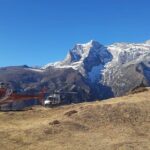
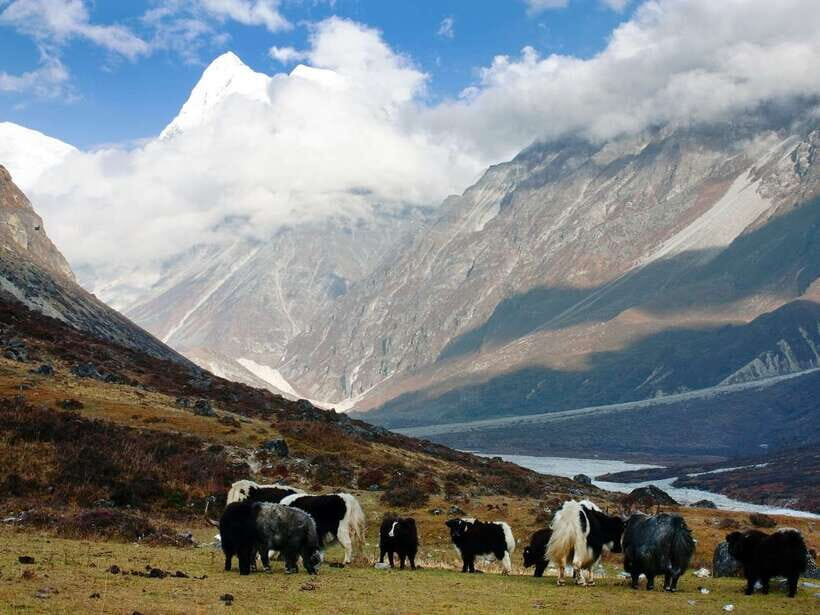
The Langtang Valley trek is a smart choice when you want Nepal’s mountain life without committing to a long expedition. You’ll follow the Langtang River early on, then gradually climb into higher village territory where the air feels thinner and the scenery gets bigger.
What I like about this particular 6-day format is that the days build naturally toward the main cultural anchor, Kyanjin Gompa. You’re not sprinting from the lowest altitude to the highest viewpoint immediately. You’re gaining elevation in steps through village stops like Pahiro, Ghoda Tabela, and Kyanjin Gompa, which makes the whole thing feel organized rather than chaotic.
It’s also not just about views. You’ll spend time meeting people, seeing monastery spaces, and hearing stories tied to the Tamang community. If you care about trekking that feels like it has a point beyond Instagram, that cultural time matters.
One practical note: the optional Kyanjin Ri hike can turn a good day into a hard one. If you’re new to trekking, you’ll want to listen to your guide and judge your energy that morning.
You can also read our reviews of more hiking tours in Kathmandu
Day 1: From Kathmandu to Syabrubesi, Then Up to Pahiro (1,550m)
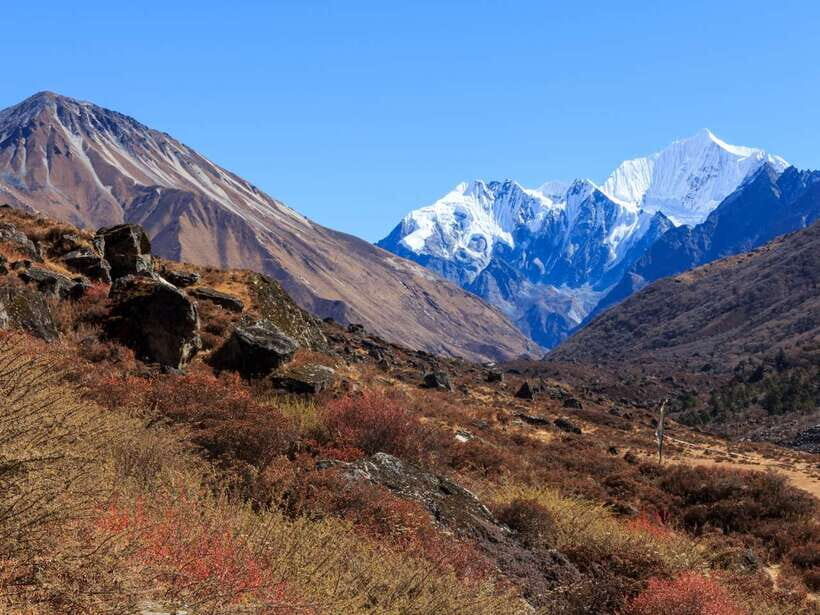
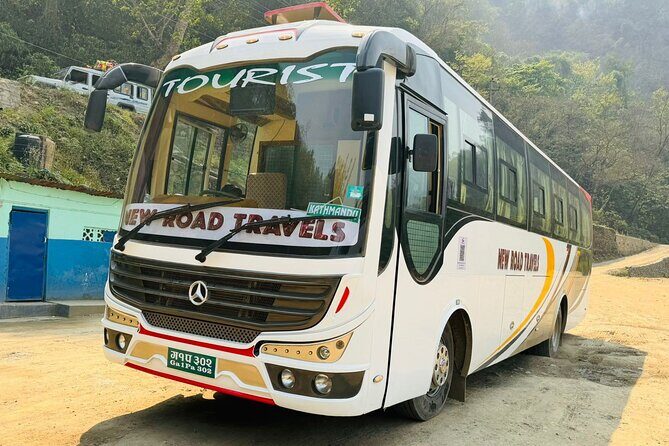
Your trip starts with a drive from Kathmandu to Syabrubesi, the usual gateway into the Langtang region. Expect winding mountain roads and enough scenic variety that you’ll already feel like you left the city behind, even before your first serious steps.
Once you reach Syabrubesi, the trek begins with walking along the Langtang River. Early on, that river path is a great way to get your bearings: steady progress, sights of local life, and forested sections that keep things interesting without demanding extreme effort.
You end the day in Pahiro at around 1,550m. That’s a helpful first-night altitude because it lets you settle in before the climb gets more obvious.
For your comfort: plan for an honest pace on day one. No hero starts. Save your legs for the higher days when you’ll feel the altitude more.
Day 2: Pahiro to Ghoda Tabela (2,900m) Through Forests and Water Moments
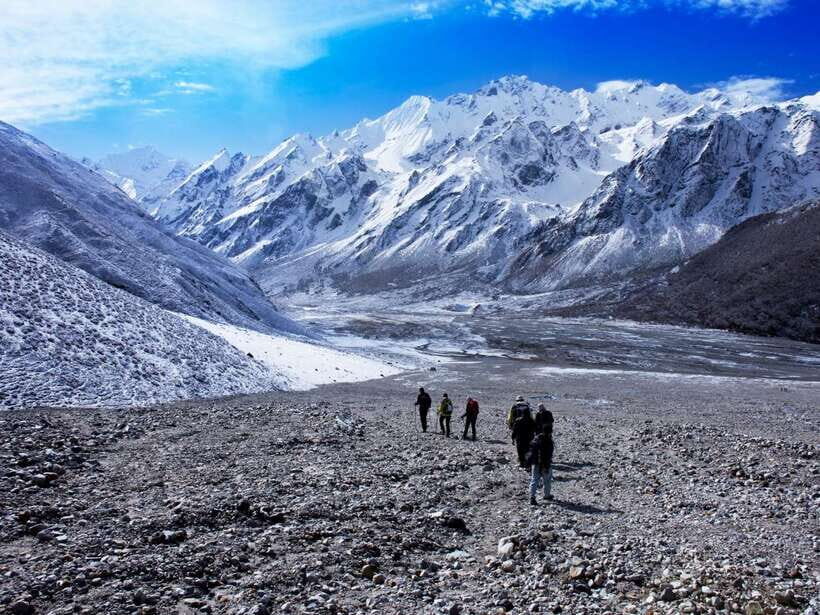
Day two is where the trek starts to feel more like trekking. You’ll leave Pahiro behind and head toward Ghoda Tabela at 2,900m, gaining elevation steadily.
The trail moves through green forest paths, and you may catch glimpses of cascading waterfalls along the way. Those little sound-and-sight breaks matter because they give you something to experience beyond just climbing. When the air is cool and the trail is shaded, you can usually keep a steady rhythm.
You’ll sleep in Ghoda Tabela. This stop is important because it sits at a mid-point altitude before you push into the higher village zone near Kyanjin Gompa.
Tip I’d give you: hydrate well on this day. When you start noticing the altitude, dehydration can sneak up and make it feel harder than it really is.
Day 3: Ghoda Tabela to Kyanjin Gompa (3,870m) and the Tamang Cultural Core
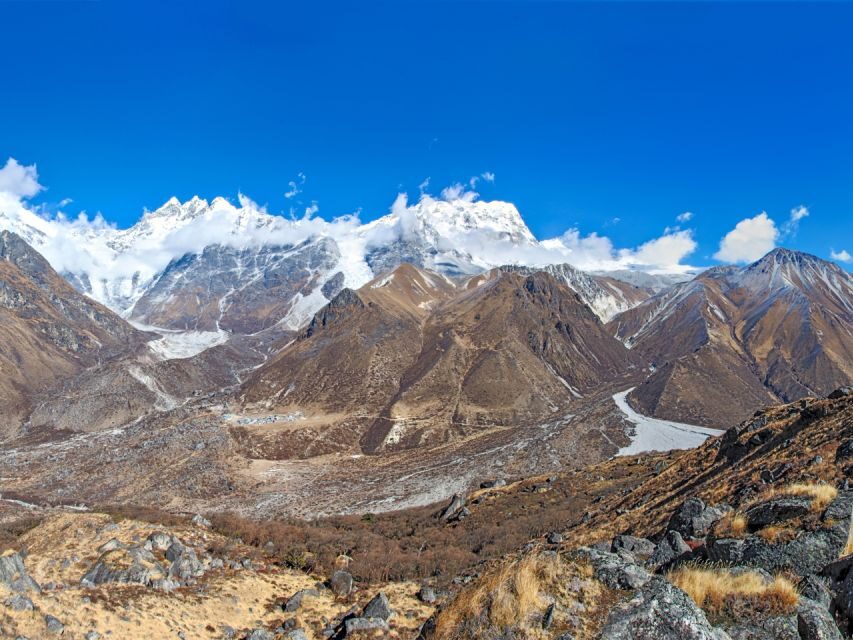
Day three is the big transition day. You’ll trek from Ghoda Tabela up to Kyanjin Gompa at 3,870m, and the atmosphere shifts as you enter a more high-altitude village environment.
This is also where the trek becomes more than scenery. Once you arrive at Kyanjin Gompa, you’ll explore ancient monasteries and spend time in the village area. You’ll also visit a local cheese factory, which is one of those very practical, very human details that makes the place feel real—food traditions running alongside monastery life.
Tamang culture is a core part of this day. You’ll encounter it through village settings and the way your guide explains what you’re seeing along the way.
You sleep in Kyanjin Gompa. Since altitude is higher here, you’ll want to keep your day relaxed and avoid overexertion, especially if you’re considering Kyanjin Ri the next day.
If you’re looking for value in this trek, this is where it often shows up. Kyanjin Gompa is the cultural and spiritual anchor, not just a high point.
Day 4: Kyanjin Gompa to Thangsyap (3,200m) With the Optional Kyanjin Ri Hike
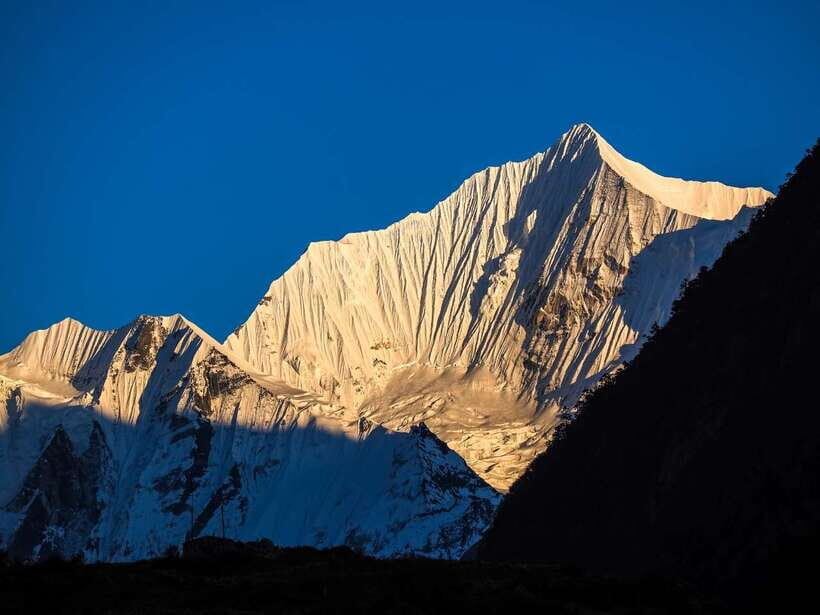
Your day starts with an optional hike to Kyanjin Ri, rising to about 4,770m. This is one of the most rewarding viewpoints in the Langtang Valley, and the panoramic vista is the main reason people say yes.
The climb can be challenging, even if you feel okay at the base. The guide’s job here is pacing and safety, and that’s exactly the kind of support you should lean on. If you’re prone to altitude symptoms, you’ll want to be extra cautious and talk early if you feel off.
Once you’ve had the viewpoint moment, you retrace your steps and then descend to Thangsyap, at about 3,200m, for the night. Dropping in altitude after a viewpoint day is a smart way to recover.
If you skip Kyanjin Ri, you still get a full day experience because you’re already at a high cultural location. But the optional hike is what turns the trip from good into unforgettable for many hikers.
Real talk: if the air feels thin, don’t treat the optional hike like a test. Views are great, but staying safe is better. Your guide should help you decide based on how you’re feeling.
A few more Kathmandu tours and experiences worth a look
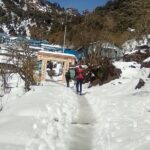
Day 5: Thangsyap Back to Syabrubesi (1,550m) Along the Langtang River
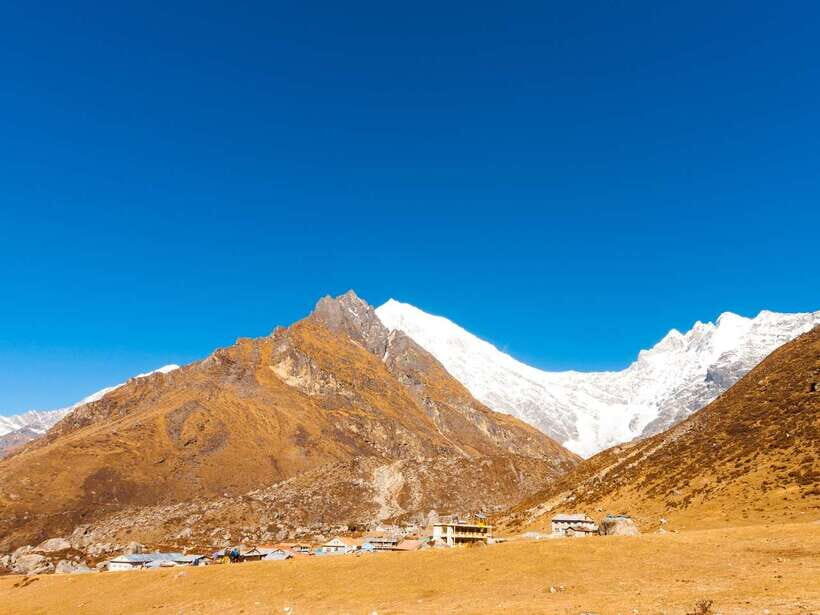
The return day is often emotionally satisfying. You’ll trek from Thangsyap back down to Syabrubesi, around 1,550m. Retracing your path through forests and alongside the Langtang River gives you a new perspective—same route, different rhythm.
This is where you can enjoy the trail without the stress of pushing higher altitude. You’ll still be walking, of course, but the physical load tends to feel more manageable when you’re descending.
Take time for small moments: the way the village trails look from the opposite direction, the return of lower-elevation forest sounds, and the steady motion of the river corridor.
You sleep in Syabrubesi, ready for the final drive back to Kathmandu the next day.
Day 6: Drive Back to Kathmandu and a Slower, Cleaner Kind of Day
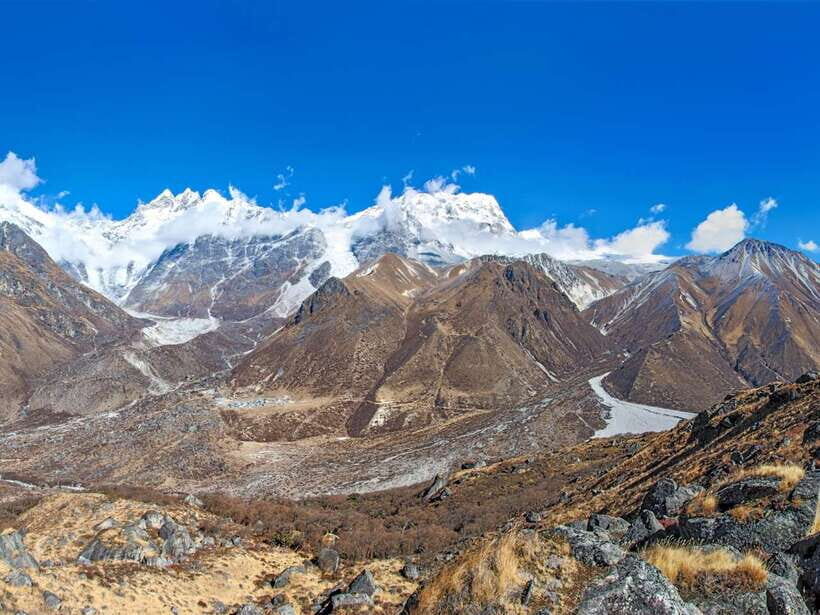
On the final day, you’ll leave Syabrubesi and drive back to Kathmandu. It’s a straightforward finish, but it also gives you time to process the whole trek: the gradual altitude change, the monastery stop, the village encounters, and the optional viewpoint payoff if you did Kyanjin Ri.
This is the day for showers, laundry, and replacing your hiking socks before they start thinking they’re permanent residents of your pack.
Price, Inclusions, and When $206 Feels Like a Deal
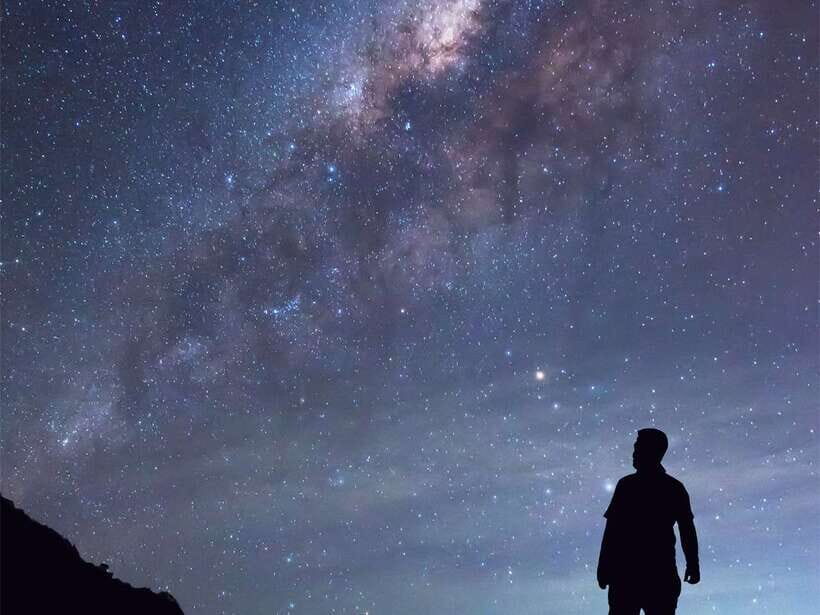
The listed price is $206 per person for the 6-day experience. That number can feel surprisingly reasonable if you look at what’s actually included: trekking permits and paperwork (including TIMS fees), government taxes, accommodations during the trek, and meals (breakfast, lunch, dinner) for the full package.
You also get hotel pickup and drop-off in Kathmandu, plus sharing transportation. That matters because you’re spending less time coordinating rides and more time focused on the trek.
The package includes an English-speaking guide, and you’ll have Hindi support as well. Porter charges are extra, so if you want extra help with loads, factor that into your planning.
Value check for you:
- If you want a short, guided Himalayan trek with cultural stops and meals handled, this is likely good value.
- If you’re trying to bargain your way down by skipping meals or arranging your own permits, the value story changes fast.
Guide Quality and Safety: The Hidden Difference on Trek Days
Here’s the part that affects how you remember the trek later: guide pacing and care. A guide named Ghanshyam is specifically praised for being friendly, kind, and helpful, with a lot of trail knowledge to share. The big theme is practical support—staying considerate of your needs and your health, and keeping you moving in a way that makes a first-time trek feel almost doable.
That kind of guidance isn’t fluff. It directly affects:
- how fast you ascend,
- whether you recognize altitude strain early, and
- how well you handle the optional Kyanjin Ri decision.
Also note that the setup is described as organized, with safety as a real focus. That should matter to you even if you’re an experienced hiker, because mountain trekking safety is not only about skills. It’s about judgment in changing conditions.
Optional Kyanjin Ri: How to Decide Without Regretting It
The optional Kyanjin Ri hike is the classic “do I have it in me today?” moment. You’ll be at higher altitude the day after reaching Kyanjin Gompa, so how you feel that morning is the real deciding factor.
The itinerary gives you a good structure for decision-making: you already know the target altitude (about 4,770m) and the hike is optional, not forced. Still, don’t treat it casually. A challenging climb at altitude can quickly turn into a suffering mission if you push too hard too soon.
Best approach:
- start slowly,
- breathe steadily,
- tell your guide early if you feel off,
- and don’t feel guilty if you choose not to go.
The viewpoint is the reward, yes—but you still get an excellent trek even without it because Kyanjin Gompa and the monastery visit are the cultural centerpiece.
What to Pack for a 6-Day Trek (So You’re Not Miserable)
You’ll need the essentials for cool mountain nights and long walking days. From the provided packing list, focus on this core group:
- Hiking shoes and trekking gear
- A jacket and gloves
- Sunscreen and sunglasses
- Flashlight
- Water
- Sunglasses
- Sleeping bag
- Passport or ID card
Small practical point: bring what you actually use at home for comfort. If you rely on a certain jacket or gloves, bring them. Mountain weather can change fast, and you don’t want to improvise with the stuff you packed on a bad day.
Also, alcohol and drugs aren’t allowed. Keep it clean and simple.
Altitude Reality Check: How to Reduce the Chances of AMS
Altitude affects everyone differently. You might feel okay reaching Langtang or Kyanjin Gompa, but there’s still risk of altitude sickness (AMS). Symptoms you should treat seriously include headaches, nausea, fatigue, or loss of appetite.
How you protect yourself:
- pace yourself and don’t chase speed,
- stay hydrated,
- tell your guide when you feel symptoms,
- and be willing to adjust plans if needed.
Also remember that the itinerary may change with weather. That’s not automatically bad, but it’s one more reason to stay flexible.
Best Time to Go: Mid-March to April, or October to Mid-November
If you want the best odds of clear skies, aim for peak trekking seasons: mid-March to April and October to mid-November.
Autumn often brings less wind and warmer temperatures, which makes days feel more manageable. Late March and April can be extra special at lower elevations due to rhododendron blooms, so the trail can look different even before you reach higher village areas.
Even in peak season, weather can still be unpredictable. Pack for cold nights and carry layers like you mean it.
Should You Book This 6-Day Langtang Valley Trek?
I’d say book it if you want a guided, culturally focused trek that balances scenery and real village time without taking weeks off work. The combination of a short itinerary, included permits and meals (full package), and an English-speaking guide support structure makes it easier to enjoy the trail instead of managing logistics.
You should think twice if:
- you’re very altitude-sensitive,
- you hate challenging climbs (especially the optional Kyanjin Ri),
- or you need a rigid schedule with zero possibility of changes due to weather.
If you do book, set yourself up for success: train a little beforehand, take the altitude seriously from day one, and let your guide help you choose the right effort level for Kyanjin Ri. That mindset turns a mountain trek into a memory you’ll actually keep.
FAQ
What altitude does the trek reach?
You’ll reach Kyanjin Gompa at about 3,870m, and the optional Kyanjin Ri hike goes up to around 4,770m.
How long is the Langtang Valley trek?
The trek runs for 6 days.
What are the overnight stops?
Overnights are at Pahiro, Ghoda Tabela, Kyanjin Gompa, Thangsyap, and Syabrubesi.
Is the Kyanjin Ri hike included?
Kyanjin Ri is optional. You can hike to the viewpoint if you want, then descend to Thangsyap.
Are meals included in the package?
All meals (breakfast, lunch, dinner) are included for the full package.
Do I need trekking permits?
Yes. Trekking permits, paperwork, and the TIMS fee are included as part of the package.
What languages will the guide speak?
The live tour guide is English and Hindi.
How do transfers work from Kathmandu?
You get hotel pickup and drop-off, plus sharing transportation for the drive to and from the trail area.
What should I bring?
Bring items like passport or ID card, a sleeping bag, flashlight, sunscreen, gloves, water, jacket, hiking shoes, trekking gear, and sunglasses.
Is alcohol allowed during the trek?
No. Alcohol and drugs are not allowed.