REVIEW · KATHMANDU
Langtang Valley Trek from Kathmandu
Book on Viator →Operated by Namaste Nepal Trekking & Research Hub Pvt. Ltd. · Bookable on Viator
Langtang feels calmer than the headline trek spots. This 8-day trek from Kathmandu threads you through Tamang villages, Tibetan-influenced monastery culture, and visible recovery work after the 2015 earthquake, while still stacking in real mountain payoff at Kyanjin Gompa and the big hike toward Cherco Ri. I like how the route builds both culture and viewpoint moments, and I like that the pace is guided and practical for day-to-day trekking. One possible drawback: Day 5 includes a steeper climb, so you’ll want that moderate fitness level to feel comfortable, not stressed.
What also helps is the team setup. You’re not just buying a track on a map; you’re traveling with an English-speaking trekking guide and sleeping in guest houses along the way, plus a first-aid box carried with the guide. And if you’re trekking solo, the vibe here seems to put real emphasis on making you feel looked after by the people leading and supporting the trek.
In This Review
- Key things I’d watch for before you go
- Langtang Valley: Tamang villages and monastery days without the megatour crowds
- Price and logistics: what your $1,110 covers (and what to budget on top)
- Day 1: Kathmandu to Syabrubesi ride, with a real mountain road day
- Day 2: Into subtropical forests and Lama Hotel’s riverside rhythm
- Day 3: Langtang Village arrival, stone houses, and the visible recovery story
- Day 4: Kyanjin Gompa, monasteries, and the cheese factory stop
- Day 5: Cherco Ri early start, packed snacks, and that wooden bridge climb
- Day 6: Back to Lama Hotel with easier downhill walking
- Day 7: Retracing to Syabrubesi, with the Sherpagaun scenic option
- Day 8: Return to Kathmandu, countryside riding, and the decompression window
- Who this trek is best for, and who should think twice
- Optional altitude add-ons: Kyanjin Ri and Tserko Ri
- Should you book the Langtang Valley Trek from Kathmandu with Namaste Nepal?
- FAQ
- How long is the Langtang Valley trek from Kathmandu?
- Where does the trek start and how do you get there?
- What permits are included?
- Are meals included during the trek?
- What kind of guide do I get?
- What kind of lodging is provided during the trek?
- Is this tour private?
- Is there free cancellation?
Key things I’d watch for before you go
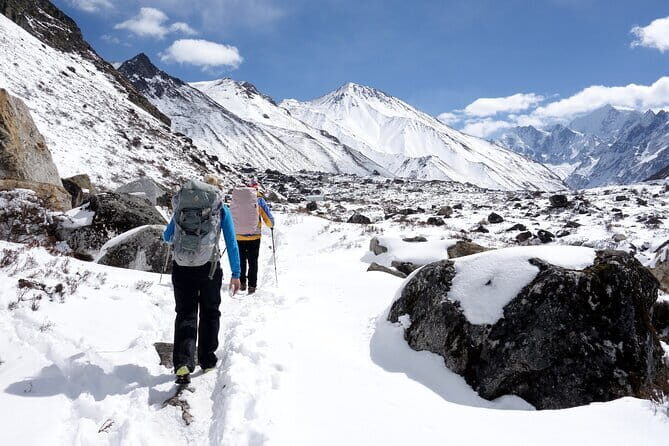
- Kyanjin Gompa + monastery time: ancient religious sites with panoramic mountain views
- Cherco Ri day: an early start with packed snacks and a crossing over the Langtang River
- Langtang Village recovery: a chance to see resilience up close after the 2015 earthquake
- Guest-house trekking rhythm: practical lodging in the villages rather than camping
- Forests and bridges on the approach: rhododendron/oak/bamboo trails and suspension-bridge crossings
- A return with easier walking: downhill trekking as altitude lowers, with an optional scenic detour
Langtang Valley: Tamang villages and monastery days without the megatour crowds
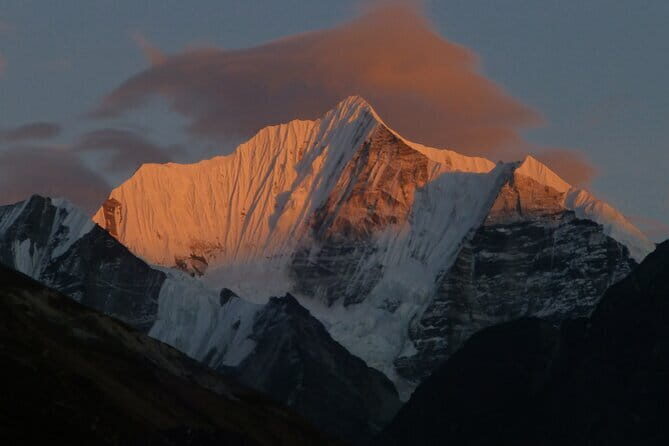
Langtang is in that sweet spot where you still get serious Himalayan scenery, but the trail doesn’t feel dominated by the same crowds you’ll associate with the most famous routes. The whole trek is about a regional culture and a living community—especially Tamang heritage—with daily encounters that feel local and human, not staged.
You’ll see Tibetan-influenced religious life in a way that’s more than just a photo stop. Kyanjin Gompa is the anchor point, and it’s one of those places where the monastery setting makes the mountains feel even more powerful. It’s also where you’ll likely notice how village life and spirituality overlap: a place where people go for worship and where the surrounding settlements keep functioning.
I also like that Langtang doesn’t treat the earthquake as a distant headline. The walk brings you through communities that are still rebuilding, which changes the emotional tone of the trek. Instead of only chasing a view, you’re sharing the path with people living with the long recovery process—and that makes conversations, pauses, and even the small daily routines feel more meaningful.
You can also read our reviews of more hiking tours in Kathmandu


Price and logistics: what your $1,110 covers (and what to budget on top)
At $1,110 per person, this is not a budget tea-house stroll, but it also doesn’t look like you’re paying only for a basic route. Your price includes the core stuff that usually turns a trek into a smooth trip:
- Hotel pickup and drop-off
- Round-trip transfers by sharing bus
- Trekking permit and TIMS card
- An English-speaking experienced trekking guide
- Guest-house accommodation during the trek
- A first-aid box carried by the guide
- Meals: breakfast (7), lunch (8), dinner (8)
That meal count matters on a trek like this. When lunch and dinner are included, you’re spending less time negotiating menus and more time walking, resting, and adjusting to altitude and weather.
What’s not included is also clearly stated: not all meals are covered beyond what’s listed, and you should plan around about $25 per day for al meals (think snacks, drinks, and any extra meals). Since guest houses vary from village to village, that small daily buffer keeps you flexible when you want something specific, like a hot drink, a lighter meal, or extra energy between hikes.
Finally, your tour setup includes a pickup option and a mobile ticket, plus group discounts. That’s the kind of detail that reduces stress when you’re trying to line up airport or hotel timing in Kathmandu.
Day 1: Kathmandu to Syabrubesi ride, with a real mountain road day
Your trek begins with a ride from Kathmandu to Syabrubesi, roughly 6 to 7 hours. Expect a full travel day, not a gentle warm-up—this is the point where you trade city noise for mountain air.
A couple details stand out here. The drive crosses the Tirshuli, and the route breaks with a few stops along the way. Those breaks are practical: they give you a chance to stretch, grab water/snacks if you need them, and mentally switch gears before you start hiking.
Practical tip: Day 1 is long sitting. I’d treat it like part of the trek by wearing shoes and clothes you can walk in immediately the next morning. It’s also a good day to keep your packing simple, because your bag will become your constant companion once the trekking starts.
Day 2: Into subtropical forests and Lama Hotel’s riverside rhythm
Day 2 is your first real trail day, heading to Lama Hotel on a trek of about 6 hours. This is the approach that makes Langtang feel like more than just a climb to viewpoints.
You’ll walk through dense forests and cross suspension bridges. The vegetation matters here. You may pass through subtropical forest tones with rhododendron, oak, and bamboo, and you’ll be moving alongside the Langtang River, which is described as gushing. That sound of water tends to “set the pace” mentally. It’s easier to keep a steady rhythm when you have that constant background.
What you’ll like: this day gives you variety without asking for maximum exertion. Forest walking usually means gentler footwork than rocky high passes, and it helps you settle into how the day unfolds—walk, stop, breathe, repeat.
A consideration: forests can also mean more shade and potentially damp footing in spots. If you’re prone to sore knees or slippery trails, bring trekking poles if you use them and take the first hour slower than you think you need.
Day 3: Langtang Village arrival, stone houses, and the visible recovery story
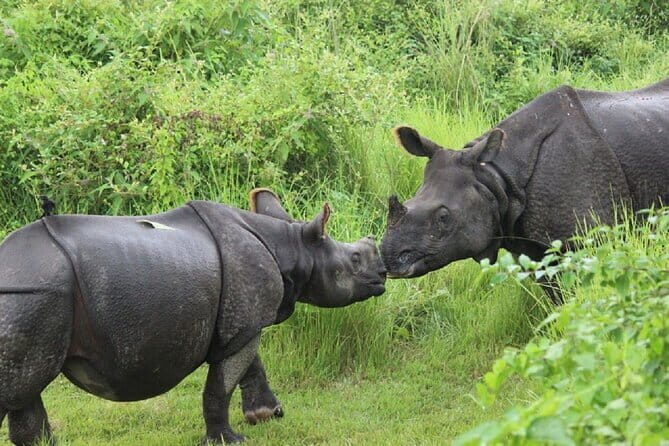
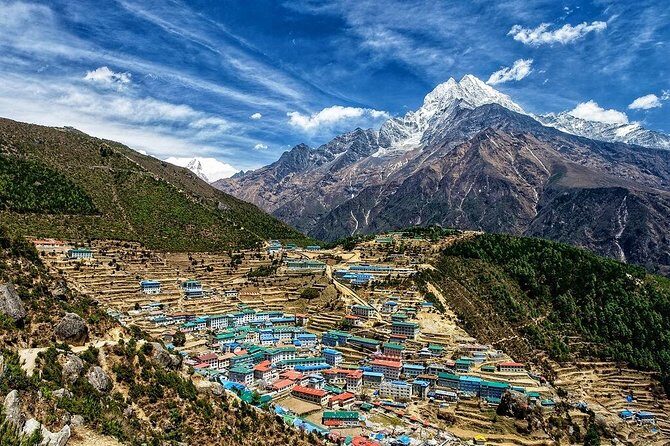
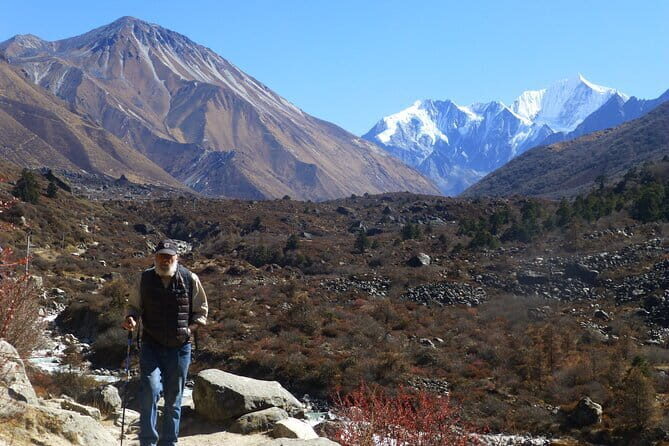
On Day 3, you reach the heart of the Langtang Valley experience, trekking around 6 hours toward Langtang Village. This is where you start seeing the “human scale” version of the mountains: stone houses, a more settled village feel, and high-valley scenes with yak pastures.
The highlights point to broad scenery—views of Langtang Lirung are part of the payoff—but what makes this day memorable is the context. Langtang Village is described as recovering from the 2015 earthquake. You’re not just passing through; you’re walking into a place still shaped by restoration.
This is also where a guided experience helps. A local guide with an English-speaking ability can translate what you see on the trail into a clearer story, so your time in the village doesn’t feel like a quick photo stop.
What to keep in mind: recovery doesn’t mean everything is back to normal. Even if rebuilding is ongoing, you may notice gaps, new structures alongside old ones, or changes in how businesses and daily life operate. If you go in with respect for that reality, the day lands harder in a good way.






Day 4: Kyanjin Gompa, monasteries, and the cheese factory stop
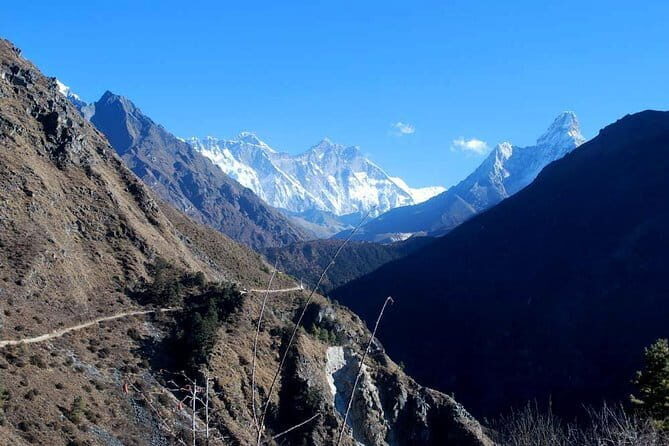
Day 4 is described as not a big day. That’s a gift when you’ve been trekking for several days already. You’ll move about 5 hours to Kyanjin Gompa, with the emphasis on monasteries and mountain views rather than pushing for distance.
Kyanjin Gompa is the main monastery experience—ancient monasteries and panoramic views are part of the package. And there’s one detail that makes it feel real: the trek includes the famous Kyanjin Cheese Factory. That’s not a random roadside snack; it’s an example of how villages turn local resources into livelihood. You’re seeing culture and economy in the same frame.
Why this matters: monastery visits can sometimes feel like a checklist. Here, that cheese factory stop makes the day breathe. It helps you understand that this region isn’t only spiritual life and mountain dreams. It’s also work, food, and practical survival.
A consideration: monastery days often mean you’ll want to dress thoughtfully and take your time around religious spaces. Even if the trek keeps moving, I’d still slow down your pace here so you can actually take in what you’re seeing.
Day 5: Cherco Ri early start, packed snacks, and that wooden bridge climb
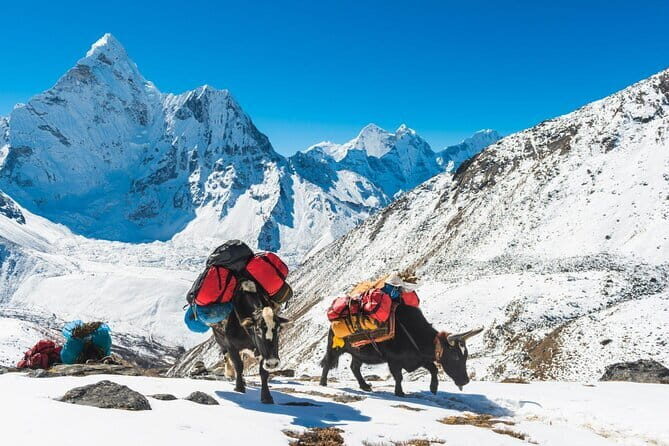
Day 5 is your most “important day” trek toward Cherco Ri. The timing here is clear: you start early with breakfast at your hotel and packed snacks.
After that, you cross a small wooden bridge over the Langtang River, then begin the climb. This is a classic Himalaya rhythm: cross a threshold, then work steadily uphill as the views start widening behind you.
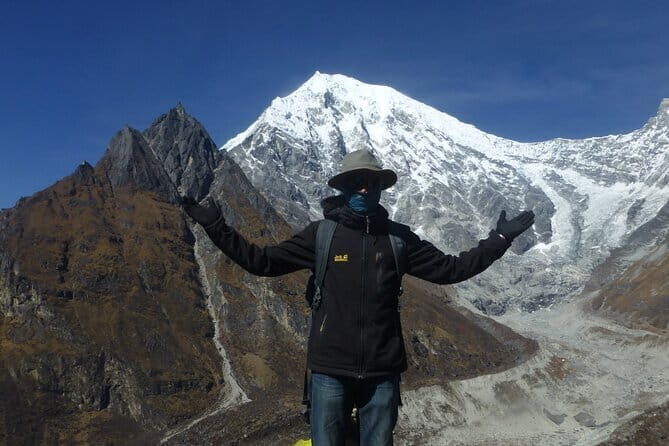
What you’re chasing is worth the effort. Cherco Ri is framed as one of the top vista experiences on the trek, with the reward of big panoramic views.
If you’re the kind of trekker who likes clear “goal days,” this is it. It’s the day you feel the altitude and steepness more, even if the exact numbers aren’t listed. If you’re coming into it tired, you’ll feel it, so don’t treat the earlier days as optional easy walking.
Optional add-on possibility: the overall trek description also mentions optional hikes to Kyanjin Ri or Tserko Ri for even more vistas. If conditions and your fitness allow, these kinds of add-ons can be the difference between a great trek and a life-long memory.
Day 6: Back to Lama Hotel with easier downhill walking
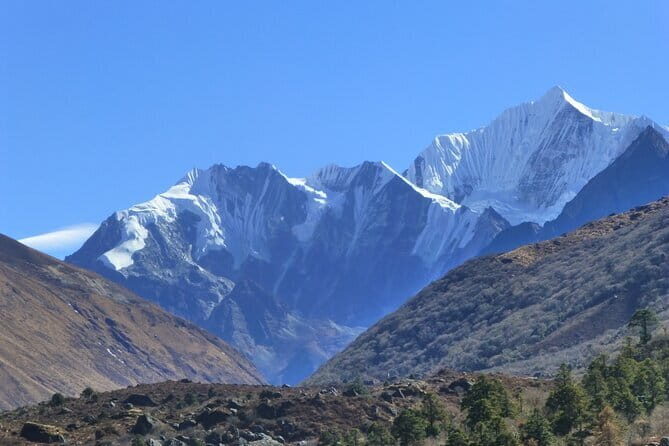
Day 6 takes you back to Lama Hotel in about 6 hours, and the trekking style shifts from uphill effort to downhill walking. That’s a big deal psychologically. The experience notes it’s less strenuous because of lowering altitude, and the trail gets into a narrower valley as you go.
This is one of those days where you rebuild your confidence. Your legs get a break from constant uphill climbing, and your brain has more space to notice the details: river sound, the feel of shade, and changing valley geometry as you retrace your route.
Practical consideration: downhill walking can still be hard on knees, even when it feels “easier” than climbing. Take shorter steps, keep your weight steady, and if you use poles, this is the day they can help most.
Day 7: Retracing to Syabrubesi, with the Sherpagaun scenic option
On Day 7, you trek about 7 hours back to Syabrubesi, mostly descending and retracing earlier ground. The trek is described as easier because it’s largely downhill.
There’s also an optional way: you can trek via Sherpagaun, which is framed as more scenic. If you like variety and are feeling strong at the start of the day, that detour can add extra interest without turning the day into a brutal slog.
This day is also mentally important. You’re watching the trek’s arc complete itself. Even if the views are still strong, you’re now processing what you saw: monastery day, village recovery context, and the way the valley changes as you lose altitude.
If you want a smoother finish, stick with the main retracing route. If you want a bit more scenic variety and you’re comfortable walking all day, the Sherpagaun option is worth considering.
Day 8: Return to Kathmandu, countryside riding, and the decompression window
Day 8 brings you back to Kathmandu in roughly 6 hours, including a transfer to your selected hotel. Along the way, the description highlights crossing green hills, forests, riverside areas, and Nepal countryside.
This day is about decompression. After days on foot, the ride can feel longer than it should, even though it’s not technically part of the trekking. I’d plan for downtime afterward—simple meals, a shower that feels like a luxury, and early sleep if you can.
Also, if you plan to do anything active in Kathmandu afterward, keep it light. Your legs have just been doing a job for nearly a week, even on downhill days.
Who this trek is best for, and who should think twice
This trek is a fit for you if you have moderate physical fitness and you want a guided experience that handles the key paperwork and logistics. It’s also a great option if you care about culture as much as views, because the route is built around villages and monastery life, not only high points.
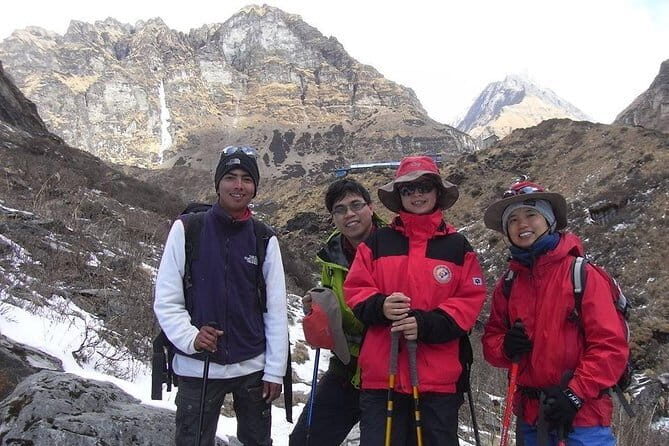
I’d also recommend it for solo trekkers who want a team around them. The experience setup—English-speaking guide, guest-house lodging, and support—means you’re not figuring everything out alone. The overall tone from the people involved seems to focus on care and calm, which matters when you’re moving through remote areas.
Think twice if you:
- Prefer long flat walks with minimal steep sections.
- Are not comfortable with an early start day and a more demanding climb day.
- Want a purely relaxed vacation with no physical exertion. This is still a real trek.
Optional altitude add-ons: Kyanjin Ri and Tserko Ri
The overall trek description mentions optional hikes to Kyanjin Ri or Tserko Ri for additional panoramic views. If you’re feeling strong after Cherco Ri and conditions are favorable, these can be perfect “one more view” choices.
The key here is to keep it honest. If you’re tired, skip extra peaks. The main trek already delivers monastery time, village context, and viewpoint days.
Should you book the Langtang Valley Trek from Kathmandu with Namaste Nepal?
If you want a Himalayan trek that balances scenery with Tamang culture, adds meaningful monastery visits at Kyanjin Gompa, and includes a standout viewpoint day toward Cherco Ri, this itinerary makes a lot of sense. The value is strong for what’s included: transfers, permits and TIMS card, an English-speaking guide, guest-house accommodation, a first-aid kit, and most meals.
I’d book it if you like organized, human-scale trekking and you appreciate recovery-and-community stories as part of the journey—not as an afterthought. And if you’re trekking solo, the emphasis on being supported by the guide and porter team is the kind of practical reassurance that makes a difference.
If your priority is only the absolute highest, most famous peaks, Langtang may feel more grounded than flashy. But if your priority is real connection, strong mountain views, and a route that feels quieter and more personal, this is the kind of trek you’ll remember for a long time.
FAQ
How long is the Langtang Valley trek from Kathmandu?
The duration is listed as 8 days approximately.
Where does the trek start and how do you get there?
The trek starts in Kathmandu and includes round-trip transfers by sharing bus, with Day 1 riding to Syabrubesi.
What permits are included?
The tour includes the trekking permit and a TIMS card.
Are meals included during the trek?
Breakfast is included for 7 days, and lunch and dinner are included for 8 days. Al meals are not included and are budgeted at about $25 per day.
What kind of guide do I get?
You’ll have an English-speaking experienced trekking guide.
What kind of lodging is provided during the trek?
Accommodation during the trek is in guest houses.
Is this tour private?
It’s listed as a private tour/activity, with only your group participating.
Is there free cancellation?
Yes. You can cancel up to 24 hours in advance for a full refund. If you cancel less than 24 hours before the start time, the amount paid is not refunded.