REVIEW · GHANDRUK
Pokhara: 3 days Trek to Poon hill
Book on GetYourGuide →Operated by Anjil Manjil Travels and Tours · Bookable on GetYourGuide
Cold sunrise, big views, easy planning.
This 3-day guided trek from Pokhara takes you through the foothills toward the Himalayas and finishes with the famous morning scene from Poon Hill (3210 m). You’ll sleep in lodge rooms in Ulleri and Ghorepani, hike past farmland and village life, and have a guide who keeps the route smart and steady.
I love two things most here: the sunrise at Poon Hill is the kind of payoff that makes the early wake-up feel totally worth it, and the lodge nights give you real downtime at altitude instead of rushing through everything. One guide name came up again and again too: Gobinda, who’s described as friendly, professional, and good at keeping you comfortable when the cold shows up.
One drawback to consider is the physical side. Even on a short trek, the uphill starts early—plus cold mornings and changing weather. If you have back or heart issues, or if you’re traveling with kids under 10 or if you’re pregnant, this route isn’t a good match.
In This Review
- Key moments that make this trek click
- Why Poon Hill makes sense for a 3-day trek from Pokhara
- Day 1: Nayapul to Ulleri (5–6 hours) and your first tastes of village trekking
- Day 2: Ulleri to Ghorepani (4–5 hours) through rhododendron and oak country
- Day 3: Poon Hill before dawn and the view you came for
- The guide matters more than you think (especially Gobinda)
- Lodges in Ulleri and Ghorepani: comfort, warmth, and realistic expectations
- Gear and habits that keep the trek fun instead of annoying
- Price and value: what $287 actually covers (and what to budget outside it)
- Who this trek fits best (and who should skip it)
- Should you book this 3-day Poon Hill trek from Pokhara?
- FAQ
- What is the duration of the trek?
- Where does the trek start and end?
- What are the main places you sleep during the trek?
- How long is the hike to Poon Hill on the final day?
- What altitude does the trek reach?
- Is a guide included?
- Are permits and fees included?
- Are meals included in the price?
- What transportation is included from Pokhara?
- What should I bring and what is not allowed?
Key moments that make this trek click
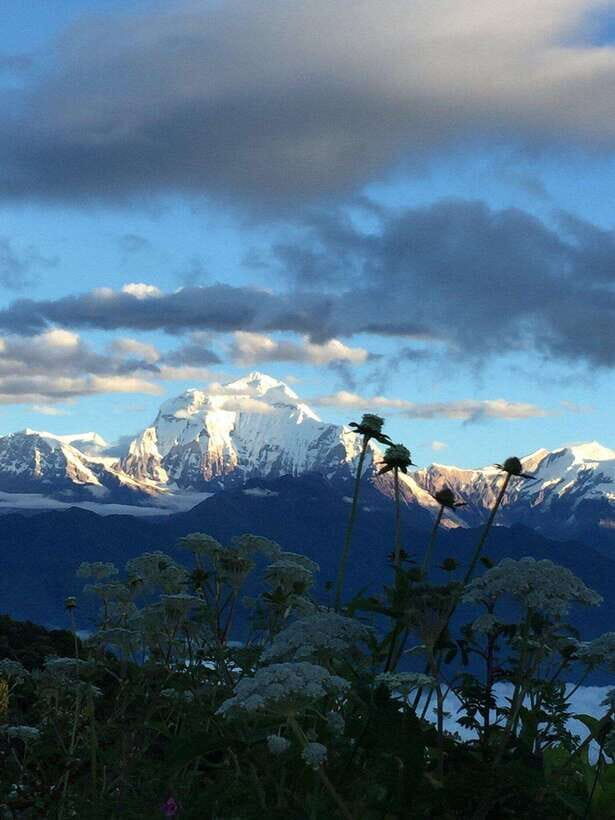
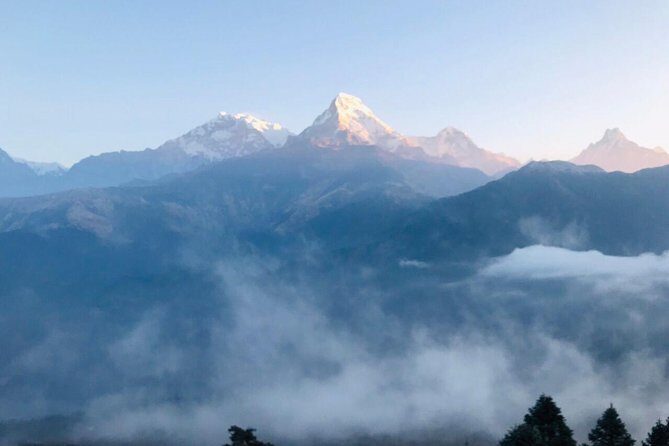
- Sunrise from Poon Hill with big views of Annapurna, Dhaulagiri, Nilgiri, Himchuli, and Machhapuchchhre
- Overnight lodges in Ulleri and Ghorepani so you can actually rest between hiking days
- Forest walking through oak and rhododendron areas, plus village stretches along the way
- A guide who shapes your experience (routes, pacing, and lodge choices) with Gobinda highlighted in feedback
- A pre-dawn hike that’s short (about an hour) but feels iconic because of what it leads to
Why Poon Hill makes sense for a 3-day trek from Pokhara
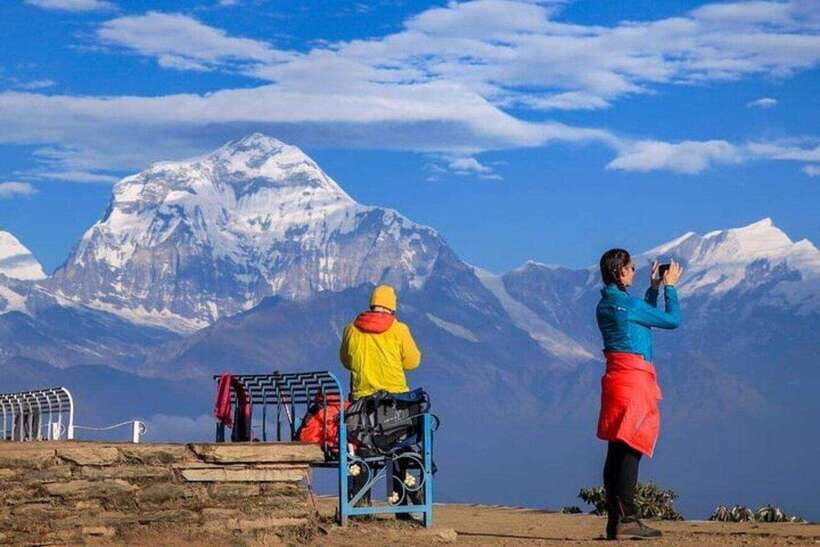
If you want Himalaya views without committing to a weeks-long trek, Poon Hill is one of the best entry points. You start in the middle elevations (Ulleri at 1940 m) and climb in two main stages to Ghorepani (2870 m), then push up for sunrise (3210 m). That step-by-step rhythm matters because it breaks the effort into manageable chunks.
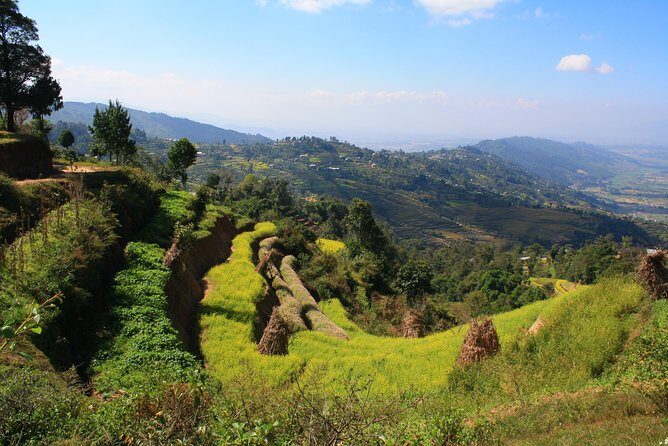
I also like that this trek isn’t just “stairs and sky.” You’ll spend time moving through forested trails, mountain villages, and farmland—so the scenery changes constantly. It’s the kind of hiking where you’re never bored, even when the trail gets slow.
And you’ll do it with a guide, not by guessing what the best path looks like. That adds up in real value: permits, fees, navigation, and local timing are handled, and you can focus on walking and enjoying the views.
You can also read our reviews of more hiking tours in Ghandruk
Day 1: Nayapul to Ulleri (5–6 hours) and your first tastes of village trekking
Your day begins with a drive from Pokhara to Nayapul, then you start hiking alongside the Modi Khola. Expect to pass through places like Birethanti, and later you’ll reach Tikedhunga before continuing to the Magar village of Ulleri (1940 m).
Why Day 1 is a big deal: this is where your body learns the rhythm. The trail runs with the valley energy—water nearby, villages around you, and enough time to settle into a steady pace. If you go out too fast, you’ll feel it tomorrow. If you go out calmly, you’ll arrive with energy to enjoy your evening at the lodge.
A practical note: even though the total hike is “only” about 5–6 hours, the terrain can still feel busy because you’re walking on paths that don’t always stay flat. Wear hiking shoes you trust, and keep your backpack light by carrying only essentials (warm layers, water, and a small snack setup).
Overnight: lodge stay in Ulleri. This is also your chance to prep for the next day’s climb—charge your phone, organize layers, and don’t assume you’ll feel warm just because the afternoon felt fine.
Day 2: Ulleri to Ghorepani (4–5 hours) through rhododendron and oak country

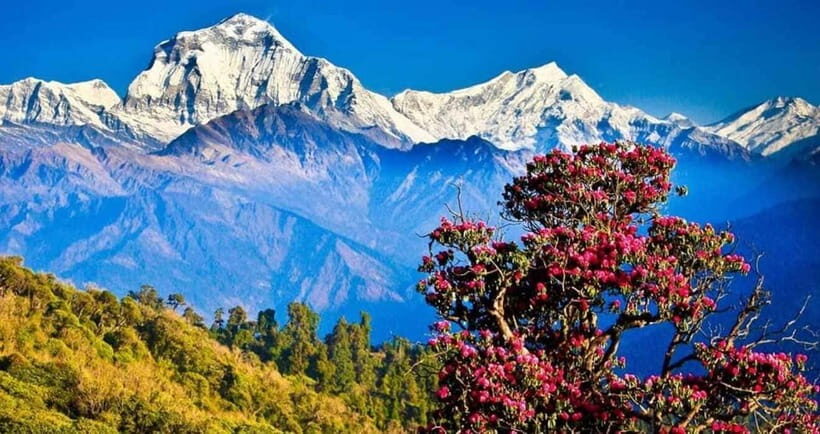
After breakfast, you head from Ulleri toward Banthali (2250 m), then continue through oak and rhododendron forests. You’ll move onward to Nangathanti (2460 m) and then climb uphill for about an hour to reach Ghorepani (2870 m).
This day is shorter on paper (4–5 hours), but it can still feel like the main work because it’s staged climbing toward a higher lodge at 2870 m. The forest segments help mentally—you get shade, cooler air, and that “quiet hike” feeling. Then, as you move out of thicker tree cover, the trail starts to feel more open and exposed.
One comfort detail you’ll be glad exists: lodge life here can be cozy. Feedback specifically called out warm shower situations and even a seat by the fire on colder nights. You can’t guarantee every lodge will have the same comfort setup, but it’s a good sign that the accommodations chosen along this route often think about warmth and recovery.
Overnight: lodge in Ghorepani.
This is where I suggest you slow down and treat the evening as part of the trek. Plan your camera setup for sunrise, set up warm clothes you can reach quickly, and drink water even when you’re not thirsty.
Day 3: Poon Hill before dawn and the view you came for
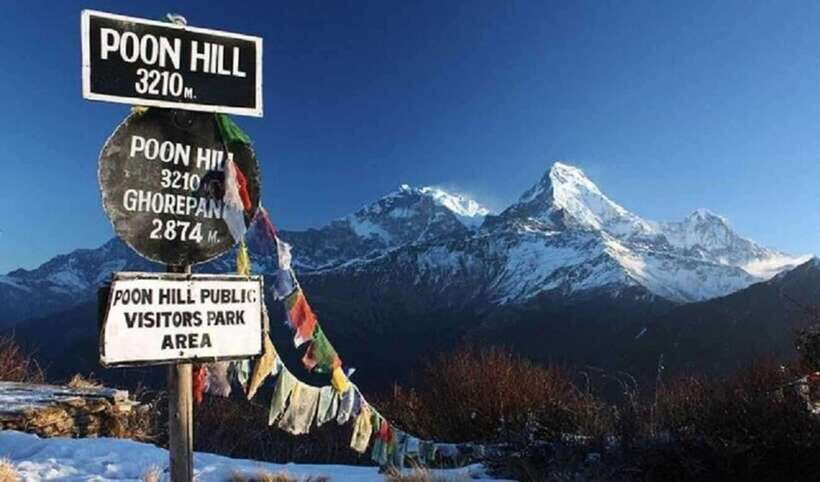
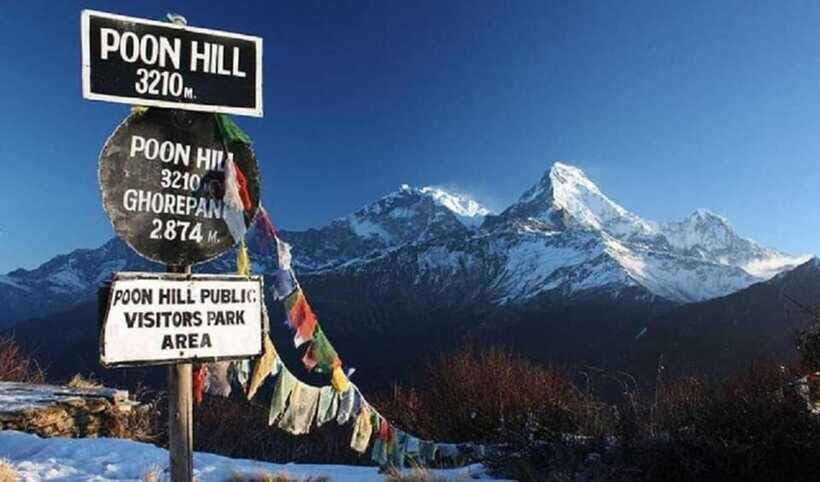
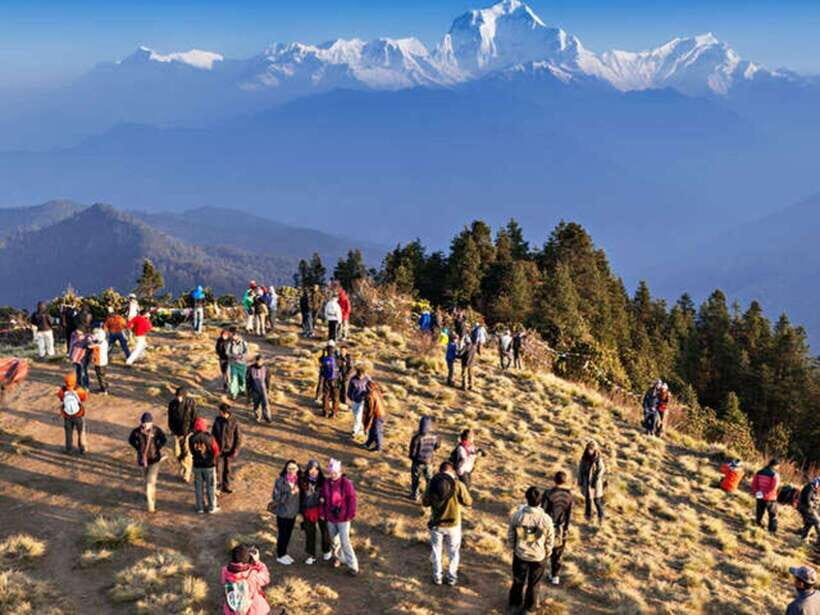
On the final morning, you start at break of dawn for the hike toward Poon Hill (3210 m). The uphill portion is about one hour, which keeps it from turning into a marathon at altitude.
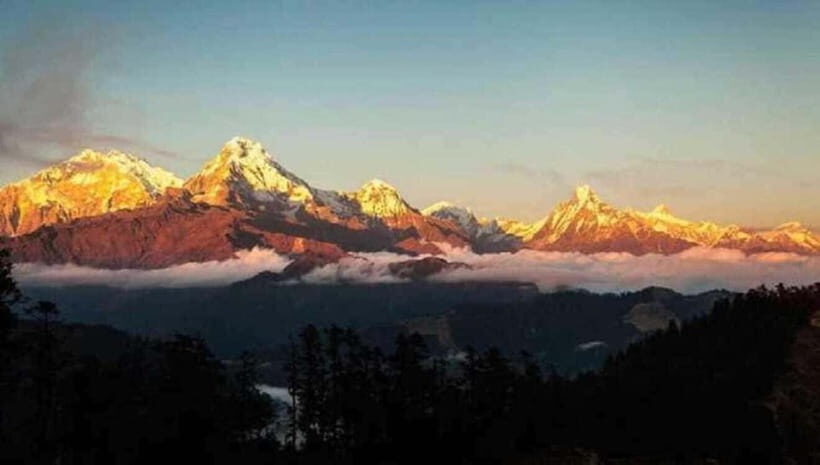
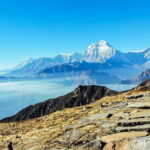
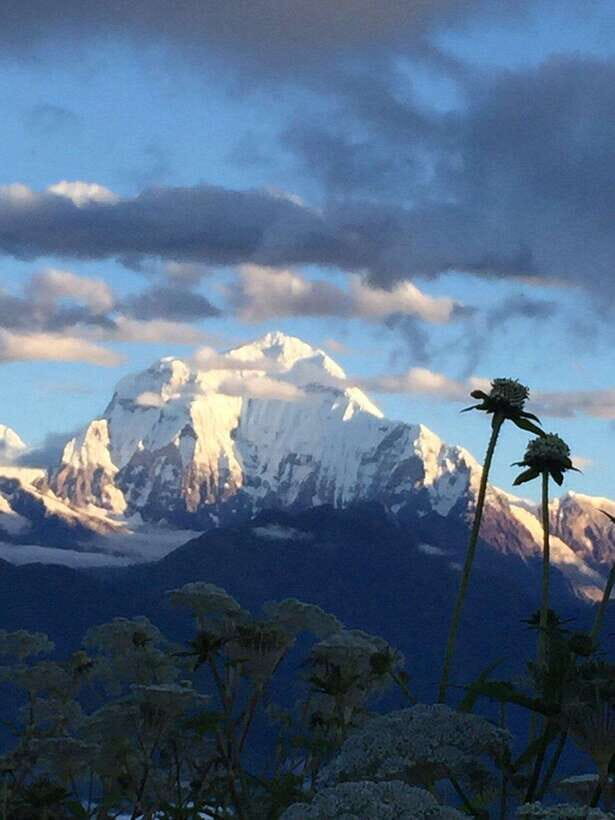
Here’s why Poon Hill is such a standout: it’s not just “a mountain view.” It’s a sunrise viewpoint where the timing changes everything. Once you get there, you’ll watch the light spread across peaks, with views that can include Annapurna, Dhaulagiri, Nilgiri, Himchuli, and Machhapuchchhre.
What to do with that early start: go into it expecting cold. Even if it’s tolerable near the lodge, the ridge can feel sharper. Bring warm clothing and a hat, and use your sunscreen too—you can get hit by sun even when the air feels icy.
After sunrise, you hike back to your hotel area and enjoy breakfast. Then you continue trekking toward Nayapool, finishing with a drive back to Pokhara—part of the route described with a roughly 3-hour return window. In the end, it’s a satisfying arc: one hour of effort for a big emotional payoff.
The guide matters more than you think (especially Gobinda)
This is a private group trek with a live guide, and the guide role isn’t just telling you where to step. A good guide manages:
- the pace so you don’t burn out early
- the route choices so you’re hiking smart, not just hiking
- the comfort side, including which lodges and meal stops feel worth the stop
In the feedback you’ll see a clear pattern around Gobinda: he was described as friendly and professional, good at putting people at ease, and motivated without turning it into a pushy drill. One person also noted Gobinda’s route selection was a perfect difficulty level and that he guided them toward strong lodge and meal options along the trail.
Even if you’re confident trekking, having someone who can read conditions and keep things flowing is a quality-of-life upgrade. It also makes the experience more local—you get context for villages and a sense of what’s coming next.
Also, languages covered include English, Hindi, and Nepali, which helps if you want straightforward explanations without awkward hand-waving.
Lodges in Ulleri and Ghorepani: comfort, warmth, and realistic expectations
You’re sleeping in lodges on two nights—one in Ulleri and one in Ghorepani. In this altitude range, your comfort comes from small details: warmth, hot water when available, and places to sit after hiking.
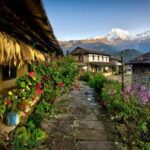
One review specifically mentioned a warm shower and a seat by the fire as a welcome bonus, and another noted extra blankets for cold nights. That tells me the accommodations along this route can be geared toward comfort, not just shelter.
What I recommend you do as a traveler:
- Bring a warm layer you can sleep in (cold nights happen here).
- Keep your gloves or a hat easily reachable for early mornings.
- Pack light, because you’ll likely walk with a small daypack most of the time.
And yes, you’ll still be in a lodge environment, not a city hotel. Think simple, clean, and functional—with warmth being the main upgrade.
Gear and habits that keep the trek fun instead of annoying
This trek gives you a clear list of what to bring. For me, it’s practical because Poon Hill involves sunrise timing, colder mornings, and long enough walking that gear mistakes become miserable.
Bring:
- warm clothing
- a hat
- hiking shoes
- camera
- water
- snacks
- sunscreen
Also: plan to stay hydrated and take regular breaks. That sounds obvious, but on a trek like this, small stops are what keep your energy consistent for the final sunrise push.
Not allowed: smoking. Simple enough, but it also helps keep the air and shared spaces more pleasant.
Weather can vary, so treat layering like your main strategy. A sunny morning can turn chilly fast, especially near sunrise.
Price and value: what $287 actually covers (and what to budget outside it)
At $287 per person, you’re not just paying for a viewpoint. Your package includes permits and all fees, a guide, 3-day guided trek structure, accommodation for 2 nights, and transportation to and from Pokhara, plus the sunrise view at Poon Hill. That matters because the cost of a guide, the paperwork/fees, and lodge nights add up quickly if you try to piece it together yourself.
Two items aren’t included, and you should budget for them:
- meals
- personal expenses
So when you plan your overall trip costs, add an allowance for lunch and dinner along the trail. The route is lodge-based, so you’ll have meal options, but the package price doesn’t automatically assume you’ll eat everything included-style.
I also like that the trek is private group. Even if you’re traveling solo, private generally means you’re not fighting for space with a huge group’s pacing. For a short trek, pacing is everything.
Who this trek fits best (and who should skip it)
This trek is designed for people who can handle moderate hiking over a few consecutive days. You should be in good physical condition, and you’ll want the patience to handle steps and uphill walking.
It’s not suitable for:
- children under 10
- pregnant women
- people with back problems
- people with heart problems
If any of those apply, it’s smarter to choose a different kind of route that matches your needs more safely.
If you’re traveling with a “first Himalaya trek” goal, this is also a strong match. You get the classic sunrise experience, you gain real altitude exposure, and you experience village and forest trails without the commitment of a long trek.
Should you book this 3-day Poon Hill trek from Pokhara?
Book it if you want a classic Himalaya highlight, you like clear structure, and you’re happy to start early for sunrise. I think it’s a great value when you factor in guide + permits + two lodge nights + transport, because those are the exact parts that most independent planning usually complicates.
Skip it if you’re looking for a fully easy walk with no uphill effort, or if your health situation makes altitude hiking risky. Also, if you hate cold mornings, you should know sunrise will ask something of you.
If you do book, pack for the early hours like you mean it—warm layers, hat, and hiking shoes you’ve already broken in. Then aim to take your time on the way up. The view at Poon Hill is famous for a reason, but the real win is how the trek feels in between: villages, forests, lodge warmth, and that moment when the mountains finally wake up.
FAQ
What is the duration of the trek?
The trek runs for 3 days.
Where does the trek start and end?
You start in Pokhara and drive to Nayapul to begin the hike. After hiking back to Nayapool, you take a drive back to Pokhara.
What are the main places you sleep during the trek?
You stay overnight in lodges in Ulleri and Ghorepani (two nights total).
How long is the hike to Poon Hill on the final day?
You hike toward Poon Hill in the early morning, and the walk to the viewpoint is about 1 hour.
What altitude does the trek reach?
Poon Hill is at about 3210 m. Ulleri is about 1940 m and Ghorepani is about 2870 m.
Is a guide included?
Yes. The trek includes an English, Hindi, or Nepali live tour guide.
Are permits and fees included?
Yes. Permits and all fees are included.
Are meals included in the price?
Meals are not included. You will still have meal opportunities along the way at lodges and stops, but you should budget separately.
What transportation is included from Pokhara?
Pickup from lakeside Pokhara is included, and you’re transported to and from Nayapul and back to Pokhara.
What should I bring and what is not allowed?
Bring warm clothing, a hat, a camera, snacks, hiking shoes, sunscreen, and water. Smoking is not allowed.