REVIEW · GHANDRUK
Pkr/Kathmandu: 5-Day Annapurna Base Camp & Hot spring Trek
Book on GetYourGuide →Operated by Travel Guides · Bookable on GetYourGuide
Five days to Annapurna Base Camp is a rush. I love the fast, achievable route that gets you to ABC at 4,130 m without dragging on for weeks, and I love how the trail keeps switching scenery with forests, waterfalls, villages, and that hot-spring day at Jhinu Danda. The only real drawback: it’s moderate to challenging and the cold climbs fast, so you need good fitness and smart acclimatization.
You’ll start from Kathmandu or Pokhara, ride to the trailhead, sleep in mountain guest houses, and follow a guide through the Annapurna Sanctuary world. Expect a private group setup, with an English-speaking guide (and other languages like French/Japanese/Chinese depending on availability), plus basic trekking gear borrowed from the operator so you’re not scrambling at the last minute.
In This Review
- Quick hits before you go
- From Kathmandu or Pokhara to Simrung: starting without stress
- Day 1: Simrung to Sinuwa (4–5 hours, max 2,340 m)
- Day 2: Sinuwa to Deurali via Himalaya (5–6 hours, max 3,230 m)
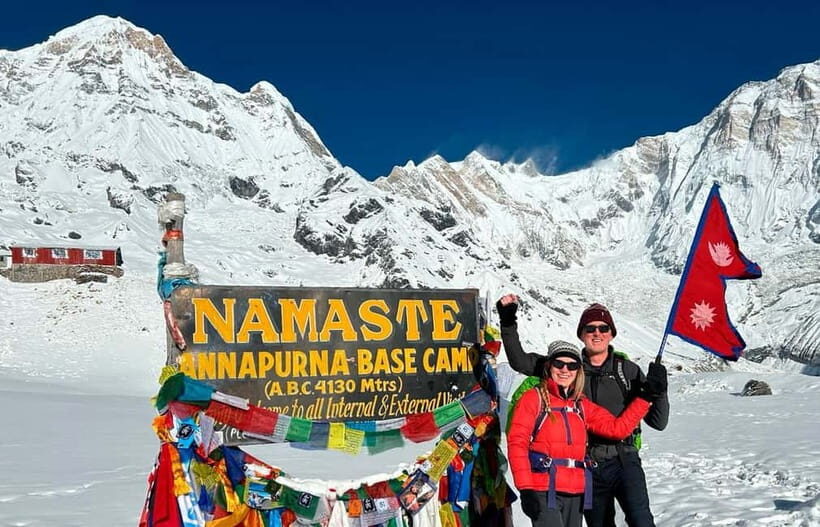
- Day 3: Deurali to Annapurna Base Camp (5–6 hours, max 4,130 m)
- Day 4: Machhapuchhre Base Camp sunrise and the return to Bamboo/Sinuwa (6–7 hours)
- Day 5: Jhinu Danda hot springs and the drive back to Pokhara (3–4 hours trekking)
- What the guide actually does for you (and why it matters)
- Gear and what to bring so you’re comfortable, not just “surviving”
- Price and value: what you’re really paying for around $60
- Weather strategy: when March–May and Sep–Nov work best
- Who should book this trek, and who should skip it
- Should you book this 5-day Annapurna Base Camp plus hot springs?
- FAQ
- Where does the trek start?
- How long is the trek?
- What is the highest altitude on this trek?
- Do you reach Annapurna Base Camp on day 3?
- Is a guide included?
- Are meals included?
- Are trekking poles and sleeping bags provided?
- Is the hot spring at Jhinu Danda included?
- Is travel insurance included?
Quick hits before you go
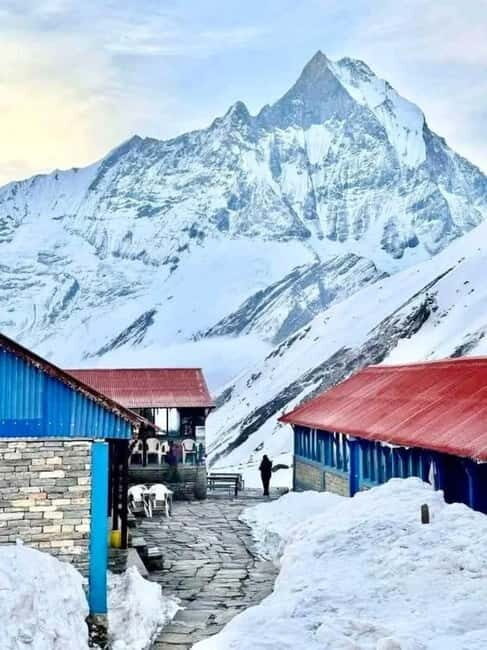
- 5-day push to Annapurna Base Camp (ABC) at 4,130 m with sunrise and sunset moments built in
- Machhapuchhre Base Camp sunrise adds a special early-morning payoff
- Trail variety every day: dense forest, rivers, waterfalls, and traditional settlements
- Gurung village life and tea-house culture along the way (you’ll see it up close)
- Jhinu Danda hot springs on day 5 for a soak after the trekking work
- Guides and porters can make a huge difference; names you may meet include Raj, Sagar, Shiva, Nareen (Anarayan), and Bimal, with porter support from people like Naron, Visnu, and Azis
From Kathmandu or Pokhara to Simrung: starting without stress
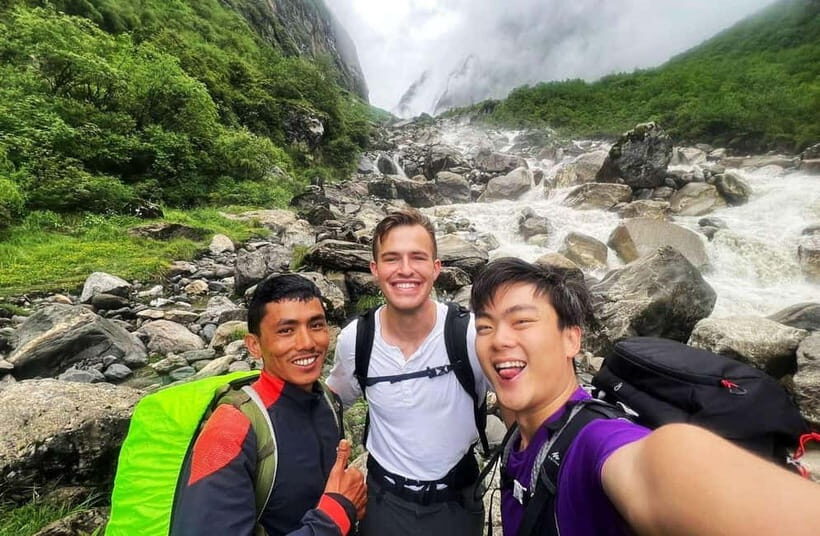
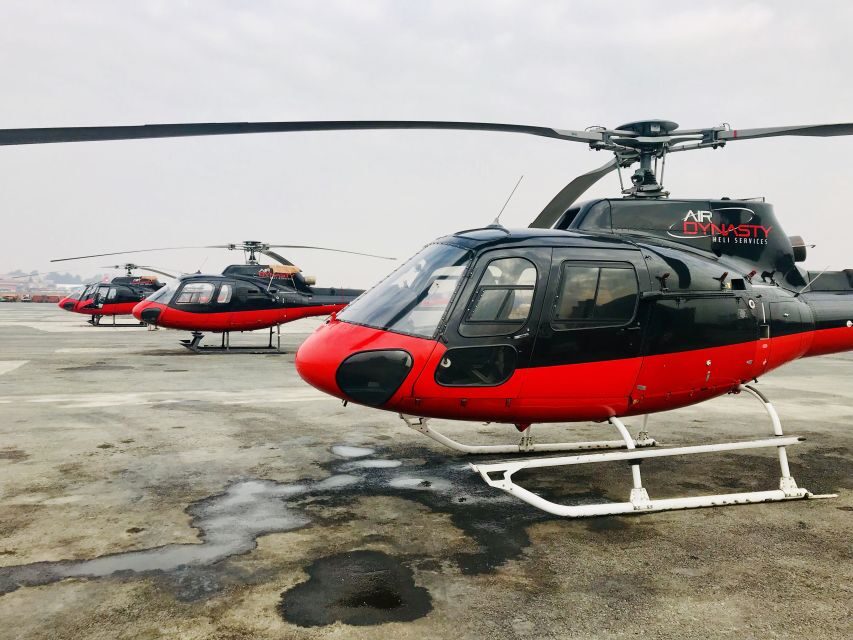
This trek is built for people who want the Annapurna Base Camp experience without committing to a long expedition schedule. Your pickup is included in Pokhara, and if you choose the Kathmandu flight option, you’ll fly about 30 minutes to Pokhara before the road transfer begins.
From Pokhara, it’s a 2–3 hour drive to Simrung via Nayapul. Then your trek officially starts, with a first day hike that sets your rhythm for the rest of the route. If you’re arriving by flight, the big win is simple: you lose less time fighting roads and you gain more time on trail.
You can also read our reviews of more hiking tours in Ghandruk
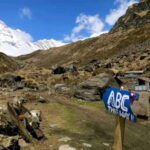
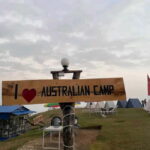
Day 1: Simrung to Sinuwa (4–5 hours, max 2,340 m)
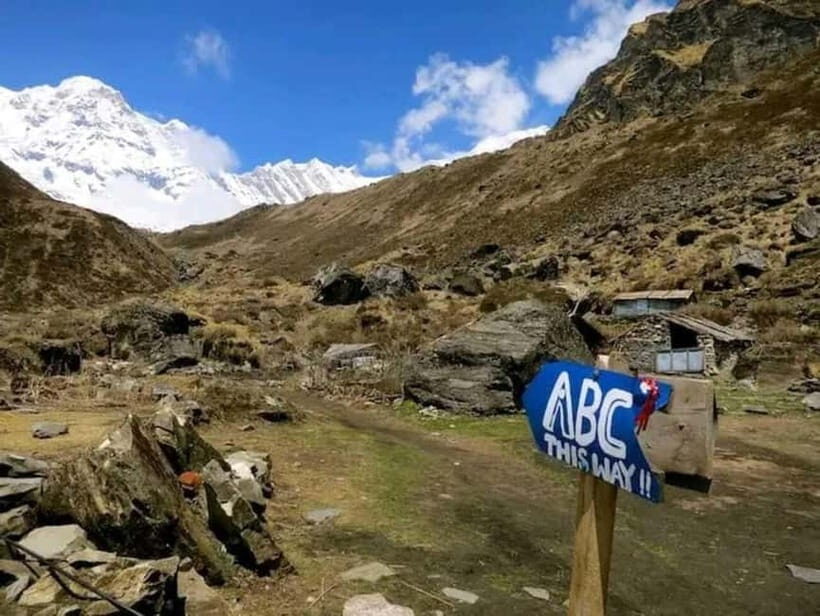
Day 1 is all about easing in while still feeling the altitude creep. You’ll trek from Simrung to Sinuwa through a mix of scenery and trail energy that includes rivers and forested stretches.
You’ll sleep in a guest house in Sinuwa at about 2,340 m. Practical tip: treat this first night like a warm-up, not a rest day. Drink water, eat early, and keep moving at a steady pace when you’re walking, because the cold usually sneaks in when you stop.
Day 2: Sinuwa to Deurali via Himalaya (5–6 hours, max 3,230 m)
By day 2, the trail starts feeling more “Himalaya” and less “gentle hike.” You’ll pass through Himalaya, a small settlement with tea houses, and you’ll spend hours trekking through dense forest while spotting lots of waterfalls along the way.
The climb is steeper than day 1, and you’ll likely feel your breathing change. Deurali Guest House is your stop for the night, at a maximum altitude of about 3,230 m, which is high enough that you should take acclimatization seriously.
What I like about day 2 is that it teaches you how this trek works: you can stop for tea, take in views, and keep going without rushing. The day isn’t about speed; it’s about staying comfortable enough to enjoy the path.
Day 3: Deurali to Annapurna Base Camp (5–6 hours, max 4,130 m)
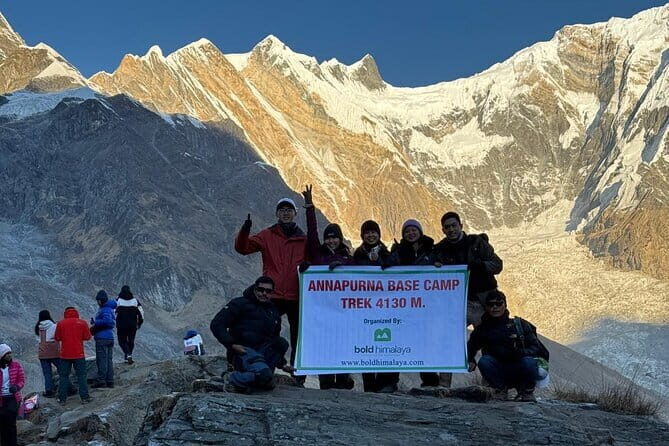
This is the big day. You trek from Deurali up to Annapurna Base Camp, passing via Machhapuchhre Base Camp (MBC) on the way. The route includes the MBC valley, which is one of those stretches you remember because it feels like you’re moving through the heart of the sanctuary.
You’ll reach Annapurna Base Camp at 4,130 m and sleep in tea houses there. The timing matters: ABC is known for a strong sunset view toward the west, and even if weather is moody, the mountain drama tends to land anyway.
A realistic note: this is the highest point on the itinerary, so it’s not the day to “push for bragging rights.” If you keep a steady pace with breaks and hot drinks, you’ll finish the climb feeling strong enough to enjoy the moment instead of just collapsing at the tea-house door.
Day 4: Machhapuchhre Base Camp sunrise and the return to Bamboo/Sinuwa (6–7 hours)
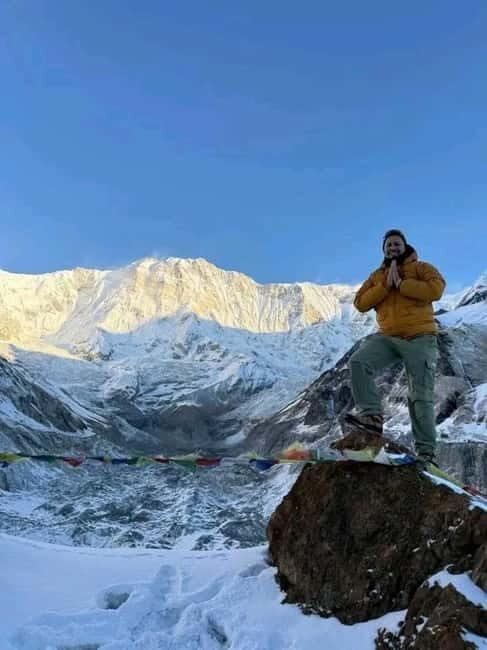
Day 4 is a two-part emotional swing: you get early payoff, then you get trekking legs back to work. You’ll go back down from Annapurna-area heights toward Bamboo/Sinuwa, passing via Deurali, Himalaya, and Dobhan.
The morning focus is sunrise, tied to Machhapuchhre Base Camp. That early start is worth it if you like quiet mornings and a calmer kind of mountain magic. If you hate waking up before the sun, you’ll still get something out of the day, but you’ll miss that extra special payoff.
Then comes the long descent. Expect a full 6–7 hour walking day, and plan for sore knees. This is where a good guide helps you manage pace on the downhills, and where having trekking poles (borrowed if included in your package) can make a real difference.
Day 5: Jhinu Danda hot springs and the drive back to Pokhara (3–4 hours trekking)
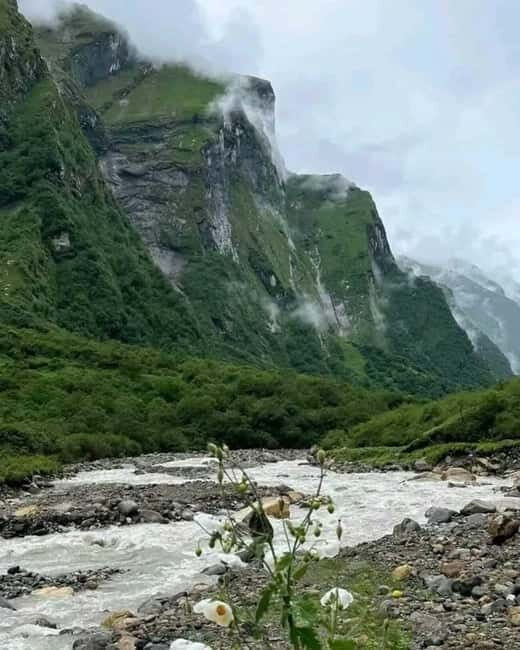
Day 5 is shorter on paper, but it has the kind of payoff you’ll actually feel. You’ll trek to Simrung via Jhinu Danda, where the hot springs are the point. After days of cool air and hard walking, a warm soak can feel like a reset button.
After the trek, you’ll drive back to Pokhara for about 2–3 hours and be dropped at your hotel. The schedule targets a return by around 17:00 (late afternoon), which is nice if you’re trying to fit the trek into a broader Nepal itinerary.
One note: hot springs are listed as optional in the highlights, so check how your specific booking handles the stop. The itinerary’s day 5 routing includes Jhinu Danda, but how long you soak (and what you pay for) can vary based on your exact package.
What the guide actually does for you (and why it matters)
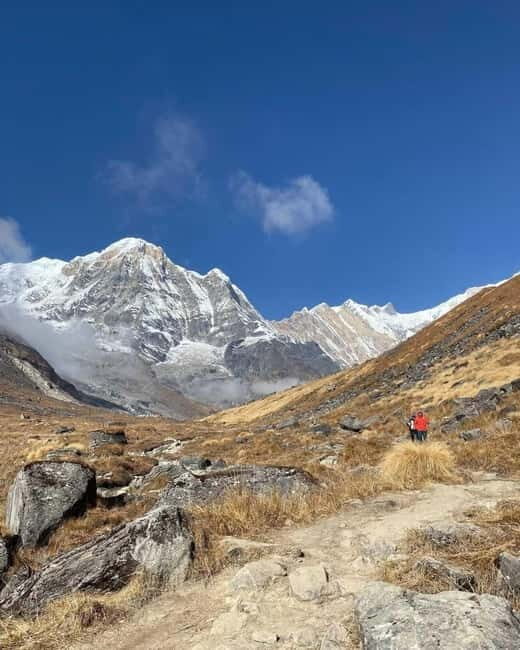
This trek is labeled private group, and that usually means your guide controls the pacing, timing, and problem-solving. The route needs common sense: cold mornings, altitude changes, and weather swings. You want someone who keeps you moving safely without turning every tea break into a debate.
From names you may run into in guides and porters, the patterns are clear. People have been guided by Raj, Sagar, Shiva, Nareen (Anarayan), and Bimal, with porter support from Naron, Visnu, and Azis. The best part isn’t just personality; it’s the day-to-day logistics: handling accommodations, meal timing, and making sure you’re not rushing ahead in a way your body can’t handle.
Also, your operator includes a guide and basic first aid. That matters in a trek where you’re never far from the high-altitude “cold + effort” combo.
Gear and what to bring so you’re comfortable, not just “surviving”
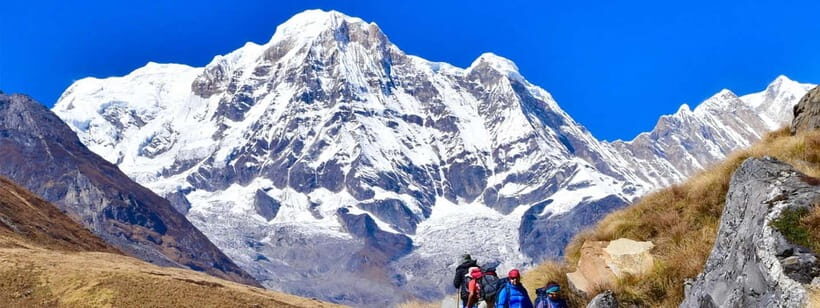
A lot of people underestimate how cold it can feel at 3,000–4,000+ meters. The good news: the operator borrows useful equipment such as sleeping bags, duffle bags, and trekking poles. That removes a big expense and prevents the classic mistake of bringing the wrong gear.
Still, you should bring your own essentials. Pack warm clothing, hiking shoes, sunscreen, a camera, and water. Travel insurance is also on the list of what to bring, and it’s not included in your price, so don’t forget it.
And keep it simple: alcohol and drugs aren’t allowed. This trek runs on clear thinking and stable energy.
Price and value: what you’re really paying for around $60
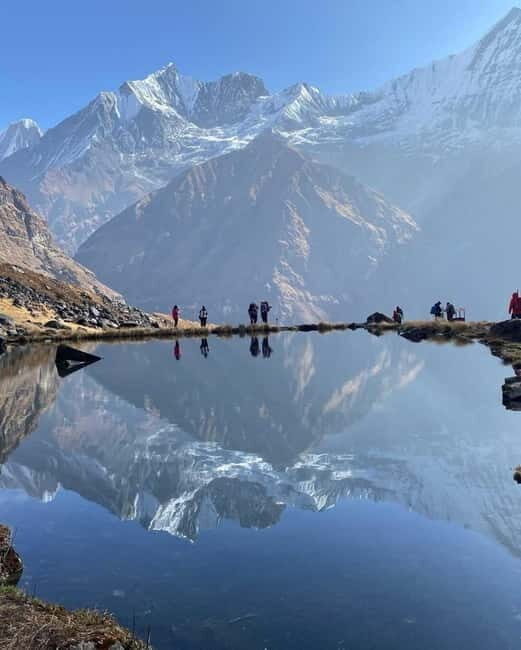
The listed price is about $60 per person for the 5-day experience. That’s the headline number, but the real value comes from what’s included versus what’s left as optional add-ons.
Included basics typically cover:
- hotel pickup/drop-off in Pokhara
- hotel pickup/drop-off in Kathmandu if the flight option is selected
- flight tickets Kathmandu–Pokhara if the flight option is selected
- Pokhara–Simrung–Pokhara shared jeep transfer
- 4-night mountain guest house accommodation
- trekking guide
- borrowed equipment (sleeping bag, duffle bag, trekking poles)
- trekking permits
- first aid
Costs often not included (depending on your package choice):
- hot/cold/alcoholic drinks
- meals if you choose the budget/from Kathmandu option (meals may be add-on)
- porter if you choose the budget/from Kathmandu option (porter may be add-on)
- PKR–KTM return flight tickets (add-on available)
- travel insurance
If you want the cleanest experience, choose an option that includes meals and porter support. Carrying is manageable on this trek, but at altitude, having a porter can turn “struggle” into “steady progress,” especially on longer downhill hours.
Weather strategy: when March–May and Sep–Nov work best
You get the best odds in March to May and September to November. In those windows, you’re more likely to have workable hiking conditions and better visibility for those Annapurna views.
But weather on this route can change fast, and cold is part of the deal. That’s why warm layers and solid shoes matter more than chasing perfect forecasts. Even when the sky is less cooperative, the mountains still deliver a strong sense of scale, and the tea-house stops make it easier to wait out a passing cloud.
If you’re going in shoulder conditions, I’d plan for colder temperatures and possible rain. Keep your packing layers practical, and don’t count on being dry for long.
Who should book this trek, and who should skip it
This is a moderate-to-challenging trek that needs a good level of fitness. Acclimatization is important, and the altitude on this itinerary climbs up to 4,130 m at ABC. You should be comfortable with multi-hour days that include steep sections and long downhill stretches.
It’s not suitable for people with mobility impairments, heart problems, respiratory issues, or those dealing with altitude sickness. If you’ve had altitude issues before, take that seriously and consider alternatives or extra medical guidance.
Best fit:
- You want Annapurna Base Camp in 5 days
- You enjoy village life and tea-house culture
- You like sunrise/sunset moments enough to wake up early
- You’re okay with cold and active days, not a cushy holiday pace
Should you book this 5-day Annapurna Base Camp plus hot springs?
If your goal is a realistic, high-reward route to Annapurna Base Camp, this one makes sense. The 5-day schedule compresses the trek into something doable, while still giving you the key scenic beats: Machhapuchhre Base Camp sunrise, ABC at 4,130 m, and a day 5 soak at Jhinu Danda.
I’d especially recommend it if you value having a guide manage the pacing and logistics. Names like Raj, Sagar, Shiva, Nareen, and Bimal show up with strong feedback for safety and organization, and having porter help (like Naron, Visnu, or Azis) can make the mountain days feel far more human.
Book it if you’re fit enough for cold, steep hiking and you’re ready for basic guest-house comfort at altitude. Skip or reconsider if altitude risk is a problem for you, or if you need a low-activity itinerary.
FAQ
Where does the trek start?
You can start from Kathmandu or Pokhara. If you choose the flight option, travelers from Kathmandu take a 30-minute flight to Pokhara, then ride by shared jeep to Simrung before trekking.
How long is the trek?
The experience runs for 5 days.
What is the highest altitude on this trek?
The itinerary reaches a maximum altitude of 4,130 m at Annapurna Base Camp.
Do you reach Annapurna Base Camp on day 3?
Yes. Day 3 is the trek to Annapurna Base Camp (4130 m) via Machhapuchhre Base Camp.
Is a guide included?
Yes, a trekking guide is included.
Are meals included?
Meals are included only if you select the all-inclusive option. If you choose the budget/from Kathmandu option, meals are not included and can be added.
Are trekking poles and sleeping bags provided?
Yes. The operator borrows necessary equipment, including sleeping bags, duffle bags, and trekking poles.
Is the hot spring at Jhinu Danda included?
Jhinu Danda hot springs are listed as optional, and the day 5 trek routes you via Jhinu Danda (hot spring) before returning to Pokhara.
Is travel insurance included?
No. Travel insurance is not included.