REVIEW · KATHMANDU
Everest Base Camp Trek 12 Days – Best Himalayan Adventure
Book on Viator →Operated by Scenic Nepal Treks Expedition Pvt. Ltd · Bookable on Viator
Everest feels close on this guided trek. You’ll walk classic Everest Base Camp routes with an experienced Sherpa guide, plus acclimatization days that take the edge off high-altitude surprises. The biggest consideration is the physical demand and cold at altitude, so you’ll want a sensible fitness level before you go.
I like how this trip handles the big moving pieces for you: domestic flights (often via Ramechap Airport), trekking permits, and safe, structured pacing. You’ll also have the option of a porter to take the sting out of carrying your day-to-day gear. If you’re the type who wants maximum freedom to change plans mid-trek, a guided schedule may feel a bit tight.
In This Review
- Key Things That Make This Everest Base Camp Trip Feel Worth It
- Private Sherpa Guidance on the World’s Most Famous Trek
- Flights, Permits, and Acclimatization: The Real Value Behind the Price
- Kathmandu Start: What to Expect Before You Fly to Lukla
- Lukla Flight: Where the Adventure Starts (and Reality Hits)
- Namche Bazaar: Market Energy with a High-Altitude Edge
- Tengboche: Iconic Mountain Views and Monastery Atmosphere
- Dingboche: Acclimatization Territory You’ll Be Glad You Reach
- Mount Everest Area and the Long-Goal Feeling of Getting There
- Gorak Shep and Kala Patthar: The Sunrise Payoff Zone
- Tea Houses and Porter Support: How Comfort Is Actually Managed
- Equipment Reality Check: What You Should Bring vs. What’s Provided
- Safety, Group Size, and the Pace You’ll Likely Appreciate
- Price Breakdown: What $1,439 Buys You and What You Still Owe
- Who Should Book This Everest Base Camp Trek
- Should You Book Scenic Nepal Treks for Everest Base Camp?
- FAQ
- Is pickup offered for this Everest Base Camp trek?
- Does the trek include flights, or do I need to arrange them myself?
- How many nights will I stay in tea houses?
- Is a porter included?
- Are trekking permits included?
- Do I need travel insurance?
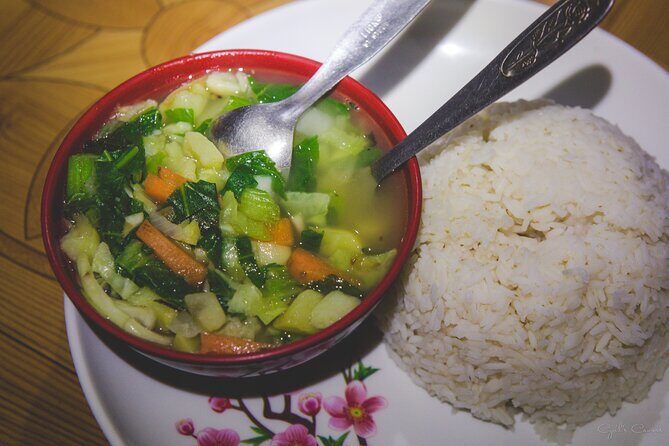
- Can I request vegetarian meals?
- What equipment is provided, and what do I need to bring?
- Is a visa required to enter Nepal?
- Is cancellation free?
Key Things That Make This Everest Base Camp Trip Feel Worth It
- Private, Sherpa-led guidance built around safety and local know-how
- Lukla flights included (with the real-world note that departures may be from Ramechap)
- Tea-house lodging for 11 nights so you’re not hauling camping gear
- Permits included, plus insurance, medication, and a first aid kit for staff support
- Porter support included for two hikers (and you can add more if you want)
Private Sherpa Guidance on the World’s Most Famous Trek
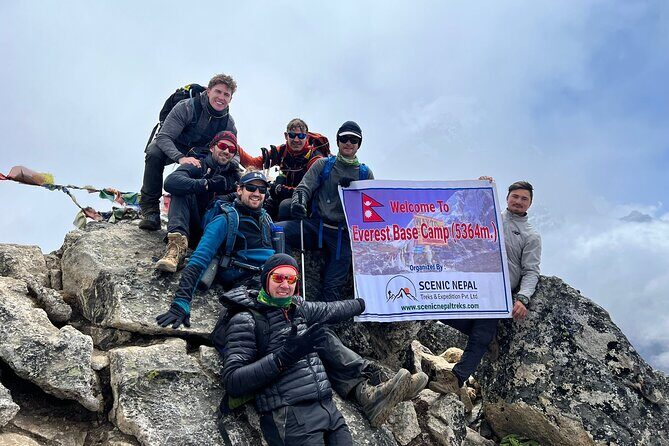
Everest Base Camp is one of those bucket-list hikes that sounds simple until you’re staring at a trail that climbs and climbs. What I like about this 12-day private format is that you’re not doing it as a faceless group. You get an experienced Sherpa trekking guide, and the trip is designed for small-group comfort—minimum two people, and small enough that your pace and questions actually matter.
This is also a culture trek, not just a mileage trek. You’ll move through well-known Khumbu villages, cross suspension bridges, and spend time in places where Sherpa hospitality isn’t a slogan—it’s how people live. And when the mountain finally stops being a photo backdrop and becomes the thing above your roof every morning, having a guide who understands the rhythm of altitude helps you keep your head clear.
One more practical win: this trip is built to include the key logistics you’d otherwise have to chase on your own—domestic flights, trekking permits, and sightseeing time around Kathmandu. That means more energy for acclimatizing and less time running around Nepalese offices with a folding map and a prayer.
You can also read our reviews of more hiking tours in Kathmandu
Flights, Permits, and Acclimatization: The Real Value Behind the Price
You’re paying $1,439 per person for a full guided package that covers the expensive “getting there and staying safe” parts. The value isn’t just that flights and permits are included—it’s that someone is handling the coordination that can make or break an Everest trip.
Here’s what you get that matters on this route:
- Return domestic flights (departure may be from Ramechap Airport)
- All necessary trekking permits
- An experienced Sherpa trekking guide
- Staff insurance and a first aid kit (plus staff medication and equipment)
And then there’s pacing. The trip is described as including acclimatization days for safety. On Everest, that’s not a “nice to have.” It’s how you reduce risk from altitude stress and how you keep your hiking legs working late into the trek.
One consideration: what’s included is strong, but you still need to budget for what isn’t covered—especially personal travel/treadkking insurance, meals/everyday spending during the trek, tips, and your own personal trekking gear. If you show up without the right cold-weather items, you’ll feel it fast.
Kathmandu Start: What to Expect Before You Fly to Lukla
Your trek starts in Kathmandu at the Scenic Nepal Treks & Expedition Pvt. Ltd. office area (Bhagwati Marg). The day before the hiking really begins, you’ll do the kind of sightseeing and orientation that helps you land in Nepal without feeling lost.
A few practical notes I’d take seriously:
- You’ll want your passport details ready at booking time (name, number, expiry, country) because the trek and domestic flight paperwork needs it.
- You’ll likely receive a mobile ticket, which is convenient once you’re in Nepal, but still double-check everything before you board.
- The tour includes pickup offered, so you should confirm your pickup time and location ahead of time rather than trusting an airport-style free-for-all.
Kathmandu can be noisy and fast, but think of this start day as your mental warm-up: hydrate, eat something simple, and try to get a decent night’s sleep. The next leg is the jump to Lukla, and that jump changes everything.
Lukla Flight: Where the Adventure Starts (and Reality Hits)
Your next step is Lukla—the gateway for most Everest Base Camp trekking routes. This trip includes the domestic flight, and it notes that flights may fly from Ramechap Airport. That matters because weather and logistics can shift in Nepal. If you’re building your day around a single “exact” airport departure time, you’ll want flexibility.
What I’d watch for:
- Weather delays are possible on Himalayan routes, so your best strategy is to stay calm and let the guide handle the schedule.
- You’ll want to keep your day pack manageable for the first hiking segment after landing.
- Once you start walking, the altitude climb ramps up quickly. Even before you hit the highest points, your body will feel the thin air.
This is also one of those moments where the trek stops being “travel” and becomes “work”—good work, but still work.
Namche Bazaar: Market Energy with a High-Altitude Edge
From Lukla, the path leads to Namche Bazaar, one of the most famous stops on the Khumbu trail. This is where you’ll feel the balance of village life and tourist traffic. The advantage of hitting Namche is that it’s a place designed for acclimatization: you’re high, but you’re not already at the extreme elevations.
What you’ll enjoy here:
- Easy access to views and orientation for the trek ahead
- A chance to settle into the routine: breakfast, gear check, steady pace, rest when you need it
- The feeling of being in the Khumbu’s daily rhythm—local hospitality, tea house culture, and trails busy enough to feel alive
A drawback to consider: Namche is also busy compared to the smaller villages farther up. If you prefer quiet, this is the stop where you get less solitude. Still, it’s a useful transition point, and you’ll appreciate it later when the quiet returns.
Tengboche: Iconic Mountain Views and Monastery Atmosphere
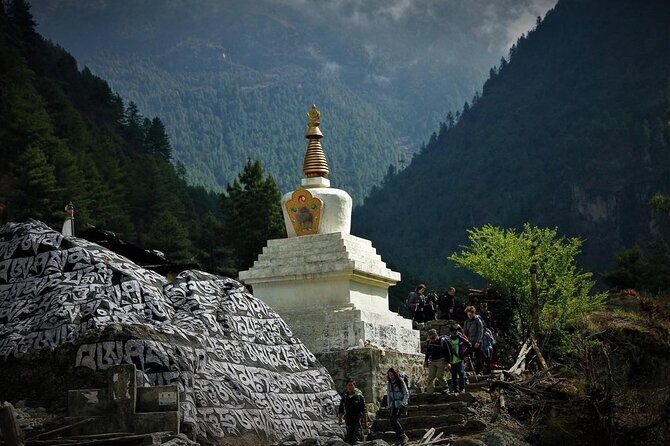
Next up is Tengboche, another cornerstone of the Everest region. This is the kind of stop where the trek feels spiritual and dramatic at the same time, thanks to the presence of major viewpoints and the calm that settles in around the trails and lodges.
Expect:
- Bigger, more theatrical sightlines as you climb
- A strong sense of the region’s Sherpa culture in how people live around these mountain seasons
- Tea-house comfort that keeps you moving instead of resting too long
The possible downside is simple: weather can change how the viewpoints look. On summit-day type days, you want clear skies. When skies cloud over, you’ll still trek, but you might not get the show you hoped for. The good news is this trip’s structure is built around pacing and acclimatization, so cloud cover won’t automatically derail your altitude plan.
Dingboche: Acclimatization Territory You’ll Be Glad You Reach
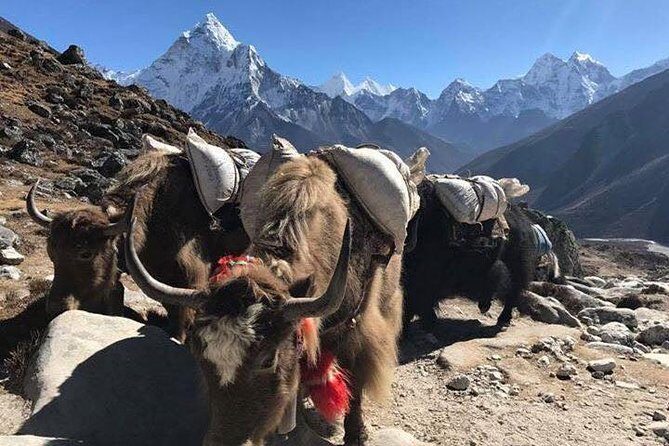
Then comes Dingboche. This is where the trek starts feeling more serious. You’re higher, your breathing changes, and you start treating every rest break like part of the plan.
Why this stop matters:
- It’s a practical acclimatization point before the highest zones
- It gives your body time to adjust so later stages feel like progress, not panic
- It’s one of the places where the mountains start dominating your sense of scale
If you’re a beginner hiker, Dingboche can be both exciting and tiring. The key is sticking with the pace your guide sets. This is where I’d rather you walk a little slower than you think you can, because Everest doesn’t reward bravado.
Mount Everest Area and the Long-Goal Feeling of Getting There
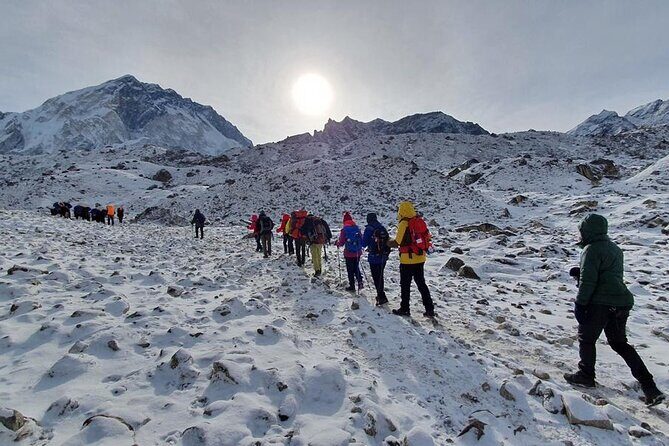
The trek reaches the Mount Everest region next. In trekking terms, this part of the journey is about getting close to the goal and absorbing it in layers—base-camp scenery, huge glaciated surroundings, and that feeling where every step feels like it counts.
Here’s what to expect emotionally and physically:
- You’ll likely feel tired but also focused, because the “almost there” stage compresses your attention.
- The guide’s experience matters because this is where route timing and safety judgment are crucial.
This section is also where you’ll appreciate having included permissions and structured support. When you’re this deep, you want your trek to feel organized rather than improvisational.
Gorak Shep and Kala Patthar: The Sunrise Payoff Zone
From there, you move toward Gorak Shep. This is where the trail turns into the last hard push. You’ll be working at altitude where temperatures can drop, wind can feel sharp, and breath feels expensive.
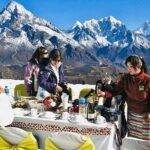
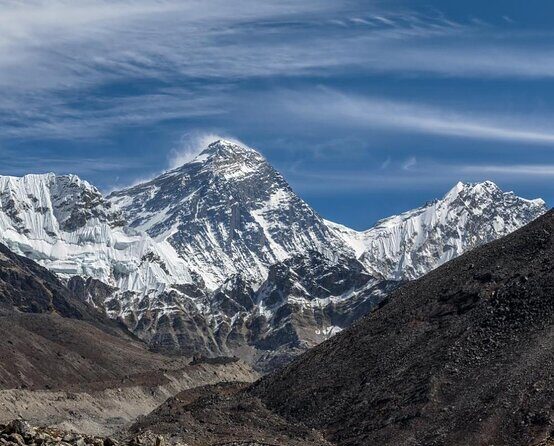
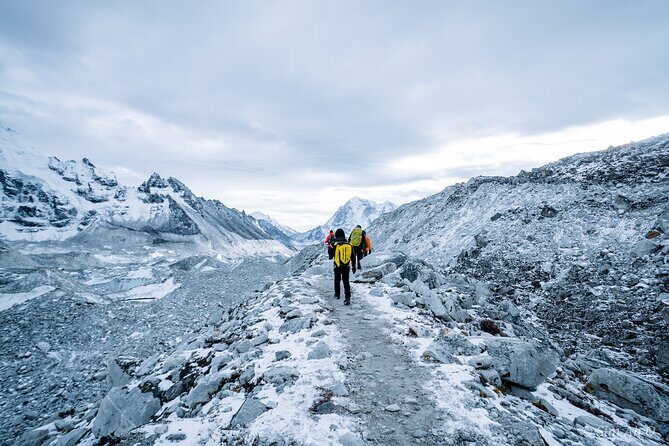
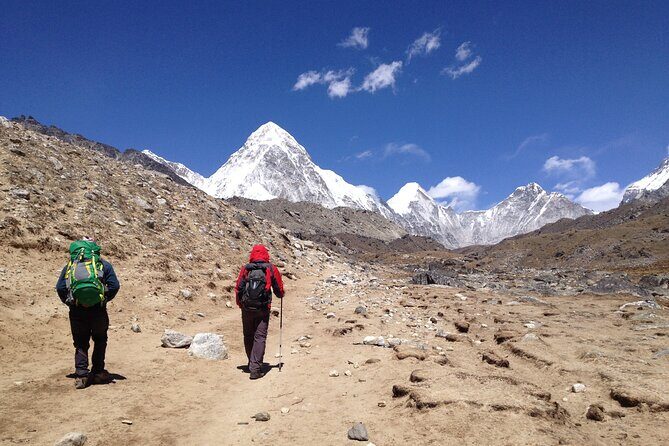
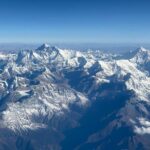
Gorak Shep is also the gateway to one of the most famous viewpoints in the Everest Base Camp orbit: Kala Patthar. This is described as offering once-in-a-lifetime views of Mount Everest, Lhotse, Nuptse, Ama Dablam, and Pumori. If you’re the type who loves a payoff view, this is the stop that tends to make people stop talking and just stare.
Practical note: sunrise or early-morning timing can be brutally cold. Dress for wind and low temperatures and keep your layers organized. Don’t rely on your hands to be tough; use gloves you trust.
Tea Houses and Porter Support: How Comfort Is Actually Managed
This trek uses twin sharing tea house accommodation during the hike (11 nights). Tea houses are basic, but they’re proven. You sleep indoors, you eat in a common area, and you keep the trekking rhythm instead of turning every night into a camping project.
What you’ll appreciate:
- You don’t need to carry a full camp setup
- Meals are part of the experience as described in the overall trip setup
- You get a predictable routine day after day
Then there’s the porter question, and this matters more than people expect. The included details specify porter to carry your bags with a setup where 2 hikers get 1 porter. That means you still feel like you’re hiking your own way, but you’re not destroying your legs with a heavy load at altitude. In a long, cold trek, reducing pack weight can be the difference between finishing strong and feeling wrecked.
One more small detail that can save your sanity: the tour says Scenic Nepal Treks provides some key gear items like a sleeping bag and silk liner, plus a duffel bag, maps, torch, and a water bottle. You’ll still bring your own trekking boots and spare laces, but the package reduces the shopping you’d otherwise do.
Equipment Reality Check: What You Should Bring vs. What’s Provided
You’ll be told to bring core cold-weather and hiking basics, including:
- Trekking boots and spare laces
- Warm hat, scarf, and gloves
- Waterproof jacket and trousers
- Down jacket (noted as depending on where/when you trek)
- Thermal underwear
- Sun hat and sunglasses
- A backpack
- Water purification tablets
- Locks for your bags during trek
- A few personal comforts like earplugs and toiletries
Some helpful items you’re told you’ll get:
- Sleeping bag and silk liner
- Duffel bag
- Torch/flash light and water bottle
- Maps
- Toiletries, quick drying camp towel
- Toilet paper and a cigarette lighter if you smoke
This is worth thinking about because packing wrong on Everest is expensive. If you forget something critical like cold gloves or a warm layer, you’ll be tempted to buy overpriced replacements. Better to show up ready.
Safety, Group Size, and the Pace You’ll Likely Appreciate
This trip is described as having a maximum of 10 travelers for the activity, while the package also lists a maximum of 15 people per booking. Either way, it’s clearly not a massive cattle-train format, and that’s the point. Smaller groups make it easier for your Sherpa guide to manage spacing, answer questions, and adjust pacing.
The tour also states a maximum group size and a minimum of two travelers. So if you’re traveling solo, you’ll likely need to match up with another person or join a departure that meets the minimum.
For safety, your guide-led plan includes acclimatization days. And you also have staff insurance and a first aid kit as part of the support package. Still, you should treat this as serious trekking: bring the right gear, walk steadily, and don’t chase speed.
Price Breakdown: What $1,439 Buys You and What You Still Owe
At $1,439 per person, you’re getting a solid bundle of the high-cost parts:
- Experienced Sherpa trekking guide
- Return domestic flights (with the Ramechap note)
- Trekking permits
- Tea-house lodging for 11 nights (twin sharing)
- Porter support (2 hikers per porter)
- Staff insurance, medication, and a first aid kit
- Some key gear items provided by the operator (sleeping bag/liner, duffel bag, torch, water bottle, etc.)
Not included items to plan for:
- Personal travel/trekking insurance
- International airfare
- Nepal entry visa
- Personal expenses and meals during the trek (the overview mentions meals, but the exclusions flag personal meals/expenses—so budget for everyday spending)
- Personal trekking equipment
- Tips and gratuities for trekking staff and drivers
My practical take on value: this price looks fair for an Everest Base Camp trek that includes permits, flights, and structured support. Where you’ll feel the cost most is not the trek package—it’s everything around it: flights to Nepal, insurance, visa, and choosing good gear.
Who Should Book This Everest Base Camp Trek
This trek suits you if:
- You want a private guided experience with a Sherpa guide rather than self-navigation
- You like the tea-house style of trekking (no camping setup)
- You want help with logistics like permits and domestic flights
- You’ll appreciate portered load support so you can focus on hiking and acclimatizing
It might not suit you if:
- You want a fully DIY approach
- You’re unwilling to meet a moderate fitness standard
- You hate fixed schedules and want to roam off-trail or change daily plans without guidance
If you’re a first-time hiker, this can still work, as long as you respect pacing and cold. Your lungs will complain no matter what. The goal is to manage that complaint.
Should You Book Scenic Nepal Treks for Everest Base Camp?
If you’re looking for a well-organized Everest Base Camp experience with local Sherpa leadership and the essentials handled, I’d feel comfortable recommending this style of package. The strongest selling points are the private Sherpa guide, included permits, and the fact that the plan builds in acclimatization instead of treating Everest like a checklist.
Before you book, do two things:
- Confirm your flight timing and the airport detail (Ramechap vs. other departure points) so you’re not surprised.
- Prepare for cold and altitude with the gear list they provide—because Everest doesn’t care if your hands are cold.
If that sounds like your kind of adventure, this 12-day trek is a great way to get to the base-camp goal with fewer logistical headaches and more time enjoying the view when you finally earn it.
FAQ
Is pickup offered for this Everest Base Camp trek?
Yes, pickup is offered. You’ll start at the Scenic Nepal Treks & Expedition Pvt. Ltd. office area in Kathmandu and the experience ends back at the meeting point.
Does the trek include flights, or do I need to arrange them myself?
The package includes return domestic flights. The flight may depart from Ramechap Airport, depending on the schedule.
How many nights will I stay in tea houses?
You’ll have 11 nights of twin sharing tea house accommodation during the hike.
Is a porter included?
A porter is included for the bag-carrying setup where two hikers share one porter. The tour also notes you can add a porter if you want.
Are trekking permits included?
Yes. All necessary trekking permits are included.
Do I need travel insurance?
Personal travel/trekking insurance is not included, so you’ll need to arrange your own.
Can I request vegetarian meals?
A vegetarian option is available. You should advise the operator at booking if you need it.
What equipment is provided, and what do I need to bring?
Scenic Nepal Treks provides some items such as a sleeping bag and silk liner, plus a duffel bag, maps, torch, and a water bottle. You should bring trekking boots and spare laces, cold-weather clothing like gloves and a warm hat, and other personal gear listed in the included guidance.
Is a visa required to enter Nepal?
The Nepal entry visa is not included, so you’ll need to arrange it.
Is cancellation free?
Cancellation is free up to 24 hours in advance for a full refund. If you cancel less than 24 hours before the experience starts, the amount paid is not refunded.