REVIEW · GHANDRUK
From Pokhara: 10-Day Poon Hill and Annapurna Base Camp Trek
Book on GetYourGuide →Operated by Adventure in Nepal · Bookable on GetYourGuide
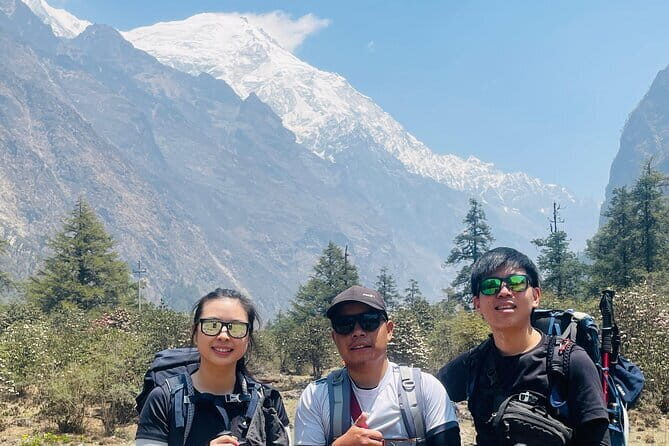
Himalaya views start before breakfast. This private Poon Hill + Annapurna Base Camp trek delivers two big thrills fast: the sunrise panorama from Poon Hill and the close-up feeling of Annapurna peaks when you reach Annapurna Base Camp. I also like how the route mixes village life with forest trails and then suddenly turns serious in the Sanctuary. One caution: mountain weather can swing, so you may get clouds or rain that dull the views some days.
You’ll be picked up from the lakeside area in Pokhara and moved to Nayapul by private car, then guided by a professional English-speaking trekking guide with permits and documents handled for you. If you’re lucky with conditions, you’ll get snow views and rhododendron scenery; if you’re not, the plan still keeps you moving steadily through places like Tikhedhunga, Ghorepani, Chhomrong, Bamboo, and Deurali. Guides like Biru (and others, including Arjun and Bikram in different groups) also seem to focus on pacing and support, which matters when your legs and breathing start bargaining.
In This Review
- Key takeaways before you go
- Poon Hill plus Annapurna Base Camp in one focused circuit
- From Pokhara to Tikhedhunga: Modi Khola valley and first-day rhythm
- Ulleri steps and the rhododendron climb to Ghorepani
- Sunrise at Poon Hill: the early wake-up that pays off
- Chhomrong and Machhapuchhre views: Gurung village life on the way up
- Bamboo to Deurali: bamboo forests, Modi Khola valley, and thinner air
- Into the Annapurna Sanctuary and up to Base Camp
- Base Camp to Jhinu Danda hot springs: recovery with a view
- Guide, pace, and safety: what private really changes
- Price and value: what $310 covers, and what you’ll pay anyway
- Best season, weather, and altitude reality check
- Should you book this Poon Hill + Annapurna Base Camp trek?
- FAQ
- What’s the duration of the trek?
- Where does the trek start and end?
- Is the trek private or group-based?
- What’s included in the price?
- What’s not included?
- What’s the best time of year to trek?
- Are there restrictions on what I can bring?
Key takeaways before you go
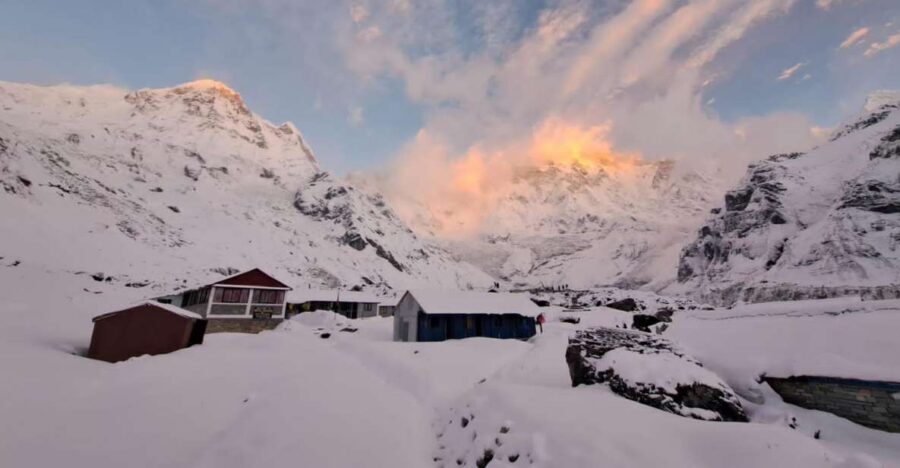
- Poon Hill sunrise gives you the classic Annapurna and Dhaulagiri panorama payoff early on the route.
- Annapurna Base Camp puts you inside the Annapurna Sanctuary feeling, surrounded by towering peaks.
- Guest house stays keep the trek practical, with short daily efforts built into a 10-day schedule.
- Hot springs at Jhinu Danda help you recover on the final stretch after descending through forests.
- A private guide and group means your pace can be adjusted if altitude or stamina becomes an issue.
Poon Hill plus Annapurna Base Camp in one focused circuit
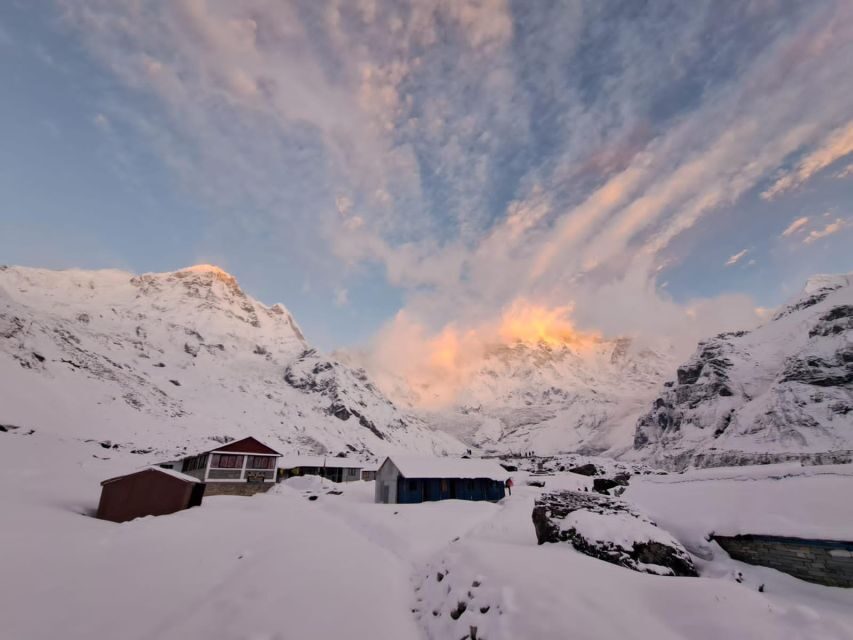
This trek is built for people who want the best-name scenery without doing a giant, multi-week marathon. You start in Pokhara’s comfortable zone, then work your way upward through the Annapurna region in a way that feels logical: forest trails, hill villages, big-view ridges, then the steep, stunning push into the Sanctuary.
I like that the itinerary doesn’t only chase a single wow moment. Poon Hill is the sunrise “wow,” but Annapurna Base Camp is the “how is this real” moment. Between them you’ll pass through places with names you’ll hear again and again in Nepal trekking stories—Ghorepani, Chhomrong, Bamboo, Deurali—and each one has its own texture, from terraced fields to bamboo forests to stone-walled valley paths.
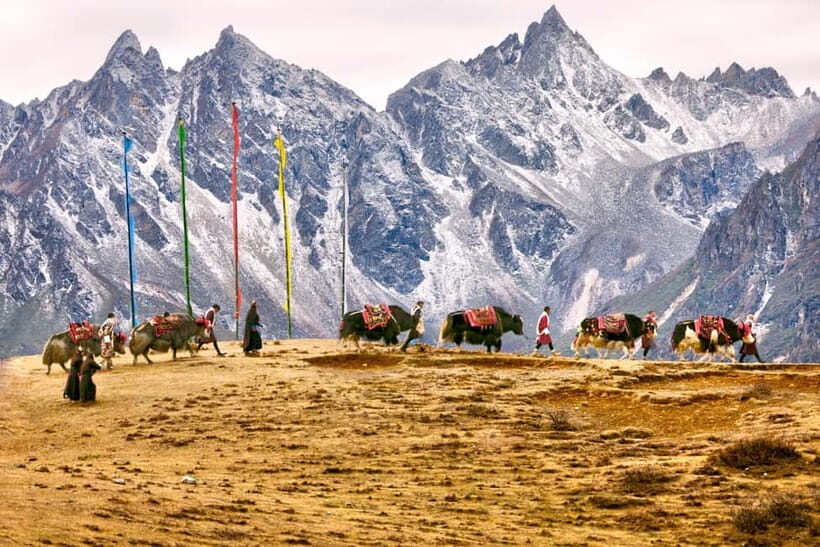
The trek is also a nice fit for “I want real Nepal” hikers, not just people collecting viewpoints. You’ll walk through charming villages and terraced fields, and you’ll see how local life sits right alongside trekking routes. That everyday rhythm is part of the value, because it turns the trek from sightseeing into actual travel.
You can also read our reviews of more hiking tours in Ghandruk
From Pokhara to Tikhedhunga: Modi Khola valley and first-day rhythm
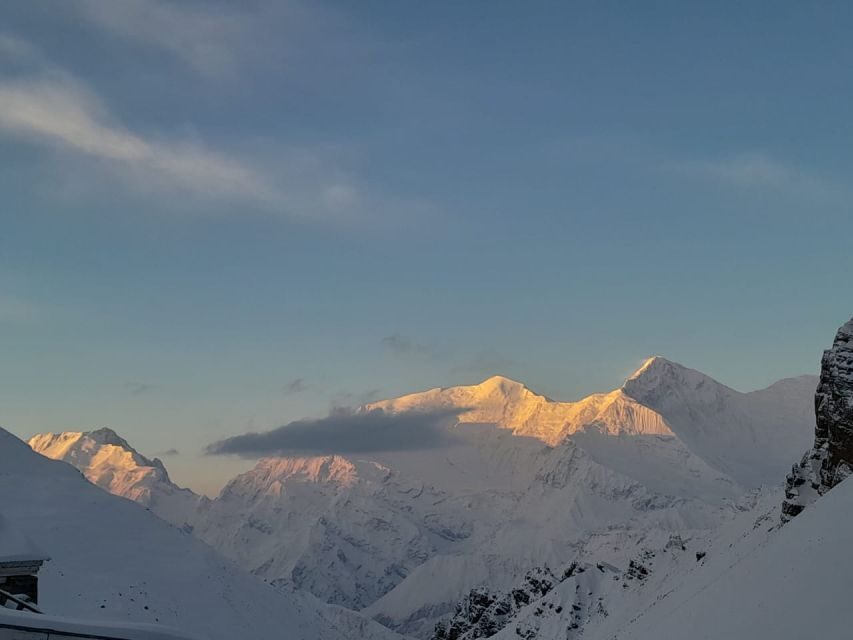
Most people begin the trek with a drive from Pokhara to Nayapul (about 1.5 hours). That transfer matters more than it sounds. It drops you directly into trekking country so you’re not burning a full day on logistics.
From Nayapul you follow the trail along the Modi Khola, passing small villages and terraced fields. The early walking has that “find your footing” quality—steady and scenic rather than technical. You’ll end at Tikhedhunga (about 1,577m), where the air is cooler and the views start feeling more Himalayan.
What you’ll want to watch on day one: energy management. Even when distances feel reasonable, day one is when your body decides whether it likes the schedule. The guest house night here gives you time to settle, hydrate, and get your pack organized for the next climb.
Ulleri steps and the rhododendron climb to Ghorepani
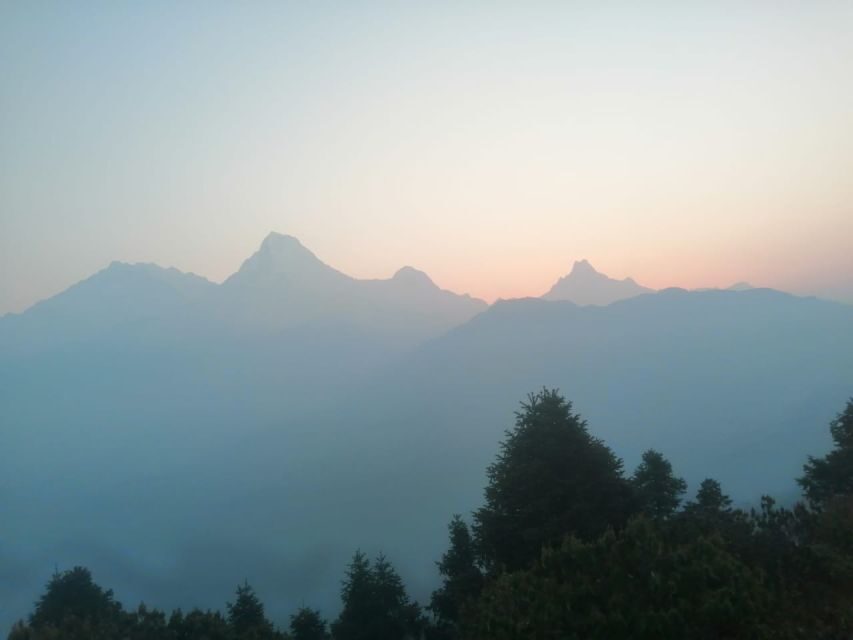
Day two leans into effort. You’ll ascend the steep stone steps at Ulleri, then keep trekking through villages and forest areas. This is where the trek earns its reputation for variety: you’re not just climbing; you’re moving through changing terrain and different types of scenery.
Rhododendron shows up during the climb, and you’ll also find sections that feel like a tunnel of color depending on season. The trail rises toward Ghorepani (around 2,874m), where you can enjoy wide views of the Annapurna and Dhaulagiri ranges.
Ghorepani is a key base for the next morning’s sunrise. I suggest treating your evening here like setup, not just dinner time. Keep your jacket ready, charge your phone or headlamp, and organize your layers so you can move quickly in the dark for Poon Hill.
Sunrise at Poon Hill: the early wake-up that pays off
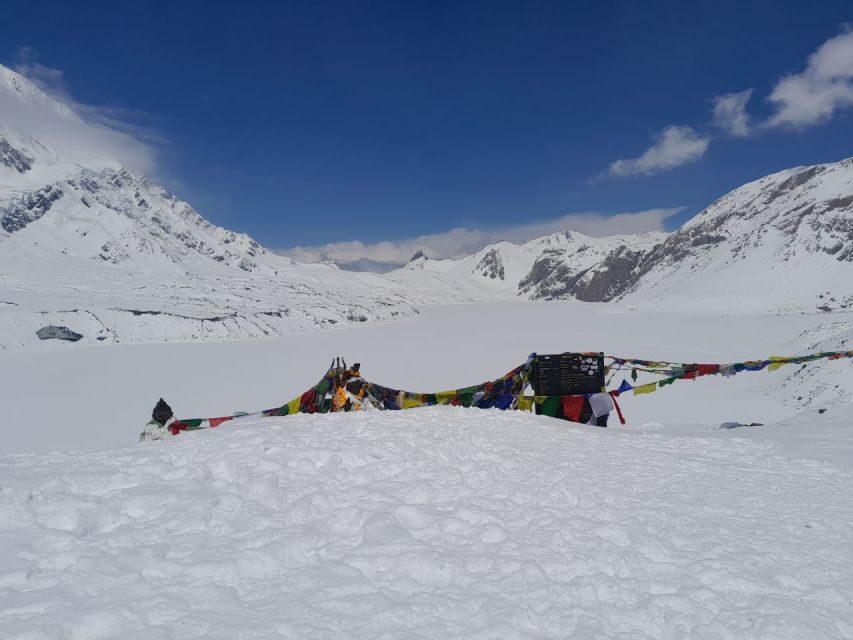
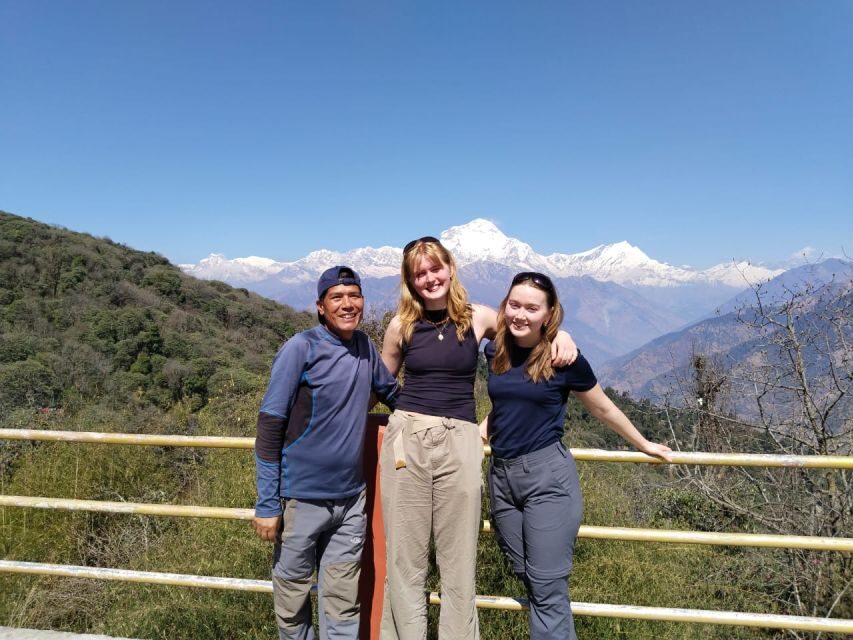
This is the signature moment. You’ll wake early and hike up to Poon Hill (about 3,210m) to see sunrise over the Annapurna peaks. If skies cooperate, the view feels almost unfair—mountains lined up with the light changing by the minute.
But here’s the practical part: a sunrise hike is short, yet it can be physically demanding because you’re climbing with cold fingers and faster breathing than you expected. Bring layers you can actually move in, and don’t fight your guide’s pace. One small win I’ve seen in groups like this is how guides push forward steadily without acting like a boot camp.
After the sunrise, you descend back to Ghorepani for breakfast, then continue onward. That combination—climb for the main event, eat, then keep trekking—makes the day feel full without being chaotic.
Chhomrong and Machhapuchhre views: Gurung village life on the way up
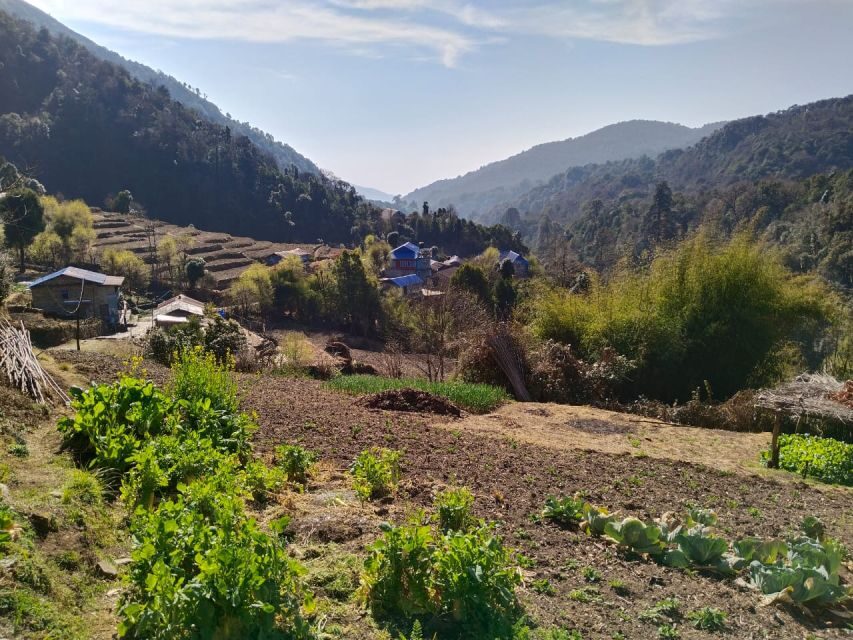
As the route continues, you start to feel the Annapurna region’s rhythm: climb, then descend, then climb again. From Tadapani you head toward Chhomrong (about 2,170m). The trail includes a gradual descent through lush forest, then crossing and climbing as the valley opens up.
Chhomrong is a large Gurung village. It’s one of those places where you’ll pause not just because you’re tired, but because the views make you look up without thinking. On clear days, you’ll get strong views of Annapurna South and Machhapuchhre (the famous Fishtail peak).
This stop is valuable because it’s both cultural and practical. You’re in a village with local trekking life around you, but it’s also a base point before the route drops into the river valley and starts working upward again.
If you’re someone who likes meeting the trail at a human pace, Chhomrong is a good moment to reset. I’d use the time to eat well, drink water regularly, and keep your pack light when you can.
Bamboo to Deurali: bamboo forests, Modi Khola valley, and thinner air
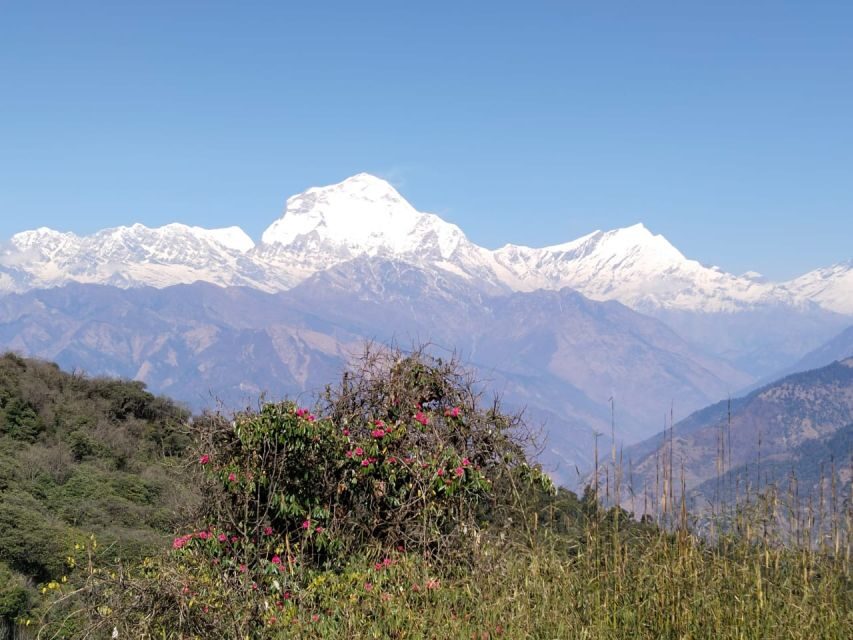
From Chhomrong you descend toward the Chhomrong Khola, cross a suspension bridge, then climb toward Sinuwa and continue through thick bamboo and rhododendron forests. You reach Bamboo (around 2,310m) for the night.
Bamboo sections can feel surprisingly soothing because the trail is shaded and the walking rhythm becomes repetitive in a good way. Still, bamboo routes can get slippery and muddy. Watch your footing and keep your steps quiet and controlled.
Then you continue from Bamboo toward Deurali (about 3,230m). On this section you’ll pass places like the Himalayan Hotel area and Hinku Cave before you ascend steadily. Deurali is another “this is getting real” altitude stop. You may feel it in your lungs and your energy, especially if you arrive tired from previous days.
One useful real-world detail from a previous trek experience: when someone had trouble with altitude, their guide adjusted the trek by extending it by three days so the hiking felt safer. That’s not a guarantee, but it tells you something important about how these treks can be run—your comfort and breathing matter, and a good guide won’t be blind to that.
Into the Annapurna Sanctuary and up to Base Camp
The route from Deurali to Annapurna Base Camp is the main payoff push. You’ll trek through a narrow valley that opens into the Annapurna Sanctuary, which is where the scenery becomes bigger and more enclosed at the same time.
You’ll pass Machhapuchhre Base Camp (around 3,700m) and then continue upward to Annapurna Base Camp (around 4,130m). Finally, you reach the area surrounded by towering peaks, including Annapurna I (8,091m).
This day is less about quick photo stops and more about steady effort. You’ll likely notice reduced exertion tolerance as altitude rises, so slow down even if you feel tempted to speed up. The goal is to keep your breathing steady and avoid arriving wrecked.
When you do reach Base Camp, the value is emotional as much as visual. The feeling isn’t just seeing tall mountains. It’s the sense of being in a high, dramatic bowl of peaks where the scale forces perspective.
Also, treat this as a night for recovery. Even if you feel fine, your body is still adjusting. Hydrate, eat what you can, and keep warm.
Base Camp to Jhinu Danda hot springs: recovery with a view
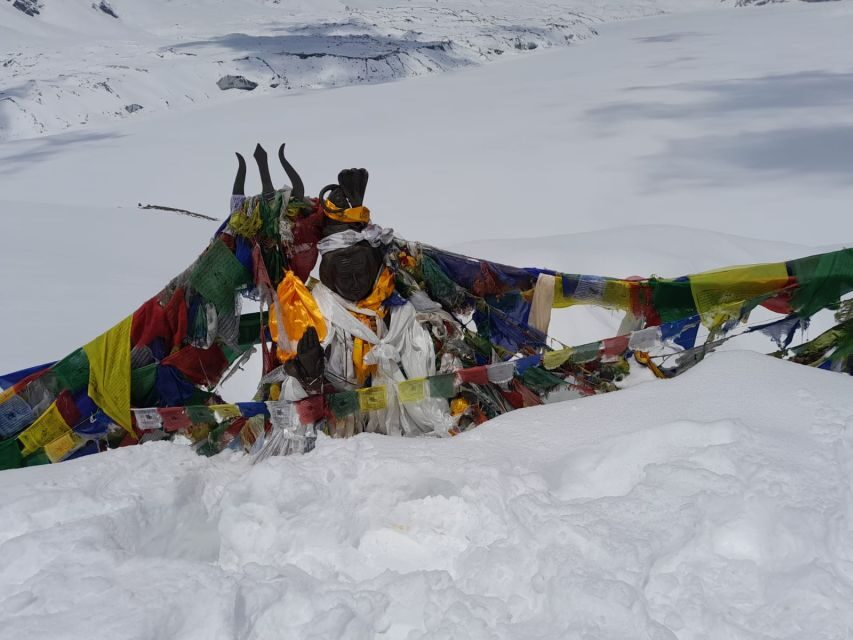
You’ll wake early again for sunrise views from the Base Camp area, then start the descent. It’s a smart design to have a second morning up high, because it gives you one more chance to enjoy the peaks without needing a separate day plan.
From there you descend back through Deurali and Bamboo, then continue downward toward Jhinu Danda (around 1,780m). You’ll reach Chhomrong for lunch on the way, then keep going through forests.
The highlight at the end isn’t a viewpoint. It’s the natural hot springs in Jhinu Danda. After days of uphill effort and downhill pounding, a soak helps your muscles calm down. I love hot springs here because it turns the last day into something you feel, not just something you walk through.
Guide, pace, and safety: what private really changes
This trek is a private tour with a professional guide who speaks English. That means the guide isn’t managing a group of mismatched hikers. In practical terms, it usually leads to smoother days: you get clearer guidance, better timing, and more flexibility when your body says it needs a slower pace.
From prior trekking experiences in this route style, guides like Biru are described as patient and well organized—helping with accommodation bookings and checking that everyone stays comfortable and safe. Others like Arjun have shown the ability to adjust the trekking plan when someone struggled with altitude, even extending the trek when needed. Bikram is another guide name tied to careful pacing and local knowledge.
You’ll also travel with an emergency first aid kit with your guide. And the trek includes permits and official documents, which you really want handled correctly in advance.
One more safety note: some people worry about trekking in Nepal due to news cycles. Your best approach is to follow local guidance and stay flexible. In at least one similar experience, demonstrations in Pokhara didn’t affect the trek route. That said, weather and mountain conditions are the main variable you should plan around every time.
Price and value: what $310 covers, and what you’ll pay anyway
The listed price is $310 per person for 10 days. On paper, that’s a budget-friendly way to get a private guide, permits, and transfers, compared with many Western-priced trekking packages.
Here’s where your money goes based on what’s included:
- Hotel pickup and drop-off in Pokhara
- Professional English-speaking trekking guide
- Trekking permit and official documents
- Private car transfer Pokhara to Nayapoul and back
- Guest house accommodations
- Emergency first aid kit
- Entrance at Poon Hill
- Private tour setup
What’s not included is also important for budgeting:
- Food and drinks (you buy them along the way)
- Travel insurance (and emergency rescue is handled by insurance, not the trek price)
- Gratitude for your guide (optional)
Altitude food can cost more as you go higher, especially once you’re around popular high villages. One practical budgeting tip from a similar trek: people often plan about 30–40 USD per day at higher attitudes if they want heater use, WiFi, battery charging, or hot shower. You can travel lighter and spend less, but you should expect extra costs up high.
For value, I’d compare what you get here to the cost of doing a trek solo without permits, without a guide, and without organized guest house booking. This price is mostly about reducing friction and risk.
Best season, weather, and altitude reality check
You can do this trek throughout the year, but the best odds for clear mountain views are spring (March to May) and autumn (September to November). Even then, weather in the mountains can change fast.
One real trekking experience in September included three rainy days with only a single sunny day. That didn’t stop the hike, but it changed the quality of the views. So if you’re scheduling based only on forecasts, you may still end up walking with clouds. The good news: the trail still offers village scenes, forests, and the Annapurna experience, even when the peaks hide.
Altitude is your other reality. The route rises to around 4,130m at Base Camp. That’s why pacing and hydration matter. This is also why the trek isn’t suitable for pregnant women or wheelchair users.
Also pay attention to what’s not allowed: plastic bottles. Bring a reusable bottle or plan to buy refillable options on the ground.
Should you book this Poon Hill + Annapurna Base Camp trek?
Yes—if you want a smart, 10-day route that covers both the sunrise classic and the real Sanctuary moment, this format is hard to beat. The mix of Poon Hill, Chhomrong, bamboo forests, and finally Annapurna Base Camp gives you variety without endless days. The private guide setup also tends to make the trek feel less stressful, especially if you’re a slow hiker or you care about comfort.
I’d think twice if you’re very weather-sensitive or you need guaranteed sunshine. Also, if you’re unsure about altitude tolerance, plan to be flexible with pace and ask your guide to adjust rather than forcing the schedule.
If you’re ready for steady effort, guest house nights, and a payoff that feels bigger than a postcard, book it.
FAQ
What’s the duration of the trek?
The trek lasts 10 days.
Where does the trek start and end?
It starts from Pokhara, goes from Pokhara to Nayapoul, and returns to Pokhara at the end.
Is the trek private or group-based?
It’s a private tour.
What’s included in the price?
The price includes hotel pickup and drop-off in Pokhara, a professional English-speaking trekking guide, trekking permits and official documents, private car transfers between Pokhara and Nayapoul, guest house accommodation, an emergency first aid kit with the guide, private tour service, and entrance at Poon Hill.
What’s not included?
Food and drinks are not included. Travel insurance is also not included, and emergency rescue is covered by your travel insurance.
What’s the best time of year to trek?
The best time is spring (March to May) and autumn (September to November), when weather is more stable and mountain views are clearer.
Are there restrictions on what I can bring?
Pets are not allowed, and plastic bottles are not allowed. You should also bring a passport or ID card, comfortable shoes, travel insurance, and a passport-sized photo.