REVIEW · KATHMANDU
Kathmandu: 2 Nights 3 Days Chisapani Nagarkot Trek
Book on Viator →Operated by Breakfree Adventures Pvt. Ltd. · Bookable on Viator
Himalaya views start before the first step. This hike packs big scenery into a short schedule, with a licensed private guide handling permits and transfers, plus planned photo stops around Nagarkot where Everest is often on the menu (when skies cooperate).
I especially like that the route is paced for real humans. You get a plan that includes uphill, stairs, and forest walking, but the guide can adjust to your rhythm, and even first-timers tend to feel comfortable.
The main drawback to plan around is visibility. If weather is cloudy, you may miss the clearest views of Everest and the wider mountain chain, even if the walking is still excellent.
In This Review
- Key things that make this trek worth your time
- Why the Sundarijal–Nagarkot–Changu Narayan Route Works
- Day 1: Sundarijal Water Falls and a National Park Start
- Day 1 Finish: Chisapani Lodge Time (and Why It Matters)
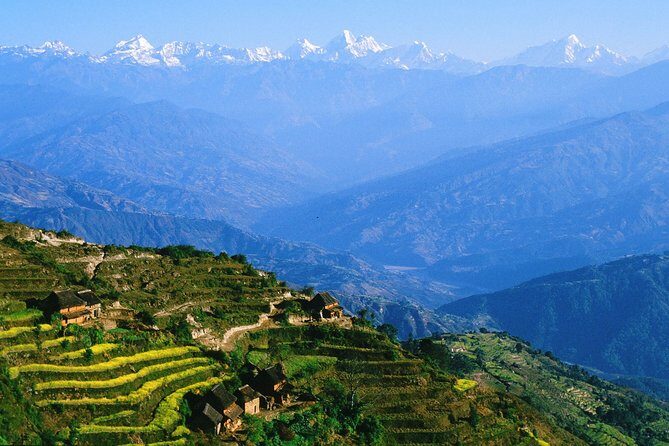
- Day 2: Forest Walking, Village Terraces, and the Nagarkot Payoff
- Day 2 Finish: Nagarkot Night and the Build-Up to Sunrise
- Day 3: Changu Narayan UNESCO Temple and the Sunrise Plan
- Day 3 Ending: Private Vehicle Back to Kathmandu
- Price and Value: What $190 Covers, and What It Doesn’t
- Pace, Stairs, and Who Will Enjoy This Most
- Everest Views: How to Set Your Expectations
- Lodging in Chisapani and Nagarkot: Attached Bathrooms Are a Big Deal
- Extras to Budget For (So You Don’t Get Surprised)
- Should You Book This Trek?
- FAQ
- What are the trek dates and duration?
- Where does the trek start and what’s the end point?
- Is hotel pick-up and drop-off included?
- What accommodation do you get during the trek?
- Are meals like lunch and dinner included?
- Do you provide a porter?
- Are permits included?
- Are temple entry tickets included for Changu Narayan?
- What happens if the weather is bad?
- What is the cancellation window?
Key things that make this trek worth your time
- Private guide + permits handled so you spend energy on the trail, not paperwork
- Sundarijal start near Shivapuri National Park with a natural, local feel right from day one
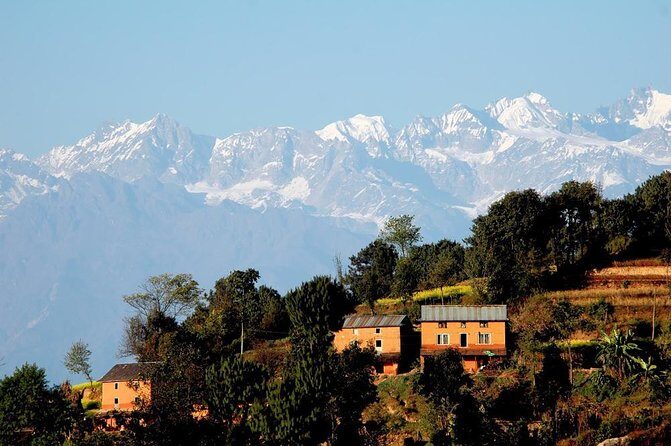
- Nagarkot for sunset and sunrise style views plus a dedicated viewpoint tower stop
- Chisapani and Nagarkot lodge stays with attached bathrooms after active days
- A doable challenge for beginners with stair climbing that you can manage at your pace
Why the Sundarijal–Nagarkot–Changu Narayan Route Works
This trek hits a sweet spot: short enough for limited time, but still long enough to feel like you left the city. Starting near Sundarijal also means you get out of Kathmandu fast, then ease into the trail with a steady rhythm.
What I like most is the structure. You’re not left guessing where to go or what to do next. A highly experienced licensed guide and arranged lodge stays make the trip feel confident—especially if you’re new to Nepal trekking.
Another strong point is that you can chase Himalayan views without the hard grind of high-altitude trekking. The itinerary is designed around panoramic viewpoints and a manageable walking day flow, rather than extreme elevation or technical routes.
You can also read our reviews of more hiking tours in Kathmandu


Day 1: Sundarijal Water Falls and a National Park Start
Day one begins with a hotel pick-up in Kathmandu, then a roughly 1-hour drive to Sundarijal, the trek start point. From there, the walking starts uphill alongside a big water pipe coming down from the Sundarijal reservoir. It’s a simple way to understand the geography quickly: water supplies the city, and you’re stepping into the same hillside system.
You’ll also pass through the Shivapuri National Park area, which sits closer to Kathmandu than many trekkers expect. That’s where you often get a little extra payoff from the forest sections—more than just a path, you’re in a living landscape with diverse flora and fauna (and yes, the sounds of birds and insects become part of your soundtrack).
A quick stop at Sundarijal Water Falls gives you a clean, easy break early on. It’s only about 10 minutes, but it sets the tone: this trek isn’t just about end-of-trail views. It also rewards you for moving at a human pace.
Practical tip: bring water and something light for snacks on the uphill stretches. Even when the walk isn’t long, early-day climbs can warm you up fast.
Day 1 Finish: Chisapani Lodge Time (and Why It Matters)
Your first night is in Chisapani, with breakfast included and lodging that comes with an attached bathroom. That’s not a minor detail. In mountain villages, comfort can mean the difference between a good night’s sleep and a tired, grumpy start.
The trekking focus here is on comfort-with-consequences. You’ll walk enough to feel like you earned the view time, but you’re not sacrificing basics. That’s why this route suits people who want Nepal trekking without turning the trip into a survival test.
If you tend to get cold at night, pack a warm layer for the lodge. Even with a short trek, evenings can cool down quickly once the sun drops behind the hills.
Day 2: Forest Walking, Village Terraces, and the Nagarkot Payoff
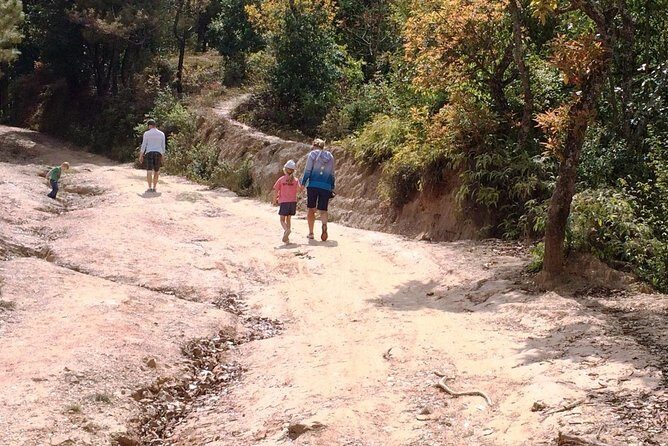
After breakfast, day two starts with ascent through a lush forest, then transitions into descents toward Jhule and Chauki Bhanjyang. The best part of this segment is the variety. You’re not doing one long grind—you’re switching between uphill effort and easier down sections.
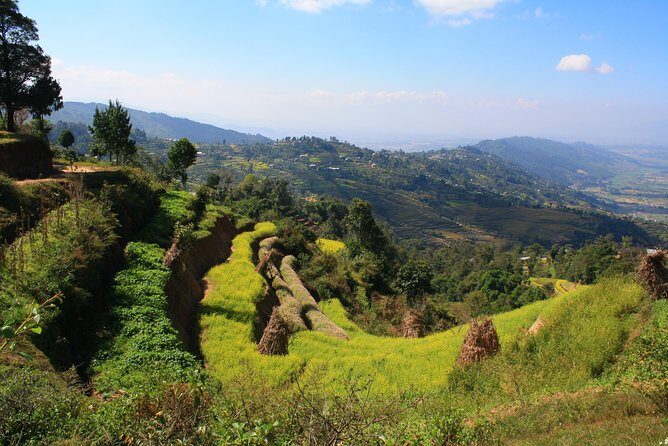
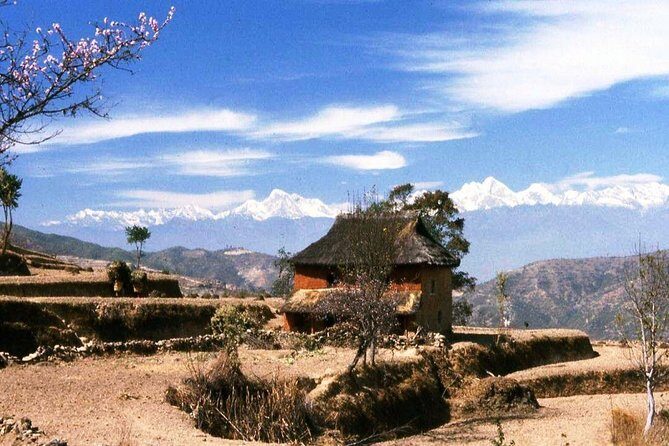
From there, the trail crosses villages and terraced fields, which adds a more lived-in feel. In Nepal, those terraces tell you how people farm the slopes. It’s a reminder that you’re walking through an actual working region, not just a scenic backdrop.
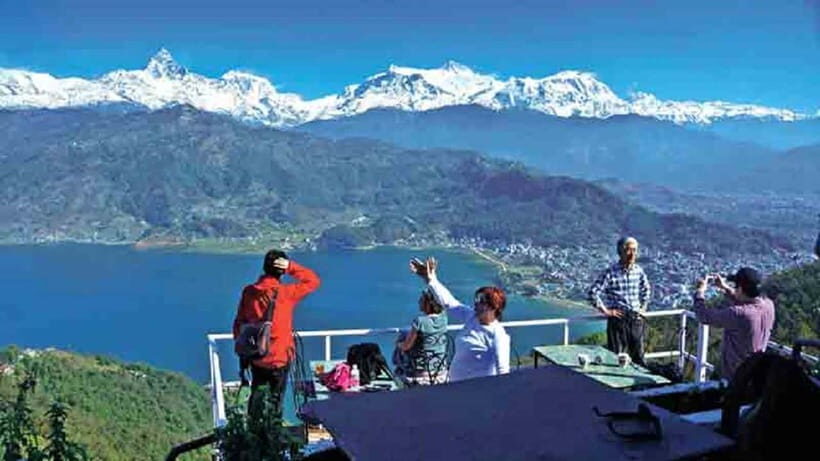
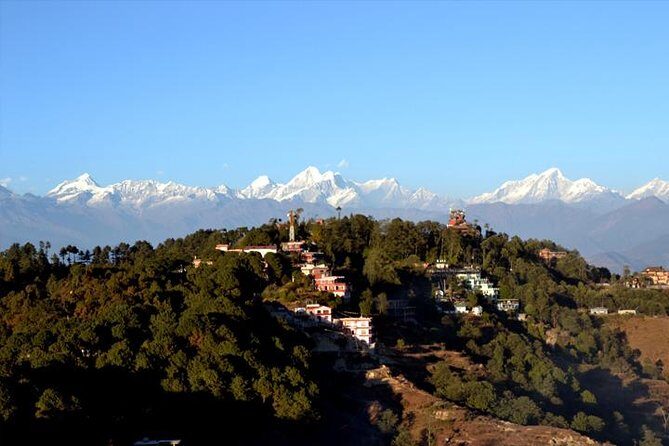
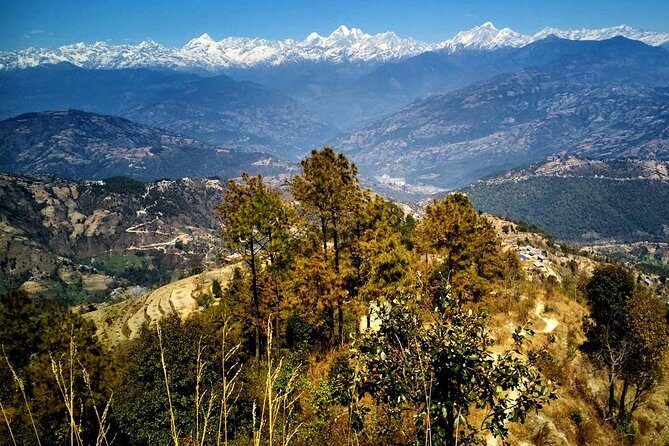
The itinerary then leads you into Nagarkot, the famous Himalayan viewpoint area. Nagarkot is the day-two anchor, and it’s where you’ll start aiming your camera toward the biggest names—Everest, Kanchenjunga, Annapurna, and more, if the weather allows.
You also get structured viewpoint time:
- A stop at Nagarkot Viewpoint (included, free entry)
- A stop at Nagarkot View Tower (about 30 minutes, free)
This is useful because it stops you from wandering around without a plan. You get designated spots for lingering, standing still, and waiting for the light to shift.
Reality check: the mountains can hide behind haze. One of the key lessons from people who’ve done this route is simple—on some days, Everest visibility is tough even if everything else is going well. If that happens, don’t treat the day as a loss. Clear skies aren’t guaranteed on any Himalayan viewpoint route.
Day 2 Finish: Nagarkot Night and the Build-Up to Sunrise
Your second-night lodge is in Nagarkot, again with breakfast included and attached bathroom accommodations. This sets up the best part of Nagarkot: early morning viewing time.
I recommend thinking of day two as the setup day. You’re arriving before the big morning, getting your bearings, and letting the evening air do its job. When you sleep near the viewpoints, you don’t have to rush from Kathmandu and you can keep the schedule calm.
A few more Kathmandu tours and experiences worth a look

Day 3: Changu Narayan UNESCO Temple and the Sunrise Plan
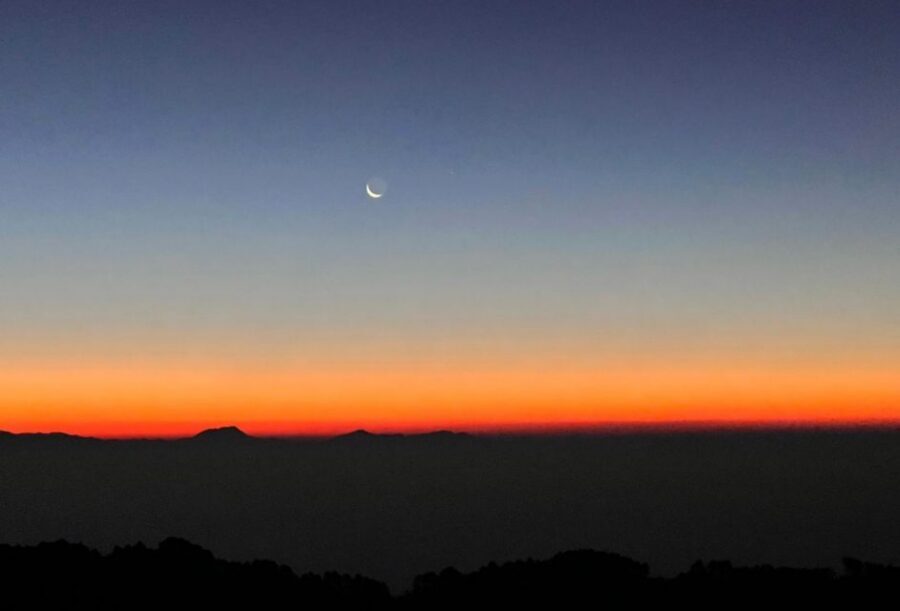
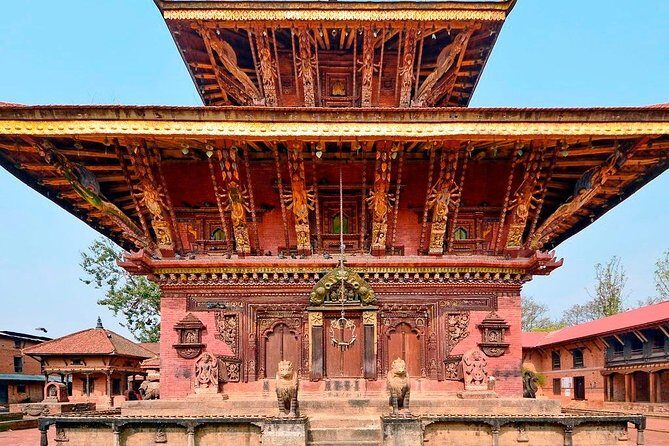
Day three begins early: wake up for a sunrise observation over the Himalayas. Then you eat breakfast and hike up to Changu Narayan Temple.
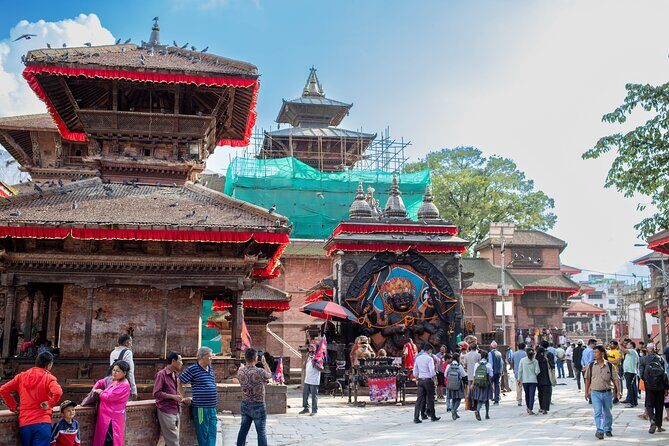
Changu Narayan is a UNESCO World Heritage Site, and it’s one of the best ways to end this trek because it adds culture to the mountain story. Instead of finishing at another lookout, you finish at a place that has spiritual meaning and historical weight.
The day’s hiking includes descending via Teltok (Telkot) afterward. Along the way, you may get bird’s-eye views over Bhaktapur—a nice bonus that turns the final descent into more than just getting down.
Important detail: temple entry costs can apply. In the itinerary, Changu Narayan admission is noted as not included for at least one temple-related stop. So if you’re budgeting, assume you might pay something on-site for temple entry depending on which areas you’re visiting.
Day 3 Ending: Private Vehicle Back to Kathmandu
After finishing at Changu Narayan, you’re transported back to Kathmandu by private vehicle. This is where the “value” of a guided package shows up.
A do-it-yourself version often means more logistics, more uncertainty, and a bigger chance that transport won’t line up cleanly. Here, the guide coordinates the end-of-trek transfer, so you get to Kathmandu with less stress and more time for a normal meal and shower.
Price and Value: What $190 Covers, and What It Doesn’t
At $190 per person, this trek is priced in a way that makes sense if you value time and clean logistics.
Included:
- Hotel pickup and drop-off in Kathmandu
- Private transport to Sundarijal and from Changu Narayan back to Kathmandu
- Chisapani lodge + Nagarkot lodge, with breakfast
- Attached bathrooms at both stays
- Hiking + national park permit
- Licensed guide and taxes
- Mobile ticket
Not included:
- Lunch and dinner, plus drinks
- Tips for driver and trekking staff
- A porter (only if you choose to add one)
So what are you really paying for? You’re paying for the setup: permits, route management, a guide who can adjust pace, and a couple of comfortable lodge nights after walking. If you’ve ever tried to coordinate permits, transport, and lodging independently in a region like this, you’ll understand why that adds value fast.
If you want the simplest, least stressful version of this trek, this package is a good fit.
Pace, Stairs, and Who Will Enjoy This Most
The walk is described as challenging at times, but still feasible for people with moderate physical fitness. In practice, that usually means you should expect uphill sections and stair climbing, especially in rural Nepal where paths switchbacks and steps are common.
Here’s the best part: the guide can help you match your pace. One of the most praised aspects of this trek is exactly that—support that lets you walk at a comfortable speed rather than rushing to keep up with a group.
Who this suits:
- People who want a beginner-friendly trek with structure
- Anyone who wants big viewpoints without a multi-week commitment
- Travelers who prefer guided pacing and included lodge comfort
Who might want a different plan:
- People chasing guaranteed Everest visibility every day
- Anyone who hates early mornings (sunrise day is part of the deal)
- Travelers who want a lot of long, flat walking (this route includes climbs and stairs)
Everest Views: How to Set Your Expectations
Nagarkot is the viewpoint star here, and it’s known for seeing major peaks on a clear day. The itinerary also explicitly sets up the day with sunrise viewing, which is when the Himalaya can look their sharpest.
But do yourself a favor and plan with a weather-first mindset. If fog or cloud sits in the valley, you may not get the full view you hoped for. That doesn’t mean the trek failed—it means the mountains are doing what they do.
To improve your odds:
- Go to viewpoint times as scheduled (don’t sleep in)
- Keep your camera ready but don’t fixate on one peak
- Enjoy the broader scene too: terraces, forests, villages, and light changes often still deliver big rewards even when Everest is faint
Lodging in Chisapani and Nagarkot: Attached Bathrooms Are a Big Deal
Two nights are included: one in Chisapani, one in Nagarkot. Both include breakfast and attached bathrooms.
That matters more than you might think. After a couple of trekking days, comfort turns into energy. It also makes it easier to pack light—you don’t need to bring extra gear to manage basic hygiene.
If you’re sensitive to sleep disruptions, take advantage of the lodge setup and settle in early. You’ve got an early start on day three, and a full night of rest makes the sunrise part much more enjoyable.
Extras to Budget For (So You Don’t Get Surprised)
Because lunch and dinner aren’t included, you’ll want a simple daily budget for food and drinks. Nepal lodge meals are usually available, but prices and what you get can vary by day and location.
Tips are also not included. If you’re unsure of the amount, plan to ask your guide at the start of the trek. They can guide you on what makes sense for the trekking staff and driver.
If you think you might benefit from easier walking, consider a porter. The itinerary says porters can be arranged for an extra cost, so you can decide based on your comfort level.
Should You Book This Trek?
Book it if you want:
- A short 3-day trekking experience with real viewpoint time
- Clear logistics: guide, permits, transfers, and lodge stays handled
- A route that can work for beginners, as long as you’re ready for stairs and some uphill
Skip it (or choose a different option) if:
- You can’t handle early mornings for sunrise
- You need guaranteed mountain visibility every day
- You’re trying to keep costs ultra-low and plan to self-organize every element
The big takeaway: this trek is a smart choice when you want Nepal trekking to feel doable, guided, and scenic—without the extra chaos that can come with DIY planning.
FAQ
What are the trek dates and duration?
This experience runs for 3 days (about 2 nights and 3 days), with walking and viewpoint time across the Sundarijal–Nagarkot–Changu Narayan route.
Where does the trek start and what’s the end point?
You meet at your Kathmandu hotel and drive to Sundarijal to start. The trek ends at Changu Narayan, from where you return to Kathmandu by private vehicle.
Is hotel pick-up and drop-off included?
Yes. Hotel pick up and drop off in Kathmandu are included, plus private transportation to and from the trek points.
What accommodation do you get during the trek?
You stay in Chisapani for one night and Nagarkot for one night. Both lodges include breakfast and attached bathrooms.
Are meals like lunch and dinner included?
No. Lunch and dinner are not included, and neither are drinks & meals during the trek days.
Do you provide a porter?
A trekking porter is not included, but a porter can be arranged for an extra cost if you need one.
Are permits included?
Yes. The tour includes hiking and national park permits, plus all necessary taxes.
Are temple entry tickets included for Changu Narayan?
The itinerary notes that some Changu Narayan temple admission is not included, so you may need to pay entry fees on site depending on which parts you visit.
What happens if the weather is bad?
The experience requires good weather. If it’s canceled due to poor weather, you’ll be offered a different date or a full refund.
What is the cancellation window?
You can cancel for a full refund up to 24 hours before the experience’s start time. Less than 24 hours before start time is not refunded.