REVIEW · KATHMANDU
3-Day All Inclusive Chitwan Jungle Safari Tour From Kathmandu
Book on Viator →Operated by Himalayan Recreation Treks & Expedition Pvt.Ltd · Bookable on Viator
Rhinos and crocs, in one steady plan. This Chitwan package strings together canoe cruising, jungle walking, and a jeep safari so your wildlife chances aren’t stuck on just one track. I also like that Tharu culture is part of the rhythm, not an afterthought.
You’ll get a helpful mix of included items that matter in real life: national park fees, a professional guide, and pickup and drop-off around Chitwan and Kathmandu. Small-group pacing (up to 10) also helps the day feel organized, not chaotic.
One drawback to weigh up: the big “animal time” clusters on Day 2, and Day 3 is more of a final-morning push before you head onward. If you want two full sunrise-to-sunset safari days, this schedule may feel slightly front-loaded.
In This Review
- Key Things That Make This Chitwan Safari Work
- Chitwan In A Tight 3 Days: The Smart Shape Of This Plan
- Kathmandu Pickups And The Ride To Sauraha: Why Logistics Matter
- Day 2 In Chitwan: Canoe, Croc Chances, Jungle Walk, Then The Jeep
- Riverside Canoe Ride (40–45 minutes): Crocodiles Up Close
- Jungle Walk (about 1.5–2 hours): Slower, Track-Focused Wildlife
- Lunch, Rest, Then Jeep Safari: Cover More Ground
- Tharu Culture In The Evening: More Than A Dance Ticket
- Day 3 Morning: Your Final Rhino-Bird Window
- Price And Value: Does $250 Cover What You’ll Actually Want?
- The Hotel Piece: What 3-Star Means On A Safari Schedule
- Who This Safari Is For (And Who Might Want A Different Fit)
- Should You Book This 3-Day Chitwan Safari From Kathmandu?
- FAQ
- What time does the tour start?
- How big is the group?
- What’s included in the price?
- What animals are the tour aiming to spot?
- Is transport included from Kathmandu to Chitwan?
- What’s the cancellation policy?
Key Things That Make This Chitwan Safari Work
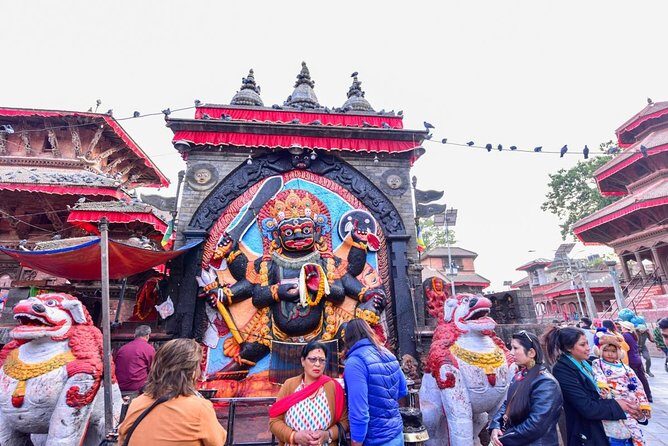
- 40–45 minute canoe ride from the riverside area, timed for chances at Marsh Mugger and fish-eating gharial
- Jungle walk of about 1.5–2 hours, a different lens than vehicles when you’re hunting for movement
- Jeep safari after lunch, with a shot at one-horned rhinos plus sambar deer and bird sightings like Wood Sandpiper
- Tharu cultural dance built into the day, plus a museum/village-style look at local life
- National park fees and most activities covered, so you’re not hunting for add-ons mid-trip
- Hotel included for 2 nights (3-star class), making this a true package trip rather than a DIY scramble
Chitwan In A Tight 3 Days: The Smart Shape Of This Plan
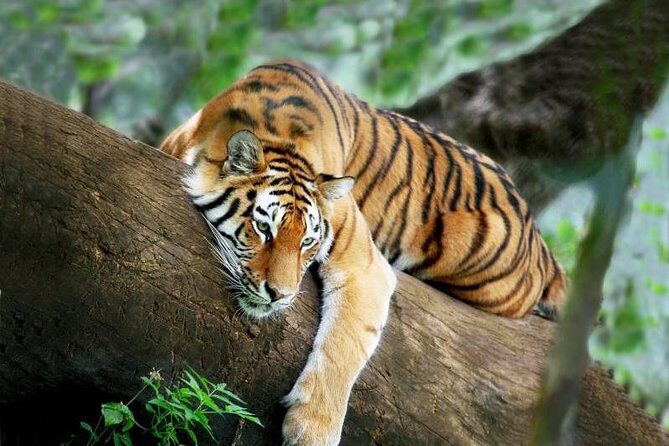
Chitwan National Park is one of Nepal’s best places for wildlife viewing, but it’s also the kind of place where “speed-running” doesn’t help. What helps is repetition—different methods, different times, and enough time on the ground to notice tracks, calls, and movement.
This tour does that by stacking experiences that complement each other. You start with a boat/canoe segment that keeps you on water, where crocodiles can look calm until they aren’t. Then you switch to a jungle walk, which slows everything down and turns your senses up. After lunch, you go back to the classic jeep safari, which covers more ground and can help you reach wildlife zones faster.
It’s also practical that most of your costs are baked in. When national park fees and guided activities are included, you spend less time negotiating tickets and more time watching the bush. And because this is capped at 10 people, the guide can actually manage pacing without herding you.
A few more Kathmandu tours and experiences worth a look
Kathmandu Pickups And The Ride To Sauraha: Why Logistics Matter
The tour runs from Kathmandu and covers the transport to the Chitwan area using a tourist bus route (with hotel pickup/drop-off in Chitwan and pickup in Kathmandu). You start at 7:00 am, which is early enough to feel like a day-trip sprint, but not so early that you’re still half-asleep when you want to start seeing things.
This matters because Chitwan is a destination where momentum helps. When you lose hours at the start, you’re paying for it later with a shorter safari window. The included transfer also helps you avoid the most common beginner headache: figuring out how to get from Kathmandu to the Sauraha/Chitwan area and then aligning that with ranger-guided timings.
Practical tip: because one earlier booking reported a mix-up about where they were staying, I recommend you confirm the exact hotel name and where the pickup happens in Chitwan before you arrive. It’s the simplest way to prevent the only kind of “surprise” that can really sour a safari trip.
Day 2 In Chitwan: Canoe, Croc Chances, Jungle Walk, Then The Jeep
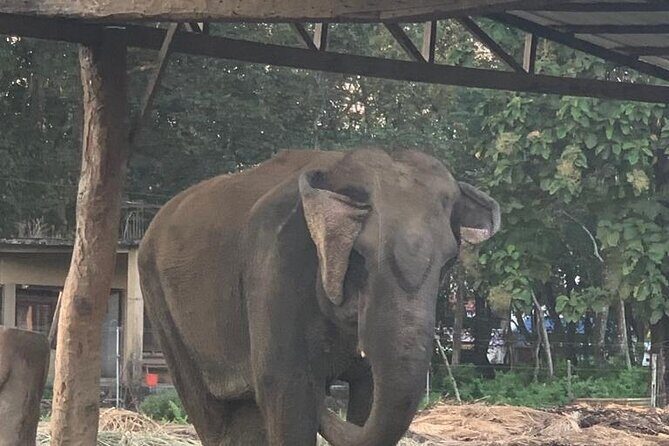
Day 2 is the backbone of the whole trip. You’ll get a wake-up call, breakfast, then drive to the Riverside area for the first wildlife-focused activity.
Riverside Canoe Ride (40–45 minutes): Crocodiles Up Close
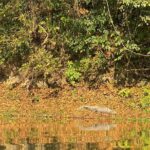
You’ll do a 40–45 minute canoe ride, and the goal is very specific: see two rare crocodile species, including the Marsh Mugger and the fish-eating gharial. Even if spotting is slow, the water-based approach changes what you notice. You’re not scanning a far-off hillside the whole time—you’re moving through a corridor where reptiles can surface, float, or slip away just before you can point.
What I like about this part is how it sets expectations. This isn’t a vague wildlife cruise. The tour clearly aims at crocodiles, which makes the experience feel purposeful instead of random.
Jungle Walk (about 1.5–2 hours): Slower, Track-Focused Wildlife
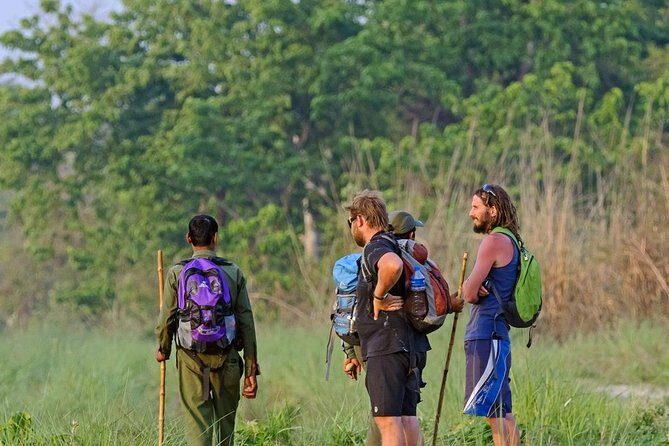
Next comes the jungle walk for 1.30 to 2 hours. This is where you slow down enough to understand the habitat. You’ll get time to notice movement patterns that you miss from a jeep window: tracks in muddy edges, bird calls you can’t locate from a distance, and the general “quiet theater” of a forest that’s busy even when nothing looks dramatic.
The drawback: you’ll have less chance to cover huge distances on foot. That’s exactly why this walk pairs well with the later jeep safari—it’s not the only method. It’s one piece of the puzzle.
A few more Kathmandu tours and experiences worth a look
Lunch, Rest, Then Jeep Safari: Cover More Ground
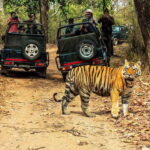
After the walk, you return for lunch and a rest. Then you head out for the jeep safari, which gives you range and a better shot at larger animals.
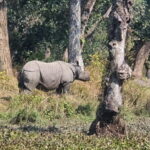
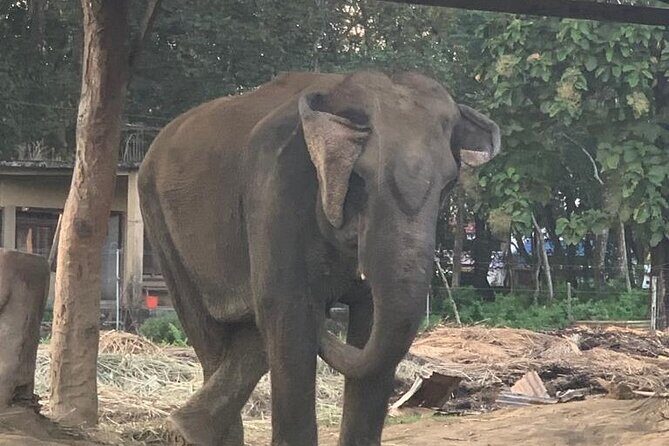
This is the window for classic Chitwan targets: one-horned rhinoceros, sambar deer, and some bird life, including Wood Sandpiper and wild pheasant. The tour also specifically builds in a riverbank mood with a sunset view from the Rapti River, so you’re not rushing from one activity to the next without a mental break.
If you’re the type who gets anxious when safari days feel rushed, this structure helps. You get morning effort, a mid-day reset, then an afternoon push.
Tharu Culture In The Evening: More Than A Dance Ticket
After your safari block, you’ll freshen up and move into Tharu cultural dance. The tour package also highlights learning about Tharu people at a museum and through village time, plus a show.
Even if the cultural portion doesn’t feel like your main reason for booking, it’s worth showing up with an open mind. The Tharu communities are closely tied to the region around Chitwan, and the performance and village context help you see that wildlife viewing isn’t the only story happening here. You’ll be in Nepal’s human landscape as well—not just the animal one.
Practical expectation: cultural programs can vary in pace and emphasis depending on the day. What’s consistent here is that you’re not only going into the park and leaving. You get at least one evening built around local life.
Day 3 Morning: Your Final Rhino-Bird Window
Day 3 starts early again with a wake-up call and breakfast. Then you depart for your onward journey, so your final wildlife time is shorter than Day 2.
That’s not a flaw—it’s a reality of how three-day packages are designed. You need time for the transfer back, and Chitwan works best when you’re not trying to do everything at once. If your top target is one-horned rhino sightings, treat Day 3 as your last chance to add one more encounter to the day’s total odds, not as the only day to hunt.
Keep your camera ready, but also keep your energy steady. On short final days, the best approach is to enjoy the moment and not let the clock force you into stress-scanning.
Price And Value: Does $250 Cover What You’ll Actually Want?
At $250 per person for a 3-day all-inclusive style safari, the value comes from what’s included—not just the sticker number.
You’re paying for:
- 2 nights of 3-star accommodation
- National park fees
- A professional guide
- Multiple safari formats (canoe, jungle walk, jeep safari)
- Most meals: lunch plus breakfast (2) and dinner (2)
- Hotel pickup/drop-off in Chitwan and pickup in Kathmandu
- Round transfer by tourist bus between Kathmandu and the Sauraha/Chitwan area
Here’s the key point: in Nepal, wildlife trips can get expensive fast once you start piecing together park permits, guiding, and transport day-by-day. This package reduces that stress. You’re not guessing what will cost extra once you arrive.
What’s not included: alcoholic drinks, and food and drinks unless specified. So if you like to budget tightly, plan for water/snacks the way you normally would, and treat alcohol as an optional add-on.
One more value signal: this tour has been commonly booked around 70 days in advance, which often means people feel comfortable planning ahead for Chitwan’s limited setup windows and guide scheduling.
The Hotel Piece: What 3-Star Means On A Safari Schedule
You get 2 nights at a 3-star hotel, and you’ll have time to freshen up after the safari days. One detail from a high-rating experience is that the stay was described as comfortable, with amenities and delicious food—including a specific mention of Seven Star Hotel.
I’d still advise you to confirm the exact property for your departure date. A prior account also flagged confusion about accommodation details, and that’s exactly the kind of administrative hiccup you can prevent with one confirmation message.
Expect the hotel to do what you need between safari blocks: a place to sleep, shower, and recharge. If you go in with that expectation, you’ll get what matters.
Who This Safari Is For (And Who Might Want A Different Fit)
This is a strong choice if you:
- Want a guided, organized wildlife trip rather than DIY planning
- Like the idea of mixing safari methods (water + on-foot + jeep)
- Prefer a small group capped at 10 people
- Appreciate a cultural add-on, not just park viewing
This may not be ideal if you:
- Want a totally self-directed schedule with no set timings
- Are the type who expects a very high-end, white-glove setup for every detail (one low-rating note focused on a mismatch in expectations tied to where the stay was supposed to be)
In other words, this is built for solid value and clear structure. It’s not trying to sell you luxury; it’s trying to get you into Chitwan with the right guidance and the right rhythm.
Should You Book This 3-Day Chitwan Safari From Kathmandu?
I’d book it if your goal is simple: maximize your chances in Chitwan without spending days figuring out permits, transport, and timing. The combination of canoe for croc odds, a jungle walk for up-close habitat time, and a jeep safari for larger-animal searches is a smart way to use only three days.
The only reason to hesitate is if you’re sensitive to minor planning mismatches. If you do book, send a message to confirm the hotel name and the pickup point clearly. Once that’s settled, this is exactly the kind of tour that turns a short window into a real Chitwan experience—rhinos, crocs, birds, river sunsets, and Tharu culture in one package.
FAQ
What time does the tour start?
The start time is listed as 7:00 am.
How big is the group?
The tour has a maximum of 10 travelers per booking.
What’s included in the price?
National park fees, a professional guide, 2 nights in 3-star hotel, lunch, breakfast (2), and dinner (2), plus all listed activities (canoe ride, jungle walk, jeep safari, and the Tharu cultural program). Pickup/drop-off in Chitwan and pickup in Kathmandu are included, along with bus transfer between Kathmandu and the Chitwan/Sauraha area.
What animals are the tour aiming to spot?
The program specifically references chances to see one-horned rhinoceros, sambar deer, Wood Sandpiper, wild pheasant, and crocodiles including Marsh Mugger and fish-eating gharial.
Is transport included from Kathmandu to Chitwan?
Yes. The tour includes Kathmandu to Sauraha/Chitwan and back by tourist bus, plus hotel pickup/drop-off in Chitwan and pickup in Kathmandu. Private car or flight can be arranged for an extra cost.
What’s the cancellation policy?
You can cancel for a full refund up to 24 hours before the experience start time. If you cancel within 24 hours, the amount paid isn’t refunded.