REVIEW · KATHMANDU
Chisapani – Nagarkot Trek Nepal – 3 Days
Book on Viator →Operated by Alpine Club of Himalaya · Bookable on Viator
A quiet climb, then big-mountain moments. This Chisapani to Nagarkot trek works because it layers forest hiking with classic viewpoint rewards, and you’re not stuck planning permits, food, or logistics. I like how the guide handles the hard stuff, from the Shivapuri Nagarjun National Park paperwork to arranging teahouse stays. I also like that you get two Kathmandu dinners, so the trip feels like more than just walking.
One thing to keep in mind: the best views depend on weather. Nagarkot is a clear-day target, so if clouds roll in, the scenery shifts from wow to still-scenic. Also, you will hike a few hours each day even though this is rated for most travelers, so bring trekking shoes and accept that it is active travel.
In This Review
- Key things I’d budget for before you go
- Chisapani to Nagarkot: Why this 3-day trek feels like the right Nepal bite
- Price and logistics: what you’re really paying for (and what you’re not)
- Day 1: Sundarijal to Chisapani in Shivapuri National Park (forest walking + peak views)
- Day 2: Chauki Bhanjag lunch views, then the descent to Nagarkot
- Day 3: Nagarkot to Changu Narayan (temples + a ridge walk finish)
- Teahouse and lodge nights: comfort choices you’ll actually feel
- Kathmandu welcome and farewell dinners: why the city part is more than waiting
- Weather and the Nagarkot view factor: plan for clouds, not miracles
- Who this trek suits best (and who might want a different option)
- Should you book the Chisapani to Nagarkot trek?
- FAQ
- How long is the trek and what are the walking days like?
- What’s included in the $425 per person price?
- Is travel insurance included?
- What accommodation can I expect during the trek?
- Are national park entrance fees and permits covered?
- What is the cancellation policy?
Key things I’d budget for before you go
- Gear is included: down jacket and a 4-season sleeping bag are provided for the trek nights.
- Permit and fees are handled: entry fee and permit for Shivapuri Nagarjun National Park are included.
- You get Kathmandu food built in: welcome and farewell dinners plus multiple included meals.
- Daily walking time adds up: think roughly 4.5 hours on Day 1, 2.5 hours up plus 3 hours down on Day 2, and 3.5 hours on Day 3.
- Teahouse lodging is part of the deal: two nights in teahouses or lodges after one Kathmandu hotel night.
Chisapani to Nagarkot: Why this 3-day trek feels like the right Nepal bite
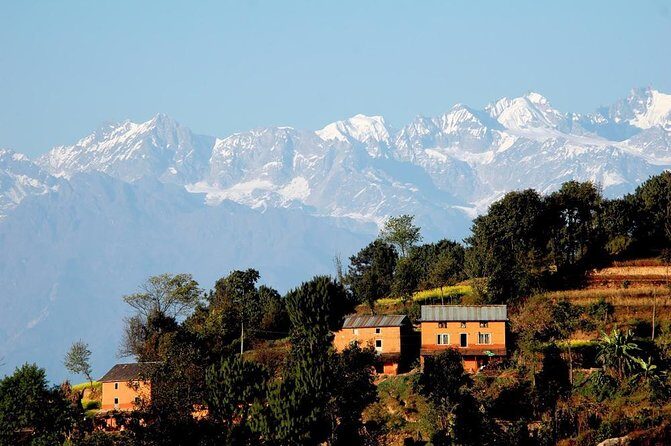
If you’re short on time but you still want the real Nepal rhythm, this route hits a nice balance. You start with a trek into the Shivapuri National Park zone from the Sundarijal area, then you end at Nagarkot, a well-known viewpoint. Between those, you pass through places that feel lived-in—ridges, small settlements, and lunch stops where you can pause and actually look around.
What makes it work especially well as a 3-day format is pacing. Day 1 is a longer push (about 4.5 hours), then Day 2 mixes a climb to a lunch viewpoint with an afternoon descent. Day 3 moves you along a ridge to Changu Narayan Temple, which anchors the trek with a cultural stop, not just a finish line.
You can also read our reviews of more hiking tours in Kathmandu


Price and logistics: what you’re really paying for (and what you’re not)
At $425 per person, this isn’t a bare-minimum budget trek. But it also isn’t just paying for a guide to walk beside you. You’re paying for a lot of “time-saving, headache-saving” pieces that normally add up in Nepal.
Here’s what the price covers, in practical terms:
- Round-trip private transfers between Kathmandu and the trek start/finish points
- Two Kathmandu dinners (welcome and farewell)
- Multiple included meals (breakfasts and lunches on trekking days, plus dinners)
- Accommodation: 1 shared Kathmandu night (twin deluxe) and 2 nights in teahouses or lodges
- Guide + permits: your guide organizes permits and includes the Shivapuri National Park entry fee
- Cold-weather sleeping support: down jacket and a 4-season sleeping bag rental
- Taxes (so you’re not constantly asked for small add-ons)
What’s not included matters too: your visa fees (listed as $30 per person), and travel and rescue insurance. Those are typical, but they’re the pieces that can surprise people who assume insurance is bundled.
Value check: when a trek includes gear rental, park permits, private transport, and full meals, you save money in the places that hurt—last-minute rentals, extra transport, and permit issues. If you’d have to arrange those yourself, the price starts making sense quickly.
Day 1: Sundarijal to Chisapani in Shivapuri National Park (forest walking + peak views)
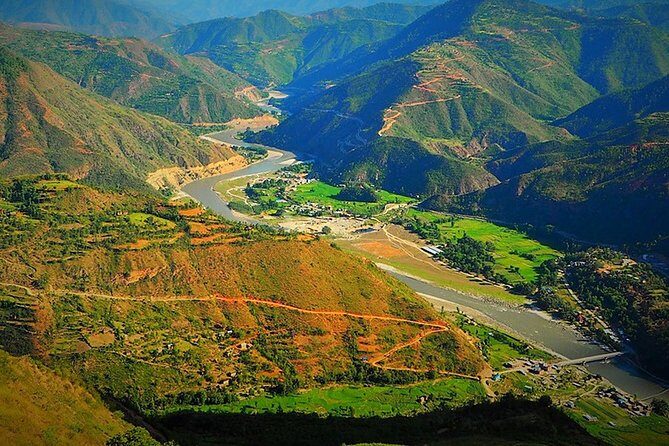
Day 1 begins with a meet-up in central Kathmandu and a transfer to Sundarijal. Then you start hiking for about 4.5 hours toward Chisapani (at 7,545 ft / 2,300 m). This is your entry day: you’re not trying to conquer the highest altitude on foot, but you are moving into a cooler, greener zone.
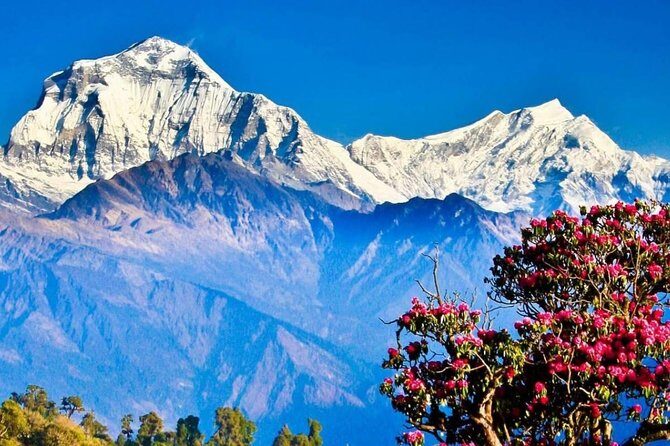
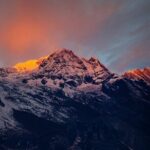
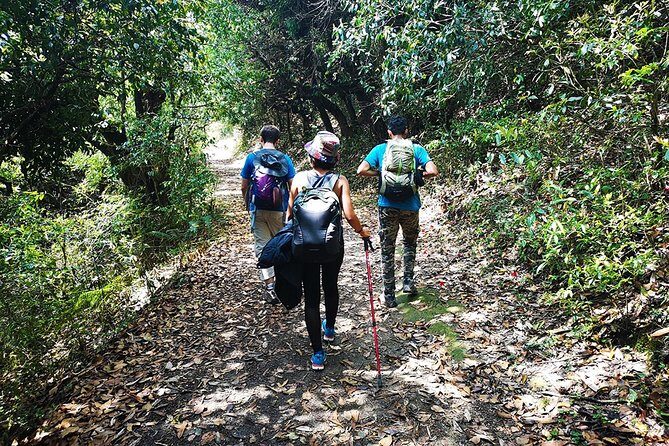
Expect the day to feel like an extended uphill walk through forest. The route is described as passing oak, pine, and rhododendrons, and that matters because it changes the vibe from open-country hiking to shaded, slower-footed progress. You also get views of jagged peaks from Shivapuri National Park, which can make even steady walking feel worth it.
Practical advice for Day 1:
- Wear layers you can adjust. Trees mean shade early, then sun when you get small clearings.
- Keep water and snacks easy to access. Lunch isn’t the only time you’ll want calories.
- Take your time with the first day. The forest hiking style is deceptively steady.
A small caution: starting from the Kathmandu area can make the first hours feel more “busy” than you expect. You’ll want to be ready to transition from city pace to trail pace fast.
Day 2: Chauki Bhanjag lunch views, then the descent to Nagarkot
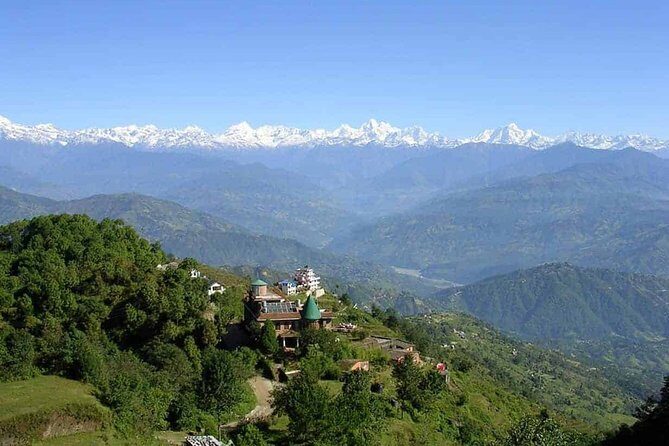
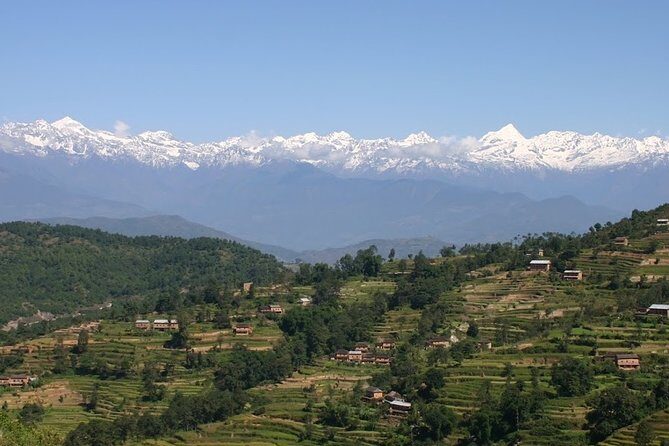
Day 2 is built around a simple idea: go up to a good viewpoint for lunch, then shift your day into downhill recovery. You trek about 2.5 hours to Chauki Bhanjag, stopping for lunch with snow-capped mountains as the backdrop (when skies cooperate). Then you descend about 3 hours to Nagarkot.
This is a smart structure. Instead of doing an all-day grind, you get:
- A focused morning segment (up to the lunch point)
- A reset in the afternoon (down to Nagarkot)
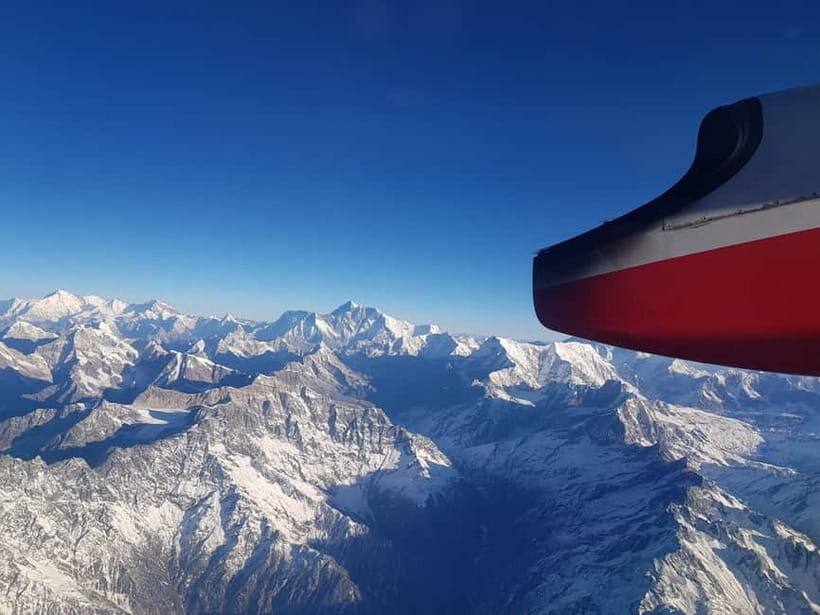
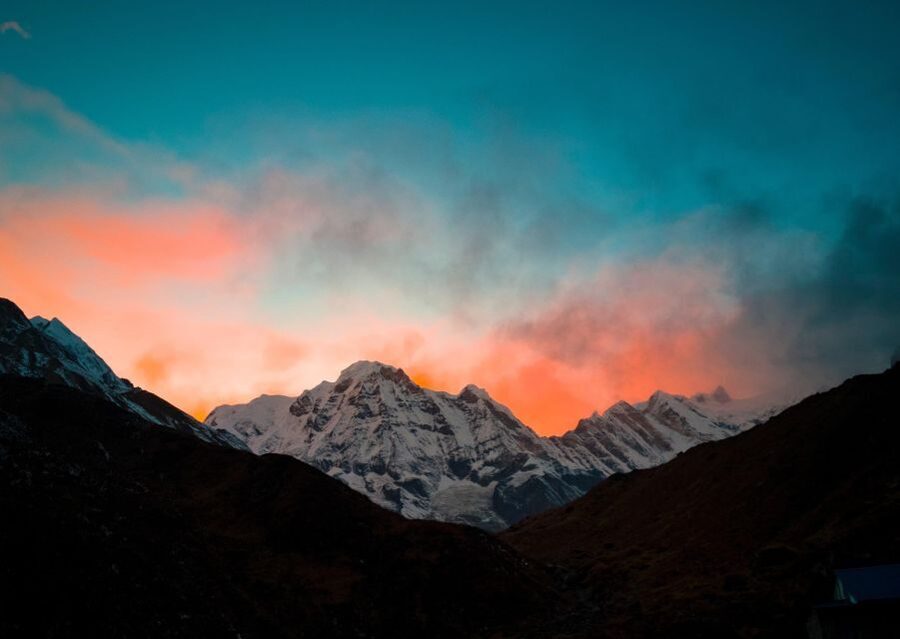
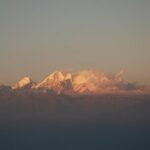
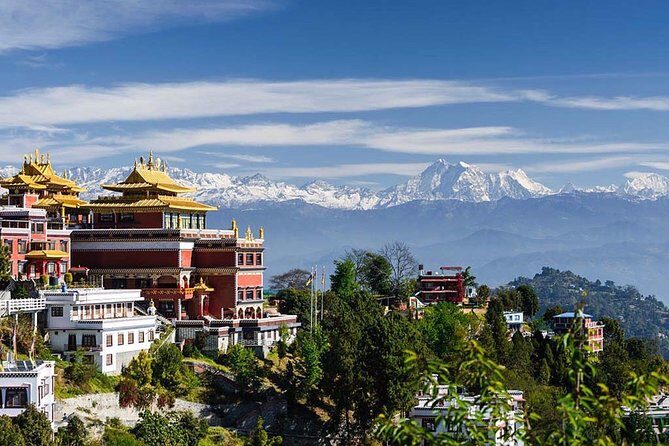
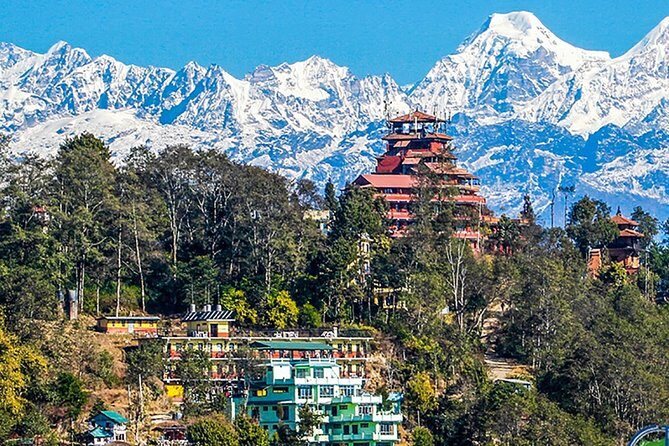
Nagarkot is the payoff. It’s called out as a place where you can see the Himalayas on a clear day. Since the trek ends there, you’re positioned to enjoy the area after you arrive, rather than spending the only good light stuck in transit.
How to make Day 2 more comfortable:
- Take downhill seriously. Use trekking poles if you’ve got them; they can reduce knee stress.
- Pack a warm layer for Nagarkot. Even without exact temperatures listed, Nepal viewpoints at elevation tend to cool quickly.
- Don’t judge the day’s success only on one lunch moment. The afternoon descent often brings its own changing views, if the clouds break.
Day 3: Nagarkot to Changu Narayan (temples + a ridge walk finish)
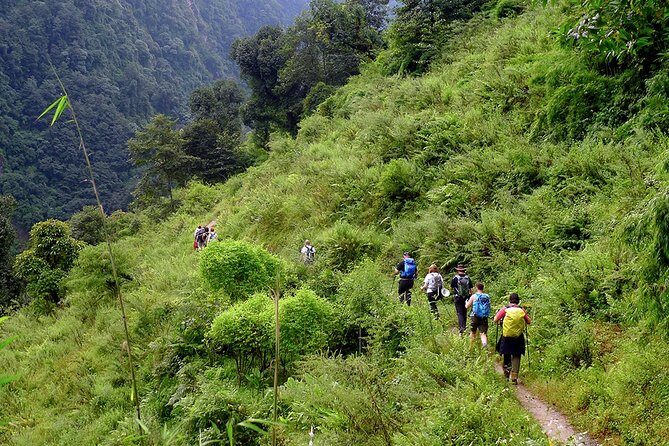
Day 3 finishes the trek with a route to Changunarayan, including a popular walking segment that leads down from Nagarkot along a ridge to Changu Narayan Temple. The hiking time is about 3.5 hours.
This day has two key purposes:
- It moves you from viewpoint country back toward the Kathmandu valley region.
- It gives you a culturally meaningful destination instead of ending with just a hotel transfer.
Changu Narayan Temple is dated to 323 AD and is credited to King Hari Datta Varma. That’s the kind of detail you appreciate when your legs are tired: you’re not just walking, you’re walking to a specific historic site.
What to watch for on Day 3:
- Ridge walks can be windy. Bring something that blocks gusts.
- Your pace will likely slow a bit after earlier trekking days. That is normal—plan to enjoy the temple stop rather than race it.
A few more Kathmandu tours and experiences worth a look

Teahouse and lodge nights: comfort choices you’ll actually feel
This trek includes one night in Kathmandu (shared, twin deluxe) and two nights in teahouses or lodges during the trek. Teahouses aren’t the same everywhere, and the data here doesn’t promise a luxury standard. But what you do get is a big practical boost: down jacket and sleeping bag rental, including a 4-season sleeping bag.
That matters because the biggest comfort issue on multi-day trekking is often night cold, not daytime exertion. With the sleeping bag provided, you avoid the common trap of arriving with the wrong gear and then feeling miserable at night.
A realistic way to think about the lodge nights:
- Expect basic simplicity.
- Expect comfort to improve if you use the provided sleeping gear well.
- If you’re sensitive to cold, plan to wear dry layers in the bag. It can make the difference between sleep and restlessness.
Kathmandu welcome and farewell dinners: why the city part is more than waiting
You don’t just transit through Kathmandu and disappear. You get a welcome dinner and a farewell dinner in Kathmandu. Those meals are included, along with breakfasts and several lunches/dinners during the trek schedule.
Why I like that structure for a 3-day itinerary:
- You start with a social orientation. It helps you feel settled before hiking.
- You end with a proper reset after you’ve been focused on trail life.
Also, your Kathmandu lodging is described as being near public transportation, which is helpful if you want to add a quick extra stop on your own before or after the trek.
If you enjoy food and want the trip to feel anchored in Nepal daily life, these meals help a lot. If you hate group meals, you’ll still likely find these dinners worth the time because they tie the whole plan together.
Weather and the Nagarkot view factor: plan for clouds, not miracles
Nagarkot is repeatedly positioned as a place where the Himalayas show on a clear day. That’s not a guarantee, and this matters for your expectations.
Here’s the practical approach:
- Treat clear views as a bonus, not the sole reason for booking.
- Plan your mindset around the walk itself—forest sections, ridge air, village routes, and the temple finish.
- Bring warm layers even if Kathmandu feels mild. The trekking gear list includes a down jacket rental, which is a strong clue that evenings can get chilly.
Altitude also matters. Chisapani is listed at 2,300 m, so you’re not at extreme heights, but you’re high enough to feel temperature change. Take it slow on Day 1, and you’ll likely feel fine.
Who this trek suits best (and who might want a different option)
This trek is recommended for all and described as suitable for most travelers. In real life, that usually means it’s not an extreme technical hike. But it still includes multiple days of walking, including a longer Day 1 and a downhill Day 2.
This is a great fit if you:
- Want an organized trek where your guide handles permits, food, accommodation, and gear rentals
- Prefer a short Nepal trip with real hiking time
- Like the mix of nature, viewpoints, and a historic temple stop
- Appreciate convenience: private round-trip transfers and built-in meals
You may want to choose something else if you:
- Struggle with downhill walking (Day 2 includes about 3 hours descending)
- Need consistently guaranteed views regardless of weather
- Want fully private, luxury accommodations (this includes teahouses/lodges for two nights)
Should you book the Chisapani to Nagarkot trek?
If your goal is a well-run, low-stress 3-day hiking experience with Kathmandu built in—and you’re okay with teahouse-style lodging—this is an easy yes. The value is strongest for people who don’t want to spend their time figuring out permits, where to sleep, what to rent, and how to move between city and trail. The inclusion of down jacket + 4-season sleeping bag rental plus national park entry fees and permit is a big deal.
I’d especially recommend it if you like viewpoints but understand they can be weather-dependent. When the sky clears, Nagarkot can deliver. When it doesn’t, you still get a proper forest trek in Shivapuri National Park and a memorable finish at Changu Narayan Temple (323 AD, King Hari Datta Varma).
FAQ
How long is the trek and what are the walking days like?
Day 1 is about 4.5 hours trekking from Sundarijal to Chisapani. Day 2 includes about 2.5 hours up to Chauki Bhanjag, plus about 3 hours descending to Nagarkot. Day 3 is about 3.5 hours trekking to Changunarayan and Changu Narayan Temple.
What’s included in the $425 per person price?
Round-trip private transfers to and from Kathmandu, a welcome or farewell dinner in Kathmandu, breakfasts (2), lunches (3), and dinners (3). You also get 1 night of shared accommodation in Kathmandu (twin deluxe), 2 nights in teahouses or lodges, a trekking guide, Shivapuri Nagarjun National Park entry fee and permit, and down jacket plus a 4-season sleeping bag rental.
Is travel insurance included?
No. Travel and rescue insurance is not included, and you’re advised to arrange travel insurance before you depart.
What accommodation can I expect during the trek?
You’ll have 1 night in Kathmandu in shared twin deluxe accommodation, then 2 nights in teahouses or lodges during the trekking portion.
Are national park entrance fees and permits covered?
Yes. Shivapuri Nagarjun National Park entry fee and permit are included, and national park entrance fees are listed as included.
What is the cancellation policy?
Free cancellation is offered. You can cancel up to 24 hours in advance of the experience for a full refund. If you cancel less than 24 hours before the start time, the amount paid will not be refunded.
If you want, tell me your hiking comfort level (easy stroll vs steady uphill) and your travel month. I can help you sanity-check whether this timing and altitude feel like a good match.