REVIEW · KATHMANDU
Lumbini Tour Package From Kathmandu or Pokhara: 2 Night 3 Days
Book on Viator →Operated by Welcome Nepal Treks P.ltd · Bookable on Viator
Buddha’s birthplace feels close and calm. This 2-night Lumbini package links Kathmandu (or Pokhara) with flights to Bhairawa, a comfortable 3-star hotel in Lumbini, and a full day built around the park’s main sacred stops.
I like how the trip keeps the travel side organized—hotel pickup, round-trip flights or private transport, and returns timed so you do not lose half your trip to logistics.
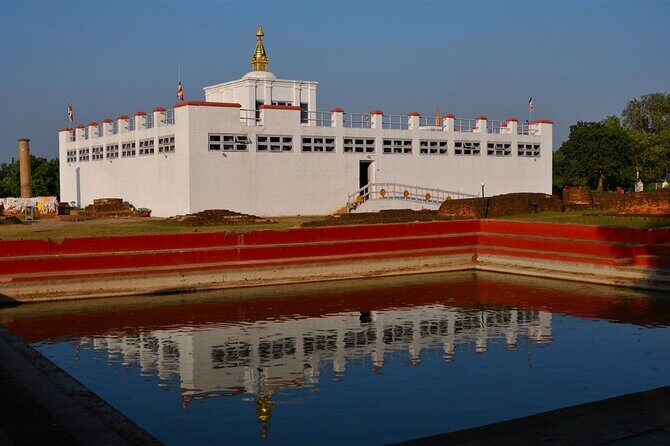
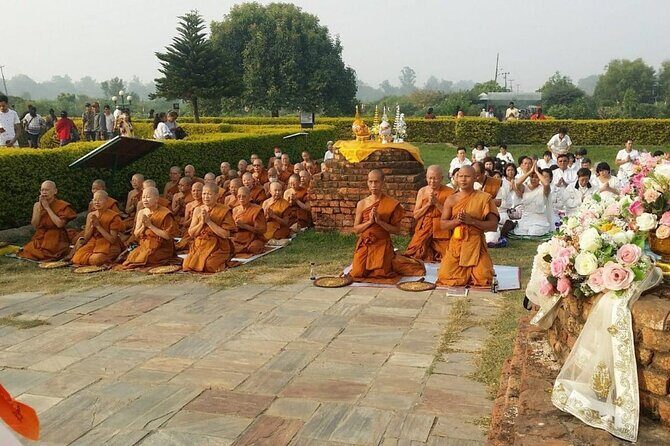
I especially like the way day 2 hits the key landmarks in a practical order: Japanese Stupa, Chinese Stupa, Ashoka Pillars, Vietnam Stupa, Mayadevi Temple, and the Buddha’s birthplace area. It is a focused route that helps you make sense of Lumbini quickly, instead of wandering and guessing.
One consideration: monument entrance fees are not included, and lunch/dinner are on you. Add in optional rickshaw time for sightseeing and you’ll want a little flexible pacing, especially if you prefer slower photo stops.
In This Review
- Key things to know before you go
- Price and Logistics: what the $450 really covers
- Day 1 from Kathmandu: fly to Bhairawa, then settle into Lumbini
- The Day 2 route: Japanese and Chinese stupas, Ashoka pillars, Mayadevi Temple
- Day 3: fly back from Bhairawa and drop off in Kathmandu, Pokhara, or Chitwan
- Hotel base in Lumbini: what “deluxe 3-star” usually means in practice
- Where the tour feels spiritual, and where it feels like a checklist
- What to budget for beyond the package price
- Who this Lumbini package fits best
- Should you book this 2-night Lumbini tour?
- FAQ
- FAQ
- How long is the Lumbini tour package?
- What is the price per person?
- Where does the tour start and end?
- What transportation is included?
- What kind of hotel is included in Lumbini?
- Are monument entrance fees included?
- Is breakfast included?
- Can I cancel for a full refund?
- What is the group size limit?
Key things to know before you go
- Up to 15 people means a smaller-group feel rather than a huge crowd scene
- 6:45 am start with hotel pickup helps you get a full day in Lumbini
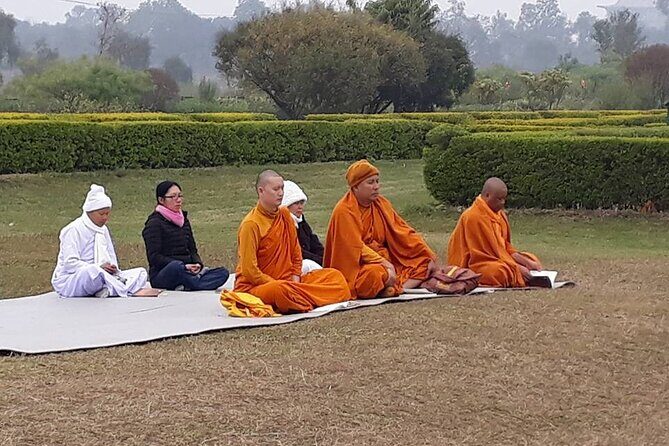
- Stupa circuit on day 2 covers Japanese, Chinese, Vietnam stupas plus Mayadevi Temple
- Flights via Bhairawa save hours compared with pure road travel
- Entrance fees and meals are extra, so budget beyond the base price
Price and Logistics: what the $450 really covers

At $450 per person, this is priced like a proper package: you’re paying for transfers, a real place to sleep in Lumbini, and the between-city movement. In other words, you are buying convenience, not just a couple of tickets and a map.
Here’s what you get for that price:
- Hotel pickup and drop by private car/van/bus
- Deluxe 3-star accommodation in Lumbini with free breakfast (2 breakfasts total)
- Kathmandu ↔ Lumbini movement, using either private car/van/bus or flight (depending on the plan)
- Taxes and service charges handled by the operator
What you do not get is where your budget can surprise you:
- Monument entrance fees are listed as not included
- Lunch, dinner, snacks, and mineral water are also not included
- Any personal expenses like laundry or phone calls are not included
So the true value question is simple: if you want to avoid messy transport planning and you’re fine paying a bit extra for meals and site tickets, this works well. If you’re on a super-tight budget and you like to build your own day from public transport, you might find cheaper options—but you’ll trade away the organized flow.
You can also read our reviews of more evening experiences in Kathmandu

Day 1 from Kathmandu: fly to Bhairawa, then settle into Lumbini
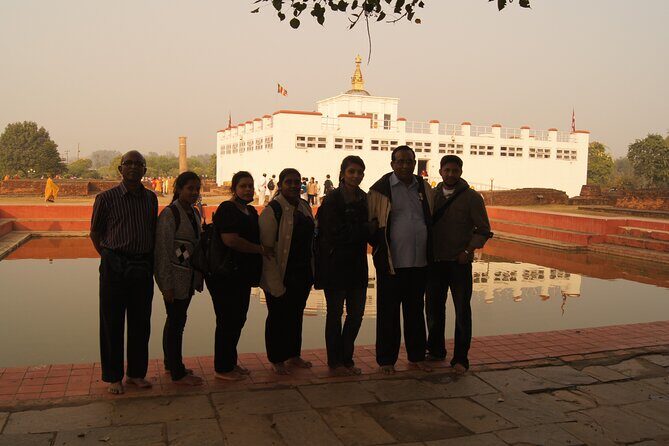
Day 1 starts early. You’re picked up from your hotel, then driven to the airport. After that, you fly to Bhairawa, and from there you’re transferred to Lumbini Hotel for an overnight stay.
Why I think this day works:
- Flying to Bhairawa can cut out long stretches of road time. You start Lumbini feeling like you actually arrived, not like you spent the day stuck in a vehicle.
- You get time to relax once you reach Lumbini. The itinerary leaves room for you to do an easy evening walk or simply recover from the travel day.
A small detail that matters: your pickup time is 6:45 am, so you’ll want to plan your night in Kathmandu accordingly. If you’re coming from a late evening flight or you’re staying far from the pickup route, you could feel rushed.
Also, one practical heads-up from the region itself: road work has been mentioned as a factor around the Lumbini area. That does not mean the trip is broken—it means your comfort level may depend on the day’s road conditions. If you’re someone who gets cranky about bumpy driving, pack patience and water.
And about the people side: the operation is run by Welcome Nepal Treks P.ltd, and the trip is associated with guides and drivers like Nawa, Hari, and a driver named Ram. That kind of consistent local team can make a big difference when you’re trying to coordinate airport transfers and hotel check-in smoothly.
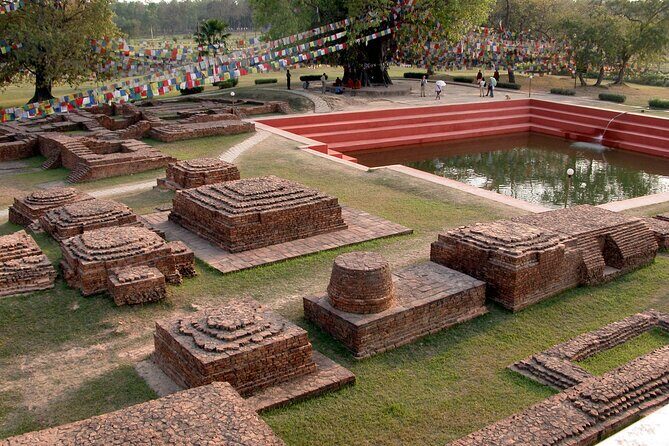
The Day 2 route: Japanese and Chinese stupas, Ashoka pillars, Mayadevi Temple
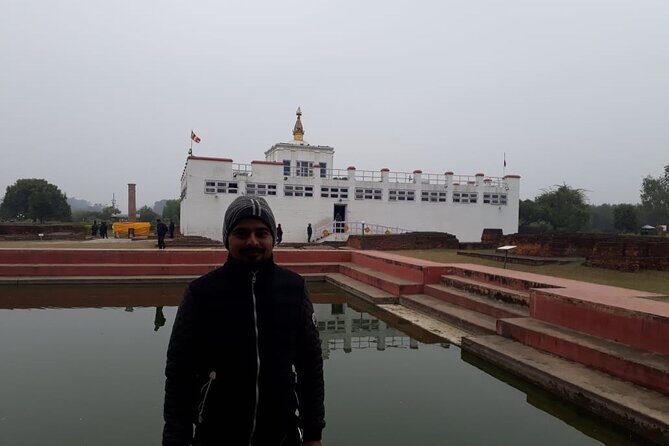
Day 2 is the heart of the trip. After breakfast, you head into the Lumbini sacred zone for a structured visit of major sites.
Here’s the route you should expect:
- Japanese Stupa
- Chinese Stupa
- Ashoka Pillars
- Vietnam Stupa
- Buddha’s birthplace
- Mayadevi Temple
- Plus other nearby Buddhist stupas included in the tour circuit
What I like about this approach is that it’s not random. You’re not just collecting stamps. You’re moving through a set of landmarks that help you understand Lumbini’s spiritual geography: monuments that represent different Buddhist communities, then the core birthplace area and the religious structures tied to it.
A practical note: the itinerary indicates you’ll hire a rickshaw on your own for some sightseeing. That means you should treat rickshaw time as optional and flexible. If you enjoy slowing down for photos, you’ll probably use it. If you prefer walking and you’re comfortable with the pace, you can keep it minimal.
How long it feels:
- The day is listed as about 6 hours of sightseeing time. That is long enough to see a lot, but not so long you’re totally wrecked by late afternoon.
What to watch for:
- Entrance fees are not included for monuments. In day-2 style visits, the tickets can become the main extra cost. If you hate surprise expenses, set aside some cash just in case.
- If you’re sensitive to heat or you’re traveling in warmer months, plan for sun breaks. The tour schedule is built for daytime movement.
One more human detail: the experience is described as well organized, with mention of helpful guiding (often Hari) and supportive coordination (sometimes associated with Nawa). If you ask questions at the right moments—where you are in the sacred layout and what each monument represents—you’ll get more out of the walking time.
Day 3: fly back from Bhairawa and drop off in Kathmandu, Pokhara, or Chitwan
Day 3 is shorter and more about transport than sightseeing. You’ll drive back to Bhairawa airport, fly to Kathmandu or Pokhara or Chitwan depending on your choice, and then get dropped at your hotel.
This “fly out” style keeps the whole package realistic. You’re not trying to squeeze one more long day of driving in just to say you saw something else. Instead, you get a clean exit from Lumbini.
A scheduling tip:
- Because your day is tied to flight timing, build your next day’s plan with a little breathing room. If you have a tight schedule in Kathmandu or Pokhara, confirm the timing details with the operator before you lock anything nonrefundable.
Why this matters for value:
- Many budget trips save money by cutting comfort and structure. This one doesn’t. Even with the extra site costs and meals being on you, the transport piece is handled for you. That’s the real convenience you’re paying for.
Hotel base in Lumbini: what “deluxe 3-star” usually means in practice
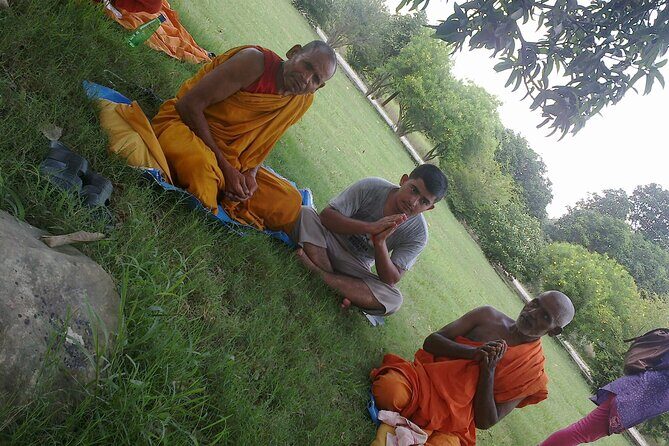
You’re staying in deluxe 3-star accommodation in Lumbini, and breakfast is included. The location is also described as near public transportation, which is useful if you want a casual option outside the main tour schedule.
Since you’re only in town for two nights, your hotel role is pretty clear:
- Give you a comfortable place to shower and reset
- Provide a decent base for morning starts
- Make the evening easier after the day-2 sightseeing
From the experience notes tied to the trip, people emphasized that the hotel experience was a positive part of the overall run. That matches what you’d hope for: when your itinerary is tightly planned, your lodging needs to deliver reliability.
My advice: if you care about quieter rooms, ask about room location when you check in. With an early start (6:45 am), you’ll sleep better if you’re not stuck near loud areas.
A few more Kathmandu tours and experiences worth a look


Where the tour feels spiritual, and where it feels like a checklist
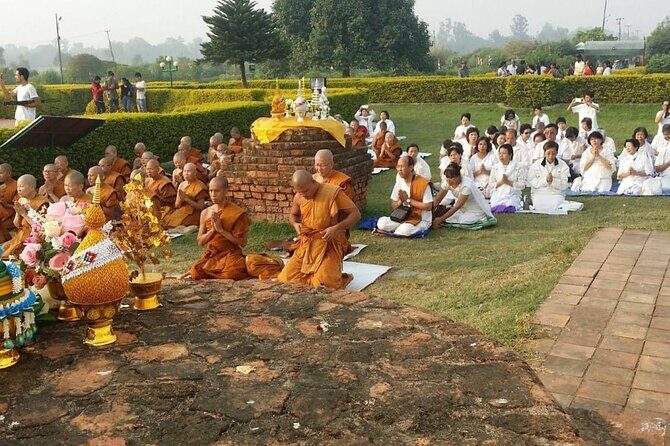
Lumbini is not really the kind of place you should treat like a shopping list. It’s reflective. It’s still. So the best moments are when the route gives you enough time to look up, not just move forward.
This tour’s strengths are:
- A clear set of major monuments on day 2, including core birthplace focus and multiple international stupas
- Enough structure that you do not get lost in the first hour
- A transport plan that gets you there without wasting an entire day on road travel
Where it can feel a bit checklist-like:
- Because day 2 is packed into about 6 hours, you may not linger as long as you want at each stop. If your ideal travel style is slow and meditative, you’ll want to counterbalance with short pauses and a few moments of stillness even while moving.
Optional rickshaw help can also change the feeling. Use it to conserve energy, then spend that saved time on your own pace once you’re at the key points.
What to budget for beyond the package price
Even though the trip includes a lot—hotel, breakfast, pickup/drop, and transport—the extras are normal for a sacred-site visit.
Plan for:
- Monument entrance fees (explicitly not included)
- Lunch and dinner, plus snacks and drinks
- Mineral water if you buy it separately
- Any rickshaw hire you choose to use
- Personal expenses like laundry or phone use
If you’re trying to keep the total cost under control, the simplest strategy is to decide your meal style. If you eat a lot of small local snacks, your spending can stay moderate. If you want sit-down meals each evening, it can climb. Either way, you won’t be surprised—you’ll already have mentally planned for it.
Also remember: the price is per person. In a small group, it can still be cost-effective, but if you’re traveling solo, the package price may feel like a premium. That’s usually the trade for having everything arranged.
Who this Lumbini package fits best
This is a good match if:
- You want a structured 2-night plan without planning transport yourself
- You prefer easy logistics over public transport transfers
- You like the idea of seeing the main sacred sites in a single day—Japanese and Chinese stupas, Ashoka pillars, Vietnam stupa, Mayadevi Temple, and the birthplace area
- You value a comfortable 3-star hotel rather than a basic stopover
You might not love it if:
- You want a very slow, fully unstructured day
- You have little interest in international stupa architecture or a temple-focused route
- You are extremely cost-sensitive and want the lowest possible total by skipping a package
Should you book this 2-night Lumbini tour?
I’d book it if your priority is a smooth, well-timed Lumbini visit with transport handled and a comfortable base in town. The day 2 routing is built to give you a clear sense of the sacred complex, and the flights via Bhairawa keep the schedule realistic.
I’d think twice if entrance fees and meals being extra will stress your budget, or if you need long breaks at each site. Lumbini rewards patience, so if that’s your travel style, plan to add a little personal time around the guided stops.
If you do book, do two things to make it feel great:
- Ask ahead about the estimated site ticket costs so your budget stays calm
- Keep day 3 flexible, since your day is tied to the flight back from Bhairawa
FAQ
FAQ
How long is the Lumbini tour package?
It’s an approximately 3-day experience, covering 2 nights and 3 days.
What is the price per person?
The price is $450.00 per person.
Where does the tour start and end?
It starts with pickup in Kathmandu (and the return can be to Kathmandu, Pokhara, or Chitwan) and includes airport transfers involving Bhairawa.
What transportation is included?
You get hotel pickup and drop by private car/van/bus, plus transportation between Kathmandu and Lumbini and back by private car or flight.
What kind of hotel is included in Lumbini?
You stay in deluxe 3-star accommodation in Lumbini, with free breakfast.
Are monument entrance fees included?
No. Monument entrance fees are listed as not included.
Is breakfast included?
Yes. Breakfast is included for 2 days.
Can I cancel for a full refund?
Yes. Free cancellation is available if you cancel at least 24 hours before the experience’s start time.
What is the group size limit?
The maximum group size is 15 people.