REVIEW · KATHMANDU
Pashupatinath Evening Aarati: Few Divinely Hours in Kathmandu
Book on Viator →Operated by Three Jewels Adventures · Bookable on Viator
Fire, chants, and candlelight at Pashupatinath turn an evening in Kathmandu into a real-life lesson. The evening Aarati happens around 6 PM, with live bhajana singing, offerings to Lord Shiva, and views down toward the Bagmati River.
I love the guided explanation that helps you make sense of what you’re seeing instead of just staring. You’ll also like the practical timing and short duration (about 2 to 4 hours) that works even if your days are already packed.
One drawback to plan for: this isn’t a sit-and-watch show. The ritual is time-sensitive, and the cremation scenes by the river can feel intense if you’re not emotionally ready.
In This Review
- Key highlights before you go
- Why the 6 PM Aarati timing is the whole point
- Pashupatinath Temple after dusk: sights, sounds, and your mindset
- The Bagmati River cremation view: powerful, and not for everyone
- Inside the Aarati Pooja: what you’re seeing in plain terms
- The itinerary flow: what happens before and after the main ritual
- Price and value: is $35 worth it here?
- Choosing the right guide matters more than you think
- Who should book this Aarati evening (and who should skip it)
- Should you book this Kathmandu evening ritual tour?
- FAQ
- What time does the evening Aarati start?
- How long is the tour?
- Where does the pickup happen?
- Is pickup included in the tour price?
- Do I need to pay an entry fee?
- Does the tour include cremation ceremony viewing?
- Is there a mobile ticket?
- Who provides the experience?
- Is there free cancellation?
Key highlights before you go
- Pickup window built in: your guide and driver meet you between 4:30 PM and 5:30 PM so you’re not scrambling at the last minute
- The main event is the clock: Aarati begins around 6 PM and loses significance afterward, so punctuality matters
- More than the temple: you’ll also observe a cremation ceremony on the Bagmati River and see other monuments nearby
- Live devotion, not recorded vibes: priests lead the ceremony alongside live bhajana songs from devotees
- Value for a short trip: air-conditioned vehicle + guide for one focused evening, for $35 per person
- Often very well explained: guides such as Mahesh Ji, Mani, and Amber are specifically praised for clarity and helpfulness
Why the 6 PM Aarati timing is the whole point
This tour is built around one crucial detail: the Aarati is scheduled for around 6:00 PM to 7:00 PM, depending on the season. That matters because the ritual is meant to land at nightfall, when the temple lighting, chants, and offerings come together.
Think of it like attending a sunrise service, not a daytime stroll. You don’t just go to a place. You go to a moment. Arrive at the wrong time, and you’ll spend your evening watching shadows without the meaning.
Also, there’s a practical reason the timing sticks: you’re not going to control the ceremony. It follows the priests and the flow of devotees. So the best way to enjoy it is to show up early enough to settle in and be ready.
You can also read our reviews of more evening experiences in Kathmandu


Pashupatinath Temple after dusk: sights, sounds, and your mindset
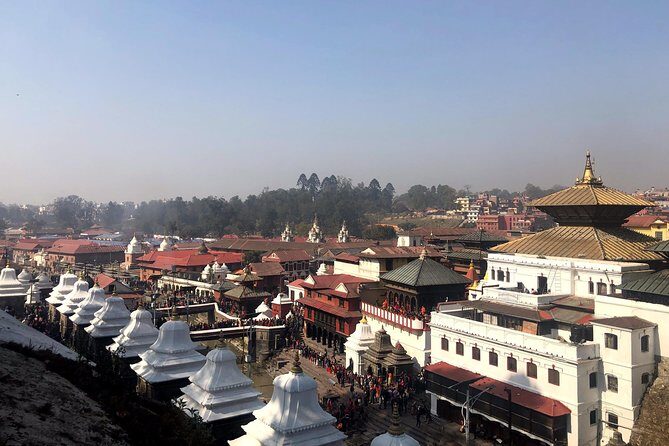
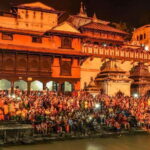
Pashupatinath is one of Nepal’s most revered Hindu temples. In the evening, it doesn’t feel like a quiet heritage site. It feels like a working spiritual center where people are there for devotion, not photos.
From the moment you reach the temple area, you’ll notice the soundscape first: bhajana—devotional singing—carried by the congregation. Priests lead the ceremony, and you’ll see the rhythm of the offerings being prepared and presented.
Here’s what I’d love you to do mentally: treat this as a cultural event with real rules of respect. Don’t treat it like a stage performance. You’ll enjoy it more if you focus on how the ritual communicates devotion—through light, incense, flower offerings, and repeated actions—rather than trying to “figure out everything” in one pass.
One small but important note: the itinerary says temple admission is free, but it also lists that an entry fee to the Pashupati Temple premises is not included. So expect that there can be a charge at the gate area depending on how access is handled that day. This is exactly the kind of detail you want to clarify early so you’re not surprised.
The Bagmati River cremation view: powerful, and not for everyone
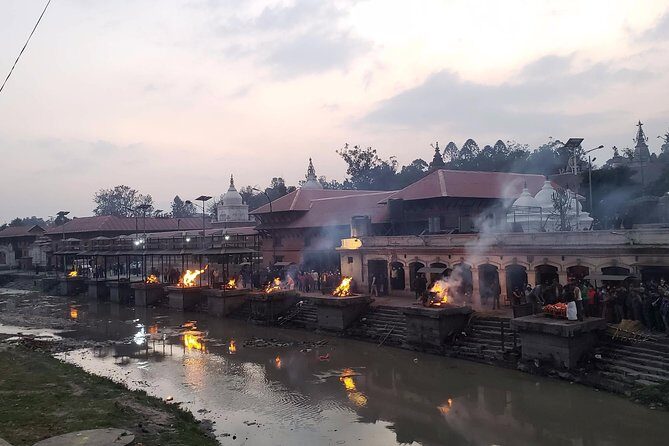
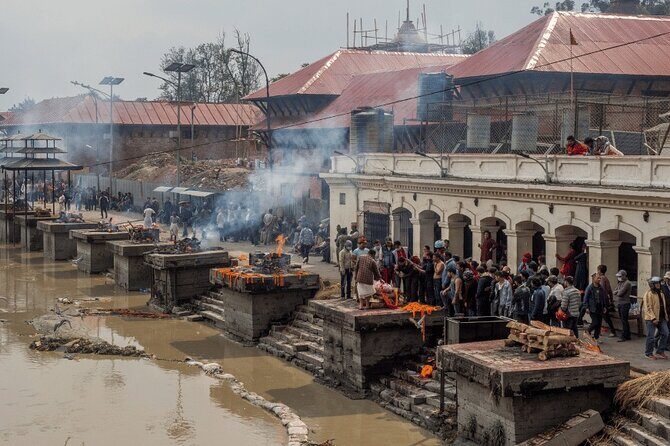
A major part of this experience is the opportunity to observe a cremation ceremony on the banks of the holy Bagmati River. That means your evening includes something many visitors only learn about from books or news clips.
Be honest with yourself before booking. If you know you get upset by death rituals, or you struggle with intense scenes in close proximity, this tour may be more than you want. Even with context, it’s still a real religious practice.
If you do go, the best approach is simple: give yourself permission to feel what you feel. Use the guide to understand what’s happening, but don’t expect that understanding will magically remove the emotional weight. One review specifically suggested reading up on Hindu funeral practices so you’re not surprised, and that advice is solid.
Also remember what the tour is actually doing: it’s not turning the cremation into “content.” It’s offering a chance to witness what a community believes, where it’s believed, and how it’s carried out. If you can hold that mindset, you’ll likely get far more out of the experience.
Inside the Aarati Pooja: what you’re seeing in plain terms
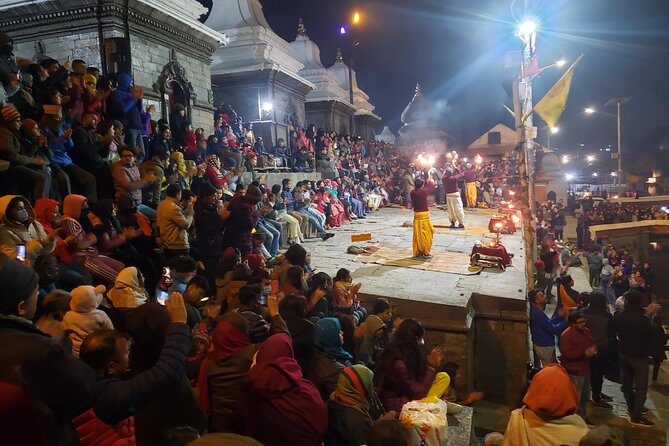
At its core, the Aarati Pooja is a day-ending offering ritual. The ceremony is dedicated to Lord Shiva, and the idea is to offer the senses—light, flowers, incense, and other ceremonial items—while prayers and devotion fill the air.
During this tour, the ceremony is led by Hindu Brahmin priests and supported by live bhajana singing from devotees. That combination matters. The priests guide the sequence, and the chants keep the atmosphere connected to devotion rather than performance.
You’ll also see why this is so meaningful in Hindu practice: the ritual turns abstract beliefs into visible actions. The flame and incense aren’t just decorations. They represent offering and respect, presented at a specific time each evening.
And because it’s an evening ceremony, the sensory effects are part of the message. Even if you don’t know the language, you’ll likely catch the emotional tone: steady, focused, communal.
The itinerary flow: what happens before and after the main ritual
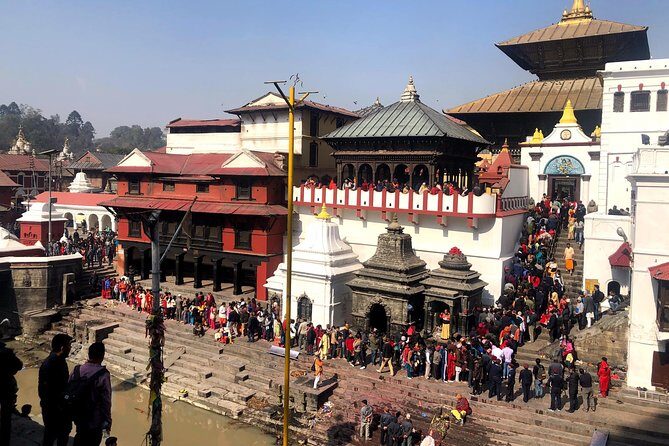
Your day doesn’t start at the temple gate. Your guide and driver meet you between 4:30 PM and 5:30 PM, then you head out in an air-conditioned vehicle. This gives you a buffer so you can get oriented before the Aarati really gets going.
Once you’re at Pashupatinath, the tour centers on the temple evening atmosphere and the key ceremony. Along the way, you’re also taken to observe the cremation ceremony on the Bagmati River and to visit other monuments in the surrounding area.
That structure is smart for most visitors because it’s compact but not one-note. A lot of short tours give you a single viewpoint. This one layers in multiple parts of the same spiritual setting: temple devotion, river-side practice, and nearby monument sights.
The practical trade-off is that it’s not a slow, wandering evening. It’s timed. Reviews also mention people wishing they’d arrived earlier to get a better spot to sit and watch the fire ceremony. So if you’re picky about seating or viewing angles, treat the early arrival window as your advantage, not a suggestion.






Price and value: is $35 worth it here?
At $35.00 per person, you’re buying three things that can be hard to assemble on your own:
1) An air-conditioned vehicle to get you there in the evening
2) A guide who can explain what you’re seeing while you’re seeing it
3) A packaged evening built around the 6 PM ritual window
The tour also includes pickup, group discounts, and a mobile ticket, which reduce friction when you’re traveling. Those are small perks, but they matter when the timing is tight and the setting is busy.
One cost note to keep straight: the information says admission is free, yet also says the entry fee to the Pashupati Temple premises is not included. That’s worth clarifying ahead of time so you can budget without surprises.
Is it “cheap” or “expensive”? In my view, it’s fairly priced for what it delivers: you get a guided evening that’s tightly connected to a ritual schedule, not just transportation to a landmark. If you’d otherwise spend time coordinating routes, timing, and explanations, the guided evening starts to look like a good deal.
Choosing the right guide matters more than you think
This experience lives or dies on interpretation. The setting is intense and unfamiliar for many first-timers, and the ceremony has steps that you’ll appreciate more if someone helps you connect the dots.
The names Mahesh Ji, Mani, and Amber show up in positive feedback for being knowledgeable and accommodating, with clear explanations and on-time communication. Even if your guide isn’t one of those names, the lesson holds: pick a tour where the guide is ready to explain what’s happening, not just point and move along.
Also, pace matters. Several comments emphasize that the guide and driver arrived on time and that communication ran smoothly. For a ceremony that starts around 6 PM, that punctuality isn’t a bonus. It’s part of the quality.
Who should book this Aarati evening (and who should skip it)
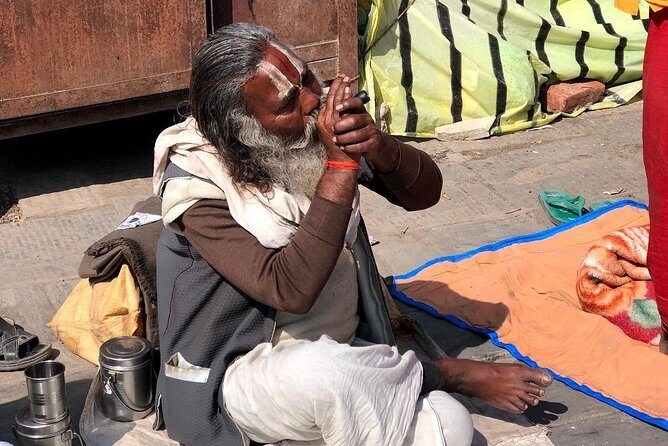
This tour is a strong fit if you want a Kathmandu evening that’s more than sightseeing. You’ll likely enjoy it if you’re curious about Shiva worship, interested in how rituals work in real life, and comfortable with the intensity of a river-side cremation ceremony.
It may feel like too much if you’re sensitive to death rituals, or if you’re expecting a gentle cultural walk. Even with context, the cremation segment is inherently heavy. Plan based on your own comfort level, not on optimism.
It’s also a good choice if you like learning while you travel. The tour includes live devotional singing, priest-led ceremony structure, and explanations that help you understand the meaning behind light, incense, flowers, and repeated ritual actions.
Finally, it suits people who want a short, organized evening. The 2 to 4 hour timeframe plus pickup is handy when your other plans are already locked in.
Should you book this Kathmandu evening ritual tour?
I’d book it if you want an authentic, time-based window into Hindu practice at Pashupatinath, with a guide who helps you understand what you’re seeing. The biggest strength is that it pairs the Aarati Pooja with the Bagmati River cremation ceremony, so you experience the spiritual landscape as locals live it.
Skip or think twice if you know you’re emotionally sensitive to death rituals, or if you hate being on a schedule. Here, the event really is the point—and that means lateness can reduce what you get to see.
If you do book, my practical advice is straightforward: take the pickup window seriously, arrive early enough to get the best viewing spot you can, and consider reading basic background on Hindu funeral practices so you’re not blindsided. It’s not about being shocked. It’s about being prepared to understand.
FAQ
What time does the evening Aarati start?
The Aarati typically begins around 6:00 PM to 7:00 PM, depending on the season.
How long is the tour?
The tour runs about 2 to 4 hours.
Where does the pickup happen?
Your guide and driver meet you at your hotel during the 4:30 PM to 5:30 PM window.
Is pickup included in the tour price?
Yes. Pickup is offered, and the tour also includes an air-conditioned vehicle.
Do I need to pay an entry fee?
The information notes admission ticket free, but it also says an entry fee to the Pashupati Temple premises is not included. It’s best to confirm the exact gate fee before you go.
Does the tour include cremation ceremony viewing?
Yes. It includes observing a cremation ceremony on the banks of the Bagmati River.
Is there a mobile ticket?
Yes, the tour offers a mobile ticket.
Who provides the experience?
The experience provider is Three Jewels Adventures.
Is there free cancellation?
Yes. You can cancel for a full refund up to 24 hours in advance of the experience’s start time.
If you want, tell me your travel dates and whether you prefer a calmer sightseeing night or a heavy cultural experience. I can help you judge if this one matches your mood.