REVIEW · KATHMANDU
Kathmandu Sunset Tour by Rickshaw Including Durbar Square Visit
Book on Viator →Operated by Intrepid Urban Adventures - India · Bookable on Viator
Kathmandu at dusk has a special kind of magic. This guided rickshaw tour blends street-level views with a walk through Durbar Square as evening light softens temple stone. I liked that you get the best of both worlds: rolling through narrow lanes above the crowd, then getting off your seat to slow down and look closely at shrines and palaces.
Two things I’d specifically call out. First, the route hits Asan, one of Kathmandu’s oldest food-market areas, so you’re smelling spices and watching daily commerce happen in real time. Second, Durbar Square feels different at night—more human-scale, with fewer people rushing, plus plenty of food-stall energy around you. One possible drawback: it is a night tour, so street lighting can be uneven, and you’ll want comfy shoes and a little patience in busy spots.
In This Review
- Key things that make this rickshaw sunset tour worth your time
- Why Kathmandu feels easier from a rickshaw at sunset
- Starting in Thamel: meeting point, mood, and what to watch for
- Asan market lanes and the temple stops you actually remember
- Arriving at Durbar Square: UNESCO temples in evening light
- Night walking note (important)
- The rickshaw ride back: horns, lanes, and a smoother exit
- Small group size and guides: what you gain by keeping it to 12
- Price and value: what $50.30 actually covers
- What to bring and how to time your evening
- Should you book this rickshaw sunset tour?
- FAQ
- What time does the Kathmandu Sunset Tour start?
- How long is the tour?
- Is the Durbar Square entrance fee included?
- What does the tour cost, and what’s included at that price?
- How many people are in the group?
- Can I cancel for a full refund?
Key things that make this rickshaw sunset tour worth your time
- Rickshaw-seat perspective lets you see over pedestrians in tight lanes without constantly dodging traffic.
- Asan market stops include specific temple sights in the market area, from Annapurna to Janabaha Dyo.
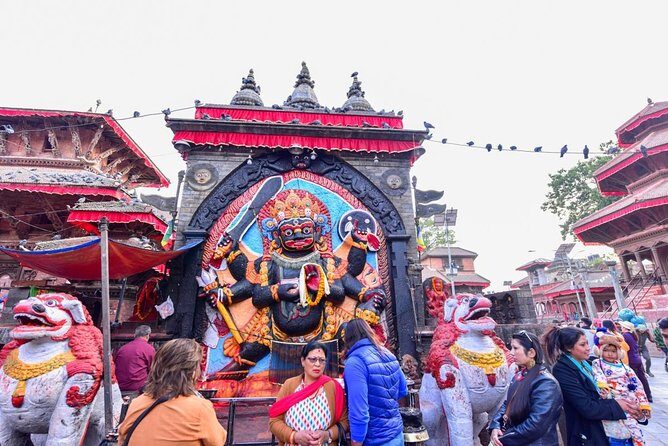
- Durbar Square at evening means temples, courtyards, and the palace complex feel more intimate (and it is UNESCO).
- Small group of 12 keeps the pace realistic and the guide’s explanations actually land.
- Local support details: entrance fees help cultural heritage, and rickshaws are hired directly from drivers.
Why Kathmandu feels easier from a rickshaw at sunset
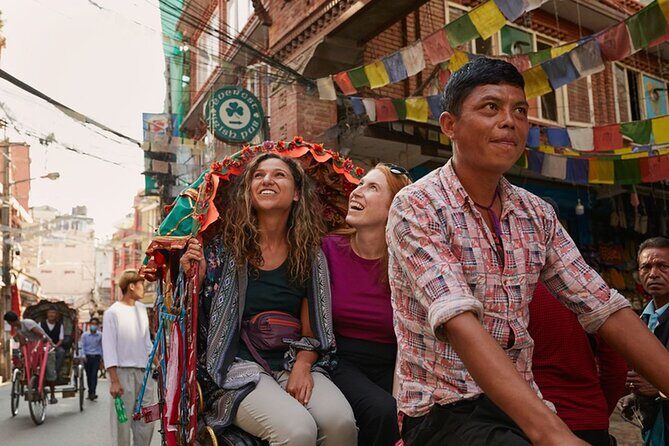
If you try to “self-tour” central Kathmandu at night, you’ll spend more time figuring out where to stand than seeing what matters. This tour solves that by putting you on a rickshaw with a driver who handles the real-world chaos: pedestrians, parked motorbikes, shop gates, and horns that seem to echo through every lane.
Your guide also helps you translate what you’re seeing. In a place where temples, food stalls, and old architecture sit side by side, it helps to know what you’re looking at before you take a photo. I like that the ride is built for pace, not speed—so you can actually notice details like temple signage, the flow of people in market alleys, and the way evening changes the mood.
Also, you’re not just paying for motion. The experience includes time on foot in Durbar Square and the entrance fee there, so your money goes toward the most meaningful part of the tour.
You can also read our reviews of more evening experiences in Kathmandu
Starting in Thamel: meeting point, mood, and what to watch for
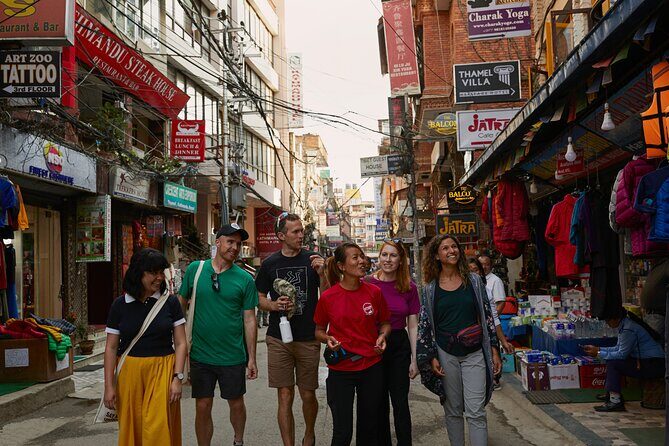
You start at Hotel Marshyangdi in central Kathmandu (Chaksibari Marg), with a 6:00 pm departure. This matters because Thamel is full of tourist energy. It gives you an easy, straightforward meetup spot, and it’s also where many people first arrive—so you get your bearings fast before you head into the older core.
Once you’re on the rickshaw, you begin by rolling past Thamel’s shops and the edges of the city’s market-squares rhythm. Even before you reach Asan, keep an eye out for how lane traffic works. Kathmandu is not a grid city. The street you’re on can feel like it ends—then it turns, squeezes, and dumps you into a different pocket of life. Watching that from your elevated rickshaw seat is an easier way to understand the layout.
Practical tip: at dusk, temperatures can shift. Bring a layer. The tour duration is about 2 hours 30 minutes, so you’ll want to be comfortable from the first pedal push through your walk in Durbar Square.
Asan market lanes and the temple stops you actually remember
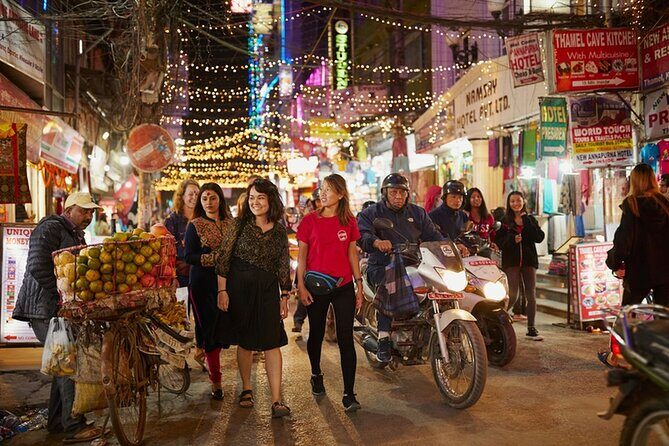
After Thamel, the route heads toward Asan, a historic market area known for practical shopping—things like spices, vegetables, and everyday goods—plus temple corners that interrupt the commercial flow.
This is one of my favorite parts of the tour because it feels like real Kathmandu, not a curated viewing deck. Asan tends to be busy, and from the rickshaw you can look into stalls and lanes without needing to fight for space. The guide also points out specific religious stops, which is what turns a market walk into a cultural tour.
Here are the key places you’ll stop to look at (time on foot is built in):
- Annapurna Temple, tied to the idea of abundance. The tour explanation includes the meaning of Anna for Food and Purna for Fulfil.
- Seto Machindranath, also known as Janabaha Dyo, a deity worshiped by both Hindus and Buddhists in Kathmandu.
- Aakash Bhairab, linked to the first king in Nepal Bhasa (also referenced as King Yalambar).
You don’t need to be religious to appreciate this. It’s more about understanding why these shrines exist inside the market instead of apart from it. When a city’s sacred spaces are woven into daily trade, you see the culture in motion.
Also, Asan is where you learn how people navigate the chaos: where to stand, how to move when crowds shift, and when to stop walking so the guide can explain what you’re seeing.
Arriving at Durbar Square: UNESCO temples in evening light
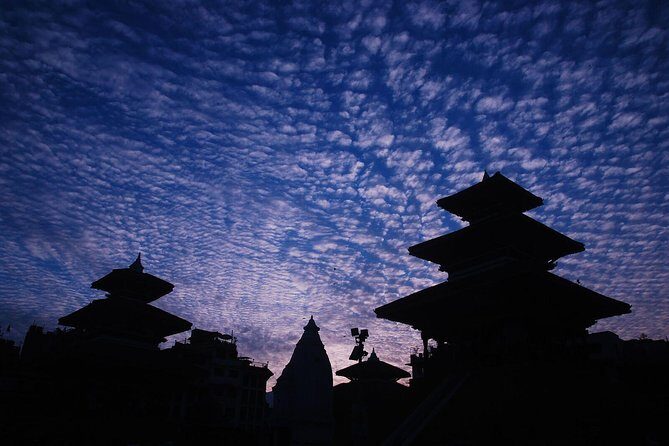
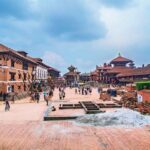
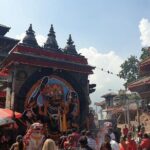
Durbar Square is the centerpiece, and it’s UNESCO World Heritage for a reason: the area holds a dense cluster of temples, courtyards, and palace-era structures built across centuries (12th to 18th, in the complex’s main phases). By the time you arrive, the late-afternoon-to-dusk shift makes the stone details easier to read. Car headlights fade. Shop chatter changes tone. Even the air feels different.
You’ll hop off the rickshaw and explore Durbar Square on foot. This is not a quick photo sprint. The time built in is about 1 hour 25 minutes, which gives you space for both the big-picture view and slower attention.
A few things to look for once you’re inside:
- The sheer concentration of shrines. You’re basically walking through a historic neighborhood of temples rather than a single monument.
- The mix of ceremonial and everyday energy. Food stalls and shops appear around you, so you experience the site as something lived-in, not sealed off.
- The guide’s interpretation of the palace complex background, which helps you understand what you’re seeing beyond the architecture.
One specific highlight mentioned in your tour plan is Gaddhi Baithak, a white European-influenced building associated with the Rana regime. The explanation includes that ceremonial programs happen from the balcony area. When you know that detail, you notice it more, instead of letting it become just another building in the frame.
You’ll also encounter Buddhist presence within the complex. Your tour includes a Buddhist Sigal Shrine visit, which adds another layer to how mixed and layered Kathmandu can feel.
And if you’re into the story of Kathmandu as a magnet for international travelers, there’s also a reference to the area’s 1960s hippie-era vibe—often pointed out as Freak Street through the shops lining the zone. Even if you don’t chase nostalgia, it helps to know why certain street corners in Kathmandu have a particular kind of reputation.
Night walking note (important)
Even with a guide, Durbar Square is still a public space with uneven steps and variable lighting. Keep your expectations practical. Wear shoes you trust. If you use your phone for navigation or photos, be mindful of where you’re standing—temple entrances and stone edges can be easy to misjudge after dark.
The rickshaw ride back: horns, lanes, and a smoother exit
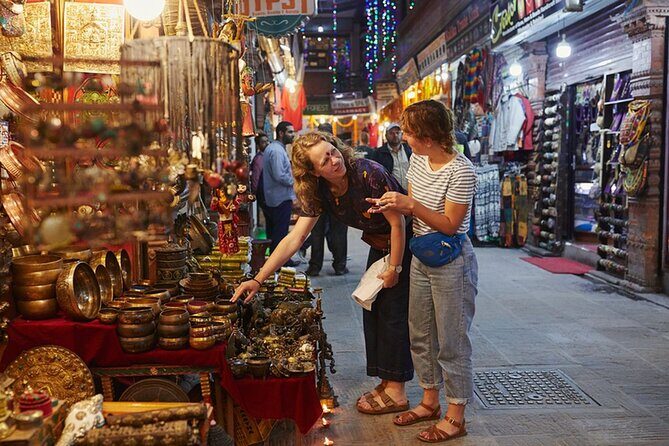
After the Durbar Square walk, you remount your rickshaw for the ride back toward your meeting point. This segment is less about “sightseeing landmarks” and more about motion through Kathmandu’s everyday soundscape: vendors, motorbikes, and rickshaw horns all part of the soundtrack.
Why this matters: it’s an easier way to transition from the denser historic area back to Thamel-style streets without having to figure out a route late in the evening.
I also like that the tour is built as a complete loop. You don’t end up stranded at an odd corner with no plan. You return to the original start area.
One caution from real-world experience in places like this: if you end up needing an extra ride beyond what’s planned, agree on price first. In Kathmandu, a night situation can make people sloppy or pushy, and lighting can make it harder to verify details.
Small group size and guides: what you gain by keeping it to 12
This tour caps at 12 travelers, which changes the feel fast. In a bigger group, you lose the chance to ask a question while you’re stopped in a temple lane or near a specific shrine. With a smaller group, your guide can slow down and actually talk through what you’re seeing.
Guides on this type of tour often make or break the experience. In the feedback I reviewed, both Nikita and Sanjeeb came up as guides people appreciated for being warm and for connecting the dots between what you’re looking at and how the city works. That kind of guidance is exactly what makes Durbar Square more than a pile of buildings.
You also get built-in help at the end: tips on what else to see, do, and eat. That’s practical value. A good evening tour should leave you with a short list you can use the next day, not just memories.
Price and value: what $50.30 actually covers
At $50.30 per person, this is not a budget snack tour, but it also isn’t trying to be a luxury outing. The value comes from what’s included:
- Rickshaw hire for the ride time
- Entrance fee included for Durbar Square
- Time with a friendly local guide and driver
- A guided walkthrough that connects markets and temples
- A small group size that keeps the experience personal
- A company commitment noted as carbon neutral and run by a B Corp certified operator
When you look at the math, you’re paying for two high-cost parts: the rickshaw transport (a local livelihood) and the paid entry for a major heritage site. If you tried to assemble this yourself—half-day with a guide plus rickshaw plus entrance—it would likely cost more and take more coordination.
It also has real local-impact mechanics, including:
- Entrance fees tied to preservation of Kathmandu’s cultural heritage.
- Rickshaws hired directly from drivers, offering financial support.
That matters because a night tour can easily turn into extractive sightseeing. This one is structured to keep some benefits local.
What to bring and how to time your evening
You’re starting at 6:00 pm and riding for about 2.5 hours. That’s a sweet spot: still light enough early, but dark enough later for the temple atmosphere shift.
Bring:
- Comfy, grippy shoes for uneven temple steps and stone surfaces.
- A light layer for the evening air.
- A small amount of cash if you want chai or snacks during the walk (food and drinks are not included).
- Your mobile ticket (used for the activity access).
What not to stress about: you’re not required to dress up for temples beyond normal respectful travel behavior. The plan is mostly outdoors with guided stops and short walking segments.
Also, consider the overlap risk. Kathmandu has a lot of “central highlights” tours. If you already booked a broader city tour, this sunset rickshaw ride might feel like it repeats the same area. I still think the night timing and the rickshaw perspective are different enough to be worth it, but it is smart to look at your full itinerary before you double-book the same streets.
Should you book this rickshaw sunset tour?
Book it if you want a fast, friendly introduction to central Kathmandu that mixes markets + heritage in one evening. It’s a good fit when you’re short on time, you’d rather ride than fight traffic, and you like learning what places mean instead of just collecting photos.
Skip it (or pair it carefully) if you already have a lot of central Kathmandu coverage and you hate walking at night. Also, if you know you’ll need lots of extra time for shopping and lingering at stalls, this tour’s structure may feel a little tight—your walk time is planned, not endless.
For most people, this is a smart first evening plan: you get the layout of the city, you see Durbar Square after dusk, and you leave with practical tips on where to go next.
FAQ
What time does the Kathmandu Sunset Tour start?
The tour starts at 6:00 pm, meeting at Hotel Marshyangdi in Kathmandu.
How long is the tour?
The duration is approximately 2 hours 30 minutes.
Is the Durbar Square entrance fee included?
Yes. The tour includes the entrance fee at Kathmandu Durbar Square.
What does the tour cost, and what’s included at that price?
It costs $50.30 per person and includes the rickshaw ride, a guide, time at Durbar Square, and the Durbar Square entrance fee. Food and drinks are not included.
How many people are in the group?
The tour has a maximum of 12 travelers.
Can I cancel for a full refund?
Yes. You can cancel up to 24 hours in advance for a full refund. If you cancel less than 24 hours before the experience starts, the amount paid is not refunded.