REVIEW · KATHMANDU
Annapurna base camp trek 5 Days
Book on Viator →Operated by Alpine Ramble Treks · Bookable on Viator
Some trips feel like checklists. This one feels like a route with real payoff. From Kathmandu you head to Pokhara, then you work your way through forests toward Annapurna Base Camp with included tea house stays, meals, and permits. You’ll get classic views of Machhapuchare (Fish Tail) and big Himalayan faces along the way.
What I like most is how much logistics are bundled for you: airport transfer and the tourist bus to Pokhara, plus an English-speaking guide handling the trekking arrangements. Another strong point is the practical gear and comfort basics included, like a down jacket and sleeping bag, so you’re not scrambling on day one.
One drawback to weigh: the experience is highly dependent on smooth guidance and good weather. Also, at least one past booking flagged issues with water purification tablets (they were expected but not available at first), so you should plan to confirm how they’ll handle drinking water and not assume everything is automatic.
In This Review
- Key things to know before you go
- Kathmandu to Pokhara: turning a long transfer into a warm-up day
- Day 2 and the road-to-trail moment near Birethanti
- Sinuwa sunrise mornings: the view that makes the climb feel worth it
- Day 4 at Annapurna Base Camp: the day everyone is really paying for
- Day 5 back toward the views: Machhapuchare and Annapurna in morning light
- Day 6: Chomrong, Jhinu hot spring, and the return to Pokhara
- Price and value: what $699 covers and what to double-check
- Guides and the small details that make or break the trip
- What you’ll do each day, realistically: pace, food, and tea house life
- Gear and packing: don’t let the included items lull you
- Weather and altitude reality checks (without the drama)
- Who this Annapurna Base Camp trek fits best
- Should you book this trek?
- FAQ
- How long is the Annapurna Base Camp trek with this plan?
- What time does the trek start?
- What’s included in the trek price?
- What is not included?
- How big is the group?
- Will I have water purification tablets?
Key things to know before you go
- Small group limit (max 12 travelers) makes the pace and logistics feel more personal than huge buses on the trail
- Tea house accommodation and meals are included on trek, so you’re mostly budgeting your own snacks and pace, not every meal decision
- Permits are covered, which removes one of the easiest trip-stoppers in Nepal trekking
- Gear is included (down jacket and sleeping bags), which can save real money and stress
- Pokhara to trail access is handled with private transportation and local jeep legs
- Water handling deserves a quick check before you start, even if water tablets are part of the stated approach
Kathmandu to Pokhara: turning a long transfer into a warm-up day
Your trek starts with a long travel day that’s made easier on purpose. You begin around 6:45 am with a departure that includes airport pick up and ground transport. Then you’ll take a tourist bus from Kathmandu down to Pokhara via the Prithvi highway. It’s a scenic drive, but the bigger value is how it sets you up for the next steps without added planning.
Once you arrive, you’ll spend time around Pokhara Lakeside, in that tourist-friendly area where you can orient yourself quickly. This matters because Pokhara is where you go from city time to trail time. If you’ve got any questions about boots, layers, or what to carry, this is the day to settle that.
Why this day works for most people: it reduces uncertainty. You’re not hunting tickets, scrambling for rides, or trying to coordinate with multiple vendors.
Potential drawback: since part of the day is spent in transit, you’ll want to treat Pokhara as a rest-and-prepare day, not a big sightseeing binge. You’ll appreciate conserving energy for the trail days ahead.
You can also read our reviews of more hiking tours in Kathmandu


Day 2 and the road-to-trail moment near Birethanti
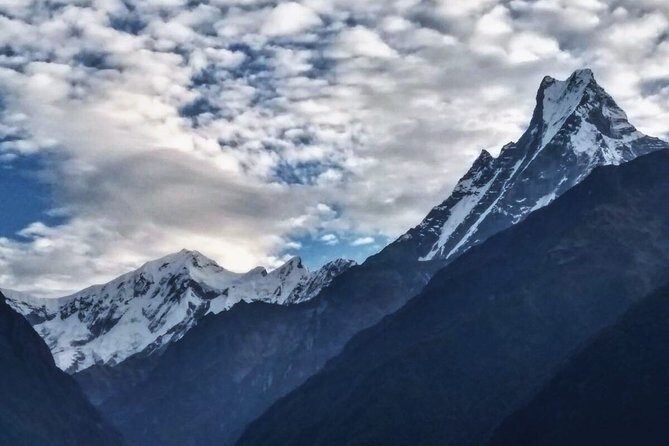
Day 2 has the classic “get higher without killing yourself” rhythm. After breakfast at your Pokhara hotel, you’ll drive to Siwai by local jeep. Before that jeep leg, there’s a stop at Birethati, described as an entry point.
This is where you get that shift from paved roads and vehicles to the trekking landscape. Even when a trek is “only a few days,” the entry moment is often where expectations can drift. You’ll want to remember that day 2 is not meant to be your hardest push. It’s about stepping into the route and finding your pace before the full mountain views start taking over.
Good value here: because your ground transport is included, you don’t have to negotiate local rides or deal with timing mismatches. Those mismatches are one reason short treks sometimes feel longer than they are.
What to keep an eye on: wear layers you can adjust in the jeep and early walking sections. Your body temperature changes fast around trailhead days, and tea house trekking rewards whoever can manage comfort instead of muscle fatigue.
Sinuwa sunrise mornings: the view that makes the climb feel worth it
On Day 3, your plan centers on Sinuwa hilltop lodge and restaurant (Upper Sinuwa). You wake up for a morning routine that’s built around sunrise views, depending on weather. After tea and breakfast, you’ll descend along the trail.
I love trekking days that give you a reason to wake up early. Sunrise viewpoints aren’t just pretty—they reset the whole mood of the trek. You go to sleep thinking about altitude and effort, and you wake up seeing why the route exists.
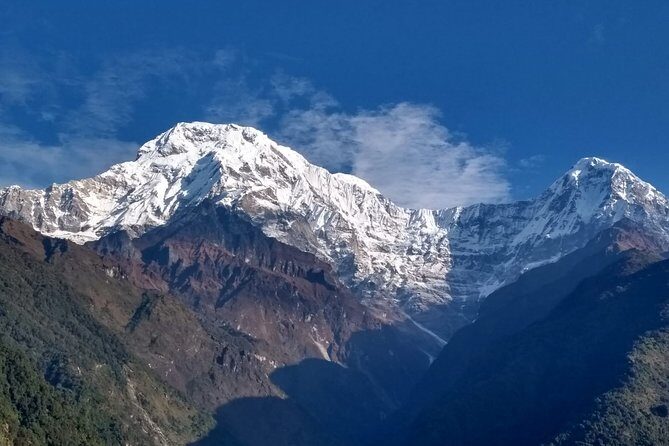
This day also helps you understand the Annapurna feel: rhododendron and forested slopes, the trail doing its gradual work, and the ever-changing light on steep mountain walls in the distance. Even without knowing every name of every peak, you start recognizing shapes. That’s part of why this route is so popular.
Possible downside: sunrise depends on weather. If it’s cloudy, you still get a functional trekking day, but the “wow” factor can shrink. Build flexibility into your expectations. This is a mountain trek, not a studio shoot.
Day 4 at Annapurna Base Camp: the day everyone is really paying for
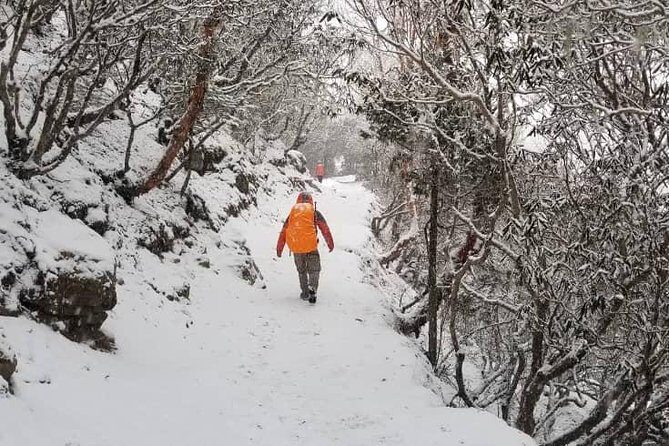
Day 4 is the headline. After breakfast, you’ll set out toward Annapurna Base Camp, described as a climb toward one of the classic shorter routes in the Annapurna Range. This is the day when you finally spend your hours looking outward instead of just forward.
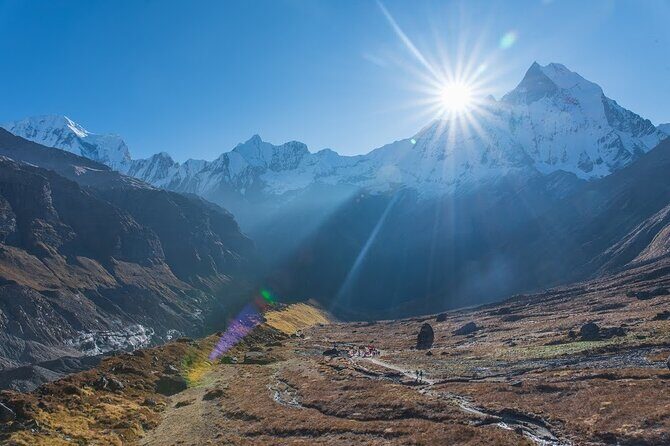
The route is known for big views, including the iconic Machhapuchare (Fish Tail), plus a lineup of towering peaks in the Annapurna area. The description also notes the scenery includes the feel of forests along the way—rhododendron, bamboo, and oak—so you’re not walking through one uniform landscape. That variety is what makes the last push feel less monotonous.
Why this day is worth paying for (even if you’re the fit type): short routes can still be emotionally intense. When you reach Base Camp, you’re not just hitting a coordinate—you’re finishing a sequence your body has been working through for days. The built-in support (guide, permits, tea house planning) helps you focus on that finish rather than logistics.
A practical consideration: energy can run low on the last trekking day. Even if your stamina is fine, cold and wind at higher points can change how you feel. That’s exactly why included down jacket and sleeping bag matter. You may not need them every hour, but having them available gives you a buffer when conditions turn.
Day 5 back toward the views: Machhapuchare and Annapurna in morning light
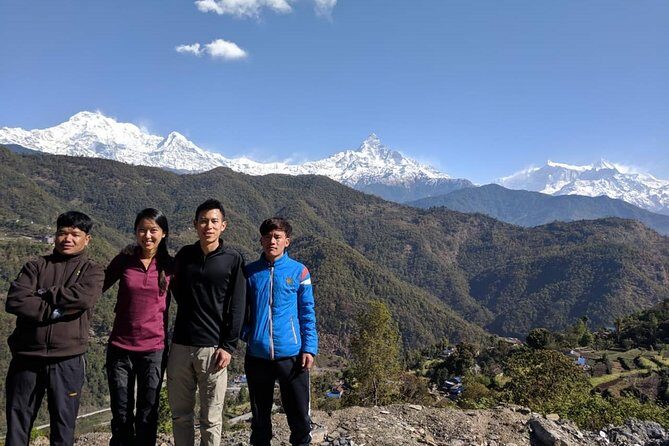
Day 5 is another early-morning moment at Sinuwa hilltop lodge and restaurant (Upper Sinuwa). The plan includes a light walk up to experience spectacular sunrises over the vertical mountains of Machhapuchare and Annapurna, then breakfast.
This is a smart pacing choice. Instead of making your final trekking day purely functional, the itinerary gives you a “last look” morning before the descent storyline takes over. It’s also a chance to watch the light shift on steep terrain. If you’re the type who likes photos, this is when you’ll understand why people keep coming back to this region.
What you might need to accept: you’ll likely be tired by Day 5, even if you’re strong. Sunrise pushes can feel extra hard when you’re ready to sleep in. Keep your layers ready and make a point to drink water and eat breakfast carefully.
A few more Kathmandu tours and experiences worth a look
Day 6: Chomrong, Jhinu hot spring, and the return to Pokhara
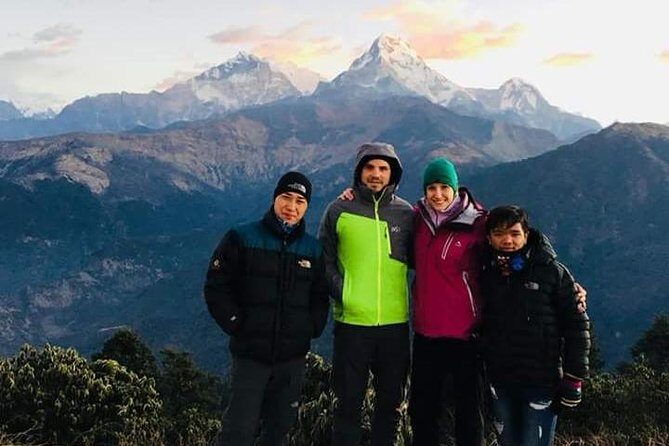
Day 6 is your down-mountain day, and the itinerary is built around a few key stops.
After breakfast, you follow the same trail back until Chomrong. From there, the trail descends very steeply to the Jhinu hot spring. Then you trek down from Jhinu dada to Siwai by about a two-hour trek, where you take a local jeep back.
That steep descent can be the toughest part of many treks, not because of steepness alone, but because your legs have to absorb the drop for a long time. If you’ve never done a steep down day in boots, this is where you’ll notice your form. Trekking poles can help a lot if you use them (even though poles aren’t listed in included items, you might already have them).
Finally, the itinerary includes a Pokhara stop: Pokhara Museum after breakfast, then your day is done with the expectation of being back in town.
Why this day balances out the trek: you get a natural cool-down with the hot spring moment. Even if you don’t treat it like a spa session, it breaks up the monotony of descending.
Price and value: what $699 covers and what to double-check
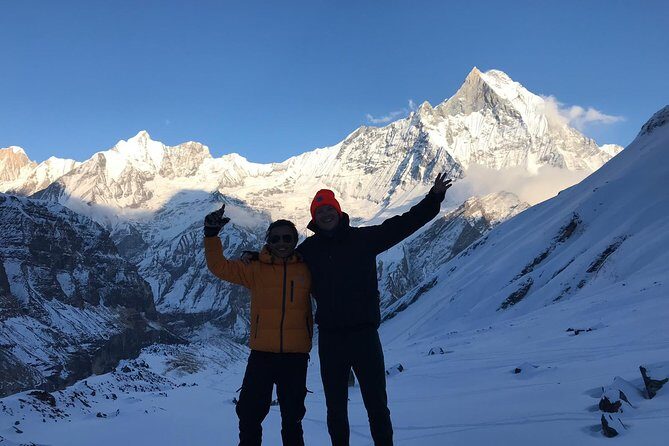
At $699 per person, this trek price looks midrange for Nepal short treks—but the value is in what’s bundled rather than in the headline number.
Here’s what stands out as real value:
- Permits included (so you’re not paying for paperwork separately)
- Tea house accommodation plus meals included on trek (5 breakfasts, 5 lunches, 5 dinners are listed)
- Guide provided and their salary covered, plus insurance and equipment/food/transport for guide logistics
- Gear included: down jacket and sleeping bags
- All fees and taxes and all ground transportation
- Airport pick and drop off
- A farewell dinner, plus certificate of achievements and a free hiking t-shirt
Also, the small group max of 12 matters. You’re not getting the experience of a crowd, and on a trek, that can translate to smoother pacing and fewer bottlenecks at tea houses.
What’s not included is also important for your budget:
- Extra accommodation in Kathmandu or Pokhara beyond the schedule
- Food in Kathmandu and Pokhara
- Arrival visa fees
- Tips for guide and staff
- Travel insurance
- Any food beyond what’s explicitly listed during the trek days
What I’d double-check before you pay the final emotional price: confirm the gear sizes and how the down jacket and sleeping bag distribution works. The best deal is the one that fits.
Guides and the small details that make or break the trip
A trekking guide can make your experience feel smooth and calm. The itinerary says you’ll have an English-speaking guide who handles arrangements so you can focus on the trek.
Here’s the balanced reality from the available feedback: the overall rating and recommendation rate are very high, which usually points to a lot of things going right—organization, smooth transport, and people feeling looked after. But the included notes also contain a couple of red flags you should act on.
The biggest issue mentioned is water purification tablets. One booking described that tablets were expected to be provided but the guide forgot them and wasn’t initially willing to correct it, causing uncertainty about how water would be treated. Another booking mentioned a guide who seemed unfamiliar with the trekking plan and later tried to make travelers pay for water treatment, even though tablets were eventually found.
You can’t control everything, but you can reduce risk:
- Ask the operator before departure: will you receive enough water purification tablets each day?
- If not, plan to bring your own method for treating drinking water.
- Keep an eye on your guide’s readiness early. If something feels off, it’s better to raise it immediately than wait until you’re thirsty and tired.
This is exactly the kind of “small detail” that turns a short trek into a stressful one. Fix it early and the mountain experience stays the main character.
What you’ll do each day, realistically: pace, food, and tea house life
Even though the itinerary is structured, you’ll feel it as a sequence of rhythms:
- Wake early for tea and sunrise or a view window (when weather allows)
- Breakfast, start walking, then settle into tea house routines
- Eat a simple meal that’s filling enough for cold and effort
- Repeat, with your body adjusting over time
Because meals are included on trek, you don’t have to decide where to eat each day. That’s a quiet win. It also means your day planning is more predictable: you can focus on what you’re packing and how you’re walking rather than hunting menus.
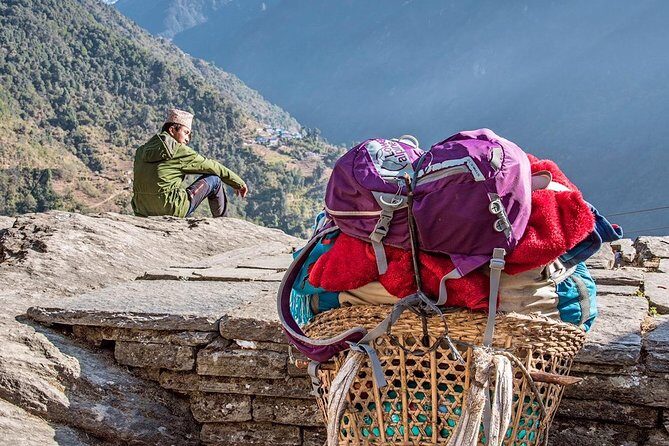
Tea house trekking is also where you learn what matters: warm layers, comfortable socks, and a steady pace. The itinerary mentions forests and a classic short-route feel, which often means you’ll be walking on varied paths—sometimes easier, sometimes steeper, especially during descent sections like Day 6.
Gear and packing: don’t let the included items lull you
You’re told down jacket and sleeping bags are included. That’s great. But it doesn’t mean you can pack like you’re going to a hotel.
Bring:
- Layering pieces you can adjust quickly as you move
- A hat and gloves if you run cold (the higher you go, the more cold creeps in)
- Good hiking socks
- A small daypack for essentials while walking
- A backup plan for water treatment (based on the tablet-related concerns mentioned in feedback)
Since the trip description lists moderate physical fitness as the target, pack for endurance, not speed. Comfortable shoes and dry socks will do more for your comfort than adding extra gadgets.
Weather and altitude reality checks (without the drama)
The itinerary depends on conditions, and the operator lists that the trek requires good weather. When weather turns, it can affect visibility and comfort. That’s not unique to this trek—it’s just how mountain travel works.
The upside is that the itinerary gives multiple scenic moments: sunrise on Day 3 and Day 5, plus the Base Camp payoff on Day 4. Even if one view day is cloudy, you’re still likely to get a memorable trek.
Who this Annapurna Base Camp trek fits best
This is a good match if you want:
- A short, classic route to Annapurna Base Camp without planning permits and logistics yourself
- Included tea house comfort and trek meals so your budget is clearer
- A small group environment with a guide that handles arrangements
- The chance to see Machhapuchare and other major peaks on a tight timeline
You might want a different option if:
- You’re very sensitive to guide consistency and want the strongest possible assurance about water tablets and guide familiarity
- You’re looking for total independence with zero support (this trek is built around guided logistics)
- You dislike early mornings and cold-start starts (sunrise is part of the schedule when weather cooperates)
Should you book this trek?
I think you should book this trek if you value bundled support and you’re comfortable confirming a couple of details before you go. The strong points are clear: permits covered, tea house stays and meals included, gear provided, and ground transport handled. For $699, it’s an efficient way to access a major Himalayan destination without building the system yourself.
But don’t go in on autopilot. Ask directly about water purification tablets before the trek starts, and verify what your guide will provide each day. If they can clearly explain the water plan and stay organized, you’ll likely end up with exactly what most people come for: a classic Annapurna Base Camp route with big mountain views and a smoother-than-average trek experience.
FAQ
How long is the Annapurna Base Camp trek with this plan?
The itinerary runs for about 6 days, starting with Kathmandu to Pokhara on Day 1 and ending with return to Pokhara after the descent and Jhinu hot spring area on Day 6.
What time does the trek start?
The meeting start time is 6:45 am.
What’s included in the trek price?
Included items list airport pick and drop off, private transportation and all ground transportation, trekking permits, an English-speaking guide, tea house accommodation, meals during the trek (5 breakfasts, 5 lunches, 5 dinners), a down jacket and sleeping bags, all fees and taxes, plus additional perks like a hiking t-shirt, farewell dinner, and a certificate of achievements.
What is not included?
Not included: extra accommodation in Kathmandu or Pokhara beyond the schedule, food in Kathmandu and Pokhara, arrival visa fees, tips for guide and staff, and travel insurance.
How big is the group?
The group size has a maximum of 12 travelers.
Will I have water purification tablets?
The included details do not explicitly list water purification tablets. However, feedback highlights that tablets were expected but were not available at first on at least one prior trip. I recommend confirming the water treatment plan with the operator before you depart and being prepared with your own option.
If you tell me your trekking dates and current fitness level (and whether you get cold easily), I can suggest a simple packing checklist tuned to this exact schedule.