REVIEW · KATHMANDU
Kathmandu to Annapurna Base Camp (ABC) 5-Day Trek
Book on Viator →Operated by Cordial Trek Pvt. Ltd. · Bookable on Viator
If you want Annapurna Base Camp without a long vacation, this is a serious option. It’s built as the shortest practical run to ABC, starting with a Kathmandu to Pokhara flight and quickly moving you onto the trail toward 4,130 m / 13,550 ft. You’ll get a guided push through the Annapurna region’s tea-house world, with nights at mountain guesthouses and a finish that includes the Jhinu Hot Spring dip.
I especially like how the plan balances big mountain moments with real logistics: hotel pickup in Kathmandu, shared vehicle transport on the ground, permits handled, and a licensed guide working in English and Hindi. From the feedback I saw, the guides also focus on safety and pace, with standout names like Om Raj, Raj, Nilakantha, and Pratip showing up again and again for being organized and attentive.
The main drawback to weigh is simple: it’s a short trek, so you’ll hike hard and you’re climbing quickly. You should have moderate fitness, and you’ll want to be smart about pacing—plus remember meals aren’t included, so budget for food along the way.
In This Review
- Key takeaways before you commit
- Annapurna Base Camp in five days, and why it works
- Kathmandu to Pokhara: the flight that buys you time
- Day 1: Simrung to Sinuwa, plus Chomrong vibes
- Day 2: Sinuwa to Deurali through tea houses and waterfall forest
- Day 3: Machhapuchhre Base Camp area to Annapurna Base Camp
- Day 4: sunrise at ABC, then the descent back toward Sinuwa
- Day 5: Jhinu Hot Spring bath and back to Pokhara
- Value and costs: what $99 really means for your trip
- The guide factor: safety, pace, and that calm smile
- What you should be ready for (and who will enjoy this most)
- Should you book this 5-day Annapurna Base Camp trek?
- FAQ
- What is the itinerary style for this Annapurna Base Camp trek?
- Are flight tickets included?
- Where do you stay during the trek?
- Are meals included?
- Is a porter included?
- What trek highlights are included?
- What about guides and language support?
- What happens if the trek can’t run due to weather?
- What is the cancellation window?
Key takeaways before you commit
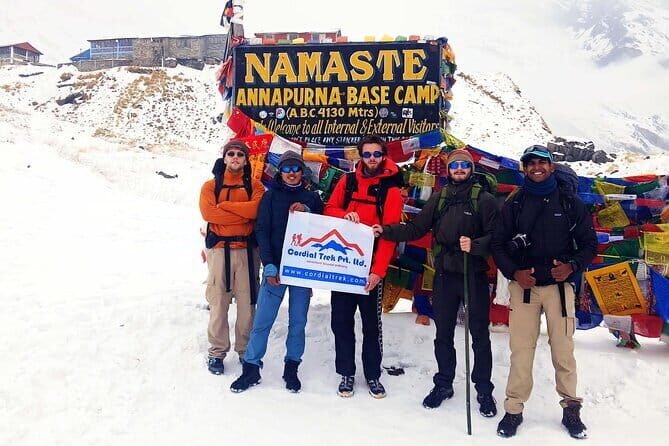
- Fast track to ABC: A tight 5-day route that targets the base camp view without a multi-week timeline.
- Flight + trail combo: You fly KTM to Pokhara, then switch to road and trekking logistics.
- Guesthouse nights: You’ll sleep in mountain guesthouses for four nights, which keeps things realistic at altitude.
- Real “arrival day”: Reaching ABC comes after a route that includes Machhapuchhre Base Camp area.
- Hot springs finish: Jhinu Hot Spring bath is part of the descent, not an optional side trip.
Annapurna Base Camp in five days, and why it works
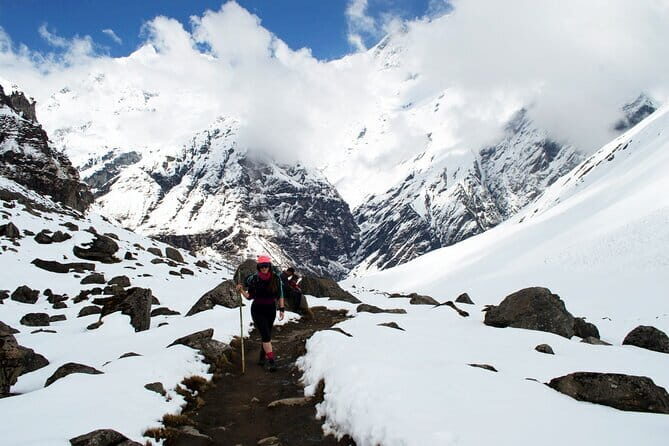
This trek is attractive for one reason: it lets you experience Annapurna Base Camp without turning your calendar into a new lifestyle. ABC sits inside the Annapurna Sanctuary, a high glacial basin about 40 km north of Pokhara. And while Annapurna I towers much higher (8,091 m / 26,545 ft), ABC is where you feel the scale—big peaks looming, glacier basins around you, and the sense that you’ve reached a place people plan their entire Nepal trip around.
The design is also practical. You start in Kathmandu with pickup, then you’re quickly moved to the airport area for a short flight to Pokhara (about 25 minutes). From there, you don’t spend days just getting to the mountains. You’re put into the trekking rhythm fast, which matters if you’re limited by time, work leave, or you just don’t want to spend a week on approach hikes.
That speed also means your hiking days are meaningful. Day 1 is described as about 5–6 hours moving through the first stretch toward Chomrong and onward to Sinuwa. Day 2 is another 6–7 hours through forested sections and small settlements with tea houses. So yes, it’s short. It’s also not a stroll.
You can also read our reviews of more hiking tours in Kathmandu



Kathmandu to Pokhara: the flight that buys you time
The tour starts with a hotel/apartment pickup in Kathmandu and an escort to Tribhuvan International Airport for the flight to Pokhara. You’re in the air for around 25 minutes, and that time savings is the core value of this trek. Instead of spending half a day or a full day on road just to reach the trailhead region, you use a short flight to get into the adventure earlier.
Pokhara is your staging point. Once you arrive, you’ll switch to a shared vehicle for the drive toward Simrung to begin the trek. This “fast handoff” matters for two reasons:
- You reduce the total number of travel days.
- You start hiking while your energy is still high, instead of on day one after a long bus ride.
If you’re sensitive to altitude in general, it’s still something to respect. A flight doesn’t change the fact that you’ll be climbing to ABC quickly, but it does reduce the number of hours you spend bouncing around before you even begin. That can make the overall experience feel more manageable.
Day 1: Simrung to Sinuwa, plus Chomrong vibes
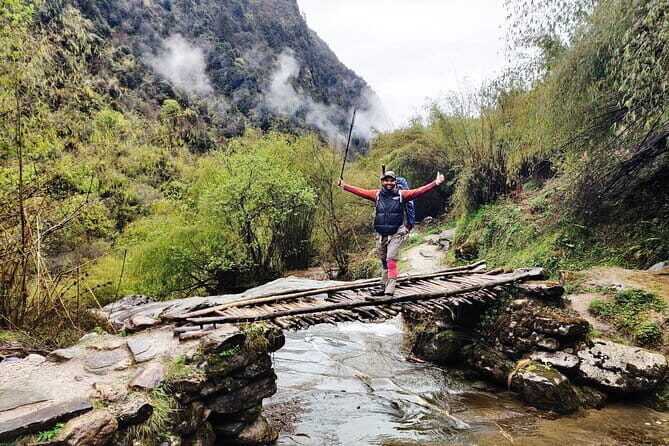
On your first trekking day, you head out from the Simrung area and walk for about 5–6 hours. The route is described as passing via Jhinu Danda and Chomrong before reaching Sinuwa for the night. In real terms, this is your warm-up to the trekking routine: sustained walking, altitude gaining gradually, and learning how to regulate effort.
What I like about this first day is that it’s early feedback. You’ll know quickly whether your legs feel good, whether your pack weight is under control, and whether you’re pacing smartly. And because the trek is guided, you’re not making these choices alone.
A second practical upside: your first night is at a mountain guesthouse. That means you’re not trying to figure out sleeping gear or camp logistics on your own. You can focus on getting your body ready for the taller day coming next.
Day 2: Sinuwa to Deurali through tea houses and waterfall forest
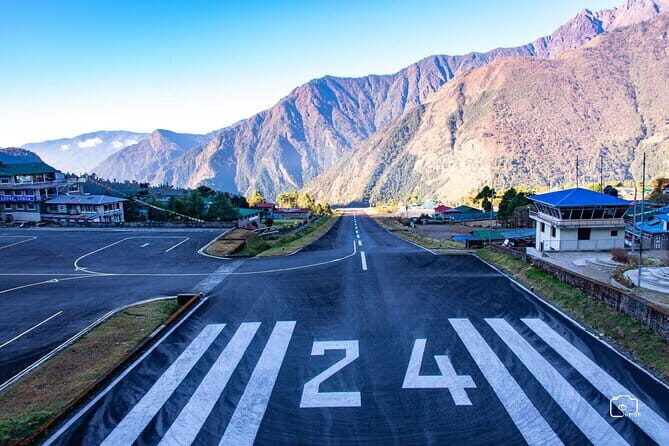
Day 2 is a longer hike (about 6–7 hours) from Sinuwa to Deurali. The route runs via Himalaya, a small settlement where you’ll find tea houses. You’re also walking through dense forest sections and you may see waterfalls along the way.
This is the kind of day that can be deceptively demanding. Forest trails can keep you cooler and make the climb feel less brutal, but you’re still gaining elevation steadily. The tea-house stops also matter. In practice, they give you a chance to drink, refill, and keep your energy steady without turning every break into a complicated plan.
What you’re really preparing for on Day 2 is the higher terrain vibe. By the time you reach Deurali, you’ll feel the change in air and the shift in how the trail “reads.” I’d treat this day as your pace-setting day. If you go too hard on Day 2, you’ll feel it later on ABC approach.
Day 3: Machhapuchhre Base Camp area to Annapurna Base Camp
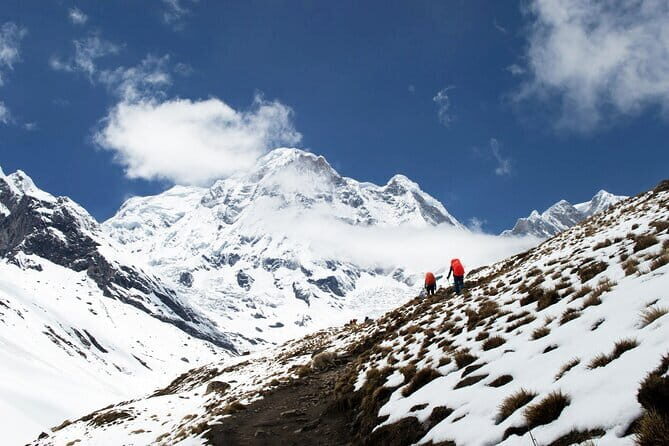
Day 3 is the arrival day. You reach Annapurna Base Camp (4,130 m / 13,550 ft) via Machhapuchhre Base Camp (MBC). On the way, you pass through the MBC valley area, which adds variety to the final push.
This is where the trek’s purpose shows up. ABC is not a single viewpoint—it’s a whole high-altitude basin experience, set inside the Annapurna Sanctuary. When you’re surrounded by massive peaks and glacial terrain, the day stops feeling like “a hike” and starts feeling like you’ve arrived somewhere with gravity.
Also, this is where your guide’s job becomes more than navigation. The most praised feedback I saw consistently pointed to guides who made people feel safe and supported when conditions got tough—especially at or near base camp. Names like Om Raj and Nilakantha came up for being organized, calm, and helpful, with Om Raj also noted for making the trek feel safe and well structured.
Even if you’re feeling strong, ABC is still high. Don’t try to turn it into a sprint competition. Arrive, breathe, and take the time you need.
A few more Kathmandu tours and experiences worth a look
Day 4: sunrise at ABC, then the descent back toward Sinuwa
Day 4 starts with an early morning sunrise moment at Annapurna Base Camp, followed by breakfast. Then you trek downhill toward Sinuwa, passing through Deurali and Himalaya and continuing onward.
This day can feel odd in the best way. Day 3 is about arrival. Day 4 is about leaving. Descents can be tough on knees and ankles, especially after high-altitude sleep and a big Day 3. Still, the payoff is you get views again without the same level of upward effort.
The sunrise/breakfast setup is also smart. It gives you one of the classic ABC experiences—morning light over the peaks—then gets you moving before the day turns into heat and fatigue. If you’ve done high-altitude hikes before, you know early starts are often a trade-off: fewer crowds and better light, but you’ll need to get moving even when it’s cold.
Day 5: Jhinu Hot Spring bath and back to Pokhara
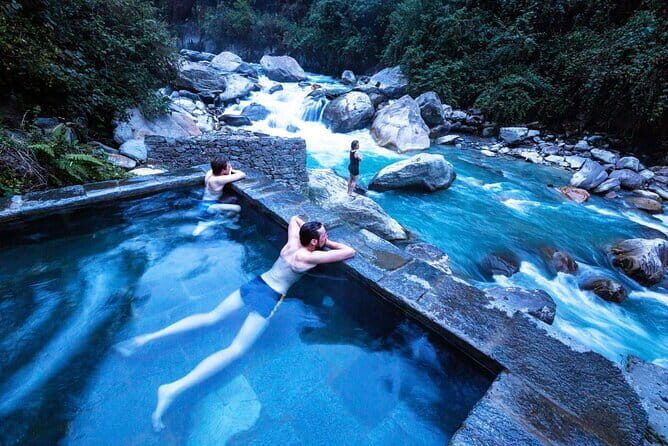
Your final trekking day is a descent of about 5–6 hours from the trail area down toward Simrung via Jhinu Danda. And then the key reward: Jhinu Hot Spring bath.
This is the finishing touch that makes the short trek feel complete. After several days of walking, the hot spring gives your body a reason to celebrate. It’s also a mental reset—this is when ABC stops being the whole story and becomes a memory, while your feet finally get some recovery.
After Jhinu Danda, you drive back to Pokhara (around 2 hours). The end of the day is described as a celebration of completing the trek.
One practical note: hot springs are great, but they don’t replace rest and hydration. Plan to change out of wet clothes quickly and keep drinking water after your dip.
Value and costs: what $99 really means for your trip
At $99 per person, this is priced like a budget trek with essentials handled. Here’s what’s included:
- Flight Kathmandu to Pokhara (one way)
- Shared vehicle between Pokhara and Simrung (and back to Pokhara)
- Mountain guesthouse accommodation for four nights
- Trekking permits and national park fees
- A licensed guide (English and Hindi)
- Hotel pickup and drop in Kathmandu
- Mobile ticket
What’s not included:
- All meals and drinks
- Porter service
This matters for value in a very real way. The flight plus guide plus permits and guesthouse beds are the big-cost pieces. Meals add up, but they’re also flexible—tea houses set the price, and you can choose what you eat each day. Drinks also vary, and you’ll usually want hot beverages when it’s cold.
The porter question is worth checking carefully. The package details say porter service isn’t included, but the trip feedback highlights porters by name for helping make the trek smooth. If you want a porter, ask ahead of time so you’re not surprised mid-trek.
Also, the flight is one way. The trek ends in Pokhara on Day 5, so your return to Kathmandu is something you should arrange separately unless you’re given additional transport. That doesn’t make the trek worse—it just affects your total trip budget.
The guide factor: safety, pace, and that calm smile
Some trekking companies just hand you a route card. This one is built around a guide experience, and the praise you’ll see is consistent: guides who check on you, keep the pace realistic, and stay positive even when the terrain is not.
In the feedback, several guides were repeatedly singled out:
- Oham Raj Tamang and Narayan for making solo travel feel safe
- Nilakantha for being outstanding in support
- Om Raj for being helpful, cheerful, and keeping things organized and safe
- Raj for being attentive, with porters who did their best
- Smile Ghale for care from Pokhara arrival through the trek
- Pratip for ongoing help and assistance
If you’re a solo traveler, or you’re not used to Himalayan trekking timing, this kind of support is not a small detail. It changes how stressful the hard parts feel. A good guide also helps you make smart choices about when to slow down, where to rest, and how to manage expectations at base camp.
What you should be ready for (and who will enjoy this most)
This trek is best for you if you:
- have moderate physical fitness
- want the fastest realistic ABC experience (five days)
- like guided trail structure and guesthouse simplicity
- want the ABC sunrise moment and the Jhinu hot spring finish
You might find this less ideal if:
- you want a very relaxed pace
- you need plenty of time for gradual acclimatization (this route is short and climbs quickly)
- you don’t enjoy hiking days around 5–7 hours
Because meals aren’t included, you should also be comfortable eating at tea houses/guesthouse menus and managing your own spending for food and drinks.
Weather matters too. The experience requires good weather, and if it’s canceled due to poor weather, you’ll be offered a different date or a full refund. That’s part of mountain travel reality.
Should you book this 5-day Annapurna Base Camp trek?
I’d book it if your goal is Annapurna Base Camp fast, with permits handled and a licensed guide making the trail feel safe and organized. The combination of flight time-saving, guesthouse lodging, ABC arrival, and a Jhinu hot spring ending is a strong mix for people who want a big payoff without a long timeline.
Before you click confirm, do two things: pack light since porter service isn’t listed as included, and confirm how you’ll handle your return from Pokhara to Kathmandu if you need it. If you’re good with that, this is a very focused way to experience the Annapurna Sanctuary and stand at ABC within five days.
FAQ
What is the itinerary style for this Annapurna Base Camp trek?
It’s a guided, short trek built around getting from Kathmandu to Pokhara by flight, then traveling by shared vehicle to Simrung to start hiking. You stay in mountain guesthouses for four nights and trek for about five days total.
Are flight tickets included?
Yes. Flight tickets are included for Kathmandu to Pokhara one way (for KTM option).
Where do you stay during the trek?
You stay in mountain guest house accommodation for four nights.
Are meals included?
No. All meals and drinks are not included.
Is a porter included?
Porter service is listed as not included. If you want porter help, confirm it at booking.
What trek highlights are included?
You’ll trek to Annapurna Base Camp (4,130 m / 13,550 ft), pass through Annapurna Sanctuary, enjoy the trail through forest areas, and include a visit to Jhinu Hot Spring for a bath.
What about guides and language support?
A licensed trekking guide is included. The guide and language support are provided in English and Hindi.
What happens if the trek can’t run due to weather?
This experience requires good weather. If it’s canceled due to poor weather, you’ll be offered a different date or a full refund.
What is the cancellation window?
You can cancel up to 24 hours in advance of the experience for a full refund. Cancellation less than 24 hours before the start time is not refunded.