REVIEW · KATHMANDU
Everest Short Trek -5 Days
Book on Viator →Operated by Himalayan Adventure Treks and Tours Pvt Ltd · Bookable on Viator
One hard-to-plan part is the flight. One hard-to-miss part is the view. This short Everest region trek packs the famous Khumbu Valley highlights into just 5 days, with a stay-and-sight plan built around hitting big scenery without weeklong hiking.
Two things I really like about this setup are the Hotel Everest View stop (with wide 360-degree Everest-range views) and the way the day structure helps you adjust to altitude with a dedicated acclimatization day in Khumjung. The biggest thing to watch is weather: Lukla flights are famous for delays, so your “short trek” can stretch if visibility closes in.
In the human department, the operation sounds strong. In trip write-ups, people named guide Badri and Sherpa Pemba for their calm, caring guidance, and they also praised Bhagwat for running the show with clear communication and follow-through. Just know it’s still an active trek at altitude, and the easier route doesn’t mean zero effort.
In This Review
- Key highlights and practical takeaways
- The 5-day Everest View plan: fast, focused, and scenic
- Day 1: Kathmandu to Lukla, then Phakding at 2610m
- Day 2: Phakding to Namche Bazaar at 3446m
- Day 3: Acclimatization in Khumjung and the Hotel Everest View at 3880m
- Day 4: Back to Lukla via Phakding, then regroup
- Day 5: Fly Lukla to Kathmandu and finish the adventure
- Weather and flight reality around Lukla (plan for flexibility)
- Price and value: what $1,300 per person buys (and what it doesn’t)
- Lodges, meals, and comfort on a short Everest trek
- Guides, porters, and the support system that makes or breaks it
- Health basics and pacing for altitude you can’t ignore
- Who should book this Everest Short Trek?
- Should you book it?
- FAQ
- What is the duration of the Everest Short Trek – 5 Days?
- Where does the trek start?
- Does the tour include flights to Lukla?
- What are the main places you hike to during the trek?
- What meals are included?
- Are accommodations included?
- Is a vegetarian option available?
- What permits and fees are covered?
- What is included in the price, and what is not?
- Is there free cancellation?
Key highlights and practical takeaways
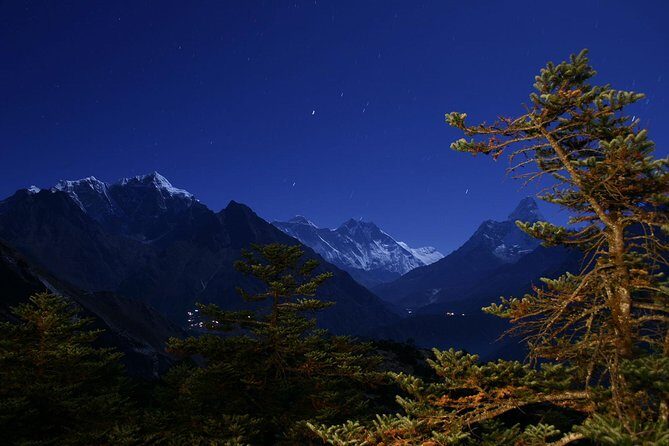
- Hotel Everest View 360 views: A rare, high-reward photo moment without needing to push into the highest trekking routes.
- A true acclimatization day: Khumjung and the Everest View Hotel are planned for altitude adjustment at 3880m.
- Flights handled via Lukla (often from Ramachap too): The package includes scheduled flights through Tenzing Hillary Airport connections.
- Meals and lodge stays included: Breakfast, lunch, and dinner are built into the 5 days, with accommodations in tea houses/lodges.
- Guide + porter support: You get an experienced guide and a porter ratio of 1 porter for 2 clients.
- Support that goes beyond paperwork: Rescue arrangements and a first-aid kit are part of the deal.
The 5-day Everest View plan: fast, focused, and scenic
This is the kind of Everest trek you choose when you want the region’s main wow factor without turning your whole vacation into a logistics project. You’re not trying to summit. You’re hiking in the Khumbu Valley while spending time in and around the Sagarmatha National Park area, then leaning hard into the viewpoints.
The route is built around a simple rhythm: fly in, hike out and back, and use the middle day to breathe and adjust. The trail you’ll walk is generally friendlier than longer classics because it reaches the hotel rather than pushing farther up into higher passes and extended trekking days. That makes it a smart “first Everest” option, but don’t confuse easier trails with easy altitude.
You can also read our reviews of more hiking tours in Kathmandu


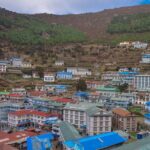
Day 1: Kathmandu to Lukla, then Phakding at 2610m
Day 1 starts with a short hop from Kathmandu to Lukla. You land at Tenzing Hillary Airport and then head north toward Phakding. The trek is about 3–4 hours, and you’ll finish the day at roughly 2610m.
Why I like this first day plan: it gets you into the Everest region quickly, and the hiking window is short enough that you can save energy for the altitude work ahead. It’s also a good way to get your body used to thicker legs and thinner air without forcing a long slog right away.
What to consider: the flight day can feel intense even if the walking time is modest. If you’re sensitive to stress or motion, plan to keep the first evening low-key. You’ll have lunch and dinner, plus breakfast is included for later, so you won’t need to hunt for meals after arrival.
Day 2: Phakding to Namche Bazaar at 3446m
Day 2 is your longest forward day, about 6–7 hours from Phakding to Namche Bazaar (around 3446m). You follow the Dudh Koshi River corridor, and you’ll enter the Sagarmatha National Park area as you go.
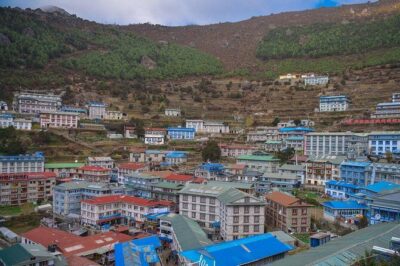
Namche Bazaar matters because it’s a hub. It’s where the trek turns from “trail into the mountains” into “small town in the Everest orbit.” You’ll feel the shift in altitude and energy immediately, and that’s before you even start exploring.
Why this day is worth the effort: it’s the day you gain access to the classic Khumbu views and the higher-altitude vibe, while still being on a schedule that stays realistic for 5 days. If you’ve only got a short trip window, this is the day that earns the time.
Possible drawback: that 6–7 hour window at higher elevation can be tiring if you pace too fast. For your best experience, walk slower than you think you need to. You’ll thank yourself on Day 3.
Day 3: Acclimatization in Khumjung and the Hotel Everest View at 3880m
Day 3 is the reason this trek feels special: it’s a full acclimatization day, not just a rest-and-go. You visit Khumjung Village and then hike to the Hotel Everest View at about 3880m. The sightseeing focus is strong here, with breakfast, lunch, and dinner included.
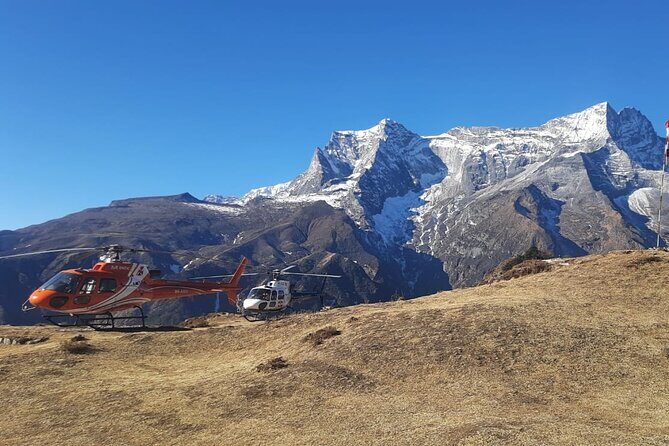
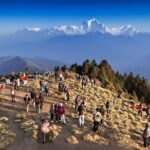
If you want a high-impact view without weeks of hiking, this is the heart of the trip. The hotel is known for delivering 360-degree views of the Everest range, and it’s also where you can see standout peaks like Lhotse, Cho Oyu, and Mount Everest itself—at least visually, depending on clouds.
This day also fits your body better. It’s planned to help you adjust to altitude before the return. You’re moving and looking, but you’re not going for maximum elevation gains that day.
What to watch: this is still at altitude. Even on an “acclimatization” day, you’ll feel it. Bring a calm mindset. If you have any history of altitude issues, talk to your clinician before travel, and keep your pace conservative.
Day 4: Back to Lukla via Phakding, then regroup
On Day 4 you go from Namche Bazaar back to Lukla, passing via Phakding. The trek time is about 6–7 hours. You’re stepping down in elevation compared to the Day 2 high, but you’re still hiking for most of the day.
I like Day 4 as a design because it keeps the trek loop coherent: you don’t just bounce from one place to another without context. You also get a second look at the Khumbu trail pattern, the river valley, and the general rhythm of the region—without the pressure of chasing one more high point.
Consideration: downhill sections can be tougher than they look. Your knees and calves may feel it, especially if you unconsciously “spring” down the trail. Short, frequent stops help. Also, keep hydration steady; the dry air can fool you.
A few more Kathmandu tours and experiences worth a look
Day 5: Fly Lukla to Kathmandu and finish the adventure
Day 5 is the simplest day: you fly from Lukla to Kathmandu and you’re done. It’s built as a short finale, so you can return to city life without additional hikes.
This is also the day where you’ll feel how weather impacted everything earlier. If your flight is delayed, the entire schedule can shift. The good news: the trip is set up around flight operations, including the plan for flights through Kathmandu to Lukla and also Kathmandu/Ramachap to Lukla and back as part of the included logistics.
Weather and flight reality around Lukla (plan for flexibility)
Lukla flying is the one factor that can’t be “managed” by willpower. Visibility, cloud cover, and wind can change plans quickly. Your package includes flight scheduling, but it also notes that you can get stuck due to bad weather delays or other reasons, and extra costs in that case are not included.
My practical advice: build flexibility into your overall Nepal schedule. If you’ve tied your Nepal dates to a hard international flight the next day, consider padding time. It’s not pessimism—it’s just smart mountain planning.
Also, keep your packing practical. You’ll want essentials accessible, because when flights are in flux, you don’t want to be digging through bags mid-chaos.
Price and value: what $1,300 per person buys (and what it doesn’t)
At $1,300 per person, this trek isn’t cheap, but it’s also not trying to be a bare-bones hike. The value comes from the mix of costs that would be hard to DIY in the right order.
What’s included that matters:
- Private airport pickup and drop in Kathmandu
- Trekking meals: breakfast, lunch, and dinner during the trek days
- Permits and fees, including TIMS permit and Khumbu Valley fees
- All necessary paper works
- Flights to and from Lukla, including options via Ramachap
- Lodge/tea house accommodations during the trek
- An experienced, helpful guide
- Porter support: 1 porter for 2 clients
- Travel and rescue arrangements
- Medical supplies (a first aid kit is available)
- A duffle bag (returned after the trek)
- Company t-shirts
- A farewell dinner at an authentic Nepalese restaurant with cultural performance
What’s not included (and you should budget for):
- Nepal visa fee
- International airfare
- Extra mountain expenses if you’re delayed
- Travel and rescue insurance
- Personal expenses (phone calls, laundry, bar bills, battery recharge, bottled/boiled water, hot shower, etc.)
- Tips for guide and porter
Here’s the honest way to judge value: if you want a short Everest trek with flight logistics handled, meals and permits included, and real support on the trail, this price can feel reasonable. If you’re comfortable building your own permits, arranging lodging, and managing flights alone, it could be more expensive than doing it independently. For most people, though, the included structure is the point.
Lodges, meals, and comfort on a short Everest trek
This trek is “short,” but it’s still in the mountains. You’ll stay in lodges/tea houses along the route, and you’re covered for breakfast, lunch, and dinner during the trek days.
What you should expect in real-life comfort terms: tea houses can be warm when the sun hits and chilly in the evening. You’ll appreciate that the itinerary is designed around rest stops and meals instead of long stretches with nothing planned.
Personal comfort items aren’t included, so if you care about hot showers or charging devices, plan for those costs. The trek mentions that hot shower and bottle/boiled water are personal expenses. In other words: bring what you can, buy what you must, and don’t assume every convenience works up high.
Guides, porters, and the support system that makes or breaks it
On a short trek, the quality of the guide matters even more. You don’t get weeks to slowly settle in—you need good pacing, good communication, and smart altitude decisions right away.
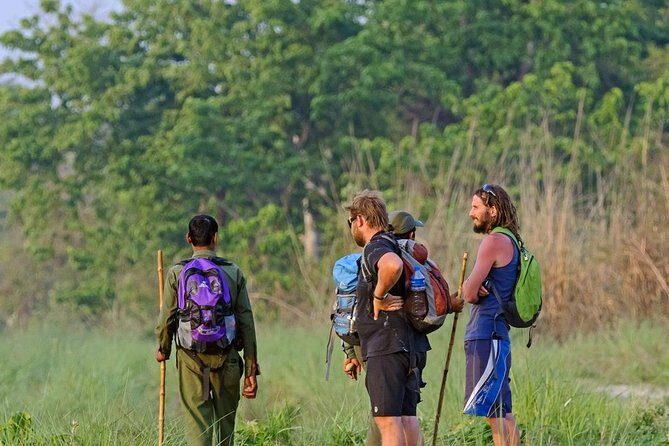
In trip write-ups, Badri is singled out for being caring and patient, and Sherpa Pemba is described as indispensable. People also praised Bhagwat, the person running operations, for strong communication and service. That combination—trail leadership plus logistics leadership—tends to make the whole experience feel smoother.
The porter setup is also a big deal: 1 porter for 2 clients means you’re not carrying everything yourself. Even if you only carry a small daypack, shared porter support can prevent fatigue from becoming the main story.
Also included: travel and rescue arrangements and a first aid kit. That doesn’t replace insurance, but it does signal that the company takes safety seriously at the planning level.
Health basics and pacing for altitude you can’t ignore
Even though the route is relatively easier than longer high Khumbu treks, you’ll still climb quickly over several days and spend time at elevations like 3446m and 3880m.
For your comfort and safety:
- Pace slow on uphill sections. Save your power for the climb, not for the pace.
- Drink steadily. Mountain dehydration sneaks up on you.
- If you feel worse day by day, you should speak up fast. Don’t force the plan to be a badge of honor.
The package includes medical supplies and first aid kit availability, but it also doesn’t include travel and rescue insurance. That’s a key point: you want your coverage lined up before you go.
Who should book this Everest Short Trek?
This trek fits best if you:
- Have limited time and still want the Everest region experience
- Prefer a route that reaches the Hotel Everest View rather than pushing into more demanding high-altitude trekking
- Like the idea of an organized plan with meals, permits, flights, and lodge stays handled
- Want guide and porter support without carrying everything
You might want to skip it (or ask more questions first) if:
- You can’t handle schedule uncertainty tied to Lukla flights
- You’re looking for a very physically easy walk with no altitude concerns
- You’re hoping for personal expenses like hot showers or extra comforts to be included
Should you book it?
If your goal is a short, high-satisfaction Everest trip—views first, logistics handled, and a realistic schedule—this one is a strong candidate. The Hotel Everest View stop is the signature moment, and the acclimatization day is built around giving your body a better shot at feeling okay.
The main reason not to book is if you need absolute certainty about flight timing and costs. Lukla can be unpredictable, and extra expenses due to delays aren’t included.
For the right traveler, this trek is a practical way to experience the Khumbu without turning your vacation into a month-long test of endurance.
FAQ
What is the duration of the Everest Short Trek – 5 Days?
It’s listed as 5 days approximately.
Where does the trek start?
You start in Kathmandu, Nepal, with pickup and drop to the airport by private vehicle. The meeting start time is 6:00 am.
Does the tour include flights to Lukla?
Yes. The tour includes flights from Kathmandu to Lukla and also flight coverage from Kathmandu/Ramachap to Lukla and back.
What are the main places you hike to during the trek?
You fly to Lukla, trek to Phakding, continue to Namche Bazaar, then have an acclimatization day around Khumjung and the Hotel Everest View, and finally trek back to Lukla via Phakding.
What meals are included?
Lunch, dinner, and breakfast are included during the trekking days as listed in the day-by-day schedule.
Are accommodations included?
Yes. Lodges/tea houses are included during the trek.
Is a vegetarian option available?
Yes. A vegetarian option is available if you advise the operator when booking.
What permits and fees are covered?
The package includes TIMS permit and Khumbu valley fees, along with the necessary paper work.
What is included in the price, and what is not?
Included: pickup/drop, flights to/from Lukla, trekking meals, accommodations, guide and porter support (1 porter for 2 clients), rescue arrangements and first aid supplies, duffle bag, and a farewell dinner with cultural performance. Not included: Nepal visa fee, international airfare, travel and rescue insurance, personal expenses, possible extra mountain expenses if delayed, and tips for guide and porter.
Is there free cancellation?
Yes. You can cancel up to 24 hours in advance for a full refund based on local time.