REVIEW · KATHMANDU
Everest Base Camp Trekking
Book on Viator →Operated by himalayan sanctuary adventure private limited · Bookable on Viator
High peaks, long days, real payoff. The Everest Base Camp trek is the classic route for a reason: you get Sherpa villages, big glacier terrain, and the famous sunrise view from Kala Patthar above the Khumbu Glacier. What I like most is the way the pace is set up for steady acclimatization, so you’re not rushing your body before altitude takes its turn.
I also really appreciate the practical support built into this trip. You’ll have an experienced, English-speaking, government-licensed trekking guide, hotel nights in Kathmandu, teahouse-style lodging, and meals included during the trek—so you can focus on walking and taking in the mountains instead of doing logistics math. Add in porter support (set up as 2 trekkers to 1 porter) and all the required paperwork for permits, and the whole operation feels designed for fewer headaches.
One consideration: this is a tough challenge. You’ll face a long day getting to Gorakshep and Base Camp, plus the push up to Kala Patthar, and some tougher sections along the Khumbu Glacier. And if Lukla flights get delayed or canceled due to weather, you’ll need buffer time; the trip itself even suggests adding 2 to 3 extra days after the trek to protect your international travel.
In This Review
- Key things to know before you go
- Kathmandu first: getting your bearings without wasting time
- Lukla flight and the start toward Phakding: day-one adrenaline, day-two reality
- Phakding to Namche Bazaar: crossing rivers and arriving at the Sherpa heart
- Namche’s altitude lesson: sunrise views and smart acclimatization
- Tengboche monastery day: where views and culture meet
- Dingboche and acclimatization: where the trek starts to feel real
- Lobuche to Gorakshep: the long haul toward Base Camp
- Everest Base Camp and Kala Patthar: hardest work, clearest reward
- The descent: Namche again, plus a Kathmandu celebration
- Price and value: what you’re really paying for at $1,625 per person
- Who should book this Everest Base Camp trek
- Should you book? My practical take
- FAQ
- How long is the Everest Base Camp trek on this tour?
- Where does the trip start and end?
- What’s included in the trek meals and lodging?
- Are flights included?
- Are trekking permits included?
- What is not included in the trip cost?
Key things to know before you go
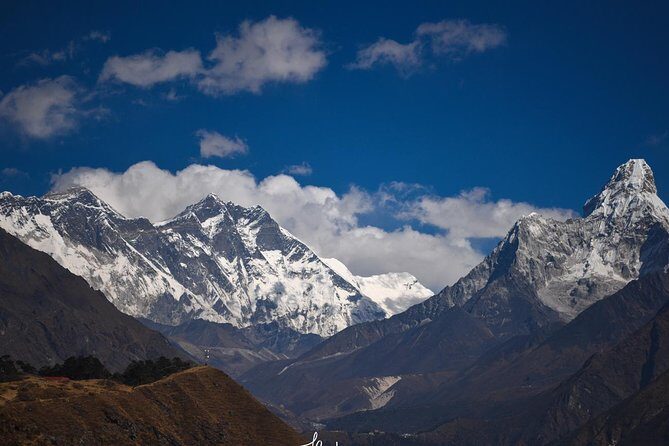
- Kala Patthar sunrise is the headline moment, with a top hike that takes about 3 hours and big views afterward
- Government-licensed guide plus a porter plan means less stress, especially when the trail gets serious
- Teahouse trek rhythm with breakfast, lunch, and dinner included keeps your daily plan straightforward
- Acclimatization days in Namche and Dingboche help you climb smarter, not just higher
- Sagarmatha National Park includes UNESCO territory and iconic monasteries like Tengboche
- Lukla weather risk is real, and your schedule needs flexibility near the end
Kathmandu first: getting your bearings without wasting time
Kathmandu is where this trek starts, and it does a good job helping you land on your feet. You’re met right outside the international airport terminal with a representative from Himalayan Sanctuary Adventure, then transferred to a hotel in Thamel. Thamel is a useful base: you can step outside and feel like you’ve arrived in Nepal, not just passed through it.
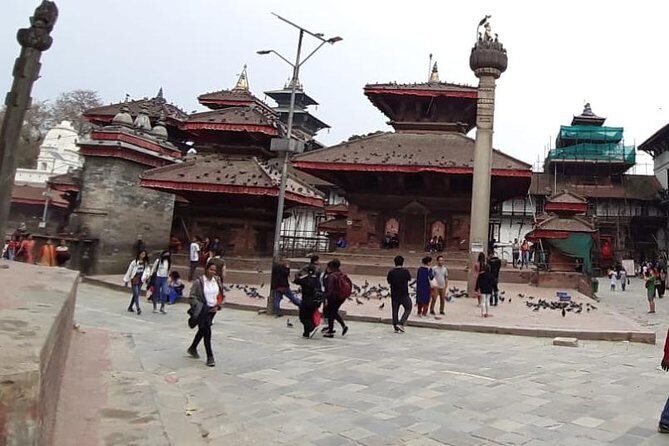
Your sightseeing day is a solid mix of spiritual and historic stops. You’ll visit Boudhanath Stupa, the valley’s largest stupa at about 36 meters tall, and it’s known for the way it was traditionally built using dew during a drought. Then you head to Pashupatinath Temple, one of the most sacred Hindu shrines in the world, with ritual dips in the Bagmati River happening alongside the temple grounds. The day also can include Patan Durbar Square and Swayambhunath Stupa (the Monkey Temple), which gives you two very different flavors of Kathmandu Valley—temple craft and city life plus sweeping views from a hilltop.
The value here is simple: before you go chasing thin air, you get oriented to how people live and worship. The only drawback is that it’s still a sightseeing day right after travel, so keep it light. You’ll want energy for the next day’s flight up into the high country.
You can also read our reviews of more hiking tours in Kathmandu


Lukla flight and the start toward Phakding: day-one adrenaline, day-two reality
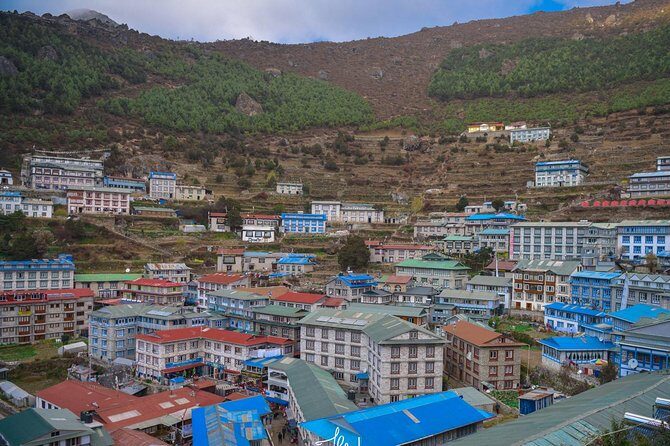
Next comes the jump to Lukla by early morning flight, then trekking into the trail network that most people dream about. The route first reaches Phakding, stopping along the way through villages like Cheplung. This opening stretch matters because it sets expectations: even when the walking feels manageable, you’re building routine—steady steps, careful pacing, and learning how your body reacts to altitude.
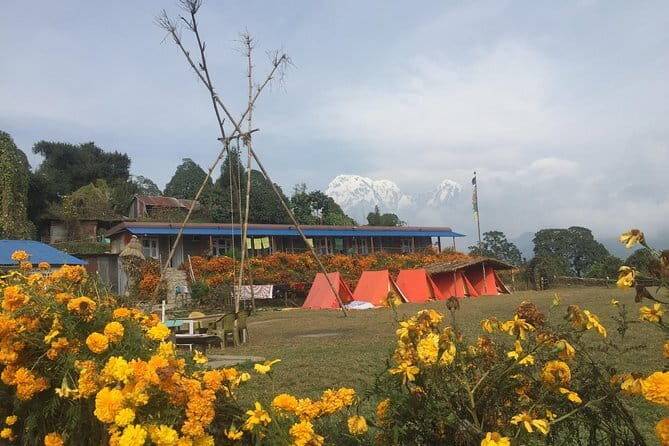
From Phakding, you sleep at 2,610 meters and settle into teahouse life. The teahouse system isn’t luxury, but it’s practical. You’ll check in, eat what’s on offer, and you’ll see trekkers from all over the world moving at different speeds—but everyone shares the same goal: keep going upward, one day at a time.
One small thing to keep in mind: early flights can feel intense, especially if you’re not used to flying in mountains. The upside is you start trekking before the day runs away.
Phakding to Namche Bazaar: crossing rivers and arriving at the Sherpa heart
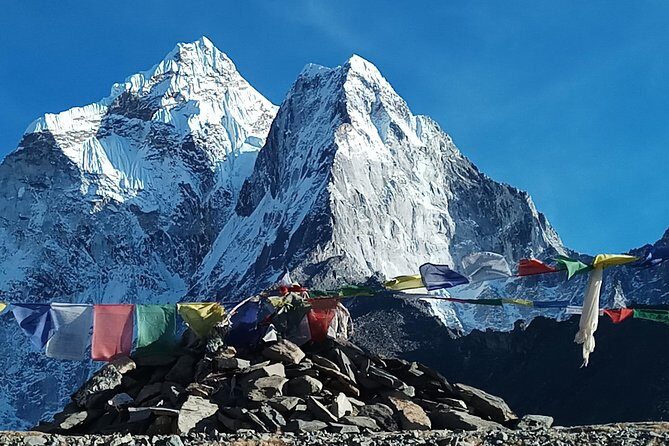
As you move toward Namche Bazaar, the trail gradually turns more serious. You’ll cross the Dudh Koshi River and pass villages including Chumoa and Monjo, and then you’ll enter the Everest National Park area. Crossing suspension bridges and walking alongside the rivers gives you frequent “pause points” where the views pop and the trail pattern becomes familiar.
Namche is the Sherpa hub, and it’s more than a waypoint. This is where acclimatization becomes a real plan rather than a suggestion. The trek includes time to explore Namche and then take in sunrise views of the Himalayas. You also get options like a day hike toward places such as Khumjung if you feel good.
What I like here is the balance: you’re not just climbing. You’re also learning how the settlement works—shops, cafés, trails branching out like paths in a map you can walk. You’ll likely notice the way people move with confidence in this altitude range.
The main consideration is mental: Namche can feel like a reward stop, and that can tempt you to overspend energy. Stick to the pacing your guide sets, and don’t treat it as a full rest day if you’re told otherwise.
Namche’s altitude lesson: sunrise views and smart acclimatization
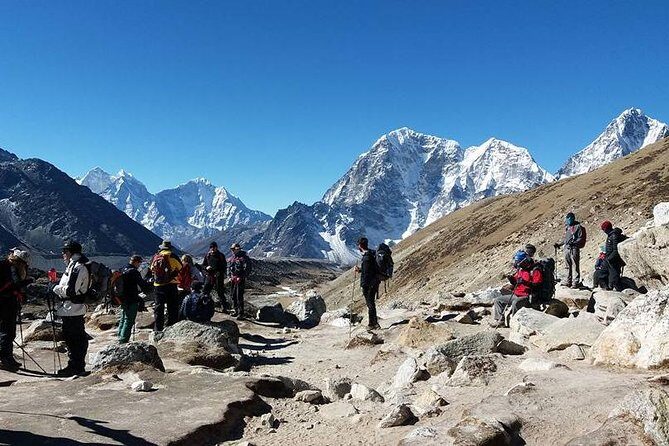
This trek builds acclimatization into the schedule for a reason. After reaching Namche, you get a dedicated acclimatization day with chances to hike and watch the mountain skyline in clear conditions. The trek’s approach includes exploring Sagarmatha National Park with sunrise views and an optional hike toward Khumjung.
Then there’s the practical benefit: you’re learning the rhythm of hiking at altitude. Even if the hike itself is not extreme, it teaches you how your breathing changes, how your appetite behaves, and how quickly you can recover with hydration and rest.
The best part is that you get a taste of what the higher regions will look like without forcing a big ascent that your body might not handle. The possible drawback is that weather can shift mountain conditions quickly; sunrise views can be amazing, but they’re never guaranteed. Still, you’re gaining acclimatization whether or not the sky cooperates perfectly.
Tengboche monastery day: where views and culture meet
Tengboche is one of the emotional stops on the Everest Base Camp route. The trek includes a walk toward Tengboche, with time for the big monastery area in Sagarmatha National Park. Tengboche Monastery is described as the biggest monastery in the Everest region, and it’s set within UNESCO World Heritage territory. That matters because it gives you more than a scenic stop—it’s a cultural center with meaning for locals and trekkers alike.
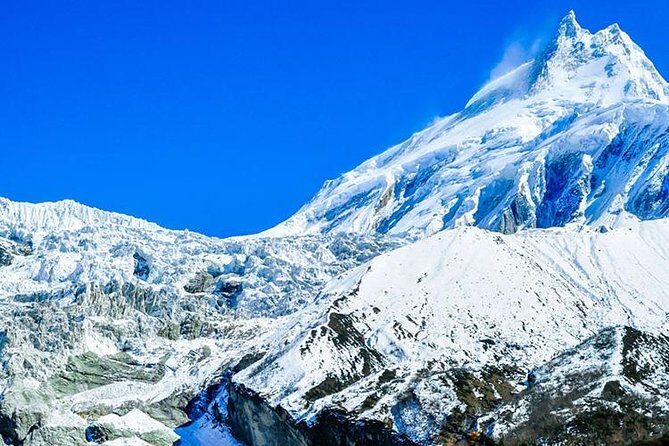
The views here are the real draw: Mt. Everest, Nuptse, Lhotse, Ama Dablam, and Thamserku show up in the mix when conditions are right. Timing can help too. The monastery opens at 3:00 pm, and if you arrive by around then, you may be able to observe a Buddhist religious ceremony.
One practical warning: monastery days can turn into long waits if you’re trying to time everything perfectly. But even if the ceremony timing doesn’t line up, you’ll still get a strong sense of place and a good chance to slow down.






Dingboche and acclimatization: where the trek starts to feel real
Dingboche is high enough that acclimatization stops being a checkbox. The route runs through places like Debuche and Pangboche, crossing the Imja River along the way, and then continues to Dingboche via the Imja Valley. This section is where you can feel the effort building. The air is thinner, and every step asks a little more from you.
Then comes the acclimatization day. Instead of just resting, you’ll hike to a hill area for views of major peaks including Lhotse, Makalu, and Cho Oyu. The point is not to race upward. The point is to keep training your body while you stay grounded in the plan.
I like this part because it turns the trek into education. You start to understand what works: walking slow, stopping often, drinking regularly, and letting your body absorb altitude without drama.
The main consideration is that Dingboche is also where fatigue can show up. If you feel off, don’t try to “push through” out of stubbornness. This route’s success relies on staying smart during the acclimatization stages.
Lobuche to Gorakshep: the long haul toward Base Camp
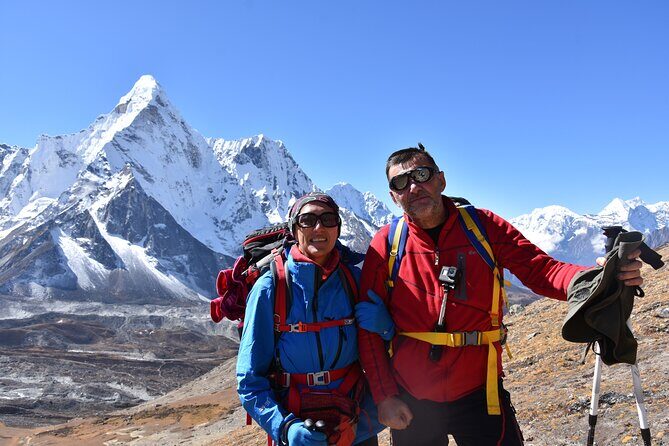
This is where the trek changes gear. The route continues toward Lobuche, with a long walking day along the Himalayan trail and then over to Dughla pass before reaching Lobuche. The schedule notes around 7 hours of walking and about 9 kilometers, but the real story is cumulative effort.
Then you move to Gorakshep, and the walk becomes a long one—nearly 12 hours on the schedule, around 17 kilometers. You’ll likely arrive tired, check in at the lodge, eat, and then head to Base Camp area for the iconic views. Even though you’re not staying at the base itself for hours, you’re still getting the emotional hit of seeing it with your own eyes, with mountains like Nuptse, Khumbuste, and Pumori in view.
Teahouse support helps here. You’re not hunting for food or trying to make decisions mid-fatigue. Meals are included, and lodging is organized, so your energy can go into walking and taking photos that actually show something.
The drawback is simple: this is not a day to treat lightly. If you arrive already stressed or under-prepared, this stretch can feel punishing. That’s why those earlier acclimatization days matter so much.
Everest Base Camp and Kala Patthar: hardest work, clearest reward
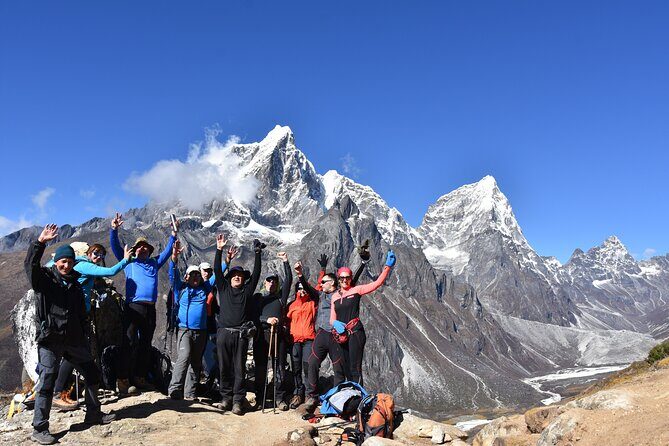
Everest Base Camp is the headline, but the trek’s real peak moment—literally—is Kala Patthar. After an early start and breakfast, you hike up to Kala Patthar, which is listed as the highest point of the trek at about 5,555 meters. It takes around 3 hours to reach the top, and the reward is a magnificent view of Everest along with nearby peaks like Lingtren, Khumbutse, and Changtse.
If you do this right, you’ll feel the altitude moment at full volume: cold air, heavy breathing, and then that burst of clarity once you look out. The sunrise focus mentioned for this trek is what people remember, because it gives you a moving panorama above the Khumbu Glacier—something you don’t get from lower viewpoints.
After time at the summit, you hike back down to Gorakshep for lunch, which is described as relatively easier than the uphill climb. Then you continue down toward Pheriche for the overnight.
This part is the “don’t overdo it” zone. The goal is to reach the viewpoint safely, not to prove anything. If you keep your pace controlled, you can enjoy the view instead of surviving the climb.
The descent: Namche again, plus a Kathmandu celebration
The descent route takes you back through Pangboche and Tengboche on the way to Namche Bazaar, reaching it in the afternoon. Coming down can feel easier on paper, but it can still be hard on your legs. Walking downhill for long stretches can be tough on knees, and your body may still feel altitude effects.
Once you’re back in Namche, you transition from mountain rhythm back to town life. The schedule gives you a return to Lukla, with the afternoon free for relaxation and a hot shower mentioned as part of the experience. Then you fly back to Kathmandu.
In Kathmandu, you’re not just dropped off and forgotten. You’ll be transferred to your hotel and taken for a cultural dinner. It’s a nice endcap: you share stories with your group, celebrate the achievement, and let the mountains settle into memory instead of staying stuck in your legs.
One more logistics reality: Lukla flights can be delayed due to weather, and the trek explicitly warns to consider adding 2 to 3 extra days at the end to avoid missing an international flight. That’s not a scare tactic—it’s good trip planning.
Price and value: what you’re really paying for at $1,625 per person
At $1,625 per person for about 15 days, you’re not just buying a walking route. You’re paying for the parts that are hard to DIY safely and on time in this region.
Here’s where the money tends to go in this package:
- Domestic flights Kathmandu–Lukla–Kathmandu, which are weather-dependent and often hard to control without expert planning
- A 3-star hotel in Kathmandu with breakfast, plus airport pickup and drop
- Teahouse accommodation during the trek and meals (breakfast, lunch, dinner) during trekking days
- An English-speaking, government-licensed guide, plus porter service (2 trekkers: 1 porter)
- Permits and paperwork, including National Park Permit and TIMS, plus local taxes handled for you
- A farewell dinner at the end
What’s not included is also clear. You’ll need to cover things like the Nepalese visa fee, tips for guides and porters, alcohol, personal extras like laundry or battery recharges, and any travel or rescue insurance. Entrance fees for sightseeing and Kathmandu lunches/evening meals are also not included.
So is it good value? For the Everest Base Camp route, the big costs are the flights, guide, permits, and the daily meal/lodging logistics. This trip includes those core pieces, which is exactly what protects your time and energy on a demanding trek.
Who should book this Everest Base Camp trek
This is a great fit if you:
- want the classic Everest Base Camp experience with teahouse comfort instead of camping
- prefer a guided plan with acclimatization built in
- like the idea of pairing mountains with real culture stops in Kathmandu and monastery visits like Tengboche
It’s a tougher match if you:
- struggle with long walking days or steep climbs at altitude
- don’t want to deal with weather-related uncertainty around Lukla flights
- require a lot of flexibility for your schedule after the trek, unless you add extra buffer days
If you’re moderately fit and honest about your pacing, this trek’s structure supports you. The key is treating the mountains like a process, not a sprint.
Should you book? My practical take
I’d book this Everest Base Camp trek if you want solid organization, real human support, and a schedule that takes altitude seriously. The included guide, porter setup, meals, permits, and domestic flights are the big wins, and the end-to-end flow from Kathmandu to the high country is clearly set up to reduce stress.
Just go in knowing two things: it’s tough, and weather can affect flights. If you add that recommended buffer time in Kathmandu and keep your hiking pace disciplined, this kind of trip can deliver the view you came for—especially that sunrise moment from Kala Patthar.
FAQ
How long is the Everest Base Camp trek on this tour?
It’s about 15 days, including time in Kathmandu, domestic flights, and the trekking days.
Where does the trip start and end?
It starts in Kathmandu, Nepal, and ends back in Kathmandu after returning by flight from Lukla.
What’s included in the trek meals and lodging?
During the trek, teahouse accommodation is included, along with breakfast, lunch, and dinner.
Are flights included?
Yes. Domestic flights are included for Kathmandu to Lukla and back from Lukla to Kathmandu.
Are trekking permits included?
Yes. Necessary paperwork and trekking permits such as the National Park Permit and TIMS are included.
What is not included in the trip cost?
Not included items listed are things like the Nepalese visa fee, travel and rescue insurance, tips for guide(s) and porter(s), alcoholic drinks, souvenir photos, and extra Kathmandu meals or any extra nights due to schedule changes.