REVIEW · KATHMANDU
Annapurna Full Circuit Trek
Book on Viator →Operated by Adventure Blossom Treks and Expedition Pvt.Ltd · Bookable on Viator
A world-class trek, without the usual traffic headaches. The Annapurna Full Circuit follows the full route yet uses trails to help you avoid jeep tracks, and it treats Manang village culture like a real highlight, not a quick stop. I also like the way the trip leans on experienced, responsive guiding with daily check-ins, not just a handoff and a map. The main consideration is the high-altitude reality: this trek needs solid motivation and good weather, because conditions can make or break the experience.
You’ll start in Kathmandu with pickup offered and a clear morning start (7:15 am), then work your way up from the lower fir and rhododendron forests toward bigger peaks and higher villages. By the time you’re in Manang, the cultural feel shifts in a way that many hikers call like a smaller, mountain-world version of Tibet. One more thing to flag: the inclusions list mentions SCUBA equipment, which looks like a catalog typo for this type of trek, so I’d ask the operator to confirm what gear you’ll actually need on the trail.
In This Review
- Key highlights worth circling
- Kathmandu to the Trail: What Your First Morning Actually Does
- Getting on the Circuit: Kathmandu to Syange or Jagat via Beshisahar
- Trail Routing vs. Jeep Tracks: Why This Trek’s Line Matters
- Village Days and Mountain Icons: Annapurna Peaks and Manaslu Views
- Manang Village: Where the Trek Feels Like a Different World
- High Altitude Reality: Weather and Thorang-la Planning
- Himal and Team: Why the Right Guide Changes Everything
- Meals and Water: Easy Wins, One Packing Must
- Price and Value: What You’re Really Buying for $1,952
- Who Should Choose This Annapurna Full Circuit Trek
- Quick Decision: Should You Book This Trek?
- FAQ
- How long is the Annapurna Full Circuit Trek?
- Where does the trek start and how do you get moving?
- What meals are included?
- Is bottled water included?
- Who leads the trek?
- Is this a private trek or shared with other groups?
- What happens if weather is poor?
Key highlights worth circling
- Trail-first routing that helps you dodge jeep-track monotony while still staying on the full Circuit.
- Manang and the Manangi lifestyle, where the culture feels distinct and the mountain mood changes.
- Himal’s hands-on guidance, including adjustments based on your condition and daily health checks.
- A Kathmandu orientation start (Sunita) so you’re not guessing on your first day.
- Meals included (breakfast, lunch, dinner) with an easy packing target for water.
- Private trekking setup, meaning it’s your group only, not a mixed crowd.
Kathmandu to the Trail: What Your First Morning Actually Does
Kathmandu isn’t just a backdrop here. You’re set up with pickup offered, and the day begins early (7:15 am), which matters because it buys you daylight and reduces rushing later. If you want a calm start, this is the kind of schedule that helps you get organized while the city is still waking up.
A smart bonus is the Kathmandu support led by Sunita. The practical goal is simple: help you get your bearings fast, understand how the plan works, and feel welcomed before you trade street noise for mountain quiet. If you’re the type who worries about logistics, that orientation time is worth more than you’d think.
This is also a private tour/activity. That means the rhythm and pace you need should be easier to maintain, and you’re not forced into a one-size-fits-all hiking group dynamic. If you’re traveling as a solo hiker or a mixed group, that control can feel relaxing.
You can also read our reviews of more hiking tours in Kathmandu


Getting on the Circuit: Kathmandu to Syange or Jagat via Beshisahar
The trek officially starts with a drive from Kathmandu toward Syange or Jagat, passing through Beshisahar. This first move is more than travel time. It helps you transition from city altitude and comfort into trekking mode, and it sets the tone for the kind of route you’ll follow on the ground.
One of the most pleasant early phases is the move through thick fir and rhododendron forests at lower altitude. You’re not thrown immediately into a cold, rocky world. Instead, you get green, shaded walking with a gradual climb, which is exactly what you want before the days start to test your breathing.
You’ll also be moving along a corridor where roads have expanded in recent years, especially in the Marshyandi Valley area. The key point: the trek keeps the spirit of the old Circuit while using trails to avoid the jeep tracks when possible. For your legs, that typically means fewer long stretches of dusty, repetitive walking.
Trail Routing vs. Jeep Tracks: Why This Trek’s Line Matters
Road-building has changed parts of the Circuit in recent years, and you’ll often see jeep access close to where hikers used to walk uninterrupted. This trek’s approach is to follow the full route while choosing trails that help you avoid the jeep tracks.
That matters for two reasons. First, the soundscape changes. You’re less likely to hear engines constantly and more likely to hear the wind, birds, and village life. Second, the walking tends to feel more like trekking and less like shuffling along a service road.
It’s a subtle difference until you’re on day two or three, and then you’ll understand why people get attached to a route that feels intentional. If you came for a classic Himalayan circuit feel, trail-first routing is one of the reasons this trip works.
Village Days and Mountain Icons: Annapurna Peaks and Manaslu Views
A big part of what makes the Annapurna Full Circuit special is that you’re not walking through empty scenery. You pass through human settlements tied to diverse ethnic groups, with regular chances to meet local people and see daily life. Those stops are more than photo moments. They break up the physical grind and remind you this is a living region, not just a hiking corridor.
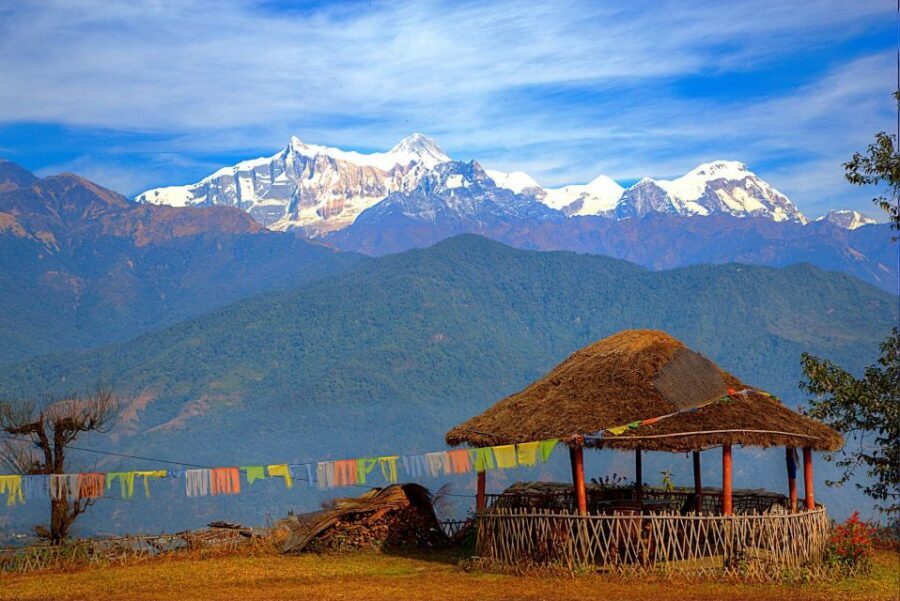
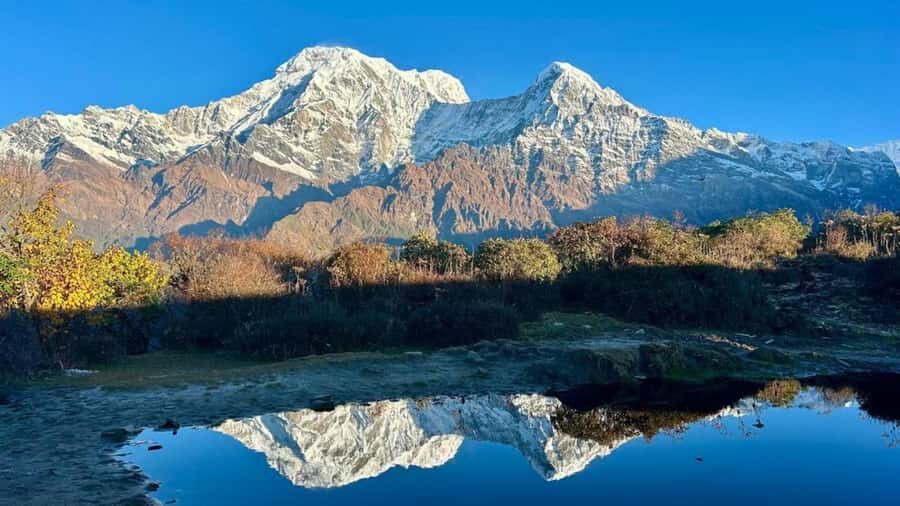
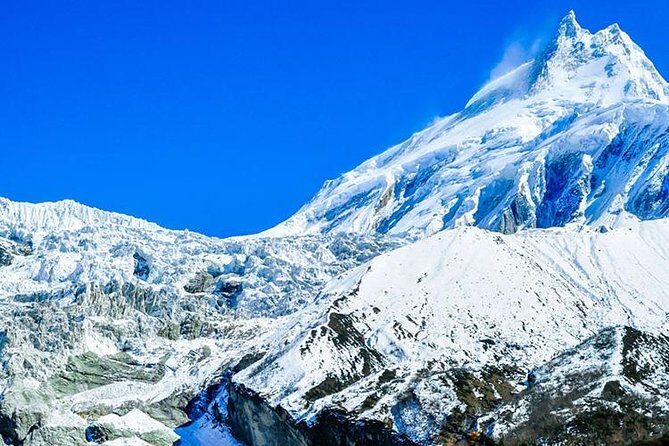
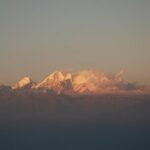
Your mountain goals are also very clear. You’ll enjoy views of major Himalayan peaks, including Mount Annapurnas and Manaslu. On a trek like this, the view quality can change by weather and time of day, but having these landmarks on the route is the whole point.
As you rise in altitude, the pace of your experience tends to shift too. The air becomes sharper. The villages feel quieter. And the mountain presence gets less “background” and more like a constant companion—sometimes stunning, sometimes demanding.
Manang Village: Where the Trek Feels Like a Different World
At higher altitude, the trek highlights Manang village, where the Manangi people follow their own culture and traditional lifestyle. Many hikers describe the feeling as like visiting little Tibet, and it’s easy to see why based on what you’ll be walking through: a high Himalayan way of life with its own rhythms and look.
This is one of those stops that changes your mental picture of the trek. Earlier, you’re learning the rhythm of walking through forests and villages. In Manang, you’re living more squarely inside the culture of the mountains.
Practically, it can also help with altitude transition. Even without getting into day-by-day specifics, the fact that Manang is on the high-altitude portion makes it an important anchor point for how you manage yourself mentally and physically.
If you’re drawn to culture and want a trek that includes more than just viewpoints, Manang is a strong reason to choose this exact circuit.




High Altitude Reality: Weather and Thorang-la Planning
This trek involves real altitude. The tour notes a moderate physical fitness level, but altitude is still altitude. Your breathing, sleep, and appetite can change quickly as you climb, and that’s where preparation becomes as important as motivation.
Here’s the practical piece: the experience requires good weather. If weather is poor, the trek can be canceled, and you’ll be offered a different date or a full refund. That’s not a small detail. For high-altitude trekking, weather isn’t just comfort. It’s safety, visibility, and whether the days feel like a climb or a slog you have to survive.
One of the major route moments on the Annapurna Full Circuit is the Thorang-la pass area, and it’s often the emotional peak of the journey. Reviews also connect this trek to Thorang-la, which fits how the full circuit is traditionally timed.
What you should do: pace yourself early, don’t treat any day like a race, and assume your body will negotiate terms with you at altitude. If you’re prone to rushing when you feel good, force a slower rhythm. On treks, the smartest hikers are usually the calm ones.
Himal and Team: Why the Right Guide Changes Everything
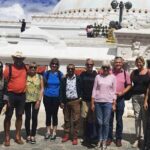
The name that comes up again and again in this experience is Himal, the trekking guide. What stands out isn’t only knowledge, though he clearly brings a lot of it. It’s the practical, day-by-day care style.
Himal’s approach includes correcting plans according to conditions and your ability, and checking in on things like health, appetite, sleep, and oxygen levels every day. That’s exactly what you want when altitude is part of the equation. You don’t just need someone to lead you. You need someone who notices early when you’re off your game.
The results can be felt in how the trek runs. When plans adjust based on your condition, it usually means fewer forced struggles and more smart decisions. And when you’re walking for days, small changes add up.
The broader company team also gets credit for kindness and professionalism. The owner, Bashu Dev Bagale, appears in feedback as someone who’s considerate and supportive, which matters because trekking doesn’t only happen on the trail. When something changes, you want an operator who stays steady.
If you’ve ever done a trek where you felt like a number, this is the opposite of that. A guide who checks oxygen, monitors your energy, and helps you keep eating normally makes a huge difference.
Meals and Water: Easy Wins, One Packing Must
The trek includes breakfast, lunch, and dinner, which is one less logistical headache to think about while you’re packing. It also helps you stick to a consistent schedule. On long hiking days, consistent food timing often beats chasing snacks all afternoon.
Bottled water is not included. That’s important. You’ll want a clear plan for water access and purification. If your operator has a system, follow it closely. If not, you’ll need to bring the gear you trust for safe drinking.
Now, about that scuba note in the inclusions list: it lists use of SCUBA equipment, twice. For an Annapurna trekking itinerary, that looks like an error, and I’d treat it as a question to resolve before you arrive. If you don’t confirm, you might waste time or pack wrong gear. A quick message to the operator can save you confusion on the ground.
Price and Value: What You’re Really Buying for $1,952
At $1,952 per person for about 20 days, this trek isn’t a budget impulse buy. The value lives in the details: private transportation, a trekking guide, and full meal coverage (breakfast, lunch, dinner). You’re paying for logistics plus a safety-minded leadership approach, not just the right to walk in the mountains.
Also, a note on duration. Some feedback connects the experience to a 16-day hiking version of the Annapurna Circuit with Thorang-la. The tour here is listed around 20 days approximately, so you should expect some flexibility depending on route timing and conditions. That flexibility often helps when weather or altitude requires adjustments.
Private setup matters too. This isn’t a mixed trekking caravan where your day gets shaped by other people’s pace. Your guide can focus on your group’s needs, and Himal’s style of daily checks and plan adjustments is easier to implement when the group is limited.
If you’re the type who dislikes guesswork and wants real support, the price starts to make sense fast. If you’re extremely budget-focused and comfortable self-managing altitude, you might choose a lighter setup elsewhere. But for a full-circuit trek where conditions can change, having a team that actively monitors you is a strong value proposition.
Who Should Choose This Annapurna Full Circuit Trek
This trek fits best if you want a guided, organized Circuit with cultural stops and a route strategy that aims to reduce jeep-track time. The moderate fitness level fits hikers who can handle sustained walking, not people who want a gentle stroll.
It’s also a good fit if you value people. The Kathmandu start with Sunita, plus the daily care approach with Himal, seems especially appealing to groups who want emotional reassurance and practical monitoring, not just route leadership.
If you’re sensitive to altitude, you’ll appreciate the focus on oxygen, sleep, appetite, and health checks. The trek still asks you to do the hard work, but you’re not doing it blindly.
If you’re traveling with a service animal, the tour notes that service animals are allowed. (For anything beyond that, you’d want to confirm with the operator since accessibility details aren’t listed.)
Quick Decision: Should You Book This Trek?
Book it if you want the Annapurna Full Circuit with trail-first routing, a real cultural anchor in Manang, and a guide who adjusts to your condition instead of sticking rigidly to a script. The combination of private logistics, included meals, and a guide like Himal who checks your oxygen and daily wellbeing is a strong match for anyone who wants to arrive at the high points feeling as well-prepared as possible.
Skip it or ask more questions if you have limited tolerance for altitude risk or if you’re trying to travel ultra-budget. Also, confirm the SCUBA equipment inclusion since it seems inconsistent with trekking—better to clarify early than to wonder later.
Finally, keep your calendar flexible enough to handle weather. Since the experience requires good weather, your trip plan should be able to pivot.
FAQ
How long is the Annapurna Full Circuit Trek?
It’s listed at about 20 days.
Where does the trek start and how do you get moving?
You start from Kathmandu, with pickup offered. The trek begins at 7:15 am and you travel to Syange or Jagat via Beshisahar.
What meals are included?
Breakfast, lunch, and dinner are included.
Is bottled water included?
No. Bottled water is not included.
Who leads the trek?
A trekking guide is included.
Is this a private trek or shared with other groups?
It’s a private tour/activity, so only your group participates.
What happens if weather is poor?
The experience requires good weather. If canceled due to poor weather, you’ll be offered a different date or a full refund. You can cancel up to 24 hours in advance for a full refund.