REVIEW · KATHMANDU
Real Nepal Tour
Book on Viator →Operated by Accessible Adventure Pvt. Ltd · Bookable on Viator
Kathmandu can be overwhelming; this trip turns it into a simple route of major sights. What makes the Real Nepal Tour interesting is the mix of iconic temples, cable car views, and serious mountain-area pilgrimage sites—handled for you with an English-speaking guide and arranged transport. I especially like the stress-reducing coordination (airport transfers, sightseeing planning, and support for bookings) and the way the day strings together big spiritual stops like Pashupatinath and Muktinath with scenery breaks.
One thing to consider: this is a schedule that moves. Between early mornings, domestic flights, and walking parts of the route (including a 45-minute walk to reach Muktinath after a jeep ride), you’ll want moderate fitness and a patience-for-traffic mindset.
In This Review
- Key highlights that actually matter
- Price and logistics: what $1,880 buys you in one “day”
- Getting oriented in Kathmandu: airport pickup and a first calm block
- Pashupatinath and the Bagmati River: a temple you can’t ignore
- Kathmandu Durbar Square day: temples, courtyards, and a different Kathmandu vibe
- Chandragiri Hills by cable car: one viewpoint that changes the whole day
- Pokhara transfer and Manakamana: lake city energy with a temple stop
- The big flight morning: from Pokhara toward Jomsom and Muktinath
- Muktinath Temple and Jwala Mai: salvation lore plus natural flame
- Jomsom back to Pokhara: temples, Devis’ Fall, and caves with a boat ride
- Returning to Kathmandu: the 200 km scenic drive and final city time
- Airport departure: a send-off that avoids the last-minute scramble
- The guide experience: why the names matter
- Who should book this tour (and who should pass)
- Should you book the Real Nepal Tour?
- FAQ
- How long is the Real Nepal Tour?
- Where does the tour start and what time?
- Is pickup offered?
- What size groups does the tour run with?
- What’s included in the price?
- Are admission tickets included for temples and attractions?
- Do I need moderate physical fitness?
- What transport is used during the tour?
- Are there flights involved?
- What is the cancellation policy?
Key highlights that actually matter
- Airport to hotel help right away, so you’re not trying to figure out Kathmandu while jet-lagged
- English-speaking guide and hands-on logistics (taxis, activity arrangements, and day-of coordination)
- Pashupatinath on the Bagmati River, including the cremation-site area that pilgrims visit
- Muktinath + Jwala Mai with the holy-bath lore and natural gas flames at the temple area
- Pokhara sightseeing built around the lake zone, including Devis’ Fall, Gupteshwor cave, and a Phewa Lake boat ride
- Cable car views from Chandragiri Hills plus the plan to finish with Bandipur and Lumbini
Price and logistics: what $1,880 buys you in one “day”
$1,880 per person sounds like a lot until you look at what’s included behind the scenes. You’re paying for someone else to handle the pieces that usually turn a trip into a headache: transport, English interpretation, and the grind of getting you to temple zones and viewpoints on time.
The included items are practical: an English-speaking tour guide, airport transfers by private car/van/bus, and fuel surcharge. The tour also uses a mobile ticket, and it runs as a private tour/activity with group size min 1, max 15—so you’re not stuck in a giant crowd where you can’t ask questions or adjust pace.
The tradeoff is speed. The outline includes domestic flight time (including a short Pokhara–Jomsom flight) and multiple long sightseeing stretches. If you prefer slow travel, this may feel like too much; if you like getting value out of limited time, it makes sense.
You can also read our reviews of more tours and experiences in Kathmandu.



Getting oriented in Kathmandu: airport pickup and a first calm block
Your day begins at Tribhuvan International Airport (meeting point is the Ring Rd area), with a start time of 9:00 am. The plan also includes greeting you on arrival and transferring you to a hotel, with free time the rest of the day and an overnight.
That matters because Kathmandu can feel like a maze on day one. Even if you’re confident navigating cities, having a representative meet you and move you to the right place lowers stress fast. Also, you’ll get an early look at how the city works—without trying to do everything immediately.
Pashupatinath and the Bagmati River: a temple you can’t ignore
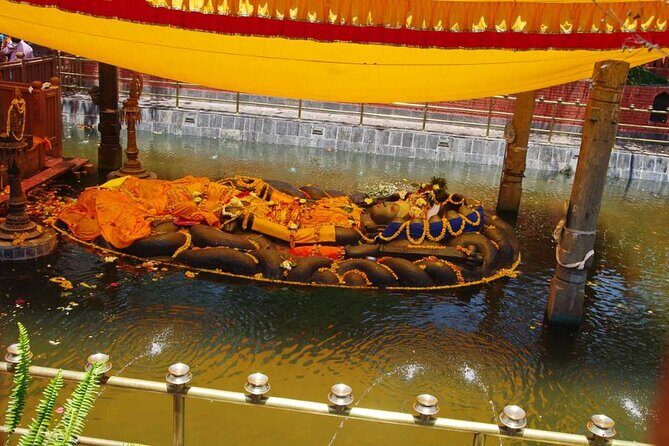
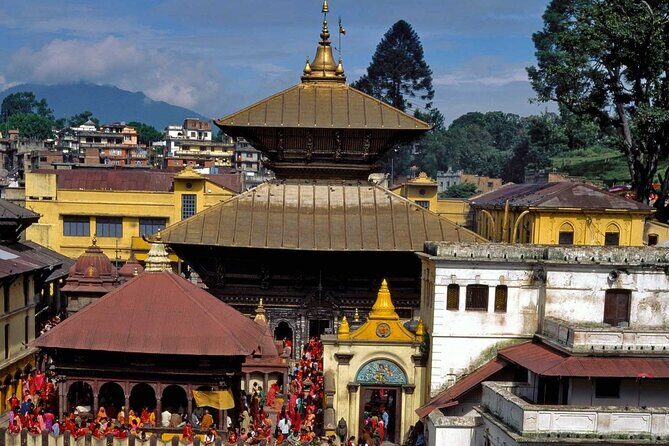
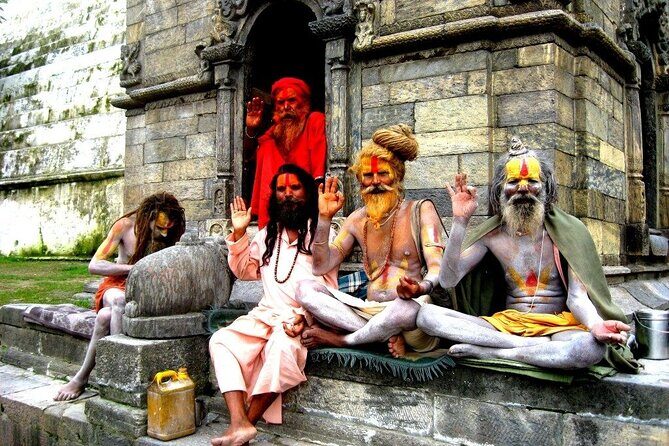
After settling in, you’ll head into the Kathmandu Valley area for Pashupatinath, described as the greatest Hindu shrine for Lord Shiva, on the banks of the Bagmati River. The temple itself is presented as a major Shiva center, and the surrounding cremation-site area is a key part of what people come to see and understand.
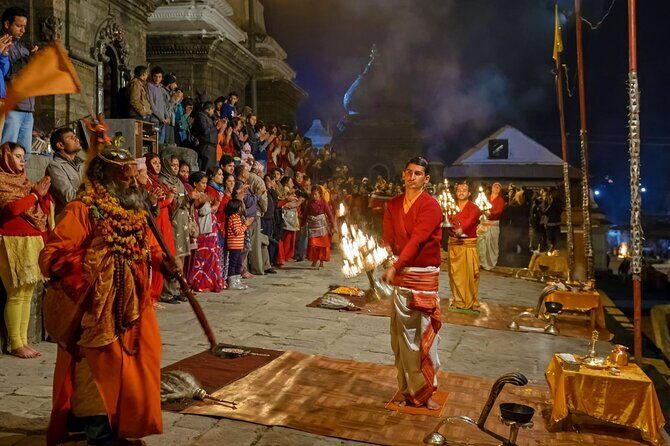
A very practical note: this is not just sightseeing-from-a-distance. It’s a functioning pilgrimage zone with lots of devotees. You’ll want to be ready for crowds at certain times and to keep your behavior respectful, especially around river edges and ritual spaces.
I also like that your guide frames what you’re seeing instead of leaving you to guess. The temple is connected to UNESCO world heritage status in the tour description, which gives you a helpful anchor: you’re not just visiting a temple, you’re stepping into a place with global cultural significance.
Kathmandu Durbar Square day: temples, courtyards, and a different Kathmandu vibe
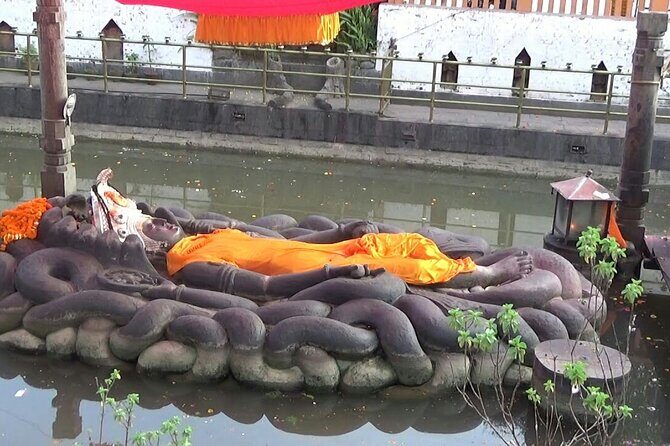
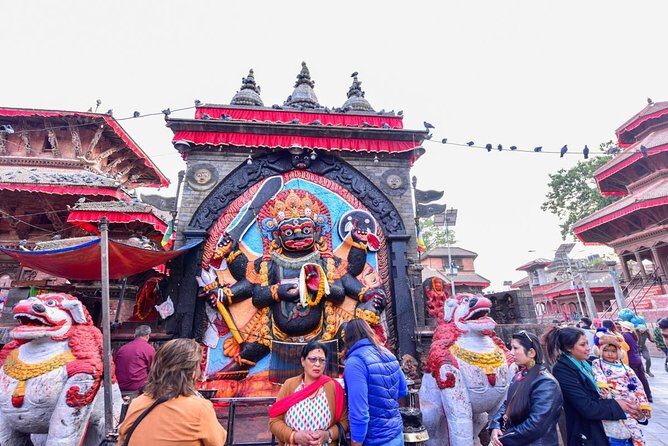
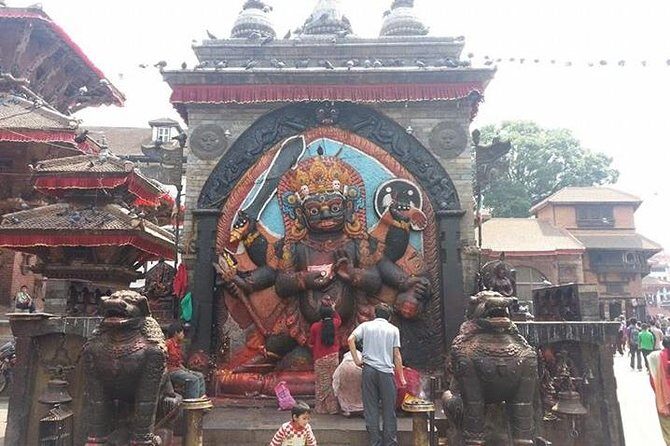
The next Kathmandu-focused block centers on Kathmandu Durbar Square, paired with stops around Dakshinkali Temple and Narayanthan Temple. Durbar Square areas tend to feel more historic-city than pure pilgrimage, with architecture and courtyard layouts that help you understand the old royal core of Kathmandu.
You’ll likely feel the difference in atmosphere: Pashupatinath is deeply devotional; Durbar Square is more about heritage, monuments, and how communities preserved power and faith in the same space. If you want variety in one trip day, this pairing does the job.
Admission for this segment is marked as included, which helps you avoid the common hassle of figuring out what’s covered versus what you’ll pay at the gate. (Still, it’s smart to carry some cash in Nepal, just in case.)
Chandragiri Hills by cable car: one viewpoint that changes the whole day
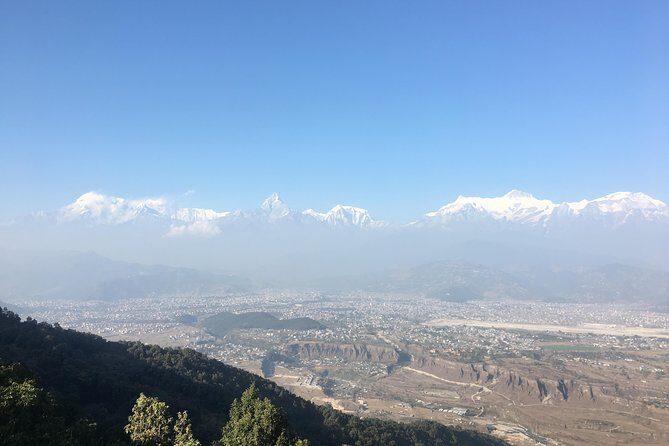
The tour overview includes an ascent of Chandragiri Hills by cable car, with views that are often the highlight for people who came for the mountains. Even if clouds roll in, the ride gives you a “reset moment” from dense city streets—time to breathe, look around, and reframe the trip as Himalayan-first, not just temple-first.
Why this is valuable: a viewpoint day is how you stop the schedule from becoming only religious. It adds space between intense sights, and it gives you photos that look like Nepal rather than just Nepal’s religious architecture.




Pokhara transfer and Manakamana: lake city energy with a temple stop
You’ll drive to Pokhara after visiting Manakamana Temple. Manakamana is one of those stops that helps you understand Nepal’s pilgrimage logic: sacred places aren’t only in the big cities. They’re connected to ridges, routes, and everyday geography.
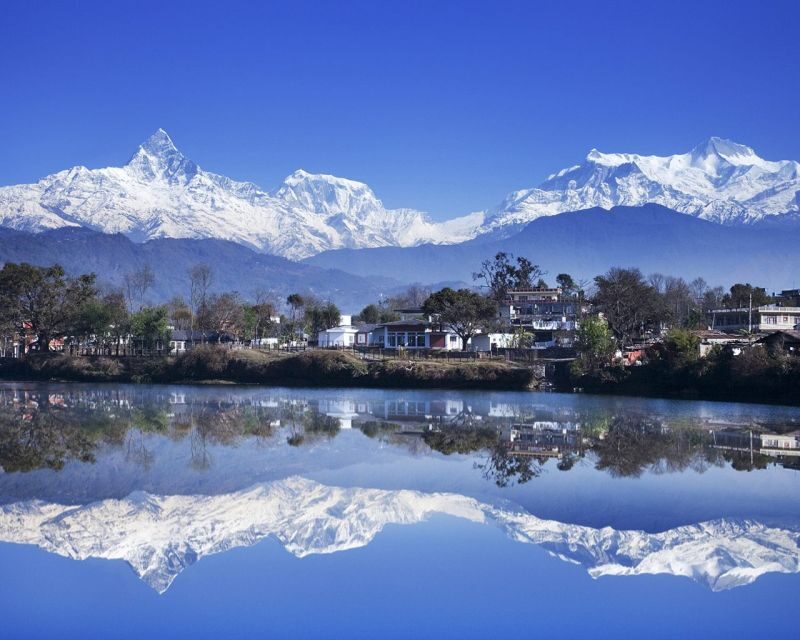
Once you reach Pokhara, the plan shifts to the lakeside zone. That’s important because Pokhara often gives you a more breathable feeling compared to Kathmandu. You’ll visit several religious and scenic points, and the day keeps you moving but not in an exhausting-only way.
Also, the itinerary lists admission tickets as free for this transition segment. That’s another sign the value is packed into some parts of the day, even if other parts are covered differently.
The big flight morning: from Pokhara toward Jomsom and Muktinath
This is where the tour gets serious about time. Today is described with an early breakfast and a short 30-minute flight from Pokhara to Jomsom. You’ll check in at a hotel in Jomsom, then head toward Muktinath Temple by jeep for about 20 km.
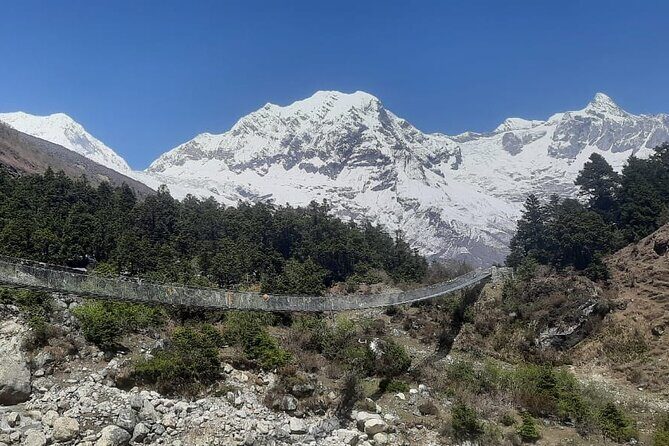
Then comes the part to plan for: the jeep stops at Ranipauwa, and you walk for about 45 minutes to reach Muktinath. That’s not “optional gentle walking.” It’s a real trek segment, and it can be challenging depending on weather, footwear, and your personal pace.
If you have moderate fitness, you should be fine—just don’t assume you can treat it like a casual stroll. Bring shoes with grip, and give yourself a few minutes to catch your breath before thinking about photos.
Muktinath Temple and Jwala Mai: salvation lore plus natural flame

Muktinath is introduced as a major pilgrimage site for Hindus, tied to the idea of salvation through a holy bath, with the temple lore that 108 waters appear around the temple area. Even if you don’t know the story in advance, your guide can explain what devotees believe and why the site matters.
After Muktinath, the plan includes Jwala Mai Temple, where natural gas is said to emerge, creating eternal flames associated with mythic origins in the tour description (Lord Brahma is named). For many people, this is one of the most memorable moments because it feels both spiritual and oddly tangible.
Practical tip: temples like this can involve uneven ground and close viewing. Move carefully, keep your pace steady, and listen to your guide about where to stand and how to pass respectfully.
Jomsom back to Pokhara: temples, Devis’ Fall, and caves with a boat ride
The itinerary then schedules an early morning flight to Pokhara, and you’ll spend the day exploring Pokhara’s religious and tourist sites. The list is specific, which I like, because it prevents the “mystery tour” feeling.
You’ll visit Bindabashini Temple, linked to wish-fulfillment in the tour description. Then you’ll see Devis’ Fall, followed by Gupteshwor cave, named after Lord Shiva. Next is a boat ride to Tal Barahi Temple, the island temple in the middle of Phewa Lake.
And after all that, you’ll have a chance to stroll around the lake side for individual activities.
Why this set works: it balances faith with “wow” geology and easy-to-handle time on the water. If you’re the kind of traveler who likes mixing spiritual sights with nature-curious stops, this Pokhara day has the right variety without requiring heavy hiking.
The segment lists admission tickets as included here, which again supports the idea that the operator is paying for multiple entry points rather than leaving you to cover everything.
Returning to Kathmandu: the 200 km scenic drive and final city time
After the Pokhara section, you’ll take a 200 km scenic drive back to Kathmandu. The outline notes crossing valleys, rivers, gorges, ridges, and settlements, which is a polite way of saying you’ll get changing scenery even if you’re stuck in a vehicle part of the day.
Once you arrive, you’ll check into a hotel for rest and then have more Kathmandu Valley exploration until the day ends. The key here is pacing: the tour gives you a chance to refuel mentally after the flights.
And the tour overview also mentions finishing the adventure in Bandipur and visiting Lumbini as the sacred birthplace of Buddha. Those two additions matter because they broaden the story beyond Hindu pilgrimage and add a Newari town setting (Bandipur) plus a Buddhist peace-and-history atmosphere (Lumbini). Just be prepared that these are additional context stops within an already packed schedule.
Airport departure: a send-off that avoids the last-minute scramble
On the final day, you’ll be transferred to the international airport for departure, with the plan designed to let you fly home with a feeling of peace and enlightenment. The itinerary lists an admission ticket as included for the departure transfer segment.
In real life, the best value of an airport transfer is simple: fewer moving parts. When the guide and driver handle timing and logistics, you spend your final hours thinking about Nepal instead of thinking about transport.
The guide experience: why the names matter
In the available feedback, one theme keeps showing up: the guides handle the messy parts for you. People have praised support from English-speaking hosts like Himal, and also Hari Shrestha and Hari Kumar for being responsible, warm, and flexible with last-minute changes.
That’s more than nice service talk. It’s what you need on a trip that includes temple sites, jeep/walk segments, and flights. When plans shift—weather delays, traffic, small timing problems—having someone who can coordinate quickly can mean the difference between a smooth day and a stressful scramble.
Also, the comfort angle appears in feedback: a comfortable car and friendly chauffeur are mentioned, along with a cozy, clean hotel in Thamel in at least one account. Even without promising a specific hotel for your exact departure, it’s a helpful sign that the operator’s team understands what “manageable travel” feels like.
Who should book this tour (and who should pass)
Best fit:
- You want a religion-and-views trip and you’re okay with a tight schedule
- You’d rather pay for coordination than spend your time negotiating rides and tickets
- You can do moderate walking, including a 45-minute walk from Ranipauwa to Muktinath
You might want to skip or modify if:
- You hate early mornings and flights
- You’re looking for slow, lingering time at each site
- You want a purely city-based trip without jeep rides and stairs/uneven ground
This tour makes the most sense for travelers with limited time who still want Nepal to feel big and meaningful—temples, river rituals, mountain-area pilgrimage, lake scenery, and final cultural stops like Lumbini and Bandipur.
Should you book the Real Nepal Tour?
If you’re the kind of traveler who says yes to an intense itinerary in exchange for handled logistics, I think this can be a strong choice. The value is in the mix: temple power (Pashupatinath, Muktinath, Jwala Mai), Pokhara’s well-known stops (Devis’ Fall, Gupteshwor cave, Phewa Lake boat ride), and at least one major viewpoint moment via Chandragiri Hills cable car—all guided and organized.
But go in with eyes open. This isn’t a relaxed day trip. It’s built around domestic flight time, early starts, and walking segments. If you can handle that, you’ll likely appreciate how efficiently the tour covers Nepal’s most memorable spiritual and scenic stops.
FAQ
How long is the Real Nepal Tour?
The tour duration is listed as 1 day (approx.).
Where does the tour start and what time?
The meeting point is Tribhuvan International Airport, Ring Rd area, Kathmandu, and the start time is 9:00 am.
Is pickup offered?
Yes, pickup is offered.
What size groups does the tour run with?
The group size is min 1 and max 15, and it’s described as a private tour/activity (only your group participates).
What’s included in the price?
Included items are an English speaking tour guide, airport transfer by private car/van/bus, and fuel surcharge.
Are admission tickets included for temples and attractions?
Some admission tickets are marked free and others are marked included depending on the stop. For example, Kathmandu Valley (including the Pashupatinath area) is listed as admission free, Kathmandu Durbar Square is listed as admission included, and the Muktinath and Pokhara sightseeing segments are also listed as admission included.
Do I need moderate physical fitness?
Yes. The tour notes that travelers should have a moderate physical fitness level. One section includes a jeep ride to Ranipauwa and then about a 45-minute walk to Muktinath.
What transport is used during the tour?
The tour uses domestic flights, private car, van, and jeep (with a jeep for part of the Muktinath route).
Are there flights involved?
Yes. The itinerary includes a short 30-minute flight from Pokhara to Jomsom, and later an early morning flight from Jomsom back to Pokhara.
What is the cancellation policy?
Free cancellation is offered. You can cancel up to 24 hours in advance for a full refund; changes less than 24 hours before the start time aren’t accepted.