REVIEW · KATHMANDU
From Kathmandu: Nagarkot Hike with Mount Everest View
Book on GetYourGuide →Operated by Alpine Asian Treks and Expedition P Ltd · Bookable on GetYourGuide
Nagarkot views can change your whole mood. This hike strings together Himalayan panoramas (sometimes even Everest) with a visit to the UNESCO-listed Changunarayan Temple, plus real rural village life along the way. The one catch: weather decides what you can see from Nagarkot, so you should go for the hike and temple even if the peaks hide.
I especially love how the day feels balanced: a scenic lookout start, then a mostly gentle trek with chances to pause for tea and photos, and finally a richly carved temple that makes the effort feel earned. And credit where it’s due—guides like Shekhar and Sagar are the kind of people who match your pace and turn small moments (temples, farming, even bridge crossings) into something you remember. The main consideration is that it’s not for everyone health-wise or mobility-wise, and the trail does have ups and downs.
Key points at a glance
- Nagarkot viewpoint at 2175m gives your best shot at Everest and the wider Himalayan range
- Changunarayan Temple (UNESCO) is the “why we came” stop with standout stone and wood carvings
- A guided village walk shows seasonal farming, goat grazing, and local alcohol-making scenes
- 3-hour hike structure: flat start, a climb section, then easier walking toward the temple
- Small-group feel with hotel pickup keeps logistics simple in Kathmandu
In This Review
- Why Nagarkot’s 2175m View Is the Headliner
- Kathmandu Pickup and the Calm Start to Your Hike
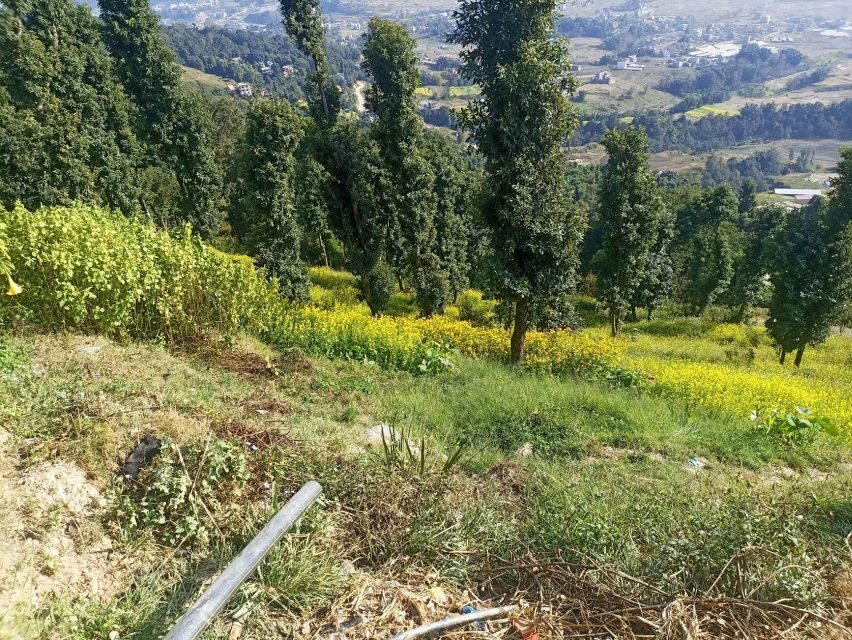
- The Walk From Nagarkot to Changu Narayan Temple: Fields, Forest, and Village Life
- Midday Rhythm: Stops, a Temple Visit En Route, and Lunch in Changu
- Changunarayan Temple: UNESCO Carvings You’ll Actually Want to Look At
- Guides Make the Day: Why Shekhar and Sagar Keep Appearing
- Price and Value: What $57 Buys You (and What It Doesn’t)
- What to Pack for This Day Hike (So You’re Not Miserable)
- Who This Tour Fits Best (And Who Should Skip It)
- Weather Reality: Everest Views Aren’t Guaranteed
- Should You Book This Nagarkot–Changu Narayan Hike?
- FAQ
- How long does this tour take?
- How long is the hiking portion?
- What’s included in the $57 price?
- Is lunch included?
- Where are the pickup and drop-off locations?
- What languages are the guides available in?
- Is the tour suitable for kids or seniors?
- What should I bring?
Why Nagarkot’s 2175m View Is the Headliner
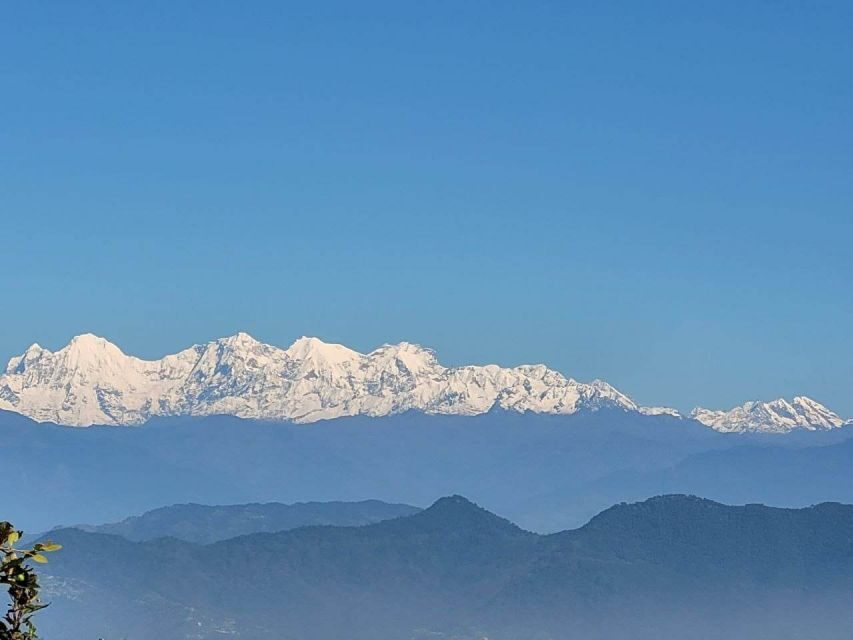
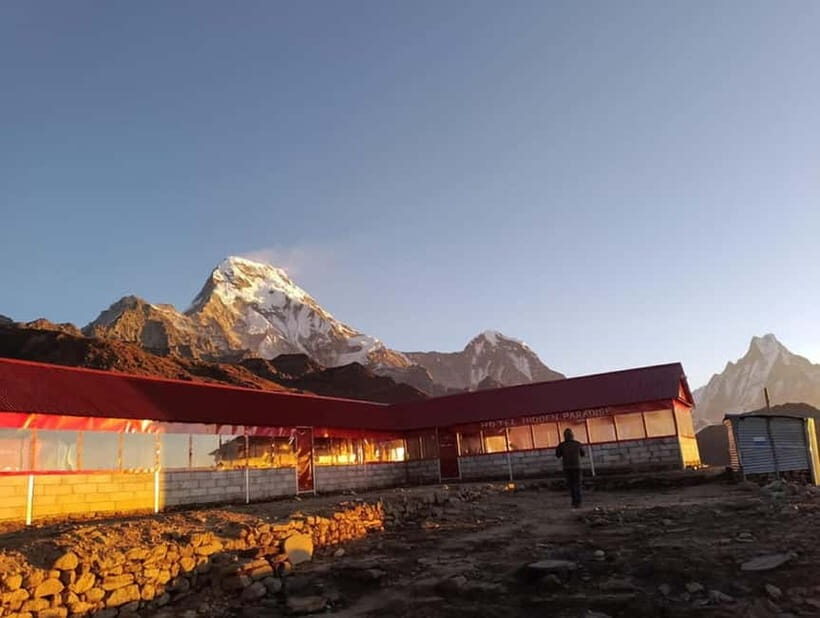
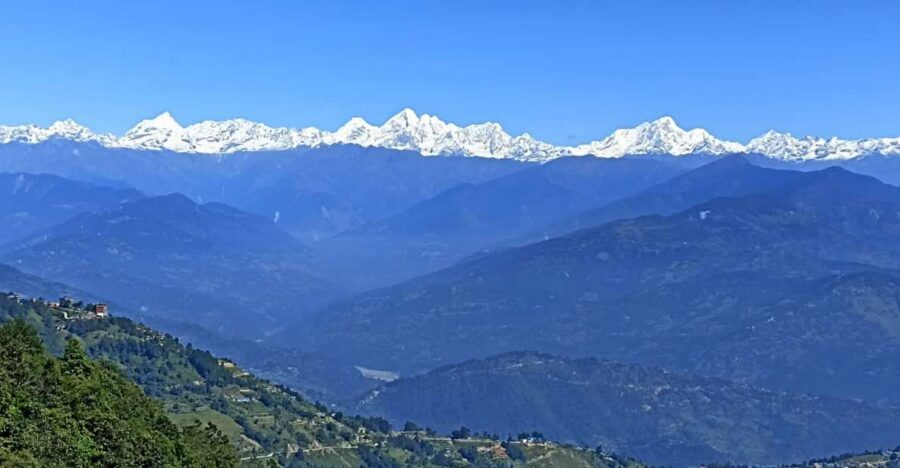
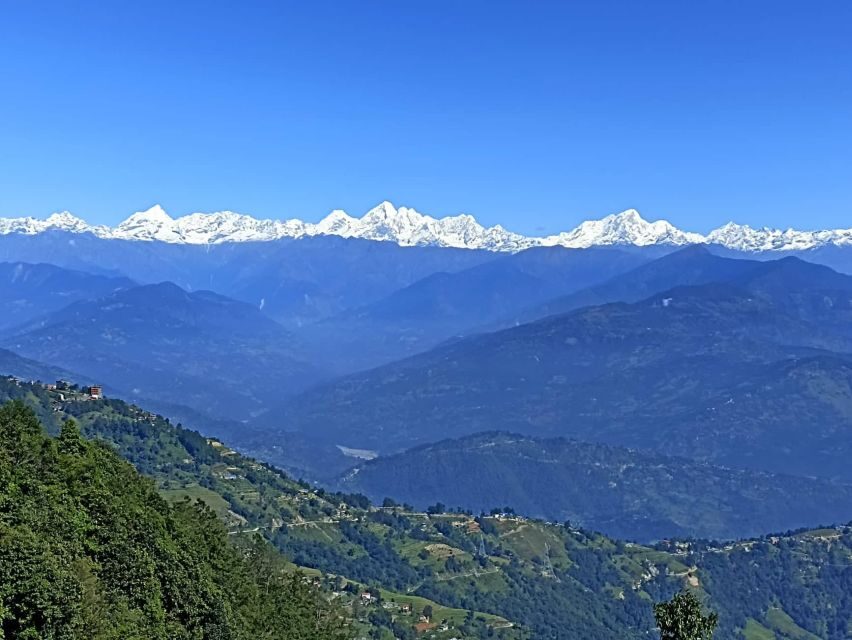
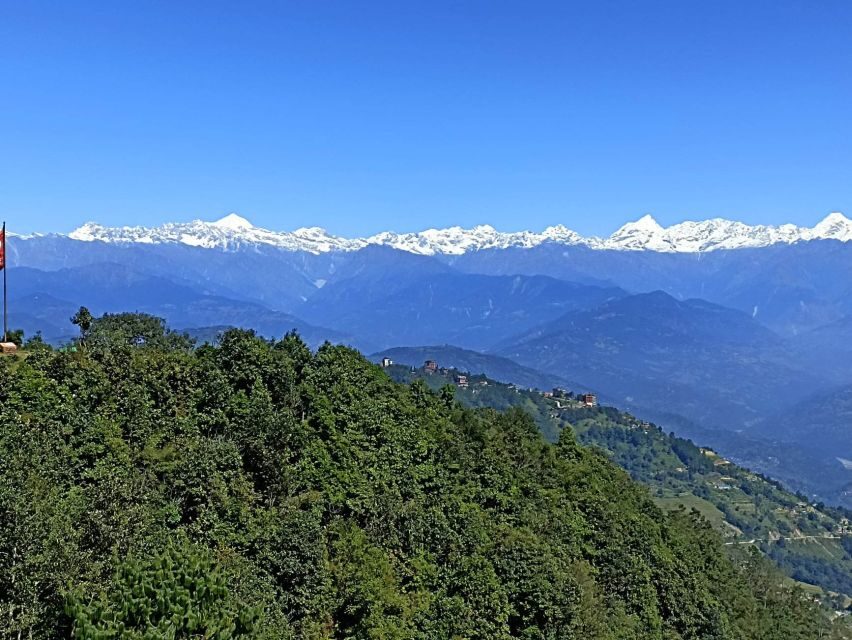
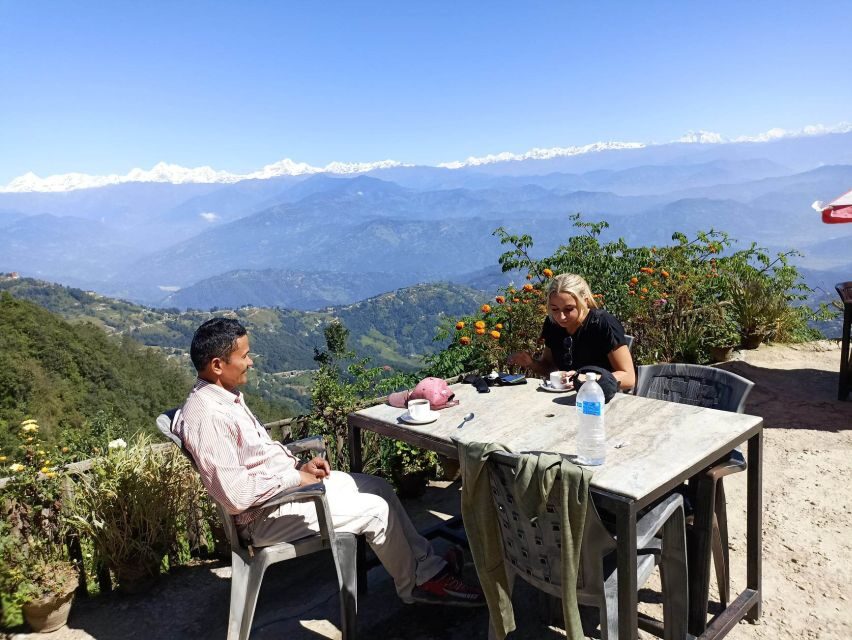
Nagarkot is one of those places where the first 10 minutes set the tone for the whole day. You’re taken up to a viewpoint at 2175 meters, where, on clearer mornings, you can see a sweep of peaks that includes Mt. Everest alongside other major ranges.
The important reality check? Visibility is weather-dependent. On cloudy or hazy days you might miss Everest itself, but you can still get mountain range views and that cool, high-air feeling that makes Kathmandu seem far away. I like tours that don’t pretend the weather is guaranteed—this one still makes the trek and temple the real payoff.
Kathmandu Pickup and the Calm Start to Your Hike
The tour starts with a hotel pickup from either Kathmandu (Thamel area) or Kathmandu more broadly, depending on the option you choose. A private car handles the drive—about 1.5 hours—up to Nagarkot, so you’re not scrambling with transport or timing.
This transfer matters more than it sounds. It gives you time to settle in, get your day pack ready, and start your hike with less stress. Once you arrive, there’s a short additional drive (about 15 minutes) before the walking begins, which helps keep the “start” portion from feeling chaotic.
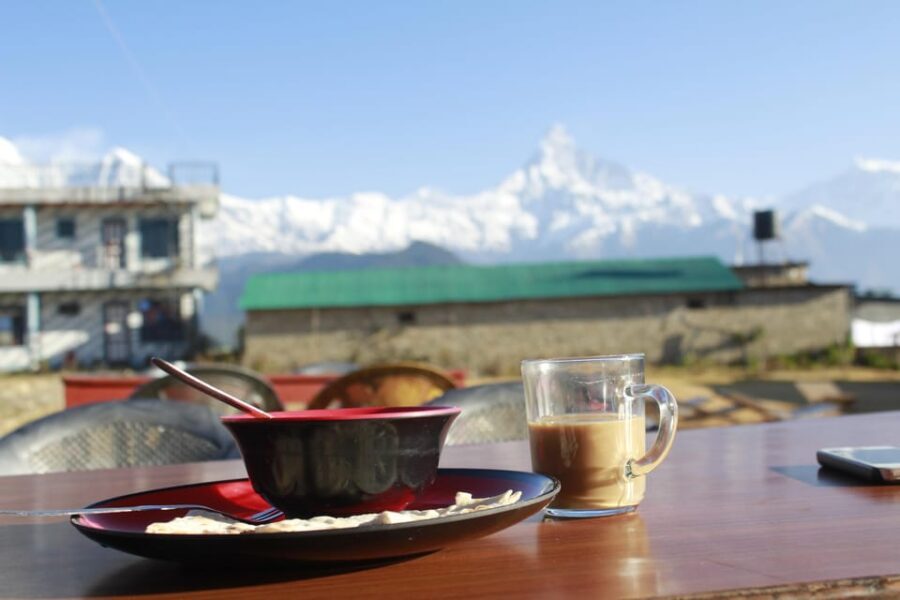
You’ll also have a small break opportunity for tea/coffee and a toilet stop near the viewpoint stage. That’s a nice buffer before you get into the trekking rhythm.
You can also read our reviews of more hiking tours in Kathmandu


The Walk From Nagarkot to Changu Narayan Temple: Fields, Forest, and Village Life
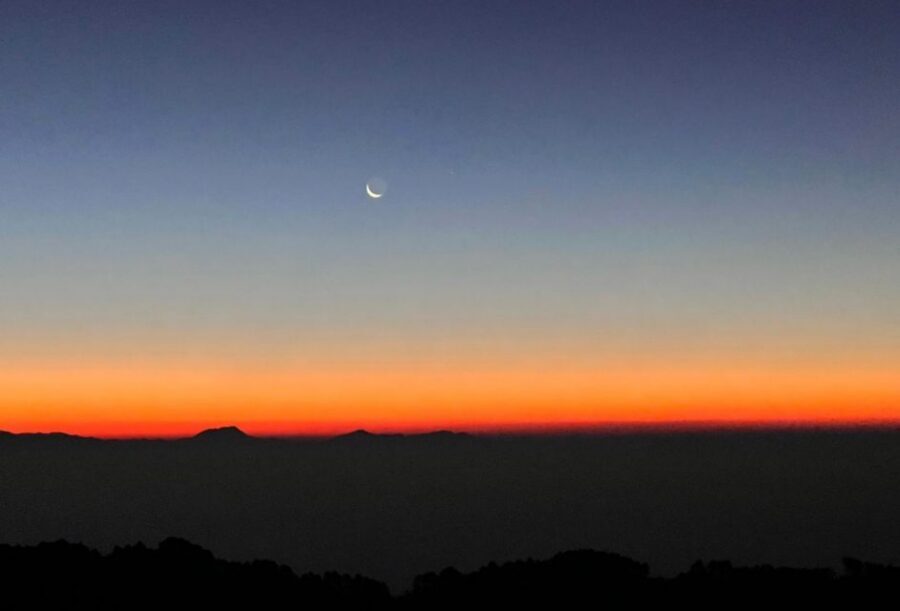
The hiking portion is about 3 hours (with the overall tour running 6 to 6.5 hours). The trail starts fairly flat, then includes a climb, and later returns to easier walking with a little downhill near the end. That profile is ideal if you want a hike that’s active, not punishing.
Along the route, the experience shifts scene by scene:
- You’ll pass through rural villages and see daily life up close.
- You might catch seasonal farming activities and goat grazing.
- There are local details along the way, including alcohol-making practices.
- The walking includes stretches through quieter areas (some forest) and open farming zones.
One of the most fun moments on this kind of route is that you’re not just walking past scenery—you’re moving through a living place. A suspended bridge also shows up on the walk, which adds a little “wait, we’re actually doing this” energy without making the hike technical.
Your guide plays a big role here. Guides like Shekhar and Sagar are repeatedly praised for being patient with pace and willing to answer questions. You’ll get more than directions—you’ll get context as you go, which is exactly what turns a simple trail into a cultural experience.
Midday Rhythm: Stops, a Temple Visit En Route, and Lunch in Changu
This day is structured so it doesn’t feel like a nonstop grind. At around the middle of the trek and after you reach the Changu area, the tour builds in time to regroup.
You’ll also visit a Hindu temple on the way, which helps break up the hike and adds meaning to the route. It’s not just a detour—it’s part of how you start understanding why these villages and temples are placed where they are.
Lunch is another key part of the plan. You’ll have it in Changu village at a local restaurant, but lunch isn’t included in the price. That means you should plan for your own meal budget during the day. I’d also bring some cash for lunch, since there’s specific mention to do so for that stop.
Tip: eat like you’ll still be sightseeing afterward. You don’t need a huge meal, but don’t skip it either. After walking and climbing, you’ll want energy for the temple visit.
Changunarayan Temple: UNESCO Carvings You’ll Actually Want to Look At
If you care about craftsmanship, this is the moment that justifies the trip. Changunarayan Temple is a UNESCO World Heritage site, and it’s famous for impressive stone carvings, wood carvings, and religious icons.
The temple visit is not a quick drive-by. You’ll spend time for a guided tour and time to explore after. In plain terms: you get a chance to slow down and see the details rather than just snapping photos and rushing on.
What makes this stop especially satisfying on a hike day is the contrast. You start with wide open mountain air and village walking, and then you end up in a place built to last, with carvings that reflect generations of workmanship and belief. Even on days when the Everest view isn’t perfect, the temple still delivers.
Guides Make the Day: Why Shekhar and Sagar Keep Appearing
This tour’s success isn’t just the geography. It’s the people managing the rhythm and the questions.
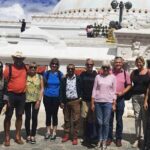
Guides like Shekhar and Sagar are repeatedly highlighted for:
- pacing that fits the group (and letting you move at your own speed),
- friendliness and comfort, including for solo travelers,
- sharing stories about Nepalese nature and culture,
- and good communication in multiple languages.
In other words, you’re not stuck with a script. If you’re the type who likes to ask what you’re seeing—farming patterns, temple meaning, local customs—this kind of guide adds a lot. If you want quiet time too, that’s typically part of the day’s flow as well.




Price and Value: What $57 Buys You (and What It Doesn’t)
The price is $57 per person, and the inclusions are meaningful:
- Private transport for hotel pickup and drop-off,
- a licensed tour guide,
- and entrance to the UNESCO heritage site.
What’s not included is also important for budgeting:
- Lunch,
- drinks, including bottled water and snacks.
So where’s the value? You’re paying for logistics (car transfer in and out of Nagarkot), professional guidance for both the trail and the temple, and the UNESCO entry. For many visitors, those three things are exactly what prevents a “nice idea” from turning into an awkward day of guessing.
Is it worth it if the weather hides the peak? For me, yes—because the temple and the village walk still work even when the view is muted. But you should still go in with realistic expectations about Everest visibility.
What to Pack for This Day Hike (So You’re Not Miserable)
This is a day trip, so pack light but smart. Bring:
- hiking shoes (the trail can be uneven and you’ll feel it),
- comfortable clothes and layers,
- hat,
- camera,
- snacks and drinks (even though bottled water isn’t included, you can buy or bring what you prefer),
- and in rainy season, an umbrella.
Also: take a good breakfast at your hotel. This matters because the hike and temple stop take time, and you won’t be eating until you reach the Changu area for lunch.
If you like carrying a small day pack, do it. The tour mentions a light day pack with drinking water, and that’s a simple way to stay comfortable.
Who This Tour Fits Best (And Who Should Skip It)
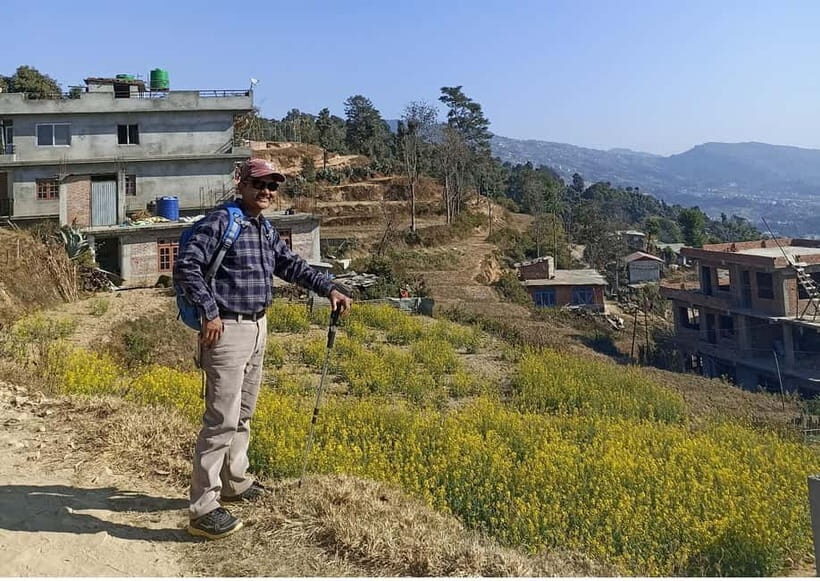
This hike is well suited for people who want an active half-day in the countryside without committing to a multi-day trek. You’ll be walking for about 3 hours, with changes in terrain, plus a temple visit that turns the day from “just hiking” into “hiking with meaning.”
However, it’s explicitly not suitable for:
- children under 9,
- pregnant women,
- people with back problems,
- wheelchair users,
- people with high blood pressure,
- and people over 70.
If any of those apply, you should look for a different format. The reason isn’t “hardcore trekking”—it’s the combination of walking terrain, elevation, and temple visiting that may be risky depending on health needs.
Weather Reality: Everest Views Aren’t Guaranteed
You’ll feel this tour in your bones the moment you arrive: Nagarkot is all about light and visibility. On clear mornings, your chances improve for a strong view of multiple peaks, including Everest.
On the other hand, if clouds roll in, the experience doesn’t fall apart. Guides can still make the day excellent by focusing you on what’s in front of you—village life, the walk itself, the bridge crossing, and the temple details. That’s the difference between a view-dependent tour and a tour with multiple layers. This one has multiple layers.
Should You Book This Nagarkot–Changu Narayan Hike?
Book it if you want a day that blends three things:
1) high Himalayan viewpoints (best effort at Everest included),
2) a guided walk through Nepalese rural life,
3) and a UNESCO temple visit with carvings you can actually look at.
Skip it if you’re expecting an effortless stroll with no climbs, or if you’re in a health category listed as not suitable. Also, if you’re the type who only values the Everest view above everything else, go in prepared for the fact that weather can change the outcome.
If you’re flexible and you love the idea of seeing real villages, walking out of Kathmandu noise, and ending at Changunarayan Temple, this is a strong choice for your Nepal itinerary.
FAQ
How long does this tour take?
The total duration is 6 to 6.5 hours, depending on the starting time.
How long is the hiking portion?
The hike is about 3 hours (approximately).
What’s included in the $57 price?
It includes private transport (pickup and drop-off), a licensed tour guide, and entrance to the UNESCO heritage site.
Is lunch included?
No. Lunch is not included, and you’ll eat at a local restaurant in Changu village.
Where are the pickup and drop-off locations?
Pickup is available from Kathmandu (including Thamel). Drop-off is offered back to Thamel or Kathmandu.
What languages are the guides available in?
The live tour guide can be English, Japanese, Hindi, or Chinese.
Is the tour suitable for kids or seniors?
It’s not suitable for children under 9 or people over 70. It’s also not suitable for pregnant women, people with back problems, people with high blood pressure, wheelchair users, and those outside the listed health and mobility limits.
What should I bring?
Bring hat, camera, snacks, drinks, hiking shoes, and comfortable clothes. In rainy season, bring an umbrella and plan for light day packing.