REVIEW · KATHMANDU
Everest view tour
Book on Viator →Operated by Above the Himalaya Trekking · Bookable on Viator
Four days, and you’ll chase Himalayan light. This Everest-view focused tour strings together Kathmandu Valley heritage stops with a high-elevation viewpoint in Nagarkot for standout sunrise and sunset.
I like how the schedule mixes big, spiritual landmarks with real time outside for mountain views. I also like that you get private transfers and guided sightseeing in a small group, so you’re not wrestling buses or guessing your way through markets.
The main thing to plan for is weather: cloud cover can blunt the mountain views, and you’ll also be up early on the sunrise day. Still, if you go in with flexible expectations, the payoff is memorable.
In This Review
- Key highlights worth your attention
- What an Everest View Tour really means (and what you’re signing up for)
- Day 1: landing in Kathmandu, then getting your bearings in Thamel
- Day 2: Kathmandu Valley temples, then Nagarkot for sunset views
- Pashupatinath Temple and Swayambhunath (UNESCO)
- Boudhanath stupa, then the drive to Nagarkot
- Day 3: early sunrise, then Bhaktapur and Patan’s Durbar Square
- Sunrise over the Himalayan range
- Kathmandu return with Bhaktapur and Patan stops
- Day 4: last-minute Kathmandu time, then airport drop
- Guided sightseeing and private vehicle: why it’s a smart way to do a short trip
- Hotel + breakfast plan: what’s included, what you should budget
- Price and value: is $800 per person fair for what you get?
- Who this tour fits best (and who might want a different plan)
- Should you book this Everest view tour with Above the Himalaya?
- FAQ
- How long is the Everest view tour?
- Where does the tour start and end?
- Are airport transfers included?
- Is hotel accommodation included?
- What is not included in the price?
- What documents do I need to bring?
- What happens if weather is poor?
Key highlights worth your attention
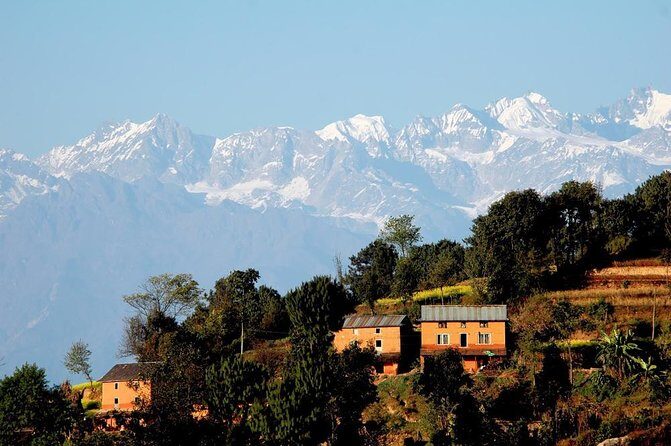
- Nagarkot sunset and sunrise timing for that “peaks lighting up” moment
- UNESCO Kathmandu Valley sites like Pashupatinath, Swayambhunath, and Boudhanath
- Small-group feel (max 15) with a guide and private vehicle for transfers
- Bhaktapur + Patan Durbar Square for craft, temples, and old-town atmosphere
- A name you’ll hear a lot: Puru Timalsena and an organizer who’s described as straightforward and supportive
What an Everest View Tour really means (and what you’re signing up for)
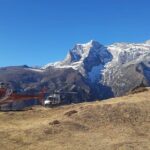
This isn’t a hardcore trekking package. It’s an Everest-view style trip built around the idea that you can still experience the Himalaya without climbing high. You’ll spend time in Kathmandu and the Kathmandu Valley heritage zone, then head to a hill station viewpoint for the kind of sunrise and sunset that makes people plan whole vacations around the light.
You’ll also get the “why Nepal works” combo: dramatic mountain views plus culture you can actually walk through—temples, stupa complexes, and old squares where daily life is happening, not staged.
If your goal is maximum time with the mountains and minimum stress, this kind of itinerary makes sense. If your goal is to hike toward base-camp terrain, you’ll want a different type of trip.
You can also read our reviews of more tours and experiences in Kathmandu.

Day 1: landing in Kathmandu, then getting your bearings in Thamel
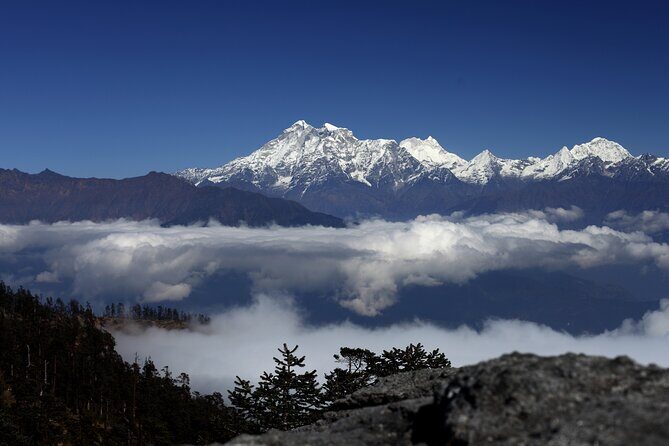
After you arrive at Tribhuvan International Airport, you’ll be picked up and transferred to your hotel. Once you settle in, you’ll visit the office for a briefing about your program. That briefing matters more than it sounds—on short trips, it helps you understand what time you’ll need to be ready the next morning.
Then you get a free evening. Thamel is a practical choice for that first night because it’s walkable and filled with hotels, restaurants, and small shops. A simple walking tour here is a great way to get used to Kathmandu’s pace—before you start early drives.
What you’ll feel on day 1: less jet-lag chaos, more “I’m in the right place” confidence.
Day 2: Kathmandu Valley temples, then Nagarkot for sunset views
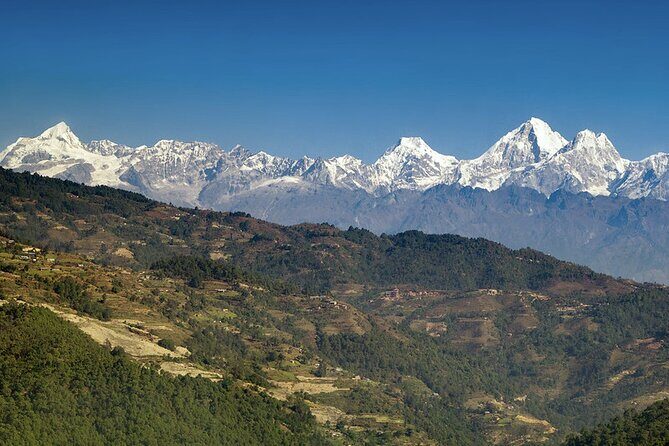
Today is built around a classic Kathmandu Valley route, then a drive to Nagarkot—one of the most popular places in the region for Himalayan viewing.
Pashupatinath Temple and Swayambhunath (UNESCO)
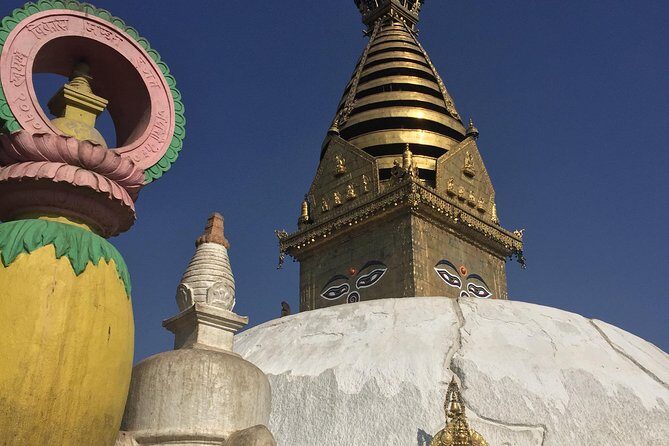
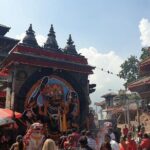
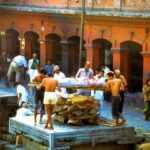
You’ll visit Pashupatinath Temple, one of the most sacred Hindu sites in Nepal, and Swayambhunath, a major Buddhist stupa complex. These are both UNESCO World Heritage listed, which usually means the area gets protected and preserved—and it also means you’re stepping into places that have held meaning for a very long time.
Even if temples aren’t your main priority, these stops give you something you can’t replicate at a viewpoint: you see how spirituality is part of daily routines, ceremonies, and gatherings.
Boudhanath stupa, then the drive to Nagarkot
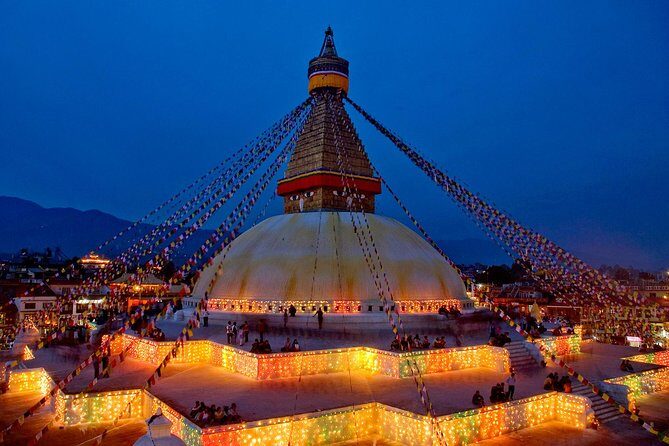
From Boudhanath—described in the tour info as the biggest Buddhist stupa—you’ll drive to Nagarkot. The drive is about 35 km and roughly 1 hour 40 minutes, so it’s not an all-day grind, but it is enough that you’ll want to be comfortable in your seat.
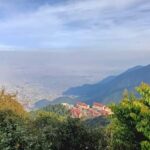
When you arrive, you check into your resort/hotel, refresh, and then you can walk around the village and enjoy views toward the valley and Himalayan range. The big moment is sunset: you’re in place for the kind of golden light that makes peak silhouettes look almost unreal.
A small scheduling note: the plan lists “admission ticket free” for a portion of the day. City tour entry fees are listed as not included in the price, so you may still encounter some paid access depending on what you choose to enter on-site. I’d keep a little cash/card buffer just in case.
Day 3: early sunrise, then Bhaktapur and Patan’s Durbar Square
If day 2 sets the stage, day 3 is where the trip earns its name.
Sunrise over the Himalayan range
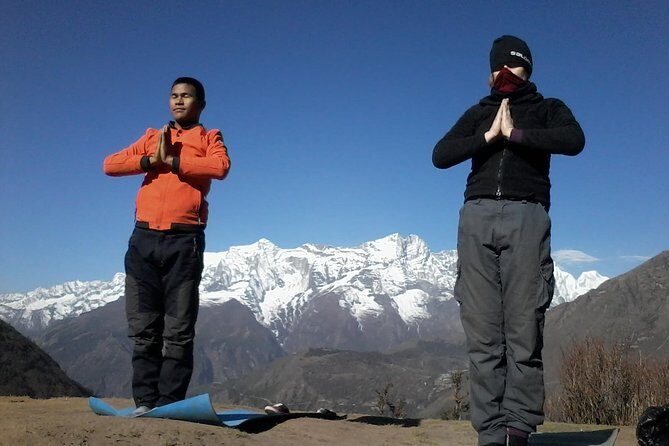
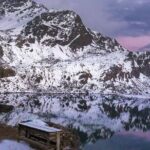
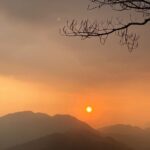
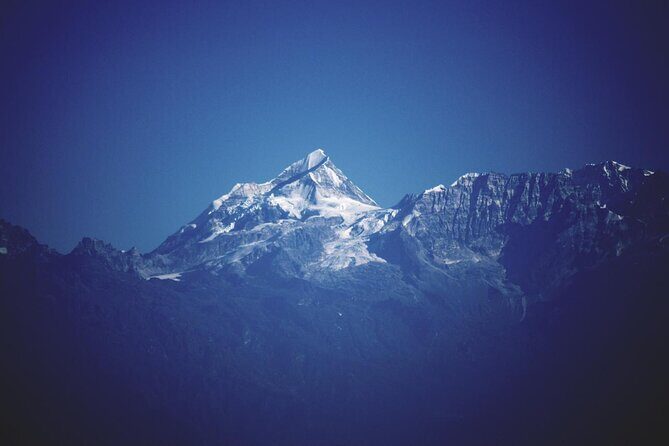
You’ll wake up early to watch sunrise over the mountain range. This is one of those experiences where timing is everything. The first rays of the sun are described as igniting the peaks in pink, gold, and red hues—basically the color shift that turns distant ridgelines into the main event.
Bring something warm. Hill stations can feel chilly early, even when Kathmandu feels mild. Also, wear shoes you can stand in for a bit—sunrise viewing is rarely a five-minute affair.
Kathmandu return with Bhaktapur and Patan stops
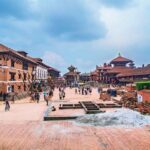
After sunrise time, you drive back toward Kathmandu and continue sightseeing in Bhaktapur—noted as the city of devotees—and then you visit Patan Durbar Square, often associated with arts and craftsmanship.
Bhaktapur is the kind of place where details matter: carved wood, temple lines, and courtyards you can spend time wandering. Patan Durbar Square gives you another old-town perspective, with its own rhythm and architecture style.
By late day, you’re back in Kathmandu for an evening that’s free for shopping or personal plans. That free time is valuable. On a tight itinerary, you might feel like you should “do more,” but a planned buffer lets you reset instead of rushing.
Day 4: last-minute Kathmandu time, then airport drop
On your final day, you’ll have time for last-minute shopping and then you’ll be dropped at Tribhuwan International Airport for your international flight.
That airport drop is included, which matters because it removes one of the scariest parts of travel day planning: timing. You don’t have to negotiate transport options while juggling packing and flight schedules.
Guided sightseeing and private vehicle: why it’s a smart way to do a short trip
A lot of “quick Kathmandu” tours are either overly rushed or overly vague. Here, the structure is fairly clear: guided city touring in Kathmandu Valley, private transfers by car/van/Hiace based on group size, and hotel support with breakfast.
Because the group is capped at 15 travelers, you get enough social energy for company without losing the ability to ask questions. In a place like Kathmandu, that kind of balance is practical.
Also, the organizer behind Above the Himalaya Trekking—Puru Timalsena—comes up repeatedly in the provided feedback as supportive and communicative. One comment specifically highlights a straight-shooting approach: he’s described as honest and not pushing you into extra spending that wouldn’t help. That’s exactly the kind of behavior you want when you’re on a short timetable.
Hotel + breakfast plan: what’s included, what you should budget
The package includes hotel accommodation including breakfast, and it lists breakfast for the trip (5 breakfasts). Lunch and dinner, drinks, and bar bills are not included.
That means you’ll need to plan your own food rhythm. The good news is Kathmandu gives you plenty of options, especially around Thamel. The practical advice: eat a lighter breakfast if you have an early pickup, and save room for good coffee or snacks later—those sunrise days are long.
Entry fees are also a mixed story. “City tour sightseeing entry fees” are listed as not included, but some itinerary items are marked admission ticket free. The safest approach is to assume some paid access could come up, even if key viewpoints are covered.
Price and value: is $800 per person fair for what you get?
At $800 per person for about 4 days, you’re paying for four things more than just transportation:
- Private airport/hotel/airport transfers (not shared shuttles)
- Guided sightseeing across Kathmandu Valley and major heritage zones
- Hotel stays with breakfast
- Program management via an office briefing and a structured schedule
You’re not paying for trekking permits or high-altitude logistics (based on the provided itinerary), and you’re not paying for lunches/dinners or international flights. So if you already have your airfare and you’re comfortable handling meals on your own, the value picture gets better.
I’d think of this as a “comfort + time efficiency” package. If you can’t spare days and you want the important cultural and viewpoint highlights without chaos, $800 can feel reasonable. If you prefer independent travel and want to pick your own pace every day, you might be able to do it cheaper—but you’ll likely sacrifice some of the smooth early-morning coordination.
Who this tour fits best (and who might want a different plan)
This is a good match if you want:
- Big Himalayan viewpoints without trekking high
- UNESCO heritage time plus hill-station scenery
- A small group with private vehicle transfers
- A guide who keeps the plan moving, especially with early starts
It’s less ideal if you know you’ll be disappointed by weather. Since the view depends on clear skies, you should treat sunrise and sunset as a best-conditions experience, not a guaranteed show.
One more practical fit check: early wake-ups. If mornings are painful for you, the sunrise day may be the toughest part.
Should you book this Everest view tour with Above the Himalaya?
I’d book it if your trip style is short, focused, and you want the Himalaya plus heritage without doing everything the hard way. The biggest strengths are the blend of temple-and-stupa culture with Nagarkot mountain viewing, and the fact that the program is set up to run smoothly with private transport and a guided plan.
I wouldn’t book it if you need guaranteed mountain visibility, or if you strongly dislike early starts. But if you can accept “clear skies are the prize” and you’re happy to take in sunrise as a chance, not a guarantee, this tour can deliver a satisfying Kathmandu-to-the-peaks experience.
If you want, tell me your travel month and your flight times (roughly). I can help you plan what buffer to leave around sunrise day and how to pack for Nagarkot’s early cold.
FAQ
How long is the Everest view tour?
The tour is approximately 4 days.
Where does the tour start and end?
The tour starts in Thamel, Kathmandu 44600, Nepal, and ends back at the meeting point.
Are airport transfers included?
Yes. The price includes airport / hotel / airport transfers by private vehicle.
Is hotel accommodation included?
Yes. The tour includes hotel accommodation including breakfast.
What is not included in the price?
International airfare/airport tax, city tour sightseeing entry fees, lunch and dinner, drinks and bar bills, and tips are not included.
What documents do I need to bring?
You should bring a valid passport, 4 extra passport-sized photographs (for trekking permits), travel insurance, airline tickets, and luggage tags. Visas can be obtained upon entry into Nepal.
What happens if weather is poor?
The tour requires good weather. If it’s canceled due to poor weather, you’ll be offered a different date or a full refund.