REVIEW · POKHARA
Pokhara: Half Day Upper Seti Rafting
Book on GetYourGuide →Operated by Himalayan Nomad Treks Pvt. Ltd. · Bookable on GetYourGuide
Whitewater on the Seti hits fast. This half-day Pokhara rafting trip blends Class III and IV rapids with gorge scenery, so you get action without losing your whole day.
I especially like the way the trip starts with a real safety briefing and proper gear—life jacket and helmet—because it makes the adrenaline feel controlled instead of chaotic. I also like the built-in breaks and sights, including a viewpoint stop with paddy fields and the Annapurna range in the mix.
One consideration: this is not a dry, casual outing. You should expect getting wet, and it isn’t suitable for children under 9 or for pregnant women.
In This Review
- Key highlights you’ll feel right away
- Getting From Lakeside to the Upper Seti River: the scenery starts early
- The safety setup before you hit Class III/IV rapids
- The Upper Seti rafting run: twists, waves, and gorge views
- The short breaks: waterfall time, light refreshments, and reset moments
- Fun water options: swimming and body surfing when your guide says yes
- Price and value for Pokhara Upper Seti rafting at about $53
- Who this rafting trip fits best (and who should skip it)
- What to bring so you’re comfortable when you inevitably get wet
- Language, group vibe, and guide support
- Should you book Half Day Upper Seti Rafting in Pokhara?
- FAQ
- How long does Pokhara Half Day Upper Seti Rafting take?
- Where do you get picked up from?
- What rapids are included on the Upper Seti River?
- What safety gear do I receive?
- Is this activity suitable for children?
- Is it suitable for pregnant women?
- What language are the instructors?
- What should I bring with me?
- What’s included in the price, and what’s not?
Key highlights you’ll feel right away
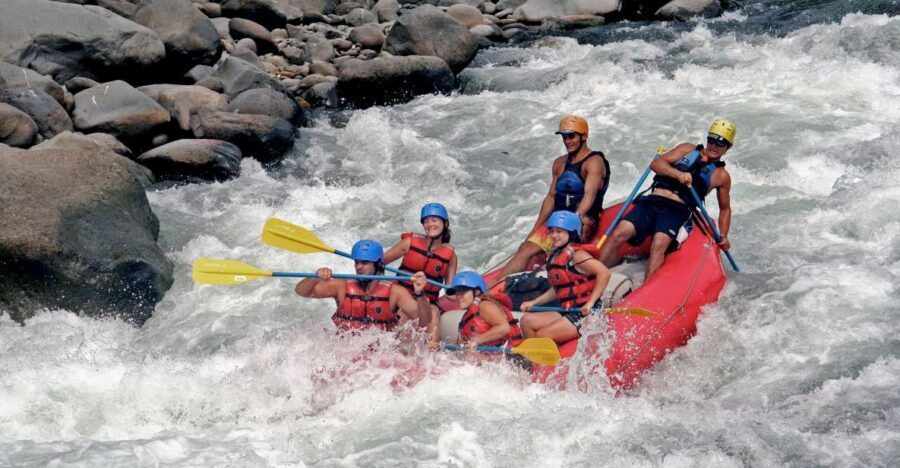
- Class III/IV Upper Seti rapids that deliver real pushback from the river
- Safety briefing + life jacket and helmet, so you know what to do before splashing in
- Gorges, cliffs, and lush river scenery while you ride the current
- A short waterfall stop plus a break to reset and hydrate
- Optional fun in the water like swimming or body surfing when the guide says it’s safe
- Hotel pickup and drop-off from Lakeside, plus a viewpoint photo stop
Getting From Lakeside to the Upper Seti River: the scenery starts early
Your day usually begins in the morning with pickup from Lakeside. You’ll ride by vehicle toward the Upper Seti area, and the drive is part of the value: it sets the mood and gives you a chance to settle in before the rafting starts.
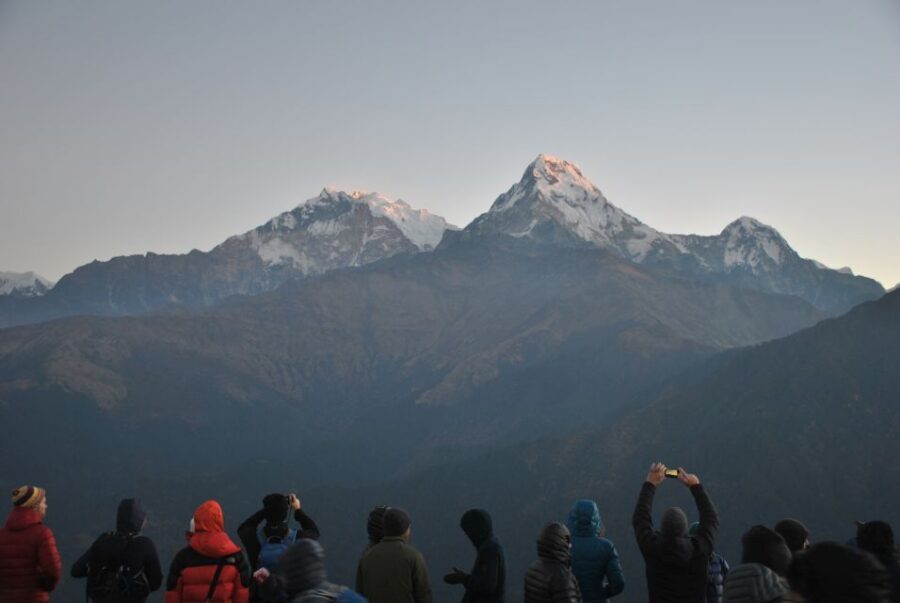
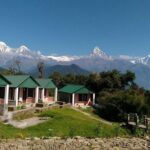
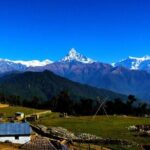
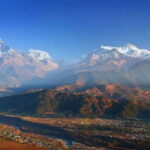
There’s also a viewpoint moment built into the overall route. You get entry tickets and a chance to look out over paddy fields with the Annapurna range in view. It’s the kind of stop that makes the trip feel more than just a sport activity—it’s also Nepal scenery time.
The timing is friendly for most itineraries. You’re looking at roughly 4–5 hours total, with about 2.5 hours of rafting on the river. That means you can still do other things in Pokhara the same day, or keep your pace relaxed if you’re coming off a trek.
You can also read our reviews of more tours and experiences in Pokhara.
The safety setup before you hit Class III/IV rapids
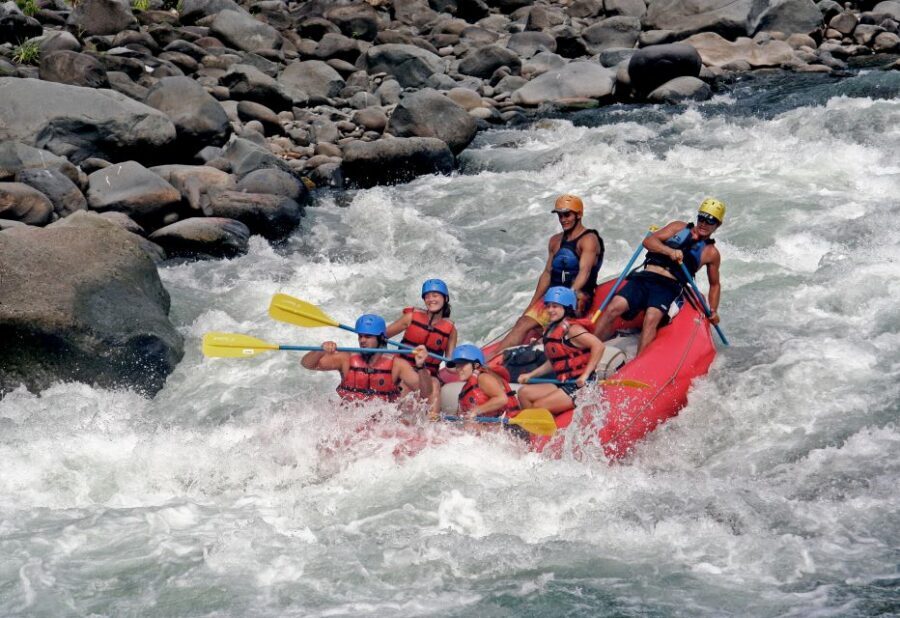
This trip leans serious on safety. Before you go on the water, you meet the rafting guide and get a comprehensive safety briefing. They’ll also hand you your life jacket and helmet, and you’ll go over basic rafting techniques so you’re not guessing once the current starts talking back.
Here’s why that matters for you: with whitewater, your job is partly strength and partly response. You need to know how your body should move, how to hold on, and how to listen when the guide calls instructions. The people running your raft are the difference between exciting and overwhelming, and the guides here focus on keeping everyone confident.
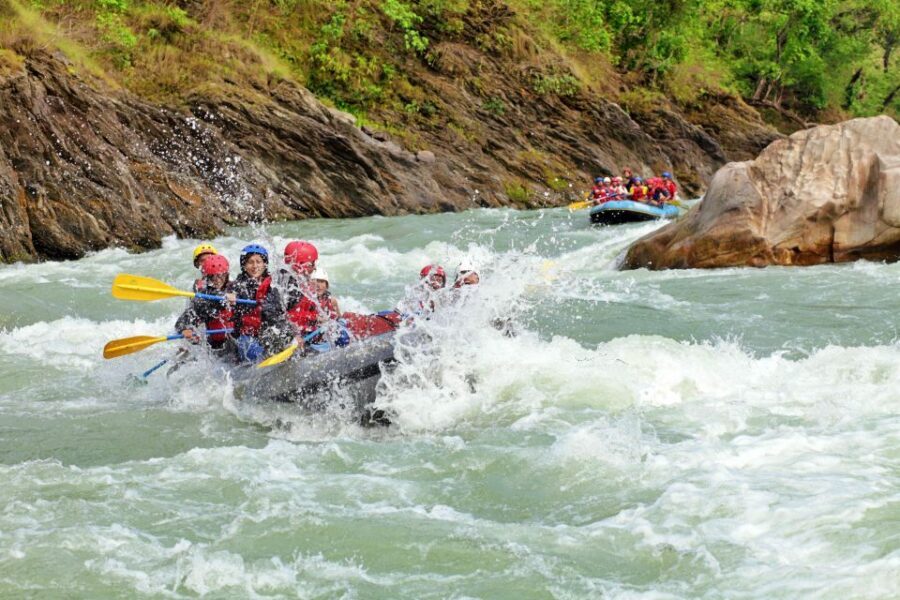
The rapids are listed as Class III and IV on the Upper Seti. In real-world terms, that usually means fast, bouncy water, and a few moments where you concentrate hard on timing and teamwork. You’ll be in the gorges and cliff-lined river sections where the water looks powerful and feels even more powerful.
Also, keep in mind that river conditions can change. If the area has been hit by heavy rain, expect the river to run wild—still exciting, but it’s smart to show up expecting a workout and not a gentle float.
The Upper Seti rafting run: twists, waves, and gorge views
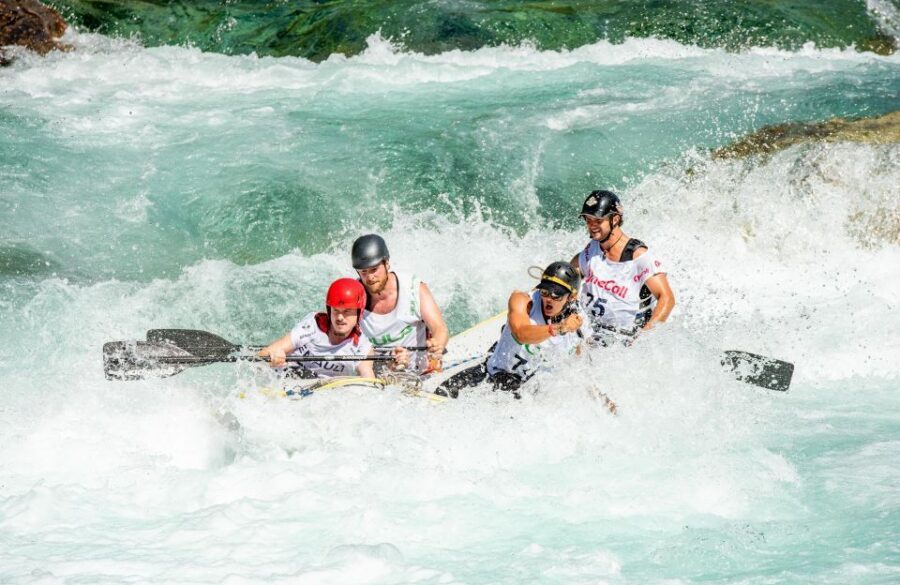
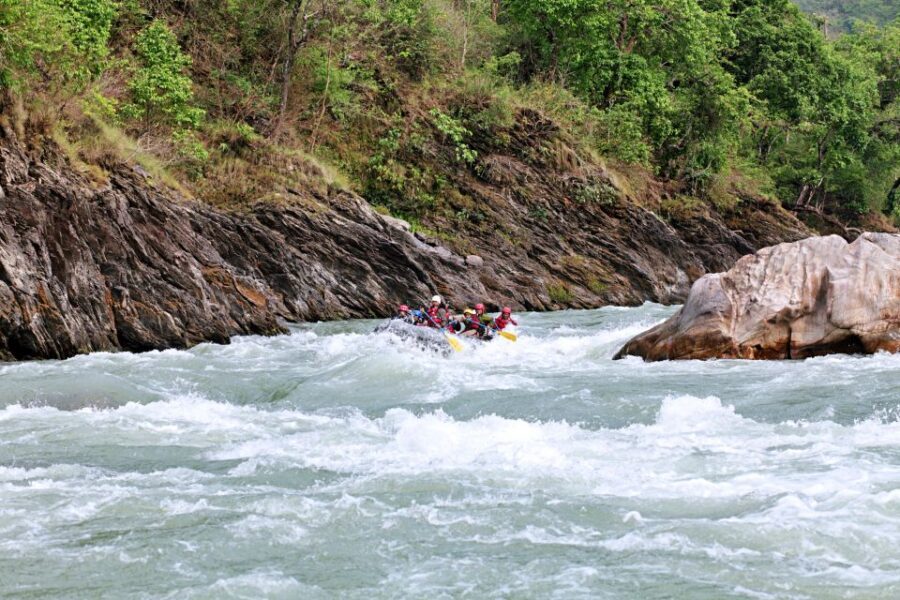
Once you’re on the water, the trip earns its reputation. You’re rafting along the Upper Seti River through sections known for thrilling rapids, with the energy of a river that doesn’t waste time.
The experience is built around continuous action: turns, waves, and the kind of push-and-pull that makes your attention stay locked on what’s ahead. You’ll feel your raft ride into the current, get redirected, and then surge again—often in quick succession. That’s the adrenaline part, and it’s also why this half-day feels like a full memory.
Visually, you get more than just water. The river passes through lush vegetation, towering cliffs, and breathtaking gorges. This is where the trip becomes more than sport. Even when you’re focused on the next rapid, the setting keeps reminding you you’re riding a real Himalayan river, not a staged attraction.
In the water, you’ll likely notice teamwork in action. Everyone has a role, and the guide’s calls keep syncing the crew. If you like the idea of earning the ride through cooperation—rather than watching from the sidelines—you’ll enjoy this.
The short breaks: waterfall time, light refreshments, and reset moments
You do get a break during the rafting adventure. This isn’t just a “stretch and go” pause. It’s your chance to cool down a bit, rehydrate, and get your bearings before the next run.
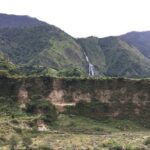
There’s also a short stop at a waterfall, which adds a nice change of pace from the constant motion on the river. It’s quick, but it breaks the day up in a satisfying way—one minute you’re battling rapids, the next you’re looking at a different kind of power.
During the break, you’ll be served light refreshments and you’ll be reminded to hydrate. That matters more than you think. Even if the day feels short, rafting can be surprisingly physical, and it’s easy to get tired from bracing your body against the water.
And yes, you’ll likely be damp. If you’re the type who hates feeling cold in wet clothes, plan to keep your warm layer accessible. Warm clothing is on the recommended list for a reason.
Fun water options: swimming and body surfing when your guide says yes
One of the most enjoyable parts can be the optional water play. The trip includes time for fun activities such as swimming or body surfing under the guidance of your experienced guide.
This is where you get to choose your own intensity. If you want to fully commit to the “whitewater day” vibe, you can add a splashy moment that goes beyond simply riding the raft. If you’d rather keep it simple, you can just stick close and enjoy the scenery from where you’re positioned.
Either way, the key is that these activities happen under supervision. That’s part of why the earlier safety briefing matters. You’ll be more comfortable saying yes or no once you understand what the guide is aiming for and what conditions they’re watching.

Price and value for Pokhara Upper Seti rafting at about $53
At $53 per person, this half-day rafting price can feel very reasonable for what you get—especially if you’re comparing it with private tours that charge extra for transportation and guides.
Here’s what’s included that drives value:
- Hotel pickup and drop-off
- Gear (life jacket and helmet)
- All vehicle expenses
- Entry tickets to a viewpoint
- A scenic viewpoint stop with Annapurna-range views
- Light refreshments during the rafting break
What’s not included:
- Drinks
- Travel insurance
So the “value story” is really about packing your day efficiently. You’re paying for transportation, professional guidance, and a setup that keeps the experience smooth and safe. You’re also paying for a true half-day adrenaline window—about 2.5 hours on the water—without needing a full-day commitment.
Also, this is a private group. That can mean less waiting around and a more personalized feel, depending on your group size.
Who this rafting trip fits best (and who should skip it)
This Upper Seti rafting experience is best if you want a mix of thrills and stunning scenery, with enough structure that you’re not left wondering what to do.
You’ll likely be a good match if:
- You enjoy active travel and don’t mind getting wet
- You want real rapids (Class III/IV), not just an easy float
- You’re comfortable following instructions quickly
You should skip or reconsider if:
- You’re traveling with children under 9
- You’re pregnant
If you’re unsure about your comfort level with whitewater, remember that the safety briefing and guide support are part of the package. Still, it’s smart to be honest about any concerns before you get on the raft.
What to bring so you’re comfortable when you inevitably get wet
The recommended packing list is practical, and you should take it seriously. On a whitewater day, comfort comes down to what you can wear, what you can dry later, and what you can keep secure.
Bring:
- Passport or ID card (if requested at pickup or during check-in)
- Sunscreen
- T-shirt and shorts
- Towel
- Warm clothing (for after the water time)
- Sandals
- Sunglasses
- Hat
Quick practical tip: if you hate cold wet clothes, keep warm layers ready for the return. If you’re bringing sandals, think about how comfortable they’ll be if you have to walk briefly on uneven ground near the river.
Also, keep sunglasses and sunscreen high on your priority list. Even if the day isn’t scorching, you’re on the water and reflecting light off it. Your eyes will thank you later.
Language, group vibe, and guide support
The instructors are listed as English and Hindi. In practice, that usually means clear communication during the briefing and ride.
This is a private group setup. That often gives you a smoother experience—less crowding, fewer moving parts, and a more focused guide-to-raft relationship. For a rafting day, that matters because it reduces friction right when you need your attention on the water.
If you’re worried about feeling safe, focus on the fact that the guides provide a comprehensive safety talk and gear, and they adjust to river conditions. The Upper Seti can run wild, but the team’s job is to keep you informed and moving as a unit.
Should you book Half Day Upper Seti Rafting in Pokhara?
Yes—if you want the classic Pokhara combo of adrenaline plus real Himalayan river scenery, this is a strong pick. The half-day format is especially good value because you get meaningful time on the water (about 2.5 hours) plus viewpoint scenery and transport handled for you.
Book it if you:
- Like active travel and don’t mind wet clothes
- Want guided structure before you hit rapids
- Prefer a compact day with pickup from Lakeside
Hold off if you:
- Don’t want to get wet
- Need a gentler, non-rapids experience
- Fall into the age or pregnancy constraints listed for this activity
If your schedule allows, I’d treat this as one of your anchor activities in Pokhara. It’s the kind of day you’ll remember because it’s not just photos—it’s the feel of the river and the teamwork that gets you through.
FAQ
How long does Pokhara Half Day Upper Seti Rafting take?
Plan for about 4–5 hours total, with roughly 2.5 hours spent rafting.
Where do you get picked up from?
Pickup is from Lakeside, and you return to Lakeside at the end of the activity.
What rapids are included on the Upper Seti River?
The rafting includes Class III and IV rapids.
What safety gear do I receive?
You’ll receive a life jacket and a helmet.
Is this activity suitable for children?
It’s not suitable for children under 9 years old.
Is it suitable for pregnant women?
No, it’s not suitable for pregnant women.
What language are the instructors?
The instructor/guide language is English and Hindi.
What should I bring with me?
Bring an ID card or passport, sunscreen, T-shirt, shorts, a towel, warm clothing, sandals, sunglasses, and a hat.
What’s included in the price, and what’s not?
Included are hotel pickup and drop-off, viewpoint entry tickets, vehicle expenses, and light refreshments during the rafting break. Drinks and travel insurance are not included.