REVIEW · KATHMANDU
Tourist Bus Tickets: Kathmandu to Pokhara or Pokhara to KTM
Book on Viator →Operated by Mountain Hike Nepal · Bookable on Viator
A Kathmandu–Pokhara bus day can be either a chore or a plan. This service turns it into a tidy, scheduled transfer with your ticket handled ahead of time and a set departure window, plus that much-needed 30-minute lunch break en route. I like having a seat secured on a tourist bus instead of rolling the dice on crowded public transport. One drawback to keep in mind: seat comfort and cleanliness can vary, and the road can feel rough and delay the start.
If you’re trying to keep momentum in Nepal, this one-way option fits well. The ride is listed at about 6 to 7 hours, depending on traffic and road works, and the schedule runs early (7:00 AM or 7:30 AM). You’ll also want to be on time for reporting, because the pickup/check-in flow matters on busy mornings.
In This Review
- Key Points You’ll Care About
- Kathmandu to Pokhara or the Reverse: What the 7-Hour Ride Is Actually Like
- Where You Meet the Bus: Sorakhutte Nayabazaar vs Lakeside Tourist Bus Park
- Reporting Time Rules: How Early You Need to Be
- Ticket Delivery and Hotel Reception Pickup: The Real Value Here
- The 30-Minute Lunch Stop: A Small Break That Matters
- Comfort and Road Reality: Seats, Cleanliness, and Delays
- Price and Value: Is $16.10 Worth It?
- Small Group Limit and What That Changes
- Who This Bus Ticket Suits Best
- Should You Book This Kathmandu–Pokhara Tourist Bus Ticket Service?
- FAQ
- How long is the bus ride between Kathmandu and Pokhara?
- What time does the bus leave from Kathmandu to Pokhara?
- What time does the bus leave from Pokhara to Kathmandu?
- Where do I go in Kathmandu to board the bus?
- Where do I go in Pokhara to board the bus?
- How do I receive my ticket?
- Is this ticket one-way or round-trip?
- Is there a lunch stop?
- What’s included in the price?
- What is the cancellation policy?
Key Points You’ll Care About
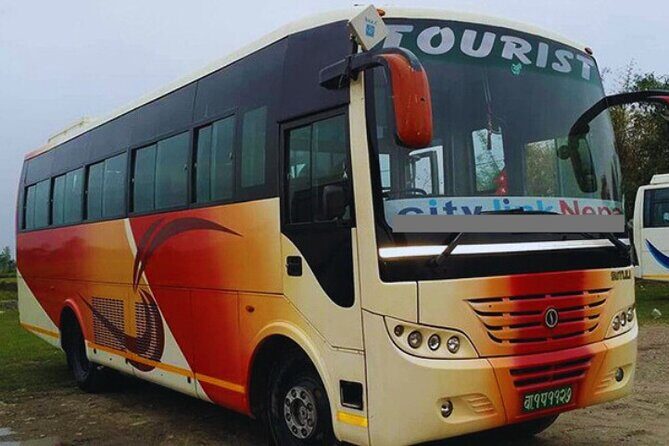
- Hotel-based ticket collection: pick up the ticket from your hotel reception instead of hunting for a terminal.
- Early departures: Kathmandu to Pokhara leaves at 7:00 AM, while the reverse route leaves at 7:30 AM.
- Reporting time is real: you’re expected earlier than departure (6:45 AM or 7:00 AM depending on direction).
- A short, clean lunch stop: about 30 minutes at a hygiene-focused eatery along the way.
- One-way transfers both directions: buy the direction you need, Kathmandu to Pokhara or Pokhara to Kathmandu.
- Small group limit: capped at up to 30 people, which usually keeps things more orderly.
Kathmandu to Pokhara or the Reverse: What the 7-Hour Ride Is Actually Like
This route between Kathmandu and Pokhara sits in a sweet spot: long enough to feel like travel, short enough to still have energy when you arrive. The timetable here is built around that reality—about six to seven hours, and often close to seven when traffic or road works slow things down.
What makes this bus transfer appealing is the way it reduces stress at the start. You’re not scrambling in Kathmandu or Pokhara for the next available ride. Instead, you’re pre-booked, you get clear direction on where to go, and your ticket is arranged so you can focus on the day rather than the logistics.
Still, there’s no pretending it’s an easy road. Even with a tourist bus, you should expect delays and a bumpy feel. One review flagged a notably slow departure out of Pokhara and described the bus stopping to pick up people along the way. That lines up with how ground transport works on busy routes—your trip time is a best estimate, not a guarantee.
So think of it like this: the service is mostly about comfort-by-structure (timed departure, reserved access, ticket handling), not luxury-by-default.
A few more Kathmandu tours and experiences worth a look



Where You Meet the Bus: Sorakhutte Nayabazaar vs Lakeside Tourist Bus Park
Meeting points are where many bus days go wrong. Here, they’re clearly defined, which helps you avoid the classic scramble.
For Kathmandu to Pokhara, the bus departure place is listed as:
- Sorakhutte, Nayabazaar, Kathmandu
For Pokhara to Kathmandu, the bus departure place is:
- Tourist Bus Park, Lakeside, Pokhara
And your arrival-side drop is also specific:
- Pokhara stop: Tourist bus Park, Lakeside, Pokhara
- Kathmandu stop: Sorakhutte, Nayabazaar, Kathmandu
In practice, this matters because you’ll be near the right area for your next leg—whether that’s a lakeside hotel, a taxi pickup, or just walking to your accommodation. Also, the “near public transportation” note suggests you won’t be stranded in an awkward spot far from everything.
Tip: bring the address exactly as written on your booking details and double-check the spelling. Nepal hotel drivers and tuk-tuks usually handle these well, but clarity saves time.
Reporting Time Rules: How Early You Need to Be
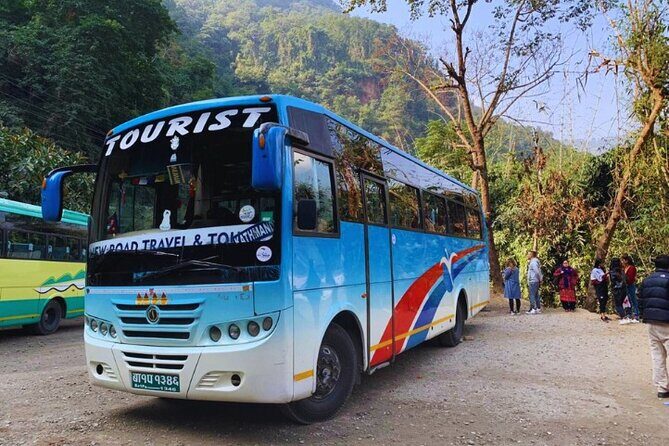
The departure times are early, and the reporting times are earlier. This is one of those details that can feel minor until you’re standing around with no clear plan.
For Kathmandu to Pokhara:
- Reporting time: 6:45 AM
- Departure time: 7:00 AM
For Pokhara to Kathmandu:
- Reporting time: 7:00 AM
- Departure time: 7:30 AM
That timing difference is important. If you only show up at departure, you’ll probably miss the check-in window. If you arrive during reporting time, you give yourself room to collect your ticket, get settled, and handle last-minute bathroom breaks without panic.
This is also where the “near public transportation” detail can help. If something goes sideways—traffic, a quick delay, a wrong turn—you still have options for getting back on track without losing the whole morning.
Ticket Delivery and Hotel Reception Pickup: The Real Value Here
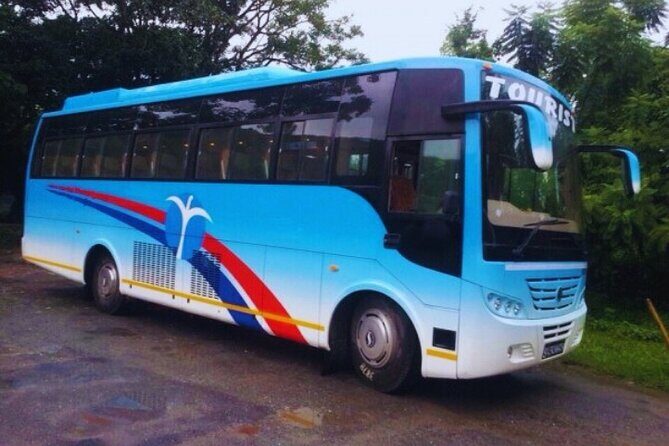
The biggest win with this service is that your ticket isn’t something you have to hunt down on the day. You’ll get travel details sent to your email or WhatsApp, and then you collect the ticket from your hotel reception.
That hotel reception step is small, but it changes your day.
Without it, you’re left with questions like:
- Where exactly is the bus going to wait?
- Which counter or office is the right one?
- Will you get turned away if you’re late?
With this setup, you’re handed a clear process. The confirmation arrives at booking time, the details come digitally, and the physical ticket comes through the place you’re already used to—your hotel.
If you’re traveling between Kathmandu and Pokhara during peak season, this is the kind of practical upgrade that’s easy to overlook until you see what public-bus lines can look like.
Included with the experience, you also get a mineral water bottle, which is a thoughtful little add-on for a long ride.
The 30-Minute Lunch Stop: A Small Break That Matters
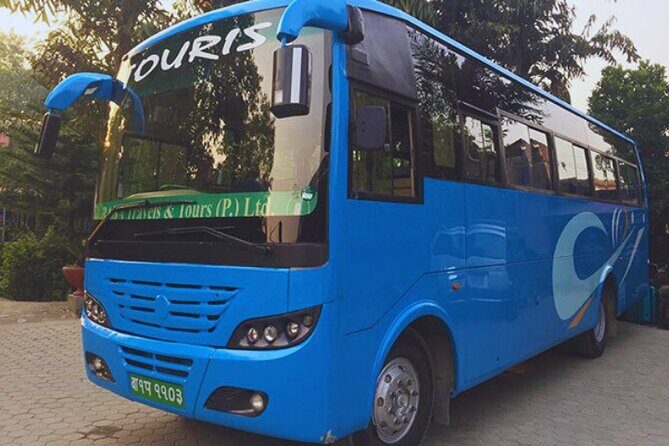
One of the route details that actually improves your experience is the lunch stop. You get about 30 minutes to eat at a hygienic eatery along the way.
Why it matters: Kathmandu-Pokhara travel days can run long. If you’re stuck on a bus with no real plan, you start making rushed food choices or skipping meals. Here, the timing of a short stop helps you stay functional.
Now, don’t count on this being a full meal you can linger over. The stop is short by design, so I’d treat it as:
- grab something filling
- eat, pay, move
- back on board quickly so you’re not the reason your group falls behind schedule
If you’re sensitive to food, stick to simple items and drink water as provided. The data specifically calls out hygiene, which is exactly what you want to hear on a road trip in Nepal.





Comfort and Road Reality: Seats, Cleanliness, and Delays
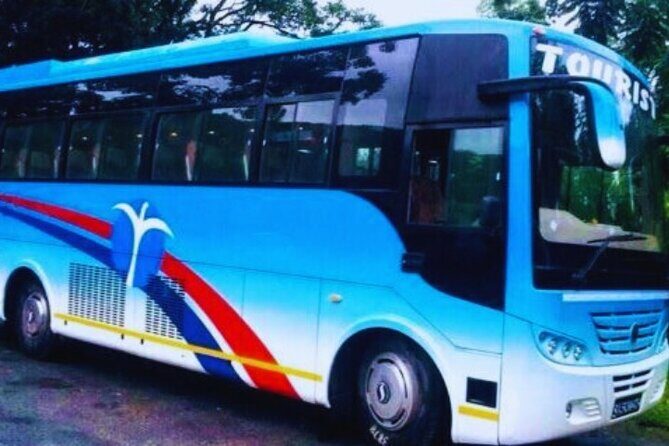
Here’s the honest part: a tourist bus can still feel like a long ride on a long road. And from feedback, comfort isn’t always consistent.
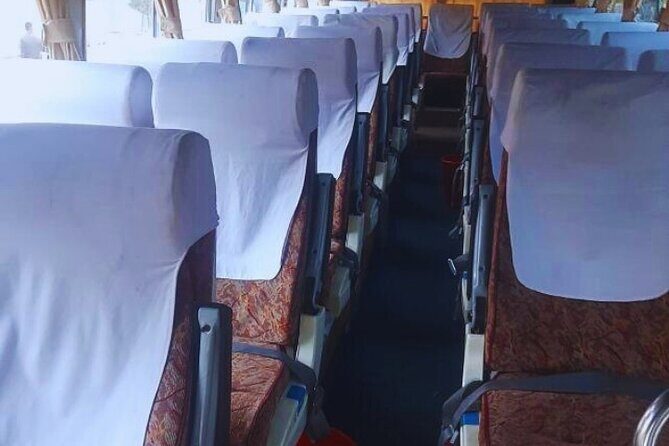
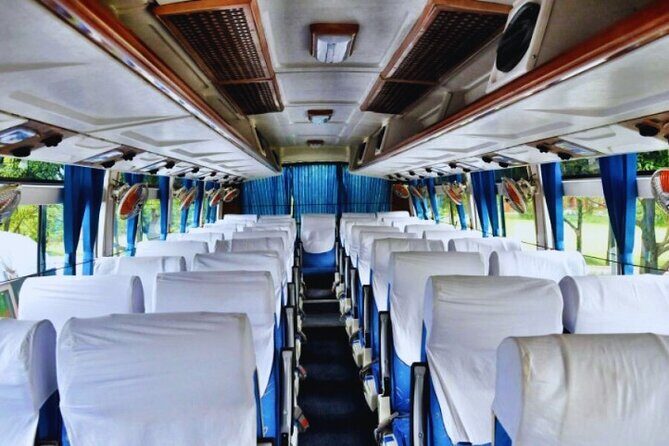
One review criticized the bus condition—saying seats were old and uncomfortable and the bus felt dirty. Another described the journey as the worst bus experience they’d had so far, with rough roads and extra stops that delayed getting out of Pokhara.
That doesn’t mean every ride is the same, but it does mean you should pack and plan like comfort is not guaranteed.
If you want the most comfortable version of this day, do the boring prep:
- bring a light layer (buses can get chilly even in warm months)
- wear shoes you can sit in for hours
- consider a small neck pillow or scarf for back support
- keep motion sickness basics handy if you’re prone to it
- keep your bag tidy and easy to lift quickly at stops
Also, expect the trip to stretch when roads are under construction or traffic is heavy. The service openly lists that the journey can vary based on traffic and road works, and the route behavior described in reviews fits that.
So: yes, pre-booking helps with safety and organization, but it won’t magically turn rough roads into smooth ones.
Price and Value: Is $16.10 Worth It?
At $16.10 per person, this transfer sits in the “reasonable” zone for a scheduled tourist bus. The value comes less from luxury and more from risk reduction.
Here’s what you’re paying for:
- a reserved, tourist-bus-style departure (instead of rolling the dice on crowded public buses)
- a timed, predictable schedule with an early reporting window
- ticket delivery by email/WhatsApp plus ticket pickup through your hotel reception
- a planned 30-minute lunch stop
- a mineral water bottle included
If you’ve ever tried to organize transport between major cities on short notice, you know the hidden cost is often time and uncertainty. This service trades a bit of flexibility for structure, and that structure is what makes it worth considering—especially if you don’t want to deal with overcrowding or the worry of unsafe conditions.
Would I call it a bargain? For many people, yes—especially if you value convenience and you’re traveling with limited time. But if your top priority is a brand-new bus with pristine seats, you might feel disappointed. The price is fair for what’s offered, not a guarantee of comfort.
Small Group Limit and What That Changes
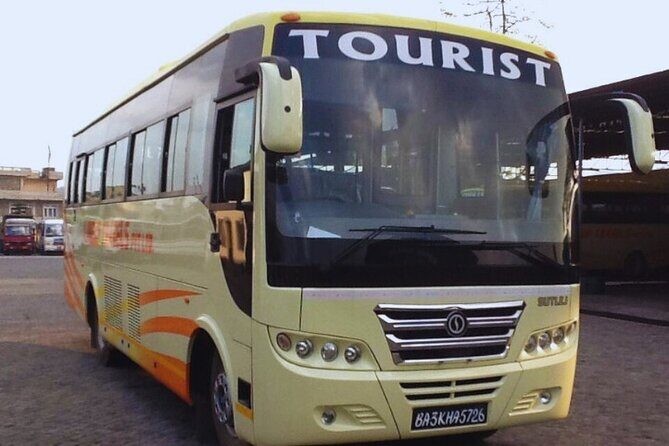
The service caps at up to 30 people. That matters more than it sounds.
A smaller group usually means:
- check-in can be easier to manage
- fewer people crowding the same seat area at once
- less chaos when everyone gets ready to board
It won’t remove every delay on the road, but it can reduce the “everyone is trying to find the same door at the same time” feeling that big public transport can create.
Also, a tourist bus setup can feel more orderly during stops—like the lunch stop—because the day is managed around the schedule, not around whoever shows up late.
Who This Bus Ticket Suits Best
This transfer is a good fit when you want a straightforward way to move between Kathmandu and Pokhara without extra decision-making.
I’d point you toward this service if:
- you want one-way tickets and a timed morning departure
- you like the idea of collecting your ticket from your hotel reception
- you prefer a tourist bus environment over cramped public options
- you want a planned break with that 30-minute lunch stop
- you’re traveling with limited time and you don’t want to risk missing out
It might be less ideal if:
- you’re extremely picky about seat comfort or bus cleanliness
- you can’t handle bumpy roads and long sitting hours
- you expect a fully luxury experience
In other words: treat it as a practical transfer with organized check-in and a short food break—not as a spa ride.
Should You Book This Kathmandu–Pokhara Tourist Bus Ticket Service?
Book it if you value structure. If you want your ticket arranged, your details sent digitally, your pickup handled through your hotel reception, and a scheduled morning departure with a short lunch stop, this is the kind of service that makes travel days easier.
Skip it or reconsider if comfort is your deal-breaker. The feedback includes complaints about old, uncomfortable seats and cleanliness, and at least one person described the ride as rough and delayed by pickup stops. If you know you’re sensitive to that, you may prefer a different transport option where you can verify the bus condition more clearly.
If you do book, plan like a pro: arrive during reporting time, bring a small comfort kit for the seat, and use the lunch stop wisely. Then you’ll get the biggest benefit of the service—less stress, fewer unknowns, and a smoother day getting from Kathmandu to Pokhara or back again.
FAQ
How long is the bus ride between Kathmandu and Pokhara?
The trip is approximately 6 to 7 hours, depending on traffic and road works.
What time does the bus leave from Kathmandu to Pokhara?
For Kathmandu to Pokhara, the departure time is 7:00 AM, with a reporting time of 6:45 AM.
What time does the bus leave from Pokhara to Kathmandu?
For Pokhara to Kathmandu, the departure time is 7:30 AM, with a reporting time of 7:00 AM.
Where do I go in Kathmandu to board the bus?
The departure place in Kathmandu is listed as Sorakhutte, Nayabazaar, Kathmandu.
Where do I go in Pokhara to board the bus?
The departure place in Pokhara is listed as Tourist Bus Park, Lakeside, Pokhara.
How do I receive my ticket?
Your ticket and travel details are sent to your email or WhatsApp. The ticket can also be collected from your hotel reception.
Is this ticket one-way or round-trip?
This is a one-way ticket. You can book Kathmandu to Pokhara or Pokhara to Kathmandu.
Is there a lunch stop?
Yes. The journey includes a 30-minute lunch break at a hygienic eatery en route.
What’s included in the price?
Included are the tourist bus ticket service, ticket delivery to your mail id, and a mineral water bottle.
What is the cancellation policy?
You can cancel for a full refund up to 24 hours before the experience starts. Changes within 24 hours aren’t accepted. There may also be date changes or refunds if it’s canceled due to poor weather or if a minimum number of travelers isn’t met.