REVIEW · PASHCHIMANCHAL WESTERN REGION
Kathmandu/Pokhara: 3 Day Chitwan Jungle Safari Tour
Book on GetYourGuide →Operated by Rainbow Adventure & Travels PVT.LTD · Bookable on GetYourGuide
Rhinos feel close in Chitwan. This 3-day safari package from Pokhara or Kathmandu pairs jeep safari game drives with quiet Rapti River canoe time, plus a hands-on Tharu village visit and evening dance show. I especially like the way the schedule balances active wildlife searching with calmer nature moments, and I like that meals and lodge time are handled so you can focus on the day ahead. One heads-up: if rain clips visibility, sunset views can be less impressive, as I’ve seen happen when the sky doesn’t cooperate.
You’ll start early (pickup is listed for 6:30 AM) and spend most days outdoors, so bring the right shoes and breathable layers. Also note the tour isn’t suitable for people with animal allergies, since you’re in the park environment and the experience is very close to wildlife and nature.
In This Review
- Key Things That Make This Chitwan Safari Work
- 3 Days in Chitwan: What You’re Really Signing Up For
- 6:30 AM Pickup and the Coach Ride to the Park
- Day 1: Tharu Village First, Sunset Later, Dance at Night
- Tharu village visit: more than a photo stop
- Sunset tour: great when the weather behaves
- Cultural dance show: a high-energy evening finish
- Day 2: Rapti Canoe, Jungle Walk, Birds, Elephant Center, and Jeep Safari
- Rapti River canoe ride: calm viewing and bird-watching odds
- Nature walk with a guide: where spotting starts
- Birdwatching: a focused time slot
- Elephant breeding center: education before the big safari push
- Jungle jeep safari: where the thrill lives
- Day 3: Breakfast, Optional Early Birds, and Returning to Kathmandu or Pokhara
- Wildlife Encounters: How to Think About Rhinos, Tigers, and Crocodiles
- Lodge Comfort and Meals: What All-Inclusive Actually Feels Like
- Price and Value: Is $123 a Good Deal?
- What to Bring (and What to Skip)
- Who This Chitwan Tour Fits Best
- Should You Book This Kathmandu/Pokhara to Chitwan Safari?
- FAQ
- What locations do you pick up from?
- Where do you drop off at the end of the tour?
- What time is pickup?
- How long is the tour?
- What activities are included during the safari experience?
- What language is the live tour guide?
- Are meals included?
- What’s included in the price besides activities?
- Is it okay to bring a drone?
- FAQ
- Is the tour private?
- Can I cancel and get a full refund?
- Is the tour suitable for people with animal allergies?
- Can I reserve now and pay later?
Key Things That Make This Chitwan Safari Work
- Early-morning energy: 6:30 AM pickup means you waste less prime light waiting around
- Two safari styles: jeep drives for sightings and a canoe ride for river wildlife and birds
- Tharu culture is built in: village visit plus cultural dance with live drumming
- Birdwatching is a real segment: you get time for it, not just a passing stop
- A full zoo-to-jungle day mix: elephant breeding center visit plus guided nature walk
- All meals included: less hassle, steadier energy for walking and sitting in vehicles
3 Days in Chitwan: What You’re Really Signing Up For
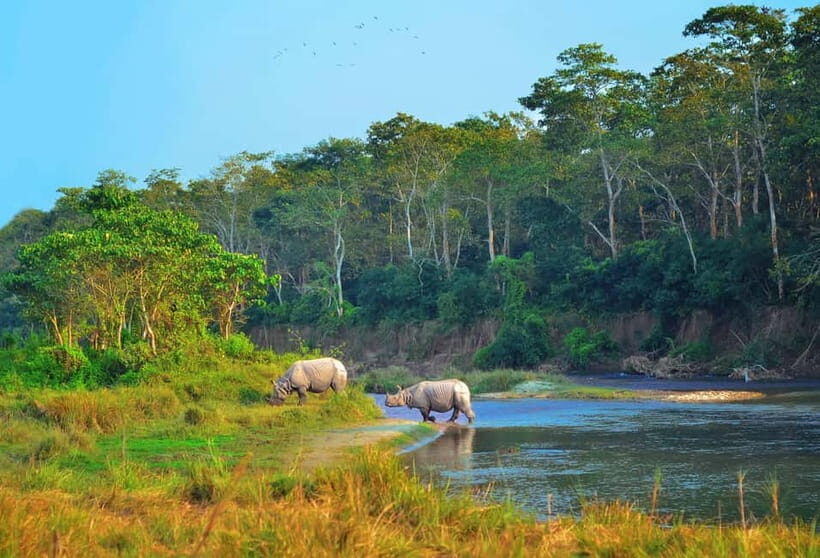
Chitwan National Park sits in Nepal’s subtropical lowlands, and it’s famous for the animals people dream about: one-horned rhinos, Bengal tigers, crocodiles, deer, and more. This tour is built around that idea of odds—timed outings, guided access, and different ways of moving through the park—so you’re not stuck doing just one type of viewing all day.
What I like about this format is the rhythm. You’re active enough to feel like you’re part of the day, but not so rushed that everything blurs. You get jeep time for the thrill, then a slower, steadier river perspective that’s great for birds and calm scenery.
The other reason this works well is that it’s not only wildlife. The Tharu community piece gives you context for what surrounds the park, and the cultural show adds a memorable evening payoff after a day outdoors.
You can also read our reviews of more tours and experiences in Pashchimanchal Western Region.
6:30 AM Pickup and the Coach Ride to the Park
Your day starts with pickup from your Kathmandu or Pokhara hotel area (the tour lists a 6:30 AM pickup time). You’ll travel by luxury tourist coach, which matters more than people think. Chitwan is not a quick hop from either city, so comfortable seating and a smooth ride help you arrive ready instead of stiff, cranky, and hungry.
Because it’s a private group, your pacing feels more controlled than the usual big-bus shuffle. You still get guided timing, but you’re not fighting for attention or space the whole way through.
If you’re sensitive to long drives, pack a small plan: water, a snack you like (even though meals are included), and something to make the ride less tiring for you. The morning start is part of the deal—this tour is clearly aiming to catch the best wildlife hours.
Day 1: Tharu Village First, Sunset Later, Dance at Night
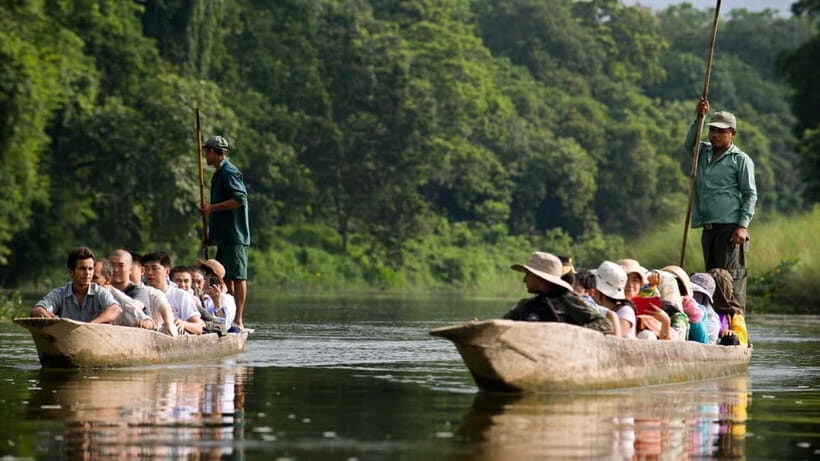
Day one is a smart warm-up. Instead of rushing straight into the wild, you ease in with a Tharu village tour and an evening cultural dance show. That’s a nice way to build understanding before you’re hunting animal sightings with your guide.
Tharu village visit: more than a photo stop
The Tharu segment is designed as a cultural connection: customs, history, and community resilience. You’ll learn about how local traditions relate to life in this region, and that context makes your Chitwan time feel less like a checklist and more like you’re meeting a living neighborhood near the park.
Sunset tour: great when the weather behaves
Then you have a sunset tour. This is where conditions matter. There’s a real possibility that intermittent rain can shorten the view or dim the mood—one traveler noted that the rain kept them from enjoying the sunset the way they hoped. If your goal is maximum golden-hour scenery, keep expectations flexible. Bring a light rain layer and accept that wildlife sightings usually matter more than the colors in the sky.
Cultural dance show: a high-energy evening finish
You end the day with a Tharu cultural dance performance. Colorful costumes and live drumming help it land as an actual event, not just background entertainment while everyone waits for dinner.
Practical tip: after a day outdoors and travel time, keep your day bag simple. You’ll likely want your phone accessible for quick moments, but you don’t want to dig for items in the middle of the evening.
Day 2: Rapti Canoe, Jungle Walk, Birds, Elephant Center, and Jeep Safari
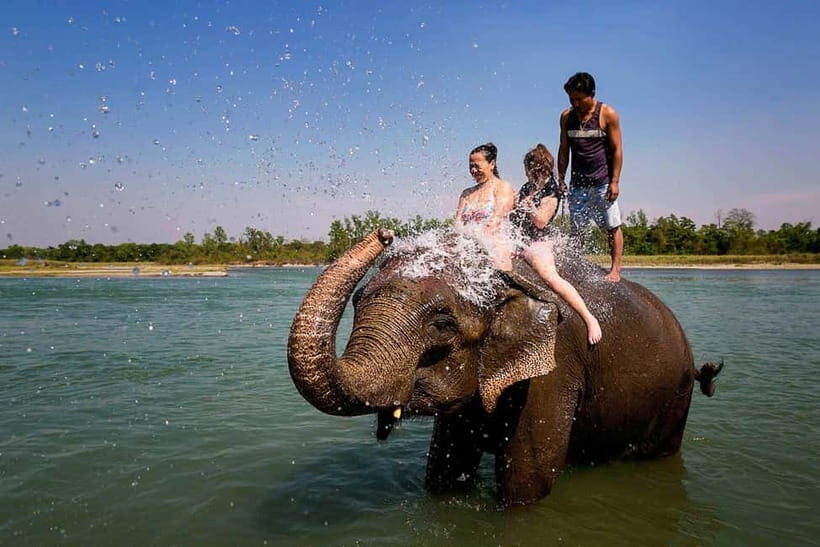
Day two is where the wildlife focus sharpens. You start with a river experience, then move into walking and birds, then finish with a jeep safari style of viewing. That mix is important. Some animals are easier from water, others respond better to land-based viewing and jeep positioning.
Rapti River canoe ride: calm viewing and bird-watching odds
The Rapti River dugout canoe ride is one of the most relaxing parts of the trip. From the water, you often get a wider, steadier view of the riparian edges—exactly the type of environment where birds concentrate. It’s also a good mental reset after an early start, because you can slow down and just watch.
If you like birding, this is where your attention will pay off. The tour highlights bird-watching in one of the world’s top birding spots, and the river setting is usually where that becomes real.
Nature walk with a guide: where spotting starts
Next comes a nature walk with experienced naturalist guidance. Even if you don’t spot an animal right away, this is valuable because you’re learning how to read the jungle—where movement happens, what to look for, and why timing matters. A guided walk also helps with safety and pacing.
Birdwatching: a focused time slot
You then get birdwatching time as its own activity, not an optional add-on. That means you can actually slow down, check species (at least with your guide’s help), and enjoy the soundscape of Chitwan instead of rushing through it.
Elephant breeding center: education before the big safari push
You’ll also visit an elephant breeding center. This is a more structured stop, and it balances the day. It gives you a human story connected to wildlife, so the park isn’t just animals you glimpse—it becomes something you understand how people try to protect and manage.
Jungle jeep safari: where the thrill lives
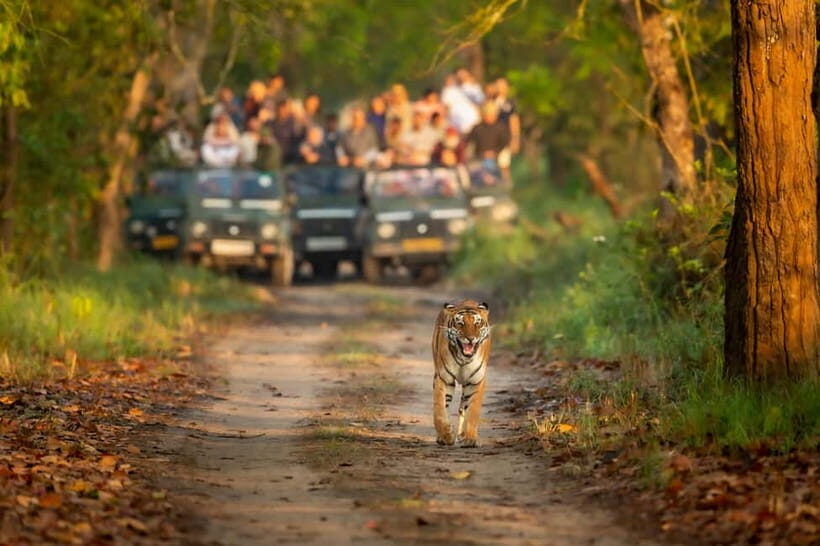
Finally, you do a jungle jeep safari. This is your higher-adrenaline segment and the one most people picture when they think of a Chitwan trip. The goal is to maximize sightings—especially large mammals—by using jeeps to reach areas with wildlife presence.
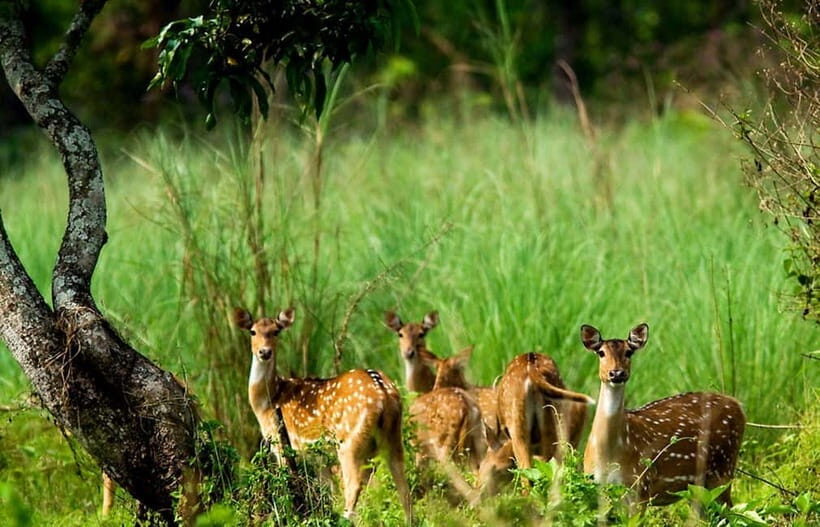
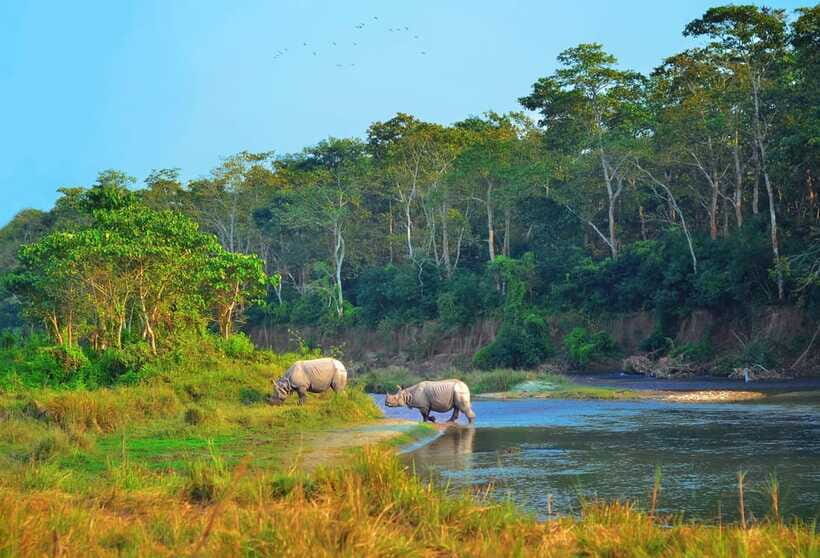
The tour’s promise is very clear about target species: rhinos and Bengal tigers are the headline, along with deer and other creatures. In reality, wildlife sightings are always subject to chance and conditions, but the structure here is designed to keep your search active and guided.
Day 3: Breakfast, Optional Early Birds, and Returning to Kathmandu or Pokhara
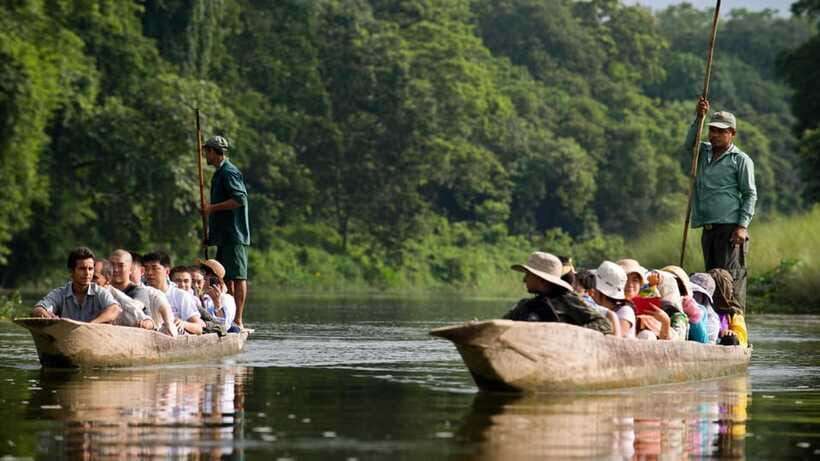
Day three keeps things simple. You have breakfast and then depart back to Kathmandu or Pokhara.
There’s also an optional early morning birdwatching walk on Day 3 before you travel back. If you’re the type who wakes up early anyway, this can be a great final hit—just remember it’s optional, so you can also choose rest if your body needs it.
Either way, the timing is designed to make sure you don’t feel like you’re paying for a bunch of half-days at the end. It’s a tight three-day experience, and day three is the wrap-up that gets you home without drama.
Wildlife Encounters: How to Think About Rhinos, Tigers, and Crocodiles
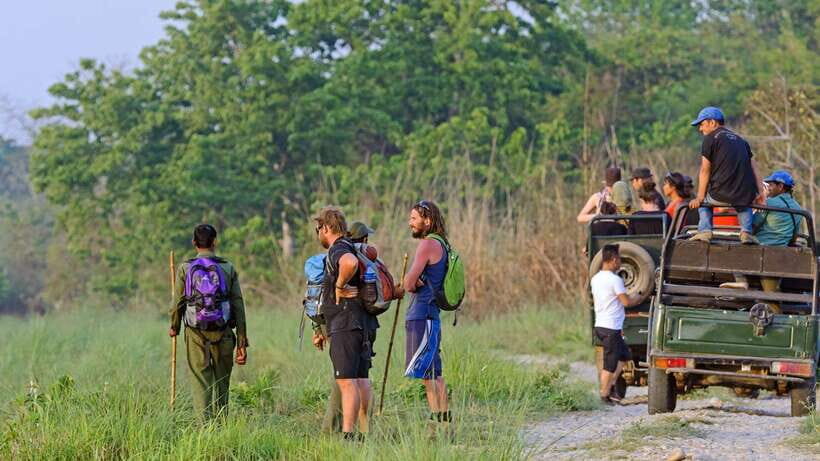
Let’s talk expectations, because Chitwan is famous for wildlife and also famous for how nature behaves on nature’s schedule.
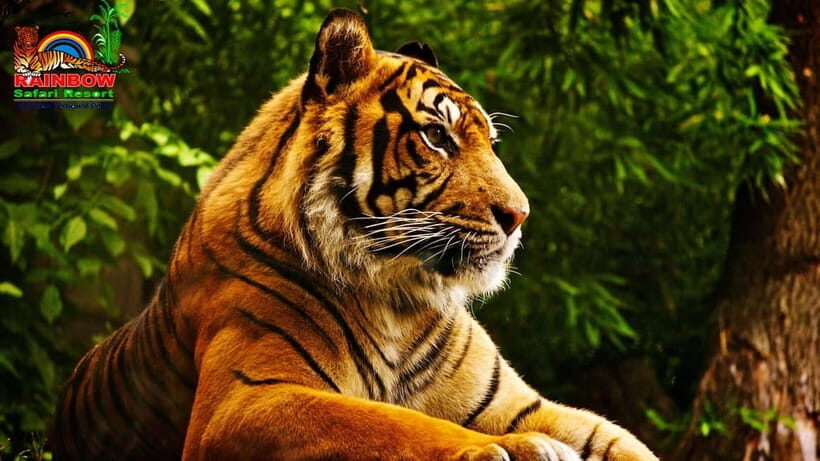
This tour is built around the big species people come for: one-horned rhinos, Bengal tigers, plus crocodiles, deer, and other animals you might spot depending on conditions. You also get a naturalist guide for the jungle time, which matters because a good guide can interpret signs: tracks, movement, calls, and likely locations.
Here’s how I’d frame it for you:
- If you’re chasing the ultimate adrenaline moment, the jeep safari is your best bet for dramatic encounters.
- If you’re more patient and enjoy wildlife through clues and smaller moments, the canoe and walking segments will feel rewarding even when the big animals aren’t in your face.
Also, the tour is clear that it can include elephant-related visits and birding time. So even if you don’t catch a tiger sighting, you still get a full set of wildlife experiences rather than a single long waiting game.
Lodge Comfort and Meals: What All-Inclusive Actually Feels Like
You stay at a jungle resort/jungle lodge style accommodation (the package says comfortable lodges with natural tranquility). What that means in practice is you’re not commuting constantly, and you’re not eating random roadside meals between safari hours.
All meals are included—breakfast, lunch, and dinner—so you don’t lose time hunting food or worrying about costs. That matters when you’re spending long hours outside. Being able to eat at the right time helps you keep energy up for walking, canoe time, and the jeep safari.
One review mentioned cleanliness and food satisfaction along with friendly staff and guided programs. That’s the kind of detail that makes tours feel smoother. When lodging is clean and meals are reliable, you spend less mental energy and more focus on the park.
Price and Value: Is $123 a Good Deal?
At $123 per person for a three-day safari-style package, the value comes down to what’s included. Here you’re getting:
- pickup and drop-off from Kathmandu or Pokhara hotels
- round-trip transport by luxury tourist coach
- all meals during the trip
- English-speaking trained naturalist for the jungle portion
- lodge accommodation
- park entrance fees and local taxes
- guided jungle activities, plus the canoe and jeep safari components
If you tried to do this independently, you’d likely pay separately for transport, guide services, park fees, and lodging. This package reduces the “make it work” effort and bundles the main costs into one number.
It’s also worth thinking about your time. Chitwan is not a quick day trip. You’re paying for organized use of those travel hours and the multiple activity types that increase your chances of satisfying wildlife and nature moments.
In short: $123 looks like strong value if you want structure and a guided experience without the hassle of piecing everything together.
What to Bring (and What to Skip)
The tour gives simple guidance, and you should listen.
Bring:
- comfortable shoes (you’ll be doing a nature walk and likely standing at times)
- sunglasses and a sun hat (days can be bright)
- breathable clothing for warm outdoor time
Skip:
- drones (not allowed)
Also, I’d add one practical habit: bring a light layer for early mornings and for any rain that pops up. The experience can include intermittent rain, and it’s better to be slightly over-prepared than stuck searching for dry socks later.
Who This Chitwan Tour Fits Best
This is a good match if you:
- want wildlife-focused time with both jeep and canoe viewing
- like nature walks plus birdwatching as real activities
- enjoy cultural context, like the Tharu village visit and dance show
- want a guided package with English-speaking support (the guide can speak English, Hindi, or Chinese)
It may not be the best match if:
- you have animal allergies (the tour specifically says it’s not suitable)
- you hate early mornings or long travel days
- you’re only interested in one type of activity (this tour includes river time, walking, birds, and jeep safari)
Should You Book This Kathmandu/Pokhara to Chitwan Safari?
I’d book it if you want a well-paced three-day plan that mixes wildlife searching with calmer river viewing and adds cultural learning through the Tharu community. The inclusion of all meals, lodge stay, trained naturalist guidance, and park entrance fees means you can focus on the experience instead of managing logistics.
You should pause and think twice if you’re very sensitive to rain-related changes to outdoor timing (sunset views can be affected) or if animal allergies are a concern.
If you’re choosing between doing Chitwan on your own versus taking a structured trip, this package is built for convenience and variety. You’ll spend your time in Chitwan, not in planning it.
FAQ
What locations do you pick up from?
You can get pickup from Kathmandu or Pokhara hotels.
Where do you drop off at the end of the tour?
Drop-off is available back to Kathmandu or Pokhara.
What time is pickup?
Pickup time is listed as 6:30 AM.
How long is the tour?
The duration is 3 days.
What activities are included during the safari experience?
The tour includes a Tharu village tour, a sunset tour, a cultural dance show, a canoe ride on the Rapti River, a nature walk, birdwatching, an elephant breeding center visit, and a jungle jeep safari.
What language is the live tour guide?
The live tour guide is available in English, Hindi, and Chinese.
Are meals included?
Yes, meals (breakfast, lunch, and dinner) are included during the trip.
What’s included in the price besides activities?
Pickup and drop-off, luxury tourist coach transport, accommodation at the jungle resort, national park entrance fees, and all government and local taxes are included.
Is it okay to bring a drone?
No. Drones are not allowed.
FAQ
Is the tour private?
Yes, it’s listed as a private group.
Can I cancel and get a full refund?
You can cancel up to 24 hours in advance for a full refund.
Is the tour suitable for people with animal allergies?
No, it’s not suitable for people with animal allergies.
Can I reserve now and pay later?
Yes, it offers a reserve now & pay later option, with pay nothing today.