REVIEW · KATHMANDU
10 Days Annapurna Base Camp Trek from Kathmandu
Book on Viator →Operated by CAN Travels · Bookable on Viator
Few treks feel this close to the high peaks. This 10-day Annapurna Base Camp trip strings together Kathmandu-to-Pokhara travel, classic Gurung villages, and the big payoff of time at Base Camp with Himalayan views. I like that it’s built for practical flow, with transport and permits handled for you, and that you get time in villages like Ghandruk and Chhomrong before you push toward the alpine zone.
Two things I’d put near the top: you’re traveling with a government-licensed English-speaking trekking guide, and permits plus official documents are included. A possible drawback to consider: the schedule includes long travel days (notably the Kathmandu–Pokhara bus ride), and the trek itself climbs and descends repeatedly—so you’ll want genuinely moderate fitness and good cold-weather readiness.
In This Review
- Key things to know before you go
- Why This 10-Day ABC Route Works From Kathmandu
- Getting To Pokhara: The Long Bus Day That Sets Up the Trek
- Ghandruk And Sauli Bazar: First Real Village Life
- Chhomrong To Bamboo: Big Steps, Rhododendron Woods, And Stream Crossings
- Deurali And The Approach Toward Base Camp
- Annapurna Base Camp Day: The Payoff In Real Life
- The Return Through Bamboo: Legs Learn Lessons Fast
- Jhinu Danda And The Steps Climb: A Tiring Day That Breaks Up the Route
- Back To Pokhara And Then Kathmandu: When Your Feet Finally Exhale
- Price And Value: What $490 Covers (And What It Doesn’t)
- Guides And Safety: The Hidden Reason This Feels Smooth
- Packing And Pace: How To Make This Route Feel Less Brutal
- Who Should Choose This Trek (And Who Might Want Another Option)
- Should You Book This Annapurna Base Camp Trek?
- FAQ
- How long is the Annapurna Base Camp trek?
- Where does the trip start?
- What time is the meeting point?
- How do I get between Kathmandu and Pokhara?
- Is a guide included, and are permits handled?
- What about accommodations during the trip?
- Is food included in the trek price?
- Are there entry fees for Annapurna Base Camp?
- What fitness level do I need?
- Can I cancel for a full refund?
Key things to know before you go
- English-speaking licensed guide: You get local expertise plus help with permits and day-to-day decisions.
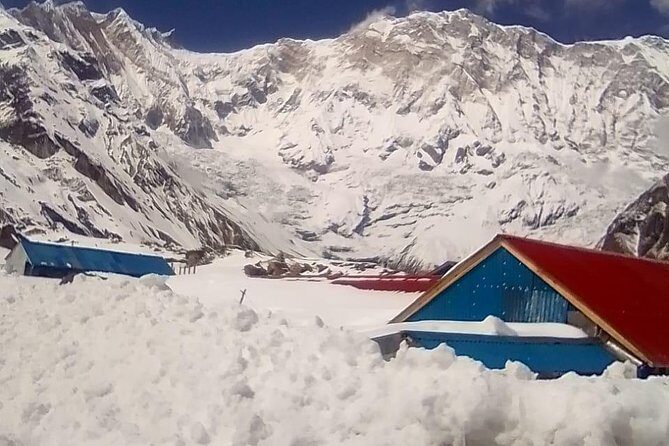
- Base Camp day is built in: Your itinerary includes trekking time through high alpine forests and arrival at Annapurna Base Camp.
- Pokhara hotel nights are included: Two nights in a 2-star hotel with breakfast gives you a real reset.
- Transport is part of the deal: Luxury sofa-seat tourist bus for Kathmandu–Pokhara, plus transfers to the trail start points.
- Route includes big ups and downs: Expect steep segments and repeated elevation changes, especially on the approach and return.
Why This 10-Day ABC Route Works From Kathmandu
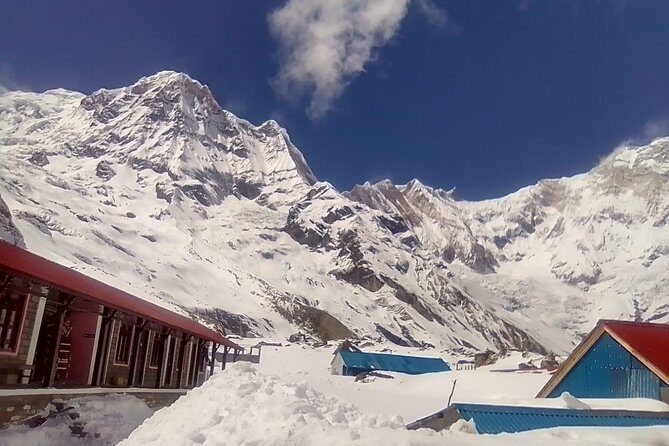
If you’re aiming for Annapurna Base Camp without having to organize the messy parts, this plan is a strong match. You start in Kathmandu, transfer to Pokhara by tourist bus, then work your way up through the Annapurna foothills toward higher terrain.
The big value here is not just the destination. It’s the order of operations. You get a day to settle in Pokhara, then your trek gradually ramps up through villages and forests. By the time you reach the Base Camp zone, you’ve already learned how your body handles the rhythm of climbing, cooling down, and climbing again.
And yes, you’ll likely hear about the sunrise views on the higher days. The route is structured so you’re trekking through peak-view country rather than just hiking through a blank trail. In plain terms: you’re not walking “for walking’s sake.”
You can also read our reviews of more hiking tours in Kathmandu


Getting To Pokhara: The Long Bus Day That Sets Up the Trek
Day 1 is a travel day with purpose. You get hotel pickup in Kathmandu, then you head out toward the tourist bus station. The ride to Pokhara takes about seven hours.
This matters more than it sounds. Pokhara is your staging point. A lot of first-time trekkers stumble because they treat the trek like it starts the moment they land. Here, the trek starts after you’ve already moved to the mountains’ doorstep and had time to rest.
Once you arrive, you have a window to reset—rest, stretch, and sort your gear. If you’re the type who likes to check weather and trail conditions calmly, Pokhara is where you can do that without rushing.
One consideration: if you’re sensitive to long rides, plan for fatigue. Seven hours on the road is not a warm-up workout.
Ghandruk And Sauli Bazar: First Real Village Life
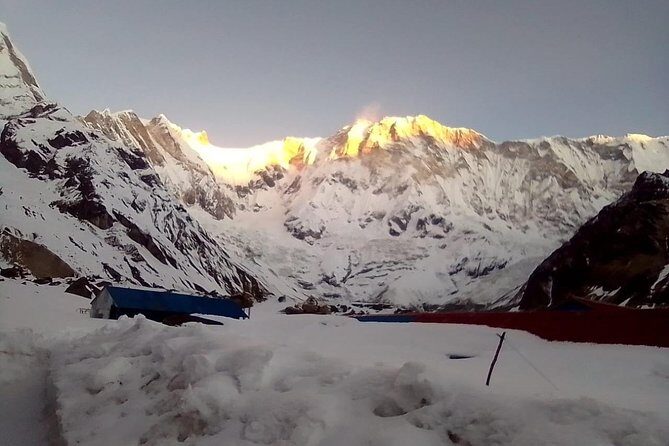
On Day 2, you drive from Pokhara toward Nayapul, then start walking toward Ghandruk via Sauli Bazar. It’s described as a roughly 5 to 7 hour trek with steep hill trail sections.
What I like about this day is the mix. You’re not just climbing—you’re entering village country. Ghandruk and the surrounding paths are a chance to see the Gurung people lifestyle, plus natural features that make this part of the Annapurna region feel lived-in rather than just scenic.
Also, Ghandruk is the kind of place where you can breathe and look around. Your day is long, but the village stops help you break the trek into manageable chunks.
Possible drawback: because the path includes steep parts, you’ll want to start slow. Early speed on steep trail is how people end up paying later.
Chhomrong To Bamboo: Big Steps, Rhododendron Woods, And Stream Crossings
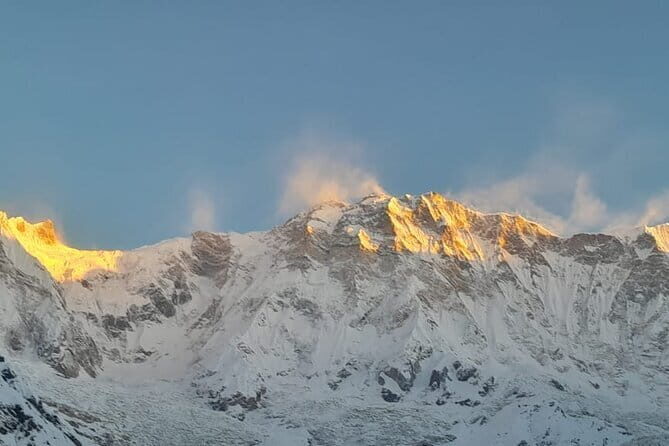
Day 3 heads from Ghandruk toward Chhomrong. You trek through Kumrong danda with ups and downs, then arrive at Chhomrung (spelled Chhomrong in the itinerary) described as a village with typical Gurung lifestyle and natural attractions.
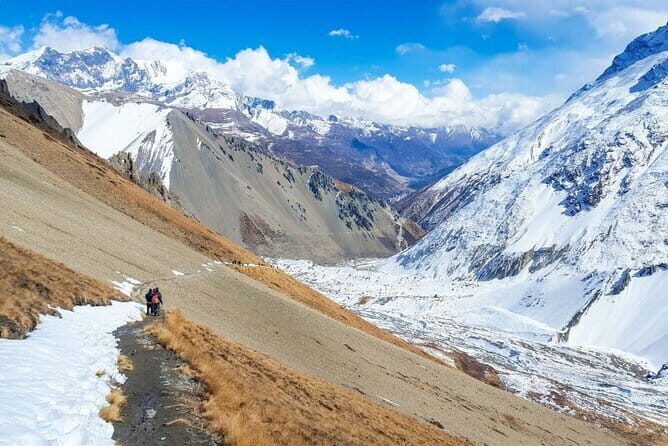
Day 4 continues onward to Bamboo. The description focuses on a steep descent to Chhomrong Khola, then a steep climb after crossing the stream—followed by more up-and-down walking.
This is one of the most important “training days” on the route. The terrain forces you to practice the two trekking skills that matter most:
- controlling your pace on steep descents
- keeping steady effort on repeated climbs
Bamboo is a good place to learn that. You’re moving through forest and toward higher country where the air feels different.
One note: these days are still in the world of trails and streams. That can be great—water along the way, bridges, and a sense of movement—but it also means you should expect slippery sections after rain or when the ground is damp.
Deurali And The Approach Toward Base Camp
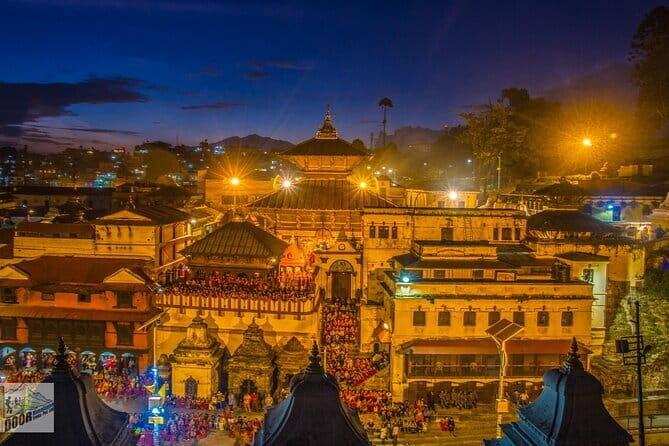
Day 5 treks from Dovan to Deurali. The route is described as short and beautiful, with bamboo and rhododendron forests. You also get Himalayan peaks welcoming you along the way.
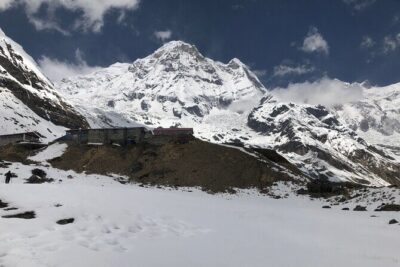
Day 6 is where things turn serious: the trail goes from Deurali through high alpine forests and toward the Base Camp area, with snow-capped views. The itinerary also mentions spots known for avalanches, calling the route adventurous and more challenging.
That avalanche reference is the part you should respect. You don’t need to panic, but you do need to follow your guide’s advice and take weather seriously. Cold, wind, and snow conditions can change quickly in high terrain. A licensed guide is included for a reason here.
Also, Day 6 is listed as including admission for the Base Camp experience. Even if you’re not thinking about tickets while trekking, it helps that the costly or official parts are handled.




Annapurna Base Camp Day: The Payoff In Real Life
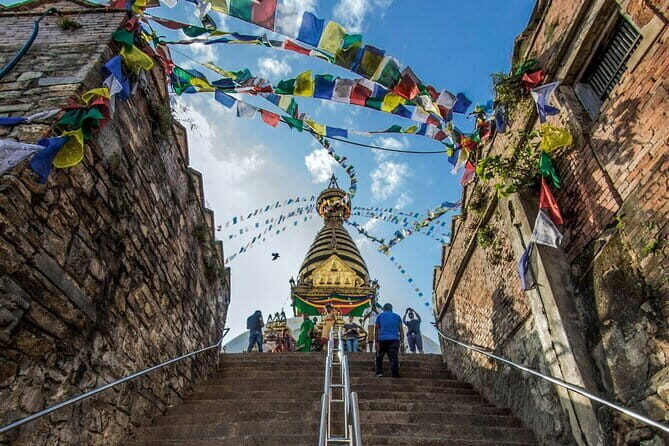
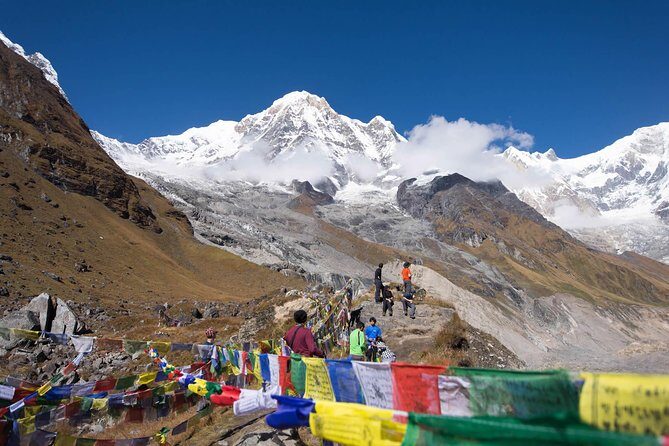
Reaching Annapurna Base Camp is the point of the trip. Your Day 6 includes trekking time through alpine forests and stunning Himalayan views, then arrival at Base Camp.
What makes this day special isn’t just the view (though yes, it’s the big reason people come). It’s that the day sits at the peak of your effort. After days of villages, forests, and steep work, the moment you’re standing in the Base Camp area feels like your planning and patience are actually paying off.
If you’re trying to understand what you’re really buying with a guided trek, this is it. Your guide helps you pace, handles the official side, and keeps you safer while you’re in the highest-concern zone.
A practical tip: treat this day like a “fuel day.” You’ll want to rest enough to enjoy the moment, not spend it totally spent.
The Return Through Bamboo: Legs Learn Lessons Fast
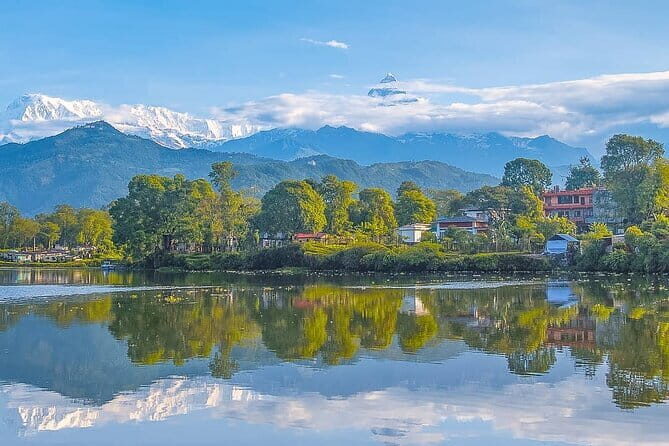
Day 7 drops you back to Bamboo after breakfast. The itinerary says you’ll return following the same path, and that the trail drops by around 1,700m.
This is where many trekkers realize something: descent is its own kind of workout. Even when you’re going down, your knees and ankles do work. Your pacing matters. If you rush, the body remembers later.
The good side of the return is that you’re retracing familiar sections. You get a second look at the scenery you saw on the way up—often with different light, different cloud cover, and a slightly different “I survived it” feeling.
Jhinu Danda And The Steps Climb: A Tiring Day That Breaks Up the Route
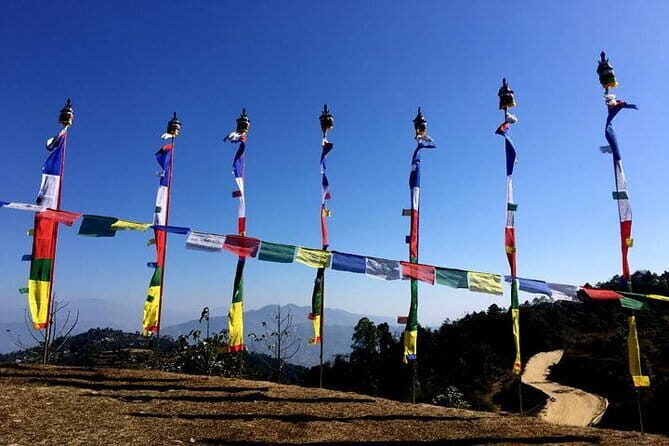
Day 8 brings you to Jhinu Danda. It includes a steep ascent toward Kuldi Ghar, trekking from Bamboo to Sinuwa, then stone steps to Lower Chomrong, plus additional climbing described as taking a thousand steps.
This is a classic “effort day” in miniature. Long step sequences can slow you down, but they also give you rhythm. Break the climb into small wins—one switchback, one landing, one breath at a time.
In past experiences arranged through the same provider, some schedules include a hot springs stop on the way back (mentioned as helpful for tired legs). Your itinerary here returns toward Pokhara on Day 9, so if hot springs matter to you, ask your guide whether it can fit before you lock in expectations.
Back To Pokhara And Then Kathmandu: When Your Feet Finally Exhale
Day 9 is described as one of the easiest days of the trek. You trek to Siwai, then take a shared jeep or bus to Nayapul, and a private car/jeep back to Pokhara. It’s about a seven-hour day total.
This mix of walking plus vehicles is smart. It gives your body a break without ending the adventure too soon.
Day 10 shifts fully back to road travel. You take a shared bus ride back along the highway through rivers, hills, and small Nepalese settlements. It takes about seven hours to drop you in Kathmandu Valley.
You’ll feel this day in your legs even if your trek is done. Seven hours of sitting is not neutral. Pack layers, keep water handy, and treat the ride like an extension of your recovery.
Price And Value: What $490 Covers (And What It Doesn’t)
At $490 per person for a roughly 10-day trek, the value comes from what’s included—not just the route.
Included elements you should appreciate:
- Hotel pickup and drop-off in Kathmandu
- Kathmandu to Pokhara round-trip transfer by luxury sofa-seat tourist bus
- Two nights in a 2-star hotel in Pokhara, with breakfast
- Government-licensed English-speaking trekking guide
- Trekking permit and official documents
- Transfers from Pokhara to trail entry points by private vehicle
- Private tour (your group only)
- Guide meals and accommodation, plus a first aid kit
What’s not included:
- Food and drinks (you buy on your own)
- Gratuities (optional)
Here’s the practical way to think about it: paying a single price that covers permits, guide, and core transport usually keeps you from being surprised by separate fees mid-trip. That means less stress when you’re already dealing with altitude and fatigue.
Guides And Safety: The Hidden Reason This Feels Smooth
The guides for this trek are repeatedly praised by name in past experiences arranged through CAN Travels—people mention guides like Krishna, Biru, Milan, Amrit, Deepak, and Prakash. The consistent theme is that guides help with safety and explain local culture, not just point the way.
Also included is emergency normal first aid kit with the guide. That doesn’t remove risk from high terrain, but it does show you the trip is managed by people who think about it.
One more thing I’d treat as a positive: the trip is described as a private tour for your group. That usually means fewer waiting games and more flexibility if your timing shifts.
Packing And Pace: How To Make This Route Feel Less Brutal
Even with a guide, your success depends on your setup. Based on the route profile—steep hill trails, repeated ascents/descents, high alpine areas, and the mention of avalanche-prone zones—you should plan for cold and exertion.
I’d prioritize:
- warm layers for higher elevations
- solid footwear with grip for steep, potentially damp trail sections
- a daypack you can access quickly without stopping forever
- snacks and water habits you can sustain during long walk segments
Pacing matters on days like Ghandruk and Chhomrong, where steep hills and long hours stack up. Start slower than you think, then settle into a rhythm.
And remember: the best “view moment” usually comes after you’ve stopped overexerting.
Who Should Choose This Trek (And Who Might Want Another Option)
This trek is listed for people with moderate physical fitness. If you can handle daily hiking hours with changing terrain and steep sections, you’re in the right target zone.
It’s especially well-suited if:
- you want a guided Annapurna Base Camp experience without the permit headaches
- you prefer a clear structure (transfers, hotel nights, guide support)
- you like mixing village culture with mountain scenery
You might think twice if:
- long road days tire you quickly (Pokhara and Kathmandu legs are each about seven hours)
- you want a low-exertion experience (the route includes multiple uphill/downhill segments)
Should You Book This Annapurna Base Camp Trek?
I’d book it if you want Base Camp as a goal and you care about keeping the logistics clean. For most people, the biggest win is having permits handled, a licensed English-speaking guide on the trail, and transport timed so you’re not scrambling between cities and trailheads.
I wouldn’t book it blindly if you hate steep descents, don’t handle cold well, or expect everything to be easy just because a destination sounds famous. This is real trekking. You earn the views.
FAQ
How long is the Annapurna Base Camp trek?
The trek is listed as 10 days (approx.).
Where does the trip start?
It starts in Kathmandu, Nepal, with hotel pickup included.
What time is the meeting point?
The start time is listed as 11:15 am.
How do I get between Kathmandu and Pokhara?
Kathmandu to Pokhara to Kathmandu transfer is included by luxury sofa seat tourist bus.
Is a guide included, and are permits handled?
Yes. A government-licensed English speaking trekking guide is included, along with trekking permits and all official documents.
What about accommodations during the trip?
Two nights of 2-star label hotel accommodation in Pokhara are included, with breakfast.
Is food included in the trek price?
Food and drinks are not included. You’ll be able to purchase them.
Are there entry fees for Annapurna Base Camp?
The itinerary notes admission tickets as included for the Base Camp day and another high-area segment, while other days list admission tickets as free.
What fitness level do I need?
The trip says you should have a moderate physical fitness level.
Can I cancel for a full refund?
Yes, free cancellation is listed. You can cancel up to 24 hours in advance for a full refund.