REVIEW · KATHMANDU
Annapurna Base Camp Trek 10 Days
Book on Viator →Operated by The Great Adventure Treks & Expedition - Private Day Tours · Bookable on Viator
One bus ride away from the Himalaya. This 10-day Annapurna Base Camp trek blends smooth Kathmandu-to-Pokhara travel with village walking through Gurung and Magar communities, ending at Annapurna Base Camp (4,130 m). I especially like that ACAP and TIMS paperwork is handled for you, so you can focus on breathing and your next uphill.
I also like the practical support built into the trek: a licensed guide, a porter system (25 kg max for every two guests), and a group capped at 16. The possible drawback is the reality of the trail itself: you’ll face steep climbs, long step sections, and high altitude, so you’ll want steady moderate fitness and patience with slower days.
In This Review
- Key points that make this Annapurna Base Camp trek worth it
- Annapurna Base Camp in 10 days: what you’re signing up for
- Kathmandu to Pokhara by tourist bus: the smooth start that matters
- Ghandruk: Gurung village views, then the first real climb
- Chhomrong and the step sections: where stamina gets tested
- The Himalayan Hotel, Khuldighar, Deurali, and Bagar: building altitude slowly
- From Machhapuchhre Base Camp to Annapurna Base Camp: the big day at 4,130 m
- Descending: Bamboo, Chhomrong back again, then Jhinu Danda
- Naya Pul and Pokhara: turning trekking fatigue into lake time
- Pokhara to Kathmandu: scenic flight or bus, plus one last mountain look
- Price and what you really get for $996
- The guide and porter factor: why Sudam and Ganesh get praised
- Who this trek suits (and who should rethink it)
- Should you book this Annapurna Base Camp 10-day trek?
- FAQ
- What time does the Annapurna Base Camp trek start in Kathmandu?
- How do you get from Kathmandu to Pokhara?
- Is a trekking guide included?
- Are the ACAP and TIMS permits included?
- What trekking gear is provided?
- How does the porter system work for luggage?
Key points that make this Annapurna Base Camp trek worth it

- Permits handled up front: ACAP and TIMS are included, which removes a big chunk of admin stress.
- Cold-weather gear included: a sleeping bag plus a down jacket are part of the package.
- Guides you’ll actually trust: Sudam and Ganesh are repeatedly praised for care, professionalism, and even humor.
- Big scenery shift over the days: forest hiking fades and the trek turns more alpine as you move toward ABC.
- You get a real recovery day: Pokhara leisure time lets your legs reset before the return to Kathmandu.
- Small-group pace: maximum 16 trekkers keeps things organized on narrow sections of trail.
Annapurna Base Camp in 10 days: what you’re signing up for
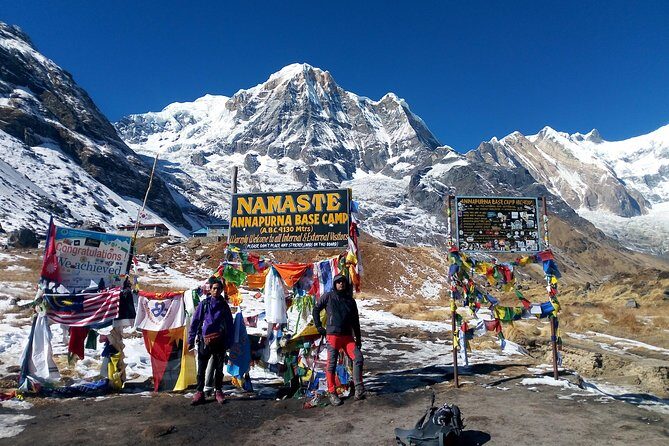
Annapurna Base Camp is one of those goals that feels both achievable and slightly intimidating. You’re climbing to 4,130 m, and the altitude does the talking even if you feel strong on Day 1. The good news: this route mixes village days and gradual positioning, with support that helps you move with less mental overhead.
What makes this trip a solid value is the way it reduces friction. You get road transfers in Nepal (including Kathmandu to Pokhara), a government-licensed trekking guide, and permits arranged. That’s not just convenience. It helps you stay consistent, which matters when your body is adjusting to altitude.
The trek is also built around variety. You’ll move through settled communities at lower elevations, then into steep stone-step rhythm, then toward higher, colder, more exposed terrain as ABC approaches. Expect changes in air, temperature, and trail feel, not just “more mountains.”
You can also read our reviews of more hiking tours in Kathmandu


Kathmandu to Pokhara by tourist bus: the smooth start that matters
Day 1 is mostly travel, and that’s a good thing here. The plan is an early start from Kathmandu, then a 6–7 hour bus ride to Pokhara after breakfast. It’s a long day, but a comfortable one, and you arrive already “in motion” toward the mountains.
Pokhara is a useful staging point because it’s not just a pretty stop. It’s where you adjust mentally from city pace to trail pace. You also get time to settle into trekking rhythm—meals, packing habits, and rest—before the walking starts.
One practical consideration: you’ll be thinking about tomorrow while you’re on the bus. If you’re the type who gets motion-sick, plan for that. Even the best bus ride won’t change the fact that you’re spending hours on winding roads.
Ghandruk: Gurung village views, then the first real climb
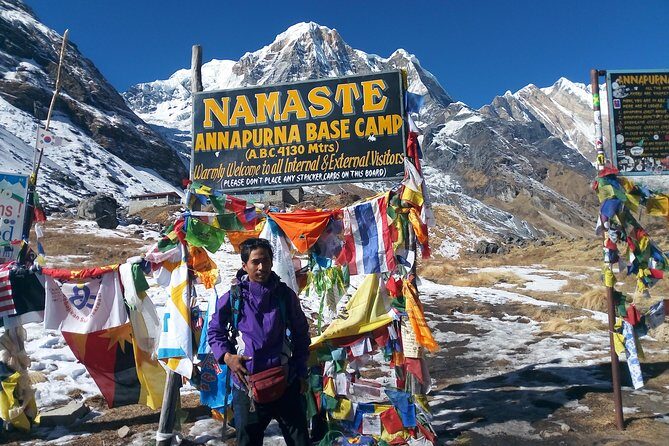
From Pokhara, you drive about 3–3.5 hours to Ghandruk, which sits at 1,940 m. This is a great “first altitude bump” day: high enough to feel different, low enough to help you start without burning out.
Ghandruk also gives you culture on your terms. This region is known for Gurung and Magar communities, and on the trek you’ll see how village life works with the terrain. You’re not just walking through a postcard. You’re moving through places people live year-round.
From there, the walking begins in earnest over the next day, with a short uphill push toward Kimrungdanda. This is where you get some of the iconic peak views—Annapurna South, Hiunchuli, Machhapuchhre (Fishtail), and Gangapurna—without having to wait until the end of the trip.
Drawback to note: your legs will feel the step-and-slope rhythm quickly. If you start aggressively, the mountain will correct you. Pace early, keep your breathing steady, and let the views come as a bonus.
Chhomrong and the step sections: where stamina gets tested
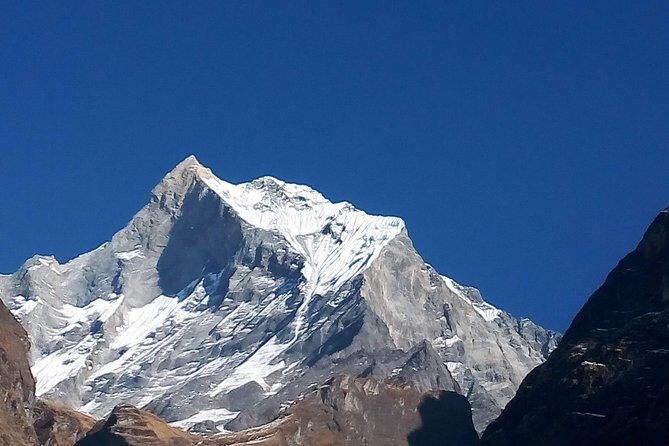
Chhomrong is one of the classic places you want on your route. It’s a focal point for views and a key village stop, but it also comes with trail effort—especially the “thousands of steps” type sections mentioned for the descent toward Chomrong Khola and back uphill later.
On this part of the trek, expect a mix of descending into the river area, crossing a suspension bridge, then continuing upward. That pattern matters because it’s not one long grind. Your body alternates between push and recovery, which can help you manage pace and keep your heart rate from spiking too hard for too long.
Chhomrong is also where you’ll notice how the trek environment changes. You’ll start with forests and village edges, but as you move upward over successive days, the air turns sharper and the trail feels less forgiving. The timing matters too: these are the days when you’re building conditioning for higher zones.
Practical tip: if you have knee issues, step sections can be rough. Trek poles can help with downhill control, but the bigger win is simple pacing. Slow down early so you’re not forced to rush on later days.
The Himalayan Hotel, Khuldighar, Deurali, and Bagar: building altitude slowly
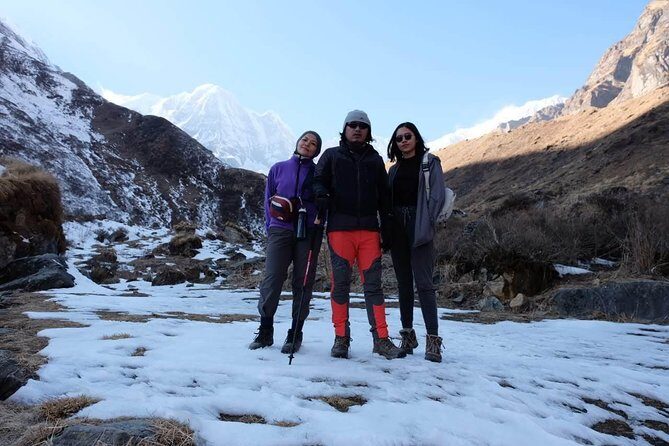
This is the segment where your trekking days start to feel more “mountain-specific.” After Chhomrong, the trail goes through big step descents, then works uphill again toward higher points like Khuldighar around 2,380 m.
On the way, you’ll reach places like The Himalayan Hotel, then continue toward Deurali. The trek description includes an hour’s walk up to Deurali and then climbing through steeper trail sections that can include river-bed style footing. After that, you move toward Bagar before heading higher.
Why this part is valuable: it’s not just distance. It’s acclimatization through movement. Your body gets repeated altitude exposure before the final push to ABC. That reduces the chance that you show up at 4,130 m feeling blindsided.
Possible drawback: steeper trails plus thinning air can make the simplest uphill feel like a workout. This is also a time when bundled gear and layer management matter. If you get cold while moving, you’ll slow down. If you get too warm, you’ll sweat hard and chill later.






From Machhapuchhre Base Camp to Annapurna Base Camp: the big day at 4,130 m
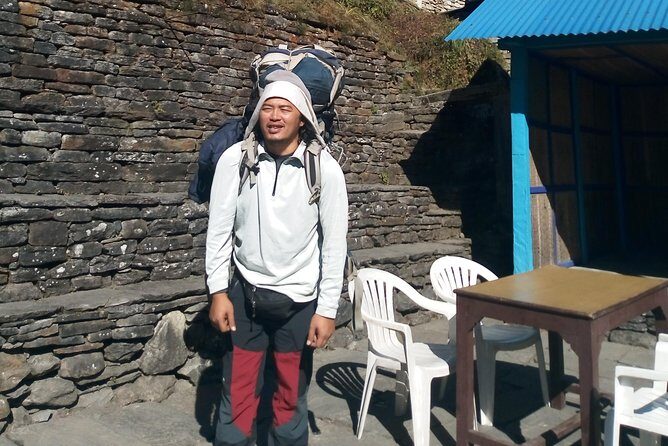
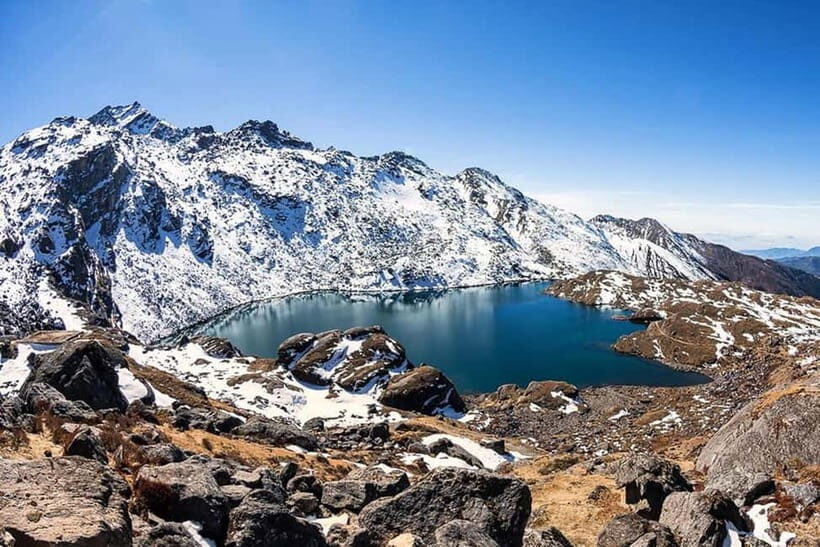
This is the highlight, the reason most people pick Annapurna Base Camp over other routes. You move from the Machhapuchhre Base Camp area toward Annapurna Base Camp, and that transition includes a noticeable scenery change: forested vegetation fades as you get closer to ABC.
By the morning of your arrival day, you’ll be ready for sunrise views. After an early look at the mountains from ABC, you’ll descend back the same way the route brought you up. The “same trail” detail matters because it means you know what to expect in reverse, even if your legs won’t love it.
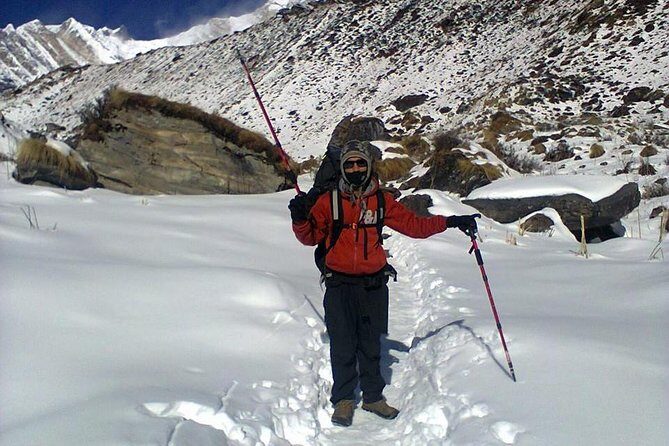
At 4,130 m, the altitude is real. You might feel it most in your breathing and your appetite. That’s why this trek includes gear like a sleeping bag and down jacket. Cold isn’t optional at this elevation, especially at night and early morning.
Practical reality check: this isn’t a stroll to a viewpoint. You’ll likely slow down compared with your normal pace. Don’t measure progress by speed; measure it by steady breathing and keeping the day enjoyable.
Descending: Bamboo, Chhomrong back again, then Jhinu Danda
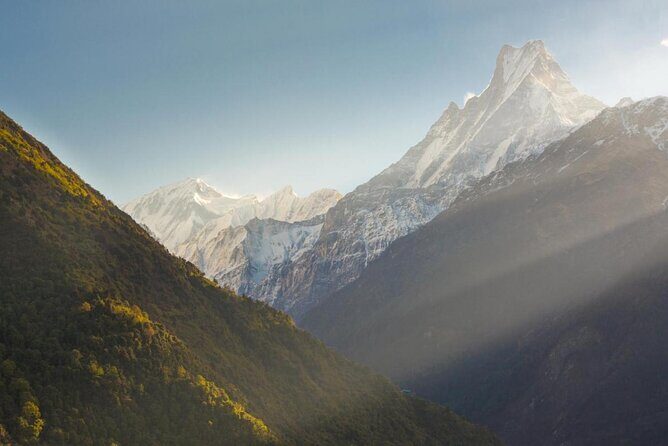
After ABC, your descent begins immediately. The plan includes a long walk back (around 8 hours on one of the return days), passing through Bamboo and forested zones again. This is a relief in terms of exposure, but it’s still tiring because your body is doing downhill work after high altitude.
Then the trek reshapes itself for the return to lower elevations. You move from the lower forest zone toward Kuldighar, then down toward Chhomrong Khola, and back uphill for a short, step-heavy section before reaching Chhomrong again. This “loop back” is common in ABC routes, and it’s part of how you manage trail access and timing.
Jhinu Danda is your next key stop. From there, you start thinking about finishing the trek and shifting your focus from altitude survival to comfort. The days still include uphill and downhill, but the psychological weight gets lighter as you near the end of the mountain walking.
One consideration: long descents can stress knees and feet. Take your time with footing, especially in areas that might be slick or uneven.
Naya Pul and Pokhara: turning trekking fatigue into lake time
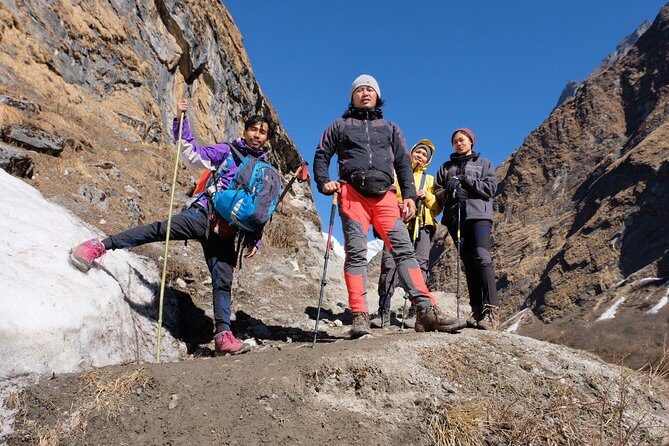
From Jhinu Danda, the plan continues toward Naya Pul with a hike along the side of the Modi Khola for about 4–5 hours before reaching Birethanti. This section is a useful breather: you’re moving through a wider river valley feel compared with the steeper mountain corridors.
Once you reach Naya Pul, a private vehicle gets you back to Pokhara for an overnight stay. That transition is more important than it sounds. After days of hiking, the ability to sit, hydrate, and reset your routine helps your body recover properly.
Day 9 is your leisure day in Pokhara. You can explore on your own, and the trip specifically suggests heading to lakes like Phewa Lake and Begnas Lake. This is your chance to swap trekking boots for regular shoes and let your legs stop feeling like they’re running on airplane memories.
Pokhara to Kathmandu: scenic flight or bus, plus one last mountain look
On Day 10 you return to Kathmandu either by scenic flight or by bus from Pokhara. The flight option is described as extremely scenic, giving you what’s essentially a final mountain recap of the Annapurna region.
If you pick the flight, you get a faster return and a last chance for mountain views. If you pick the bus, you save money and keep things simple, but you’ll be back in long-road timing.
Either way, the tour ends back at the meeting point in Kathmandu.
Price and what you really get for $996
At $996 per person, this trek is priced in the “organized but not sky-high” range for a guided Annapurna Base Camp experience. The main value is that the package covers both the mountain-side logistics and key admin items, not just a guide.
Here’s what’s included that most people end up paying for separately on DIY plans:
- Licensed trekking guide plus porter support (25 kg max for every two guests)
- ACAP permit and TIMS card
- Sleeping bag and down jacket
- Meals: breakfast, lunch, and dinner across the trekking days (listed as 8 each)
- Medical basics: a first aid kit, plus emergency rescue help covered by travel insurance
- Transportation: pickup from the airport to hotel, Kathmandu sightseeing by private vehicle, Kathmandu–Pokhara tourist bus, Pokhara–Nayapul and back by private vehicle, and Nayapul–Pokhara transfers
- Group size cap (maximum 16), which helps keep the experience manageable
The cost is also softened by how much fatigue you avoid. When someone else handles permits, transport timing, and porter coordination, you spend more energy enjoying the trek and less energy trying to figure out the next step.
If you’re deciding whether this is “worth it,” the key question is this: do you want a guided structure where you don’t have to manage paperwork and route coordination? If yes, this package makes sense.
The guide and porter factor: why Sudam and Ganesh get praised
The strongest pattern in the feedback is about people, not just scenery. In multiple accounts, guides Mr. Sudam and Mr. Ganesh are praised for being attentive, professional, and supportive, with mention of their experience and friendly communication. There are also notes about good food and the way porters reduce the burden of carrying your own load.
Why you should care: on the Annapurna Base Camp trek, small things change everything. If someone helps you pace, reminds you to dress for cold, and keeps the group moving steadily, you’ll feel the difference by Day 3. If a porter carries your bag smoothly, you can focus on your breathing instead of your shoulders.
Based on the information provided, this company seems to lean into that human side: guides who manage needs and keep the day running, not just people who point the way.
Who this trek suits (and who should rethink it)
This trek is a good match if you:
- have moderate physical fitness
- want a guided experience with permits, food, and key logistics handled
- like the idea of a small group trekking structure (up to 16)
- appreciate having cold-weather basics included, like a sleeping bag and down jacket
It may be a rough fit if you:
- can’t handle steep step sections and long trekking hours
- are highly sensitive to altitude and need a very slow, highly customized acclimatization plan (this trek is structured, not flexible in the details you’d need)
- want full DIY control over permits and day-by-day logistics
A smart middle strategy: commit, then follow the pace set by your guide. If you race ahead, the mountains will make you pay later.
Should you book this Annapurna Base Camp 10-day trek?
Book it if you want a structured, well-supported way to reach Annapurna Base Camp at 4,130 m without getting stuck in paperwork and transport puzzles. The package value is strongest in what it removes from your day: permits (ACAP/TIMS), guide + porter coordination, included cold-weather gear, and the Kathmandu–Pokhara transport flow.
Think twice if you know you struggle with steep descents, long step-heavy sections, or altitude effects. In that case, you might still do ABC, but you’d want a plan that’s slower and more adjustable than a fixed 10-day structure.
If you do book, a final practical note: you can cancel up to 6 days before the start for a full refund, with lower refunds closer to departure. That buffer is helpful if weather or personal timing is uncertain.
FAQ
What time does the Annapurna Base Camp trek start in Kathmandu?
The experience start time is 8:15 am, with the meeting point at The Great Adventure Treks & Expedition Pvt. Ltd, Chhusya Galli, Kathmandu.
How do you get from Kathmandu to Pokhara?
You take a tourist bus from Kathmandu to Pokhara, which is described as a 6–7 hour ride.
Is a trekking guide included?
Yes. You’ll travel with an professional trekking guide with government license.
Are the ACAP and TIMS permits included?
Yes. The Annapurna Conservation Area Project Permit (ACAP) and a TIMS card are included.
What trekking gear is provided?
The package includes a sleeping bag and a down jacket.
How does the porter system work for luggage?
You’ll have a porter who carries baggage with a ratio of 2 guests to 1 porter, and the maximum baggage weight is 25 kg.