REVIEW · KATHMANDU
Gokyo Lake Trek
Book on Viator →Operated by Alliance Adventure Pvt. Ltd · Bookable on Viator
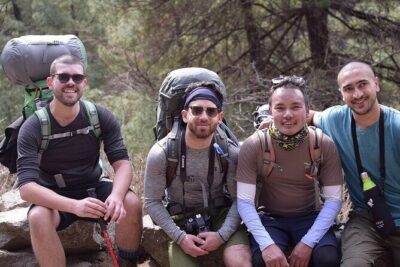
Gokyo’s high lakes make the Everest region feel real. This trek is interesting because it pairs Gokyo Ri panoramas with classic Sherpa stops like Namche Bazaar, Khumjung, and the Hillary School, all while walking through glacial terrain toward Gokyo Lakes. I also like the way the guide team shows up in the real world: Urja and Ashish are highlighted for clear communication and practical care, including when weather disrupts plans.
The one drawback to plan for is that flights to Lukla are weather-dependent, so you should expect the trip to be a little more flexible than a textbook schedule.
In This Review
- Key things I’d zoom in on before you book
- Why Gokyo Valley feels different from the classic Everest trek
- Price and logistics: what your $1,785 is actually covering
- Kathmandu warm-up: hotel comfort, city time, and a good first briefing
- The Lukla flight: short in time, big in importance
- The Namche run via bridges and Everest-close sightlines
- Sagarmatha Park views and a long climbing day that tests your pacing
- From Dole to Machhermo: glacier country and altitude-safety guidance
- Gokyo Glacier and the lakes: where the views feel different
- Gokyo Ri sunrise-style hike: the 360-degree payoff
- Heading back down: last Everest sightlines and a Namche farewell
- Coming back to Kathmandu: culture time and farewell dinner
- What’s included (and what comfort really looks like on this trek)
- Gear and packing: match your list to the cold and the sun
- Fitness and altitude: how to make the trek feel manageable
- Who should book this Gokyo Lake Trek (and who should reconsider)
- Should you book this trek?
- FAQ
- How long is the Gokyo Lake Trek, and when does it start?
- What permits are included, and what documents do I need?
- What gear is provided, and what should I bring?
- Are meals included on the trek?
- Is there a hot shower or battery charging during the trek?
- How reliable are the flights to Lukla?
- What happens if I need to cancel?
Key things I’d zoom in on before you book
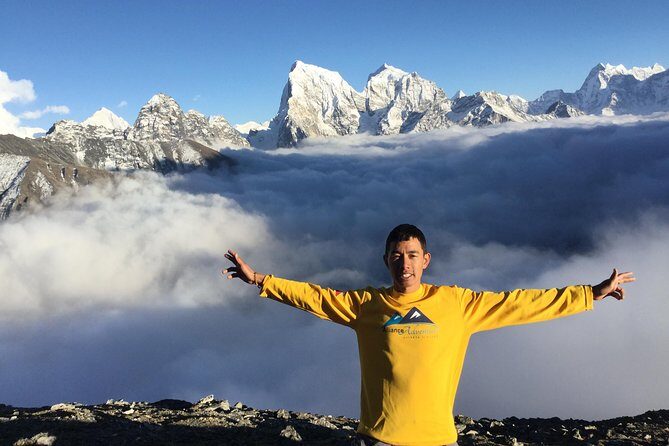
- Gokyo Ri for 360-degree Himalayan views: the sunrise-style hike is the big payoff day.
- Five suspension bridges and the high Hilary suspension bridge: fun, scary, and very scenic.
- Hillary School at Khumjung: a human moment in the Everest region, not just a viewpoint stop.
- Machhermo visit with medical/altitude guidance: you get a reality check on altitude sickness.
- Included trekking gear that actually matters: warm down jacket, sleeping bag, and trekking pole support your comfort.
- A guide team known for pivoting when weather changes plans: useful in Lukla-flight country.
Why Gokyo Valley feels different from the classic Everest trek
If you’ve only seen Everest from the road or from photos, Gokyo adds a different kind of perspective. You’re still in the Everest region, but you’re chasing a different summit of experience: turquoise lakes tucked around the Gokyo Glacier area and a viewpoint (Gokyo Ri) that’s built for wide-angle mountain watching.
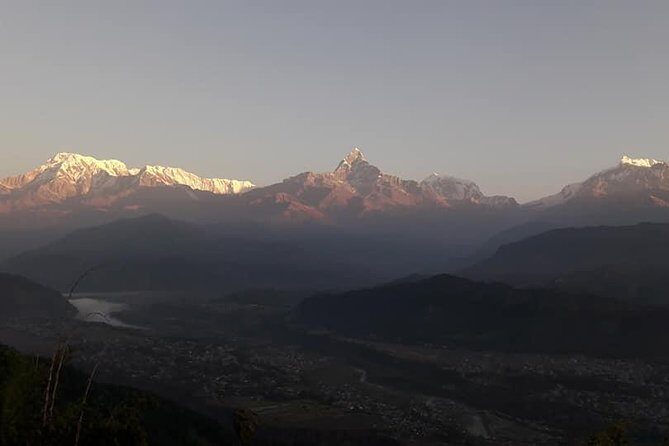
I like that this trek gives you both “big sky” moments and real village texture. You pass through Sherpa life along the way, with stops that feel tied to the community rather than just checking boxes. And because the route includes major names in the region—Everest, Lhotse, Nuptse, Cho Oyu, Makalu, Ama Dablam, Thamserku—you’ll keep spotting familiar peaks from different angles as you climb.
The altitude is real, though. You’ll be moving high, and the best way to enjoy it is to take the days seriously: pace yourself, drink water, and pay attention to how you feel.
You can also read our reviews of more hiking tours in Kathmandu


Price and logistics: what your $1,785 is actually covering
This trek runs about 15 days and costs $1,785 per person. For that money, you’re not just buying a route—you’re buying a full support system: transportation in Nepal, lodging on the trek, a guide team, and the standard paperwork that makes trekking smoother.
Here’s what stands out for value:
- Transportation: airport transfers and all ground transport by private vehicles are included.
- Hotels in Kathmandu: 2 nights with breakfast.
- Meals on trek: accommodations plus breakfast, lunch, dinner, and warm drinks like tea/coffee are part of the package.
- Gear support: a warm down jacket and sleeping bag are provided (and trekking poles too), with the items returned after the trek.
- Trekking permits: TIMS cards and the trekking permit are included.
What you still need to budget for:
- Cold drinks, laundry, phone calls, and bar bills.
- Tips for your guide and porters.
- Travel and high-altitude sickness insurance (not included).
- Hot shower and battery charging (not included).
So, the cost makes sense if you want an organized trek where most daily logistics are handled for you. If you’re the type who enjoys planning every detail yourself, you might feel like you’re paying for structure. But given the complexities of high-altitude treks and Lukla flights, that structure is often the point.
Kathmandu warm-up: hotel comfort, city time, and a good first briefing
Your first day is a simple start: a warm welcome, check-in, and an intro to what’s coming—then free time to settle and get your bearings. You’ll have two nights in Kathmandu with breakfast, which is more than a token stop. It helps you arrive, eat well, and prepare without immediately jumping into the mountains.
On day 2, you get a half-day city tour and then a drive toward Manthali Airport. The practical reason this matters is timing: the route notes that if you drive today, you avoid an extra early wake-up the next day. That’s a small detail, but it can make a big difference when you’re trying to sleep before flying.
Also, Kathmandu is where you line up the real paperwork. You’ll need flight details, a passport copy, and a passport-size photo for your trekking permit and TIMS card.
The Lukla flight: short in time, big in importance
The flight to Lukla is quick—about 15 minutes. The catch is equally quick to understand: it happens only if conditions are friendly, like blue sky weather.
That matters because the trek schedule depends on getting into the Everest region the right way. One reason this operator gets praise in feedback is their ability to pivot when flights don’t go as planned. If you’re the kind of traveler who gets stressed by changes, you’ll want to mentally prep for flexibility.
My practical advice: treat flight days as “buffer days.” If your body feels tired, you’ll likely feel it more right after the flight. Keep expectations realistic, and focus on settling in rather than trying to do extra sightseeing.
The Namche run via bridges and Everest-close sightlines
Once you’re in the trek rhythm, day 4 is all about classic Everest-region movement. You’ll cross five suspension bridges, including the high Hilary suspension bridge. These crossings are often the part of the trek that makes your heartbeat spike on schedule—in a good way, if you don’t mind heights.
Weather plays a huge role here too. The route notes that if conditions are clear, you can see Everest from the trail area. Then you climb to Namche Bazaar, which functions like a hub: a mini market, plus places for coffee and bakery stops. It’s not luxury, but it’s comforting—like a mountain town with normal needs covered.
Day 5 adds structure: you hike toward Sagarmatha National Park and visit Everest View Hotel and Khumjung Village. You also stop at Hillary School. That’s one of the more meaningful pauses on the trek because it anchors the journey in local life and education, not just scenery. After that, you return to Namche Bazaar for a lighter, easier end to the day.




Sagarmatha Park views and a long climbing day that tests your pacing
Day 6 is described as a long walking day, mostly climbing. You’ll move below big peaks, including views tied to Everest, and the trail can bring wildlife glimpses—like Himalayan goats—if you’re lucky and paying attention.
This is where trekking “success” comes down to pace. Don’t race the day because the altitude won’t reward speed. Instead, use frequent short breaks, keep your breath calm, and aim for steady steps. If you do that, you’ll likely enjoy the rhythm of the climb instead of fighting it.
From Dole to Machhermo: glacier country and altitude-safety guidance
The step from Dole to Machhermo is shorter on paper, but the reward is big if the sky is clear. The trek emphasizes strong Himalayan scenery here, and Machhermo is also where you’ll get an organized altitude-sickness briefing.
A highlight is a visit connected to Himalayan Rescue Association volunteers, including a doctor who explains mountain sickness. That’s useful even if you’ve already read about altitude. Real guidance from people who deal with conditions at elevation can help you recognize early warning signs and react sooner.
I like that this isn’t left to chance. It turns a scary topic into something practical, which makes it easier for you to follow a sensible plan.
Gokyo Glacier and the lakes: where the views feel different
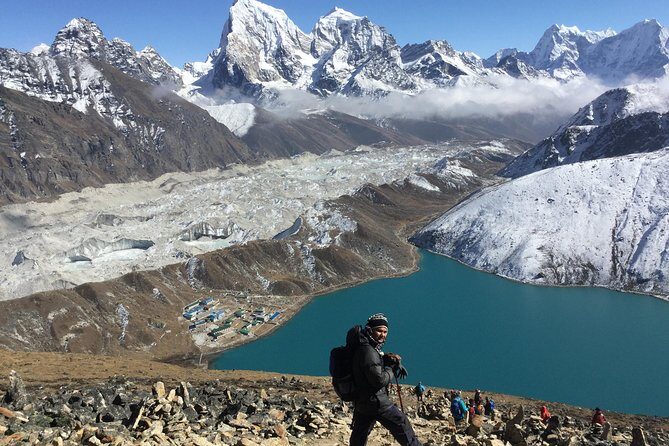
Day 8 is a turning point because it’s about reaching the Gokyo Glacier area and the lake zone. You’ll walk through terrain tied to the glacier, with Mount Cho Oyu and the Gokyo Lakes in view.
The trek description is straightforward: the lakes are stunning. But what makes this segment worth it is the way your environment changes. The closer you get, the more the mountains feel like they’re closing in behind the color of the water. It’s not just “pretty water”—it’s a whole high-alpine world around you.
Gokyo Ri sunrise-style hike: the 360-degree payoff
Day 9 is your panoramic push: an early hike to Gokyo Ri. The reward is a wide Himalayan view that includes Everest and Makalu, and the route describes 360-degree views when conditions cooperate.
This is the day you’ll feel the climb paying off. You’ll also have a backup option if you want more time on your feet: the trek can continue toward the 5th Lake if you still have energy.
My advice: bring a mindset for the cold early start. Even when the day later warms up, the pre-dawn part can be harsh. That’s one reason the provided gear (warm down jacket and sleeping bag support) helps you stay comfortable through the whole trip.
Heading back down: last Everest sightlines and a Namche farewell
The return days are not “easy” days, but they tend to be more about movement than pushing higher. Day 10 heads back along the same route and then continues down toward your next destination, with picture stops around the lakes and mountain views.
Day 11 shifts your attention to other big names—Thamserku and Kusumkhangaru, plus Ama Dablam—plus the last major capture of Everest views and one more look at Namche Bazaar.
Day 12 is framed as the last steps toward Hillary and Everest, followed by a celebration back in Lukla with your guide and porter. That wrap-up moment matters because you’re not just exiting the mountain. You’re ending a relationship you built with the people who carried you through it.
Coming back to Kathmandu: culture time and farewell dinner
After you complete the trek, day 13 brings a morning flight to Manthali and then a drive back to Kathmandu. You’ll get a hotel rest day with free time—use it. Sleep, hydrate, and treat yourself like a human again.
Day 14 adds the cultural layer. You’ll tour Nepal history and cultures with your guide, since Nepal is multi-cultural and the country feels different once you’re out of the trekking bubble. Then there’s a farewell dinner, which is included.
Day 15 is practical: last-minute shopping for family and friends, and then your safe departure.
What’s included (and what comfort really looks like on this trek)
This itinerary includes a lot of the everyday costs that add up on high-altitude trips. On trek, you get accommodations plus breakfast, lunch, dinner, and warm drinks like tea/coffee and even ginger lemon honey and hot chocolate. That kind of warmth can be the difference between “I’m fine” and “I’m miserable.”
You also get:
- A friendly English-speaking guide.
- Helpful porters (and insurances for guides/porters).
- A medical kit bag for the trek.
- A trekking duffel bag that’s described as 100% waterproof, plus a company t-shirt.
What’s not included is where people often feel surprised:
- No hot showers and no battery charging along the trekking.
- Cold drinks, laundry, phone calls, and bar bills are on you.
- Tips for guide and potters are not included.
- Altitude sickness insurance for you is not included.
Think of it like this: you’re paying for warmth and logistics through the day, but you’re not paying for spa-style comforts.
Gear and packing: match your list to the cold and the sun
The provided gear helps, but you’ll still want to pack smart for high altitude and intense sun.
From the trek guidance:
- Windproof outer jacket and a warm down-filled jacket are recommended if you run cold.
- Comfortable trousers for men and loose skirts for women for daytime wear.
- Gloves, a hat or cap, sunglasses, sunblock, and lip balm to prevent sun burn.
- Lightweight trekking shoes and warm woolen or thermal socks.
- Thermal undergarments for nights if you get cold easily.
- Flashlight and spare batteries.
Also: don’t assume you can buy everything last minute in Nepal. If you care about fit, bring what you trust. Your feet and your hands will notice.
Finally, plan training. The route advice is clear: you should train by hiking when you can during your free time.
Fitness and altitude: how to make the trek feel manageable
This is listed as suitable for travelers with moderate physical fitness, and the minimum age is 18. That’s good news. It means you don’t need to be a mountain athlete to do the trek, but you do need consistency.
What makes or breaks the experience is not just cardio. It’s pacing and listening to your body. You’ll be at elevations where sleep and appetite can change. The trek includes a doctor briefing in Machhermo, which is a strong reminder that altitude sickness is something you treat as real, not theoretical.
One more practical point: altitude sickness insurance isn’t included, so you’ll want to arrange it separately if you haven’t already.
Who should book this Gokyo Lake Trek (and who should reconsider)
This trek is a great fit if you want:
- Big Gokyo Lakes scenery and a high viewpoint hike to Gokyo Ri.
- Sherpa culture stops like Namche Bazaar and Khumjung.
- A guide team that’s known for clear communication and practical problem-solving when flight schedules get messy.
You might think twice if:
- You dislike weather uncertainty and could get anxious about flight timing.
- You expect hot showers and constant charging. Those aren’t part of the package.
- You’re not ready to commit to regular hiking effort over 15 days, even if the fitness bar is listed as moderate.
Should you book this trek?
I think you should book if you want an organized, high-support experience in the Everest region where the highlights are genuine: Gokyo Ri panoramas, Gokyo Lakes, and a route that mixes mountain drama with community stops like Hillary School. The included meals, gear support, permits, and the emphasis on guide care add up to real value.
You should hesitate if you want a tightly timed, never-changing itinerary. The Lukla flight piece alone means you need flexibility. If you can handle that—and you plan smart for altitude and cold—this is the kind of trek that can stay with you longer than the photos.
FAQ
How long is the Gokyo Lake Trek, and when does it start?
The trip is about 15 days. The meeting point is in Kathmandu (Kathmandu Valley, Bagmati Zone, Central Region) with a start time listed as 6:00 am.
What permits are included, and what documents do I need?
The trek includes a trekking permit and TIMS cards. You’ll need to provide your flight details, a passport copy, and a passport-size photo for the permit and TIMS processing.
What gear is provided, and what should I bring?
The tour provides a warm down jacket and a sleeping bag, plus trekking walking pole support (then returned after the trek). You should still bring items like gloves, hat/cap, sunglasses, sunblock, lip balm, warm socks, thermal layers for nights, and a flashlight with spare batteries.
Are meals included on the trek?
Yes. The trek includes accommodations and meals along the route, including breakfast, lunch, dinner, and warm drinks like tea/coffee and hot chocolate. Lunch and dinner in Kathmandu are not included.
Is there a hot shower or battery charging during the trek?
No. Hot shower and battery charging are listed as not included.
How reliable are the flights to Lukla?
The flight is described as about 15 minutes, but it depends on weather. The trek notes that flights happen when conditions are friendly, like blue sky weather.
What happens if I need to cancel?
This experience is non-refundable and cannot be changed for any reason. If you cancel or ask for an amendment, the amount you paid will not be refunded.