REVIEW · POKHARA
Family Tour
Book on Viator →Operated by himalayan sanctuary adventure private limited · Bookable on Viator
Temple days and wild river days in Nepal. This family-style private trip strings together the big spiritual sights in Kathmandu, the sunrise show in Pokhara, and the animal-focused day in Chitwan without wasting time. I like that the logistics are handled end to end, and I also like how the program balances culture and scenery with hands-on wildlife experiences.
Two things I’m especially happy with: the private vehicle for your group (so kids don’t get dragged around in crowded vehicles), and the way the Chitwan day is built around actual in-park activities like a jungle walk and a dugout canoe ride. One thing to consider: meals and a few extras can add up—breakfast is included, but lunch/dinner in Kathmandu and Pokhara aren’t, and some entrance or donation costs may be on you.
Even with those add-ons, the overall feel is calm and well-run. The travel company behind this tour gets consistently praised for organizing everything smoothly, including getting the right-size car when drive time matters.
In This Review
- Key highlights worth your attention
- Kathmandu arrival: airport pickup and a smooth start at Tribhuvan
- Swyambhunath, Pashupatinath, Boudhanath, and Patan Durbar Square: sacred sights with meaning
- Private transfers to Pokhara: the scenic 6–7 hour reset
- Sarangkot sunrise and Pokhara Valley stops: views, waterfalls, caves
- Chitwan National Park: a family-friendly way into real wildlife
- Jungle walk, dugout canoe ride, and elephant safari: what the day is really like
- Back to Kathmandu and onward: how the pacing closes
- Price and logistics: what your $655 buys (and what to budget for)
- Who this Nepal family tour fits best
- Should you book this tour?
- FAQ
- How long is the tour and what time does it start?
- Is this tour private?
- What meals are included?
- What safari activities are included in Chitwan?
- Which main sites are visited in Kathmandu and Pokhara?
- Are entrance fees included?
Key highlights worth your attention
- Private, you-only group setup keeps the pace family-friendly
- Early morning Sarangkot sunrise with Himalayan views when weather cooperates
- Kathmandu’s UNESCO sites mixed between Hindu and Buddhist sacred spaces
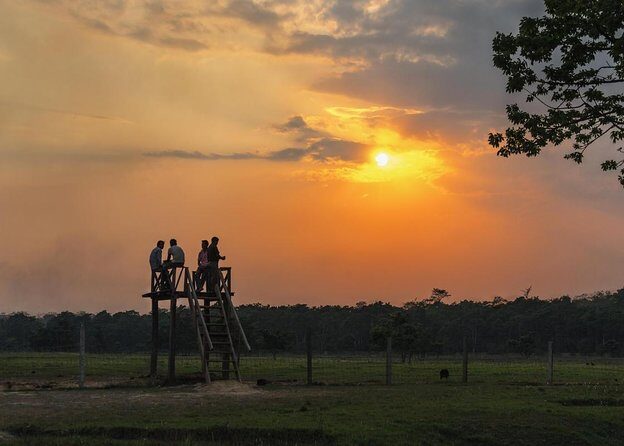
- Chitwan National Park activities include guide, elephant safari, jungle walk, canoe ride, and park fees
- Comfortable 3-star hotels in Kathmandu and Pokhara with breakfast included
- Door-to-door transfers reduce stress after flights and long drives
Kathmandu arrival: airport pickup and a smooth start at Tribhuvan
Your trip kicks off with an airport pickup at Tribhuvan International Airport. A representative meets you outside the arrival terminal gate, then you transfer to your hotel in Kathmandu. This matters more than it sounds, especially if you’re traveling with kids or you’ve just landed and you’d rather not negotiate taxis.
Kathmandu sits around 1,300 meters. That’s not extreme altitude, but it can still feel brisk the first day. A low-key hotel arrival helps you settle in, eat something normal for your body, and prep for the early sightseeing day ahead.
If you’re the type who likes to get your bearings fast, you’ll appreciate the brief introduction plus the handoff to the driver. One detail that’s easy to miss: the tour includes pickup timing at 6:15am, which hints that at least part of the schedule runs early. So if you want to keep mornings painless, plan to sleep with that in mind.
You can also read our reviews of more tours and experiences in Pokhara.
Swyambhunath, Pashupatinath, Boudhanath, and Patan Durbar Square: sacred sights with meaning
Kathmandu’s best days are the ones that let you see how different faiths share the same streets and skyline. This day is designed to cover major UNESCO World Heritage sites, including Swyambhunath Stupa and Pashupatinath Temple, with additional stops such as Boudhanath Stupa and Patan Durbar Square.
Swyambhunath Stupa is famous for two reasons. First, it’s believed to be an early pilgrimage place in the Kathmandu Valley. Second, the views are a big draw—this is one of the best places to look out over the city. The complex includes multiple temples and, in addition to the older structures, there’s a Tibetan monastery that was added more recently. If you’re walking from nearby areas like Thamel, it can be a longer trek (often described as 40–50 minutes), so having the tour manage the flow and timing is a plus.
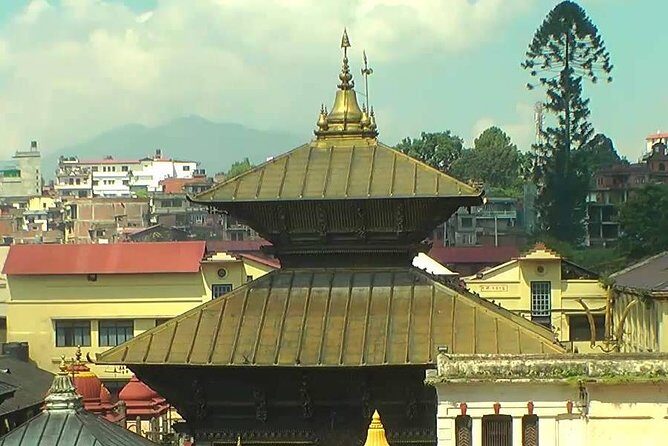
Then you move to Pashupatinath Temple, one of Nepal’s most sacred Hindu sites, dedicated to Lord Shiva and located beside the Bagmati River. Expect strong religious energy and plenty of local activity. Even if you’re not deeply into temple customs, you can still understand what makes the place important: it’s a spiritual hub that’s woven into everyday life, not staged for tourists.
The Buddhist side comes through at Boudhanath Stupa, described as the largest stupa in Nepal and a major Buddhist pilgrimage site. Look for the iconic white dome shape and the painted eyes on each side, which are part of the symbolism meant to guide viewers toward peace and enlightenment. Patan Durbar Square rounds out the day with the feel of an older royal city center and a cluster of temples around it.
A practical consideration: sacred sites can mean crowds, steps, and rules about how you behave near shrines. If your family includes anyone who needs a slower pace, build in breaks and wear shoes you can manage on uneven surfaces.
Private transfers to Pokhara: the scenic 6–7 hour reset
After Kathmandu, you get a long but scenic drive to Pokhara, about 200 km (often listed around 6–7 hours). This is one of those days where travel time becomes part of the experience. You’ll pass hills, cliffs, greenery, and forest patches, and you’ll arrive with that slower, calmer Pokhara rhythm.
Pokhara sits at roughly 900 meters, and it’s known for views and lakes. The tour includes an overnight in a lakeside-style hotel with breakfast included. This is a good choice for families because it gives you flexibility: you can walk a bit, grab snacks, and decompress after temple days and traffic.
If you’re the kind of traveler who hates being stuck, you’ll still want to accept that Nepal driving can be winding and stop-and-go. The upside is that this tour uses a private vehicle, so the pace feels more adjustable for kids and for families who don’t want constant transfers.
Sarangkot sunrise and Pokhara Valley stops: views, waterfalls, caves
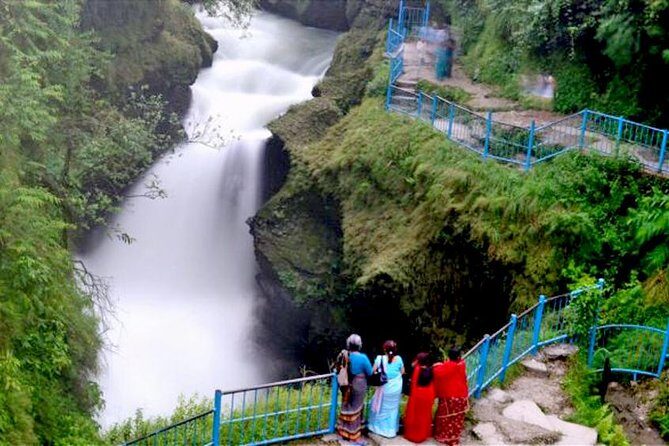
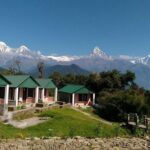
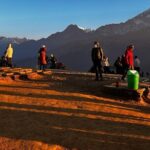
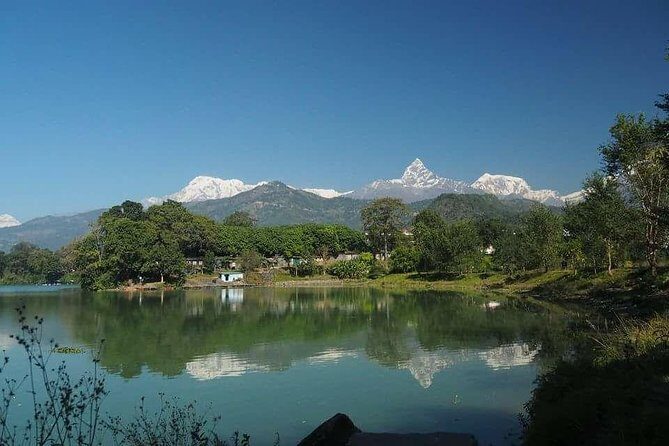
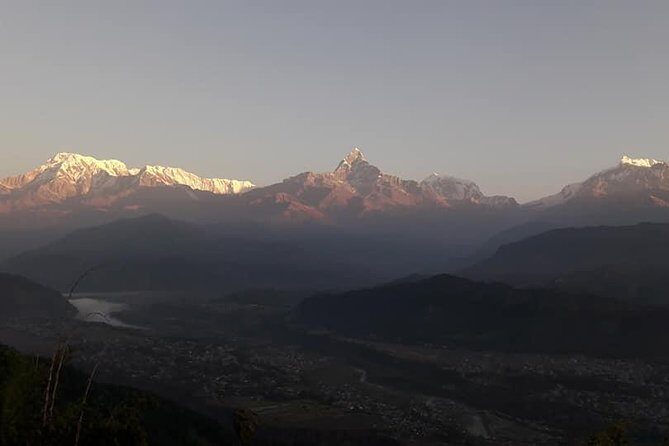
Pokhara is where the trip turns scenic. The big highlight is an early morning excursion to Sarangkot Hill for sunrise and Himalayan mountain views. The altitude is listed around 1,592 meters, which is why the viewpoint can feel dramatic even when you’re not doing a long hike.
Now the weather note: mountain visibility is described as weather permitting. Translation: you might get a clear panorama—or you might get clouds. Either way, going early tends to pay off because the light is best at that time of day.
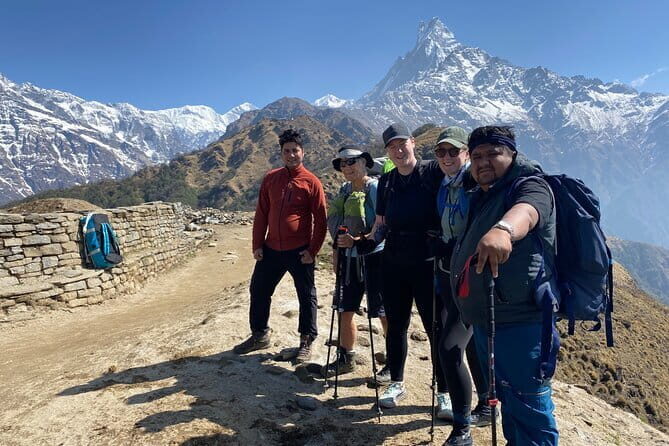
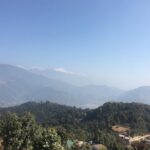
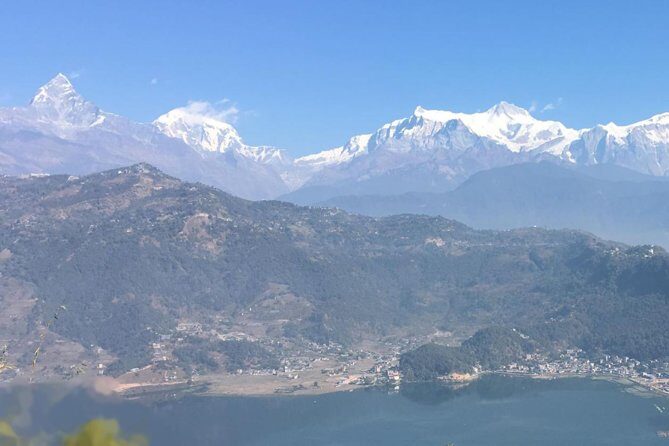
From Sarangkot, you can get views of Mt. Machhapuchhare and the Annapurna Massif when conditions allow. Even if you don’t catch perfect visibility, this stop gives you the big-picture feel of Pokhara: mountains rising behind a valley that looks peaceful on a postcard and real in person.
After breakfast, the tour adds classic Pokhara Valley sights:
- Davi’s Fall, near the highway toward Tansen
- Seti Gorge
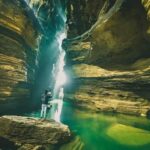
- Gupteshore Cave
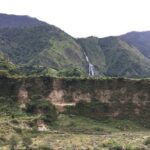
Davi’s Fall comes with a memorable story. In July 1961, Swiss couples were bathing near the stream above the fall when a sudden flood swept away Mrs. Davis. She disappeared into an underground passage beneath the fall, and the site is named for the incident. It’s one of those places where you instantly understand why locals take the river seriously.
For families: these stops are a good mix of short visits rather than long hikes, but you’ll still want comfy shoes. Caves and water-adjacent sites can mean damp areas and slippery spots.
Chitwan National Park: a family-friendly way into real wildlife
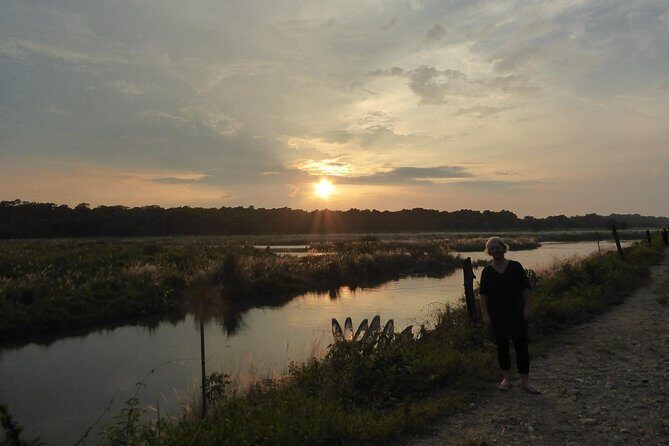
Chitwan is where the tour becomes more active and more animal-focused. After breakfast, you travel from Pokhara to Chitwan by private car for about 5–6 hours (listed around 187 km). This is a big route day, but it’s the kind that makes the next stage feel rewarding.
Chitwan National Park is described as one of Asia’s best-managed parks, and it’s known for a wide range of wildlife:
- Great one-horned Asian rhinoceros
- Gaur (wild cattle)
- Sloth bear
- Several deer species
- Leopard
- Gharial and marsh crocodile
- Gangetic dolphin
- Plus lots of birds
For you, the value here is simple: the park is set up for guided viewing, not random wandering. Your day is organized around activities that give wildlife a chance to show up, while still keeping the pace reasonable for a family group.
After arrival, the tour transfers you to your resort area in Chitwan and includes lunch at the resort. This is a smart buffer—after a long drive, you get food and rest before the main safari block.

Jungle walk, dugout canoe ride, and elephant safari: what the day is really like
Chitwan Day 6 is the action day. You’ll do jungle/nature walk activities with a naturalist/guide. The walking route is designed to move through different habitats, from flood-plain grassland to Sal forests, and it’s meant to give wildlife sightings at a steadier pace. This kind of walk usually feels better than fast, hard hiking because you stop often, listen, and stay aware.
A key detail: the walk includes the chance to learn about plants and herbs. So even if wildlife sightings are quiet in the moment, the day doesn’t feel empty. You’re being guided to notice the living details around you.
Next comes a dugout canoe ride, described as one of the best ways to explore the river habitat where crocodiles live along the bank. It’s also a relaxing viewing format. From a family perspective, canoe time is easier than long walks because you’re sitting and the environment does the work of changing scenes for you.
Then there’s the elephant safari, listed as part of the Chitwan safari package. This is one of the big “wow” inclusions for many families, but it’s also the kind of activity you may want to think about before you go—this tour data confirms it’s included, but it doesn’t provide extra ethical or operational details. If that matters to you, ask the operator what the elephant safari involves in practice before booking.
All together, the day is built to balance motion (walk and canoe) with the animal-meeting anticipation of scheduled safari segments. It’s not just sightseeing from a vehicle.
Back to Kathmandu and onward: how the pacing closes
On the seventh day, you drive back to Kathmandu after breakfast. The drive is listed around 4–6 hours. This return day is about resetting and giving you enough time to pack, relax, and not scramble around town.
Your final day is an airport transfer to connect with your international flight. The transfer is short (around 30 minutes listed for the day), which helps because flights often mean you don’t want extra uncertainty right at the end.
If you’re traveling with kids, pay attention to the timing: long road days can be harder on younger travelers than temple days. The private car helps, since you can control breaks and keep everyone comfortable, but you’ll still want snacks, water (where available), and a plan for entertainment.
Price and logistics: what your $655 buys (and what to budget for)
At $655 per person for an 8-day private family tour, the value depends on what you care about: culture, comfort, and guided animal experiences.
Here’s the practical breakdown of what’s included:
- 3-star hotel accommodation in Kathmandu and Pokhara with twin sharing and breakfast
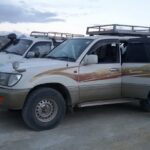
- Private vehicle for the sightseeing and between-city drives
- Chitwan National Park safari package with guide, elephant safari, canoeing/dugout canoe ride, jungle walk, and national park fee
- Lunch and dinner during the Chitwan portion
- Government and local taxes if necessary
And what’s not included:
- Alcoholic drinks and phone calls, laundry, beer/bar bills
- Cold drinks and bottled water
- Lunch and dinner in Pokhara and Kathmandu (breakfast is covered, but later meals aren’t)
- Donations and entrance fees during sightseeing tour (some sites list entry fees, like Rs 200 per person for Swyambhunath)
So the “real” budget isn’t just the tour price. If you want to keep costs predictable, I’d set aside extra money for:
- Kathmandu and Pokhara lunches/dinners
- Small temple-related fees and donations
- Optional photos and any extras you decide you want
One more logistics note that matters for families: this tour is described as a private tour/activity, meaning only your group participates. That usually reduces stress compared to group tours with mixed ages and different walking abilities.
Also, cancellation is listed as free up to 24 hours in advance for a full refund, which gives you some wiggle room if weather or flight plans shift.
Who this Nepal family tour fits best
This is a strong match if you want:
- A private setup with pickup/transfer comfort
- Major spiritual stops in Kathmandu plus an easy-to-manage scenic day in Pokhara
- One dedicated wildlife-focused block in Chitwan with guides and park fees included
- A schedule that has early starts, but not days of marathon trekking
It’s also a good fit if your family prefers planning clarity. The service gets praised for being organized, including requests for the right vehicle size for long drives. When you’re traveling with kids, getting that right-size car can be the difference between a smooth day and a cranky one.
Should you book this tour?
I’d book this if you want a tidy, guided Nepal introduction that hits Kathmandu temples, Pokhara sunrise views, and Chitwan wildlife without making you piece together transportation and tickets. The private vehicle, the inclusion of park activities, and the fact that Chitwan meals are covered do real work for your budget and your energy.
I’d pause and ask questions first if:
- You care strongly about how elephant safari is operated and want operational details
- You’re trying to keep every cost inside the headline price (since lunch/dinner in Kathmandu and Pokhara plus possible donations/entrance fees aren’t included)
- Your family struggles with early mornings (Sarangkot means the day starts early)
If your goal is a family-friendly, well-paced Nepal route with real guided moments, this itinerary style is a solid choice.
FAQ
How long is the tour and what time does it start?
The tour is about 8 days. The start time listed is 6:15am.
Is this tour private?
Yes. It’s described as a private tour/activity, with only your group participating.
What meals are included?
Breakfast is included for 7 days. Lunch and dinner are included during the Chitwan National Park portion. Lunch and dinner in Pokhara and Kathmandu are not included.
What safari activities are included in Chitwan?
The Chitwan safari package includes a guide, elephant safari, canoeing/dugout canoe ride, jungle walk, and the national park fee.
Which main sites are visited in Kathmandu and Pokhara?
In Kathmandu, you’ll visit key UNESCO sites such as Swyambhunath Stupa and Pashupatinath Temple, with other Kathmandu Valley highlights described like Boudhanath Stupa and Patan Durbar Square. In Pokhara, you’ll do Sarangkot sunrise and visit Davi’s Fall, Seti Gorge, and Gupteshore Cave.
Are entrance fees included?
The tour notes that donations and entrance fees during sightseeing may not be included. One specific example listed is an entry fee of Rs 200 per person for Swyambhunath.