REVIEW · POKHARA
Afternoon Tibetan Cultural Tour to Tibetan Settlements Pokhara
Book on Viator →Operated by The Tibetan Encounter Day Tours P. Ltd · Bookable on Viator
Pokhara in the afternoon feels calmer, then this tour takes you somewhere very different. You’ll walk through Tibetan settlement areas with a Tibetan guide, Mr. Thupten Gyatso, learning how religion and daily life blend in refugee communities. It’s small-group, timed to avoid the worst crowds, and it ends with a taste of home cooking that makes the stories feel real.
I especially liked two parts. First, the tour is built around Tibetan monasteries where you can hear the rhythm of prayer. Second, you get a genuine meal moment with a Tibetan family, including butter tea and Tibetan bread, not just a photo stop.
One thing to consider: it’s a half-day walk with a few different stops, so if you’re easily tired by steps and short transitions, plan an easy morning in Pokhara.
In This Review
- Key highlights you’ll feel fast
- Pokhara’s Tibetan settlements, explained by Mr. Thupten Gyatso
- The route: three stops that tell one connected story
- Stop 1: Pema Ts’al Sakya Monastic Institute
- Stop 2: Jangchub Choeling Tibetan Monastery and afternoon chanting
- Stop 3: Tashi Palkhel Tibetan Settlement and a family home meal
- What you’re really paying for: context, access, and care
- Food rules you can plan around (vegetarian and gluten-free)
- The tone of the tour: respectful, small, and question-friendly
- Who this tour is best for
- Practical tips so you enjoy it more
- Should you book the Afternoon Tibetan Cultural Tour to Tibetan Settlements Pokhara?
- FAQ
- FAQ
- What time does the tour start and finish?
- How many people are in the group?
- Is hotel pickup and drop-off included?
- What stops are included during the tour?
- Is food included, and are dietary options available?
- Are admission tickets required for the stops?
- What’s the cancellation policy?
Key highlights you’ll feel fast
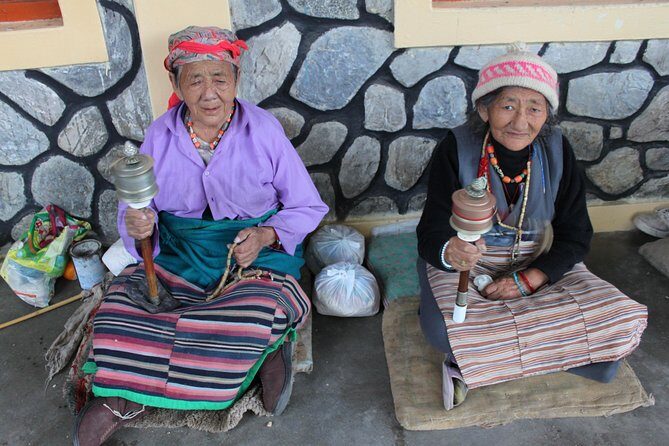
- Tibetan guide, first-hand stories from the heart of the community
- Monastery prayer time with horns, drums, and conch shell sounds
- A family home food visit focused on daily life, not a show
- Small group size capped at 15 people for a more personal pace
- Hotel pickup and drop-off to keep the afternoon stress-free
Pokhara’s Tibetan settlements, explained by Mr. Thupten Gyatso
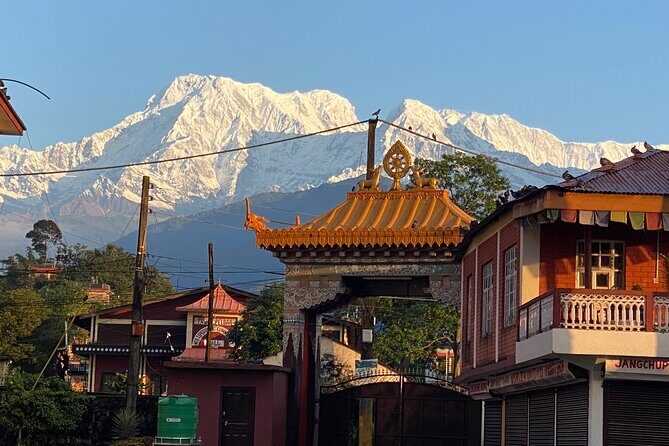
This tour works because it’s not trying to cram everything into one busy day. You start at 2:00 pm and finish around 6:00 pm, which gives you enough time to see three different settlement stops without turning the visit into a sprint. The pace feels practical: you walk, you listen, you look closely, and you ask questions as you go.
What makes the experience click is your guide. Mr. Thupten Gyatso is the kind of person who can explain Tibetan culture and refugee life in plain language, and do it with real context. In the monastery spaces, that matters. You’re not just watching rituals. You’re learning what they mean and why they’ve been kept alive in Nepal.
Also, the group stays small, with a maximum of 15 people. That helps a lot in monasteries and inside village areas where space is tighter than it looks from outside. It’s easier to hear, easier to move at a comfortable speed, and easier for your guide to tailor answers.
You can also read our reviews of more historical tours in Pokhara

The route: three stops that tell one connected story
Think of the itinerary as a chain: religious education, daily prayer life, then home life and food.
Stop 1: Pema Ts’al Sakya Monastic Institute
Your first stop is Pema Ts’al Sakya Monastic Institute, part of the larger monastic and learning culture in Tibetan Buddhism. You’ll spend about one hour here, with free admission included. This opening segment is a good way to set the frame for everything that follows.
What you’ll likely take away is how Tibetan monasteries are not only spiritual centers, but also education hubs and community anchors. Even if you’re not a Buddhism superfan, it’s the right starting point because it gives you vocabulary for what you’ll see later at Jangchub Choeling Tibetan Monastery. When you arrive there, you’re not starting from zero.
A practical note: institutes can feel quiet and indoor-heavy. Bring a light layer. Afternoon light is nice outside, but cooler rooms can catch you off guard.
Stop 2: Jangchub Choeling Tibetan Monastery and afternoon chanting
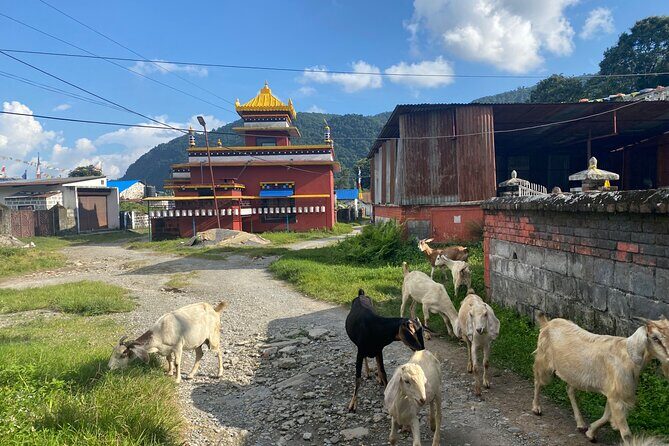
Next comes Jangchub Choeling Tibetan Monastery, again about one hour, and again with free admission. This one sits inside a Tibetan village, so you feel the monastery as part of everyday settlement life, not as a standalone attraction.
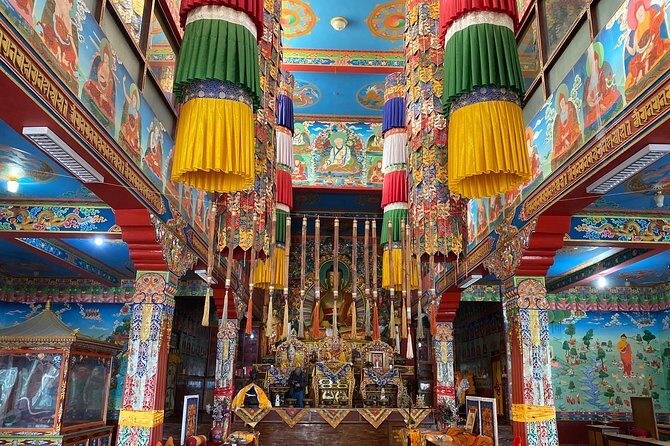
Here’s the big draw: you’ll attend afternoon prayer chanting. And yes, you’ll get the sound experience too. The tour includes time to hear horns, drums, conch shell tones as part of the prayer atmosphere.
This is the moment where your brain shifts from sightseeing mode to listening mode. The sound isn’t background noise. It’s part of how the practice signals time, focus, and spiritual rhythm. If you’ve only ever seen performances where the music is for tourists, this feels different. You’re hearing it for the monks and the schedule, with you as a careful observer.
Tip: keep your phone on silent and save photos for when you’re in a comfortable spot. The chanting deserves attention, not constant interruptions.
Stop 3: Tashi Palkhel Tibetan Settlement and a family home meal
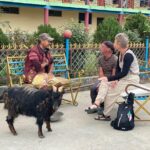
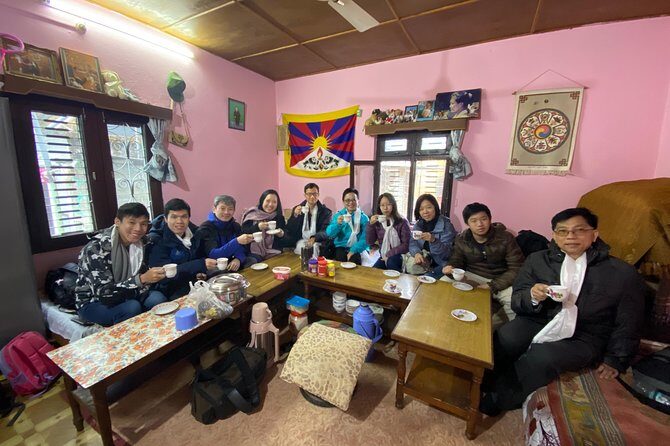
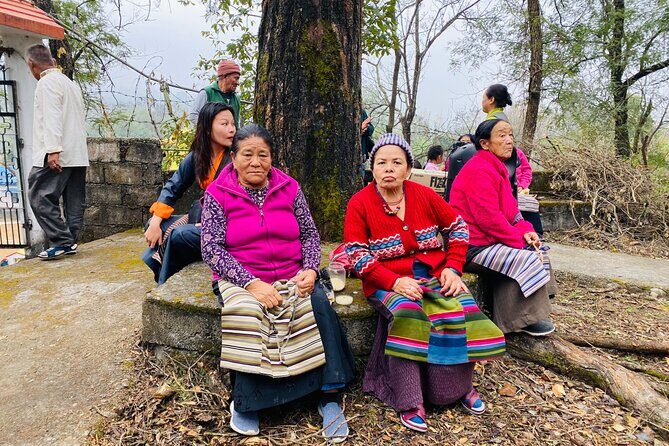
The final stop is Tashi Palkhel Tibetan Settlement, and it’s where the tour becomes personal. You’ll visit one Tibetan family’s home and experience traditional Tibetan food. This segment is built to be more than a tasting. It’s a window into what daily life can look like in a refugee community that’s spent years rebuilding routines, language, and culture.
You’ll also get guidance on the food itself, with your guide explaining what you’re eating and how Tibetan cooking fits into the story of preservation. From the tour’s shared experience, butter tea and Tibetan bread are specifically mentioned as part of this family meal moment.
This is the best stop for most people because it turns lessons into taste. Religion and history are easier to remember when you can connect them to a cup of tea and bread you’re actually holding.
One consideration: home visits have natural boundaries. You’ll want to be respectful with timing, space, and photography. If you’re not sure, watch how others behave and follow your guide’s lead.

What you’re really paying for: context, access, and care
At $60 per person for roughly 4 hours, the price doesn’t scream “cheap,” but it doesn’t feel overpriced either once you look at what’s included.
You get:
- Hotel pickup and drop-off, which saves time and hassle in Pokhara
- A professional guide and driver/guide support
- Afternoon tea, plus snacks, and coffee and/or tea
- Bottled water
- Guaranteed skip-the-long-lines access approach (for the stops where lines would otherwise slow things down)
Then there’s the value you can’t always price: a Tibetan guide explaining refugee life and cultural practice from the inside. That’s different from a general sightseeing guide who might only give broad context. Mr. Thupten Gyatso’s storytelling approach is repeatedly described as informative and passionate, which is exactly what you want when the topic is culture, faith, and preservation.
Also, note the food structure. Lunch isn’t included, so you don’t have to worry about a full meal, but you should plan your timing accordingly. If you’re heading straight from an activity in Pokhara, grab a light snack beforehand so you’re comfortable when tea and snacks come later. If you eat a big lunch at noon, you might still be fine, since the tour includes tea and snacks, but don’t count on a full replacement meal.
Food rules you can plan around (vegetarian and gluten-free)
If you’re vegetarian or have dietary needs, you can plan ahead. The tour data says a vegetarian option is available, and you should request it when booking.
It also notes gluten-free options such as plain rice with veg or non-veg curries. That matters because Tibetan meal components can be varied, and you don’t want to guess on the day.
My advice: tell the operator clearly what you can and can’t eat. Even with options listed, it helps them prep the right set of food so your home visit stays comfortable and respectful.
The tone of the tour: respectful, small, and question-friendly
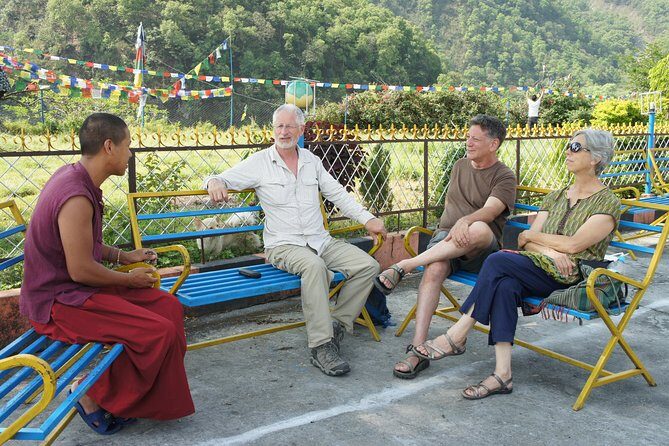
This is a tour that stays focused. You’re not bouncing between unrelated sights. You’re moving through three connected parts of settlement life: monastic teaching space, prayer practice, then home and food.
The small-group format makes a difference. In quiet religious spaces, bigger groups can feel disruptive. With a cap of 15, you’ll usually get a calmer experience and more chances to ask questions when something catches your attention.
And the overall theme is very human. Refugee life can be a heavy subject, so the tour’s balance is important: it teaches through daily rhythms. Prayer chanting isn’t presented as a lecture. The home meal isn’t presented as a gimmick. They’re presented as how people live and carry culture forward.
Who this tour is best for
This tour is a strong match if you want:
- A cultural afternoon in Pokhara that feels more meaningful than a museum visit
- To learn about Tibetan Buddhism and community life through someone from the culture
- A short walking itinerary that still includes a memorable food moment
You might skip it if:
- You’re looking for big panoramic views as the main reward
- You want a long, fast-paced day full of major landmarks
- You hate any kind of walking between stops, even if it’s manageable
Practical tips so you enjoy it more
A few small things can make the afternoon smoother.
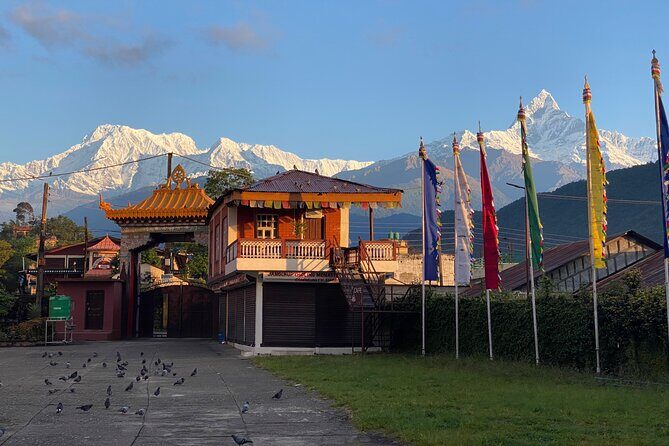
- Wear comfortable shoes. The walk is short, but settlement areas and monastery approaches can be uneven.
- Bring a light layer. Sounding dramatic is unnecessary, but temple interiors can feel cooler than the street.
- Keep your schedule flexible. This tour is timed to start at 2:00 pm and move through stops on a set rhythm, so try not to stack something right before it.
- If you’re sensitive to noise, know there’s a moment with horns, drums, and conch shell during chanting. It’s part of the practice, not a performance aimed at tourists.
Should you book the Afternoon Tibetan Cultural Tour to Tibetan Settlements Pokhara?
If you want an afternoon that teaches you more than it entertains, this is a great choice. The biggest “yes” is the combination of a Tibetan guide (Mr. Thupten Gyatso), monastery prayer access, and a real home food visit in the settlement. That blend is the reason people consistently rate it highly.
Book it if you’re the type who likes listening closely—especially in religious spaces—and you want to understand refugee life through everyday routines. I’d skip it only if you’re mainly chasing scenery, not stories, or if dietary needs make home meals complicated without clear prior requests.
If that sounds like you, go for it. This is the kind of tour that makes Pokhara feel a bit larger, and more connected, than you expected.
FAQ
FAQ
What time does the tour start and finish?
The tour starts at 2:00 pm and returns around 6:00 pm (about 4 hours total).
How many people are in the group?
The tour has a maximum of 15 travelers, which helps keep the visit manageable and easier to hear inside the monasteries.
Is hotel pickup and drop-off included?
Yes. Hotel pickup and drop-off are included, so you don’t need to arrange transport to and from the settlement area.
What stops are included during the tour?
You visit Pema Ts’al Sakya Monastic Institute, Jangchub Choeling Tibetan Monastery (with afternoon prayer chanting), and Tashi Palkhel Tibetan Settlement (including a Tibetan family home food experience).
Is food included, and are dietary options available?
You’ll have afternoon tea, snacks, and coffee and/or tea, plus bottled water. Lunch is not included. Vegetarian options are available if you request them, and gluten-free options like plain rice with veg or non-veg curries are also offered.
Are admission tickets required for the stops?
Admission tickets are listed as free for the main stops included in the itinerary.
What’s the cancellation policy?
You can cancel for a full refund up to 24 hours before the experience starts. If you cancel less than 24 hours in advance, the amount paid is not refunded.