REVIEW · POKHARA
Afternoon Tibetan cultural tour
Book on GetYourGuide →Operated by The Tibetan Encounter Day Tours (P) Ltd · Bookable on GetYourGuide
Few places in Pokhara feel this personal and spiritual. This afternoon tour brings you into Tibetan refugee life through monasteries, symbols you’ll recognize in daily routines, and a conversation with young monks guided by Mr. Thupten Gyatso.
I especially love how the tour turns abstract Buddhism into day-to-day practice. You’ll learn what things like prayer wheels, prayer flags, and stupas mean, then see those beliefs in action during afternoon prayer chanting.
One thing to weigh: it’s a half-day plan with a lakeside-focused pickup, and there’s extra transportation cost if you’re outside the Lakeside area. It also isn’t suitable for wheelchair users.
In This Review
- Key reasons this afternoon tour feels worth your time
- Why this Pokhara-based Tibetan tour works so well in 4 hours
- Getting picked up in Pokhara Lakeside without losing time
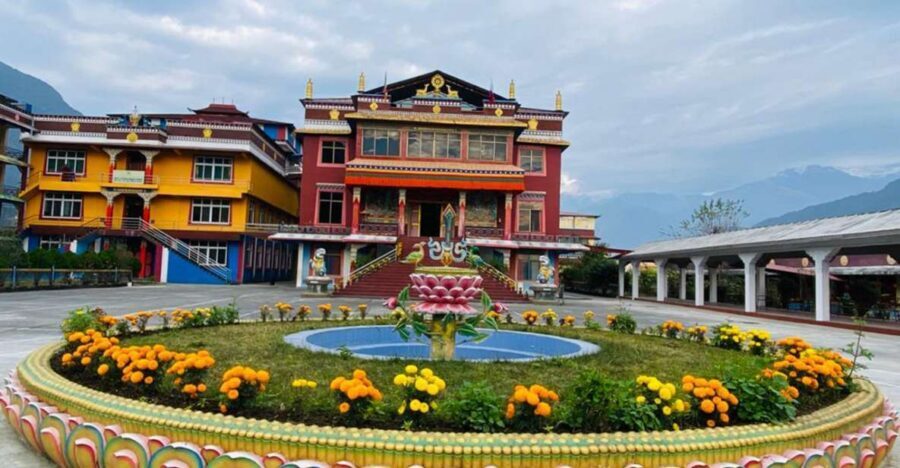
- Pema Ts’al Sakya Monastic Institute: where you learn to read the symbols
- Tashi Palkhel Tibetan settlement: culture that still functions
- Tea with Tibetan flavor: butter tea, tsampa, and bread
- Meet a young monk: the conversation you’ll carry home
- Afternoon prayer chanting at the monastery: sound as a lesson
- The role of Mr. Thupten Gyatso: why the guide matters here
- Who this tour suits best (and who should pick something else)
- Price and logistics: what you’re really paying for
- Should you book the afternoon Tibetan cultural tour in Pokhara?
- FAQ
- How long is the afternoon Tibetan cultural tour?
- Where does pickup happen?
- Is the tour available in English?
- What’s the group size?
- What stops are included during the tour?
- Do you get to talk with a monk?
- What food and drink are included?
- What is the price and what does it include?
- Is this tour suitable for everyone?
Key reasons this afternoon tour feels worth your time
- Mr. Thupten Gyatso shares the story of Tibetan life in exile with clear, human details, not just facts
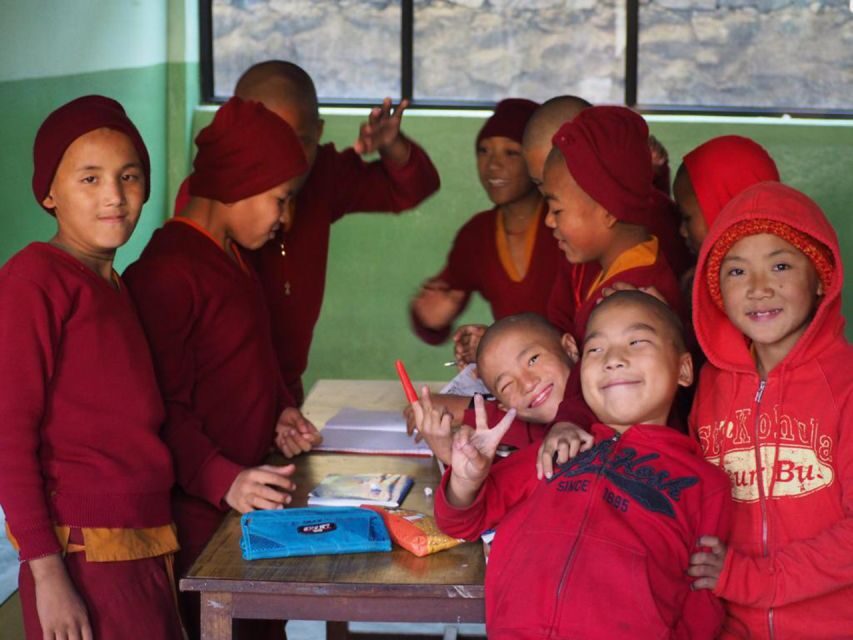
- Conversation with a young Buddhist monk gives you real insight into monastic study and daily routine
- Afternoon prayer chanting lets you experience the sound and group rhythm up close
- Buddhist symbols explained in context so the visuals stop being decoration
- Tashi Palkhel Tibetan settlement visit shows how culture stays alive outside Tibet
- Salted butter tea and Tibetan snacks make the education taste real
Why this Pokhara-based Tibetan tour works so well in 4 hours
This is a short tour with a focused goal: not to rush through landmarks, but to help you understand how Tibetan Buddhism and culture work for real people living far from home. In practice, that means you spend your time where learning actually happens—inside monastery spaces, in conversations, and at a family stop where food comes with explanation.
The value shows in the small group size (up to 8). With fewer people, you get a better chance to ask questions and actually hear the answers. And with a guide like Mr. Thupten Gyatso—English-speaking, based in the region, and deeply connected to Tibetan heritage—you’re not left translating the experience in your head.
At $56 for 4 hours, you’re paying for access and interpretation as much as for transportation. You’re also paying for the structure: pickup from Lakeside, guided time at religious and community stops, and a planned end with Tibetan tea.
You can also read our reviews of more historical tours in Pokhara
Getting picked up in Pokhara Lakeside without losing time
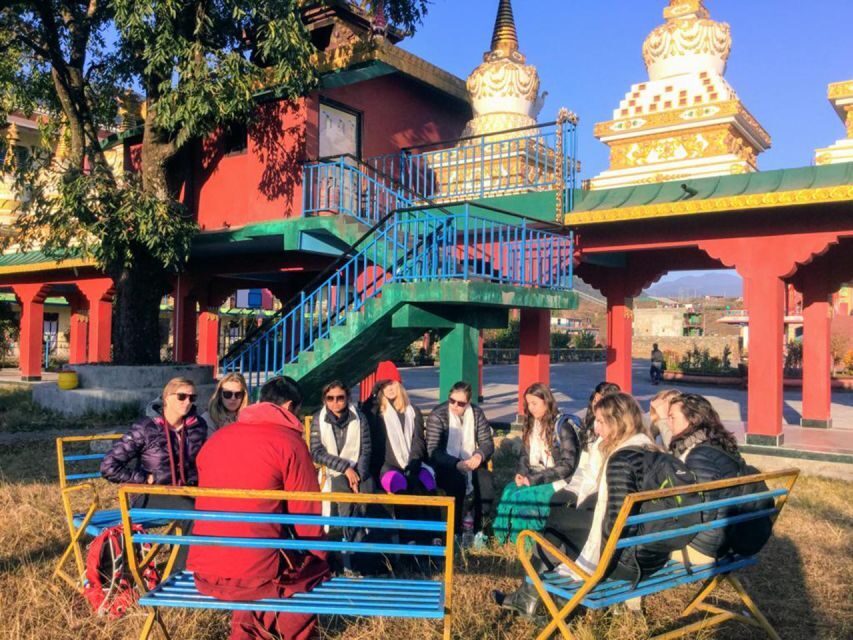
The tour starts with pickup at Lake Side, and it’s designed to be smooth. You don’t need to figure out local transport or timing—just show up where they pick up, and your guide takes it from there.
The practical note: pickup/drop-off is included only for hotels around Lakeside. If you’re farther out, there’s an additional transportation fee depending on your hotel location. So if you’re staying outside Lakeside, it’s worth checking this early so the total cost doesn’t surprise you.
Also, this is an afternoon slot. If you’re the type who likes to fill every hour with views only, you’ll need to adjust your mindset. This is a culture-and-religion experience with walking, sitting, listening, and tea—not a sightseeing sprint.
Pema Ts’al Sakya Monastic Institute: where you learn to read the symbols
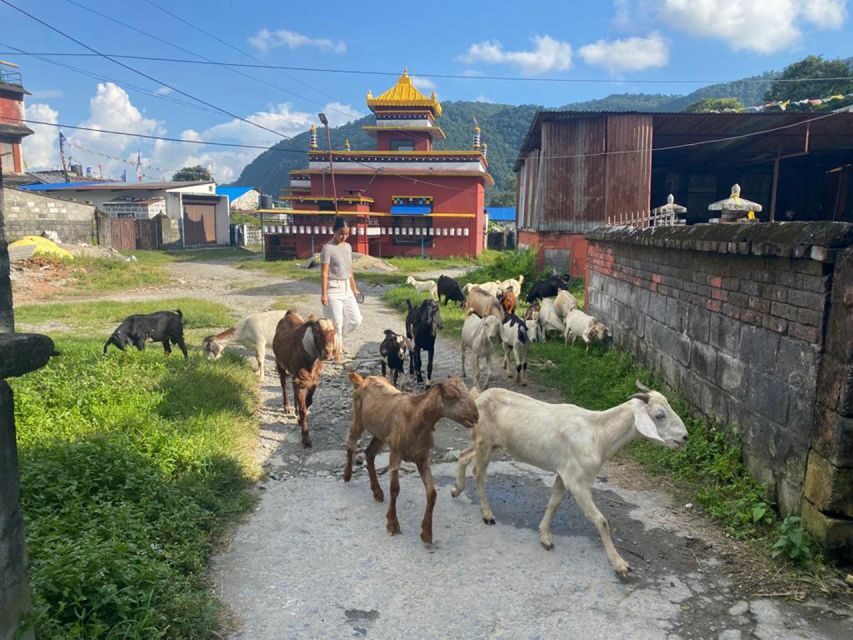
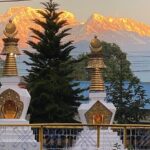
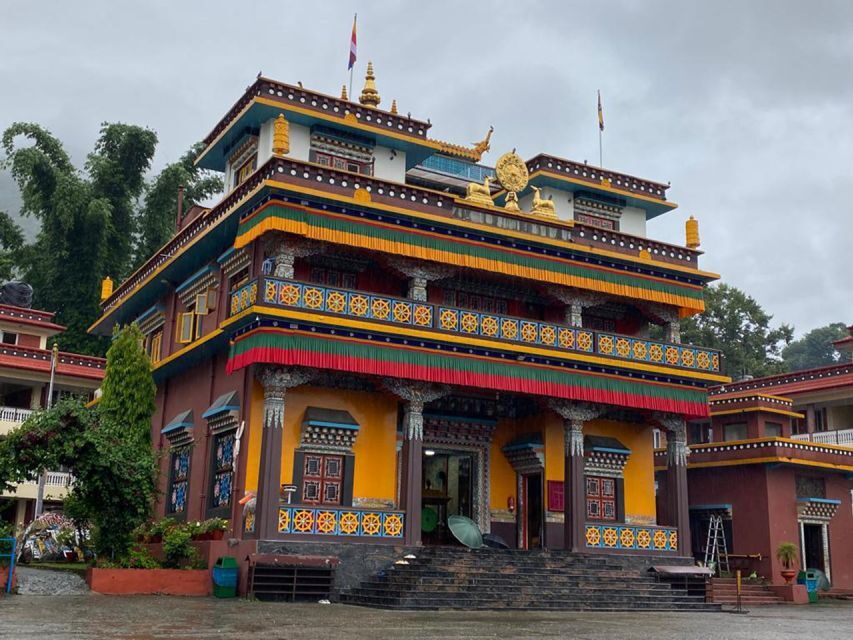
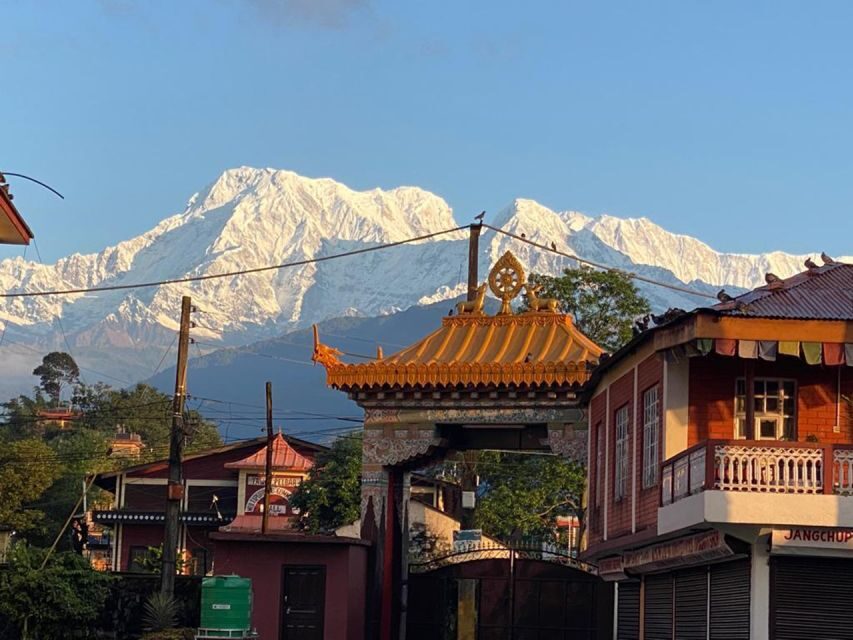
Your first major stop is Pema Ts’al Sakya Monastic Institute. You’ll have a photo stop and a guided walk-through, plus time to look around at the religious details that usually go unnoticed.
This is where the tour’s teaching style clicks. Instead of treating monastery visuals as background, Mr. Thupten Gyatso explains the meaning behind Buddhist symbols you’ll see again later. You’ll connect symbols to daily life, which matters because Tibetan religious culture is full of objects that people use every day—not just things you photograph.
What I like about starting here: it sets your “visual vocabulary.” By the time you’re in the Tibetan settlement and later during prayer, you’re not just watching. You’re noticing why things matter.
Possible drawback here: if you’re sensitive to religious spaces where people are actively practicing or chanting later, plan to be patient and respectful with your timing. You may want to keep your phone use minimal once chanting begins.
Tashi Palkhel Tibetan settlement: culture that still functions
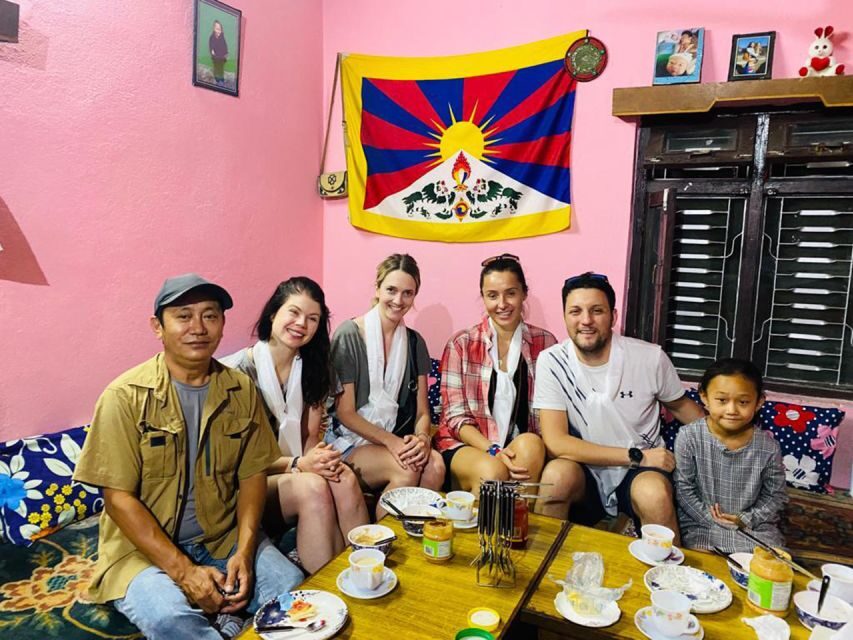
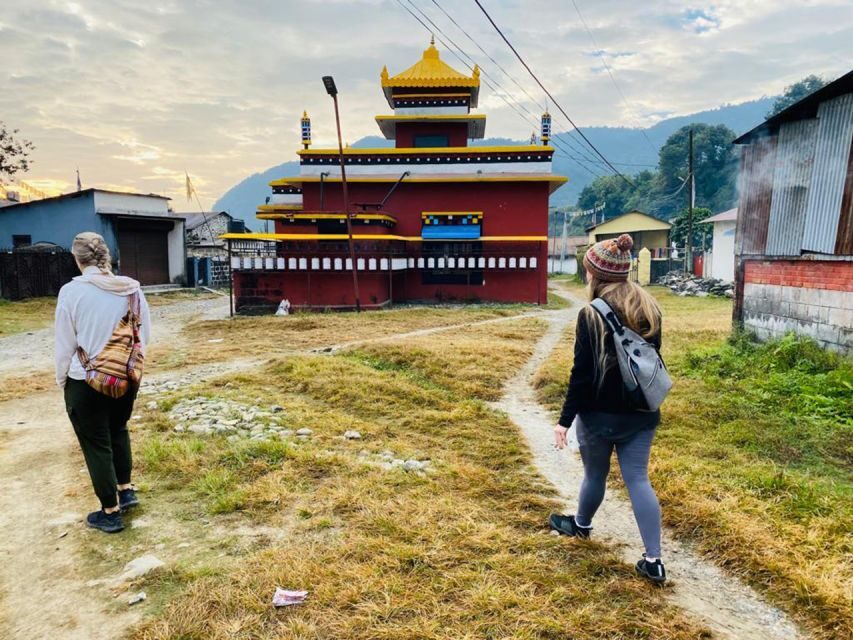
Next you head to Tashi Palkhel Tibetan Settlement for around 2 hours. This is a key part of the tour, because it shifts the story from monastery life into community life.
You’ll get a guided visit that includes walking time, local snacks, food tasting, and tea. It’s not just a look at buildings—it’s an explanation of how Tibetan refugees maintain language, identity, and Buddhist traditions in Nepal.
One of the most powerful parts of the settlement visit is the way your guide frames the challenges of exile alongside daily routines. People there are not performing culture for visitors. They’re practicing life. That’s why even small things—like walking in a meaningful direction around religious areas or seeing everyday ritual items—land harder than they do in a museum.
If you’re the type who likes to ask questions, this stop is a good place to do it. You’ll get context for what you’re seeing, and you’ll also understand the emotional stakes behind cultural preservation.
Tea with Tibetan flavor: butter tea, tsampa, and bread
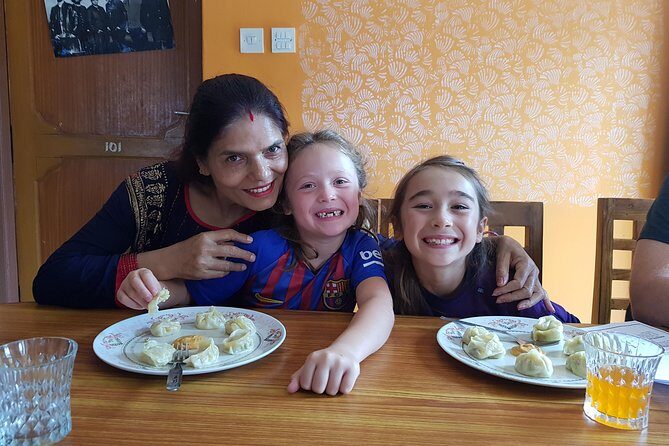
Food stops are often filler on tours. Here, the tea and snacks feel like a lesson. At a local Tibetan family home, you’ll try authentic Tibetan butter tea—and it’s not a mild “tourist tea.” It’s salted, rich, and built for nourishment.
You’ll also taste tsampa, which is roasted barley flour, plus Tibetan homemade bread with honey, butter, and peanut butter. The point isn’t just taste. Mr. Thupten Gyatso explains how these foods fit into the rhythm of refugee settlement life—simple, practical, and culturally specific.
I love this kind of stop because it slows you down. When you’re tasting and listening at the same time, you remember the experience with your senses, not just with your notes.
If you’re hungry before the tour ends, plan ahead: this is snack-and-tea style, and it may affect how hungry you feel for dinner later. In other words, don’t assume you’ll want a huge meal right after.

Meet a young monk: the conversation you’ll carry home
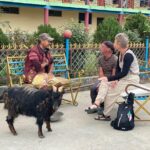
A standout feature of this tour is the conversation with a young Buddhist monk. This isn’t a short photo-op chat. The tone is respectful, and the discussion can get surprisingly personal and thoughtful.
From what you’ll experience during the talk, you’ll hear about monastic life—how studies fit into daily routine, what questions matter, and how vows translate into behavior. Many people find it unusually moving because you’re talking with someone actively living the system, not explaining it like a guidebook.
In at least one conversation described in the group’s experiences, the monk shares his interest in debating Buddhist philosophy, which gives you a sense that monastic learning isn’t only ceremonial. It’s also analytical and disciplined.
Practical advice: come ready with one or two questions you actually care about. For example: How do you learn and memorize texts? What does a normal day look like? What does chanting teach you? Keeping your questions sincere goes a long way in these settings.
Afternoon prayer chanting at the monastery: sound as a lesson
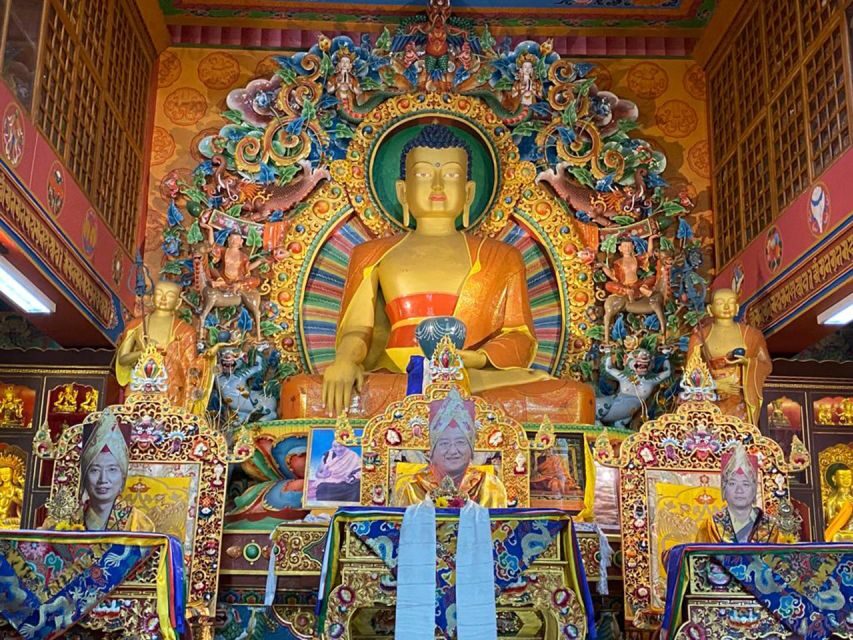
Later, you’ll attend afternoon group prayer chanting with the monks. This is the moment where your eyes and ears work together.
You’ll hear multiple instruments and notice the group rhythm. People often describe this part as more physical than expected, because the sound creates a felt atmosphere. It’s not just hearing words. It’s experiencing collective practice in real time.
If you’re expecting silence and sightseeing photos, reset your expectations. Prayer chanting is meant to be heard. So don’t rush for a quick look and move on. Stay present enough to feel the flow.
This is also where you can connect back to earlier symbol lessons. Once you understand what objects and phrases mean, the chanting feels less like background audio and more like a full communication system.
The role of Mr. Thupten Gyatso: why the guide matters here
This tour rises or falls on the guide, and here Mr. Thupten Gyatso is central. Multiple aspects of the experience rely on his ability to translate complex culture into language you can understand quickly.
You’ll likely notice:
- He explains history and culture through stories, not lectures
- He’s easy to talk to during the conversation portion
- His English is clear, so you’re not relying on vague interpretations
- He connects Buddhism, Tibetan identity, and the refugee experience with real-world context
One small but telling detail: the tour experiences you’ll hear about include thoughtful touches like gifts such as a scarf, plus water and a smooth schedule that doesn’t feel chaotic. That matters because a religious day needs calm pacing.
If you’ve got only one afternoon in Pokhara and you want to learn something meaningful rather than just collect photos, his guided approach is a big reason this tour consistently earns strong ratings.
Who this tour suits best (and who should pick something else)
This is best for you if:
- You want culture with depth, not only sightseeing
- You like religion as a lived practice, not a distant concept
- You enjoy Q&A and short conversations that turn into real learning
- You care about Tibetan identity in exile and how communities preserve traditions
It may not fit as well if:
- You want a purely visual, photo-heavy tour with minimal talking and sitting
- You dislike religious chanting sounds or group prayer settings
- You need wheelchair accessibility (this activity is not suitable for wheelchair users)
- You’re traveling with a very young child (it’s not suitable for children under 5)
Price and logistics: what you’re really paying for
At $56 per person for a 4-hour afternoon, you’re not just buying transportation. You’re buying access (monastery areas, a structured settlement visit, and a monk conversation) plus interpretation from a local guide.
It’s also a small-group experience (limited to 8). That matters, because it changes the quality of the time you get at the monk chat and during prayer. In larger tours, those moments often get cut short. Here, they can breathe.
The only cost-related caution is the extra transportation fee if you’re staying outside Lakeside. If you’re staying far from the pickup zone, calculate that early so your budget stays clean.
Should you book the afternoon Tibetan cultural tour in Pokhara?
Book it if you want a short trip that feels told, not just visited. This tour gives you a guided explanation of symbols, a real conversation with a young monk, and the chance to hear afternoon prayer chanting—then it anchors everything with butter tea and Tibetan snacks.
Skip it if your goal is only scenic Pokhara views or if you prefer activities that don’t involve religious practice. Also, if you’re outside Lakeside, factor in the possible extra transportation fee.
If you choose it, go in with a curious attitude and one or two questions ready. You’ll get a lot more out of the monastery time and the monk conversation when you’re actively listening.
FAQ
How long is the afternoon Tibetan cultural tour?
The tour runs for 4 hours.
Where does pickup happen?
Pickup and drop-off are included around Pokhara Lakeside area.
Is the tour available in English?
Yes, the live tour guide speaks English.
What’s the group size?
It’s a small group, limited to 8 participants.
What stops are included during the tour?
You visit Pema Ts’al Sakya Monastic Institute, a Tibetan refugee settlement (Tashi Palkhel), and a monastery where you attend afternoon group prayer chanting.
Do you get to talk with a monk?
Yes, the tour includes a conversation with a Buddhist monk and the chance to interact during the monastery visit.
What food and drink are included?
You’ll have Tibetan butter tea, plus Tibetan snacks such as tsampa and Tibetan homemade bread with honey, butter, and peanut butter.
What is the price and what does it include?
The listed price is $56 per person. Included items include the Tibetan tour guide, pickup/drop-off around Lakeside, monastery and settlement visits, prayer chanting, monk conversation, Tibetan family home tasting, and mineral water.
Is this tour suitable for everyone?
It’s not suitable for children under 5, and it’s also not suitable for wheelchair users.