REVIEW · KATHMANDU
Nepal and Bhutan Tours
Book on Viator →Operated by Odea Services · Bookable on Viator
Early sunrise, big spiritual stops, tight timing. This Nepal and Bhutan trip blends Kathmandu heritage with Bhutan’s monastery days, then adds mountain viewing mornings and a real change of pace through the 1-hour flight into Paro. I like the welcome dinner in Thamel because it sets a relaxed tone right away, and I like how the route builds in mountain and monastery moments instead of treating Bhutan like a checklist.
Second, the logistics feel designed for people who want less stress: private vehicle, a professional guide and driver, and 3-star hotels in both countries. On top of that, you get meals and key entry items, so you can focus on seeing the sites rather than chasing tickets.
One thing to consider: the itinerary relies on good weather for the mountain views and the Tiger’s Nest hike, so rain or poor visibility can change how the days feel.
In This Review
- Key highlights to know before you go
- Thamel welcome day: Kathmandu without the overwhelm
- Nagarkot morning and Kathmandu heritage: the classics, timed well
- The Bhutan jump: Kathmandu to Paro by Druk Air
- Punakha day: Changangkha Lhakhang and a nunnery visit
- Paro and Punakha Dzong: river confluence vibes and winter capital role
- Tiger’s Nest with a supporting cast: Drukgyal Dzong and the Taktsang hike
- Return flow: Paro airport help, transfer to Kathmandu, and a last shopping window
- Final morning in Kathmandu: Thamel again and airport escort timing
- Price and value: what $1,400 covers and what you still handle
- Who should book this Nepal and Bhutan itinerary
- Should you book this tour?
- FAQ
- What city does the tour start from?
- Is pickup offered?
- How long is the Nepal and Bhutan tour?
- Are flights within Nepal and Bhutan included?
- What meals are included?
- What are the main included sightseeing costs?
- What isn’t included in the price?
- What happens if weather is poor?
Key highlights to know before you go
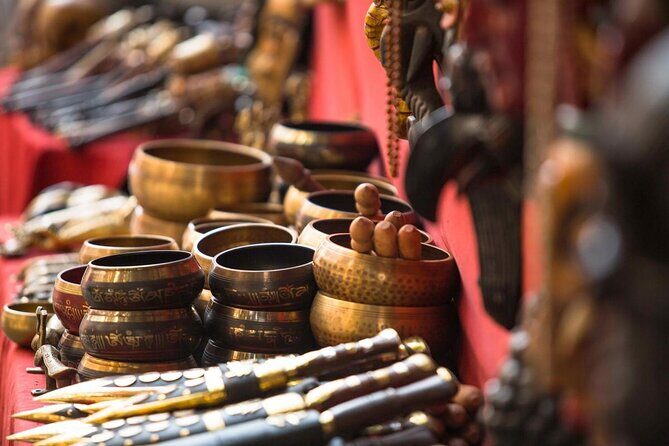
- Thamel arrival with a welcome dinner to start the trip gently, not like a sprint
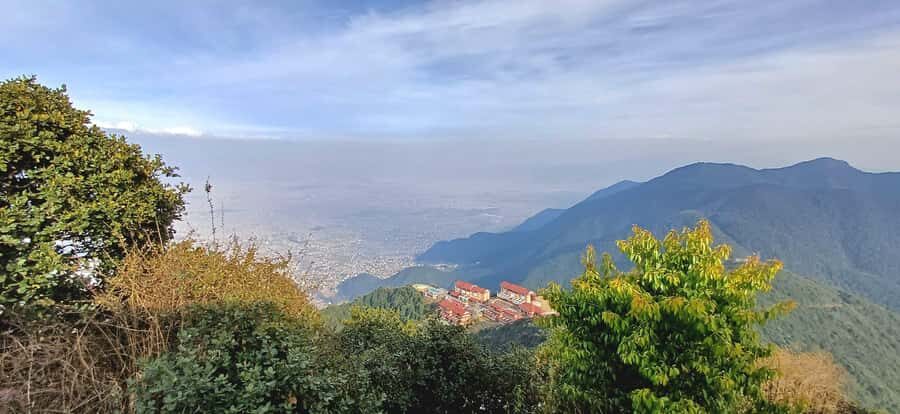
- Nagarkot morning viewpoints before heading into Kathmandu heritage sites
- Fly Kathmandu to Paro with Druk Air for a clean, time-saving Bhutan transition
- Punakha Dzong on the Mo Chu and Pho Chu rivers plus monastery and nunnery stops
- Taktsang hike day that pairs ruined forts and sweeping monastery scenery
- Private tour setup where only your group participates
Thamel welcome day: Kathmandu without the overwhelm
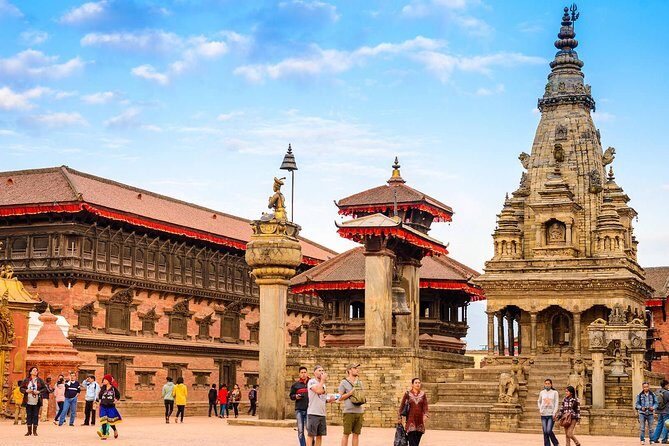
Day 1 is built for an easy arrival. You land in the evening and spend time walking Thamel Street, then you get a welcome dinner. That matters more than it sounds. When you arrive tired, it helps to have a simple plan right away instead of trying to figure out where to eat and what to do.
Thamel is also a practical choice for your first night. You’re in the heart of where people gather, so you can shop, grab snacks, and get your bearings without long transfers. With pickup offered, you’re not left to wrestle with transport after the flight.
If you’re the type who likes to get moving early in the morning, the first day still works because it gives you a full rest and orientation block. You won’t feel like you missed out, since Day 2 starts with a viewpoint day and a classic heritage route.
You can also read our reviews of more tours and experiences in Kathmandu.



Nagarkot morning and Kathmandu heritage: the classics, timed well
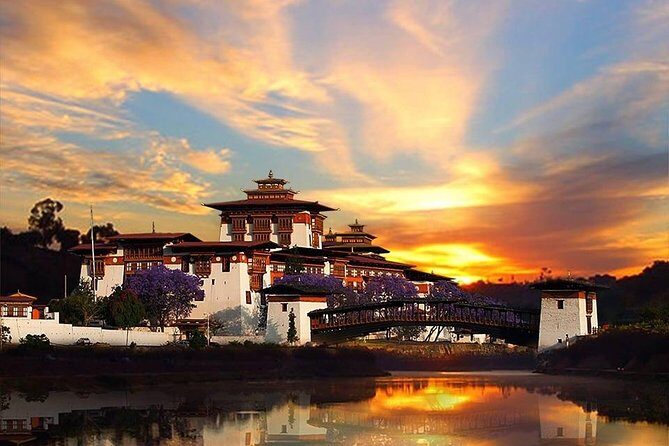
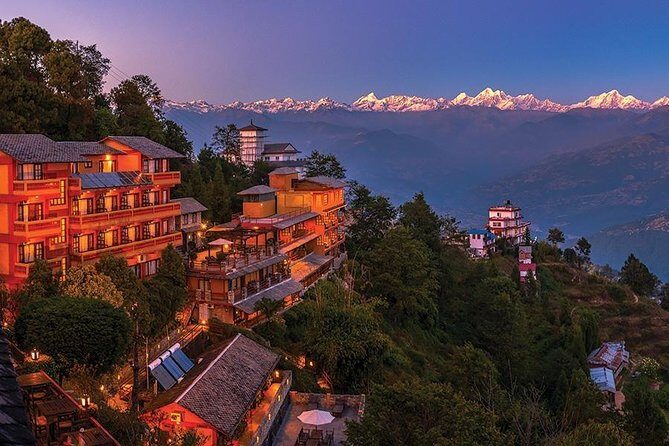
On Day 2, you start with breakfast, then head toward Nagarkot. Even without a huge agenda spelled out for that morning, Nagarkot is the kind of stop that sets up the rest of the trip: it puts you in the mood for mountain views before you return to city culture.
After that, you shift into Kathmandu sightseeing. The highlight here is Swoyambhunath Stupa, also called the monkey temple. It’s on a hill, and the walk and viewpoint angle are part of why it’s memorable. This is not just about standing in front of a religious site; it’s about using elevation to see the city’s spiritual core from above.
A balanced pacing note: you get about half a day of sightseeing time built into the plan (and it stays free of ticket charges for this stop). That makes it a good day if you want heritage without turning into a constant full-day march.
Practical tip: keep an eye on your footing. Hill sites can be uneven, and you’ll enjoy it more if you’re comfortable moving around slowly.
The Bhutan jump: Kathmandu to Paro by Druk Air
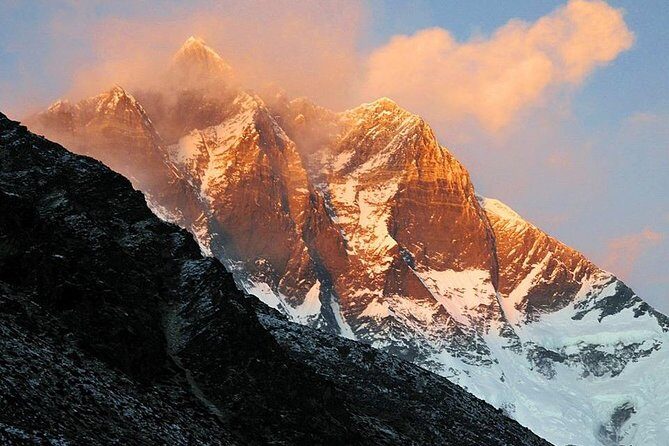
Day 3 is when the trip shifts countries and energy. You wake early for mountain sunrise views, then after breakfast you’re taken to Kathmandu airport. The flight into Paro takes about one hour on Druk Air, and in clear weather you get views of the world’s highest peaks.
This is one of the most valuable parts of the itinerary because it saves you the long overland hassle. You also avoid the common mistake of spending too much time in transit and too little time actually in Bhutan.
Once you arrive in Paro, you’re not stuck trying to build a plan. The tour structure takes you forward into Bhutan sightseeing days. That’s especially helpful on arrival days, when you’re still adjusting to a new rhythm and a new set of norms.
Timing reality check: sunrise days can be amazing, but they depend on the sky. If the weather is poor, expect the day to feel less view-focused.
Punakha day: Changangkha Lhakhang and a nunnery visit
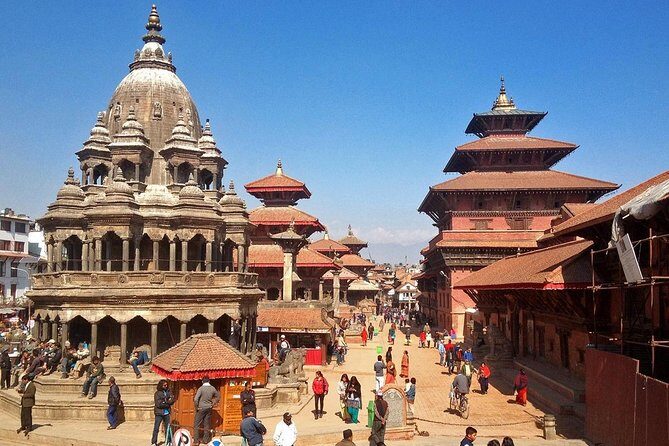
Day 4 centers on Punakha with a focus on sacred sites. You drive to visit Changangkha Lhakhang, described as a 12th-century temple and one of the oldest temples in Thimphu. The wording is specific, and it gives you a strong reason to care: older temple sites usually feel more layered, because you’re not only seeing architecture, you’re experiencing a place that has been active across generations.
You also visit the nunnery known as Drubthob Goemba. This adds a quieter, human side to the day. Temple sightseeing can sometimes feel like you’re watching from the outside, but a nunnery stop helps you understand the spiritual life tied to these places.
The session length is listed as about 5 hours, so it’s not a rushed conveyor-belt day. You get time to slow down at each location instead of only doing quick snapshots.
If you prefer culture that’s less about big crowds and more about religious practice, this is a good match. And if you want a calmer Bhutan day compared with the more strenuous hike day later, Day 4 gives you that.
Paro and Punakha Dzong: river confluence vibes and winter capital role
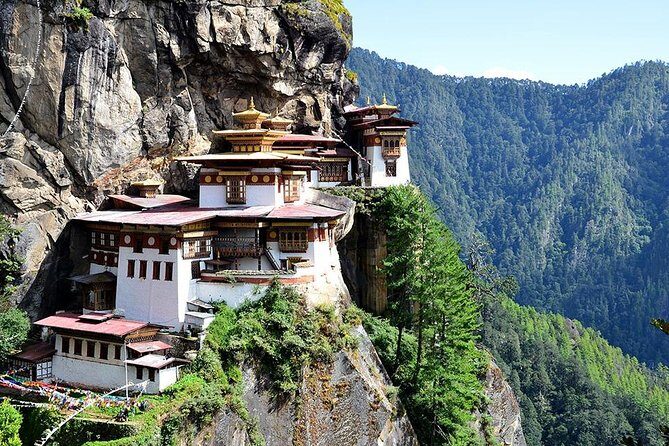
Day 5 returns you to a big Bhutan highlight: Punakha Dzong. The plan describes it as the ancient capital, sitting across the Mo Chu and Pho Chu rivers, and notes it’s the winter capital for monks and the Je Khenpo (chief abbot).
That context helps you look at the Dzong in a deeper way. You’re not just admiring a fortress-monastery complex. You’re seeing a center tied to seasonal leadership and religious authority. It also explains why Punakha is such a central name in Bhutan.
The itinerary then includes a drive onward to Lobeysa, but the details in the schedule text cut off there. Still, the main win for you on this day is clear: the Dzong stop gives you a powerful anchor.
This is also a day where having a private vehicle matters. Dzongs and temples often mean winding roads, and you’re spared the stress of arranging anything yourself.



Tiger’s Nest with a supporting cast: Drukgyal Dzong and the Taktsang hike
Day 6 is your active day. You start with early breakfast, then drive the winding road to Drukgyal Dzong, described as a ruined fort that once defended the valley from Tibetan invasions. Even as ruins, places like this help you understand Bhutan’s geography as defense and culture at the same time.
After that, you head to Ramthangkha to hike up to Taktsang monastery, also known as Tiger’s Nest. The schedule frames it as a hike to the monastery, and that is the core experience of the day: moving upward to reach a spiritual site that people remember because of where it sits, not only because of what it is.
Here’s the honest consideration: this day takes energy, and your best odds for enjoying it are when weather is good. If the visibility is poor, you’ll still reach the monastery, but the scenery will feel less dramatic.
If you’re planning for comfort, wear shoes you trust for uphill walking and keep breaks short and steady. A hike like this is about pacing, not speed.
Return flow: Paro airport help, transfer to Kathmandu, and a last shopping window
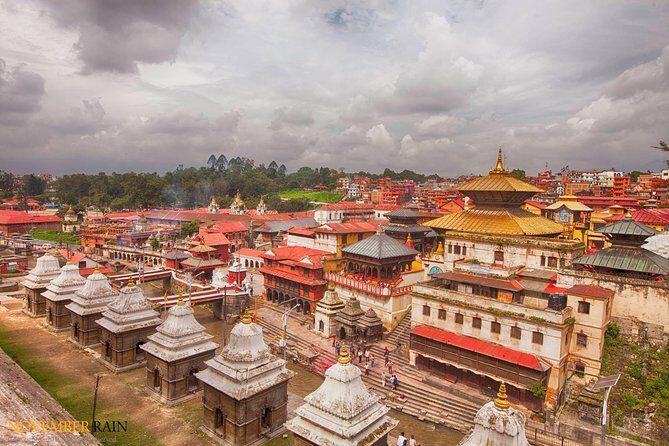
Day 7 is the trip’s in-between moment. You drive to Paro airport, and the tour representative helps with exit formalities. Then you head back to Kathmandu, where you’re welcomed and transferred to your hotel.
After that, you get leisure time, including shopping. I like this structure because it gives you space to decompress. You’ve just done temples, viewpoints, and a hike; the last days shouldn’t feel like another full rush of sightseeing.
If you want souvenirs, this is when you’ll want to use it. If you want to just hang out and people-watch, you’ll have the time for that too.
The trip doesn’t pretend you’ll never be tired. It gives you an end phase where you can decide how active to be.
Final morning in Kathmandu: Thamel again and airport escort timing
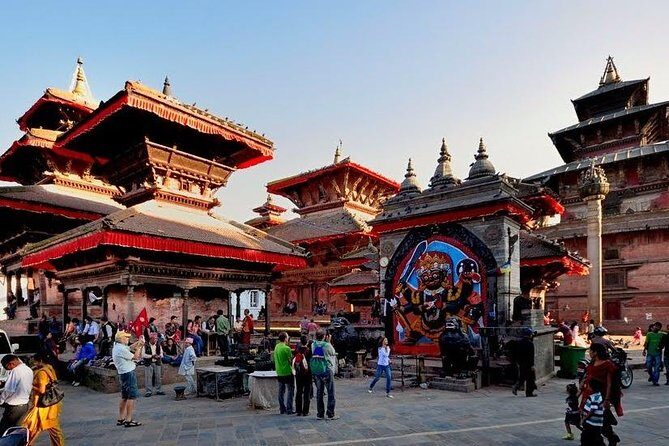
On Day 8, the journey within the mountains of Nepal ends. You have about 3 hours before your scheduled flight, and the representative escorts you to the airport.
That timing is practical because it helps reduce last-minute stress. You also get back to Thamel, which makes sense after spending the start of the trip there. It’s not a random last stop; it’s where you can recognize things again.
If you’re someone who likes to end trips with a simple feel, this day does that. There’s no heavy sightseeing push, just wrap-up and travel home.
Price and value: what $1,400 covers and what you still handle
At $1,400 for about 8 days, this is priced as a packaged Nepal-plus-Bhutan experience with real movement and multiple included costs. The biggest value pieces are:
- 3-star hotels in Nepal and Bhutan
- private vehicle for sightseeing in both countries
- professional guide and driver, including their salaries and meal/accommodation
- welcome dinner
- Bhutan meals listed as breakfast, lunch, and dinner plus mineral water
- museum fees and special entry fees (where applicable)
- visa fee listed as included (but note the Nepal visa fee is listed as not included)
- airfare for Kathmandu to Paro and Paro to Kathmandu listed in the included section
What you should plan for: the schedule clearly lists insurance and tipping as not included, and it also lists meal in Nepal as not included. That’s normal for many packages, but it’s worth mentally budgeting so you don’t get surprised.
One more small reality check: the itinerary also says airfare is not included in the not-included list, even though the included list specifies the Kathmandu–Paro flights. So you should confirm that the $1,400 covers the Bhutan internal flights you need, and that your international flights to Nepal are separate.
Who should book this Nepal and Bhutan itinerary
This is a good fit if you want a structured route with heritage sites, monasteries, and mountain viewing days. It also suits you if you dislike the planning burden of arranging multiple legs across two countries. The private vehicle setup and representative support (including help with exit formalities) reduce the typical friction.
This is also a nice match if you enjoy a guide-led experience where each stop has a reason. The schedule doesn’t just say temple. It gives you names like Swoyambhunath, Punakha Dzong, Drukgyal Dzong, and Taktsang, plus the key context for each.
One extra reason to pay attention: the operator’s support quality stands out in one example where they helped someone connect to Everest Base Camp. If you’re thinking of extending your trip later, that kind of flexibility can matter.
Should you book this tour?
Book it if you want an efficient Nepal-to-Bhutan pathway with a clear rhythm: Kathmandu heritage, sunrise-focused mountain time, then Bhutan temples and Dzongs, with the Taktsang hike as the main active payoff. The included meals, entry fees, and flight legs make it easier to control total spending.
Don’t book it if you know you’re very weather-sensitive. Since the itinerary requires good weather and includes sunrise viewing plus a hike day, cloudy conditions can reduce the impact of the mountain moments. Also, if you want an itinerary with zero physical effort, you should think twice about Taktsang.
If you’re okay with a thoughtful mix of early starts and walking, this one is built for you.
FAQ
What city does the tour start from?
The meeting point is Tribhuvan Airport in Kathmandu, Nepal, with a start time of 7:15 am.
Is pickup offered?
Yes, pickup is offered.
How long is the Nepal and Bhutan tour?
The tour duration is about 8 days.
Are flights within Nepal and Bhutan included?
The included details list airfare for Kathmandu to Paro and Paro to Kathmandu. International flights to get to Nepal are not listed as included.
What meals are included?
The tour includes lunch in the overall package, and in Bhutan it lists breakfast, lunch, and dinner, plus mineral water. Meals in Nepal are listed as not included.
What are the main included sightseeing costs?
Museum fees and other special entry fees are included, and welcome dinner is included as well.
What isn’t included in the price?
Not included items listed are tipping for guide and staff, insurance, and meal in Nepal. Nepal visa fee and airfare are also listed as not included.
What happens if weather is poor?
The experience requires good weather. If it’s canceled due to poor weather, you’ll be offered a different date or a full refund.