REVIEW · KATHMANDU
Everest Base Camp trek in 14 days
Book on Viator →Operated by Asian Heritage Treks and Travels · Bookable on Viator
Everest Base Camp feels close on this route. It follows the classic Khumbu trekking spine, rising through Sherpa country, with mountain views that keep getting sharper—and a few tough days that earn the payoff. You’ll start in Kathmandu, then fly to Lukla and work your way toward the base camp start point for Everest expeditions.
I really like how much this trip is built around practical pacing. You get clear acclimatization time in Namche Bazaar, plus more altitude support later on, so you’re not just rushing uphill for bragging rights. I also like the human setup: a licensed English-speaking trek leader, a small group (max 12), and a guide who’s known for keeping people on track and focused on health—my favorite kind of professionalism on a trek this serious.
The one possible drawback is altitude and schedule intensity. Even with acclimatization, you’re still doing a lot of walking in thinning air, and the middle-to-upper days can feel like a grind—especially the climb toward the Memorial Park area and the push around Lobuche/Gorakshep.
In This Review
- Key highlights worth knowing before you go
- Everest Base Camp in 14 Days: Why This Route Makes Sense
- Kathmandu Arrival and the First Day Glide (Then You’re On Your Own)
- Lukla Flight Day: The Moment the Himalayas Become Real
- Trek Day 3: Dudh Koshi River Rhythm and Rhododendron Air
- Namche Bazaar: Acclimatization That Actually Helps
- Tengboche and Dingboche: The Views Get Serious
- Lobuche and Gorakshep: The Hard Middle and the Prayer Flag Route
- Kala Patthar and Everest Base Camp: The Day You Came For
- Heading Down: Lobuche to Namche to Lukla Without Losing the Magic
- Fly Back to Kathmandu: Closing the Loop
- What You’re Paying For: Value Beyond the Headline Price
- The Human Side: Guide Care and Professional Support
- How Hard Is It, Really? Fitness, Altitude, and Pacing
- Practical Packing and On-Trail Reality Checks
- Should You Book This Everest Base Camp Trek?
- FAQ
- Where does the trek start and what time is the meeting point?
- Is pickup included in Kathmandu?
- How long is the Everest Base Camp trek?
- Are domestic flights included?
- What’s included for accommodation during the trek?
- What permits are included?
- What meals are included in the package?
- Is a trek leader included?
- Are porters included?
- Do I need to provide passport details?
- Is there a group size limit?
Key highlights worth knowing before you go
- Lukla flight panoramas: landing at one of the world’s most famous airstrips is part of the experience
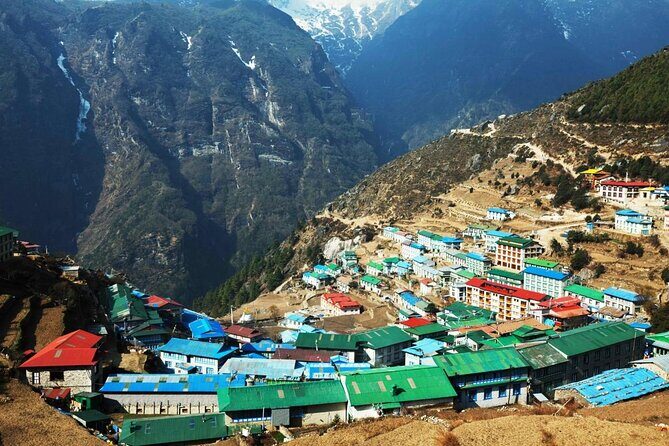
- Namche Bazaar acclimatization day: a built-in breather plus early-morning mountain viewing options
- Tough middle section: the day toward Tengboche and the harder segment toward Lobuche are where the route starts testing you
- Kala Patthar option for sunset: if you have energy, you may catch big views before or after the base camp day
- Small group size: capped at 12 travelers, so the trek feels more managed than chaotic
- Included permits + national park access: Sagarmatha National Park permits and TIMS are part of the package
Everest Base Camp in 14 Days: Why This Route Makes Sense
This itinerary is for one main goal: reaching Everest Base Camp while traveling the most direct and well-worn backbone of the Khumbu region. If you love big-name trekking routes and want the famous “I’m really here” moment at the foot of Everest’s glacier system, this is the sensible plan.
You also get a trekking arc that feels balanced for most people who are reasonably fit: you climb, you gain altitude, and then you build in time to adjust. That’s what keeps the trek from feeling like a straight line upward. Yes, it’s still hard. But the rhythm is better than a plan that just stacks day after day of steep climbing without breathing room.
You can also read our reviews of more hiking tours in Kathmandu


Kathmandu Arrival and the First Day Glide (Then You’re On Your Own)
Day 1 is a Kathmandu buffer day with one big win: you’re not left scrambling. You’re met at the airport by Asian Heritage Treks and Travels, luggage is handled, and you’re driven privately to your hotel. On the way, you’ll catch outside glimpses of Pashupatinath Temple, the Royal Palace Museum (Narayanhity), and the Garden of Dreams.
After you settle in, your representative reviews your travel plans in detail. Then you’re free to explore nearby on your own—use this time wisely. Kathmandu is where you can handle little things that matter later: buying snacks you actually want, double-checking your trekking socks situation, and getting comfortable with the fact that tomorrow starts early and includes flights.
Value note: the package includes 2 nights at 4 Yatri Suites & Spa (or similar) in Kathmandu with breakfast. That’s a nice upgrade compared with the “basic only” approach many budget treks take.
Lukla Flight Day: The Moment the Himalayas Become Real
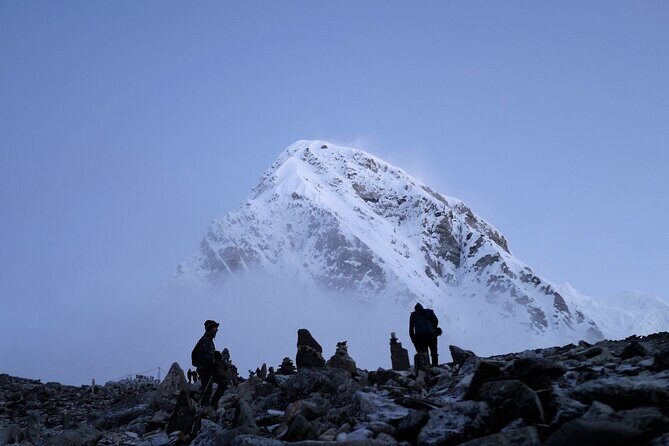
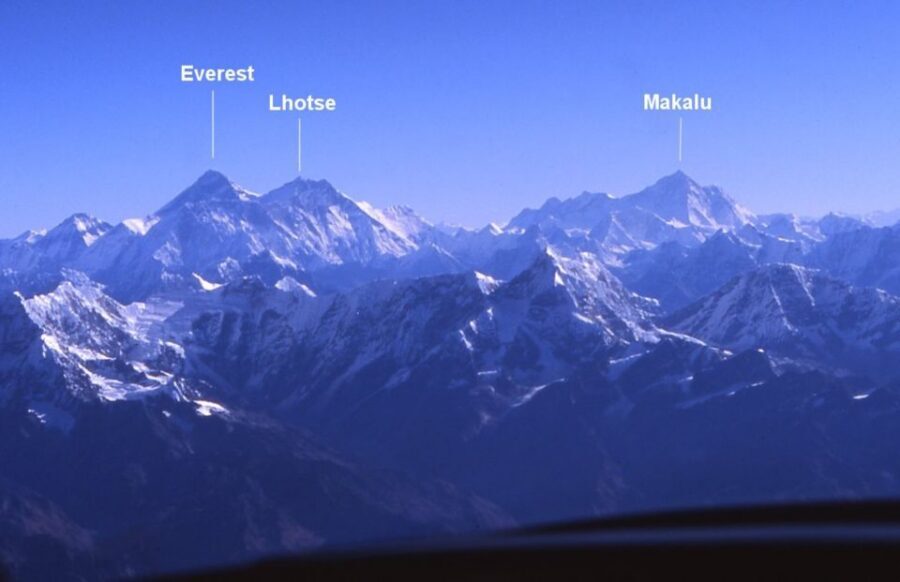
On Day 2, you fly from Kathmandu to Lukla, and the flight itself is part of the show. You’ll fly over the Himalayas with a chance to see the view tighten and sharpen, including Mount Everest as it grows on you.
This is one of those travel moments that feels different from sightseeing. Lukla isn’t a backdrop. It’s the entrance door to the trek, and the altitude hits you quickly once you step off the plane. In the afternoon, you can stroll around Lukla village—use that time for an easy loop, not a workout.
Practical thing: domestic flights can shift due to weather. The itinerary includes this flight timing, so keep your expectations flexible, especially if you’re sensitive to schedule changes.
Trek Day 3: Dudh Koshi River Rhythm and Rhododendron Air
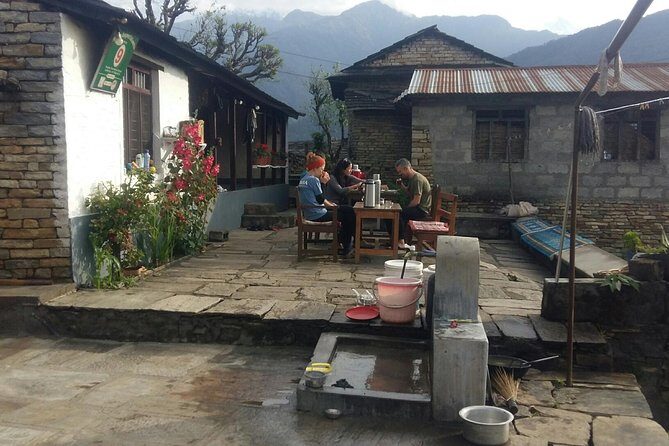
Day 3 begins with a trek along the Dudh Koshi (Milky River). Trails here have a “flow” feeling—snow-fed water, suspension bridge crossings, and villages with Buddhist stupas along the way. You’ll trek through rhododendron forest, where the air can smell strongly of evergreen oak.
You end up at Mongo, and in the evening you can walk around Manjo. This day is a strong warm-up: not gentle like a city stroll, but it helps you settle into footing and breathing rhythm before the real altitude work starts.
This is also a good day to pay attention to your gear comfort. Walking days later will punish small annoyances—blisters, wrong socks, or a pack strap that rubs once becomes twice becomes misery.
Namche Bazaar: Acclimatization That Actually Helps
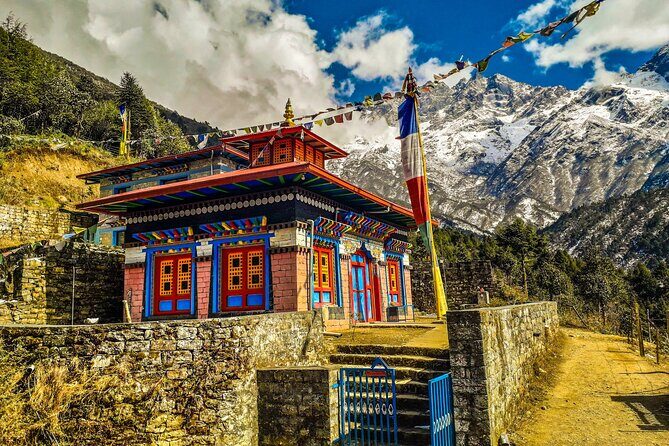
Day 4 heads toward Namche Bazaar. The trail begins relatively easy, then gets harder as altitude climbs. You’ll get a first glimpse of Everest as you cross the Dudh Koshi, and the route into Namche becomes steeper—so pace matters. The itinerary’s tone is clear: steady progress beats pushing.
You overnight in Namche. And that matters because Day 5 is a dedicated acclimatization/exploration day.
On Day 5 you’ll use the time to relax and adjust. Namche is known as Sherpa Capital, and it’s also a prime place for morning mountain views if you get up early. You may see Everest, plus peaks like Thamserku and Ama Dablam from Sagarmatha National Park areas. Then there’s the market energy—especially Saturday market vibes where traders set up and locals move goods through the day.
What I like here: this isn’t just rest. It’s rest with purpose. You’re learning how your body responds while still having something rewarding to do.






Tengboche and Dingboche: The Views Get Serious
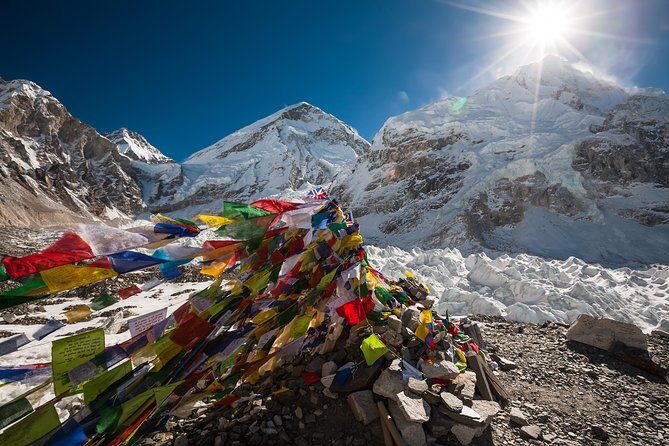
Day 6 takes you from Namche Bazaar to Tengboche. It’s one of the tougher elevation-gain days (about 4,000 feet / 1,200 meters). The benefit is huge: the Everest region mountain range views open up in a way that feels like the trek “turns a corner” visually.
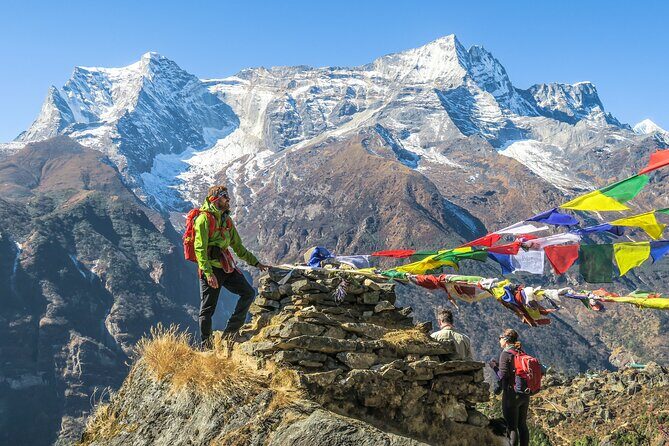
Day 7 goes Tengboche to Dingboche. The route runs through a valley with a glacier river below and snow-capped peaks in the distance. You pass Pangboche and you’ll see Ama Dablam along the way.
This stretch is where many people realize the trek is not just “getting from A to B.” You’re surrounded by mountains most days, but here the views become more dramatic—and the trail feels more exposed, so good attention to footing becomes part of staying safe.
Lobuche and Gorakshep: The Hard Middle and the Prayer Flag Route
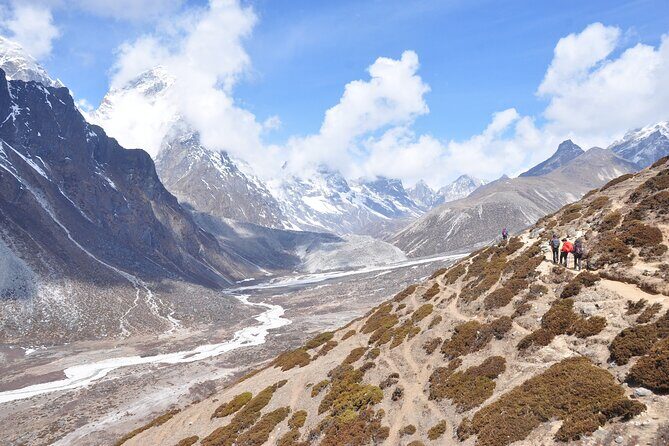
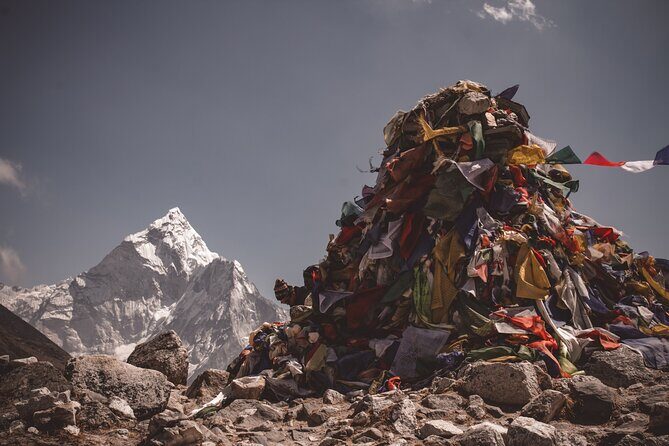
Day 8 heads toward Lobuche, and this is described as one of the toughest parts of the Everest Base Camp trek—specifically the uphill segment from Thukla to Memorial Park. It’s also a day where you’ll likely see lots of prayer flags, tied to mountaineers’ memories and the route’s deep climbing history.
You spend the night in Lobuche, the second-highest village on the EBC trail. That already tells you something: you’re in the higher zone now.
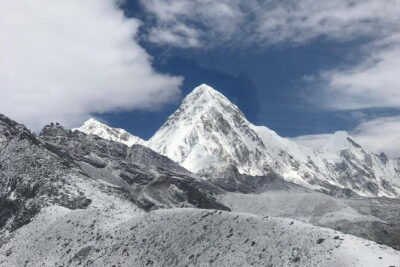
Day 9 takes you to Gorakshep. At this altitude, the trail can feel sparse, and snow can appear along the route. The reward is panoramic views of Mt. Everest and nearby peaks from this high vantage.
And there’s an extra option: if you feel strong, you can go to Kala Patthar the same day for sunset views. That’s a huge “if,” not a promise. But it’s there, because you’re already close.
Rest day? Yes, but only in the sense that you get a meal and decompress. The high-altitude zone doesn’t really slow down your heartbeat. It just makes it more noticeable.
Kala Patthar and Everest Base Camp: The Day You Came For
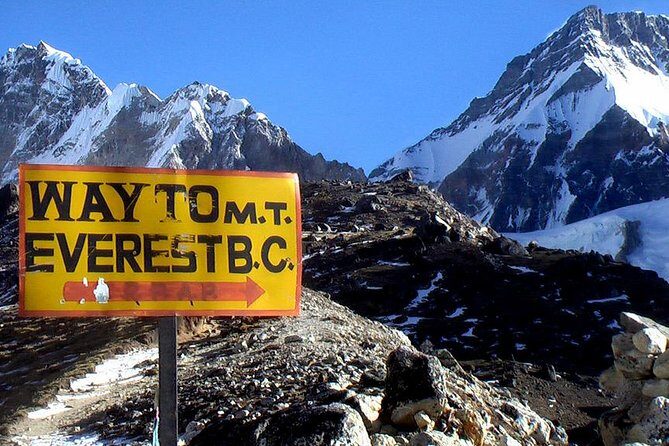
Day 10 is the big push. You head toward Kala Patthar (about 5,450m), and then you visit Everest Base Camp. This is the raw, direct version of the Everest dream: glacier valley views, the base camp area, and the sense of scale that’s hard to explain once you see it.
Then you trek back down to Gorakshep for a meal and hopefully a warmer, calmer night. If you’re the type who wants the perfect photo, you’ll want to plan your timing carefully, because the light and crowd patterns at high points can shift quickly.
One reality check: weather and visibility matter a lot in this zone. If the day looks clear, you’ll feel like you hit a jackpot. If not, you still gain an unforgettable sense of place.
Heading Down: Lobuche to Namche to Lukla Without Losing the Magic
Day 11 is the long descent back to Namche Bazaar. The trail follows down through the Dudh Kosi area where you’ll see water-driven prayer wheels, then continues through pine and cedar paths. You might also spot the Lhotse-Nuptse Wall peeking behind—another “wait, there it is” moment.
Overnight is back in Namche, so you can settle into a more comfortable rhythm.
Day 12 brings you down to Lukla, with more river crossings and village stops. The snowy peaks become less prominent in the distance, which is a useful mental cue: the hardest part is behind you. You’ll end in Lukla after lunch in Chumoa and then a riverside walk toward Phakding along the way.
This is a good day to be patient with your body. Descents can be tough on knees and ankles, and you’re still at altitude enough to feel it if you rush.
Fly Back to Kathmandu: Closing the Loop
Day 13 includes the flight back from Lukla to Kathmandu. Flights can shift based on weather, so your best move is a calm morning, not a frantic one. You’ll transfer to your hotel and have time to rest and reflect.
Day 14 finishes with airport transfer and guidance to check-in at Tribhuvan International Airport. You’ll be transferred about 3 hours before your departure flight.
This “re-entry” day matters more than people think. After days of trekking, your brain needs a little time to stop measuring steps.
What You’re Paying For: Value Beyond the Headline Price
The price is $1,450.19 per person. For an Everest Base Camp trek, that number makes more sense when you look at what’s included.
You get:
- Private land transportation in Kathmandu
- 2 nights at Yatri Suites & Spa (or similar) with breakfast
- 11 nights in local lodges (room only)
- Sagarmatha National Park permits and TIMS plus other necessary permits
- Domestic flights: Kathmandu–Lukla–Kathmandu
- An experienced English-speaking, government-licensed trek leader
- All government and local taxes
- Breakfast (2)
And you’re traveling with a group capped at 12, which can help keep logistics from turning into herding cats.
What’s not included is also important:
- Most meals and drinks (you’ll handle food/drinks yourself)
- Tipping
- International flights
- Things like hot water, drinking water, laundry, and personal expenses
- Porters are not included (with a note that one porter can carry 20 kg and share between clients)
So the real value question isn’t just the trekking cost. It’s whether you’re okay managing meals, water options, and a tip/porter plan on your own. If you want a very hands-off experience where everything is fully packaged, you may find yourself spending extra. If you like control, this is pretty workable.
The Human Side: Guide Care and Professional Support
From the trip details and staff emphasis, what shines is the professionalism of the team. People highlight smooth coordination before the trek, plus a guide known for responsible pacing and keeping people healthy.
You may work with a guide named Rohit, and coordination support you might see referenced includes Devi and Nilam. The vibe is consistent: clear planning, organized trekking, and a leader who watches your pace rather than just counting miles.
That matters on this route. Everest Base Camp is not just endurance. It’s decision-making under fatigue—when to slow down, when to push, and when to prioritize rest.
How Hard Is It, Really? Fitness, Altitude, and Pacing
The trek involves a large amount of walking, and the operator calls for moderate physical fitness. That’s honest, but let’s translate it into action.
Expect:
- Several long walking days
- Steeper climbing segments around Namche and later toward Lobuche
- Altitude pressure that changes your breathing even if your legs are fine
- Descent fatigue after base camp day
I like that the itinerary builds in acclimatization days (Namche, and time in the higher villages). Still, altitude can make the same distance feel harder than it looks on paper.
If you’re prone to breathlessness or you’ve never exercised at higher intensity, you’ll want to prepare. Even regular hikes help, but focus on leg endurance and consistency more than sprint fitness.
Practical Packing and On-Trail Reality Checks
I can’t tell you exactly what to pack, but I can tell you what matters on this specific trek.
- Plan for cold and possible snow in the high zone (Gorakshep/Kala Patthar area).
- Don’t treat water like an afterthought. The package flags drinking water as personal expense.
- Expect lodge conditions to vary. Lodges are room only, so you’ll handle your own comfort upgrades.
- If you choose to hire a porter, remember the note that a porter can carry 20 kg (shared between clients). That can protect your knees and save energy for acclimatization.
Also, you’ll want to take your gear seriously on the Lukla-to-early-trek days. Fix small discomfort early, or it’ll snowball into the tougher middle section.
Should You Book This Everest Base Camp Trek?
Book it if:
- Your main objective is Everest Base Camp, not a scattershot tour
- You want the classic route with built-in acclimatization
- You appreciate a small group (max 12) and a licensed English-speaking guide
- You like the idea of included flights and permits so the trip planning stays simpler
Think twice if:
- You don’t want to manage your own meals, water, and daily extras
- You’re not comfortable with the reality that altitude will affect you even if you’re fit
- You strongly prefer fully loaded logistics where nothing is left to you (porters, tipping, and most food are not included)
My take: this is a strong choice for people who want the real Everest Base Camp experience with solid structure and human support. When the route gets tough, that’s when good pacing and organization matter most—and this trek is set up for that kind of care.
FAQ
Where does the trek start and what time is the meeting point?
The experience is based in Kathmandu, Nepal, and the meeting point start time is 8:30 am.
Is pickup included in Kathmandu?
Yes. Pickup is offered, and you’ll be driven to your Kathmandu hotel on arrival day.
How long is the Everest Base Camp trek?
The duration is about 14 days.
Are domestic flights included?
Yes. Domestic flights from Kathmandu to Lukla and back to Kathmandu are included.
What’s included for accommodation during the trek?
In Kathmandu, you get 2 nights at 4 Yatri Suites & Spa (or similar) with breakfast. During the trek, you get 11 nights in local lodges on a room-only basis.
What permits are included?
Sagarmatha National Park permits, TIMS, and other necessary permits are included.
What meals are included in the package?
Only breakfast is included (2 breakfasts). Food and drinks beyond that are not included.
Is a trek leader included?
Yes. There is an experienced, English-speaking, government-licensed trek leader included.
Are porters included?
No. Porters are not included. The information provided notes that one porter can carry 20 kilo of luggage and share between different clients.
Do I need to provide passport details?
Yes. Passport name, number, expiry, and country are required at the time of booking.
Is there a group size limit?
Yes. The trek has a maximum of 12 travelers.