REVIEW · KATHMANDU
Annapurna Circuit Trek
Book on Viator →Operated by Glorious Himalaya Trekking Pvt. Ltd. · Bookable on Viator
Thorong La is the real test. I love that this is a private, customizable trek and that you get full-board meals plus permits handled for you, so your brain stays on the trail. The main drawback to consider: there is no porter included, so you’ll carry your own day-to-day gear on the trekking days.
I also like the “you focus on walking” approach to logistics: airport and hotel transfers, lodge/tea-house stays while trekking, and a clear progression from warmer valleys up toward the high pass. It’s a guided trip with trekking permits and area entrance fees included, which is a big deal in Nepal where paperwork can eat time.
One more thing to keep in mind: the pace is yours, but altitude is still altitude. You’ll be heading toward Thorong La Pass (5,416m), so choose this only if you’re ready for moderate fitness and you’ll take the acclimatization seriously when the schedule gives you rest.
In This Review
- Key highlights you’ll feel fast
- A private Annapurna Circuit with permits and food handled
- Kathmandu arrival: airport pickup and the first night settled
- Road time to Syange: long drive, then your first proper walking day
- Dharapani to Chame: steep ridges, landslide awareness, and mountain timing
- Chame onward: Upper Pisang, Manang, and acclimatization you can actually use
- Into the pass route: Tenki, streams, suspension bridges, and Thorang Phedi
- Crossing Lhorang La (Thorong La) and arriving at Muktinath
- Muktinath to Pokhara by bus/jeep, then a real rest
- Price and value: what $1,150 covers (and why it may be worth it)
- Lodges, meals, and the practical side of tea house trekking
- Fitness, altitude, and how to use the schedule wisely
- What’s not included, plus the extras you should plan for
- Should you book this Annapurna Circuit trek?
- FAQ
- How long is the Annapurna Circuit trek on this tour?
- Does the price include trekking permits and area entrance fees?
- Are meals included while trekking?
- Is there a porter included for the trek?
- What are the included hotel nights in Kathmandu and Pokhara?
- What is the highest point on the trek?
Key highlights you’ll feel fast
- Private, guide-led trek with room to adjust your pace
- Permits and area entrance fees included (less admin, fewer hassles)
- Full-board trekking days with breakfast, lunch, and dinner while on the trail
- Manang Valley recovery time with optional short hikes from town
- Tea-house/lodge twin sharing included during the trek
- Completion certificate after you finish
A private Annapurna Circuit with permits and food handled
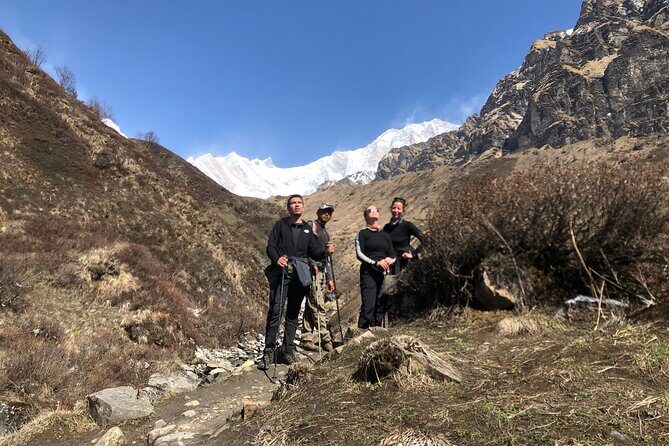
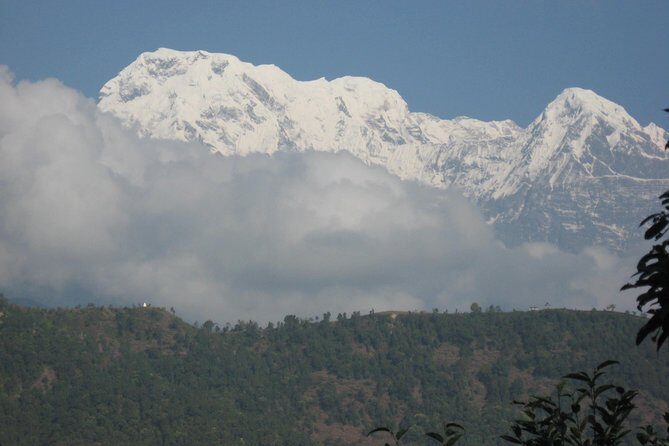
The Annapurna Circuit is famous for a reason: you change altitude a lot, you see a huge range of mountain views, and you move through communities that feel culturally distinct as you travel. What makes this version attractive is that it’s set up as a guided private trek, so you’re not spending your precious vacation days sorting permits, arguing over timetables, or figuring out where you’re sleeping each night.
Your guide is there for pacing and practical safety on route. The itinerary also includes trekking permits and area entrance fees, which means you’re more likely to have a smooth start and fewer surprises later. And food is covered while trekking, which really matters at altitude when you want steady calories and you don’t want to hunt for meals.
The value angle: for $1,150 per person, you’re paying not just for guiding, but for a package of transfers, meals, and accommodations that would be time-consuming (and sometimes expensive) to replicate on your own with the same quality of planning.
You can also read our reviews of more hiking tours in Kathmandu
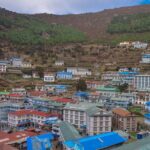
Kathmandu arrival: airport pickup and the first night settled
You start in Kathmandu at Tribhuvan Airport. An office representative meets you and transfers you to your hotel by private vehicle. After you land and get through that first wave of Nepal time, you also get a short briefing from your guide about trekking on the Annapurna Circuit—useful because the route asks for stamina, and the pass days are not where you want to be guessing.
One practical benefit I appreciate: the trip includes airport and hotel transfers by private vehicle. That means you’re not negotiating taxis after a flight, and you’re not trying to find your way while tired. You’ll get two nights in Kathmandu with breakfast included, so you’re not forced into a “land, rush out, sleep later” rhythm.
If you’re the type who likes to get oriented fast, this structure helps. You’ll likely spend Day 1 doing the basics well: resting, meeting the guide, and getting your gear sorted before the long travel out of the city.
Road time to Syange: long drive, then your first proper walking day
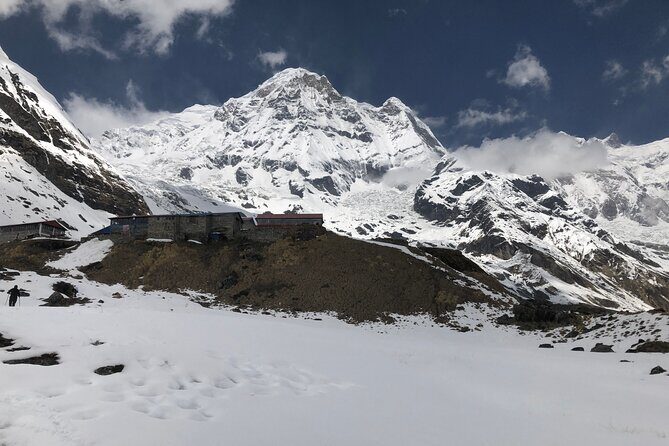
Day 2 starts with a long ride from Kathmandu to Syange. The drive is listed at about 8 to 9 hours, but the trip positions it as not feeling too hectic because you’re in a vehicle rather than walking from the first moment.
Why that matters: starting the trek with a long climb on tired legs can be rough. Having a full-day transport to Syange means your first trekking day can be about settling into walking rhythm rather than fighting both jet lag and steep terrain at once.
Then Day 3 is your first real trekking push—walking toward Dharapani, taking about 7 to 8 hours. You’ll cross a bridge and continue into the trail network that feeds the Circuit. The good sign here is that the day is long enough to feel like a trek, but it’s still early enough that you can adjust your pace, hydrate, and test your hiking shoes.
Possible consideration: the trek portion starts quickly after you arrive out of Kathmandu. If you’re arriving from far away, plan for a true rest-before-effort mindset on Day 1.
Dharapani to Chame: steep ridges, landslide awareness, and mountain timing
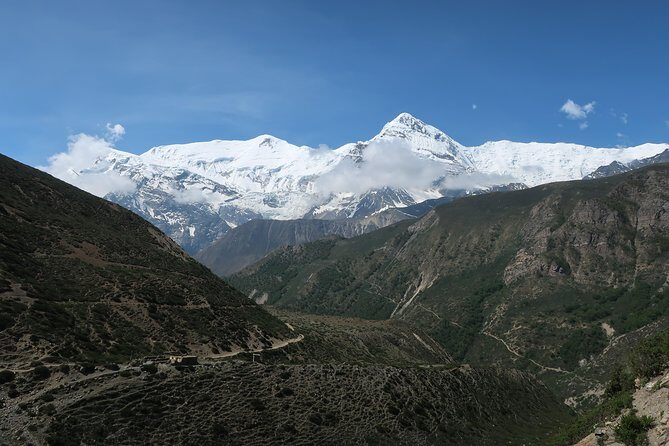
Day 4 goes from where you left off toward Chame and takes around 6 hours of walking. The route is described as steep ridges with green woods, and it also mentions landslides. That’s your cue to treat this like a real trekking day—pay attention to the trail, take stable foot placement seriously, and don’t rush when the path narrows.
Day 5 continues for about 6 hours and shifts into a valley that’s narrow and steep. The description points out a curved rock rising up to 1500m at Paungda Danda. Even if you don’t remember every landmark name, you can expect the day’s character to be the same: tighter trail spaces, consistent caution, and frequent look-ups to catch views.
This is also where a guide earns their keep. If the route is narrow, steep, and active with land movement, you want someone who knows how to read the trail conditions and keep the group moving with fewer mistakes.
Chame onward: Upper Pisang, Manang, and acclimatization you can actually use
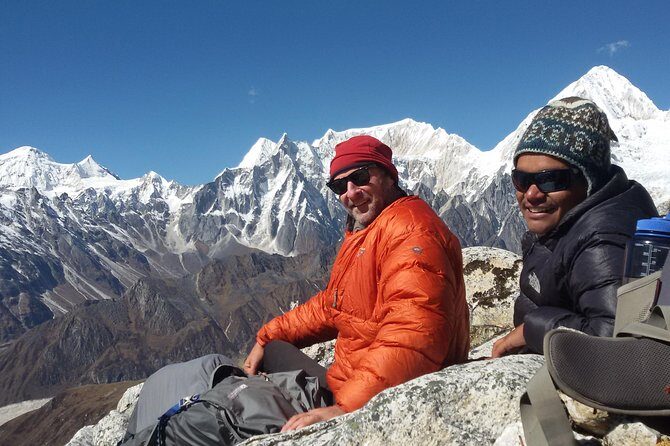
Day 6 is where the schedule moves you into the Manang area and toward Thorongla Pass country, with walking around 7 hours and passage through Upper Pisang. You’ll reach Manang at the end of the day, which is a smart place to be thankful for having an organized itinerary.
Then Day 7 is a rest day in Manang, with short hike options like Bonjo Gumba or Gangapurna Lake. You can also hike higher if you want—this is built for acclimatization without losing all your momentum. In practice, that means you get oxygen adaptation time while still doing something active, instead of sitting around feeling useless.
Why that rest day is a big deal: the Annapurna Circuit’s biggest risk isn’t boredom—it’s altitude. The schedule intentionally gives you a lighter day before you push toward higher pass zones. If you’re someone who tends to feel fine on arrival and then gets impatient, use this day to reset your plan: hydrate, keep exertion controlled, and ask your guide what they want you to focus on for the next crossing days.
Into the pass route: Tenki, streams, suspension bridges, and Thorang Phedi
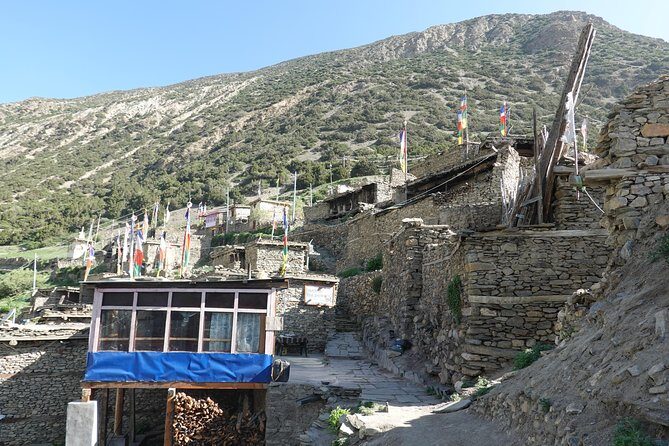
Day 8 keeps ascending with around 4 hours of walking. You’ll pass through Tenki and along the Marshyangdi Valley area northwestern of Jharsang Khola, and the trail description includes juniper trees and mentions a small stream and a village area like Ghunsa Village. Expect a classic trekking feel: steady up-and-down, quiet moments, and enough variation that you don’t only think about altitude.
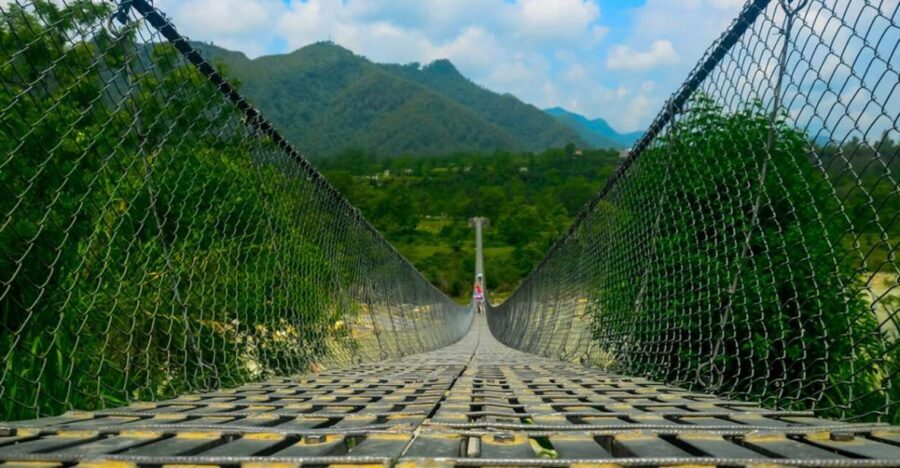
Day 9 is set up for the approach to Thorang Phedi. You’ll wake up, breakfast, then continue with about 4 hours of ascent. The route includes a suspension bridge to reach Lather Village, and then you continue through cliffs to reach Thorang Phedi.
This day is important even if it doesn’t look like the biggest climb on paper. Getting into the correct position before the pass crossing affects your comfort and your ability to sleep and eat properly. If you’ve never done a big pass trek before, take this as your cue: the pre-pass night is part of the challenge.
Crossing Lhorang La (Thorong La) and arriving at Muktinath
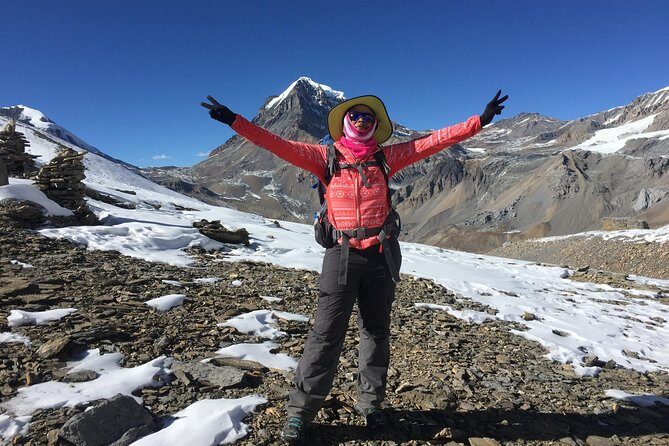
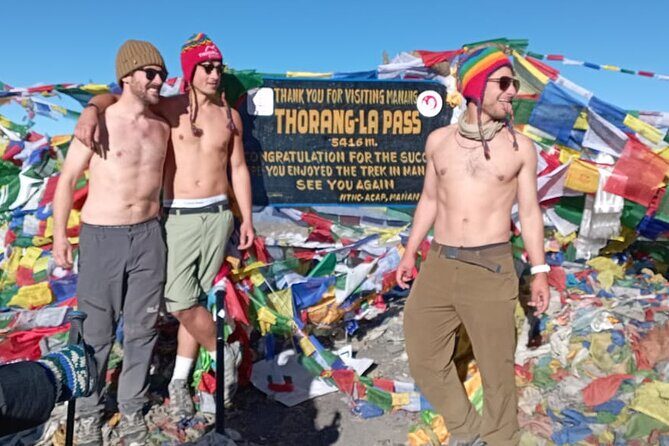
Day 10 is the big one. You’ll cross the highest elevation of the trek, the pass listed at 5,416m, then head toward the western side and down toward Muktinath Temple.
You’re walking for around 8 hours on this day, so you’re not going to treat it like a casual scenic stroll. But the payoff is clear in the structure of the day: the pass is the centerpiece, and the temple arrival gives you a cultural and emotional finish line afterward.
Practical note: at this elevation, how you manage breathing, pacing, and breaks matters more than speed. The value of a guided trek is that you can stop when the group needs to stop, rather than pushing too hard because you’re trying to be the hero.
Muktinath to Pokhara by bus/jeep, then a real rest
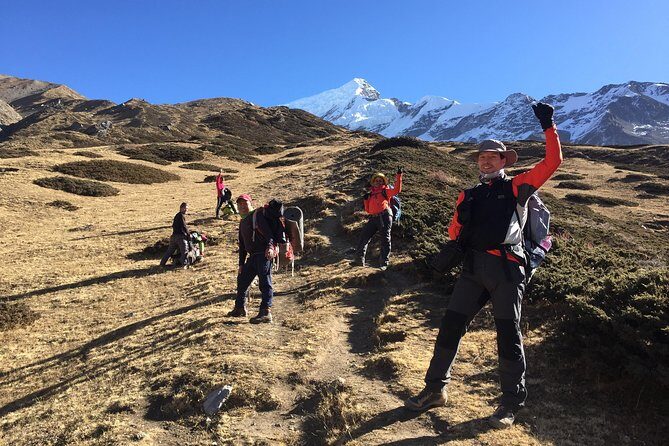
Day 11 switches gears from trekking to transport: the last day includes a bus/jeep drive to Pokhara. It’s listed as about 10 hours from Muktinath to Pokhara city. That long ride is part of the Circuit experience—after a pass day, you want to get to a place where you can eat, shower if available in your downtime, and sleep in a more normal bed.
Day 12 is a rest day in Pokhara. You can explore the Pokhara Valley area yourself, and this is where you can catch up on basic life stuff: buying snacks, doing a slow stroll, and letting your legs cool down.
Day 13 continues back to Kathmandu by tourist bus around 7 hours, with an option to fly from Pokhara to Kathmandu at extra cost if you prefer less time in transit. Then you transfer to your hotel, inclusive breakfast.
Day 14 is departure: drop-off at the international airport.
Price and value: what $1,150 covers (and why it may be worth it)
Let’s talk about money in a way that helps you decide. $1,150 per person for a roughly 14-day trek is not cheap, but the package includes a lot of the items that usually add up when you plan independently.
What you get included:
- One professional trekking guide
- Lodge/tea-house accommodation while trekking (twin sharing)
- Full board while trekking (breakfast, lunch, dinner)
- Pokhara: 2 nights hotel + breakfast
- Kathmandu: 2 nights hotel + breakfast
- Airport and hotel transfers by private vehicle
- Tourist bus transport for long-range ground transfers (Kathmandu to Besishar; Pokhara to Kathmandu)
- Muktinath to Pokhara local bus or jeep
- Trekking permits and area entrance fees
- First aid medicine carried by the local guide
- Trip completion certificate
- If needed: company duffel bag and sleeping bag to use
What that means for your value: you’re paying for planning time you don’t have to spend. You’re also paying to reduce uncertainty on paperwork and permits—often the part that turns an adventurous trip into a stressful one.
Where the value calculation shifts for you: there’s no porter included. That can change the real cost, because you might still choose to hire help on the ground if your pack is heavy. Also, tips are not included, so factor that into your budget mindset. But even with that, the inclusion of meals and permits makes this easier to compare with DIY planning.
Lodges, meals, and the practical side of tea house trekking
This is a guided trek that uses lodges/tea houses while trekking, with twin sharing accommodation included. You’ll have full board meals during the trek: breakfast, lunch, and dinner. The schedule also indicates tea/breakfast as part of the trekking day meal coverage.
Here’s the practical takeaway: with full board included, you can keep your energy steady without constantly making decisions at the end of a long day. At altitude, that matters. It also helps your guide manage pacing and timing across the group.
What is not included:
- alcoholic beverages
- Wi-Fi
- mineral bottle water
- charging
- hot shower during the trek
So come prepared to treat electricity and water as limited commodities, the same way you would in most mountain tea houses.
Fitness, altitude, and how to use the schedule wisely
The trip expects a moderate physical fitness level. That doesn’t mean you need to be an athlete. It does mean you should walk regularly, have strong legs, and know what it feels like to hike for hours.
Altitude is the headline. The pass point is listed at 5,416m, and the itinerary builds in higher elevation progression with time in Manang before the pass approach. That structure is your friend. Use it.
My simple advice for you:
- Plan to move slower than your ego wants on climbing days.
- Treat rest as training, especially the Manang rest day.
- Let the guide set the rhythm on the approach toward Thorang Phedi.
If you ignore acclimatization because you feel good, that’s when altitude starts collecting its bills.
What’s not included, plus the extras you should plan for
This trip covers the major spine of trekking costs, but a few things are on you.
Not included:
- Nepal travel visa
- international flights
- tips to guide (and porter if you arrange one)
- porter for the trek
- lunches and dinners in Kathmandu and Pokhara hotels
- any other extra cost beyond the price inclusion
- items like alcohol, Wi-Fi, mineral water, charging, and hot showers during the trek
Pack-related help: if needed, the company can provide a duffel bag and sleeping bag. That’s useful if you travel light or you’re not sure what to bring.
If you want the best experience, ask yourself one question before booking: Can you comfortably carry what you’ll need for the trekking days without a porter? If the answer is no, you either need to pack lighter or budget for extra help.
Should you book this Annapurna Circuit trek?
Book it if you want:
- a private, guided trek with someone handling permits, entrance fees, and meals
- steady lodging (tea houses/lodges) and hotel nights in Kathmandu and Pokhara
- a schedule that includes a Manang acclimatization rest day before the pass crossing
I’d hesitate if:
- you hate the idea of carrying your own pack (no porter included)
- you’re expecting luxury comforts during the trek (this is tea house style, with several comfort items not listed as included)
- you’re cutting it too close on weather. The experience requires good weather, and poor weather can mean changes to the date.
If you’re a capable walker who wants the mountains without the planning headaches, this is a solid way to do the Annapurna Circuit.
FAQ
How long is the Annapurna Circuit trek on this tour?
The duration is listed as approximately 14 days, including trek days plus transport and hotel time in Kathmandu and Pokhara.
Does the price include trekking permits and area entrance fees?
Yes. Trekking permits and area entrance fees are included in the tour price.
Are meals included while trekking?
Yes. While trekking, you get full board meals, including breakfast, lunch, and dinner.
Is there a porter included for the trek?
No. A porter for the trek is not included.
What are the included hotel nights in Kathmandu and Pokhara?
You get 2 nights in Pokhara city and 2 nights in Kathmandu city, with breakfast included for both.
What is the highest point on the trek?
The highest elevation on the trek is listed as Lhorang La Pass at 5,416 m.