REVIEW · KATHMANDU
25 Days 300 Hours Advanced Yoga Teacher Training in Nepal
Book on Viator →Operated by Nepal Yoga Home · Bookable on Viator
Yoga training can also feel like home. This 25-day 300-hour advanced teacher training in Kathmandu blends tradition and modern structure with a calm, close-knit atmosphere. I also like that you’re not just doing postures—you’re studying alignment, anatomy, and philosophy in an advanced-focused way.
I like the teaching style: a mix of traditional yogic texts and modern practice, taught by experienced instructors in a peaceful environment. That home-like vibe shows up in the way staff support you like family, and the school name people mentioned includes Tirtha and Shanti.
One consideration before you commit: the schedule is packed—typically 7am to 7pm, six days a week, and you should have at least moderate physical fitness. If you’re hoping for a gentle retreat pace, this will feel more like serious training than lounging.
In This Review
- Key Highlights You’ll Actually Feel
- Kathmandu-Based Training With a Real Teacher-Focus (Not Just Vibes)
- The 25-Day Schedule: 7am to 7pm, 6 Days a Week
- What You Learn: Asana Progressions That Go Beyond Basics
- Breath, Meditation, Philosophy: The Advanced Mind Training
- Anatomy and Alignment: Where Advanced Teachers Get Precise
- The “Traditional + Modern” Teaching Mix
- Food and Facilities: Simple, Healthy, and Actually Useful
- Staff Support and Ongoing Guidance After Training
- Group Size: 30 Max Makes a Difference
- Price and Value: How $2,500 Maps to the Real Cost of 300 Hours
- Who This Training Is For (and Who Should Think Twice)
- Planning Tips for Kathmandu Yoga Teacher Training
- Should You Book Nepal Yoga Home’s 300-Hour Advanced YTT?
- FAQ
- Where does the 300-hour training take place?
- How long is the training?
- What time does the training start each day?
- What does a typical training day look like?
- Who is this course suited for?
- What yoga topics are included?
- Is the training accredited or certified?
- What is included in the price?
- What is not included?
- Can I cancel for a full refund?
Key Highlights You’ll Actually Feel
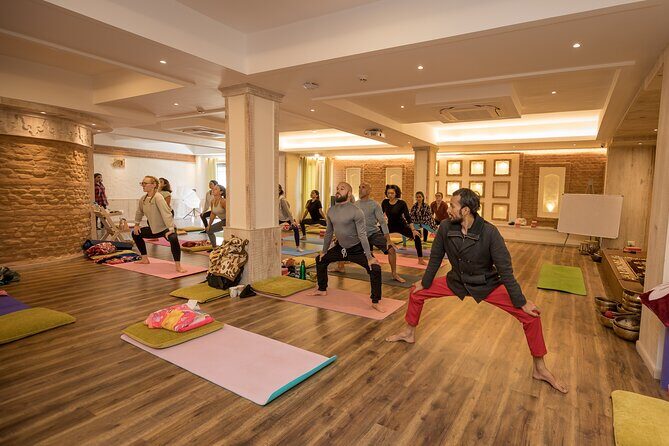
- 300 accredited hours built for intermediate and advanced practice growth, not entry-level basics
- Daily 7am–7pm rhythm (except Sunday) with 5–6 classes each day
- Teacher depth: asana plus pranayama, meditation, anatomy, and alignment
- Home-like, family-style support, including ongoing help after completion
- Healthy fresh meals included: breakfast, lunch, and dinner
- Small group size with a maximum of 30 travelers for more personal attention
Kathmandu-Based Training With a Real Teacher-Focus (Not Just Vibes)

If you want a yoga training that takes the teacher track seriously, Nepal Yoga Home’s advanced 300-hour program is built around that idea. You’re in Kathmandu, based at Nepal Yoga Home in Tarkeshwor-5, and the training runs about 25 days, with the school running the course monthly.
The big draw for me is that it’s not positioned as a weekend “try yoga teaching” course. It’s 300 hours of instruction designed to bring you to a stronger advanced level, with a structure that hits your body, your breath, and your mind.
Also, the school describes a friendly, peaceful environment with comfort-focused accommodation and staff who handle things like a family setup. Several students talk about warmth on arrival and ongoing care, which matters when you’re spending weeks in intense study mode.
You can also read our reviews of more tours and experiences in Kathmandu.



The 25-Day Schedule: 7am to 7pm, 6 Days a Week
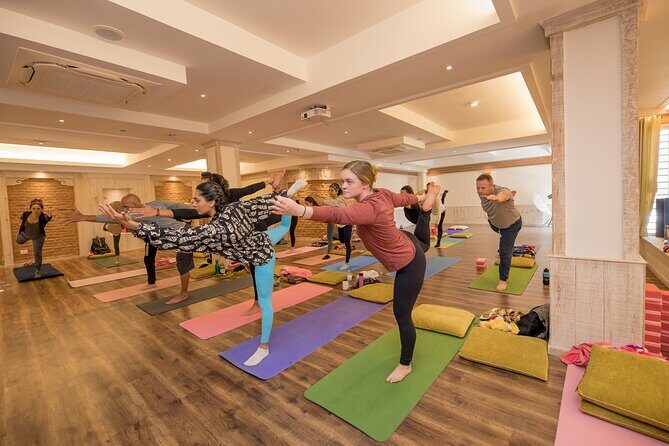
Here’s what your days look like on paper. Training runs from 7:00am to 7:00pm, six days a week, with Sunday being lighter (about a 6-day training week overall). Within that window, you can expect 5–6 classes each day.
Why this matters for you: advanced teacher training isn’t only about learning moves. It’s about building repetition, instruction skill, and body awareness under real time pressure. A packed day schedule helps you practice teaching and corrections repeatedly, rather than spacing everything out and losing momentum.
The course ends back at the meeting point, so you’re not shuttling all over town each day. You’ll wake up, train, and return to the same base, which keeps your energy focused. If you like structure, this kind of routine is a strong fit.
What You Learn: Asana Progressions That Go Beyond Basics
This is an intermediate-to-advanced YTT. The course states that you’ll learn asana across advanced levels, not just foundational sequences. That’s important because advanced teachers need more than flexibility—they need teaching clarity, safe variations, and the ability to explain what’s happening in the body.
You’ll also get time for theory and practice of “every single part of yoga” as the program describes it. In plain terms: you’re meant to understand how postures connect to breath, attention, and internal alignment—not treat them like isolated skills.
If you already practice regularly and you want to tighten mechanics (and teaching ability), this is aimed at you. If you’re still figuring out basic alignment and you’re not sure how you respond under intensity, you may find the pace challenging.
Breath, Meditation, Philosophy: The Advanced Mind Training
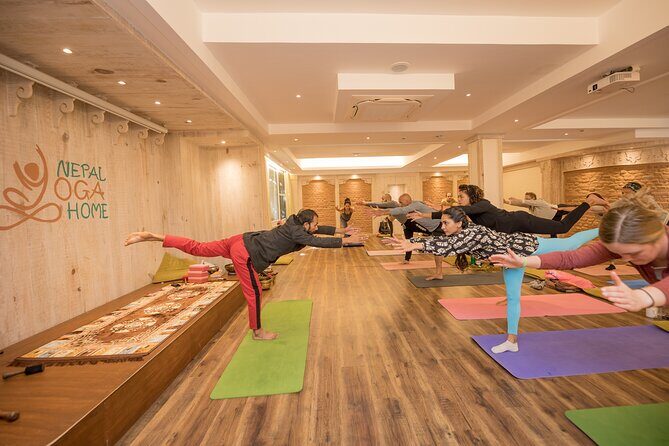
A lot of teacher trainings give you one breath practice and call it a day. This one explicitly includes breathing practices (pranayama) and meditation as central parts of the curriculum. It also includes yoga philosophy.
That combo is what separates a stronger teacher from a performer. Breath training helps you teach how to regulate effort and attention. Meditation helps you coach students through mental patterns, not only muscle patterns. Philosophy gives you the language and framework behind the practices.
One of the course claims that stands out is learning discipline and control over mind and emotion. I’d read that as: you’re training awareness and steadiness as part of the curriculum, not treating spirituality as an add-on. Some students describe it as transformative in how they relate to themselves and handle emotional challenges after training.
Anatomy and Alignment: Where Advanced Teachers Get Precise

This training doesn’t skip the technical side. It includes anatomy and alignment, which is a big deal for advanced practice. When you teach advanced students—or you want to teach safely—you need a grounded understanding of how joints, muscles, and movement patterns work.
Alignment instruction is especially important if you plan to teach in a modern studio environment where students push ranges and chase shapes. The course’s emphasis on anatomy and alignment suggests you’ll learn to explain postures with more accuracy and more care.
Also, the training blends traditional and modern styles. That matters because you get ancient grounding (the texts as a base) while still learning in a way that fits modern teaching expectations.





The “Traditional + Modern” Teaching Mix
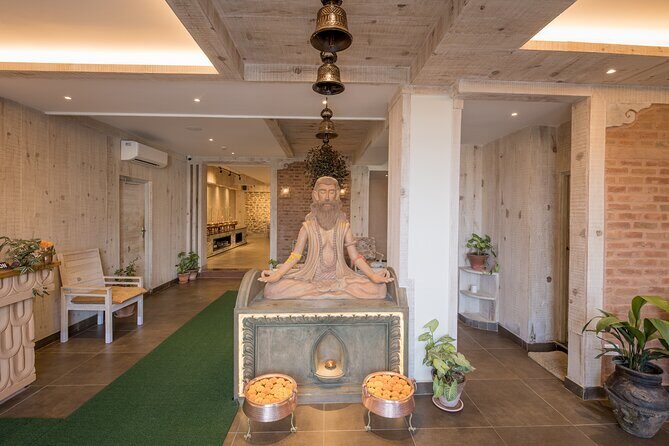
The program describes itself as a mixture of traditional and modern yoga styles, based on ancient yogic texts. In practice, that usually means you don’t just memorize a sequence. You’re asked to understand the “why” behind the practice, then apply it with practical teaching skills.
I like this approach because it gives your teaching more flexibility. You can adapt your classes without feeling like you’re abandoning tradition. And if you later decide to specialize, you’ll have a base that isn’t purely physical.
Food and Facilities: Simple, Healthy, and Actually Useful
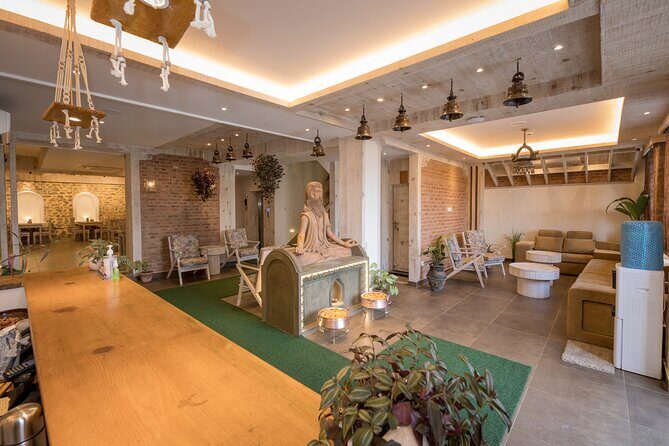
The training includes meals: breakfast, lunch, and dinner. The course description calls the food healthy and fresh, and that shows up in reviews as a repeated positive.
In a program with 7am–7pm training days, meals stop being a small detail. You need fuel that doesn’t wreck your digestion or energy mid-day. Having meals included also removes a daily planning headache, so you can stay in study mode instead of thinking about where to eat.
Accommodation is also highlighted as comfortable, with some students staying in a newer building. Several comments mention the school setup as well kept, plus the pleasant feeling of being cared for. One review even notes mountain views, which is the kind of quiet bonus that makes daily routines feel less repetitive.
Staff Support and Ongoing Guidance After Training
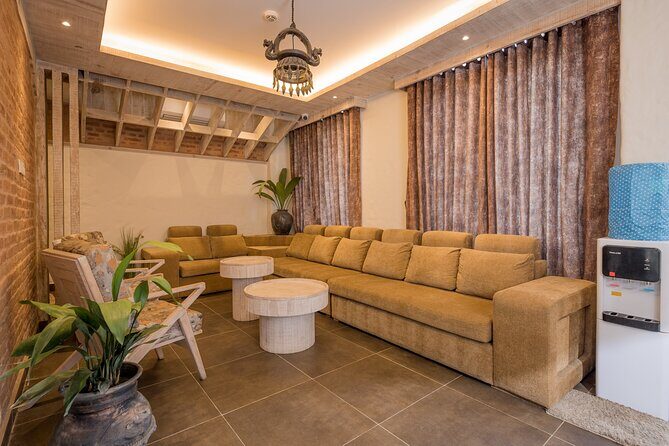
A standout theme in the information and feedback is personal care and a “like part of family” feel. That kind of support matters when you’re learning to teach, because you’ll have questions about safety, modifications, and how to structure instruction.
The course also states that teachers help you even after completion. I take that seriously because teaching skills often need a second look once you start using them in real classes. Knowing you can get guidance later can help you refine your approach instead of guessing.
Group Size: 30 Max Makes a Difference
Your group size is capped at 30 travelers. For a 300-hour advanced teacher training, that’s not tiny, but it’s small enough to create community and still allow individualized feedback at key moments.
This matters for you if you learn best with corrections. It also helps socially—many students describe connecting with other trainees in a meaningful way, and a month-long schedule naturally builds relationships.
Price and Value: How $2,500 Maps to the Real Cost of 300 Hours
At $2,500 per person, this training is not cheap. But if you break it down, the value depends on what you’re actually buying: time, teaching hours, meals, and a complete training environment in Kathmandu.
You’re getting admission plus all fees and taxes, along with breakfast, lunch, and dinner. The program also includes the core curriculum areas you’d want for advanced teacher readiness: asana, pranayama, meditation, philosophy, anatomy, and alignment.
Where the “value” question matters most is fit. If you’re an intermediate or advanced practitioner who wants to become a stronger teacher with clear alignment and teaching logic, this price looks more like paying for depth and structure. If you’re still building foundational practice basics, you might get less out of the intensity for the money.
Who This Training Is For (and Who Should Think Twice)
This program is clearly aimed at people who are at least intermediate and moving into advanced practice. The course also specifies that you should have moderate physical fitness.
You’ll probably love it if you:
- Want advanced asana training that includes alignment and anatomy
- Like structured daily schedules and multiple classes per day
- Want a teaching-focused environment, not just personal practice
- Appreciate a supportive, friendly atmosphere
You should think twice if you:
- Need a low-intensity retreat pace
- Struggle with long training days (7am–7pm, six days a week)
- Want lots of free time for exploring every day (this is training-centered)
Planning Tips for Kathmandu Yoga Teacher Training
Because the program is based at Nepal Yoga Home and starts around 7:15am, plan your mornings around being ready early. You’ll want a simple travel wardrobe for sweat, laundry limitations (laundry isn’t included), and multiple daily sessions.
The experience also notes it requires good weather. Even though the schedule isn’t described as an outdoor hike, weather can affect comfort and daily movement in Kathmandu. If you’re traveling in a season where weather is unpredictable, keep buffer time in mind.
One more practical point: the meeting point is at Nepal Yoga Home itself, and the experience ends back there. That means you can plan a calm arrival and departure without complicated last-day logistics.
Should You Book Nepal Yoga Home’s 300-Hour Advanced YTT?
I’d say yes if your goal is advanced teaching readiness with real structure. The combination of asanas at advanced levels, plus pranayama, meditation, philosophy, anatomy, and alignment, is a strong match for people who want both spiritual grounding and teaching precision.
I’d say think hard before booking if you want a gentle retreat. The schedule is long, and the course is aimed at intermediate and advanced practitioners with moderate physical fitness. If that fits your current level and your expectations, this training’s “work hard + support you” vibe is exactly what you’re looking for.
If you’re deciding between options, look closely at how the curriculum emphasizes anatomy and alignment—and how the school supports you after the course. Those are the parts that can keep your teaching from stalling after you go home.
FAQ
Where does the 300-hour training take place?
It takes place at Nepal Yoga Home, Tarkeshwor-5, Kathmandu 44600, Nepal.
How long is the training?
It runs for about 25 days (approx.).
What time does the training start each day?
The start time is listed as 7:15 am.
What does a typical training day look like?
You’ll be engaged from 7:00 am to 7:00 pm, six days a week, with Sunday being the lighter day overall. You can expect 5–6 classes each day.
Who is this course suited for?
It’s suitable for intermediate and advanced level practitioners who want to improve their practice and teaching skills. Moderate physical fitness is recommended.
What yoga topics are included?
The program includes asana (intermediate to advanced), breathing practices (pranayama), meditation, yoga philosophy, anatomy, and alignment.
Is the training accredited or certified?
It’s described as a 300 hours Accredited YTT, and Nepal Yoga Home provides Yoga Alliance certified yoga teacher training courses.
What is included in the price?
Admission to Nepal Yoga Home, all fees and taxes, and meals—breakfast, lunch, and dinner.
What is not included?
Food of your personal interest, international and domestic flights, and laundry.
Can I cancel for a full refund?
Yes—there is free cancellation. You can cancel up to 24 hours in advance for a full refund.