REVIEW · POKHARA
Poon Hill Trek – 04 Days
Book on Viator →Operated by Adventure Vision Treks and Travels · Bookable on Viator
Sunrise in the Himalayas, in four days. This Poon Hill trek from Pokhara works because it’s short enough to feel doable, yet organized enough that you spend your energy on walking and taking in the Annapurna sunrise view from Poon Hill. I especially liked the Pokhara pickup-and-transport setup and the tea-house meals that keep you fueled without extra planning. One consideration: the route can feel tough for brand-new trekkers, especially on the stairs and steep bits, even though it’s marketed as beginner-friendly.
I went into this expecting a simple intro hike, and what surprised me was how much your guide’s approach affects the whole experience. In the best runs of this trek, your coordinator (Jiban) and your on-trail guide (like Bishow, in one set of experiences) make sure you’re safe, comfortable, and moving at a pace that fits your legs—not someone else’s ego.
In This Review
- Key Things That Make This Poon Hill Trek Worth Your Time
- Pokhara to the Trails: Why This 4-Day Trek Feels Like the Right Size
- Day 1: Nayapol to Tikhedhunga (A Warm-Up Hike, Not a Wall of Pain)
- Day 2: Toward Poon Hill (Where Your Legs Start Thinking About Sunrise)
- Day 3: Poon Hill Sunrise, Then Ghandruk Village (Big Views, Then Real Culture Time)
- The sunrise payoff is the main event
- Ghandruk village is your decompression day
- Day 4: Nayapool Back to Pokhara (Finish Strong, Not Exhausted)
- What Your Guide Changes: Safety, Patience, and Staying on Pace
- Meals and Lodging: Tea Houses That Keep the Trek Comfortable
- Price and Value: What $230 Buys You (and What It Doesn’t)
- When to Go: Monsoon Warnings and Clear-View Timing
- Who This Trek Fits Best (Beginner-Friendly, With Real Effort)
- Practical Tips That Make the Trek Smoother
- Should You Book This Poon Hill Trek?
- FAQ
- Where does this trek start and how do you get to the trail?
- How long is the Poon Hill trek?
- What kind of accommodation and meals are included?
- Is there a guide, and is the guide English-speaking?
- What about weather—can you trek year-round?
- Is this trek private?
- Final Decision: My Take
Key Things That Make This Poon Hill Trek Worth Your Time
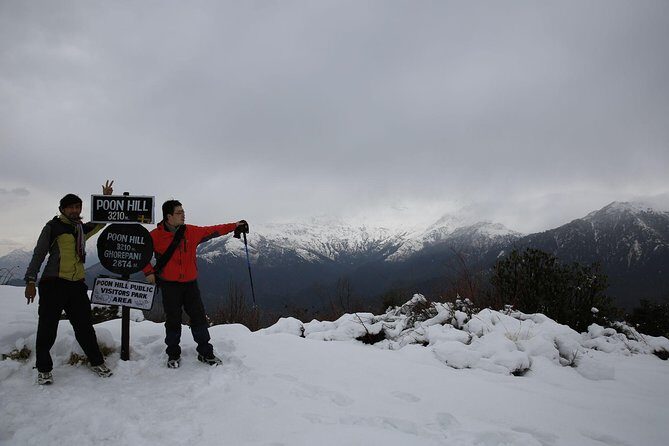
- Hotel-to-trail transport is built in with an air-conditioned vehicle to reduce the stress of Pokhara logistics.
- A local English-speaking trekking guide means you’re not guessing your way through lodging choices and meal stops.
- Poon Hill sunrise is the headline—the reason most people do this short trek in the first place.
- Ghandruk village is a great “real Nepal” contrast after days of walking through tea-house rhythm.
- The pace is flexible in practice, with guides known to keep a close eye on slower hikers in the group.
- Simple but satisfying food and stays (tea houses and Ghandruk accommodation) keep the trek comfortable for a first timer.
Pokhara to the Trails: Why This 4-Day Trek Feels Like the Right Size
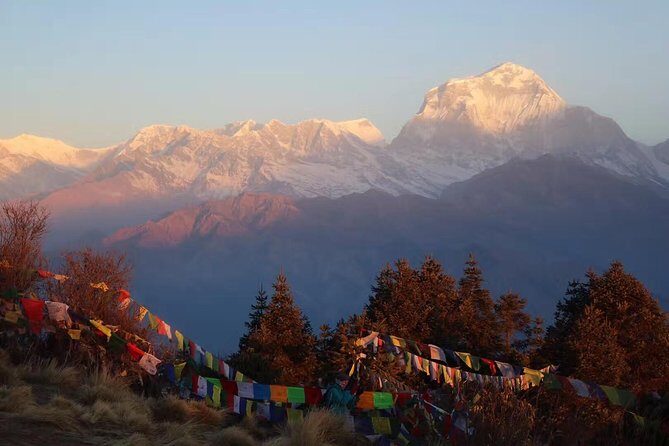
The Poon Hill trek is famous for a reason. It gives you that classic Annapurna-region feeling—morning cold, mountain air, and the payoff of big views—without a long, weeks-long schedule. Over four days, you get enough time to actually absorb the rhythm: walk, rest, eat, repeat.
This version is also built around a slower pace of life trekking idea. That matters more than people think. On a short trek, you can easily waste energy on over-fast walking and then feel wiped out by day two. Here, you’re guided by an English-speaking trekking guide and the day structure is designed to keep you moving steadily.
Another “hidden” value is how much the trek handles for you. Between transport from Pokhara and organized lodging, you’re not spending your limited vacation time on phone calls, haggling for rooms, or trying to figure out where meals will be. If you’re new to Nepal trekking, that alone can be the difference between enjoying the mountains and just surviving your itinerary.
You can also read our reviews of more hiking tours in Pokhara
Day 1: Nayapol to Tikhedhunga (A Warm-Up Hike, Not a Wall of Pain)
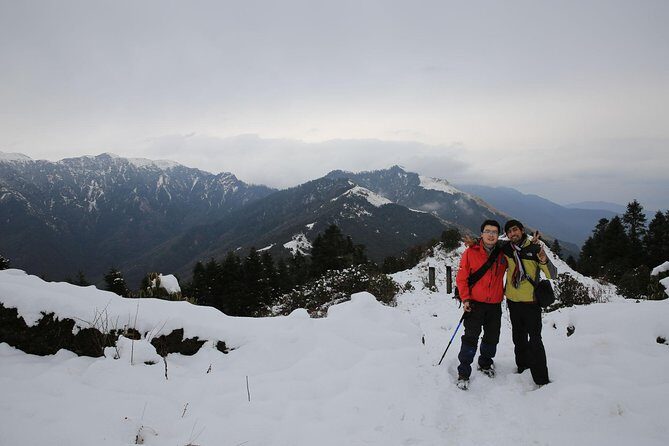
Your trek starts from Pokhara with private vehicle transport up to Nayapol. Then it’s a hike of about 4 to 5 hours to Tikhedhunga, where you’ll sleep in a tea house.
Why day one is smart: Tikhedhunga is a classic first step on this kind of route. You get time on your feet and a chance to find your breathing pattern before committing to the bigger viewpoint day. Also, arriving at a tea house with everything arranged means you can focus on recovery—hot food, a shower if available, and early sleep if you’re the type who needs it.
The only drawback on day one is mental, not physical. If you’re expecting a gentle stroll, the first steep sections can still take you by surprise. You’ll feel it most if you jump out too fast. The fix is simple: start slower than you think you need. Your guide can help you set that pace, especially if you’re carrying less trekking confidence.
Day 2: Toward Poon Hill (Where Your Legs Start Thinking About Sunrise)
Day two is all about trekking forward to Poon Hill area, with an overnight stop there.
This is a key day because it positions you close enough to catch the famous viewpoint early enough on day three. In practice, it also affects your mood. By the time you’re spending the night near the Poon Hill area, you know the sunrise plan is real, not just “a nice idea.”
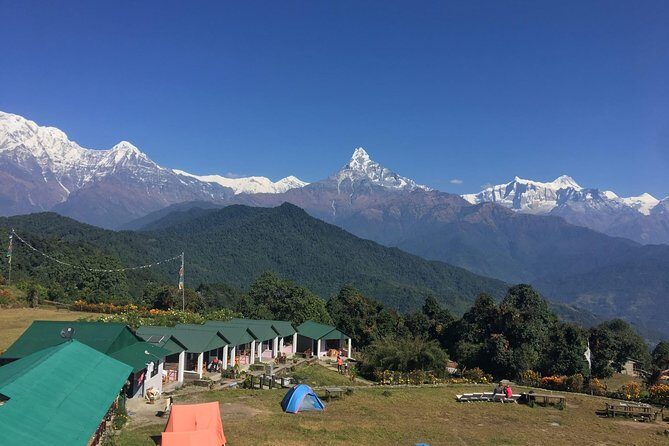
You’ll likely pass through sections of rhododendron forests along the way—one of the trek’s known seasonal charms. Even if you don’t catch full bloom, the forest walking can give you shade and a cooler mental break from pure ridge views.
If you’re a beginner, the biggest thing to prepare for is that “short trek” does not mean “easy trek.” This route has stairs and steep turns. A good guide helps you manage that without turning the day into a grind.
Day 3: Poon Hill Sunrise, Then Ghandruk Village (Big Views, Then Real Culture Time)
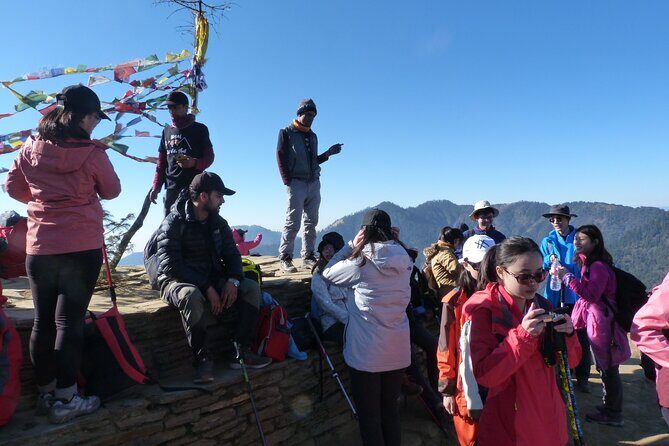
Morning starts early with a visit to Poon Hill for sunrise. After breakfast, you trek onward to Ghandruk village for your overnight stay.
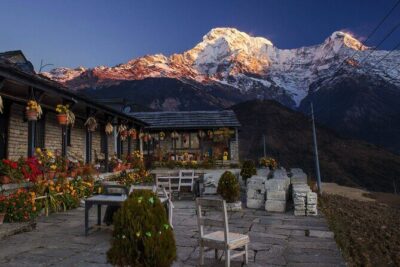
This is the best combination of the whole itinerary: you get the one time in the day that feels magical—sunrise over the Annapurna region—then you shift into village life. That contrast is what makes the trek feel like more than just walking to a picture.
The sunrise payoff is the main event
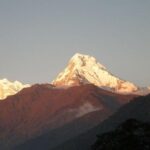
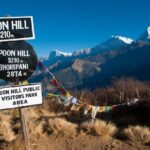
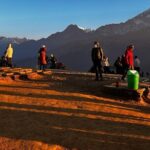
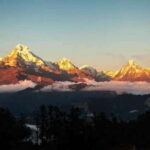
Poon Hill sunrise is exactly what you think it is: cold air, changing light, and the Annapurna sunrise view that puts this trek on almost everyone’s shortlist. One practical tip: go to sunrise with patience and layers. It’s not just about being there—it’s about waiting comfortably for the show to start.


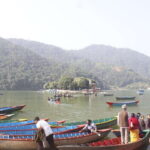
Ghandruk village is your decompression day
Once sunrise is done, Ghandruk village becomes the slower, warmer part of the story. You’re transitioning from viewpoint trekking to community trekking. It’s a good place to regroup, eat well, and take in the small-scale texture of Nepal life at mountain altitude.
Also, the lodging experience here matters. In multiple experiences connected to this trek, people described the rooms as decent and the meals as hearty—especially dal. That’s not glamorous, but it’s exactly what you want when your body is running on calories and altitude breathing.
Day 4: Nayapool Back to Pokhara (Finish Strong, Not Exhausted)
On day four, you trek down to Nayapool and then drive back to Pokhara.
This day is all about timing. You want to end the trek feeling like you completed something, not like you got hit by a surprise leg penalty. Since the transport from Nayapool back to Pokhara is organized, you don’t need to figure out schedules or negotiate rides right after your final steps.
If you plan to do anything right after—like a relaxed lakeside dinner in Pokhara—day four is a good buffer day. You’re not forced to sprint into a new activity. You can just land, shower, and let your body recover.
What Your Guide Changes: Safety, Patience, and Staying on Pace
This trek shines when the guide experience is strong. And in the best examples shared, guides were described as professional, caring, and watchful.
Two names come up clearly: Jiban as the coordinator who kept everything moving and Bishow as a guide who helped hikers feel safe and confident. There’s a big difference between having someone who knows the route and having someone who knows the people on the route. The reports emphasize that the guide went at the hiker’s pace and picked good lodging and food stops.
This matters for real-life trekking:
- If you’re slower, you don’t get left behind in a way that makes you anxious.
- If you’re new to stairs and steep sections, you get encouragement rather than pressure.
- If you’re unsure where to sleep or what to eat, your guide handles it.
So here’s my practical advice: treat your guide as a tool. Tell them honestly how you’re feeling early in the trek. If you need breaks, ask for them. A good guide can adjust the rhythm without turning the day into chaos.
Meals and Lodging: Tea Houses That Keep the Trek Comfortable
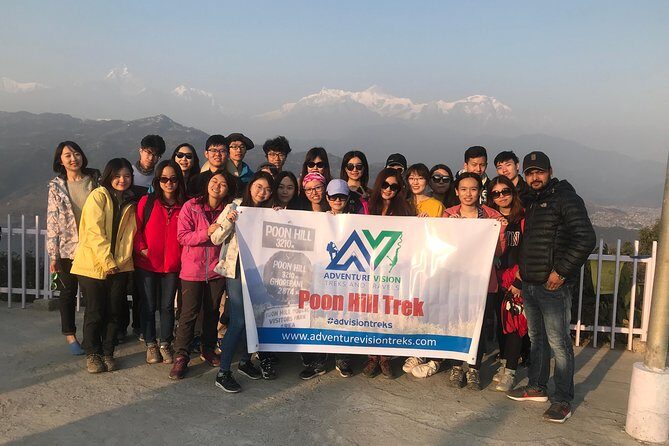
This trek includes three nights of accommodation and all meals: breakfast, lunch, and dinner.
On a short route, meal quality is not a luxury. It’s the engine. You walk for hours, you lose warmth, and you need steady fuel. The tea-house setup usually means simple meals done well—hot, filling, and reliable enough that you’re not constantly hunting options.
In one set of experiences, people specifically praised hearty, satisfying meals like dal. That’s the kind of compliment that tells you the food matched the reality of trekking life: salty, warm, and comforting when you’re tired.
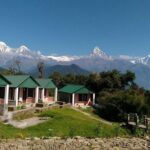
Lodging is split between tea houses on the trek and an eco lodge-style stay in Ghandruk. One practical point: “comfortable” here usually means clean and decent rather than luxury. But if you’re trekking for the views and not for five-star amenities, that’s a good trade.
Price and Value: What $230 Buys You (and What It Doesn’t)
At $230 for 4 days, you’re paying for a guided, organized trekking package—not just a route. Based on what’s included, your cost covers:
- English-speaking trekking guide
- government and local taxes
- 3 nights accommodation
- breakfast, lunch, and dinner
- air-conditioned vehicle transport
That’s solid value if you’re new to Nepal trekking because logistics cost time and stress. You’re also paying for local decision-making—where to sleep, when to eat, and how to keep the schedule working.
What’s not included is equally important:
- personal expenses
- drinks and beverages
- insurance cost
- international airfare
So if you’re budgeting, plan extra for beverages and any snacks you want beyond the included meals. Also, don’t ignore insurance. Even on shorter treks, you’re still in mountainous terrain where plans can change quickly.
When to Go: Monsoon Warnings and Clear-View Timing
This trek can be done throughout the year, but monsoon season is not recommended. The reason is straightforward: mountain views aren’t as clear, and trails are more difficult due to rain.
If you want the classic Poon Hill experience—sunrise views and clear ridgelines—avoid heavy monsoon months. If you only have monsoon timing, you’ll want extra caution and experience with rainy hill conditions. The trek’s guidance is clear that walking becomes harder then, and visibility takes a hit.
In winter, people have reported enjoying the trek during vacation periods, which suggests cold-weather trekking can still work well for many schedules—just plan for chilly mornings around sunrise.
Who This Trek Fits Best (Beginner-Friendly, With Real Effort)
This is one of the most popular short treks in Nepal for a reason. It’s designed for beginner hikers who want the mountains without a long commitment.
Still, don’t let the word short trick you. One key point from experience reports: the Poon Hill route can feel challenging for beginners, especially with stairs and steep sections. The saving grace is that a professional guide team can make it manageable through patience, pace control, and supportive guidance.
So I’d say this trek fits best if you:
- want to try trekking in Nepal without going for 10+ days
- care about sunrise views and village culture in one trip
- like having someone handle key decisions for you
- are okay with early starts and a workout vibe
It’s not the best match if you’re looking for a flat, easy walk all the way. You’ll climb, you’ll descend, and your legs will remember it.
Practical Tips That Make the Trek Smoother
You’ll get the best experience if you show up ready for trekking reality. I’d plan around three things:
Start slower than you feel you can. Most people go too fast in the beginning. That’s how you end up miserable by mid-trek.
Bring layers for early mornings. Sunrise time can be cold, and you’ll likely wait for light to hit the mountains.
Listen to your guide about pace. The strongest reports highlight that guides stayed attentive and adjusted to physical condition. Use that advantage.
If you’re the type who likes packing lists, focus on comfort over gear fantasies. The trek includes food and core logistics, so spend your effort on clothing and footwear that lets you walk confidently on uneven paths.
Should You Book This Poon Hill Trek?
Book it if you want a high-reward, short Nepal trek with organized support. The combination of pickup-ready transport from Pokhara, a real local guide, meals included, and the Poon Hill sunrise payoff is a very practical path for beginners. I also like that this trek balances effort with a chance to enjoy village life in Ghandruk, not just viewpoint chasing.
Skip or rethink it if you’re hoping for an easy stroll, or if you’re set on monsoon timing without the reality of low visibility and harder trail conditions. In general, if you can handle early mornings and some climbing, this trek is a great way to taste the Annapurna region without turning your trip into a marathon.
FAQ
Where does this trek start and how do you get to the trail?
The trek starts in Pokhara. You’ll take a private vehicle up to Nayapol before hiking on day 1. On the last day, you trek to Nayapool and then drive back to Pokhara.
How long is the Poon Hill trek?
It’s a 4-day trek (approx.).
What kind of accommodation and meals are included?
You get 3 nights accommodation and all meals: breakfast, lunch, and dinner.
Is there a guide, and is the guide English-speaking?
Yes. An English-speaking trekking guide is included.
What about weather—can you trek year-round?
Poon Hill trekking can be performed throughout the year. Monsoon season is not suggested because the mountains may not be clearly visible and trails are more difficult. Experienced hikers who can handle rainy conditions may choose monsoon timing.
Is this trek private?
Yes. It’s described as a private tour/activity, meaning only your group will participate.
Final Decision: My Take
If you want one of Nepal’s most famous short treks, this is the right format: organized transport, a guide who helps you stay confident, included meals, and sunrise at Poon Hill as the big event. Just go in with realistic expectations about stairs and steep bits, especially as a beginner—and you’ll come out with a story that feels bigger than four days.