REVIEW · POKHARA
Annapurna Panorama trek
Book on Viator →Operated by Mountain Mart Treks Expedition · Bookable on Viator
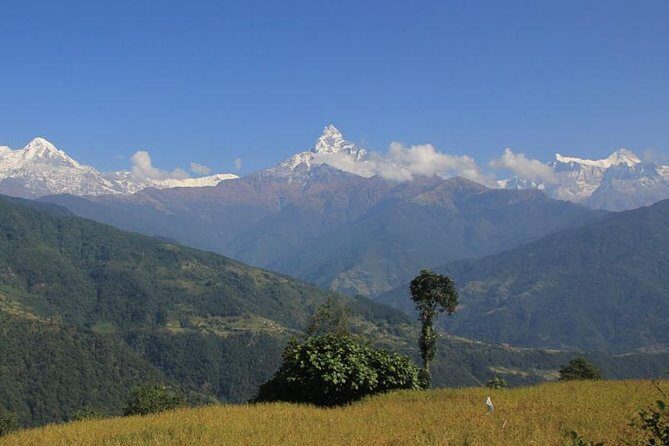
The Annapurna views arrive on schedule. I like the private trek pace and the fact that TIMS and Annapurna permits are handled for you, so the focus stays on the walking and the big mountain moments.
You’ll be in good hands with a registered guide and a porter team, plus meals and comfy trekking lodges along the way. One drawback: the trip is built around long drive days, and hot showers are not part of the trek package.
In This Review
- Key Things That Make This Trek Work
- Annapurna Panorama in Plain Terms: What You’re Actually Buying
- The Trek Difficulty: Moderate Means You Still Need Stamina
- Kathmandu Warm-Up Day: Thamel and World Heritage Temple Stops
- Pokhara Reset: Lakeside Nights and a Drive Along the Trishuli River
- Day 4: Nayapul to Tikhedhunga and Ulleri, With Those Famous Steps
- Day 5: Rhododendron and Oak Forest to Ghorepani (Upper Deurali)
- Day 6: Poon Hill Sunrise, Then Tadapani’s Change of Pace
- Day 7: Tadapani to Ghandruk, Village Time Without the Hard Sell
- Day 8: Ghandruk to Pothana via Landrung and Red-Mud Trails
- Day 9: Pothana to Phedi, Then the Return to Pokhara
- Day 10–11: Back to Kathmandu, Farewell Dinner, and Departure
- Guide Quality and Porter Support: The Real Difference on This Route
- Price and Value: Why $1,045 Can Make Sense Here
- What’s Missing: Things You Should Plan for Before You Go
- Packing and Borrowing: How to Travel Lighter on This Route
- Is This the Right Trek for You?
- Should You Book This Annapurna Panorama Trek?
- FAQ
- How many days do you spend trekking on the Annapurna Panorama route?
- What permits and paperwork are included?
- What trekking gear is included or available to borrow?
- Is the trek private, and how are guides and porters handled?
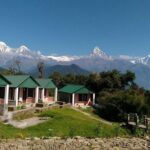
- What kind of accommodation do you get during the trek?
- Are hot showers and Wi-Fi included?
Key Things That Make This Trek Work
- Private, not DIY: guided route planning means you’re not charting trails or second-guessing turns
- Permits handled: includes the Annapurna Conservation Permit and TIMS paperwork
- Gear support included: you can borrow a down jacket, hiking poles, and a sleeping bag if you need them
- Real recovery time built in: six trekking days plus sightseeing so you don’t feel rushed
- Food and lodge setup included: full meals and mountain accommodation in private rooms with shared toilets
Annapurna Panorama in Plain Terms: What You’re Actually Buying
This Annapurna Panorama trek is basically a smarter, more relaxed sibling of the popular Poon Hill trek. You still get the famous high viewpoints, but the schedule stretches out into a longer walking arc, with village stops and classic mountain lodge nights.
You’re not doing this solo. You’re paying for a system: permits, guide, porters, meals, and the on-the-ground logistics that normally eat up time and energy when you plan yourself.
The price is $1,045 per person, which sounds steep until you look at what’s included: trekking permits and paperwork, private transport in Nepal for key legs, full trekking meals and snacks, lodge accommodations during the trek, and a guide/porter team. If you’d otherwise have to hire a guide, sort permits, arrange transfers, and line up lodging, the math starts to make sense.
You can also read our reviews of more hiking tours in Pokhara
The Trek Difficulty: Moderate Means You Still Need Stamina
This is described as moderately challenging, and the itinerary supports that. You’re trekking on foot for about six days, with several days in the 3 to 7 hour range, and at least one stretch built around stone stair climbs.
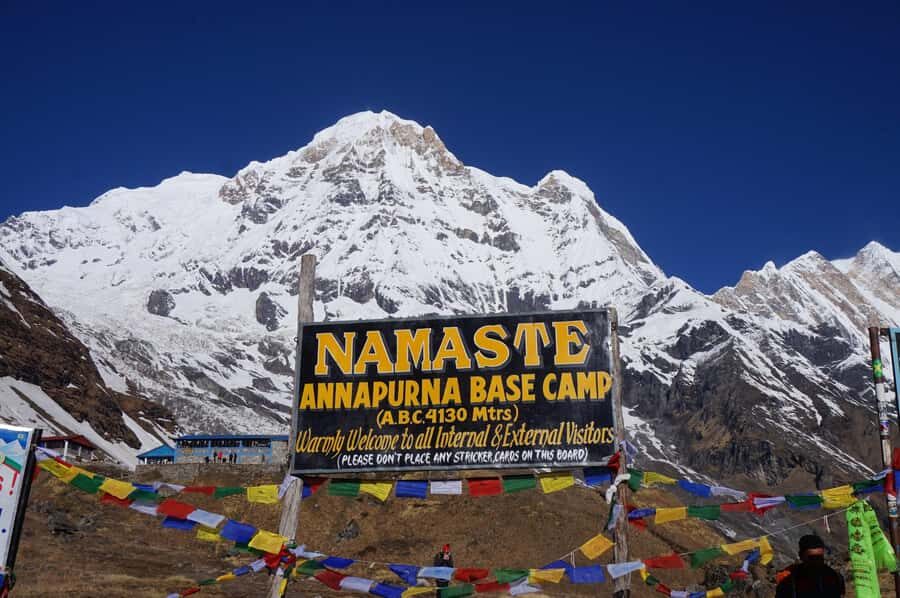
Altitude is part of the deal, but it’s not the extreme end of the Annapurna region. Your highest named point is Poon Hill at 3,210m, and you’ll also spend time at elevations like Ghorepani (around 2,850m) and Tadapani (around 2,520m). You’ll want to move steadily, hydrate, and take the short acclimatization pacing seriously.
The private setup helps here. When you’re with your own group, you can keep a consistent rhythm with your guide rather than getting dragged along by mixed-speed day hikers.
Kathmandu Warm-Up Day: Thamel and World Heritage Temple Stops
Day 1 begins with an easy arrival in Kathmandu at about 1,300m, followed by a stroll through Thamel. This matters because it’s one of the simplest ways to shake off the travel day without overplanning.
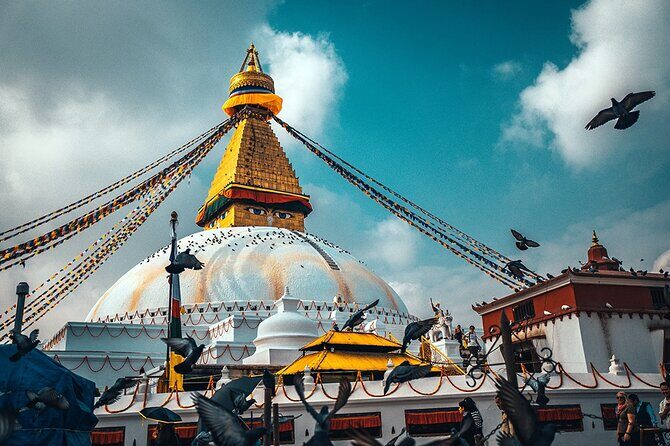
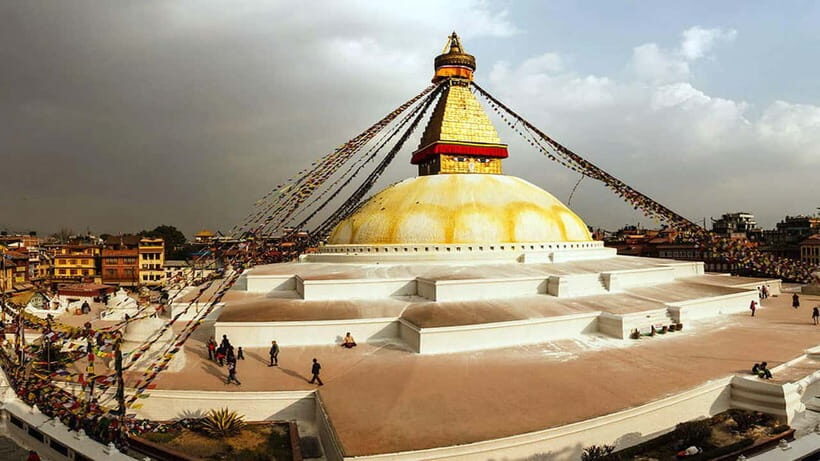
Day 2 is a full Kathmandu heritage day by private transport. You’ll visit major highlights including Pashupatinath Temple, Bodhanath Stupa, Patan Durbar Square, and also areas around Kathmandu Durbar Square and Swayambhunath Stupa. It’s a lot of stops in one day, but having private transport helps keep it from turning into a stressful hop-and-pray logistics game.
Also, Kathmandu gives you a useful contrast before the mountain walking. Temples and courtyards teach you the Nepal rhythm: calm, busy, and layered, all at the same time.
Pokhara Reset: Lakeside Nights and a Drive Along the Trishuli River
On Day 3, you drive from Kathmandu to Pokhara, about 5–6 hours, following the Trishuli River. That route is a great “transition day” because you’re moving out of the city, changing altitude, and getting your body ready for trail time.
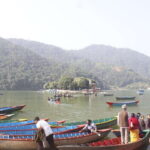
In Pokhara, you stay near Fewa Lake, in Lakeside. That location is practical: after trekking days, you want a place where food, views, and a relaxed evening are easy to reach without extra effort.
If you tend to get cranky when plans change, this stop helps. Lakeside is set up for visitors, so recovery days feel normal rather than rushed.
Day 4: Nayapul to Tikhedhunga and Ulleri, With Those Famous Steps
Day 4 is your first real uphill day. You transfer from Pokhara to Nayapul, then begin trekking toward Tikhedhunga and Ulleri, with Ulleri sitting around 1,950m.
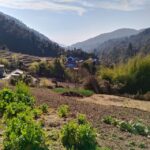
The description includes a climb up stone staircases to Ulleri, and that’s exactly what you should expect: this is a “build your legs” day. The win here is that you start seeing the region come alive—valley views, terraced slopes, and the steady shift from lower terrain walking to hill-farming scenery.
A guide you trust helps most on day one of the ascent. With a private trek, your pacing can stay consistent instead of turning into a group sprint.

Day 5: Rhododendron and Oak Forest to Ghorepani (Upper Deurali)
Day 5 takes you to Ghorepani (around 2,850m). The route passes through rhododendron and oak forests, which is a big deal in this region because the trail changes character as you climb.
You’ll hike up to Upper Ghorepani or Deurali for the night. This is also where the trip starts feeling like it has momentum: you’re higher, the air is cooler, and the mornings ahead have more weight.
One small practical thought: this is a day where good trekking habits matter. Keep your steps short on the climbs, slow down on uneven ground, and don’t treat every viewpoint like a race finish line.
Day 6: Poon Hill Sunrise, Then Tadapani’s Change of Pace
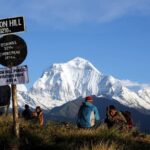
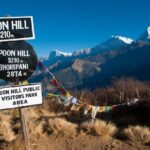
Day 6 is the big viewpoint day. You hike to Poon Hill (3,210m) and then continue trekking to Tadapani, around 2,520m, with a 6–7 hour day.
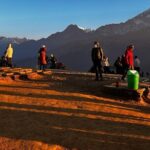
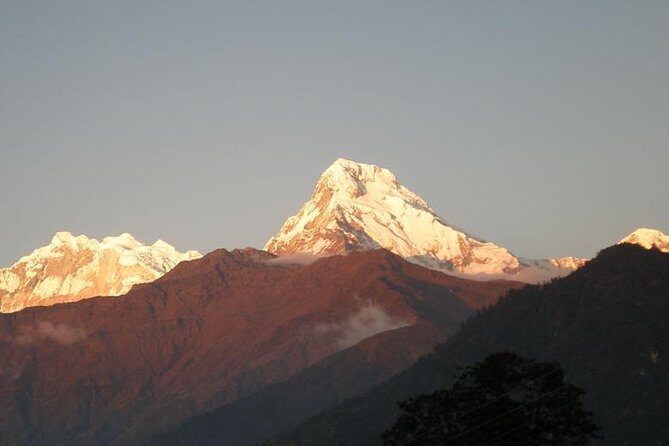
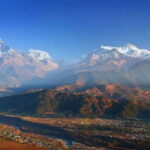
Even without getting fancy about sunrise logistics, Poon Hill is a natural “payoff moment.” You’re climbing into a world of open views where the Annapurna Himalaya impression becomes real instead of theoretical.
After Poon Hill, you’ll trek down and across forested sections, including pine and rhododendron. That shift—from high lookout focus to trail-walking rhythm—helps you avoid burnout. It’s also a nice reminder that this trek is not only about photos.
Day 7: Tadapani to Ghandruk, Village Time Without the Hard Sell
Day 7 drops you into Ghandruk via a 3–4 hour walk. You’ll move through forested paths with downhill sections, then arrive at a well-known Gurung village.
This is a good day to slow down. Exploring Ghandruk lets you see how people live in the foothills of the Annapurna range, not just how the mountains look from above.
It’s also a smart break from constant uphill effort. If you’re the kind of trekker who likes a balanced day—movement plus culture—this village stop hits the sweet spot.
Day 8: Ghandruk to Pothana via Landrung and Red-Mud Trails
Day 8 is a longer trekking day, about 5–6 hours. The route described includes descending stone staircases to Modi Khola, then ascending toward Landrung village, and then continuing to Tolkha and onward toward Deurali.
From there, you’ll descend to Pothana. The itinerary notes slippery red mud trails during monsoon only, which is useful if you’re planning in wet season. In monsoon months, you’ll want extra care with footing and slower steps.
This day is where the “panorama” idea becomes more than just a one-day viewpoint stop. It’s a full mountain day: staircases, river valley travel, then a gradual repositioning into different sightlines.
Day 9: Pothana to Phedi, Then the Return to Pokhara
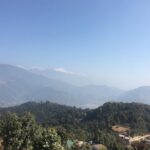
Day 9 is your lighter-feeling finishing trek. You walk from Pothana down toward Phedi with an easy ridge route and good views toward the Annapurna range toward Dhampus.
After the trekking portion, you drive back to Pokhara, about 40 minutes. This is a major value point for comfort: you don’t spend the night at the trailhead area, and you can recover in proper city lodging.
Also, having a shorter trek day near the end helps you finish with energy rather than arriving wiped out.
Day 10–11: Back to Kathmandu, Farewell Dinner, and Departure
Day 10 takes you back to Kathmandu by car for about 5–6 hours. You transfer to a hotel and get an evening farewell dinner, which is a nice way to close the trek chapter without making you scramble for plans at the last moment.
On Day 11, it’s transfer to the international airport and onward flight. That final day is straightforward, and that’s what you want after trekking: less decision-making, more calm.
Guide Quality and Porter Support: The Real Difference on This Route
One of the strongest themes in the tour experience is care from the guide and porters. Names like Ram Bhandari and Yookumar Magar show up repeatedly with clear praise for being patient, attentive, and focused on safety and comfort.
There are also specific stories that point to practical leadership. One trek experience included a shoes problem on the way back, and the guide handled it by giving a spare pair—exactly the kind of quick fix that can prevent a minor issue from becoming a misery spiral.
Your porter team is planned as well: the tour uses a ratio of about 2 trekkers to 1 porter for luggage carrying. That means you’re still walking with your day pack, but you’re not hauling heavy bags up and down mountain stairs all week.
Price and Value: Why $1,045 Can Make Sense Here
Let’s break down what you’re paying for in real life terms.
You’re paying for:
- A private guide and porter support during the trek
- Permits and paperwork (Annapurna Conservation Permit and TIMS)
- Trekking lodge stays with private rooms and shared toilets
- Full trekking meals and snacks, including bottled water
- Private transport for the key trail-head legs (Pokhara to Nayapul, Phedi to Pokhara)
- Three nights in Kathmandu in a boutique-style hotel, plus private city tour by transport
Excluded items include city entrance fees, some meals in Kathmandu/Pokhara, boiled water, Wi-Fi, and hot showers. If you’re the kind of traveler who would otherwise pay extra for a guide, transfers, and organized meals, this package reduces a lot of guesswork.
Compared to piecing everything together, the value is highest if you want a smooth trek experience where you show up and walk, not constantly check plans, permissions, and schedules.
What’s Missing: Things You Should Plan for Before You Go
The trek package is strong, but it’s not a luxury retreat.
You should expect:
- No hot shower during the trek
- No Wi-Fi and no electronic device recharge
- No boiled water provided (bottled water is included)
- No lunch/dinner included in Kathmandu and Pokhara
- Tipping is not included
None of this is a deal-breaker if you pack smart. It just means you should travel with the right expectations, and bring your own patience for basic trekking comforts.
It also helps to budget for personal expenses you might want along the way, like extra drinks or souvenirs.
Packing and Borrowing: How to Travel Lighter on This Route
One of the most helpful details is that you can borrow key trekking gear if you need it: down filled sleeping bag, walking poles, and a down jacket. You also get a duffel bag as part of the trekking equipment plan.
That’s a big deal for value if you’re traveling from abroad and don’t want to pay baggage fees for bulky winter gear. Even if you think you’ll buy gear later, borrowing can save money and time.
Still, you’ll want to bring what matters most for your own comfort: good hiking shoes that already fit you, a warm layer for morning starts, and a small day pack for water and snacks. Since Poon Hill is at 3,210m, mornings can feel chilly even when daytime is mild.
Is This the Right Trek for You?
This Annapurna Panorama trek is a great match if you want:
- A moderate trek with a clear route and no navigation stress
- Classic Annapurna viewpoints including Poon Hill
- A mix of walking plus culture time in Kathmandu and lakeside time in Pokhara
- Private-group comfort with a guide and porter support team
You might choose something else if you’re chasing a totally off-the-grid experience, or if you know you’ll struggle with long drive days and trekking-lodge basics like shared toilets.
If your top priority is comfort and you want daily spa-level amenities, this isn’t that. But if your priority is a well-run trek with the heavy lifting handled for you, this is a strong bet.
One more practical note: plans can change. The cancellation terms allow a full refund if you cancel at least 6 days before the experience starts, which gives you some flexibility.
Should You Book This Annapurna Panorama Trek?
I think you should book it if you want the Annapurna highlights without the hassle tax. The private setup, permits handled for you, and the guide-and-porter team make a real difference—especially on step-heavy days and when weather or small issues pop up.
If you’re on the fence, look closely at your own tolerance for stairs, cool mornings, and basic trekking-room comfort. This trek rewards steady walkers and travelers who enjoy villages and views in equal measure.
FAQ
How many days do you spend trekking on the Annapurna Panorama route?
You trek for about 6 days, with the rest of the 11-day trip used for sightseeing and travel between Kathmandu, Pokhara, and the trail areas.
What permits and paperwork are included?
The tour includes the Annapurna Conservation Permit and TIMS paperwork.
What trekking gear is included or available to borrow?
Trekking equipment such as a down filled sleeping bag, walking poles, and a duffel bag are included, and down jackets can be borrowed if you need them.
Is the trek private, and how are guides and porters handled?
This is a private tour/activity with an experienced English-speaking government registered trekking guide. Local porters carry luggage, with a ratio of about 2 trekkers to 1 porter.
What kind of accommodation do you get during the trek?
You stay in mountain accommodation with a private room setup and shared toilet facilities.
Are hot showers and Wi-Fi included?
No. Hot shower and Wi-Fi are not included.