REVIEW · POKHARA
3 Days Hiking from Pokhara-Dhampus-Sarangkot
Book on Viator →Operated by Himalayan Social Journey · Bookable on Viator
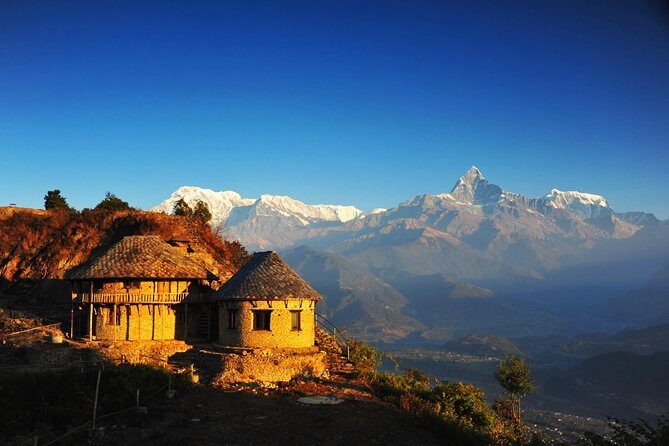
3 days, and the Annapurnas are suddenly close. This short Nepal trek strings together big-view stops like Dhampus and Sarangkot, with fresh air, quiet hillside paths, and constant Himalaya backdrops. I especially like how the route feels like a “real trek” (not just sightseeing), yet it’s still mild enough for many people with average fitness.
What really makes it work is the human side: an English-speaking guide who keeps your pace in check and adds context about nature, animals, and local culture. I also love the built-in rhythm of early hill starts and lookout time—especially the sunrise and sunset potential from Sarangkot. One thing to plan for: you’re counting on good weather, and fog/rain can shrink the views (the operator will switch dates or refund if the trek can’t run).
In This Review
- Key highlights you’ll feel fast
- Why this 3-day Dhampus–Sarangkot trek feels like more than a quick stop
- Morning departures: the easy start from Pokhara (and why it matters)
- Day 1: Australian Camp as your first big “wow” moment
- Day 2: Dhampus-style hillside walking toward Sarangkot viewpoints
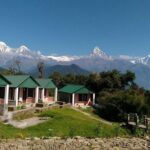
- Tea houses and lodge nights: the comfort you want after walking
- Day 3: Sarangkot to Pokhara, plus optional paragliding
- The value question: what you’re paying for at about $200
- Who this trek suits best (and who should rethink it)
- How the guide experience elevates the hike
- Practical tips to get the most from Dhampus–Sarangkot
- Should you book this trek from Pokhara?
- FAQ
- FAQ
- How long is the Dhampus–Sarangkot trek?
- Where does the trek start from?
- What time does the experience start?
- Is an English-speaking guide included?
- What meals are included?
- Do we sleep in tea houses or lodges?
- Is paragliding included?
- How big is the group?
- What happens if the weather is bad?
Key highlights you’ll feel fast
- Dhampus and Sarangkot viewpoints in just 3 days, so you spend time where the mountains actually show up
- English-speaking guidance with story-and-context help, including nature and village life
- Tea-house or lodge nights on the trekking days, with breakfast provided
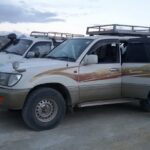
- Private transport included to get you from Pokhara up to the trailhead without stress
- Small group size (max 16), which keeps the hike calmer and more flexible
Why this 3-day Dhampus–Sarangkot trek feels like more than a quick stop
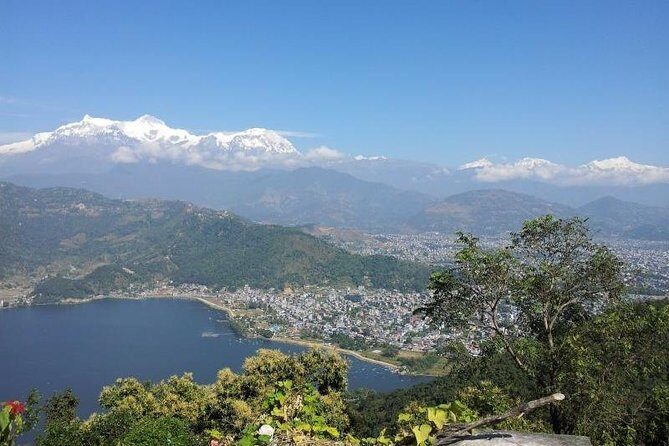
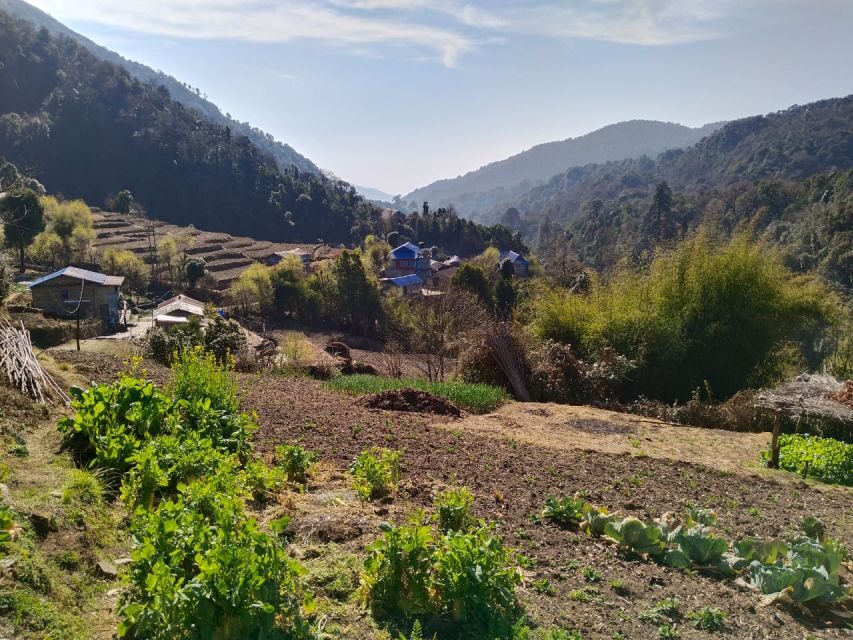
If you only have a few days in Pokhara, you still want that “I’m in the mountains” feeling. This trek delivers it without dragging you into a long, exhausting schedule. You’re not stuck with a single viewpoint and a bus ride—you walk between hills, meet local life along the way, and keep seeing new angles of the Annapurna region as you gain and lose elevation.
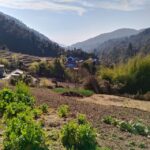
The route also hits a nice mix: viewpoint time for big photos, plus village paths where you can actually watch daily routines. The overview promises chances to interact with the Gurung community and other local ethnic groups living in the area, and that kind of contact is exactly what makes short treks memorable instead of forgettable.
The best part for practical travelers: logistics are handled. You get pickup offered, private transport to the trail start, and a guide who ties the day together in plain language.
You can also read our reviews of more hiking tours in Pokhara
Morning departures: the easy start from Pokhara (and why it matters)
This trek starts early. Your meeting time is 6:45 am, and the private vehicles from Pokhara head toward Phedi at about 7:30 am. The ride is short—around 30 minutes—so you’re not paying for hours in a van before you even start hiking.
Why that matters: getting on the trail sooner usually means calmer paths, softer light, and a better chance the sky is clear. Also, starting early helps you avoid that mid-morning slump where energy drops just as the walking starts getting real.
You’ll want to be ready for a “get going” morning: a light breakfast before you leave (the plan includes breakfast during trekking days, but day-start timing can still feel early), water ready, and layers that handle a cool morning and warmer afternoon sun.
Day 1: Australian Camp as your first big “wow” moment
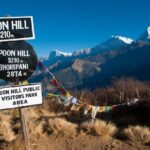
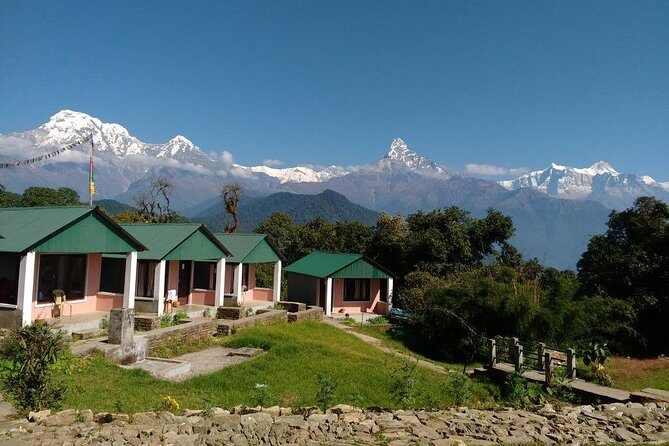
Day 1 builds from Pokhara up to the Australian Camp area. After breakfast, you travel to the trail start in Phedi by private vehicle, then you hike up toward the camp viewpoint.
Australian Camp is a classic Nepal foothill stop because it’s a fast way to get height and perspective. Even when you’re not chasing a hardcore trek, you want that first payoff: open sky, mountain silhouettes, and the feeling that you’re already partway into the Himalaya story.
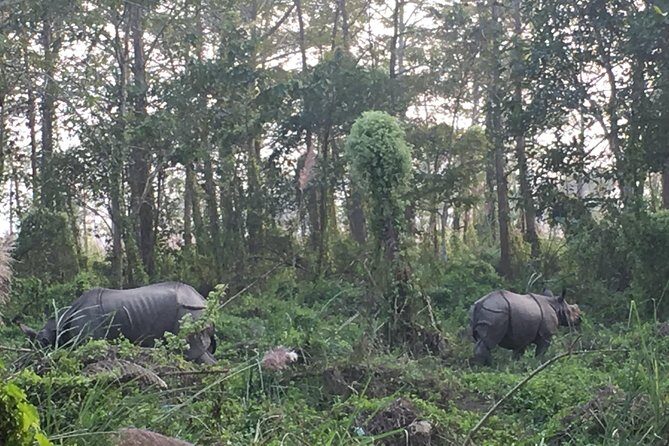
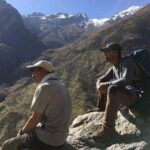
This is also where the guide’s job shows up. A good guide won’t just point at peaks—they’ll tell you what you’re looking at, how the area changes with weather, and what wildlife or natural features you might notice along the way. In one highlighted experience, the guide was described as kind, caring about pace, and able to explain nature and animals during the trek.
A small practical note: expect the first day to feel like a “warm-up with attitude.” It’s not supposed to be brutal, but you are going upward, and you’ll appreciate sturdy shoes.
Day 2: Dhampus-style hillside walking toward Sarangkot viewpoints
Day 2 focuses on the walk to Sarangkot, typically around 5–6 hours. Sarangkot is where the trek turns into viewpoint time in a big way.
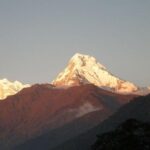
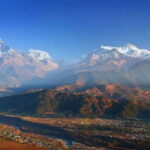
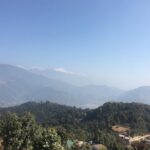
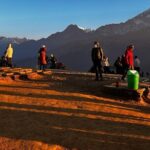
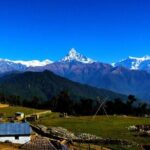
From Sarangkot, you can catch sunrise and sunset along with dramatic mountain views. This is one reason Sarangkot is popular: it’s not a random hill—it’s built around the fact that light and weather can make the peaks look totally different from one hour to the next.
What I like about this day is the balance. You’re walking long enough to feel like a hike, but you’re not stuck in a full-day grind without rewards. And since the group size is capped at 16, you should be able to move at a comfortable rhythm rather than getting steamrolled by a faster crowd.
You’ll also see how the “mild trail” concept really works here. The trek is short, but it still gives your legs enough work to make you feel accomplished at the end of the day—without feeling like your trip was mostly suffering.
Tea houses and lodge nights: the comfort you want after walking
You’ll sleep in tea houses or lodges during the trekking days. Breakfast is included twice (so you’re covered for the mornings when you’ll benefit most from a solid start), while lunch and dinner are not included.
A detail that matters for real-world comfort: one experience specifically mentioned that the food at the accommodation was comparable to what you’d find in the lowlands, and that there were no problems with Wi‑Fi or electricity. Not every day and lodge is guaranteed to be identical, but it’s a good sign that you’re not booking a trek where everything becomes painfully basic.
Still, be smart:
- Expect simpler meals than city restaurants.
- Bring a little snack backup for energy dips.
- Keep some cash handy for lunch and dinner.
Also, since the trek is short, your lodging choice is less about fancy amenities and more about one thing: a warm, functional place to sleep and reset your body.
A few more Pokhara tours and experiences worth a look
Day 3: Sarangkot to Pokhara, plus optional paragliding
On the final day, you’ll start with an early morning breakfast, then hike from Sarangkot back to Pokhara, around 2 hours on foot.
This is the “you still get mountains, but you finish feeling good” day. A short descent/walk-out is a smart design for a 3-day itinerary, because it keeps your trip from ending with a slog. You’ll arrive back with enough energy to enjoy Pokhara afterward—coffee, a hot shower, and a slower pace.
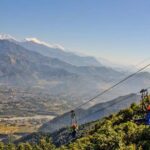
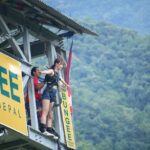
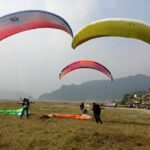
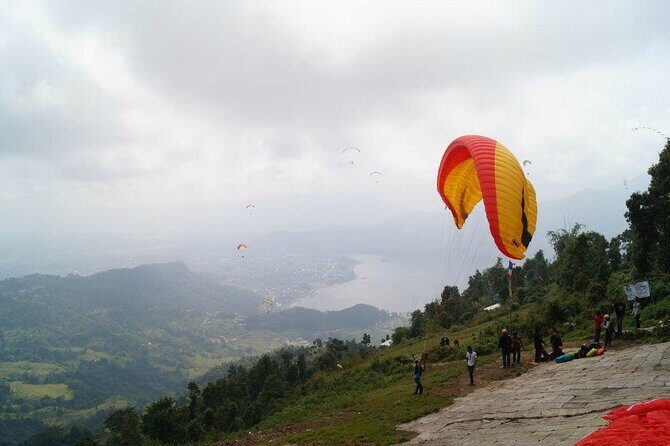
Paragliding is optional. If you like adrenaline and you’re already in the Sarangkot zone for views, it can be a memorable add-on. Just remember: it’s optional, so don’t let it pressure your schedule. If weather doesn’t cooperate, you’re still trekking back with a satisfying endpoint.
The value question: what you’re paying for at about $200
At $200 per person for a 3-day trek, the price makes sense because it includes more than just a guide. Based on what’s listed, you get:
- Private transportation (pickup offered and transfers handled)
- English-speaking guide
- Accommodation in tea houses/lodges during trekking days
- All fees and taxes
- Breakfast (2 times)
- A mobile ticket
In other words, you’re paying for the parts that usually eat your time in Nepal: moving from hotel to trailhead, arranging lodging, and keeping the schedule coherent. If you tried to do this on your own, you’d likely spend time coordinating transport, maps, and lodging while also trying to keep the same early starts.
One caution: lunch and dinner are not included. That doesn’t make the trek “expensive,” but it does mean you should budget a bit extra for meals beyond the included breakfasts.
Also, since your trek depends on weather, it’s not a good idea to book this right on top of non-flexible flights or events. If conditions are bad, the operator will offer a different date or a full refund.
Who this trek suits best (and who should rethink it)
This trek is a strong match if you:
- want a short Nepal hiking experience
- like views (Dhampus and Sarangkot are the stars)
- prefer guided navigation and cultural context
- want to meet local communities without committing to a long trek
It also works for many people because the plan notes that most travelers can participate. That usually translates into a path suitable for average fitness, as long as you’re comfortable walking uphill and downhill for hours.
Who might need a rethink? If you’re very tight on schedule and can’t tolerate weather delays at all, you may find the weather dependency stressful. You don’t control the clouds on the Annapurna hills.
How the guide experience elevates the hike
In one of the standout experiences, the guide was described as kind and attentive to pace, with explanations about nature and animals along the way. Another highlight mentioned an experienced guide by name: Mr. Ganesh Devkota, who shares trekking stories plus culture and local context.
That’s the difference between “a trek with photos” and “a trek you remember.” When a guide can explain what you’re seeing and help you move at a human pace, the hike feels smoother and more meaningful—even if the trail is the same.
Practical tip: ask simple questions early. What peaks are we seeing? What’s the weather pattern like today? Which part will feel steepest? A good guide will answer without making you feel rushed.
Practical tips to get the most from Dhampus–Sarangkot
This is a short trek, so small choices matter. Here’s how to make it smoother:
- Dress in layers for early starts. It can feel cool at dawn and warmer later.
- Wear proper hiking shoes. The walking is shorter than big treks, but you still want grip.
- Carry a small day bag with water, a snack, and your warm layer for viewpoints.
- Plan your sunrise timing (Sarangkot is built for it). If you can, go out early rather than trying to sleep through.
- Budget for lunches and dinners since they’re not included.
And if you’re the type who likes to learn while you travel, this trek is a great place to do it. The mix of viewpoint walking and local community life gives your guide plenty of material—culture, animals, and how people live in the Annapurna foothills.
Should you book this trek from Pokhara?
I’d book it if you want maximum mountain reward with minimal time. The combination of Dhampus and Sarangkot in just 3 days is efficient, and the included guide, lodging, breakfasts, and private transfers remove the usual friction that can make short Nepal trips stressful.
Don’t book it if you’re allergic to weather uncertainty. If your plans are inflexible, you might feel squeezed by cloud cover or rain. But if you can be flexible with dates—and you want an authentic short hike with real local context—this is a very solid choice.
Bottom line: for most people in Pokhara with limited days, this is one of the better ways to earn your Himalaya views.
FAQ
FAQ
How long is the Dhampus–Sarangkot trek?
It’s listed as a 3-day trek, with each day’s walking time varying depending on the segment.
Where does the trek start from?
You start in the Pokhara area, with pickup offered and a transfer by private vehicle to the trail start in Phedi.
What time does the experience start?
The meeting start time is 6:45 am.
Is an English-speaking guide included?
Yes. An English-speaking guide is included.
What meals are included?
Breakfast is included on 2 mornings. Lunch and dinner are not included.
Do we sleep in tea houses or lodges?
Yes. Accommodation in tea houses or lodges is included during the trekking days.
Is paragliding included?
Paragliding is optional, and it’s not included.
How big is the group?
The group size is capped at a maximum of 16 travelers.
What happens if the weather is bad?
The trek requires good weather. If it’s canceled due to poor weather, you’ll be offered a different date or a full refund.