REVIEW · POKHARA
Pokhara: 3-Day Ghorephani and Poon Hill Private Trek
Book on GetYourGuide →Operated by Snow Peak Tours and Travels pvt.ltd. · Bookable on GetYourGuide
Pokhara to Poon Hill in just 3 days is a great speedrun of Nepal’s big views. You’ll get Annapurna and Dhaulagiri panoramas, plus the classic sunrise at Poon Hill that turns the mountains gold. This trek also slots in real village life along the way, so it’s not just photos and sore legs.
What I like most is the private guide and pace. You’re not stuck with a crowd, and the guides in this program (like Laxman, Sun, and Tanka Dahal) are known for being supportive, patient, and ready to help with practical stuff like ordering food. I also like that you get standard lodging and meals options, with clean rooms and solid food that keeps you fueled for the steep bits.
One consideration: this is short, but it’s not easy. Expect lots of steps and steep sections, and if you’re untrained, you’ll want a slower pace and a guide who won’t rush you.
In This Review
- Key things that make this trek work
- A fast, scenic trek from Pokhara you can actually fit in
- Day 1: Pokhara to Ulleri for your first step climb
- Day 1 lodging: Ulleri basics with a view-focused goal
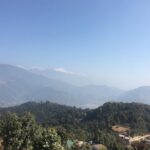
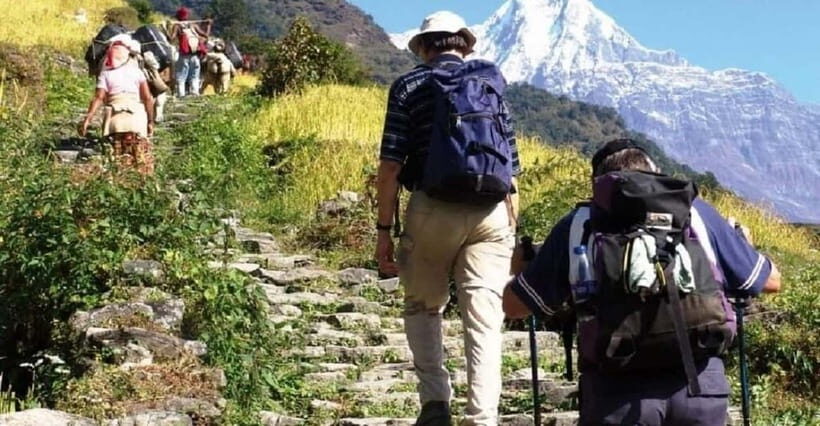
- Day 2: Ulleri to Ghorepani with Annapurna and Dhaulagiri in sight
- Day 2 lodging: Ghorepani for sunrise readiness
- Day 3: Poon Hill sunrise, then the long downhill back to Nayapul
- Culture and rhododendron trail moments you’ll actually notice
- Private guide support: what it changes on the ground
- What’s included, and why the price feels fair
- Logistics that matter: permits, packing, and the start-time reality
- Who this trek suits best
- Should you book the Pokhara 3-Day Ghorephani and Poon Hill Private Trek?
- FAQ
- How long is the Pokhara Ghorephani and Poon Hill private trek?
- Where does the trek start and how do you get there?
- Is this trek private or shared?
- What’s included in the price?
- Do I need permits, and when should I send my passport copy?
- What languages will the guide speak?
- What should I bring for the trek?
- How challenging is the trek?
Key things that make this trek work
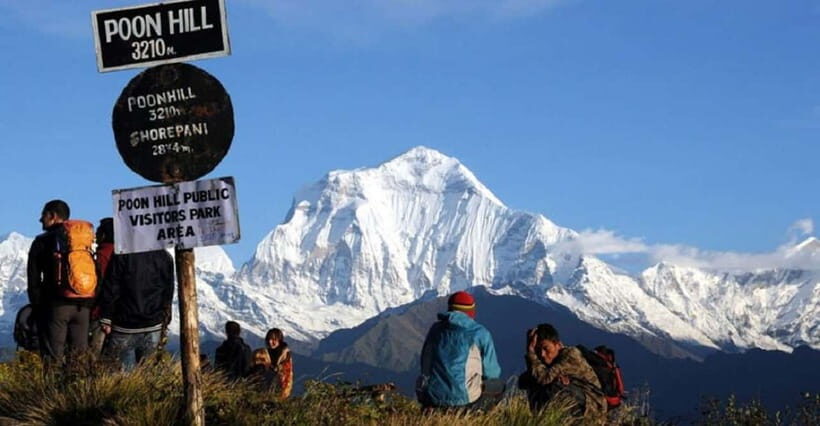
- Poon Hill sunrise timing: an early hike up to the viewpoint, with sunrise as the main event.
- Compact 3-day format: fewer days on the trail, more time actually enjoying Pokhara after.
- Annapurna and Dhaulagiri viewpoints: big, iconic mountain views without weeks of trekking.
- Rhododendron forest hiking: a color-and-scent trail section that breaks up the stone-and-steps vibe.
- Gurung village culture (Ghandruk): local life and traditions added to the mountain scenery.
- Private group flexibility: guide support that helps when you need extra breaks.
A fast, scenic trek from Pokhara you can actually fit in
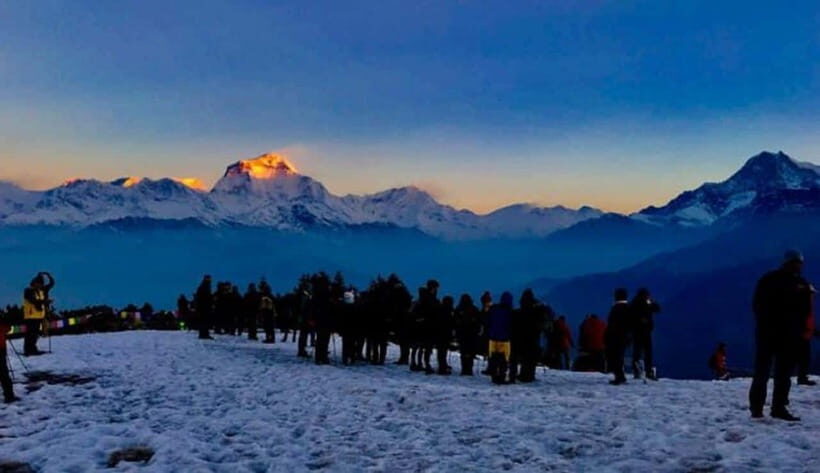
This is a 3-day trek built for people who want the Annapurna region without committing to a long trek. You’ll start from the Pokhara area, travel to the trail entry point, and then work your way toward Ghorepani and Poon Hill—classic territory for sunrise views.
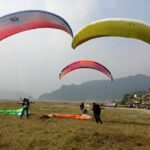
The appeal is balance. You get real hiking time (including a steep start) but still land back in Pokhara within a few days. That matters if you’re trying to mix trekking with paragliding, lakeside meals, or just slowing down after travel.
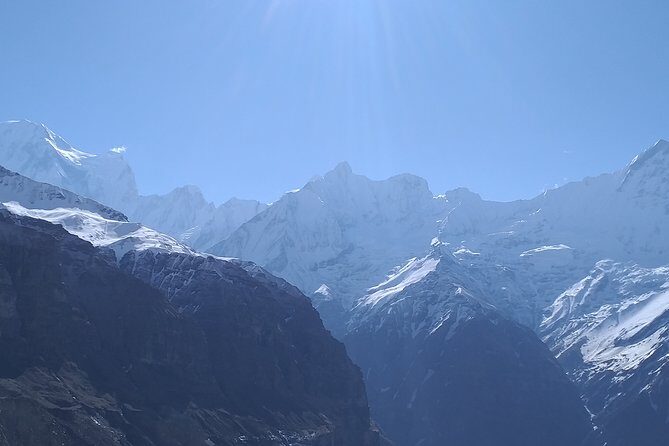
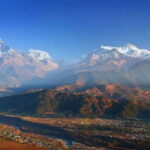
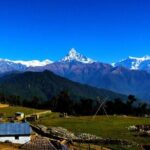
And yes, the views are the headline. The trek is specifically about Annapurna and Dhaulagiri panorama moments, plus the sunrise moment at Poon Hill that people plan their whole day around.
You can also read our reviews of more private tours in Pokhara
Day 1: Pokhara to Ulleri for your first step climb
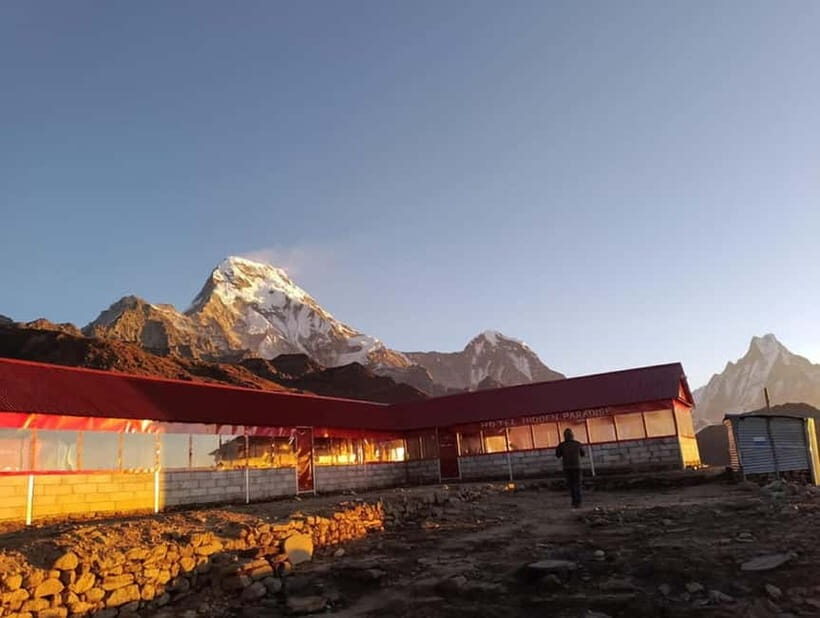
Your day starts with a drive from Pokhara to Nayapul, then you transition into trekking right away. The road transfer is short—about 1 to 1.5 hours—but it gets you from lakeside altitude into the trek rhythm.
From Nayapul (around 1,070m) you walk up to Tikhedhunga (about 1,540m) in roughly 3 to 3.5 hours. This is your warm-up block. It’s not the hardest section of the trek, but it’s enough to wake up your calves and teach you where the steps are.
Then you continue from Tikhedhunga to Ulleri (about 2,070m) in about 2 to 2.5 hours. This stretch is where you feel the trekking style: steady climbing, lots of footwork, and plenty of chances to stop, drink water, and adjust your layers.
Why this day is valuable: it gets you altitude and momentum quickly, without stretching the itinerary into a longer commitment. The trade-off is that it can feel steep if you’re not used to hiking stairs for hours.
Practical tip: if you’re bringing trekking poles, you’ll probably appreciate them on day 1. The program includes trekking sticks as needed, which helps you avoid hunting for gear at the last minute.
Day 1 lodging: Ulleri basics with a view-focused goal
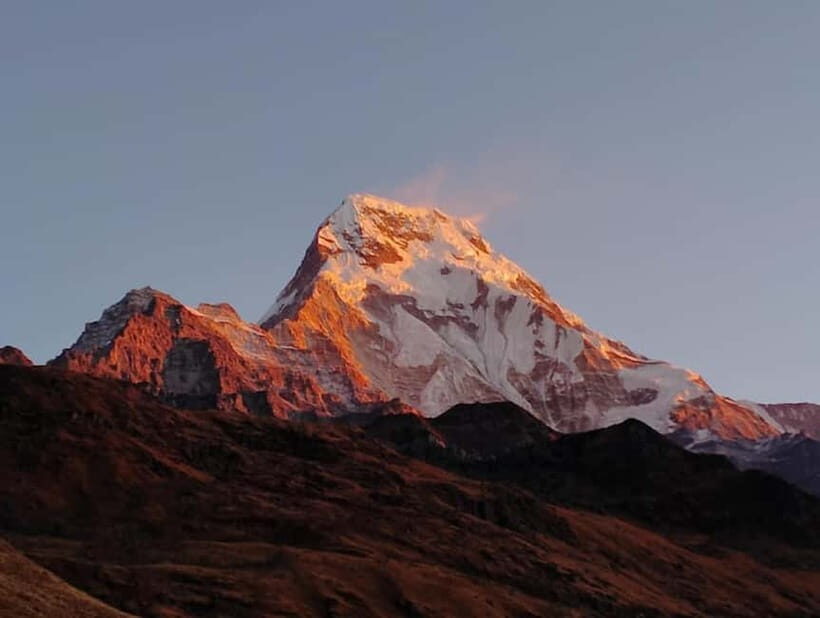
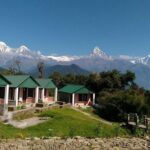
You overnight in Ulleri, which puts you in position for a better day 2 climb. Lodging is described as standard, and reviews commonly flag clean accommodations and good food along the way—exactly what you want when your body is tired and you’re not trying to do upgrades every night.
You should expect mountain-styled guesthouses: functional rooms, straightforward meals, and the kind of atmosphere that comes with everyone planning tomorrow’s sunrise.
Day 2: Ulleri to Ghorepani with Annapurna and Dhaulagiri in sight
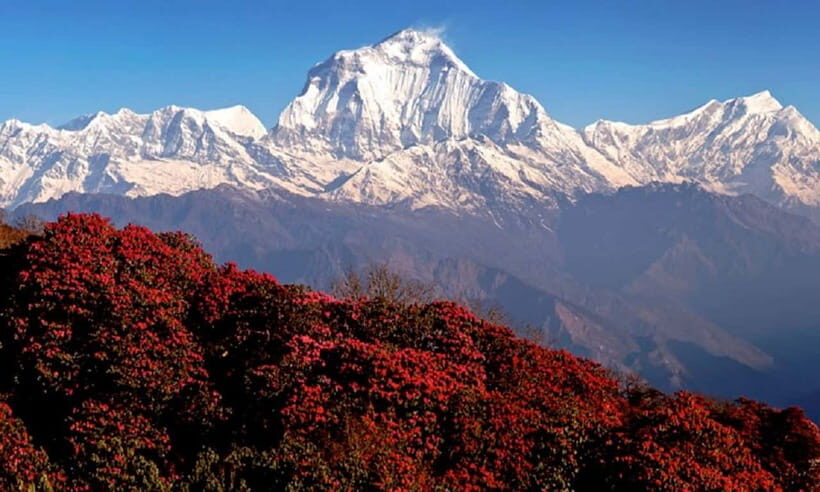
Day 2 is your main uphill walking day. You trek from Ulleri to Ghorepani (about 2,860m) for roughly 5 to 6 hours.
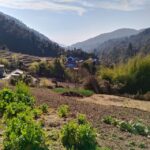
This is where the trek starts to feel like the classic Annapurna experience. The highlights you’re aiming for—panoramic views of the Annapurna and Dhaulagiri ranges—tend to show up as the day rises in elevation. You’re also moving through areas linked to rhododendron forests, which helps break up the monotony and gives the trail a seasonal flavor.
You also start to notice the wildlife and plant life changes as you climb. The trek’s description calls out Himalayan flora and fauna, and even if you don’t spot something dramatic, you’ll likely see more variety than you’d see closer to Pokhara.
Cultural bonus: the route is designed to connect you with local Gurung culture, including time around Ghandruk village. Even if your exact time there varies, the point is clear—you’re not hiking only for scenery; you’re also walking through a living community.
Possible drawback: if your legs feel heavy from day 1, day 2 can still be demanding. This is short-trek physics: fewer days, more work per day.
Practical tip: keep your breaks short but frequent. In the feedback from guides such as Laxman, the pattern is taking pauses when you need them rather than pushing through discomfort.
Day 2 lodging: Ghorepani for sunrise readiness
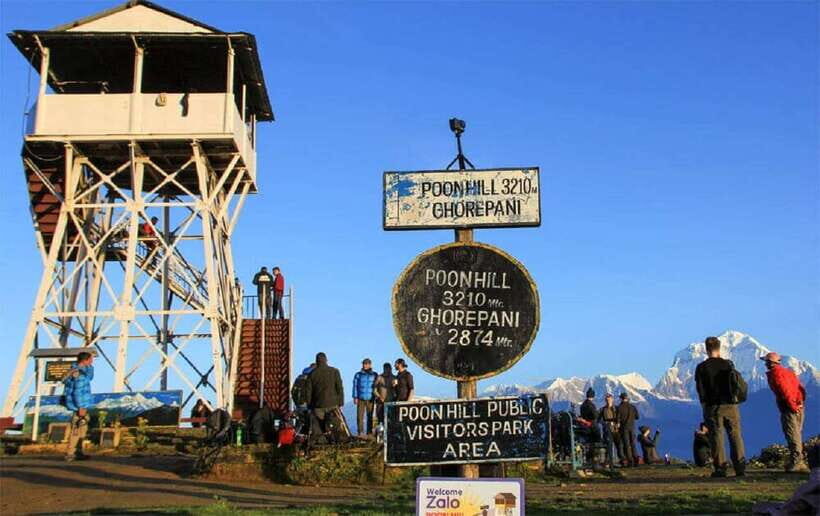
You overnight in Ghorepani. This is the staging base for the Poon Hill sunrise climb, so the goal is to sleep well, eat enough, and get your layers ready.
If you’re opting into meals included, you should find it easier to manage energy. Even when meals aren’t included, you’ll still likely have choices at guesthouses—just ask your guide what makes sense before you order.
You can also read our reviews of more hiking tours in Pokhara
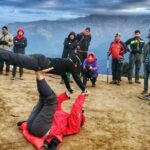
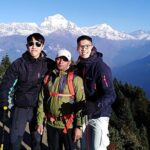
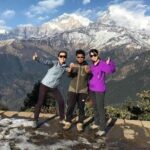
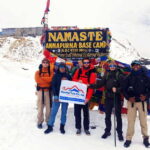
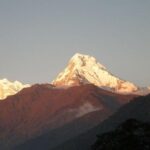
Day 3: Poon Hill sunrise, then the long downhill back to Nayapul
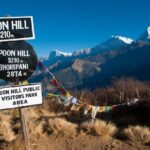
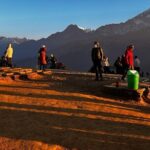
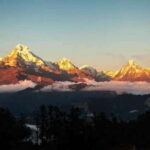
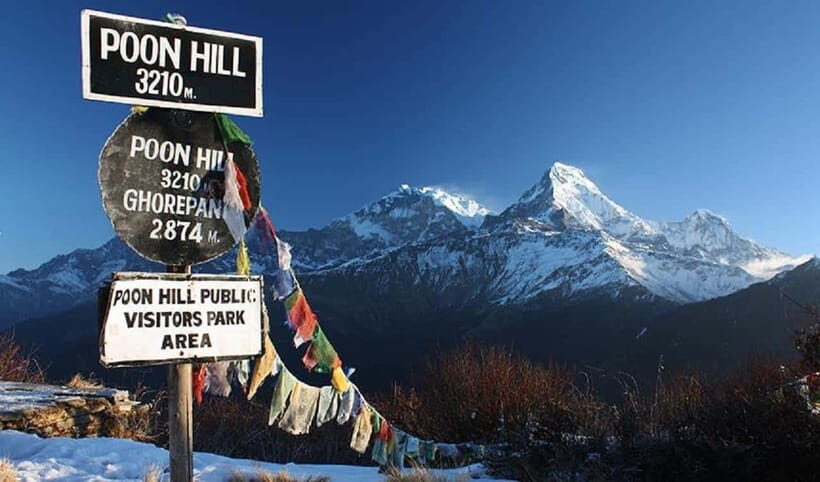
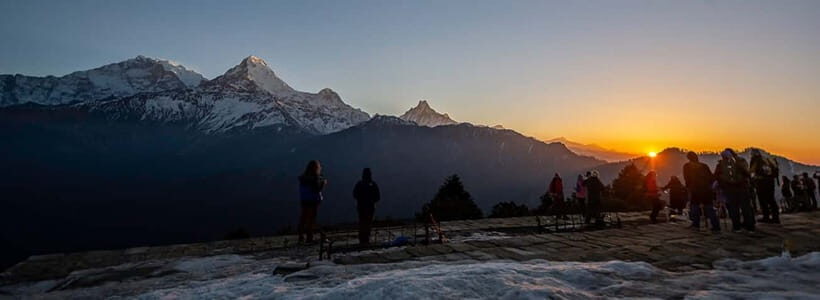
Day 3 starts with an early hike. You’ll go from Ghorepani to Poon Hill (about 3,210m) in roughly 2 to 3 hours, and the program is explicit about the purpose: sunrise from the viewpoint.
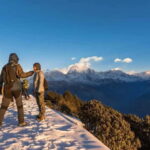
This is the day you remember. Poon Hill is where the golden light lands on the Himalayas, turning the peaks into something close to a live painting. If the clouds roll in, it can turn into a gray silhouette morning—but the usual aim is crystal-clear mountain color.
Once sunrise is done, you hike back to Ghorepani for breakfast, then you continue downhill. The trek from Poon Hill area back toward Nayapul is listed as 5 to 6 hours, and then you drive back to Pokhara (about 1 to 1.5 hours).
Why the pacing works: sunrise gives you a reward that’s time-sensitive, and the rest of the day lets you finish while you still have daylight and energy.
Possible drawback: the sunrise hike is early and can feel tough even if the distance is short. Dress for cold, and plan for fatigue—especially if day 2 stretched you.
Weather reality check: one of the shared cautions is that early September can bring sun and rain extremes. Bring waterproof layers, not just hope. A small towel helps too, because wet trekking gear is miserable.
Culture and rhododendron trail moments you’ll actually notice
This trek earns its reputation because the experience isn’t only summits. It’s about small transitions.
- Rhododendron forests bring color and texture when conditions line up. Even if rhododendrons aren’t in peak bloom, the forest shade and changing vegetation help keep the trek interesting.
- Ghandruk and Gurung culture add a human layer. You’ll be walking through village life rather than only moving between viewpoints.
- Himalayan flora and fauna adds a sense of living ecology. You might spot birds or see plants you can’t get at home, and that keeps your mind engaged during the uphill grind.
One thing I like about short treks like this: you don’t lose the cultural threads to fatigue. In longer trekking weeks, it’s easy to become head-down and silent. Here, you still have enough energy to notice people, houses, and trail conversation.
Private guide support: what it changes on the ground
A private group means you’re not sharing decisions with strangers. You’ll work with an experienced, certified trekking guide (English, Hindi, and Nepali available).
The practical value is huge:
- You can set a pace that fits your fitness.
- Your guide can help with ordering food at places along the route.
- If something hurts—like a knee concern—your guide can support adjustments. There’s an example of a guide helping arrange a bus ride back from a closer place when someone’s knee was acting up.
You’ll also likely have a porter in the mix, and the program covers porter costs and care (meals, accommodation, insurance, salary, and transportation). That takes weight off you and helps you focus on steady walking.
If you’re nervous about stepping into your first trekking experience, this kind of support matters more than you’d think. The trail is steep in sections; the guide’s patience can turn stress into a manageable challenge.
What’s included, and why the price feels fair
Price shown is $151 per person for 3 days, and what you get is more than just a walk with a map.
Included highlights from the program:
- Round-trip transportation between your hotel (and some pickup points) and the trek starting area
- All required permits and fees
- Private accommodation in standard lodging
- Meals throughout the trek if you choose the meals option
- Certified trekking guide
- Porter and guide expenses, including meals, accommodation, insurance, salary, transportation, and equipment
- Trekking gear such as trekking sticks and sleeping bags as needed
- Luggage storage in Pokhara, plus a duffel bag
- First aid kits
- Taxes
Not included: personal expenses.
Is it good value? For a private 3-day trek, it generally makes sense because you’re paying for the support system—transport, permits, guide time, lodging coordination, and porter logistics. A cheaper-looking trek can fall apart fast if you end up sourcing permits, negotiating gear, or walking with inconsistent guidance.
If you’re already staying in Pokhara and you want sunrise at Poon Hill without DIY planning, this package style is the efficient route.
Logistics that matter: permits, packing, and the start-time reality
This trek requires permits, and you’ll need to submit a passport copy at least one day prior so they can handle government permit processing. Plan ahead. If you show up with no copy, you’ll lose time.
Packing needs are straightforward and very real for the Annapurna region:
- Warm clothing
- Hiking shoes and hiking pants
- Waterproof bag
- Passport or ID card copy
Also, the trek may be challenging for some participants. If you’re unsure, be honest about your fitness. Short doesn’t always mean gentle.
One more note: pickup is optional and includes all hotels in Pokhara Valley. You’ll want to be at the main entrance about 10 minutes before pickup and look for the company logo vehicle or a guide holding your name sign.
Who this trek suits best
This trek is best for you if:
- You want a classic Annapurna sunrise experience in limited time
- You prefer a private guide and a pace that fits your body
- You want village culture exposure, including Gurung culture and time connected with Ghandruk
- You like hiking that’s intense but manageable over 3 days
You might want a longer trek or different plan if:
- You hate steep steps and downhill fatigue
- You’re very new to hiking and can’t commit to pacing yourself
- You want more time for slow scenery and fewer daily climbs
Should you book the Pokhara 3-Day Ghorephani and Poon Hill Private Trek?
I’d book this if you’re aiming for maximum payoff in a tight schedule: Poon Hill sunrise, big Annapurna/Dhaulagiri views, and a real feel for village life, all without a multi-week commitment. The private guide support is also a strong safety net on a short trek with steep sections.
Skip it (or at least rethink it) if you’re expecting an easy stroll. It’s compact, and that means your knees and lungs do real work on day 1 and day 2.
If you book, do two things that pay off fast: pack for sudden weather changes and tell your guide your limits early. With guides like Laxman and Tanka Dahal highlighted for patient pacing, you’ll get a better hike experience—and a less dramatic climb count in your head.
The provider for this experience is Snow Peak Tours and Travels pvt.ltd., and the structure of the trip—transport, permits, guide, lodging, and gear—keeps it from turning into a DIY scramble.
FAQ
How long is the Pokhara Ghorephani and Poon Hill private trek?
It’s a 3-day trek.
Where does the trek start and how do you get there?
You’ll get round-trip transportation between your hotel (or Pokhara International Airport) and the trek starting point. Pickup is available from all hotels in Pokhara Valley, with instructions to be at the entrance about 10 minutes early.
Is this trek private or shared?
It’s a private group.
What’s included in the price?
Permits and fees, guide and porter expenses, standard lodging, trekking gear (including trekking sticks and sleeping bags as needed), first aid kits, luggage storage in Pokhara, a duffel bag, and transportation. Meals are included if you select the meals option.
Do I need permits, and when should I send my passport copy?
Permits and fees are covered, but you need to submit a copy of your passport at least one day prior to the trek for permit processing.
What languages will the guide speak?
The guide is available in English, Hindi, and Nepali.
What should I bring for the trek?
Bring warm clothing, hiking shoes, hiking pants, a waterproof bag, and your passport or ID card (a copy is accepted).
How challenging is the trek?
The trek may be challenging for some participants. It’s important to be in good health and have a reasonable level of fitness before booking, especially because there are steep sections and lots of steps.