REVIEW · POKHARA
4 Day Poon Hill Trek from Pokhara
Book on GetYourGuide →Operated by Peak to Peak Treks · Bookable on GetYourGuide
Poon Hill delivers big mountain views fast. This 4-day trek in Nepal’s Annapurna region pairs early starts with English-speaking guidance and a route that moves from river valleys into forested hills. I like that it’s short enough to fit many schedules, and I like that you still get classic Annapurna moments like a sunrise hike toward Poon Hill. The main catch: you’ll be climbing thousands of steps, so your knees and pacing matter.
What makes this trek feel practical is the way the logistics are handled for you. You get hotel pickup and drop-off in Pokhara, round-trip transfers by private car, and guest house nights built into the plan. One consideration: meals are not included, and you’ll need to budget for food each day.
The vibe here is simple: walk, pause for views, eat, repeat. If you like village trails, rhododendron forest paths, and that crisp early-morning Himalayan light, this is a strong match.
In This Review
- Key details that make this trek click
- Why Poon Hill Is A Great Fit When You Have Limited Trek Time
- Day 1: Pokhara To Nayapul And Tikhedhunga Along The Bhurungdi
- Day 2: Ulleri Steps To Ghorepani’s Mountain Panoramas
- Day 3: Sunrise At Poon Hill Then Rhododendron To Tadapani
- Day 4: Tadapani Down To Ghandruk And Back To Pokhara
- Guide, Permits, And Transfers: The Logistics That Make It Feel Easy
- Guest Houses, Meals, And The Real Cost Of Feeding Your Legs
- Price and Value: Is $272 Reasonable For This Trek?
- What To Pack (And What Not To Bring) For A Smooth Trek
- Steps, Altitude, And Pacing: How To Survive (And Enjoy) Poon Hill
- Who Should Book This Private Poon Hill Trek
- Should You Book This 4-Day Poon Hill Trek?
- FAQ
- Where is this trek located?
- How long is the trek?
- What does the price include?
- Are meals included?
- What language will the guide speak?
- How do transfers work?
- Do I need trekking permits?
- What should I bring?
- Is there anything I can’t bring?
- Is this trek suitable for everyone?
- Who would enjoy this trek the most?
Key details that make this trek click
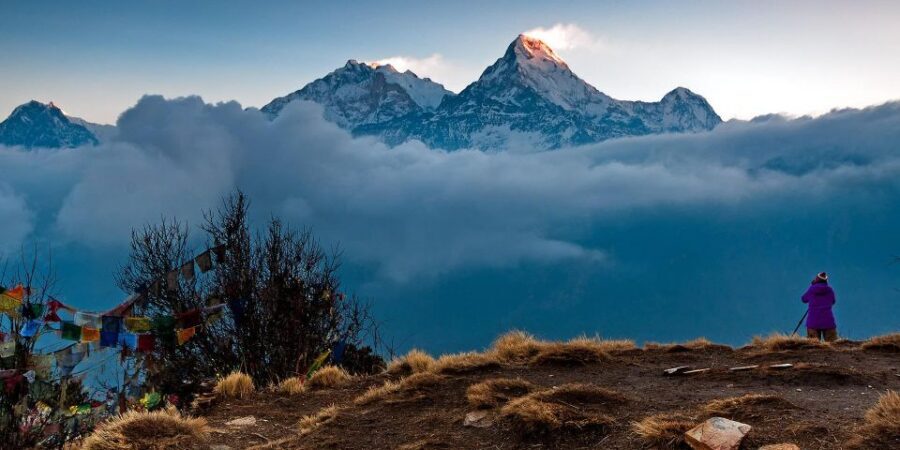
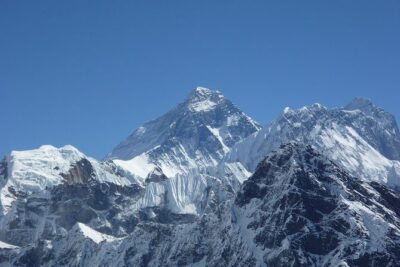
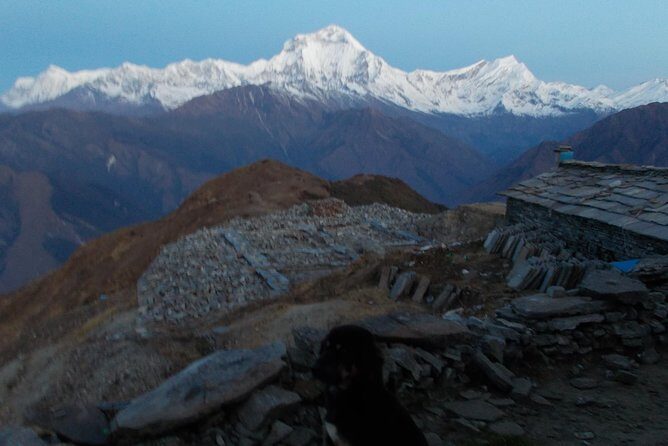
- Sunrise timing matters: Day 3 starts with an early hike up to Poon Hill for views over the Annapurna and Dhaulagiri ranges.
- The step count is real: Expect a steep stone-stair climb on the way up to Ulleri, plus many steps for the Poon Hill approach.
- Rhododendron and oak forests: Days 2 and 3 include forest walking where the air and shade can feel cooler than you expect.
- Village immersion without overcomplication: Stops include Tikhedhunga, Ghorepani, Tadapani, and Ghandruk, each with a different feel.
- Guide quality can make or break it: In the feedback I saw, the guide (including Nir) was consistently described as attentive and the trip as well organized.
- Private or small-group option: You can choose a smaller setup for a more flexible pace.
Why Poon Hill Is A Great Fit When You Have Limited Trek Time
If you want Himalayan views but you don’t have weeks, Poon Hill is one of the best compromises. It’s in the Annapurna region, yet it stays focused on a relatively short route, with daily walking that’s intense enough to feel like a trek, but not so long that you need a whole month of training.
The smart part is how the trek builds anticipation. Day 1 gets you moving from Pokhara’s city energy into the trail world. Day 2 climbs steadily and ends in a village positioned for mountain sightlines. Then Day 3 is the payoff: an early hike to Poon Hill for sunrise views across major ranges, including Annapurna and Dhaulagiri.
Another reason this trek works: the route is guided. You’re not sorting out permits, mapping each turn, or figuring out transport on your own. Your English or Hindi-speaking trekking guide helps keep the days on track, and the included trekking permits and TIMS card reduce a lot of hassle before you even start walking.
You can also read our reviews of more hiking tours in Pokhara
Day 1: Pokhara To Nayapul And Tikhedhunga Along The Bhurungdi
Day 1 begins with an early drive from Pokhara to Nayapul, roughly 1.5 to 2 hours. This matters more than it sounds. Starting with a vehicle transfer means you can spend daylight actually walking instead of wasting time in transit later.
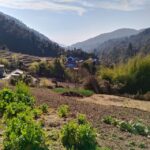
From Nayapul you begin the trek through Birethanti, a lively village area. Then the trail follows the Bhurungdi River valley as you start climbing toward Tikhedhunga (1,540m). I like the rhythm of this day because it’s not just about altitude. You ease into the hiking pace, see how the trail feels underfoot, and get your body into trekking mode before the steeper days.
Tikhedhunga is where you sleep for the night. Guest house stays are part of the plan, so you’ll get a simple place to recharge and plan tomorrow’s climb. Drawback? Day 1 can still feel tiring if you’re not warmed up, so don’t treat it like a stroll. Comfortable shoes and a steady pace help you avoid the “why does my backpack suddenly feel heavier” problem.
Practical tip: after you arrive, take a few minutes to check your footwear and pack organization. It’s amazing how much foot comfort improves when your socks and laces are doing their job.
Day 2: Ulleri Steps To Ghorepani’s Mountain Panoramas
Day 2 pushes the elevation and the effort. You start from Tikhedhunga and trek up to Ghorepani (2,750m). The climb includes a steep stone-stair section to Ulleri village, which is famous for a lot of steps. This is the day where many people realize that the Poon Hill trek is short on paper, not short in effort.
After Ulleri, the trail continues through rhododendron and oak forests. Walking under trees can be a relief. It breaks up sun exposure and gives your legs a slightly different workload compared to open, rocky paths.
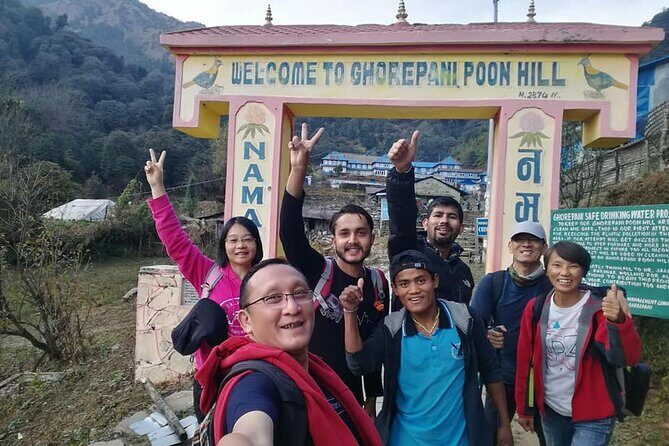
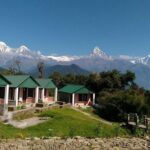
You’ll reach Ghorepani, a village with panoramic mountain views. Ghorepani’s altitude also sets you up for the next day’s sunrise hike. Sleeping here means you’re closer to Poon Hill when the early-morning start happens.
The likely downside for some hikers is that Day 2 can feel like a step test. If you start too fast, your breathing and rhythm get messy. If you keep a steady pace, it feels more controlled and less punishing.
If you want a small strategy: take breaks that are short and frequent. Ten minutes of stopping to catch your breath once is harder to manage than quick resets every so often.
Day 3: Sunrise At Poon Hill Then Rhododendron To Tadapani
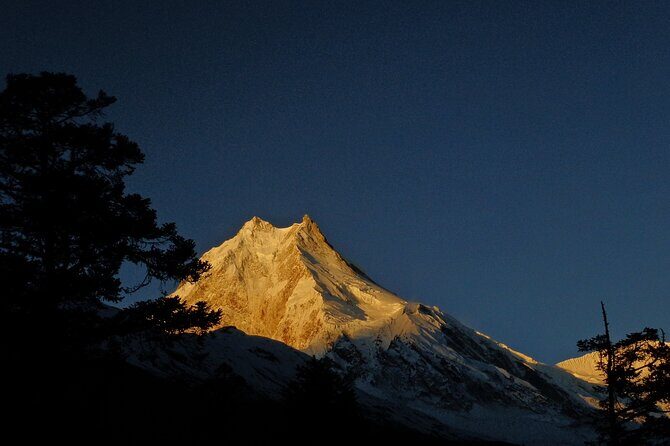
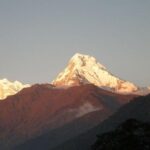
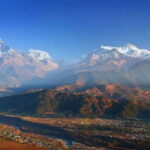
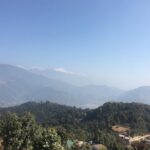
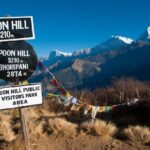
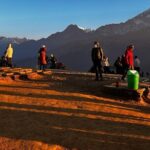
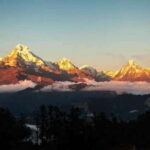
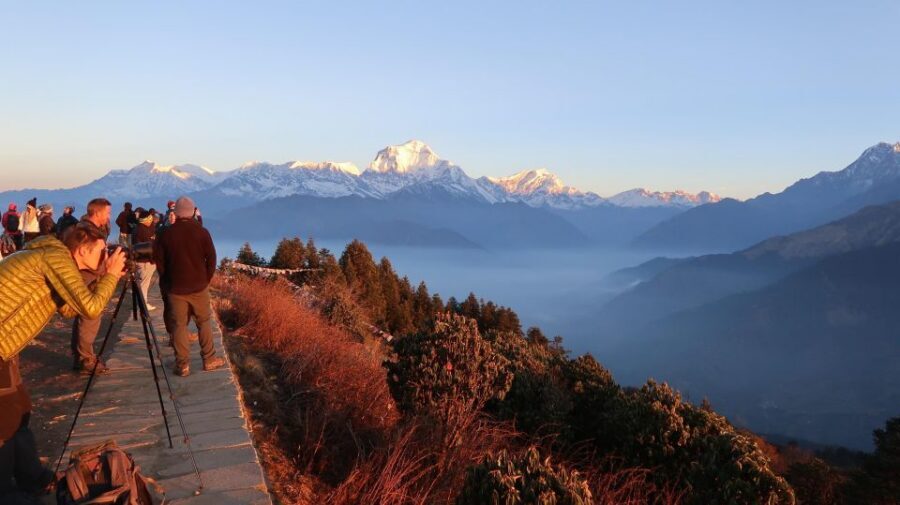
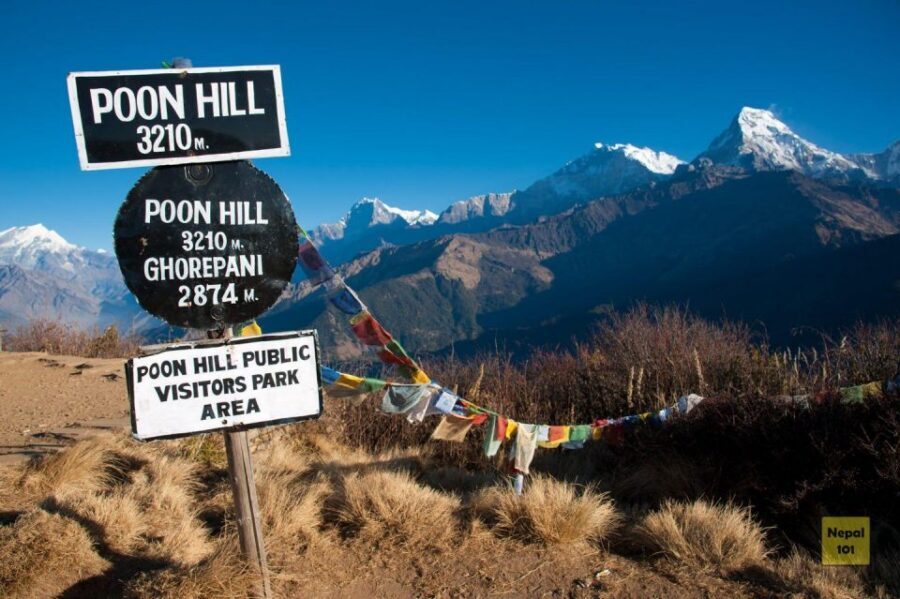
Day 3 is the big moment. You’ll hike early to Poon Hill (3,210m) for sunrise over the Annapurna and Dhaulagiri ranges. This is why so many people pick this trek in the first place: the early start trades sleep for views that feel like a reward for the steps.
You’ll typically return to Ghorepani for breakfast after the sunrise hike. Then you continue trekking to Tadapani (2,630m). Tadapani sits in the forested zone again, and the trail continues through rhododendron forests with mountain views along the way.
This day has two very different feelings: the cold, focused early climb and then the slower, scenic trekking afternoon. That mix is part of the charm. Even if you’ve hiked before, sunrise days feel different because you’re moving in the dark or near-dark, paying attention to footing and timing.
The consideration here is simple: don’t assume you’ll magically feel great after a sunrise hike. You’ll likely be tired, even if the view is worth it. Plan on eating well at breakfast and taking your time during the afternoon descent toward Tadapani.
Also, Poon Hill involves lots of steps. The trek’s walking is described as thousands of steps, so mentally prepare for repetitive effort. Good news: that repetition can be satisfying if you pace it.
Day 4: Tadapani Down To Ghandruk And Back To Pokhara
The final day is about descending and finishing strong with culture. You trek from Tadapani down to Ghandruk (1,940m), then drive back to Pokhara in the afternoon.
Ghandruk is a charming Gurung village, which means you’ll spend time exploring the village culture rather than just walking through it. This kind of stop is valuable because it keeps the trek from feeling like a nonstop climbing machine. You get a taste of how people live in the hills, and it adds meaning to the distance you’ve covered.
Downhill walking can still be tough on your body, especially if your quads aren’t ready. Descents are easier for altitude, but harder for knees. Wear shoes with decent grip and use a pacing strategy that doesn’t turn every step into a sprint.
Once you reach Ghandruk, your afternoon drive back to Pokhara marks the end of the trek. It’s a nice reset: you go from mountain air to a proper meal and a shower without having to plan anything.
A few more Pokhara tours and experiences worth a look

Guide, Permits, And Transfers: The Logistics That Make It Feel Easy
This trek includes a lot of the annoying parts that can derail travel plans. You get hotel pickup and drop-off in Pokhara, plus round-trip transfer by private car. You also get an English-speaking trekking guide, and the permits plus TIMS card are handled as part of the trip.
In the feedback I saw, the guide experience comes through clearly. One person specifically praised the guide Nir for being wonderful and for keeping everything well organized. Another highlighted how attentive the guide was. That’s exactly what you want on a trek: someone who can handle timing, route pacing, and day-to-day questions without making you guess.
Why this matters for your trip: when permits, guides, and transfers are arranged, you can focus on the walk. You’re not checking maps every hour, and you’re not trying to figure out what to do if something feels off with timing.
Private trip setup is also available, which can be worth it if you prefer a smaller group pace, quieter mornings, or you want flexibility around breaks. If you’re traveling with family, a private arrangement can be calmer even when the trail gets busy.
Guest Houses, Meals, And The Real Cost Of Feeding Your Legs
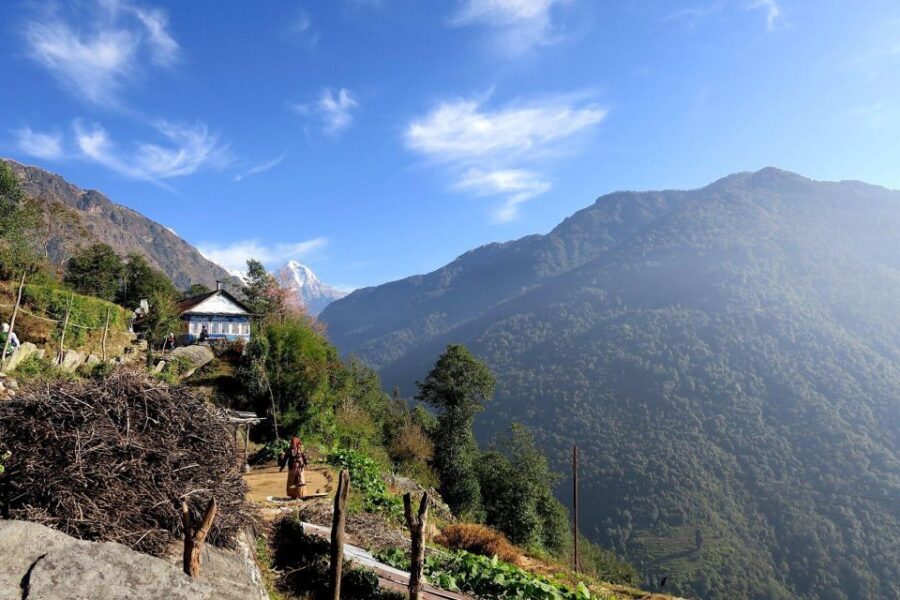
Accommodation is included as guest house stays. That usually means simple rooms, basic comfort, and a place to recharge for the next day. In short treks like this, comfort matters more than luxury. You want clean bedding, decent warmth, and a reliable place to sleep after long walking days.
Meals are not included, and the estimate is about 3,500 Rs per person per day (available on purchase). That means you should expect a meaningful additional cost on top of the trekking price.
To me, the meal setup feels fair: you’re paying for the trek service and logistics, and you control what you eat. The tradeoff is that your budget needs to account for it. If you’re the type who eats hearty to keep energy up, plan on spending closer to the higher end of the daily estimate.
A practical way to manage it:
- Eat early before a big effort day.
- Keep breakfast simple and filling when you can.
- Hydrate consistently; don’t wait until you’re thirsty.
Price and Value: Is $272 Reasonable For This Trek?
At $272 per person, you’re paying for more than a walking route. Your price includes hotel pickup and drop-off, private car transfers, an English-speaking guide, permits plus the TIMS card, guest house accommodation, and the private trip arrangement.
That’s good value when you break it down. The included transfers are a big deal in this region, because getting to the trail start and back to Pokhara can otherwise become a patchwork of taxis, schedule juggling, and last-minute planning. The guide and permits add extra weight too; it’s not just convenience, it’s also risk reduction.
The main things not included are meals and optional gratitude. Meals are estimated at 3,500 Rs per person per day. So your true cost is trekking price plus food, and that’s the part you should estimate honestly.
My bottom line: $272 looks like solid value for a guided, permit-covered trek with round-trip private transport and lodging. If you were to recreate those pieces yourself, you’d likely spend time and energy you don’t need, and you might still pay similar totals once transport and permits are added.
What To Pack (And What Not To Bring) For A Smooth Trek
Packing smart makes the trek feel easier.
Bring:
- Passport or ID card
- Comfortable shoes
- Comfortable clothes
- Passport-sized photo
Also, expect a lot of steps. Your shoes should support long, repeated stair climbing, and your socks should reduce friction and hot spots.
Not allowed:
- Luggage or large bags
- Drones
So plan on traveling light. The trek is short, but carry weight still affects how your legs feel by midday. A small daypack is usually the most sensible approach here so you’re not hauling more than you need.
One more practical point: if you’re prone to cold mornings, bring layers. Sunrise hike days often feel colder than the daytime temps you associate with Pokhara.
Steps, Altitude, And Pacing: How To Survive (And Enjoy) Poon Hill
Even though it’s a short trek on paper, it’s still a hiking challenge. You’ll climb to altitudes like 3,210m at Poon Hill, and you’ll do it with serious stair sections along the way.
Here’s what I’d watch:
- Pace early, not late: Start slower than you think you need, especially on the stone-stair parts.
- Take breath breaks: A few short stops keep energy steady better than one long stop that makes your body seize up.
- Protect knees on the way down: Downhill days require controlled steps, especially on the final descent.
If you’re new to trekking, this route can be manageable with the right pace, but it’s not a walk-and-take-photos-only experience. The step-heavy design is part of what makes it so accessible in duration while still delivering effort.
Also, keep expectations realistic for the final result: sunrise is worth it, but you’ll feel it the rest of the day. Plan an easy mindset once the hike is over.
Who Should Book This Private Poon Hill Trek
This trek fits best if you want classic Annapurna views without a huge time commitment. You’ll like it if:
- You enjoy village walking and forest trails.
- Sunrise views are a priority for your Nepal trip.
- You want a guided experience with permits and transfers handled.
It’s also a good option for people who want private or small groups so the pace feels more comfortable.
Not for everyone: it’s listed as not suitable for pregnant women and wheelchair users. That’s mostly due to the trail demands and steep step sections.
Should You Book This 4-Day Poon Hill Trek?
Book it if you want a high-reward trek that’s still manageable in duration. You’re getting a structured route, guest house nights, permits, and private transport, plus a guide who can keep timing smooth. The repeated praise for the guide experience, including Nir’s attentiveness and organization, is a strong sign that this trip is run with care.
Skip it or rethink your plan if you have knee issues, you hate lots of steps, or you’re looking for something more flat and easy. This trek is short, not gentle. If you go in expecting stairs and plan your pacing, you’ll likely come away with that classic Annapurna sunrise memory.
FAQ
Where is this trek located?
It takes place in Nepal’s Western Region, in the Annapurna area near Pashchimanchal.
How long is the trek?
It’s listed as 2 to 4 days, depending on availability, with the common route outlined as a multi-day itinerary.
What does the price include?
The price includes hotel pickup and drop-off, an English-speaking trekking guide, trekking permits and a TIMS card, round-trip transfer by private car, guest house accommodation, and a private trip setup.
Are meals included?
No. Meals are available for purchase, with an approximate cost of 3,500 Rs per person per day.
What language will the guide speak?
The trek guide is listed as English and Hindi.
How do transfers work?
You get round trip transfer by private car, starting with pickup from your location if it’s far or not listed (with an additional genuine cost if needed).
Do I need trekking permits?
Yes. All trekking permits and the TIMS card are included as part of the trip.
What should I bring?
Bring your passport or ID card, comfortable shoes, comfortable clothes, and a passport-sized photo.
Is there anything I can’t bring?
Luggage or large bags are not allowed, and drones are not allowed.
Is this trek suitable for everyone?
It’s listed as not suitable for pregnant women and wheelchair users. It’s also described as involving thousands of steps to reach Poon Hill.
Who would enjoy this trek the most?
You’ll likely enjoy it if you want a guided short trek with sunrise views from Poon Hill, village walks, and rhododendron forest trails.