REVIEW · KATHMANDU
Ghorepani(Poonhill Trek)
Book on Viator →Operated by Himalayan Abode travels and Tours, Treks and Expedition · Bookable on Viator
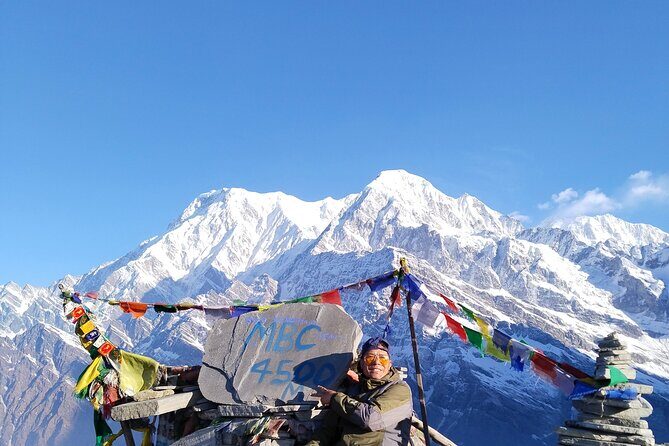
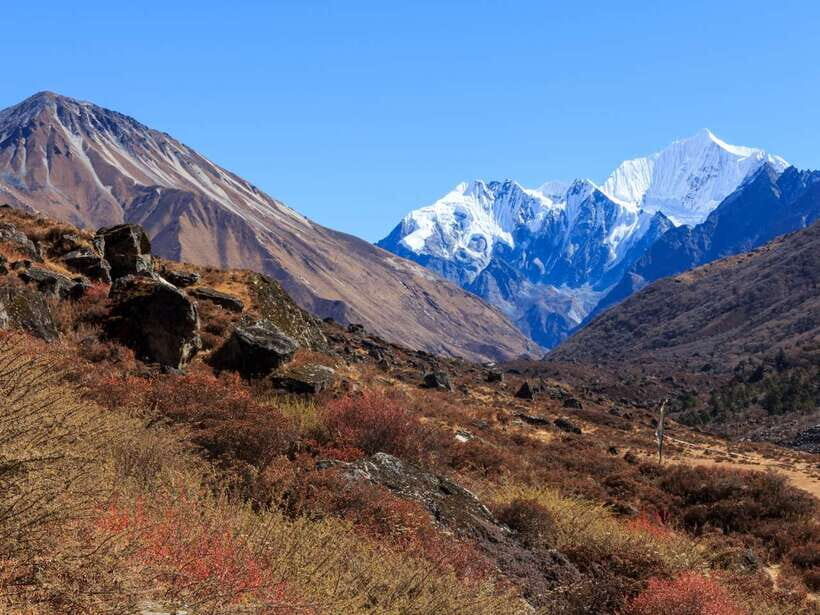
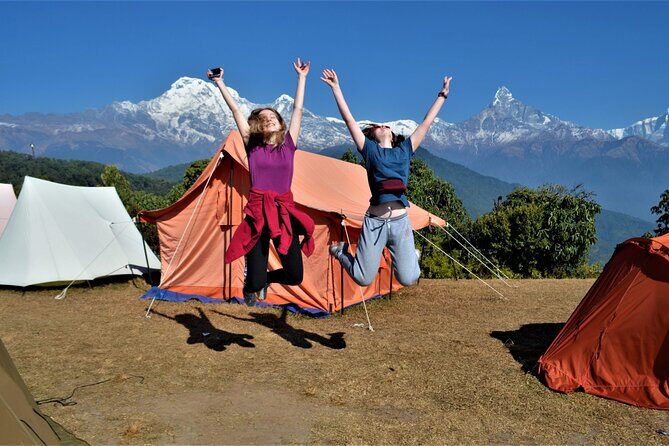
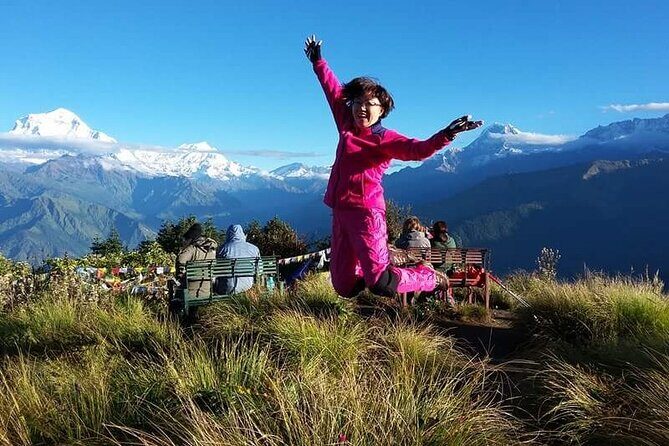
A short trek, big mountain payoff. This private Ghorepani (Poonhill) hiking trip is built for maximum scenery with less stress, pairing clear logistics in Nepal with the classic Annapurna viewpoints. You’ll be trekking in the Ghorepani region with standout panoramas that can include the Annapurna Range, Mt. Dhaulagiri, and Mt. Fishtail.
I especially like that it’s a true private trek for your party, with a guide and porter so you can hike at your own pace instead of matching a group’s rhythm. I also like the “human” side from the way the team is described in feedback: a guide named Prabin is praised for being patient, and a porter named Sabin for being friendly and helpful.
One thing to keep in mind: this is a weather-dependent trek. If the sky doesn’t cooperate for sunrise or mountain visibility, you may be offered a different date or a refund.
In This Review
- Key Things That Make This Poonhill Trek Worth Your Time
- Entering The Annapurna View Zone With a Private Guide and Porter
- Price and Logistics: What $600 Actually Buys You
- The Day-by-Day Flow: Kathmandu, Ghorepani, Poon Hill, Ghandruk, Pokhara
- Day 1: Kathmandu Setup and a Private Start
- Day 2: Arriving in Ghorepani for Mountain Views
- Day 3: Poon Hill Marga Sunrise and Panorama Time
- Day 4: Ghandruk Village, Mt. Fishtail, and Gurung Settlement
- Day 5: Pokhara as the Lake-City Finish
- What You Really Get: Comfort, Safety, and Food That Keeps You Moving
- About the Team: Names You Might Hear and Why That’s a Big Deal
- Packing Reality: What to Bring for a Short Ghorepani Trek
- Who This Trek Fits Best (and Who Should Consider Another Option)
- Should You Book This Private Ghorepani (Poonhill) Trek?
- FAQ
- Where does the trek start, and what time?
- Is this tour private or shared with other travelers?
- How long is the Ghorepani (Poonhill) trek?
- Are meals and accommodation included?
- Do I get hotel pickup and drop-off?
- Do I need a passport for the trip?
- Can I choose vegetarian or non-vegetarian meals?
- What’s included for fees during the trek?
- What’s not included in the tour price?
- FAQ
- How much flexibility is there for cancellation?
Key Things That Make This Poonhill Trek Worth Your Time
- Private pace with a guide and porter so you’re not stuck waiting or speeding up for strangers
- Meals and nightly accommodations included, which removes a lot of day-to-day decision fatigue
- Poon Hill sunrise and big-view mornings, built into a tight ~5-day window
- Village trekking through Ghorepani and Ghandruk, not just a viewpoint-and-go route
- Mountain focus that can feature Annapurna, Dhaulagiri, and Mt. Fishtail scenery
- Professional, flexible support shown in reviews that highlight Prabin (guide) and Sabin (porter)
Entering The Annapurna View Zone With a Private Guide and Porter
Poonhill trekking has a reputation for being “easy-ish” compared with longer routes in Nepal, and this itinerary leans into that. The trek stays relatively low by Himalaya standards, with the maximum elevation noted at about 2,540m at Ghorepani, so you’re not fighting extreme altitude on most days.
What makes it feel different from a generic hike is the pacing. Since it’s private for your party, you can move based on how you sleep, how your legs feel, and what the weather is doing outside. That matters more than people think—especially on early mornings when you’re trying to line up for sunrise views.
You also get support that goes beyond navigation. Having a guide and porter means you’re less likely to overpack, less likely to lose time dealing with details, and more likely to feel steady on the trail. Reviews put real emphasis on professionalism and patience, which is exactly what you want when the goal is enjoying the day instead of stress-managing it.
You can also read our reviews of more hiking tours in Kathmandu


Price and Logistics: What $600 Actually Buys You
At $600, this isn’t a “bargain budget hike,” but it also isn’t just you paying for a route. You’re paying for a bundle: private guiding, porter support, lodging, meals, and a lot of the fees that often get added later on trekking trips.
Here’s what’s explicitly included:
- Accommodation throughout the trek (nightly stays are listed across the itinerary days)
- Meals: breakfast (5), dinner (5), and lunch (6), plus guide/porter meals
- National park fees and local charges, including an Environmental Management Charge (Reef Tax) and fuel surcharge
- Hotel pickup and drop-off, plus round-trip transportation from Kathmandu
- Guide and porter insurance, which is a detail that’s easy to ignore until something goes wrong
Where the value really shows is in the time you save. Planning a short trek like this in Nepal can take longer than people expect—route timing, where you sleep, what you eat, and the admin side. This tour treats those parts as handled for you, which is often the difference between a trip that feels smooth and one that feels like a part-time job.
A practical note: drinks and alcohol are not included, and tips are not included. So budget for that if you like a post-hike drink or you want to show extra appreciation.
The Day-by-Day Flow: Kathmandu, Ghorepani, Poon Hill, Ghandruk, Pokhara
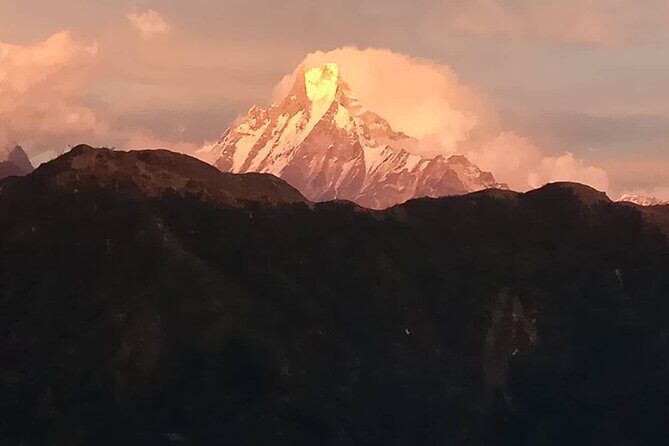
This trip is designed around three big view moments: Ghorepani scenery, Poon Hill sunrise, and Ghandruk village with Mt. Fishtail views. The rest of the days are about getting you positioned, rested, and moving steadily.
Day 1: Kathmandu Setup and a Private Start
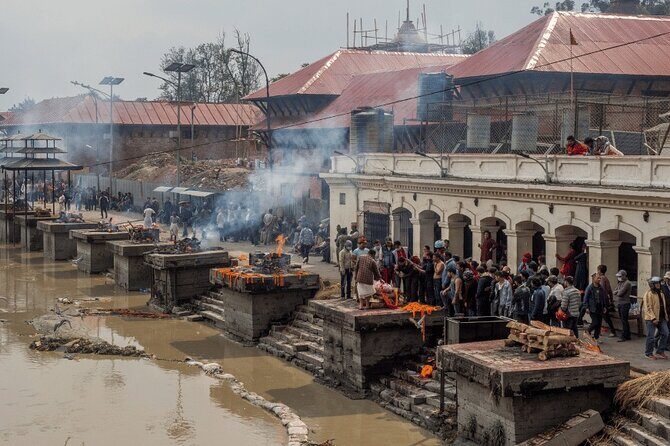
Day 1 begins with pickup from Tribhuvan Airport at 8:00am. After that, the day includes a private Kathmandu day tour element (it’s listed as a stop with a free admission ticket), which is a useful way to prevent the classic mistake of arriving jet-lagged, wandering confused, and burning energy on logistics.
What I like about starting this way is simple: by the time you’re ready to hike, you’ve already gotten your bearings. You’ll be in good hands with a team that can coordinate the trekking transition smoothly, and you won’t have to scramble for small admin tasks while you’re tired.
Possible drawback: airport-to-out-the-door mornings can feel rushed, especially if you land late the night before. If you can, plan your flight so you’re not running on fumes for that 8:00am start.
Day 2: Arriving in Ghorepani for Mountain Views
On Day 2, you arrive in Ghorepani, and the focus is on the magnificent mountain range views. This is the day where the trip starts to feel real. After travel and setup, seeing the Annapurna region unfold from Ghorepani is the kind of “oh wow” moment that makes the early start feel worthwhile.
This is also the day that sets you up for tomorrow. Poon Hill sunrise is the headline, but it’s easier to hit that plan when you’re already in the area and not fighting transfers or long driving on the most important morning.




Day 3: Poon Hill Marga Sunrise and Panorama Time
Day 3 is the big view day: Poon Hill (listed as Poon Hill Marga) for an overview of the mountains and sunrise. This is why people sign up for Poonhill treks in the first place—the combination of early-morning cold air, a sky that gradually lightens, and a broad, dramatic view.
The practical win here is the structure. Even though you’re trekking at your own pace on a private trip, the itinerary still nails the timing to get you to the sunrise viewpoint area.
You’ll want to treat this morning like a mission: warm layers, good footwear, and the willingness to be a little sleepy while you wait for the light. The payoff is the whole point.
Day 4: Ghandruk Village, Mt. Fishtail, and Gurung Settlement
Day 4 shifts from sunrise spectacle to village texture. You’ll go to Ghandruk, with the day described as seeing the face of Mt. Fishtail and the Gurung settlement.
This is the day that helps your trek feel like more than just a viewpoint route. When you’re moving through a village and not only stepping onto scenic platforms, you get a better sense of how people live in the Annapurna region—especially in a place like Ghandruk, which is known for its Gurung community.
A small consideration: village days can be slower and more stop-and-look. That’s a good thing if you’re there to experience the place. Just make sure your expectations match the pace, because this isn’t a “hike fast, take photos, disappear” itinerary.
Day 5: Pokhara as the Lake-City Finish
Day 5 includes Pokhara as the final stop. Pokhara is described as a tourist destination and the lake city, which makes sense as a closing note after days of mountain trekking.
Think of Pokhara as your decompression point. You’ll likely want a warm meal, a bit of recovery time, and time to absorb what you saw. The itinerary also supports the idea of round-trip transport from Kathmandu, so you’re not left trying to stitch together the rest of your trip solo.
What You Really Get: Comfort, Safety, and Food That Keeps You Moving
The tour’s comfort promises are practical, not fluffy. With accommodations and meals included nightly, you’re not deciding where to eat every day or gambling on whether a place will have food that works for your schedule.
The food coverage is detailed:
- Breakfast is included for 5 days
- Dinner is included for 5 days
- Lunch is included for 6 meals
- Guide and porter meals are included too
You also get a choice for food style: you can go veg or non-veg. If you have dietary needs beyond that, you’ll want to confirm directly with the operator, since the info here only specifies veg/non-veg.
Safety and ease also come from having porter support. Even if you’re a confident hiker, carrying less helps you enjoy the views longer, especially on early starts and colder mornings.
From the reviews, the human part matters. People praise the guide’s patience and support, and mention flexibility to handle changes without drama. That’s exactly what you want on a short trek where weather or timing can shift your best plans.
About the Team: Names You Might Hear and Why That’s a Big Deal
When a trekking company works well, you can usually tell by whether people remember the staff—and here, they do.
In feedback, the guide Prabin is praised for being professional, patient, and flexible when changes come up. The porter Sabin is also specifically named as friendly and helpful, which is a great sign for a trek that runs on daily rhythm.
Owners get mentioned too: Nabin is credited with warm, welcoming service and solid organization. Another review references a host named Naveen, but since names can vary by person or contact, the takeaway for you is that the operation is hands-on, not distant.
You don’t need a sales pitch when you’re on a mountain. You need calm planning, clear communication, and a team that shows up ready to work. The reviews emphasize exactly that.
Packing Reality: What to Bring for a Short Ghorepani Trek
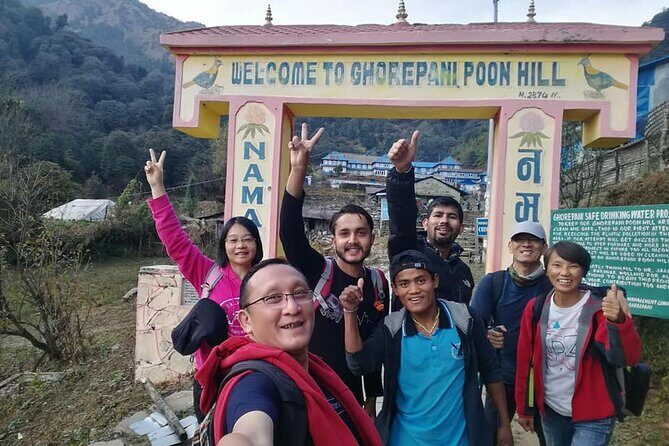
The tour gives guidance on what to wear and bring, and it’s the right kind: you’ll need warm layers and comfortable clothing.
Suggested dress includes:
- a warm jacket
- trousers
- a t-shirt
- comfortable everyday trekking clothing
Even with the lower maximum elevation, mornings near sunrise can feel cold fast. Don’t assume Nepal will be “warm because it’s not high.” In Poonhill season planning, temperature and wind matter a lot.
Also, plan on bringing the essentials needed for your travel documents—this is one area the info is strict. A current valid passport is required on the day of travel, and passport details (name, number, expiry, country) plus a passport photo copy and size photo are requested at booking time.
Who This Trek Fits Best (and Who Should Consider Another Option)
This is a strong fit if:
- you want a private trek rather than joining a group
- you’d rather spend energy enjoying scenery than coordinating logistics
- you like the idea of sunrise at Poon Hill but with less planning stress
- your schedule is tight and you want a short trek window
It may be less ideal if:
- you’re trying to do this as a strict budget hike (private guiding and porter support plus accommodations and meals push the price up)
- you can’t handle early mornings (sunrise-focused treks mean you’ll be up and moving before the sun)
- you’re traveling during uncertain weather periods and need guaranteed clear mountain views
The altitude profile helps: with the max elevation listed around 2,540m, this tends to feel more approachable than high-altitude treks. But “approachable” still requires sensible walking shoes and a body that’s willing to do several hours of trekking daily.
Should You Book This Private Ghorepani (Poonhill) Trek?
I’d book it if you want the Poonhill experience without the planning headache. The private format, the inclusion of meals and nightly accommodations, and the fact that national park fees and local charges are handled all point to a trip that’s built for ease.
Also, the reviews’ strongest signals line up with what you want in Nepal: professional guidance, friendly porter support, and the ability to adapt when conditions change. If you’re choosing between DIY planning and a guided private trek, this is the kind of package that lets you focus on sunrise moments and village walks.
One final question to ask yourself: how important is sunrise visibility to you? Since the trip depends on weather for the best views, you should be okay with the possibility that the sky may not cooperate perfectly.
If that works for you, this private Ghorepani (Poonhill) trek looks like a smart, value-focused way to get Annapurna-range magic in about five days.
FAQ
Where does the trek start, and what time?
The meeting point is Tribhuvan Airport, Kathmandu, Nepal, with a start time of 8:00am.
Is this tour private or shared with other travelers?
It’s a private tour/activity, meaning only your group will participate.
How long is the Ghorepani (Poonhill) trek?
The duration is listed as 5 days (approx.).
Are meals and accommodation included?
Yes. Nightly accommodations and meals are included, and the package lists breakfast (5), dinner (5), and lunch (6).
Do I get hotel pickup and drop-off?
Yes. Hotel pickup and drop-off are included, along with round-trip transportation from Kathmandu.
Do I need a passport for the trip?
Yes. A current valid passport is required on the day of travel. Passport details and photo copies are requested at booking time.
Can I choose vegetarian or non-vegetarian meals?
Yes. The information states you can choose veg or non-veg.
What’s included for fees during the trek?
The package includes national park fees and an Environmental Management Charge (Reef Tax), plus fuel surcharge and local taxes.
What’s not included in the tour price?
Not included are alcoholic drinks (available to purchase), drinks, tips, personal expenses, medicine, and personal insurance.
FAQ
How much flexibility is there for cancellation?
You can cancel up to 6 days in advance for a full refund. Between 2–6 days before start time, you get a 50% refund. If you cancel less than 2 days before start time, the amount paid is not refunded. If the trek is canceled due to poor weather, you’ll be offered a different date or a full refund.