REVIEW · POKHARA
Poon Hill Trek from Pokhara 4 Days
Book on Viator →Operated by My Dream Adventure (MDA) · Bookable on Viator
Want sunrise over the Annapurnas in four days? This Poon Hill trek from Pokhara pairs an easy route with Poon Hill sunrise and guesthouse comfort.
I love how the days are built around classic viewpoint stops without feeling overly complicated. You also get hotel pickup and drop-off, so you’re not wrestling with local directions before your first uphill step.
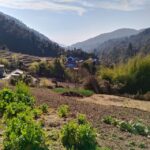
I love the people part: you pass Gurung and Magar villages, see terrace farming, and walk through rhododendron-and-oak trails where daily life feels close. This trek also comes with an English-speaking trekking guide, so you get real help with the route and what you’re seeing.
One possible drawback: you’ll be up early, because you hike before dawn to catch sunrise. If you’re hoping for slow starts every day, this is not that kind of trip.
In This Review
- Key highlights that shape the Poon Hill trek
- Value and logistics: what you really get for $230
- Day 1: Pokhara to Ulleri (via Nayapul) and your first big stretch
- Day 2: Ulleri to Ghorepani, with Banthali and Annapurna South views
- Day 3: Before-dawn hike to Poon Hill sunrise, then Ghandruk
- Day 4: Ghandruk downhill to Pokhara, rhododendron forest and farewell peaks
- Guides, permits, and how My Dream Adventure keeps the trek smooth
- Accommodation: guesthouses on a classic short trekking route
- Weather and the sunrise reality check (how to avoid disappointment)
- Who should book this Poon Hill trek from Pokhara?
- Should you book this tour with My Dream Adventure (MDA)?
- FAQ
- How long is the Poon Hill trek from Pokhara?
- How much does the tour cost?
- Is pickup and drop-off included from Pokhara?
- What’s included for permits and trekking documents?
- What kind of accommodation is provided during the trek?
- What is the cancellation policy?
Key highlights that shape the Poon Hill trek
- Pokhara to the trailhead, handled: pickup plus a shared local bus transfer to Nayapul
- Ulleri (2070m) on Day 1: a steady first-day climb that sets the rhythm
- Banthali’s Magar village on Day 2: views and a cultural stop along the way to Ghorepani
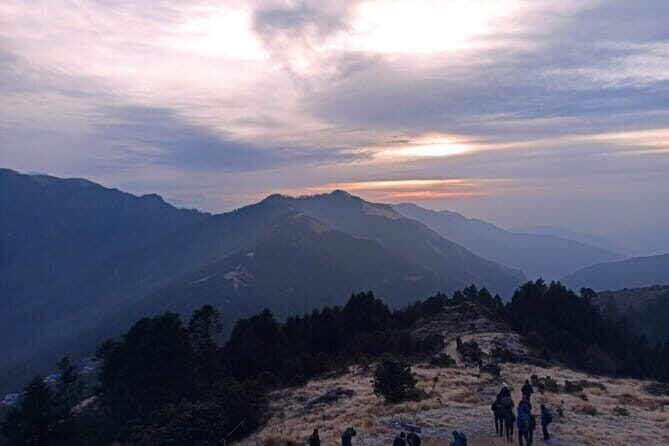
- Pre-dawn hike for sunrise: the big payoff comes from Poon Hill timing
- Ghandruk on the way to the finish: classic village scenery before heading back down to Pokhara
- Permits included: trekking permit and a TIMS card, plus a guide who handles the paperwork side
Value and logistics: what you really get for $230
At $230 per person for about 4 days, the value here is mostly in “less stress” stuff. You’re paying for the setup: hotel pickup and drop-off, shared bus transfers, a guide, and the permits you need for the trek. That’s not glamorous, but it matters in Nepal. Paperwork and timing are where small mistakes can turn a pleasant hike into a headache.
You’re also getting accommodation in guesthouses along the route. Guesthouses are simple by nature, but having a place organized for you means you can focus on walking, sleeping, and enjoying the views instead of chasing rooms after a long day.
One more practical point: the tour is listed as a private trek. In plain terms, you do the hike with your own group and the guide, not as a free-for-all mixing with random strangers.
You can also read our reviews of more hiking tours in Pokhara
Day 1: Pokhara to Ulleri (via Nayapul) and your first big stretch
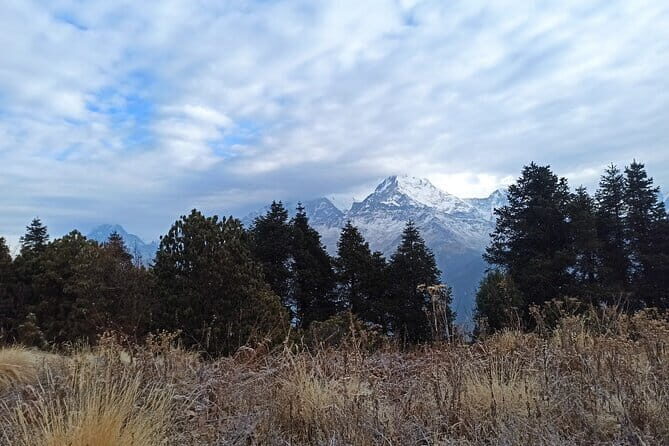
Day 1 starts with a short transport phase. You’ll ride from Pokhara to Nayapul by local bus (around 1 hour), then begin trekking uphill toward Ulleri at about 2070m / 6,791ft.
This day is a “find your legs” day. You’re not yet chasing sunrise timing; you’re building steady effort. If you’ve never hiked in mountain terrain before, Ulleri is a good first target because it’s reachable on a day with a clear start and finish.
What I like about this structure is that it helps you settle into the route. You start walking, you learn how the path feels underfoot, and by the time you reach your stop, you’re ready for a proper sunrise day ahead.
Small consideration: this is still a mountain trek. Even when the total duration is only a few days, the uphill starts on Day 1, so good footwear and pacing matter.
Day 2: Ulleri to Ghorepani, with Banthali and Annapurna South views
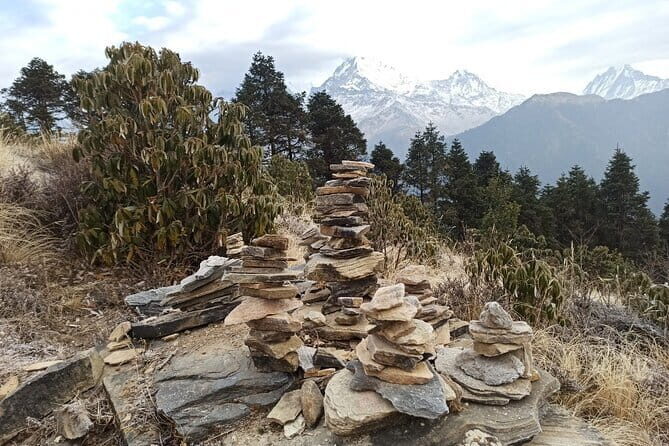
On Day 2, you hike from Ulleri to Ghorepani in roughly 6 hours, with a highlight stop along the way at Banthali.
Banthali is described as a village inhabited by the Magar community, and it’s a nice change of pace from just walking through the trees. You get a feel for village life—people, terraces, and that everyday mountain routine that doesn’t pause just because tourists arrive.
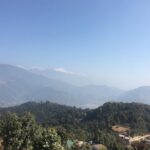
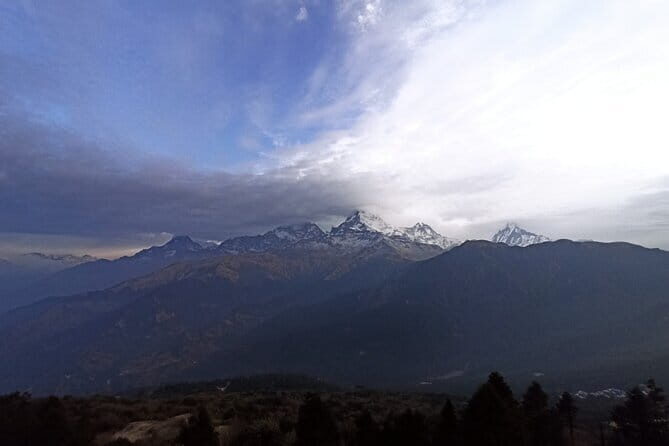
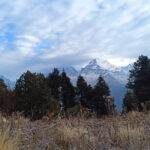
This is also the day where the trek leans into views. The route mentions magnificent views of Annapurna South (7,219m) from the Banthali area. You may not see every peak every moment—mountain views are always broken by turns and ridges—but the day is built to give you regular visual rewards.
Why this day feels rewarding: it’s the bridge between “forest trail” energy and “viewpoint sunrise” energy. You’re still hiking in daylight, so it’s easier to read the route, stop for photos, and stay comfortable.
Practical tip from how these trails usually work: keep water and snacks accessible. Day 2 is long enough that you’ll feel it if you try to power through on empty.
Day 3: Before-dawn hike to Poon Hill sunrise, then Ghandruk
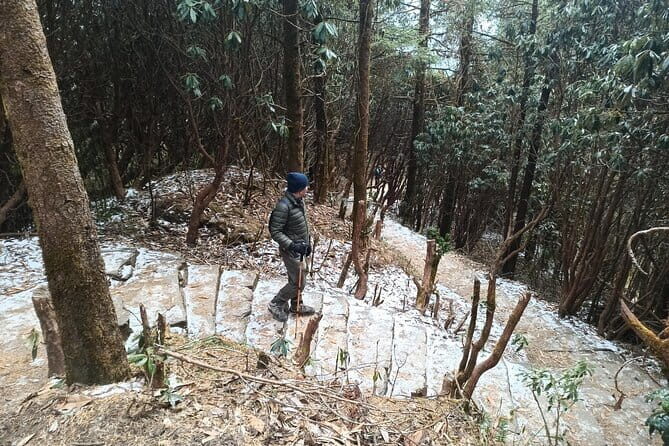
This is the day with the payoff.
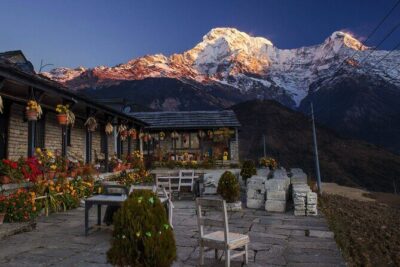
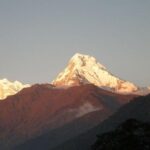
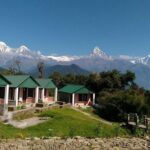
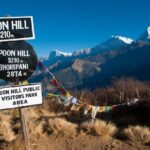
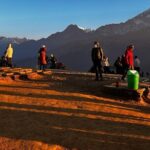
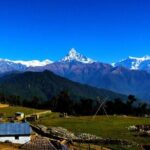
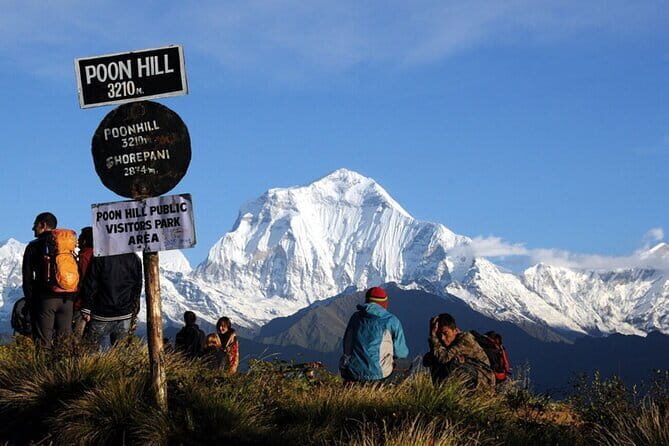
You start your hike before dawn, heading toward Poon Hill so you don’t miss the sunrise. When you arrive, you wait for the sky to change and the mountains to come into view. The description of the moment is clear: first rays of sunrise illuminating the Annapurna and Dhaulagiri ranges.
Here’s the practical reality: “before dawn” means you’re moving on dark paths. A headlamp (or a reliable flashlight app) makes things easier. You’ll also want layers you can adjust quickly—waiting at a viewpoint can feel colder than moving.
After the sunrise, the day connects into Ghandruk as the stop. Ghandruk is one of those Nepal trekking names you’ll hear repeatedly, and in the route design it functions like a strong “village base” before your final descent.
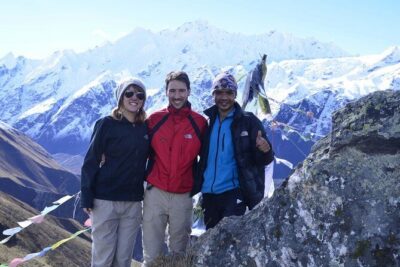
This day also fits the cultural side of the trek. The route passes Gurung and Magar villages on the overall journey, and that mix of people plus mountains is the main reason Poon Hill isn’t just a photo stop.
If you’re choosing between this trek and something higher and harder: Poon Hill is the version where the sunrise is the highlight without pushing into extreme altitude objectives.
Day 4: Ghandruk downhill to Pokhara, rhododendron forest and farewell peaks
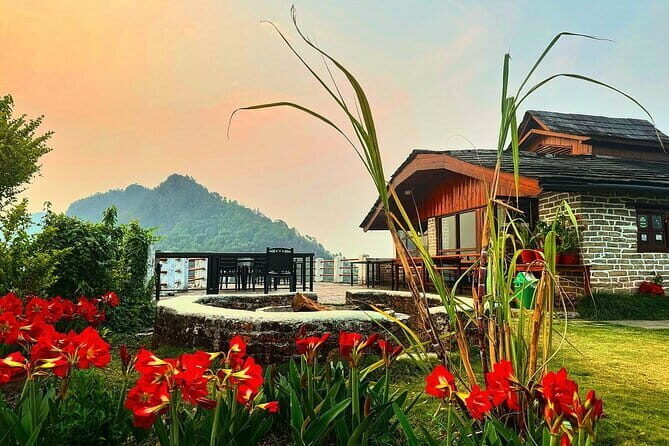
Your last day is about walking downhill and finishing with a scenic send-off. From Ghandruk, you hike downhill via a scenic route back toward Pokhara, moving through rhododendron forest along the way.
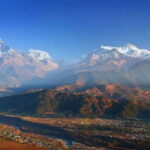
The itinerary also name-drops the mountain skyline you’ll be saying goodbye to: Annapurna I, Annapurna South, Dhaulagiri, Fishtail, and Himchuli. Even if you don’t see every listed peak from every single moment, the point is that the day is framed with those big mountain silhouettes.
Why Day 4 matters: it gives you a calmer end to a short trek. You’re not waking up for another timed sunrise. You’re using momentum from the past few days and letting the trek shift into “finish strong” mode.
One word of caution: downhill walking is harder on knees than people expect. Trekking poles can help a lot if you use them well.
A few more Pokhara tours and experiences worth a look

Guides, permits, and how My Dream Adventure keeps the trek smooth
You’re not just buying a route—you’re buying support.
Your package includes an English-speaking trekking guide, and the operator also includes the trekking permit and TIMS card. That matters because permits can be a time sink if you’re trying to handle them on your own. Having the guide support that part removes uncertainty.
The guide focus shows up in the details people highlight: being able to explain the trail and share context on Nepalese culture. Guides named across past experiences include Dad hi, Milan Rai, and Bikram, and you may also hear names like Sagar and Sham connected with smooth coordination. Porter support is also part of the larger trek ecosystem, and one porter name you might encounter is Purna Bahadur.
Even when you’re on a short trek, these human touches help. A guide can help you interpret what you’re seeing, choose good photo stops, and keep the timing realistic—especially on the pre-dawn sunrise day.
Accommodation: guesthouses on a classic short trekking route
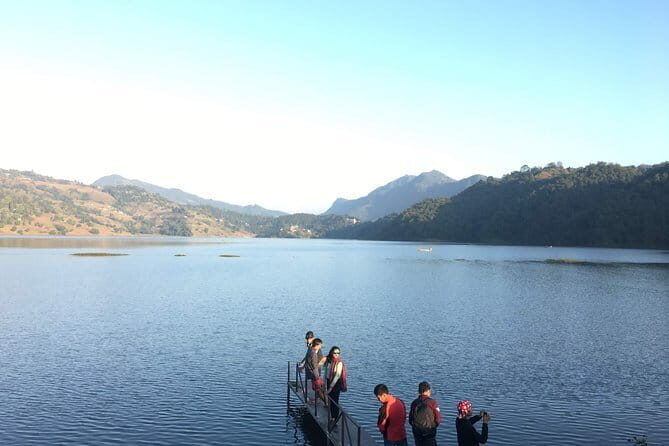
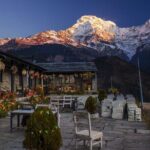
This trek includes accommodation in guesthouses. Guesthouses on routes like this are typically basic, functional places to rest. The good news is that the trek is only 4 days, so you’re not dealing with weeks of the same routine.
What you should plan for:
- Simple rooms and shared facilities depending on the guesthouse
- Varying quality of cleanliness and hot water (which is normal for trekking routes)
- Rest-time being important since you’re hiking multiple days in a row
The value of included guesthouses is that you’re not scrambling to find something at the end of each day. Your schedule is already built around having a place to stay.
Weather and the sunrise reality check (how to avoid disappointment)
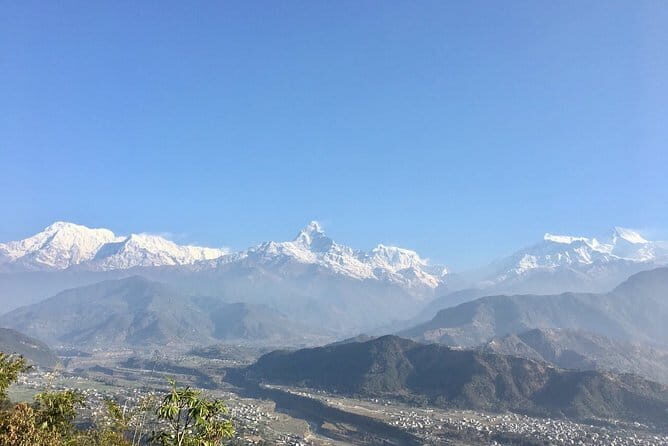
The trek is built around sunrise from Poon Hill. That’s the star event. But sunrise plans always come with one variable: weather.
The route descriptions focus on clear views like the Annapurna and Dhaulagiri ranges lighting up. When conditions are good, it’s a huge moment. When clouds roll in, you might still have a decent hike day, but the view can be muted. You can’t fully control that part—so plan your day with flexibility in mind.
My best advice: bring a camera mindset that’s okay with partial views. Mountain mornings often shift from fog to clarity in stages.
Who should book this Poon Hill trek from Pokhara?
This is a great choice if you want:
- A short trek (about 4 days) without going too long
- Classic mountain views, including a sunrise spotlight
- Culture along the way through Gurung and Magar villages
- A guided setup with permits and transfers handled
The tour is recommended for people with moderate physical fitness. That usually means you can walk for several hours and handle uphill/downhill without needing a slow, day-by-day rehabilitation plan.
It’s also a solid pick for first-timers. You get the Nepal trekking feel—walking routes, village stops, viewpoint timing—without committing to a much longer trek.
Should you book this tour with My Dream Adventure (MDA)?
If you’re looking for a straightforward way to do Poon Hill from Pokhara with pickup, permit support, and an English-speaking guide, this package makes sense. The price isn’t trying to compete with the cheapest bare-bones options; it’s paying for coordination and the big “don’t miss sunrise” timing.
The biggest reason to book is simple: you want the Poon Hill sunrise experience without turning the trip into project management. The biggest reason to hesitate is also simple: you’ll be starting early on a key day, and downhill on Day 4 will demand attention to your legs.
If that trade-off fits your style, this is a strong, high-approval-choice trek for a 4-day Nepal window.
FAQ
How long is the Poon Hill trek from Pokhara?
The trek is listed as 4 days approximately.
How much does the tour cost?
The price is $230.00 per person.
Is pickup and drop-off included from Pokhara?
Yes. Hotel pickup and drop off are included.
What’s included for permits and trekking documents?
The package includes trekking permit and TIMS card.
What kind of accommodation is provided during the trek?
You’ll stay in guest houses (accommodation is included).
What is the cancellation policy?
You can cancel for a full refund if you cancel up to 24 hours in advance. If you cancel less than 24 hours before the start time, there is no refund.