REVIEW · POKHARA
Pokhara: 4-Day Mardi Himal Trek
Book on GetYourGuide →Operated by MTA Trekking Pvt. Ltd. · Bookable on GetYourGuide
Somewhere between the forests and sunrise, your brain quiets.
This 4-day Mardi Himal Trek out of Pokhara is a smart way to see the Annapurna range without the heavy crowds, with a lot of your day spent in traditional villages and forest paths. I especially liked the steady, supportive guiding I saw on the trail, including how guides like Gobinda, Ramit, and Kaji stay focused on pace and comfort, not just ticking boxes. One thing to keep in mind: the higher sections mean endless stairs and real altitude effort, so you’ll want a buffer if you’re new to trekking.
What makes this trek work so well is that it’s not just a climb to a view. You get a full rhythm: drive from Pokhara into hillside scenery, tea-house stops, nights in camps like Forest Camp and High Camp, and then an early morning push to the sunrise viewpoint around 4,200–4,300 meters. I also like that the plan is flexible—your team may adjust whether you continue toward Mardi Himal Base Camp based on snow and weather conditions. The main drawback? Winter and bad weather can make the route beyond the viewpoint steeper and less safe, and you may not be able to go all the way.
If you want a trek that feels personal, this private-group setup helps. The experience includes a licensed English-speaking guide, permits (TIMS included), trekking gear (including poles and a sleeping bag), transportation, and teahouse accommodation. Still, don’t assume meals are automatically covered—meals depend on whether you chose the Full Package or Standard Package.
In This Review
- Key Points That Make This Trek Worth Your Time
- Why Mardi Himal Works When You Want Annapurna Views, Not Crowds
- How the Pokhara-to-Kande Start Sets Your Trek Up Right
- Forest Camp to High Camp: The Jungle Walk That Tests Your Patience (In a Good Way)
- The Sunrise Push to the 4,200–4,300m Viewpoint
- Going Beyond the Viewpoint: Base Camp Is a Bonus, Not a Guarantee
- Forest Camp to Kalimati: The Gentle Finish With Machhapuchhre in View
- Guides, Teahouses, and the Small Stuff That Makes It Comfortable
- Price and Value: Is $139 a Good Deal?
- Who This Trek Suits Best (And Who Should Skip It)
- What to Pack for Mardi Himal (So Your Trip Feels Easy)
- Best Time to Go: Spring and Autumn Make the Views More Reliable
- Should You Book This 4-Day Mardi Himal Trek With MTA Trekking?
- FAQ
- How high does the Mardi Himal trek go?
- Is this trek suitable for beginners?
- What’s the best time of year to go?
- Will I see Machhapuchhre during the trek?
- Are meals included in the trek price?
- What trekking gear is provided?
- How much do porters cost?
- Is the group private?
- What should I bring for safety and comfort?
- Who is this trek not suitable for?
Key Points That Make This Trek Worth Your Time
- Sunrise at 4,200–4,300m gives you big views of Machhapuchhre (Fishtail) and the Annapurna range.
- Forest-to-meadows variety means you’re not stuck with only one kind of scenery.
- Guides who manage pace: names like Ramit, Kaji, and Prabit come up again and again for attentive support.
- Wildlife and local culture pop up along the way, including chances to spot birds, butterflies, and even Himalayan thar.
- A flexible Base Camp plan means weather can control how far you go, especially in winter.
- Teahouse nights stay cozy and social, with practical help for ordering food and staying comfortable.
Why Mardi Himal Works When You Want Annapurna Views, Not Crowds
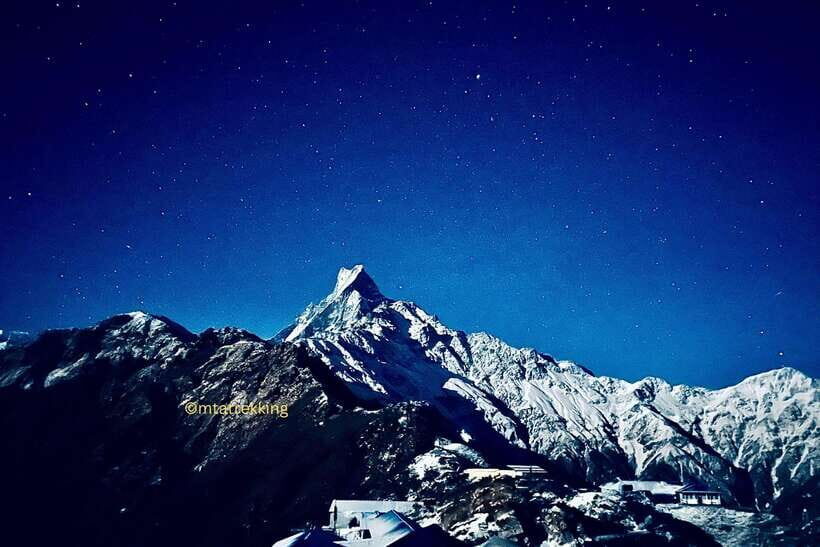
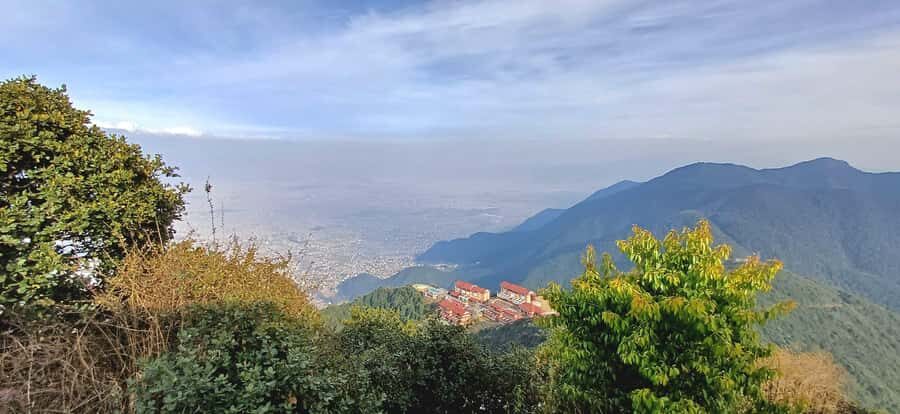
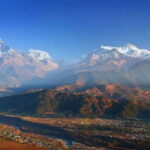
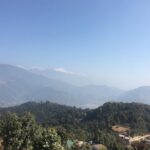
Mardi Himal is one of those Annapurna-region treks that feels like it was designed for people who like mountains but also like quiet. You’re still chasing the drama—Annapurna peaks, Machhapuchhre’s distinctive shape, and that “sunlight hits the ridges” moment—but the experience is built around forests, villages, and long walking days that feel more like a journey than a conveyor belt.
The payoff starts early in the trekking day and keeps building. The climb moves from lower hills into denser forest, then higher camps where views open up fast. That’s why the sunrise viewpoint hits so hard: after days of stepping up through trees and terraces, you’re suddenly above the ordinary world.
You can also read our reviews of more hiking tours in Pokhara
How the Pokhara-to-Kande Start Sets Your Trek Up Right
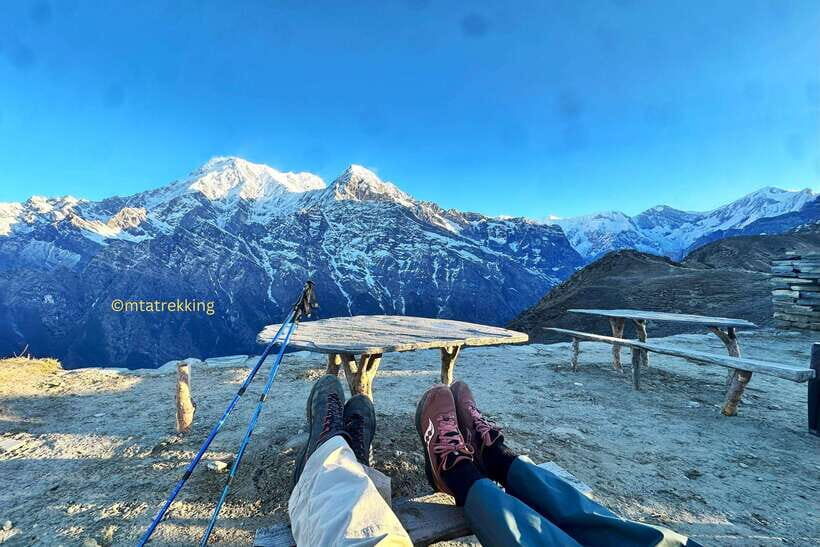
Your day begins in Pokhara with pickup (there are multiple pickup options around town). Then you head toward Kande by car—about a 1.5-hour ride through scenic hills. This matters more than you might think. You arrive at the start area ready to walk, not already tired from travel.
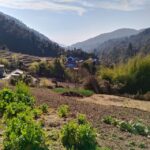
Once you’re in Kande, the trek to Forest Camp takes about 5 hours and is a true transition day. You’ll pass lush fields, dense forest, terraced patches, and the kind of hillside details you miss if you only look at mountains. There’s also a midday tea house stop, which is a nice break point to reset your legs, check the sky, and sip something warm.
Forest Camp at around 2,600m is the first overnight. This is a good height for acclimatizing because it’s high enough to feel the mountains, but not so high that you’re fighting your body. If you’re sensitive to altitude, this first camp can make the trek feel far more manageable.
Forest Camp to High Camp: The Jungle Walk That Tests Your Patience (In a Good Way)
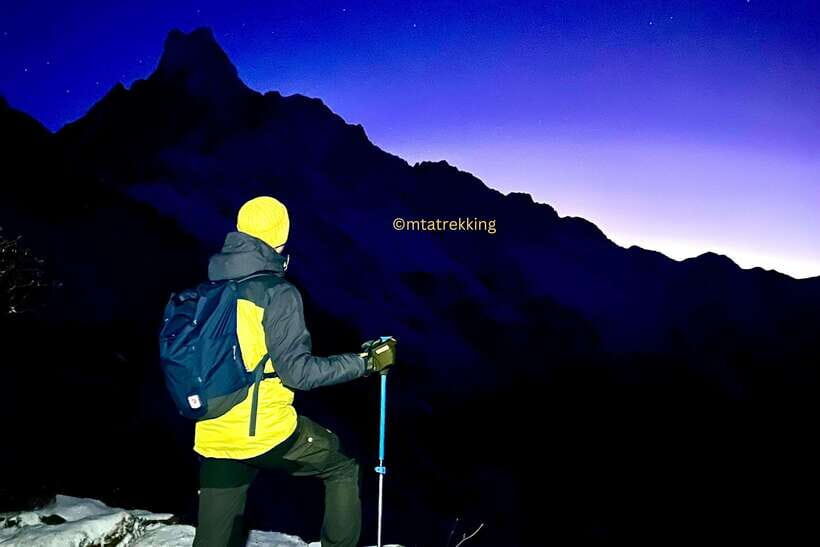
The next morning, you move from Forest Camp to High Camp in roughly 5 hours. Forest Camp sits around 2,600m, while High Camp is near 3,550m. This day often feels like the “work” day: consistent climbing, forest cover, and less time staring at views because the trail itself demands attention.
Here’s where you get some of the small rewards that make Mardi Himal special. You might spot birds and butterflies, and in the right areas you may see Himalayan thar. Even if you don’t see big wildlife, the trail’s texture changes constantly—trees, shade, narrow paths, and the sense that you’re walking through a living ecosystem rather than a single-file trekking line.
High Camp is also where the practical side of teahouse trekking becomes real. Reviews and guides often stress that higher camps can have limited amenities—things like shower availability and phone signal can be spotty. Don’t plan your night like you’re in a hotel. Plan it like you’re in the mountains: warm food, early sleep, and a flashlight.
The Sunrise Push to the 4,200–4,300m Viewpoint
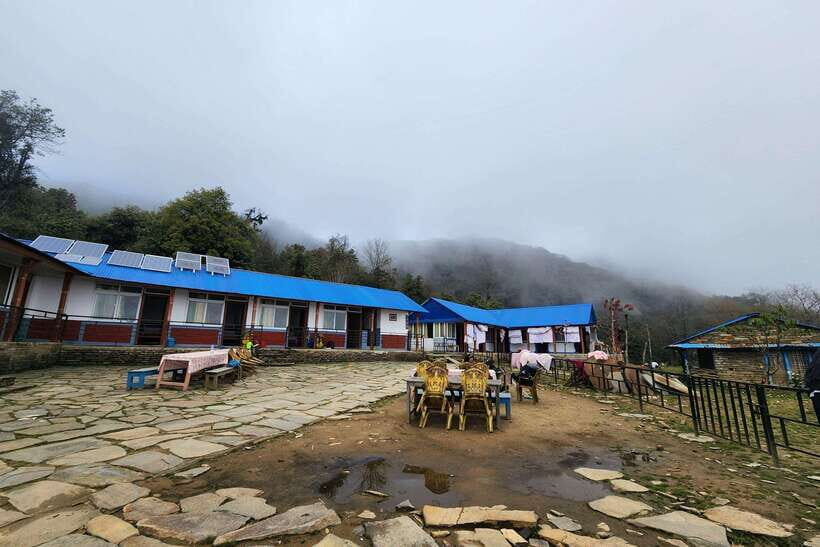
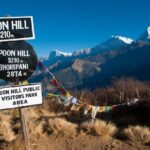
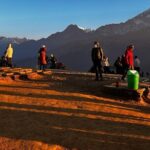
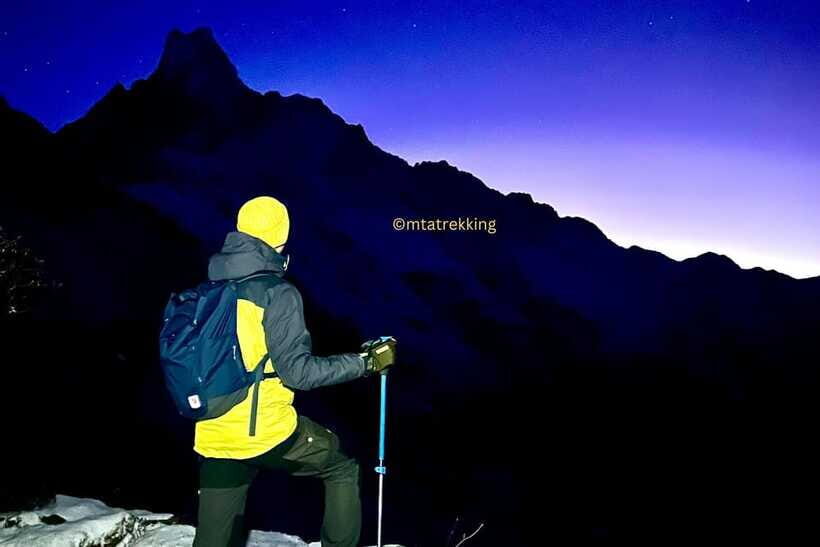
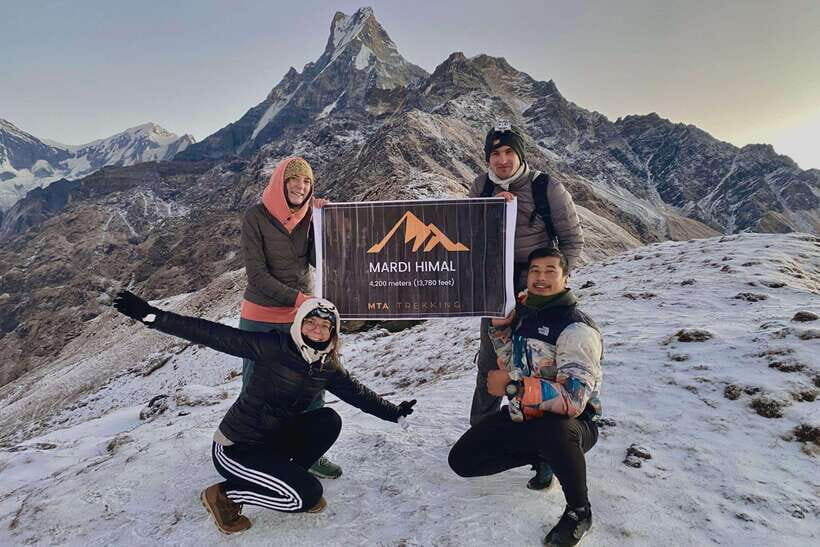
This is the trek’s signature moment, and it starts early. You’ll wake up around 4:00am for an early hike to the sunrise viewpoint near 4,200–4,300m. Depending on weather, you might hike for about 1.5 to 2 hours to reach the best lookout timing.
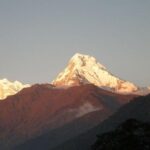
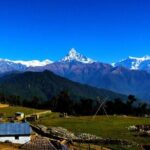
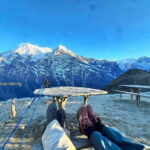
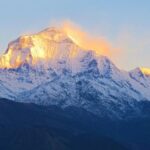
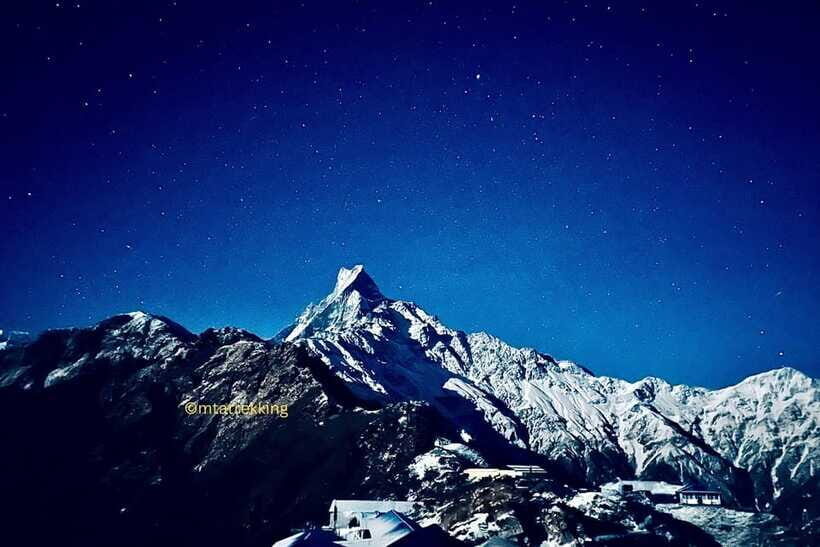
When the light hits, you’re looking at Machhapuchhre (Fishtail), the Annapurna range, and Mardi Himal itself. Sunrise at this altitude isn’t just pretty—it’s motivating in a way that makes the earlier steps feel worth it. It’s also the moment when you understand why this trek stays popular among people who care about views but want a less crowded route.
One important consideration: cold can show up fast at these elevations, even when lower areas feel pleasant. Bring warm layers you’ll actually wear in the dark. Sunglasses help too, because once the sun climbs, snow glare and brightness can sneak up on you.
Going Beyond the Viewpoint: Base Camp Is a Bonus, Not a Guarantee
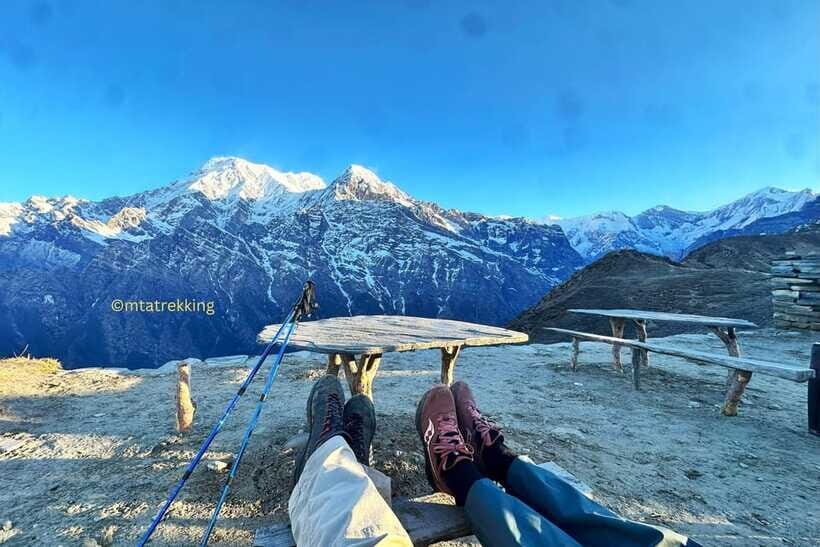
After sunrise, you’ll start descending back toward lower camps for the night. But there’s an optional add-on that many people love: continuing toward Mardi Himal Base Camp (around 4,500m).
This is where you need to stay flexible. The plan explicitly notes that weather and snow conditions can decide whether you go. In winter months (January and February), heavy snow can make the section challenging, and you’ll need extra caution (and crampons if required). Even in shoulder seasons, cloudy conditions can mean the mountains don’t show up the way you hoped.
That flexibility is actually a good thing for you. It reduces the temptation to force an exposed section when conditions aren’t right. So if your goal is the sunrise and you’re okay with a “bonus if conditions allow” base camp extension, this trek matches that mindset perfectly.
A few more Pokhara tours and experiences worth a look

Forest Camp to Kalimati: The Gentle Finish With Machhapuchhre in View
On the fourth day, you’ll breakfast and then descend toward Kalimati (around 1,800m) before taking a jeep back to Pokhara (about 1.5 to 2 hours). The descent days often feel like relief, but you still get mountain drama.
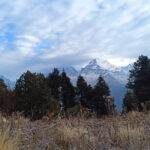
One detail I really like here: Machhapuchhre stays in clear view as you walk down to Kalimati. That means your last trekking hours still have meaning, not just “legs-only walking.”
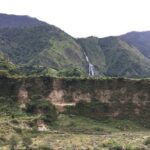
The trail can also feel calmer than the climbing days: birdsong, forest paths, small bridges, and gentle waterfalls along the way. You’re not climbing anymore—you’re absorbing the last hours of being out there. Then you’re back in Pokhara with your legs tired and your head full of ridgelines.
Guides, Teahouses, and the Small Stuff That Makes It Comfortable
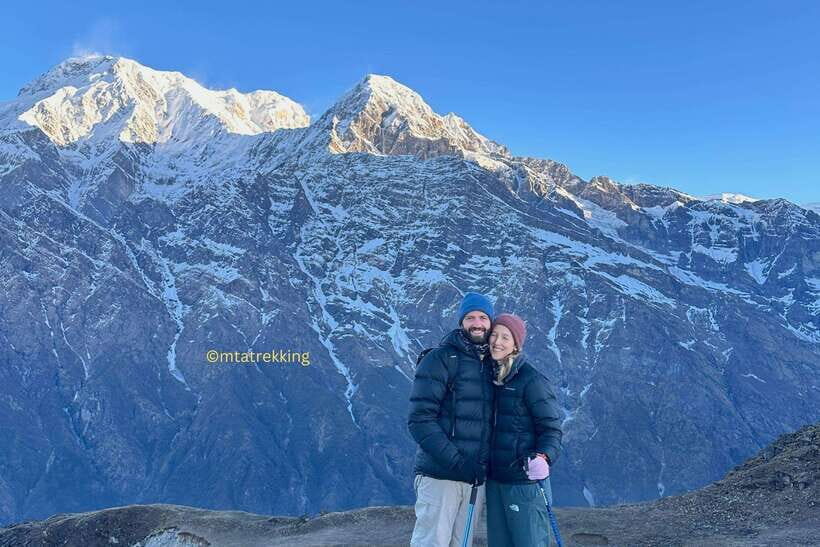
The guides are a major reason this trek gets such strong ratings. Names like Gobinda, Ramit, Shishir, Lalit, Prabit, Kaji, and Jeevan come up repeatedly, and the common thread is clear: they manage pace, check how you’re feeling often, and keep logistics smooth so you don’t spend the day thinking about what comes next.
Some guides also help with photos along the trail, and that sounds small until you realize you won’t remember where you were standing unless someone captures it for you. Others handle food choices carefully, including advice that helps at altitude. One repeated tip: avoid heavy meat higher up. Another practical note from experience on this route: pack enough cash for the food you want, since teahouse menus can vary and you’ll likely want extras beyond the basic meal plan.
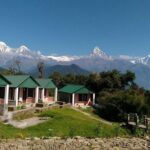
Teahouses are part of the character of Mardi Himal. People describe them as cozy and welcoming, and you’ll often get great tea options like ginger, lemon, honey tea, plus standard chai. Nights at camps like Forest Camp and High Camp are straightforward: warm meals, a shared atmosphere with other trekkers, and rest.
If you’re sensitive to hygiene, consider bringing your own sleeping bag liner or a sleeping bag even if gear is provided. Some higher-camp rooms may feel basic, and you’ll sleep better when you know you’re protected.
Price and Value: Is $139 a Good Deal?
$139 per person for a 4-day trek is fairly strong value in the Annapurna region—especially when compared with what you’d spend on a similar service level once you factor in permits and local logistics. What makes the price work is that the package is not just a guide and a trail map.
Included items cover the essentials you’d otherwise have to chase down: pickup and drop-off in Pokhara, permits and TIMS paperwork fees, a licensed English-speaking guide, transportation during the trek, taxes, and staff costs (including meals, accommodation, salary, insurance, and transport). Trekking gear is provided as well—trekking poles and a sleeping bag are listed.
The big thing to check is whether your specific package includes meals. The information is clear: meals (breakfast, lunch, dinner) are included only in the Full Package. If you selected the Standard Package, you may not get meals included, so your daily spending can rise quickly because teahouse food becomes your only option.
Also note: porter costs are listed separately at $20 per day. If you carry a heavy pack or you just want your shoulders to stay quiet, ask ahead about porter options.
Who This Trek Suits Best (And Who Should Skip It)
This trek is described as moderate despite the elevation. That makes sense: the route isn’t technical, but it’s serious on endurance. Expect stair-heavy sections and plenty of steps, especially as you gain altitude.
Who tends to fit well:
- First-time trekkers who want a real Himalayan experience without technical climbing.
- People who can handle 5-hour trekking days and steady ascent.
- Travelers who like forests, villages, and sunrise views more than “just reach the top and leave.”
Who should skip it:
- Pregnant women
- Anyone with altitude sickness risk (the trek is at high elevations and safety decisions may restrict plans)
- People over 70 years
And one more reality check: even when the trek is “moderate,” altitude can still hit. Guides on this route are focused on health and safety, and some have handled altitude issues by adjusting progress. Still, you’ll be happiest if you choose a reasonable pace and don’t treat the hike like a sprint.
What to Pack for Mardi Himal (So Your Trip Feels Easy)
You’ll get trekking poles and a sleeping bag listed as provided, but you still need your personal comfort kit. Bring:
- Warm clothing (even in seasons that feel mild in Pokhara)
- Sunglasses
- Sun hat
- Sunscreen
- Flashlight (teahouses and high camps aren’t set up like you have lighting on every path)
Small extras that I strongly recommend based on how mountain nights really feel:
- A layer you can wear at 4:00am in cold air
- Cash for teahouse snacks and extra meals
- A sleeping bag liner or your own sleeping bag if you’re picky about hygiene
Also, be ready for bugs and leeches in the lower forest areas. If you’re walking through wetter sections, it’s normal to need some basic protection.
Best Time to Go: Spring and Autumn Make the Views More Reliable
The ideal seasons are spring (March to May) and autumn (September to November). This is when weather tends to be more stable and mountain views are at their best.
Winter is riskier for the higher push past the viewpoint, because snow can make the route steep and slippery and safety infrastructure may be limited. Monsoon season also brings bad odds—wet trail conditions can make the upper sections harder.
If you’re choosing dates, aim for spring or autumn unless you’re specifically traveling with a winter-mountain mindset and accept that base camp may be off the table.
Should You Book This 4-Day Mardi Himal Trek With MTA Trekking?
I’d book it if your priorities are sunrise views, a quieter Annapurna-region trek, and a guided experience that manages pace and comfort. The standout strength here is how the trek is run: from pickup logistics in Pokhara to the early morning ascent to the viewpoint, it’s designed so you spend energy walking and breathing, not figuring stuff out.
Before you hit reserve, do two quick checks:
- Confirm whether your package includes meals. For Standard Package bookings, you may need extra daily spending for teahouse food.
- Match your expectations to the conditions. Base Camp is optional and weather-dependent, and winter can change the route reality fast.
If that sounds like your style—climb, wait for sunrise, keep the day flexible—this is a very solid choice.
FAQ
How high does the Mardi Himal trek go?
You’ll hike up to the Mardi Himal Viewpoint at around 4,200 meters. There is also an optional continuation to Mardi Himal Base Camp at around 4,500 meters, depending on weather and snow conditions.
Is this trek suitable for beginners?
It’s described as a moderate trek suitable for all levels, including beginners looking for adventure. You still need a good fitness base because the hike involves steady climbing and many steps.
What’s the best time of year to go?
Spring (March to May) and autumn (September to November) are the ideal seasons for more stable weather and the best mountain views.
Will I see Machhapuchhre during the trek?
Yes. Machhapuchhre (Fishtail) is highlighted, including the sunrise viewpoint experience and also keeping it in view during part of the descent toward Kalimati.
Are meals included in the trek price?
Meals are included only in the Full Package (breakfast, lunch, dinner). If you choose the Standard Package, meals are not included, so you’ll rely on tea house food you purchase.
What trekking gear is provided?
Trekking gear provided includes trekking poles and a sleeping bag (as listed in the included items).
How much do porters cost?
Porter costs are listed at $20 per day.
Is the group private?
Yes. This is a private group trek, with private accommodation during the trek (with possible room sharing for solo travelers during peak season due to limited availability).
What should I bring for safety and comfort?
Bring warm clothing, sunglasses, a sun hat, sunscreen, and a flashlight.
Who is this trek not suitable for?
It is not suitable for pregnant women, people with altitude sickness, and people over 70 years.