REVIEW · POKHARA
4 Days Poon Hill Trek from Pokhara
Book on Viator →Operated by Arpan Nepal · Bookable on Viator
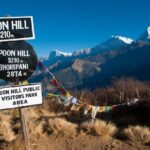
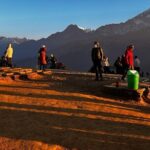
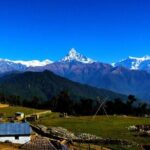
Sunrise at Poon Hill changes your whole morning. You’ll climb early for Mt. Annapurna views at around 3210 meters, then spend the day hiking through forests and small settlements. Two big highlights I like are the sunrise payoff and how rural the route feels once you’re away from the road.
I also really like the human scale of this trek. You’ll pass through mountain village life, including the Gurung village of Ghandruk, where the trail atmosphere turns from scenic walking into real community trekking.
One thing to plan for: the best views come with early starts. You’ll be up early for sunrise, so expect cold air, less sleep, and tired legs later.
In This Review
- Key things that make this trek tick
- Why Poon Hill sunrise is the point of the whole trip
- Pokhara logistics: private pickup, permits, and a smooth start
- Day 1: Ulleri via Nayapul, and the first taste of mountain trails
- Day 2: Ghorepani through rhododendron forests
- Day 3: Poon Hill sunrise, then Tadapani for the overnight
- Day 4: Ghandruk and Kimche, then jeep back to Nayapul and Pokhara
- The guide factor: more than directions on the trail
- Guesthouses and the meals question you should not ignore
- What to pack for a sunrise trek near 3210 meters
- Price and value: is $229 fair for what you get?
- Who should book this Poon Hill trek?
- Should you book this 4-day Poon Hill trek from Pokhara?
- FAQ
- What time does the trek start?
- Is pickup included from Pokhara?
- How physically demanding is the trek?
- Where does the sunrise viewing happen?
- Are meals included?
- What permits are covered?
Key things that make this trek tick
- Annapurna sunrise from Poon Hill (around 3210 meters) with a short, doable push early in the morning
- Rhododendron forests on the way to Ghorepani, plus big mountain scenery once the trees thin out
- Village walking through Gurung areas, especially the stop at Ghandruk
- English-speaking guide who can set the pace, help with timing, and steer you to good teahouse spots
- Guesthouse stays included, with an overnight in Tadapani
Why Poon Hill sunrise is the point of the whole trip
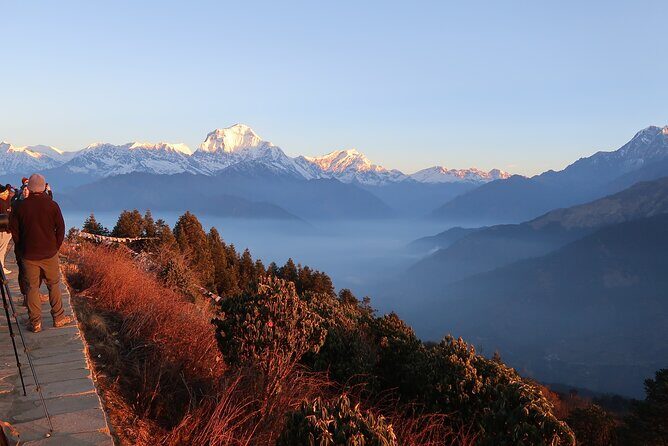
This trek lives and dies by one morning: the Poon Hill sunrise. You head out early (it’s described as about a 45-minute trek to the viewpoint), then you stay up there for a bit before heading back down. That timing matters. If you show up late, you miss the best light. If you go early with patience, the sunrise becomes calm instead of stressful.
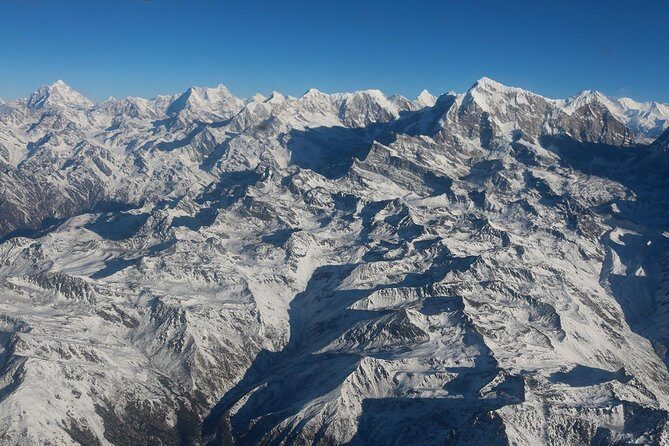
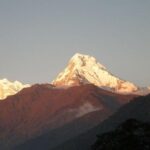
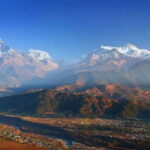
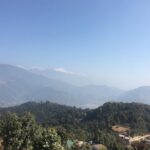
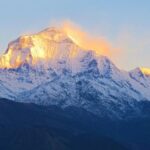
And you’re not just chasing a pretty photo. The viewpoint is high enough that the mountains feel close, and Mt. Annapurna becomes the main event. After you soak it in, the rest of the day turns into steady hiking: less spectacle, more rhythm.
If you like treks where the payoff is earned but the route still feels approachable, this one makes sense. It’s famous for a reason, but it doesn’t feel like a stunt. It feels like a well-paced introduction to Himalayan trekking.
You can also read our reviews of more hiking tours in Pokhara
Pokhara logistics: private pickup, permits, and a smooth start

Your day kicks off at 8:30 am, with hotel pickup in the Pokhara area. The trip is set up as a private tour/activity, meaning only your group participates. That matters on short treks like this. You spend less time waiting around and more time moving.
Transfers are included: you’ll use private vehicle transfers for the route parts that need it, and you’ll even get dropped back to Pokhara Lakeside at the end. You’re also covered for the paperwork that trips can get tangled in. The tour includes TIMS card/trekking permit (so you’re not sorting that out mid-planning).
Two more practical notes:
- You get an English-speaking trekking guide, not just someone who points at trails.
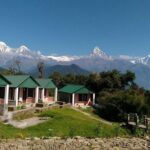
- Accommodation in guest houses is included, which is a big deal for value and comfort on a short trek.
Day 1: Ulleri via Nayapul, and the first taste of mountain trails
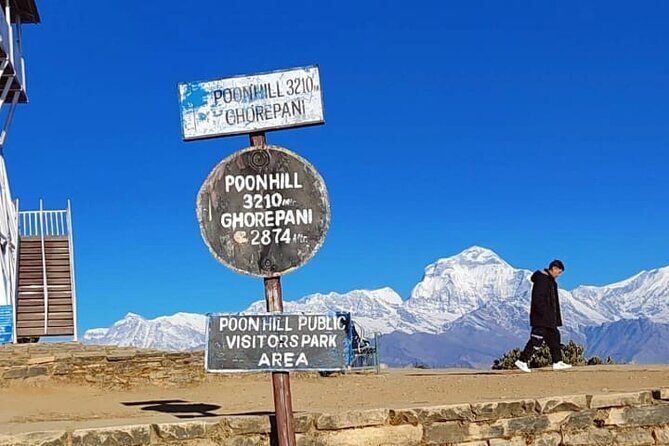
Day 1 starts with a drive to Nayapul, then your hike begins toward Ulleri. The hiking time is listed at about 6 hours, so this is not a half-hour warmup. But it’s also not a sprint. It’s the kind of day where you find your breathing, settle into the trail, and start seeing how the terrain changes as you gain altitude.
Why Ulleri as day one works: it’s early enough in the trek that your body is still adjusting, but late enough that you get a real shift from city noise to village paths. You also build hiking confidence fast because the first day sets the pace for what follows.
A small caution: this is a trekking day with no mention of meals being included. You’ll want to plan for food along the way, especially if you’re picky about meal timing.
Day 2: Ghorepani through rhododendron forests
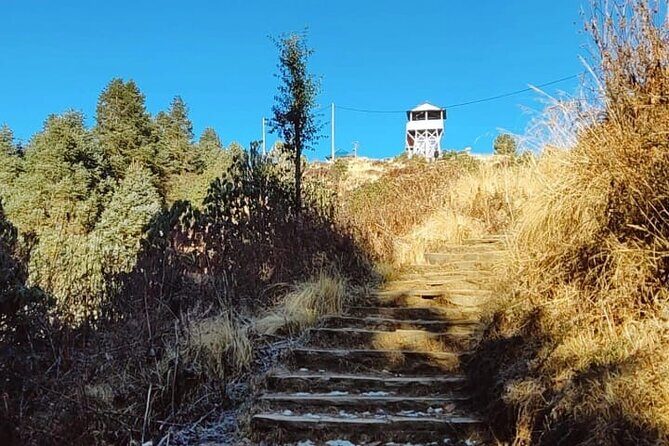
On Day 2, you trek to Ghorepani through rhododendron forests. The route time is again about 6 hours, which keeps the day steady rather than turning it into a grind.
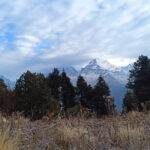
This is one of the nicer trek patterns: Day 1 brings altitude and village life, and Day 2 brings forests. Rhododendrons are part of the visual story, but the bigger benefit is that forest hiking changes your experience of the climb. Instead of staring at the mountain all day, you’re walking with greenery around you, with mountain views appearing in the background at times.
Ghorepani is also your staging point for the next morning’s sunrise. So even though this day is about hiking, you’re also setting up for an early start later.
If you want sunrise to go smoothly, take Day 2 seriously. Sleep well, keep your pack organized, and avoid turning this day into an all-night teahouse marathon.
Day 3: Poon Hill sunrise, then Tadapani for the overnight
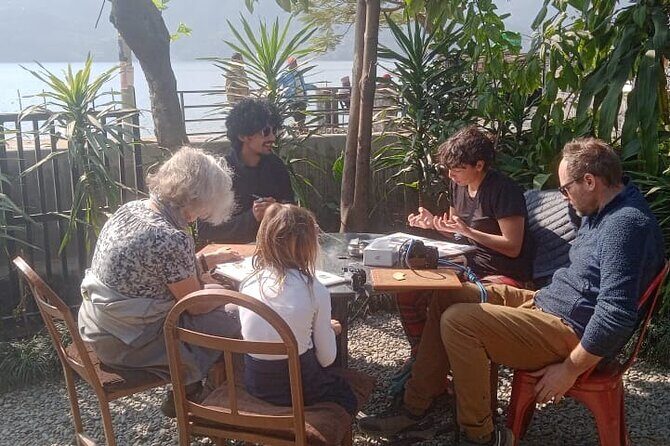
Day 3 is built around the morning viewpoint. You’ll make an early trek to Poon Hill to see sunrise over Mt. Annapurna. It’s described as about 45 minutes to reach the viewpoint, then time at the top, then trekking back to Ghorepani before continuing onward.
After sunrise, you continue trekking to Tadapani, with the full hiking time for the day listed at about 7 hours. The overnight stay is in a guest house in Tadapani.
This day can feel like two different treks:
- Early morning climbing that’s focused and short.
- A longer day hike where your legs wake up again and settle into the grind.
This is where having the right guide makes a difference. In past trips, guides such as Gobinda, Krishna, and Milan have been praised for letting people go at their own pace and for practical advice that keeps the trek enjoyable, not exhausting. If you want a calmer experience, this is exactly the part where a good guide helps most.
A few more Pokhara tours and experiences worth a look

Day 4: Ghandruk and Kimche, then jeep back to Nayapul and Pokhara

Day 4 is your descent-and-culture day. You trek from Tadapani to Ghandruk, then continue to Kimche. The total time on this day is about 8 hours, so plan it as your longest day.
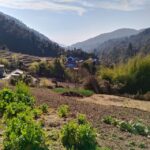
Ghandruk is called out as a rural Gurung village, and that’s the vibe you want at the end: a place where trekking feels connected to real daily life. Instead of just walking through scenery, you’re walking through a community.
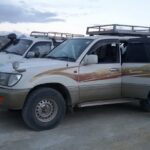
Then you switch from foot travel to vehicle travel for the way back: you take a sharing jeep to Nayapul, followed by a car drive back to Pokhara. When you arrive, you’re dropped off at Pokhara Lakeside.
This matters for how you feel at the end of the trek. Getting a vehicle portion on the last day helps you avoid turning the trip into a leg-splitting slog.
The guide factor: more than directions on the trail
This trek includes an English-speaking trekking guide, and the guidance is the difference between a trek that’s just scenic and a trek that actually feels well-run.
In the feedback you provided, guides like Gobinda, Krishna, and Milan stand out for practical help:
- adjusting pace for the group
- giving good advice for timing and comfort
- helping people choose good teahouse spots
- being supportive if an issue pops up (one guide was specifically praised for going above and beyond when someone sprained an ankle)
Even without imagining dramatic problems, a guide’s job is to prevent small stress. They help you decide when to stop, when to push, and how to manage the morning rush so you’re not sprinting for sunrise.
If you value an easygoing feel, look for a guide who actively checks your pace rather than turning the trek into a test. This itinerary already has enough challenge built in. You don’t need to add pressure.
Guesthouses and the meals question you should not ignore

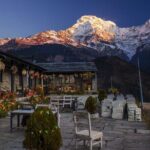
Accommodation is included as guest house stays along the route, with an explicit overnight in Tadapani. That’s a practical plus for a 4-day trek. You’re not trying to line up sleeping spots on short notice.
Meals, though, are not included. That’s common on trekking itineraries, but it affects your budget and how you plan your day. You’ll want to carry snacks for the uphill stretches and keep cash or a payment method ready for teahouse meals.
What I like about this setup is flexibility. You can choose what you feel like eating in the moment, rather than being locked into a menu. The tradeoff is that you should expect to pay extra for food and personal expenses.
What to pack for a sunrise trek near 3210 meters
This is a moderate fitness trek, but it hits cold mornings. Even if you don’t feel cold at noon, sunrise time can feel different.
Plan on:
- Warm layers for pre-dawn or early morning hours
- Good traction hiking shoes or boots
- A light rain layer if weather shifts
- A small daypack for water and snacks
You’ll also be dealing with village paths and guest houses, so skip anything bulky. Keep it simple, keep it light, and you’ll enjoy the trek more.
Price and value: is $229 fair for what you get?
At $229 per person, the value mainly comes from what’s bundled, not just the hiking itself.
Included items you’re paying for:
- Hotel pickup and drop off
- transfers by private vehicle for the necessary legs
- an English-speaking guide
- guest house accommodation
- trekking permit and TIMS card
- a private trip for your group
Not included:
- meals
- rescue cost in emergencies
- optional gratuity
So the math is pretty clear. You’re not just buying trails. You’re buying logistics and paperwork, plus a guide who helps you manage the hardest part: the short, early sunrise push and the longer hiking days afterward.
Also, the itinerary includes both walking and vehicle segments (like the sharing jeep on Day 4). That mix is part of the value. You’re getting the trekking experience without finishing the trip completely destroyed.
Who should book this Poon Hill trek?
This trek fits best if you:
- want a short Himalayan introduction
- enjoy sunrise moments and mountain views
- are comfortable with moderate hiking for 4 days
- like guided, organized days rather than DIY planning
It may be a tougher fit if you hate early mornings, because sunrise is non-negotiable. It may also be a mismatch if you want everything fully all-inclusive, because meals and personal expenses are not included.
Should you book this 4-day Poon Hill trek from Pokhara?
If you want a well-paced trek with a famous payoff, this is a strong option. You get the big highlight—Poon Hill sunrise over Annapurna—plus real village walking, including Ghandruk, without needing a multi-week commitment.
I’d book it if you care about smooth logistics: pickup, transfers, permits, a guide, and guest houses are already handled. I’d think twice only if early mornings are a deal-breaker for you or if you prefer an all-inclusive meal plan.
FAQ
What time does the trek start?
The meeting/start time is 8:30 am.
Is pickup included from Pokhara?
Yes. Hotel pickup and drop off are included, with drop-off at Pokhara Lakeside at the end.
How physically demanding is the trek?
It’s recommended for travelers with moderate physical fitness. The daily hiking times run roughly 6–8 hours depending on the day.
Where does the sunrise viewing happen?
Sunrise is viewed from Poon Hill, which is listed at 3210 meters, with views over Mt. Annapurna.
Are meals included?
No. All meals are not included, along with personal expenses.
What permits are covered?
The tour includes the trekking permit and TIMS card.